Tanggal Pembaruan: Desember 2025
Perkenalan
Mendapatkan truffle artisanal atau batangan krim ke rumah Anda dalam kondisi sempurna bukanlah keberuntungan—ini adalah sains. Cokelat premium mengandung mentega kakao, gula dan padatan susu yang bereaksi cepat terhadap panas dan kelembapan. Dengan melonjaknya permintaan global akan coklat premium—pasar pun melampauinya masuknya US$1,11 triliun 2025—menguasai pengiriman coklat dingin sangat penting untuk reputasi dan keuntungan merek Anda. Ini komprehensif 2025 panduan menjelaskan cara mengontrol suhu, pengemasan dan pengaturan waktu sehingga setiap bagian tiba dengan mengkilap dan lezat.

Kondisi pengiriman yang ideal: temukan kisaran suhu dan kelembapan yang tepat untuk berbagai jenis cokelat.
Solusi pengemasan dan pendinginan: memahami bahan isolasi, bahan perubahan fasa dan pendinginan aktif.
Rantai dingin yang digerakkan oleh teknologi: pelajari bagaimana sensor IoT dan analitik AI meningkatkan visibilitas dan efisiensi.
Tren dan pertumbuhan pasar: jelajahi bagaimana industri rantai dingin yang berkembang pesat memengaruhi pengiriman coklat.
Strategi last mile dan musiman: dapatkan tip praktis untuk pengiriman selama gelombang panas atau musim dingin yang dingin.
Kondisi Apa yang Ideal untuk Pengiriman Cokelat Dingin?
Mentega kakao mudah meleleh. Untuk menghindari mekar atau retak, pengiriman harus tetap di antara keduanya 54 °F dan 68 ° f (12–20 °C) dengan kelembaban relatif di bawah 50 %. Cokelat hitam mentolerir suhu yang lebih dingin dari kisaran tersebut, sedangkan susu dan coklat putih memerlukan kontrol yang lebih ketat. Bahkan lonjakan suhu yang singkat lebih tinggi 86 ° f (30 ° C.) melembutkan mentega kakao, sementara kelembaban tinggi mengkristalkan gula. Pendinginan awal produk dan kemasan Anda menjaga kelembapan internal tetap stabil selama transit.
Mengapa Suhu dan Kelembapan Penting
Suhu dan kelembapan menentukan apakah coklat akan mengkilap atau mekar. Panas melunakkan lemak, menyebabkan mekarnya lemak; kelembapan memicu mekarnya gula. Ketika lingkungan berfluktuasi, lemak bermigrasi ke permukaan atau gula mengkristal. Menjaga iklim mikro tetap stabil mencegah kondensasi dan mempertahankan hasil jepretan yang diinginkan. Untuk mencapai stabilitas ini:
Stabilkan suhu: menjaga pengiriman dalam suhu 12–20 °C menggunakan wadah berinsulasi dan bahan pengubah fasa (PCMS).
Kontrol kelembapan: menjaga kelembaban relatif di bawah 50 % dengan menggunakan bahan pengering atau bahan penyerap kelembapan.
Pastikan aliran udara: beri ruang di sekitar kotak dan hindari menyimpan coklat di dekat barang yang berbau.
Lindungi dari cahaya: gunakan kemasan buram untuk mencegah degradasi akibat cahaya.
Memahami Titik Leleh Cokelat
Cokelat memiliki komposisi yang berbeda-beda, jadi titik leleh dan sensitivitasnya bervariasi. Tabel di bawah ini merangkum kondisi ideal:
| Jenis coklat | Kisaran suhu (° C.) | Kelembaban (%) | Makna |
| Cokelat hitam | 12–20 | ≤50 | Kandungan kakao yang tinggi; mentolerir sedikit pendinginan |
| Coklat susu | 12–20 | ≤50 | Mengandung padatan susu; memerlukan kontrol yang lebih ketat |
| Coklat putih | 12–20 | ≤50 | Padatan kakao rendah; lemak terpisah dengan cepat |
| Coklat isi/krim | 12–20 | ≤50 | Rentan terhadap retak dan mengisi pembubaran |
Tips Praktis Menjaga Kondisi Optimal
Sesuaikan kondisi dengan jenis coklat: coklat hitam dapat menangani suhu yang lebih rendah; susu dan coklat putih membutuhkan kehangatan yang stabil.
Kemasan pra kondisi: dinginkan coklat dan bahan kemasan pada suhu 18–20 °C sebelum dikirim untuk mencegah kondensasi.
Gunakan penghalang kelembaban: tambahkan bahan pengering atau lapisan penyerap kelembapan di dalam kotak.
Tambahkan pemantauan berkelanjutan: tempatkan pencatat data IoT untuk melacak suhu dan kelembapan secara real-time; sesuaikan jika pembacaan menyimpang.
Contoh dunia nyata: sebuah perusahaan logistik yang mengirimkan truffle gourmet mengalami penurunan tingkat pertumbuhan gula 15 % ke 2 % setelah menambahkan sensor dan beralih ke kemasan pasif berinsulasi.
Kasus aktual: Sebuah perusahaan pembuat coklat kecil yang mengirimkan praline ke klien internasional mengalami pembungaan berulang kali selama musim panas. Setelah pra-pendinginan setiap batch dan menambahkan kertas penyerap kelembapan di dalam kotak terisolasi, tingkat penolakan turun menjadi kurang dari 3 %. Pelanggan memperhatikan tekstur yang lebih kencang dan hasil akhir yang lebih berkilau.
Cara Memilih Solusi Pengemasan dan Pendinginan untuk Pengiriman Cokelat?
Pengemasan adalah pertahanan terakhir terhadap panas dan kelembapan. Memilih isolasi dan pendingin yang tepat dapat menjaga coklat tetap dalam kisaran aman selama berhari-hari. Anda perlu menyeimbangkan kinerja termal, keberlanjutan dan biaya.
Isolasi dan Pendingin
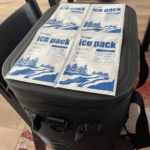
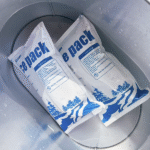
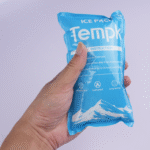
Kotak berinsulasi modern menggunakan bahan seperti polistiren yang diperluas (EPS) busa, pelapis serat kapas, busa berbahan dasar pati, bungkus gelembung dan kertas daur ulang. Opsi premium seperti ClimaCell® menggabungkan kinerja termal tinggi dengan keberlanjutan. Pendingin termasuk paket gel, es kering dan PCM yang menyerap atau melepaskan energi selama perubahan fasa. Untuk pengiriman coklat, bertujuan untuk menjaga konten tetap ada 60 °F dan 70 ° f (15–21 °C).
Pengemasan Utama dan Pengendalian Kelembapan
Kemasan primer harus melindungi terhadap kondensasi dan penanganan yang kasar. Kotak atau kaleng kokoh yang dikombinasikan dengan pembungkus tahan lembab tahan terhadap benturan saat pengiriman. Saat mengirimkan coklat premium, menggabungkan beberapa lapisan: bungkus bagian dalam untuk kontak langsung dan lapisan luar untuk menghalangi cahaya. Menambahkan bahan pengering ke dalam kotak mengurangi risiko mekarnya gula.
Pra pengkondisian dan Pra pendinginan
Kontrol suhu dimulai sebelum meninggalkan gudang. Cokelat harus didinginkan hingga suhu 18–20 °C dan bahan kemasan harus didinginkan terlebih dahulu untuk menstabilkan suhu internal. Menempatkan produk dingin ke dalam kemasan hangat akan mengundang kondensasi; pra-pengkondisian mengurangi gradien suhu dan menjaga kelembapan tetap rendah 50 %.
Membandingkan Solusi Pengemasan dan Pendinginan
| Larutan | Karakteristik | Kira-kira. lamanya (jam) | Manfaat |
| Kotak terisolasi | Bahan multi lapis (polystyrene, kertas, kapas) perpindahan panas yang lambat | 24–72 | Ringan, murah, dapat disesuaikan |
| Bahan perubahan fase (PCMS) | Paket gel atau PCM tingkat lanjut menyerap atau melepaskan panas selama perubahan fase | 24–96 | Pertahankan suhu stabil dalam rentang yang lebih luas; dapat digunakan kembali |
| Kontainer aktif | Unit pendingin bertenaga dengan kontrol presisi | 72+ | Cocok untuk pengiriman bernilai tinggi atau jarak jauh; lebih mahal |
| Solusi hibrida | Kombinasi isolasi, PCM dan pendinginan aktif minimal | 48–96 | Seimbangkan biaya dan kinerja untuk jarak menengah |
Rekomendasi Pengemasan
Cocokkan isolasi dengan rute: liner dengan performa yang lebih tebal atau lebih tinggi diperlukan untuk suhu lingkungan yang tinggi.
Pilih PCM untuk rentang yang diinginkan: paket gel standar tetap dekat 0 ° C.; PCM khusus mempertahankan suhu 15–20 °C, ideal untuk coklat.
Amankan kemasan utama: kotak kokoh mencegah kerusakan dan masuknya uap air.
Sesuaikan dengan musim: tingkatkan cairan pendingin atau isolasi di musim panas dan isolasi dari dingin di musim dingin.
Integrasikan pencatat data: pemantauan berkelanjutan mendeteksi penyimpangan sejak dini.
Jadilah Cerdas Tentang Isolasi dan Pendingin
Menurut panduan pengemasan, kebanyakan coklat ingin berada pada suhu antara 60–70 °F. Blooming dapat terjadi jika pengiriman menjadi terlalu panas atau terlalu dingin, jadi pengemasan harus dirancang untuk keseluruhan perjalanan. Isolasi memperlambat perpindahan panas dan mempengaruhi waktu transit, kuantitas cairan pendingin dan ukuran kotak. Bahan isolasi umum termasuk busa EPS, pelapis serat kapas, busa berbahan dasar pati, bungkus gelembung dan kertas daur ulang. PCM dapat mempertahankan suhu pada rentang yang lebih luas untuk jangka waktu yang lebih lama. Saat memilih cairan pendingin, mempertimbangkan kondisi musim panas dan musim dingin.
Tip dan Saran yang Berfokus pada Pengguna
Hadiah dalam jumlah kecil: Untuk memberi hadiah coklat di musim panas, pilih pengiriman semalam dengan PCM dan sertakan penghalang kelembapan. Hindari transit akhir pekan untuk mencegah paket disimpan di gudang yang panas.
Pesanan perusahaan: Untuk hadiah perusahaan besar, menggunakan solusi hibrida: kotak terisolasi dengan PCM dan pendinginan aktif minimal. Pencatatan data waktu nyata membantu tim Anda merespons penyimpangan dengan cepat.
Langganan: Untuk langganan coklat bulanan, sesuaikan kemasan sesuai musim. Tambahkan isolasi ekstra pada bulan Juli dan Agustus, dan lebih sedikit di musim dingin. Memberikan panduan kepada pelanggan tentang cara menyimpan dan membuka kiriman mereka.
Skenario praktis: Pembuat coklat butik beralih dari styrofoam ke lapisan serat kapas yang dipadukan dengan PCM. Dikombinasikan dengan sensor suhu waktu nyata, pengiriman musim panas mereka dipertahankan 60–70 °F meskipun ada gelombang panas. Meskipun biaya pengemasan sedikit meningkat, keluhannya menurun drastis.
Mengapa IoT, AI dan Keberlanjutan Mengubah Logistik Rantai Dingin?
Industri rantai dingin berkembang pesat. Pelanggan mengharapkan transparansi dan keandalan, regulator menuntut ketertelusuran, dan dunia usaha perlu mengurangi limbah. Sebagai tanggapan, perusahaan beralih ke teknologi dan praktik berkelanjutan.
Tren Industri yang Membentuk Rantai Dingin
A 2025 Studi ini menyoroti beberapa tren utama:
Meningkatnya permintaan dan e-commerce: pertumbuhan populasi, standar hidup yang lebih tinggi dan permintaan bahan pangan online mendorong lonjakan jumlah truk berpendingin, kontainer dan fasilitas penyimpanan dingin perkotaan.
IoT dan konektivitas tingkat lanjut: sensor bawaan memberikan suhu terus menerus, kelembaban dan pemantauan lokasi. Pelacak aset kini menggabungkan GPS dengan sensor lingkungan.
Analisis data dan kecerdasan buatan: analitik prediktif memperkirakan permintaan, mengoptimalkan rute pengiriman dan mengantisipasi pemeliharaan.
Otomasi dan robotika: gudang otomatis dan sistem konveyor digital mengurangi kesalahan manusia dan mempercepat operasi.
Tekanan regulasi dan keamanan pangan: regulator memerlukan catatan suhu yang terperinci, dokumentasi lacak balak dan kepatuhan terhadap FDA, PDB UE dan praktik WHO.
Keberlanjutan dan efisiensi energi: praktik yang lebih ramah lingkungan—seperti penggunaan bahan pendingin ramah lingkungan dan truk berpendingin bertenaga surya—mengurangi jejak karbon rantai dingin.
Tren ini menciptakan ekosistem tempat teknologi, kepatuhan dan keberlanjutan saling bersinggungan.
Manfaat IoT dan Pemantauan Waktu Nyata
Visibilitas berkelanjutan: sensor waktu nyata mendeteksi masalah dengan segera, mengizinkan perubahan rute atau perbaikan peralatan sebelum produk rusak.
Kepatuhan Pengaturan: log suhu otomatis membuat jalur audit anti kerusakan.
Pemeliharaan prediktif: Platform AI menganalisis perubahan suhu di masa lalu untuk mencegah kegagalan di masa depan.
Perutean yang dioptimalkan: data waktu nyata yang dikombinasikan dengan analisis prediktif membantu menghindari kemacetan, cuaca ekstrim atau pemadaman listrik.
Poin Masalah dan Solusinya
Meskipun ada kemajuan, pemangku kepentingan rantai dingin menghadapi tantangan yang sama:
Mempertahankan kondisi yang tepat: penyimpangan selama pemuatan, pembongkaran atau kegagalan peralatan dapat merusak barang.
Kurangnya visibilitas waktu nyata: tanpa pelacakan terus menerus, pengiriman menjadi “kotak hitam”.
Kepatuhan Pengaturan: pencatatan manual rawan kesalahan dan padat karya.
Kendala infrastruktur: penyimpanan pendingin yang terbatas di dekat pusat konsumsi menyebabkan kemacetan.
Meningkatnya biaya: truk berpendingin khusus dan margin tekanan peralatan yang haus energi.
Mil terakhir yang rumit: lalu lintas perkotaan yang padat dan persyaratan penanganan yang bervariasi menghambat pengiriman yang tepat waktu.
Kelebihan data: beberapa sistem pemantauan menciptakan silo informasi.
Masalah keberlanjutan: sulit untuk menyeimbangkan praktik ramah lingkungan dengan biaya dan keandalan.
Solusinya mencakup penerapan pelacak IoT yang terhubung, mengintegrasikan sistem untuk data terpadu, berinvestasi pada energi terbarukan, dan mengadopsi analitik tingkat lanjut. Misalnya, pelacak seluler seperti LL309 memonitor suhu dan kelembaban, menyimpan ribuan catatan data dan mengirimkan peringatan jika pembacaan menyimpang.
Keberlanjutan dan Logistik Hijau
Kelestarian lingkungan bukanlah suatu pilihan, melainkan suatu keharusan. Operasi rantai dingin menghadapi tekanan yang semakin besar untuk menerapkan praktik yang lebih ramah lingkungan sambil mempertahankan efisiensi. Tren untuk 2025 termasuk inovasi dalam logistik ramah lingkungan, manajemen energi dan ketahanan terhadap perubahan iklim. Perusahaan menggunakan biofuel, energi matahari dan angin untuk menggerakkan armada dan fasilitas berpendingin. Koalisi yang muncul, seperti Pindah ke -15 ºC prakarsa, mempromosikan teknologi pendingin hemat energi.
Kecerdasan Buatan dan Otomatisasi
Merangkul AI mengubah operasi gudang dan manajemen rantai pasokan. AI memberikan wawasan prediktif untuk pengendalian inventaris, mengoptimalkan tata letak gudang, dan mengurangi biaya tenaga kerja langsung dan tidak langsung. Manfaat utama meliputi:
Otomatisasi gudang: robot mengoptimalkan ruang, energi dan tenaga kerja.
Pemeliharaan proaktif: AI memprediksi kegagalan peralatan, meminimalkan penutupan.
Pengoptimalan rute: analisis lalu lintas dan cuaca mengurangi penundaan dan biaya bahan bakar.
Pemantauan waktu nyata: Sensor IoT memastikan kondisi optimal untuk produk yang mudah rusak.
Contoh: A 2025 fasilitas rantai dingin mengintegrasikan otomatisasi gudang yang digerakkan oleh AI, mengurangi biaya tenaga kerja sebesar 30 % dan konsumsi energi hampir 20 %. Sistem memperkirakan kebutuhan pemeliharaan kompresor, mencegah downtime selama musim puncak.
Tren Apa yang Akan Membentuk Cold Chain dan Pengiriman Cokelat 2025 dan seterusnya?
Pasar logistik rantai dingin sedang memasuki periode pertumbuhan yang eksplosif. Menurut Penelitian Prioritas, pasar logistik rantai dingin global bernilai USD 436.30 miliar masuk 2025 dan diproyeksikan untuk mencapai USD 1,359.78 miliar oleh 2034, berkembang di a 13.46 % CAGR. Kawasan Asia Pasifik diperkirakan akan tumbuh pada CAGR tertinggi 14.3 %. Segmen produk susu dan makanan penutup beku saat ini memegang bagi hasil terbesar, sementara jenis gudang dan transportasi berpendingin diperkirakan akan berkembang pesat.
Faktor Pertumbuhan Pasar
Beberapa faktor mendorong pertumbuhan ini:
Memperluas perdagangan pangan global: permintaan pangan yang mudah rusak dan globalisasi mempercepat investasi rantai dingin.
E commerce dan toko kelontong online: pertumbuhan eksplosif dalam toko bahan makanan online membutuhkan transportasi yang dapat dikontrol suhunya.
Kemajuan teknologi: ketertelusuran blockchain, Perangkat pemantauan IoT dan kemasan inovatif meningkatkan transparansi dan mengurangi pembusukan.
Pasar negara berkembang dan urbanisasi: meningkatnya pendapatan yang dapat dibelanjakan dan perubahan preferensi pola makan menciptakan permintaan akan makanan ringan.
Memperketat peraturan: undang-undang keamanan pangan seperti FSMA di AS. memerlukan kepatuhan yang ketat dan mendorong perusahaan menuju praktik rantai dingin yang lebih baik.
Inisiatif keberlanjutan: energi terbarukan dan kemasan ramah lingkungan mengurangi jejak karbon, selaras dengan peraturan dan ekspektasi konsumen.
Tren Penyimpanan Dingin dan Infrastruktur
Saat permintaan melonjak, infrastruktur penyimpanan dingin harus diperluas dan dimodernisasi. Tren utama meliputi:
Mengubah pola konsumsi: konsumen lebih menyukai yang segar, makanan yang bersumber secara lokal seperti hasil pertanian hingga garpu dan peralatan makan. Fasilitas penyimpanan dingin beradaptasi untuk menangani lebih banyak jenis barang yang mudah rusak, mengutamakan transparansi dan efisiensi.
Otomatisasi, keberlanjutan dan efisiensi energi: pusat pemenuhan mikro perkotaan mengintegrasikan pengambilan otomatis dan kontrol suhu tingkat lanjut untuk memenuhi permintaan e-commerce. Praktik yang lebih ramah lingkungan seperti pencahayaan LED dan integrasi tenaga surya hampir mengurangi biaya energi 50 %.
Konstruksi spekulatif: pengembang sedang membangun fasilitas penyimpanan dingin canggih tanpa penyewa pra-sewa, mengantisipasi permintaan di masa depan. Daerah dengan pertumbuhan tinggi seperti Texas, Florida dan Georgia menyumbang 47 % perkembangan baru sejak itu 2020.
Ledakan investasi: rata-rata permintaan sewa untuk fasilitas penyimpanan dingin telah meningkat 96 % sejak 2019, mencerminkan kelangkaan dan kepentingan. Investor mendanai proyek modernisasi untuk memenuhi permintaan yang meningkat.
Tantangan mil terakhir: mengirimkan barang-barang yang sensitif terhadap suhu ke depan pintu rumah konsumen tetap menjadi salah satu tugas terberat. Strateginya mencakup gudang kolaboratif, menggunakan kembali fasilitas lama dan bermitra dengan penyedia 3PL untuk mengoptimalkan rute.
Ketahanan Rantai Pasokan dan Adaptasi Iklim
Peristiwa cuaca ekstrem—seperti banjir dan kekeringan—menunjukkan perlunya sistem logistik yang tangguh. Operator rantai dingin harus berinvestasi pada infrastruktur adaptif untuk memitigasi gangguan terkait iklim. Dibuat agar sesuai dengan solusi, dimana fasilitas disesuaikan dengan kebutuhan operasional, mengoptimalkan biaya dan meningkatkan efisiensi. Mempertahankan stok strategis produk-produk penting juga membantu mengelola volatilitas.
Pertumbuhan Pasar dan Data Investasi
| Tahun | Ukuran Pasar (miliar dolar AS) | CAGR | Catatan |
| 2024 | 436.30* | - - | Tahun dasar untuk pasar logistik rantai dingin global |
| 2025 | 436.30 | - - | Ukuran pasar setelah pemulihan pandemi |
| 2026 | 496.80 | - - | Perkiraan pertumbuhan seiring dengan meningkatnya tekanan regulasi dan e-commerce |
| 2034 | 1,359.78 | 13.46 % | Perkiraan ukuran pasar global |
* Catatan: Penelitian Prioritas menggunakan 2024 sebagai tahun dasar dalam analisisnya tetapi melaporkan angka yang sama 2025 karena pemulihan pasca pandemi.
Cara Menjalankan Strategi Last Mile dan Musiman untuk Pengiriman Cokelat Dingin?
Tahap terakhir—perjalanan terakhir dari pusat distribusi ke pelanggan Anda—sering kali merupakan bagian tersulit dalam pengiriman rantai dingin. Fluktuasi suhu selama pengiriman akhir dapat menyebabkan penurunan kualitas yang cepat. Saat mengirim coklat, waktu dan perencanaan adalah segalanya.
Strategi Mile Terakhir
Penjadwalan pengiriman yang efisien: kirim selama periode dingin dan hindari panas tengah hari; rencanakan rute dengan analitik prediktif untuk menghindari lalu lintas.
Minimalkan waktu penanganan: batasi waktu di luar kemasan berinsulasi selama pemindahan untuk mencegah perubahan suhu yang cepat.
Pusat pemenuhan mikro: posisikan gudang kecil dekat dengan pelanggan untuk mempersingkat waktu transit dan mengurangi paparan. Pusat pemenuhan kebutuhan mikro di perkotaan juga menjawab permintaan e-commerce.
Jaringan kolaboratif: berbagi infrastruktur penyimpanan dingin dan pengiriman dengan merek mitra untuk mengoptimalkan rute dan mengurangi biaya.
Strategi Musiman
Musim panas menimbulkan risiko tinggi terjadinya pencairan. Seorang pembuat coklat memperhatikan hal itu kebanyakan coklat melunak di antaranya 80 °F dan 85 °F dan meleleh pada suhu sekitar 86 - - 93 ° f. Untuk melindungi pengiriman:
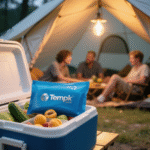
Gunakan insulasi dan kompres es: di bulan-bulan hangat, termasuk insulasi dan kompres es; menambah biaya ketika suhu melebihi 75 ° f.
Pilih hari pengiriman dengan bijak: dikirim Senin sampai Rabu untuk menghindari penundaan akhir pekan.
Tingkatkan opsi pengiriman: pilih pengiriman semalam atau 2 hari jika tujuan lebih dari dua hari transit dan suhu melebihi 80 ° f.
Pilih alamat yang tepat: mengirim paket ke lokasi di mana seseorang dapat segera menerimanya, menghindari kotak surat panas.
Selama musim dingin, coklat bisa retak atau mengembun. Gunakan kemasan berinsulasi untuk mencegah pembekuan dan hindari meninggalkan kotak di luar dalam suhu beku. Sesuaikan jumlah cairan pendingin untuk mencegah coklat turun di bawah batas aman.
Pedoman Pengiriman berdasarkan Musim
| Musim | Risiko suhu | Penyesuaian kemasan | Strategi pengiriman |
| Musim Semi/Musim Panas | Suhu lingkungan yang tinggi; risiko meleleh | Gunakan isolasi yang lebih tebal, PCM dan kompres es; produk pra-dingin | Kirim di awal minggu; pilih pengiriman semalam atau 2 hari; hindari penahanan akhir pekan |
| Musim gugur | Sedang; cuaca yang bervariasi | Sesuaikan ketebalan isolasi; PCM moderat | Rencanakan rute berdasarkan cuaca setempat; menjadwalkan pengiriman selama periode dingin |
| Musim dingin | Suhu rendah; risiko kondensasi dan retak | Gunakan isolasi untuk mencegah pembekuan; hindari paparan udara dingin | Pantau kelembapan; menginstruksikan penerima untuk membawa paket ke dalam dengan cepat |
2025 Perkembangan dan Tren Terkini
Rantai dingin berkembang dengan kecepatan sangat tinggi. Berikut ini cuplikan perkembangan yang muncul di 2025:
Logistik ramah lingkungan: perusahaan mengadopsi sumber energi terbarukan, seperti tenaga surya dan angin, untuk armada dan fasilitas berpendingin.
Otomatisasi gudang yang digerakkan oleh AI: pemeliharaan prediktif dan optimalisasi rute mengurangi waktu henti dan konsumsi bahan bakar.
Pendinginan hemat energi: inisiatif seperti Pindah ke -15 ºC koalisi mempromosikan teknologi hemat energi dan praktik berkelanjutan.
Ketahanan rantai pasokan: investasi pada infrastruktur adaptif untuk mengatasi perubahan iklim dan cuaca ekstrem.
Mengurangi sisa makanan: logistik rantai dingin membantu mencegah 1 miliar ton makanan terbuang setiap tahunnya, yang menyumbang 8–10 % emisi gas rumah kaca global.
Perluasan penyimpanan dingin: dibangun untuk memenuhi solusi dan konstruksi spekulatif mengatasi permintaan yang melonjak.
Wawasan pasar terbaru
Pertumbuhan industri coklat AS: Amerika Serikat. industri coklat diharapkan melampaui $20 miliar oleh 2025.
Pasar logistik rantai dingin global: dihargai lebih dari $321 miliar masuk 2023 dan diperkirakan lebih dari $368 miliar masuk 2024; diproyeksikan melebihi $1.245 triliun sebesar 2033 pada CAGR sebesar 14.5 %.
Usia rata-rata fasilitas penyimpanan dingin: rata-rata fasilitas penyimpanan dingin adalah 42 tahun; lebih dari setengahnya telah berakhir 30 tahun, menyoroti perlunya modernisasi.
Sewa gudang pendingin: rata-rata harga sewa yang diminta telah meningkat 96 % sejak 2019, menandakan permintaan tinggi dan pasokan terbatas.
Pertanyaan yang sering diajukan
Q1: Kisaran suhu berapa yang harus saya pertahankan untuk pengiriman coklat?
Jaga pengiriman antara 54–68 °F (12–20 °C) dan kelembaban relatif di bawah 50 %. Tetap dalam kisaran ini mencegah penumpukan lemak dan gula serta memastikan coklat Anda berkilau dan halus.
Q2: Mengapa coklat mekar saat pengiriman?
Bloom terjadi ketika lemak atau gula bermigrasi ke permukaan karena fluktuasi suhu atau kelembapan. Menggunakan isolasi yang tepat, PCM dan penghalang kelembapan mencegah pembungaan.
Q3: Bahan kemasan mana yang paling cocok untuk pengiriman coklat?
Kotak berinsulasi terbuat dari busa EPS, serat kapas, busa berbahan dasar pati atau kertas daur ulang memberikan perlindungan termal. Menggabungkannya dengan bahan pengubah fasa atau kemasan gel menjaga suhu tetap stabil.
Q4: Bagaimana cara mengurangi dampak lingkungan dari pengiriman coklat?
Pilihlah bahan insulasi yang ramah lingkungan, PCM yang dapat digunakan kembali dan energi terbarukan untuk transportasi. Gabungkan pengiriman, gunakan pusat pemenuhan mikro dan pilih kemasan yang dapat didaur ulang.
Q5: Berapa jadwal pengiriman yang ideal selama musim panas?
Kirim pesanan di awal minggu, sebaiknya Senin sampai Rabu, untuk menghindari penahanan akhir pekan. Sertakan isolasi dan kompres es ketika suhu melebihi 75 °F dan pilih pengiriman yang dipercepat.
Q6: Bagaimana AI meningkatkan pengiriman coklat dingin?
AI memberikan wawasan prediktif untuk inventaris, optimalisasi dan pemeliharaan rute, mengurangi penundaan dan pembusukan. Gudang otomatis dan sensor waktu nyata meningkatkan efisiensi dan keamanan.
Q7: Seberapa besar pasar rantai dingin dan mengapa hal itu penting?
Pasar logistik rantai dingin global sangat berharga $436.30 miliar masuk 2025 dan diproyeksikan untuk mencapai $1,359.78 miliar oleh 2034. Pertumbuhan yang pesat mencerminkan meningkatnya permintaan terhadap barang-barang yang mudah rusak, menjadikan praktik rantai dingin yang kuat penting untuk coklat dan produk sensitif suhu lainnya.
Ringkasan dan Rekomendasi
Pengiriman coklat dingin yang efektif merupakan perpaduan antara ilmu pengetahuan dan strategi. Cokelat harus berada pada suhu antara 12–20 °C dan kelembapan di bawah 50 %. Pengemasan yang tepat—menggabungkan insulasi, PCM dan penghalang kelembapan—melindungi dari mekar dan retak. Pra-pendinginan baik produk maupun kemasan menstabilkan kondisi internal. Pemantauan waktu nyata melalui sensor IoT dan analitik AI memberikan transparansi, wawasan prediktif dan kepatuhan. Permintaan yang meningkat, peraturan yang lebih ketat dan pentingnya keberlanjutan berarti industri rantai dingin akan terus berkembang. Berinvestasi pada fasilitas modern, energi terbarukan dan otomatisasi memastikan ketahanan dan efisiensi.
Langkah selanjutnya yang dapat ditindaklanjuti
Audit kemasan Anda: mengevaluasi isolasi saat ini, pendingin dan kontrol kelembaban. Uji kombinasi yang berbeda untuk mempertahankan suhu 60–70 °F selama transit.
Menerapkan pemantauan waktu nyata: lengkapi setiap pengiriman dengan sensor IoT yang mencatat suhu dan kelembapan. Gunakan peringatan untuk melakukan intervensi ketika terjadi penyimpangan.
Optimalkan rute dan waktu: menjadwalkan pengiriman selama periode dingin, hindari penundaan akhir pekan dan manfaatkan analisis prediktif untuk perencanaan rute.
Mengadopsi praktik berkelanjutan: beralih ke isolasi yang dapat didaur ulang dan energi terbarukan. Jelajahi inisiatif koalisi seperti Pindah ke -15 ºC untuk pendinginan hemat energi.
Mendidik pelanggan: memberikan instruksi yang jelas untuk menerima dan menyimpan coklat. Dorong penerima untuk melacak pengiriman dan segera membawa paket ke dalam.
Tentang tempk
Kami adalah inovator terkemuka dalam pengemasan rantai dingin. Produk kami memadukan kinerja termal tinggi dengan keberlanjutan. Lapisan ClimaCell® memberikan isolasi unggul menggunakan bahan berbasis kertas yang mudah didaur ulang. Kami merancang solusi untuk makanan yang mudah rusak, farmasi dan alat kesehatan, memastikan produk tetap berada dalam kisaran suhu optimal selama transit. Tim kami tetap menjadi yang terdepan dalam tren rantai dingin, menggabungkan pemantauan IoT dan energi terbarukan untuk membantu klien mengurangi limbah dan biaya. Dengan bermitra bersama kami, Anda mendapatkan akses ke kemasan yang andal, bimbingan ahli dan teknologi mutakhir.
Panggilan Tindakan
Siap untuk meningkatkan pengiriman coklat dingin Anda? Hubungi kami untuk saran khusus mengenai desain kemasan, Solusi pemantauan IoT dan strategi keberlanjutan. Pakar kami akan membantu Anda memilih insulasi yang tepat, pendekatan pendingin dan logistik untuk menjaga coklat Anda tetap sempurna. Jangan biarkan kerja keras Anda hilang—hubungi sekarang juga!