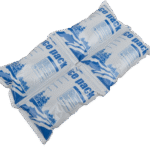
Pengiriman praline yang didinginkan adalah tentang presisi. Cokelat buatan tangan dan praline pedas Anda harus berpindah dari dapur ke pelanggan tanpa kehilangan kilaunya, tekstur atau aroma. Karena manisan ini meleleh pada suhu yang sangat rendah, bahkan paparan singkat terhadap panas atau kelembapan dapat membuatnya menjadi berantakan dan lengket. Dalam panduan ini Anda akan belajar Mengapa pengiriman praline itu rumit, Bagaimana untuk mengontrol suhu dan kelembaban, Dan Apa teknologi pengemasan dan rantai dingin menjaga keamanan permen 2025.

Mengapa pengiriman praline yang didinginkan sulit dilakukan dan bagaimana pencairan dan mekarnya terjadi
Cara menjaga suhu dan kelembapan ideal untuk pengiriman praline
Solusi pengemasan dan pendinginan apa yang melindungi praline selama transit
Bagaimana merencanakan logistik dan memilih metode pengiriman yang tepat
Tren dan teknologi rantai dingin yang sedang berkembang 2025
Tips Praktis, studi kasus dan jawaban atas pertanyaan umum
Apa yang membuat pengiriman praline yang didinginkan menjadi menantang?
Praline dan coklat isi lainnya sangat sensitif terhadap panas dan kelembapan. Mereka adalah emulsi mentega kakao, gula dan padatan susu. Saat terkena fluktuasi suhu, lemak bermigrasi ke permukaan (mekar lemak) atau gula mengkristal (gula mekar), menumpulkan kilau dan mengubah rasa di mulut. Penelitian menunjukkan coklat harus disimpan di antara keduanya 12 °C dan 20 ° C. (54–68 °F) dengan kelembaban relatif di bawah 50 %. Bahkan lonjakan singkat di atas 30 ° C. (86 ° f) melembutkan mentega kakao dan merusak pengiriman. Coklat susu dan putih, sering digunakan dalam praline, membutuhkan kontrol yang lebih ketat dibandingkan dark chocolate.
Ilmu di balik peleburan dan pembungaan
Titik leleh coklat (86 °F–90 °F) lebih rendah dari rata-rata suhu tubuh manusia. Praline dengan isian krim meleleh lebih cepat. Saat suhu naik, kristal lemak tersusun ulang dan permukaan mengkilap menjadi bergaris mekar putih. Kelembapan dari kelembapan tinggi menyebabkan gula larut dan mengkristal kembali di permukaan, menciptakan tekstur berpasir. Inilah sebabnya mengapa kemasan juga harus mengontrol kelembapan.
Praline versus bar: mengapa tambalan meningkatkan risiko
Cokelat isi dan praline memiliki lebih banyak lemak dan gula serta sering kali mengandung krim, kacang-kacangan atau minuman keras. Bahan-bahan ini menurunkan titik leleh dan meningkatkan aktivitas air. Sedangkan dark chocolate biasa bisa ditoleransi 12 °C tanpa kondensasi, praline membutuhkan lingkungan yang stabil pada suhu 15–20 °C. Kelembapan harus tetap di bawah 60 % untuk mencegah kondensasi pada isian. Produsen dan pengrajin sering kali mengkondisikan praline di ruang pendingin dan membungkusnya dengan film tahan lembab sebelum memasuki rantai dingin..
Tabel ringkasan: bahaya leleh dan mekar
| Faktor | Dampak pada praline | Signifikansi praktis |
| Suhu >30 ° C. (86 ° f) | Mentega kakao melunak dan isiannya mencair | Menyebabkan hilangnya bentuk dan kekacauan lengket; cepat mencair dalam perjalanan |
| Kelembaban >50 % | Gula larut dan mengkristal kembali | Menyebabkan mekarnya gula dan tekstur berpasir |
| Fluktuasi yang cepat | Lemak bermigrasi; reformasi kristal | Mekar tidak merata, retakan pada cangkang, umur simpan yang lebih pendek |
| Paparan cahaya langsung | Oksidasi dan perubahan warna | Menumpulkan penampilan dan mempercepat ketengikan |
Tips praktis mengatasi peleburan dan mekar
Ketahui titik leleh coklat Anda: Kebanyakan praline meleleh di antara keduanya 30 °C dan 32 ° C.. Gunakan rentang ini untuk merencanakan rute dan memilih mode pengiriman yang tepat.
Kontrol kelembapan: Targetkan kelembapan relatif di bawah 50 %. Paket pengering atau lapisan penyerap kelembapan dapat mengurangi kondensasi.
Dinginkan semuanya terlebih dahulu: Simpan praline, kemasan gel dan bahan pengemas pada suhu 18–20 °C sebelum dikemas. Pra-pengkondisian mengurangi gradien suhu selama transit.
Hindari pengiriman pada hari yang panas: Rencanakan pengiriman selama jam atau musim dingin. Banyak pembuat manisan menghindari pengiriman produk yang dapat meleleh pada hari Jumat di musim panas untuk mencegah produk tersebut duduk di truk yang panas selama akhir pekan.
Kasus nyata: Sebuah perusahaan logistik memperhatikan tingkat pertumbuhan gula sebesar 15 % pada pengiriman musim panas. Setelah menambahkan sensor waktu nyata dan beralih ke kemasan berinsulasi dengan bahan pengubah fase, tingkat penolakan turun menjadi adil 2 %. Investasi dalam pengemasan yang lebih baik membuahkan hasil melalui peningkatan kepuasan pelanggan.
Cara menjaga suhu dan kelembapan ideal
Memastikan iklim mikro yang stabil adalah inti dari pengiriman praline yang didinginkan. Dua variabel penting: suhu dan kelembaban. Keduanya harus dikontrol mulai dari produksi hingga penyimpanan, transportasi dan pengiriman last mile.
Kisaran suhu dan kelembaban yang disarankan
Produksi dan penyimpanan: Cokelat dan praline harus disimpan pada suhu 12–20 °C (54–68 °F) dengan kelembaban relatif di bawah 50 %. Cokelat hitam mentoleransi tingkat yang lebih rendah, sedangkan coklat isi dan coklat putih membutuhkan suhu 18–20 °C.
Pengiriman dan transit: Pertahankan suhu 18–20 °C sebelum pengepakan dan hindari paparan di atas 30 ° C.. Gunakan kendaraan berpendingin atau surat berinsulasi dengan kemasan gel agar tetap berada dalam jangkauan.
Tampilan ritel dan konsumsi: Pelanggan harus menyimpan praline di tempat yang sejuk, tempat kering di bawah 70 ° f (21 ° C.), idealnya antara 65 °F dan 68 ° f, dengan kelembapan di bawah 55 %. Mendidik penerima untuk menghindari lemari es, yang memberikan kelembapan.
Alat dan teknik untuk mengontrol suhu dan kelembaban
| Teknik | Keterangan | Apa artinya bagimu |
| Wadah terisolasi | Kotak dengan busa EPS, pelapis ClimaCell® berbahan dasar kertas atau insulasi kapas memperlambat perpindahan panas | Jaga suhu internal tetap stabil selama 24–72 jam dan ringan serta dapat disesuaikan |
| Bahan perubahan fasa (PCMS) | Paket gel atau PCM tingkat lanjut menyerap atau melepaskan panas selama perubahan fase | Pertahankan rentang target (15–20 °C) selama 24–96 jam; dapat digunakan kembali; ideal untuk praline |
| Pendinginan aktif | Kontainer bertenaga atau van berpendingin memberikan kontrol yang presisi | Terbaik untuk pengiriman jarak jauh atau bernilai tinggi tetapi lebih mahal |
| Solusi hibrida | Gabungkan isolasi, PCM dan pendinginan aktif minimal | Seimbangkan biaya dan kinerja untuk rute menengah |
| Kontrol kelembaban | Paket pengering, lapisan penyerap kelembapan dan atmosfer yang terkendali | Jaga kelembapan di bawah 50 % untuk mencegah mekarnya gula |
Pra pengondisian: sebuah langkah yang sering diabaikan
Kontrol suhu dimulai sebelum truk berangkat. Praline harus didinginkan hingga suhu 18–20 °C dan bahan kemasan harus didinginkan terlebih dahulu. Menempatkan produk dingin ke dalam kotak hangat akan menimbulkan kondensasi. Dengan mengkondisikan keduanya terlebih dahulu, Anda menstabilkan kelembapan dan mengurangi kebutuhan energi dari kemasan gel. Pra-pendinginan sangat penting dalam pengiriman musim panas.
Perlindungan aliran udara dan cahaya
Berikan ruang antar kotak untuk memungkinkan sirkulasi udara tetapi hindari ruang kosong yang dapat menyebabkan perpindahan. Gunakan kemasan buram untuk menghalangi cahaya, yang dapat memicu oksidasi dan perubahan warna.
Ringkasan: menjaga iklim mikro yang ideal
Jaga suhu di antara keduanya 12 °C dan 20 °C dengan kelembapan di bawah 50 %
Gunakan kontainer berinsulasi dan PCM yang disesuaikan dengan panjang rute
Produk dan kemasan yang sudah didinginkan sebelumnya
Sertakan pengatur kelembapan seperti pengering
Hindari ruang kosong yang berlebihan dan lindungi dari cahaya
Solusi pengemasan dan pendinginan untuk pengiriman praline
Pengemasan adalah garis pertahanan terakhir. Itu harus menyeimbangkan kinerja termal, keberlanjutan dan biaya sambil menjaga integritas struktural selama transit.
Membandingkan opsi isolasi dan pendinginan
Solusi isolasi dan pendinginan yang berbeda menawarkan durasi dan biaya yang berbeda-beda. Tabel berikut membandingkan opsi umum:
| Solusi pengemasan | Fitur utama | Perkiraan durasi | Manfaat praktis |
| Kotak berinsulasi multi lapis | Polystyrene, bahan kertas atau katun | 24–72 jam | Ringan, murah dan dapat disesuaikan untuk e-commerce |
| Bahan perubahan fasa (PCMS) | Gel atau bahan canggih yang menyerap/melepaskan panas | 24–96 jam | Pertahankan suhu stabil pada rentang yang lebih luas dan dapat digunakan kembali |
| Wadah aktif | Unit pendingin bertenaga | 72+ jam | Kontrol yang tepat untuk pengiriman bernilai tinggi; Biaya yang lebih tinggi |
| Solusi hibrida | Kombinasi isolasi dan PCM | 48–96 jam | Seimbangkan biaya dan kinerja untuk jarak menengah |
Membangun paket yang sempurna
Untuk sebagian besar pengiriman praline buatan tangan, pendekatan berlapis adalah yang terbaik. Mulailah dengan kotak bagian dalam atau kaleng yang kokoh agar tidak hancur. Bungkus setiap praline atau baki dengan film tahan lembab. Tambahkan lapisan bantalan untuk mencegah kontak langsung dengan kompres dingin. Tempatkan PCM atau paket gel di sekitar praline, memastikan mereka tidak menyentuh produk secara langsung. Tutup paket bagian dalam, kemudian letakkan di dalam wadah yang diisolasi dengan pengering.
Menyesuaikan insulasi dengan rute dan musim
Suhu sekitar menentukan berapa banyak isolasi yang Anda butuhkan. Gunakan liner yang lebih tebal atau berkinerja lebih tinggi di musim panas. Pilih PCM yang cocok dengan kisaran suhu yang diinginkan—paket gel standar selalu tersedia 0 ° C., tetapi PCM khusus mempertahankan suhu 15–20 °C. Tambahkan lebih banyak cairan pendingin untuk jarak jauh dan keluarkan sebagian untuk pengiriman musim dingin untuk menghindari pembekuan.
Pencatat data dan sensor IoT
Sertakan pencatat suhu dan kelembapan untuk memantau kondisi selama transit. Data waktu nyata memungkinkan Anda melakukan intervensi jika terjadi penyimpangan dan menyediakan dokumentasi untuk jaminan kualitas. Perangkat IoT modern berukuran kompak dan dapat mengirimkan data melalui jaringan seluler tanpa membuka paketnya.
Studi kasus: menyeimbangkan biaya dan kinerja
Pembuat coklat online mengadopsi liner ClimaCell® berbasis kertas dan paket PCM untuk pengiriman musim panas. Menggunakan pencatat data waktu nyata, mereka mempertahankan suhu 15–21 °C meskipun terjadi gelombang panas, dan keluhan pelanggan menurun secara signifikan. Meskipun biaya pengemasan sedikit meningkat, peningkatan kepuasan pelanggan meningkatkan pesanan berulang, mengimbangi biaya.
Bagaimana merencanakan logistik dan memilih metode pengiriman yang tepat
Bahkan kemasan terbaik pun tidak dapat mengimbangi perencanaan logistik yang buruk. Pertimbangkan waktu transit, rute, keandalan operator dan ketersediaan pelanggan.
Perencanaan waktu dan rute
Pengiriman di awal minggu menghindari akhir pekan ketika paket mungkin disimpan di fasilitas yang tidak dikontrol suhunya. Rencanakan rute untuk menghindari daerah panas atau panas tengah hari. Gunakan prakiraan cuaca dan analisis prediktif untuk mengubah rute pengiriman saat terjadi gelombang panas atau penundaan. Kendaraan dengan pengatur suhu mungkin tidak selalu tersedia, jadi selaraskan kinerja pengemasan dengan operator yang tersedia.
Pemilihan operator dan kecepatan pengiriman
Pilih operator yang berpengalaman dalam pengiriman dengan suhu terkontrol. Banyak operator menawarkan alat konsultasi untuk membantu mengevaluasi jarak pengiriman, waktu transit dan biaya. Untuk praline, pengiriman semalam atau dua hari disarankan karena coklat tidak dapat bertahan lebih dari tiga hari. Saat menggunakan es kering, Ingatlah bahwa pengiriman tersebut seringkali terbatas pada pengiriman darat dan tidak dapat dikirim melalui udara ketika waktu transit melebihi tiga hari.
Menghindari penundaan akhir pekan
Selama bulan-bulan hangat, hindari pengiriman pada hari Jumat. Nawlins Praline Candy menerima pesanan yang membutuhkan kantong es hingga hari Senin untuk mencegahnya duduk di truk panas selama akhir pekan. Mereka juga mengingatkan pelanggan bahwa kantong es biasanya bertahan 24-48 jam, dan tidak ada pengembalian uang yang ditawarkan untuk produk yang meleleh. Dorong pelanggan untuk memilih pengiriman ke lokasi di mana seseorang dapat segera menerima paketnya, seperti kantor.
Akurasi alamat dan adat istiadat
Pastikan alamat sudah benar; operator mengenakan biaya koreksi alamat dan tidak dapat mengirim ulang jika alamat tidak valid. Untuk pengiriman internasional, bekerja dengan mitra logistik terintegrasi untuk menangani dokumentasi bea cukai. Maersk mencatat bahwa eksportir Amerika Latin menghadapi prosedur bea cukai yang tidak konsisten, namun alat digital dapat mengurangi waktu izin dan memberikan visibilitas waktu nyata.
Contoh jadwal pengiriman praline dalam negeri
| Hari | Pemeriksaan suhu | Tindakan |
| Senin | Verifikasi perkiraan; praline yang sudah dingin | Kemas pesanan dengan PCM; dikirim pada siang hari untuk pengiriman semalam |
| Selasa | Pantau sensor transit | Tanggapi peringatan; ubah rute jika diperlukan |
| Rabu | Kirim sisa pesanan | Hindari pengiriman setelah tengah hari untuk mencegah penundaan di akhir pekan |
| Kamis | Pegang benda yang bisa meleleh | Evaluasi panas yang akan datang; jadwal untuk hari Senin jika panas akhir pekan sedang tinggi |
| Jumat | Tidak ada pengiriman yang dapat dicairkan | Layanan pelanggan menghubungi pelanggan tentang penundaan dan opsi |
Mengapa teknologi rantai dingin penting 2025
Pengiriman praline berpendingin adalah bagian dari ekosistem logistik rantai dingin yang lebih luas. Memahami pertumbuhan pasar, inovasi dan tren keberlanjutan membantu dunia usaha berinvestasi dengan bijak.
Pertumbuhan pasar dan konteks ekonomi
Pasar coklat global dihargai sekitar USD 125 miliar masuk 2024 dan diperkirakan akan tumbuh pada a 3.3 % CAGR dari 2025 ke 2034. Permintaan meningkat karena pertumbuhan populasi, pendapatan yang lebih tinggi dan peralihan ke coklat premium. Pertumbuhan ini memperkuat kebutuhan akan pengiriman yang andal untuk melindungi produk bernilai tinggi.
Logistik rantai dingin sendiri berkembang pesat. Itu pasar logistik rantai dingin diperkirakan sebesar USD 361.37 miliar masuk 2025 dan diperkirakan akan tercapai USD 492.40 miliar oleh 2030, A 6.38 % CAGR. Pertumbuhan didorong oleh obat-obatan, makanan premium, platform belanjaan perdagangan cepat dan persyaratan peraturan untuk pelacakan suhu waktu nyata. Investasi dalam otomatisasi, IoT dan energi terbarukan mengubah industri ini.
Dinamika wilayah
Amerika Latin menghasilkan sekitar 20 % kakao dunia dan mengekspor coklat dan produk kakao senilai KITA $12,142 per ton, ke atas 11 % tahun ke tahun. Namun, infrastruktur yang terfragmentasi, cuaca yang tidak dapat diprediksi dan penundaan bea cukai menimbulkan tantangan. Penyedia logistik terintegrasi membantu mengatasi kompleksitas ini dengan alat bea cukai digital, penyimpanan terkendali iklim dan solusi transportasi multimoda.
2025 inovasi dan tren dalam logistik rantai dingin
Industri rantai dingin berkembang dengan cepat. Berikut adalah tren utama yang membentuk pengiriman praline yang didinginkan 2025:
Otomasi dan robotika
Otomasi menjadi pusat perhatian di fasilitas penyimpanan dingin. Sistem penyimpanan dan pengambilan otomatis (AS/RS) dan penanganan robotik mengurangi biaya tenaga kerja dan meminimalkan kesalahan. Hanya tentang 20 % gudang diotomatisasi, menyoroti potensi pertumbuhan yang signifikan. Otomatisasi meningkatkan konsistensi suhu dan akurasi inventaris, yang penting untuk barang sensitif seperti praline.
Keberlanjutan sebagai nilai inti
Sistem pendingin hemat energi, sumber energi terbarukan dan pengemasan berkelanjutan menjadi suatu keharusan. Rantai pendingin makanan global memberikan kontribusi yang besar 2 % emisi CO₂, mendorong penggunaan bahan-bahan yang dapat terbiodegradasi dan dapat didaur ulang. Bisnis yang menerapkan keberlanjutan tidak hanya memenuhi peraturan tetapi juga mengurangi limbah makanan dan meningkatkan reputasi merek.
Pelacakan dan visibilitas waktu nyata
Perangkat IoT tingkat lanjut menyediakan data suhu real-time, kelembaban dan lokasi di seluruh rantai pasokan. Pelacakan waktu nyata mengoptimalkan rute, mencegah pembusukan dan meningkatkan kepatuhan terhadap peraturan. Segmen perangkat keras mendominasi pasar pelacakan rantai dingin 2022, menunjukkan investasi berkelanjutan dalam sensor dan telematika.
Modernisasi infrastruktur
Infrastruktur penyimpanan dingin yang sudah tua ditingkatkan dengan sistem pendingin modern, isolasi yang lebih baik dan energi terbarukan di lokasi. Modernisasi meningkatkan efisiensi dan mengurangi biaya energi, menawarkan kontrol suhu yang konsisten untuk pengiriman praline.
AI dan analisis prediktif
Kecerdasan buatan mengoptimalkan rute, memperkirakan permintaan dan memprediksi pemeliharaan peralatan. AI dapat menganalisis data historis dan informasi real-time untuk mengantisipasi gangguan dan merekomendasikan tindakan pencegahan, mengurangi risiko pencairan atau penundaan.
Pertumbuhan rantai dingin farmasi
Meskipun obat-obatan mendorong sebagian besar pertumbuhan rantai dingin, inovasi meluas ke logistik pangan. Teknologi yang dikembangkan untuk vaksin—seperti freezer ultra dingin dan sensor suhu yang presisi—disesuaikan dengan makanan bernilai tinggi seperti praline.
Investasi dalam logistik makanan segar dan pengiriman jarak jauh
Pemesanan online dan penjualan langsung ke konsumen memerlukan kemampuan rantai dingin jarak jauh yang kuat. Semakin banyak gudang yang menambahkan zona berpendingin, dan penyedia logistik berinvestasi pada kendaraan dengan pengatur suhu untuk pengiriman cepat. Di Amerika Utara, pasar logistik rantai dingin makanan diperkirakan akan tercapai $86.67 miliar masuk 2025.
Kemitraan strategis dan integrasi rantai pasokan
Para pemangku kepentingan di seluruh rantai dingin membentuk kemitraan untuk mengintegrasikan data dan menyederhanakan operasi. Oleh 2025, 74 % data logistik diharapkan terstandarisasi, memungkinkan integrasi yang lancar di seluruh rantai pasokan. Untuk produsen praline, bermitra dengan pemasok kemasan, penyedia logistik dan perusahaan teknologi meningkatkan visibilitas, ketahanan dan layanan pelanggan.
Pertanyaan yang sering diajukan
Q1: Pada suhu berapa praline harus disimpan selama pengiriman?
Idealnya antara 18 °C dan 20 ° C. (64 °F–68 °F) dengan kelembapan di bawah 50 %. Kisaran ini menjaga isian tetap stabil dan mencegah mekarnya gula.
Q2: Bagaimana saya bisa mengirimkan praline tanpa meleleh?
Dinginkan terlebih dahulu produk dan kemasan Anda, gunakan kotak berinsulasi dengan PCM dan kirimkan semalaman atau dalam dua hari. Hindari pengiriman pada akhir pekan.
Q3: Kemasan apa yang terbaik untuk pengiriman praline?
Sistem berlapis: kotak bagian dalam yang kokoh, bungkus tahan lembab, Bantalan, PCM atau paket gel, pengering dan pengirim luar yang terisolasi.
Q4: Mengapa pengendalian kelembapan itu penting?
Kelembapan yang tinggi melarutkan gula dan menyebabkan gula mekar. Gunakan bahan pengering dan pelapis tahan lembab untuk menjaga kelembapan tetap rendah 50 %.
Q5: Bisakah praline dikirim secara internasional?
Ya, tetapi bekerja sama dengan operator yang menawarkan layanan pengontrol suhu dan pelacakan waktu nyata. Alat bea cukai digital mengurangi penundaan dan memberikan visibilitas.
Q6: Berapa lama paket gel atau paket es bertahan?
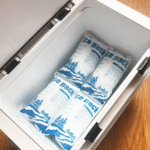
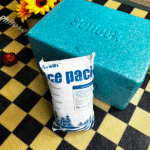
Kebanyakan kemasan gel mempertahankan suhunya 24–48 jam. Pilih PCM untuk jarak yang lebih jauh dan pantau pembacaan sensor.
Ringkasan dan Rekomendasi
Pengiriman praline yang didinginkan memerlukan pendekatan holistik. Keseimbangan suhu dan kelembapan harus dijaga mulai dari produksi hingga di depan pintu pelanggan. Berikut adalah kesimpulan utamanya:
Pahami produk Anda: Praline meleleh pada suhu yang lebih rendah dan memerlukan kontrol kelembapan yang lebih ketat dibandingkan coklat biasa.
Mengendalikan iklim mikro: Jaga suhu di antara keduanya 12 °C dan 20 ° C., kelembaban di bawah 50 %, dan melindungi dari cahaya.
Gunakan kemasan berlapis: Gabungkan kemasan utama yang kokoh dengan insulasi, PCM dan pengering.
Rencanakan logistik dengan hati-hati: Kirim di awal minggu, menghindari penundaan akhir pekan, dan pilih operator dengan layanan yang dikontrol suhu.
Manfaatkan teknologi: Gunakan pencatat data, Pelacakan IoT dan analisis prediktif untuk visibilitas dan pengambilan keputusan secara real-time.
Mengikuti 2025 tren: Berinvestasi dalam otomatisasi, keberlanjutan dan kemitraan untuk tetap menjadi yang terdepan dalam persaingan.
Langkah selanjutnya yang dapat ditindaklanjuti
Audit kemasan Anda saat ini: Evaluasi isolasi, kontrol pendingin dan kelembaban. Uji dengan pencatat data dan sesuaikan menurut musim.
Kembangkan jadwal pengiriman: Hindari pengiriman hari Jumat; gunakan pengiriman semalam atau dua hari; mengintegrasikan prakiraan cuaca dan optimalisasi rute.
Latih tim Anda: Mendidik staf tentang pra-pengkondisian, teknik pengepakan dan penanganan sensor.
Bermitralah dengan bijak: Bekerja sama dengan penyedia logistik yang menawarkan keahlian rantai dingin, dukungan bea cukai digital dan visibilitas ujung ke ujung.
Berinvestasilah dalam teknologi: Mengadopsi sensor IoT, analitik prediktif dan materi berkelanjutan untuk dipenuhi 2025 standar.
Tentang tempk
Di Tempk kami berspesialisasi dalam pengemasan rantai dingin yang melindungi produk yang sensitif terhadap suhu. Liner terisolasi kami, bahan pengubah fase dan wadah yang dapat digunakan kembali menjaga praline dan coklat dalam kisaran suhu aman selama berhari-hari. Kami menggabungkan penelitian rantai dingin selama puluhan tahun dengan bahan ramah lingkungan untuk mengurangi limbah. Solusi kami diuji sesuai standar internasional dan dirancang untuk digunakan kembali, membantu Anda memberikan kualitas sekaligus meminimalkan dampak lingkungan.
Langkah selanjutnya
Siap mengubah pengiriman praline dingin Anda? Hubungi Tempk untuk solusi pengemasan yang disesuaikan. Pakar kami dapat membantu Anda memilih insulasi yang tepat, pendingin dan teknologi untuk memenuhi tantangan pengiriman Anda. Jaga agar manisan Anda tetap dingin, segar dan siap untuk pelanggan.