Perbedaan antara es kering dan paket gel: Yang tepat untuk kebutuhan Anda?
Memilih antara es kering dan paket gel is a common dilemma when it comes to shipping temperature-sensitive goods. Kedua opsi dirancang untuk menjaga produk tetap dingin, tetapi mereka bekerja secara berbeda dan cocok untuk kebutuhan spesifik. Dalam panduan ini, we’ll explore the key differences between dry ice and gel packs, Membantu Anda menentukan opsi mana yang paling sesuai dengan kebutuhan rantai dingin Anda.
-
How dry ice and gel packs differ in cooling methods
-
Best applications for dry ice and gel packs
-
Pertimbangan biaya dan lingkungan untuk setiap opsi
-
When to choose one over the other based on your shipment’s needs
-
Practical tips for safely using both dry ice and gel packs
How Do Dry Ice and Gel Packs Differ in Cooling?
Es kering adalah karbon dioksida padat (Co₂) yang menyublim di –78,5 ° C, membuatnya ideal untuk pengiriman ultra -cold, Menjaga produk membeku untuk waktu yang lama. Sebaliknya, gel packs use a phase-change material (PCM) to keep contents cool, biasanya antara 0–8 ° C., dan dirancang untuk barang-barang yang didinginkan rather than frozen items.
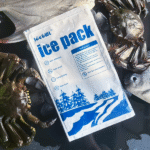
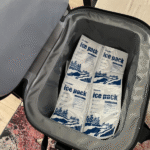
While dry ice offers longer cooling durations at much lower temperatures, gel packs are lebih mudah untuk ditangani, more environmentally friendly, and typically more cost‑effective for shorter durations.
Paket Es Kering Vs Gel: Perbedaan utama
| Metode pendinginan | Kisaran suhu | Penggunaan yang ideal | Durasi pendinginan |
|---|---|---|---|
| Es kering | –78.5 ° C. | Makanan beku, Farmasi, Biologi | 24–72 jam |
| Paket gel | 0–8 ° C. | Barang-barang yang didinginkan, Persediaan medis | 12–48 jam |
Tips Praktis
-
Untuk barang beku: Dry ice is your best option for maintaining subzero temperatures over extended periods.
-
Untuk barang-barang yang didinginkan: Gel packs are perfect for keeping products within the 2–8°C range for 1–2 days.
-
Untuk pengiriman campuran: Use both—dry ice for frozen products and gel packs for refrigerated items.
Contoh Kehidupan Nyata: A logistics company successfully shipped vaccines using gel packs for refrigerated items and dry ice for biologics that required freezing temperatures, ensuring that both stayed within optimal temperature ranges.
When Should You Use Dry Ice Over Gel Packs?
Dry ice is the go‑to solution when you need to keep items frozen at subzero temperatures. This makes it ideal for long shipments of frozen foods, Farmasi, dan sampel biologis that must stay below –20°C or colder.
Dry ice provides a powerful cooling effect and is typically used for shipments that last more than 24 jam. Namun, dry ice requires proper ventilation and handling to avoid carbon dioxide buildup, making it less convenient for smaller shipments or short durations.
Kegunaan Terbaik untuk Es Kering
-
Makanan beku: Use dry ice to keep ice cream, daging beku, or seafood solid for days.
-
Farmasi dan Biologi: Obat-obatan tertentu, seperti vaksin, need to stay at low temperatures, which dry ice can easily provide.
-
Long‑Term Transport: Dry ice is perfect for shipments that need to remain frozen for extended periods.
When to Choose Dry Ice for Your Shipment
| Jenis Pengiriman | Efektivitas Es Kering | Gel Packs Effectiveness | Penggunaan terbaik |
|---|---|---|---|
| Makanan beku | Sangat efektif | Tidak efektif | Es kering untuk perjalanan panjang |
| Farmasi | Sangat efektif | Tidak efektif | Dry ice for frozen shipments |
| Biologi | Sangat efektif | Tidak efektif | Dry ice for temperature control |
When Should You Use Gel Packs Over Dry Ice?
Gel packs are ideal for refrigerated goods that need to stay at temperatures between 0–8°C. This makes them perfect for shorter shipments of food, obat, or personal care products that don’t require freezing temperatures.
Paket gel juga lebih mudah untuk ditangani Dan tidak beracun, making them suitable for a wider range of goods. They are often the pilihan yang lebih hemat biaya for short-term temperature control compared to dry ice.
Best Uses for Gel Packs
-
Persediaan medis: Keep medications such as insulin or antibiotics cool for short durations.
-
Makanan yang mudah rusak: Use gel packs for fruits, susu, and vegetables that need refrigeration but not freezing.
-
Consumer Goods: Ideal for cosmetics or personal care products that need a cool, suhu stabil.
When to Choose Gel Packs for Your Shipment
| Jenis Pengiriman | Gel Packs Effectiveness | Efektivitas Es Kering | Penggunaan terbaik |
|---|---|---|---|
| Makanan yang Didinginkan | Sangat efektif | Tidak efektif | Gel packs for shorter trips |
| Farmasi | Sangat efektif | Tidak efektif | Gel packs for refrigerated meds |
| Kosmetik | Sangat efektif | Tidak efektif | Gel packs for temperature‑sensitive items |
Pertimbangan Biaya dan Lingkungan: Paket Es Kering Vs Gel
Dry ice is more effective for ultra‑cold shipping, but it comes with higher costs and environmental concerns due to the CO₂ emissions. Dry ice also needs to be replenished regularly, terutama saat pengiriman lama.
Paket gel adalah more environmentally friendly dan dapat digunakan kembali, which makes them a solusi hemat biaya for shorter transit times. They don’t require special handling, are less likely to cause safety issues, and can be easily disposed of without environmental harm.
Perbandingan Biaya: Paket Es Kering Vs Gel
| Metode pendinginan | Biaya Rata-Rata per Pengiriman | Dampak Lingkungan | Penggunaan terbaik |
|---|---|---|---|
| Es kering | $25–$50 | Tinggi (emisi CO₂) | Barang beku jangka panjang |
| Paket gel | $10–$30 | Rendah (tidak beracun, dapat digunakan kembali) | Barang berpendingin jangka pendek |
2025 Tren logistik rantai dingin: Inovasi dan Regulasi
Saat industri rantai dingin berkembang, 2025 trends highlight the growing demand for sustainable and efficient cooling solutions. Gel packs are becoming more eco-friendly with recyclable or biodegradable options, Dan new dry ice technologies are being developed to reduce sublimation rates and minimize environmental impact.
Tren Terbaru
-
Kemasan berkelanjutan: New biodegradable gel packs and insulation materials are becoming more common.
-
Smart cooling technology: Temperature monitoring systems integrated with dry ice and gel pack shipping solutions to ensure product integrity.
-
Energy-efficient logistics: Companies are seeking ways to reduce the carbon footprint of long‑distance shipments.
Wawasan pasar: The global demand for sustainable cold chain solutions has risen 20% di dalam 2024, driven by stricter environmental regulations and consumer demand for eco‑friendly products.
Pertanyaan yang sering diajukan {#FAQ}
Q: Can I use gel packs for items that need to stay frozen?
TIDAK, gel packs are designed for refrigeration (0–8 ° C.). For freezing requirements, es kering diperlukan.
Q: Berapa lama kemasan gel bertahan selama pengiriman?
Gel packs can keep items cool for 12–48 hours, depending on the insulation and outside temperature.
Q: Are there any environmental concerns with using dry ice?
Ya, dry ice releases CO₂ gas as it sublimates, which contributes to greenhouse gas emissions. Proper handling and disposal are required.
Ringkasan & Kesimpulan
Dry ice and gel packs are both essential for temperature-sensitive shipments, but they are suited for different needs. Use dry ice for freezing temperatures and longer shipments. Opt for gel packs when you need to maintain cooler temperatures for shorter durations. Pertimbangkan biaya, Dampak Lingkungan, and your specific shipping requirements when making the decision.
Apa yang Harus Dilakukan Selanjutnya
-
Hitung kebutuhan pendinginan kiriman Anda using our guide.
-
Order gel packs or dry ice dari Tempk untuk pengiriman Anda berikutnya.
-
Bagikan panduan ini with your logistics team to ensure the best cooling solution.
Tentang tempk
Tempk provides advanced cold chain logistics solutions, menawarkan paket gel, es kering, and customized temperature-controlled packaging. We ensure your temperature-sensitive shipments arrive at their destination in optimal condition, whether you’re shipping pharmaceuticals, makanan, atau biologi.
Perlu solusi rantai dingin yang disesuaikan? Hubungi kami for expert advice and guidance.