Menjadi halus, coklat batangan premium dari pohon kakao tropis ke meja Anda sangatlah rumit. Cuaca ekstrem mengurangi produksi kakao 12.9 % pada musim tanam terakhir, menggandakan harga dan membuat penanganan yang hati-hati menjadi penting. Itu pasar coklat global melampaui US$1,11 triliun 2023, dan konsumen mengharapkan kualitas artisanal. Untuk a perusahaan logistik coklat gourmet rantai dingin, mewujudkan harapan itu berarti mengendalikan suhu, kelembaban dan waktu transit. Panduan ini menjawab pertanyaan Anda dengan data spesifik dan saran praktis sehingga Anda dapat menjaga coklat Anda tetap sempurna—ke mana pun mereka bepergian.
Artikel ini akan membantu Anda:
Pahami tantangan rantai pasokan unik dalam logistik cokelat gourmet dan mengapa produsen biji-bijian hingga batangan memerlukan rantai dingin yang cermat.
Pelajari kisaran suhu dan kelembapan ideal untuk berbagai jenis coklat dan cara merawatnya.
Jelajahi opsi pengemasan dan pasif vs. sistem rantai dingin aktif untuk transportasi yang efisien.
Temukan bagaimana teknologi seperti IoT, AI dan blockchain meningkatkan visibilitas dan mengurangi pemborosan.
Dapatkan wawasan terkini tentang 2025 tren pasar, termasuk gangguan pasokan, preferensi konsumen dan perkiraan pertumbuhan.
Apa Saja Tantangan Unik Logistik Cokelat Gourmet Cold Chain?
Pembuat coklat kerajinan mengambil pendekatan dari biji ke batangan (bean to bar) yang menjadikan logistik lebih kompleks daripada permen pasar massal. Mereka memanen buah kakao, fermentasi dan kacang kering, panggang dan buat dalam jumlah kecil, sering bekerja langsung dengan petani. Dengan setiap tahap diselesaikan dalam iklim dan fasilitas yang berbeda, mengangkut coklat tanpa menyebabkan lemak atau gula menjadi tantangan. 2025 menambahkan lebih banyak tekanan: A 12.9 % penurunan hasil kakao karena penyakit dan cuaca melonjaknya harga dan memaksa perusahaan untuk melindungi kualitas. Pembuat kerajinan berinvestasi pada sertifikasi dan kondisi pekerja; kehilangan kualitas dalam perjalanan mengikis investasi tersebut.
Mengapa kompleksitas rantai pasokan penting bagi Anda
Dari peternakan lembab hingga pemanggang kering, perjalanan coklat melintasi bidang khatulistiwa, kotak fermentasi, drum pemanggang dan mesin tempering. Setiap lingkungan menuntut suhu dan kelembapan yang tepat, namun banyak produsen kecil tidak memiliki keahlian khusus dalam rantai dingin. Tanpanya, coklat dapat mengoksidasi atau menghilangkan rasa, merusak reputasi Anda. Mempelajari lokasi terjadinya perubahan suhu dan cara memitigasinya akan memberikan keunggulan kompetitif bagi perusahaan logistik cokelat gourmet Anda.
Titik kontak rantai dingin dan area risiko
| Panggung | Faktor Risiko | Implikasinya bagi bisnis Anda |
| Penyimpanan pasca pemanggangan | Setelah temper, coklat didinginkan 18–20 °C (64–68 °F); lonjakan apa pun di atas 30 ° C. (86 ° f) melelehkan mentega kakao dan merusak tekstur. | Investasikan pada ruang pra-pendinginan dan pendinginan yang konsisten untuk menghindari kehilangan produk. |
| Penyimpanan gudang | Cokelat harus disimpan di 12–20 °C (54–68 °F) dengan kelembapan di bawah 50 %. Cokelat hitam tahan terhadap kondisi dingin, tetapi varietas susu dan putih memerlukan kontrol yang lebih ketat. | Gunakan gudang dan sensor yang dikontrol iklim untuk menjaga kondisi yang konsisten. |
| Mengangkut | Truk yang sudah didinginkan sebelumnya harus menyimpan coklat 13–18 °C (55–65 °F). Perubahan suhu yang cepat menyebabkan migrasi lemak dan peningkatan gula. | Bekerja sama dengan operator yang menyediakan kendaraan berpendingin dan meminimalkan waktu transfer. |
| Pengiriman mil terakhir | Pengemasan rantai dingin pasif dengan kemasan gel dan lapisan berinsulasi melindungi produk selama pengiriman akhir. | Pilih kemasan yang menyeimbangkan insulasi dengan berat dan biaya untuk menjaga kualitas. |
Kiat praktis untuk memitigasi risiko
Petakan rantai pasokan Anda: Identifikasi di mana coklat paling sering terkena panas atau kelembapan—gudang, penundaan bea cukai atau transit jarak jauh—dan tambahkan kontrol seperti pencatat data atau sensor IoT.
Dinginkan semuanya terlebih dahulu: Sebelum memuat, bawa truk dan kemasan ke kisaran suhu target Anda, mengurangi kejutan termal.
Jadwalkan dengan hati-hati: Hindari musim dengan suhu tinggi atau saat jaringan logistik sedang kewalahan, misalnya sekitar hari libur. Rencanakan kemungkinan jika terjadi penundaan.
Kasus dunia nyata: Praline pengiriman pembuat cokelat buatan tangan dari Belgia ke Jepang mendinginkan terlebih dahulu setiap batch, menggunakan kotak berinsulasi EPS daur ulang dengan kemasan gel dan dilengkapi sensor suhu. Data waktu nyata memastikan coklat tetap berada di dalamnya 55–65 °F dan tiba mengkilap dan bebas mekar.
Bagaimana Seharusnya Anda Mengontrol Suhu dan Kelembapan di Logistik Cokelat?
Suhu yang konsisten dan kelembapan rendah adalah fondasi logistik coklat yang berkualitas. Mentega kakao meleleh pada 30–32 °C (86–90 °F), dan mekarnya gula terjadi ketika uap air mengembun di permukaan dan kemudian menguap. Kisaran optimal untuk penyimpanan adalah 12–20 °C (54–68 °F) dengan kelembapan di bawah 50 %. Cokelat hitam menoleransi batas bawah kisaran ini, sedangkan varietas susu dan putih memerlukan kontrol yang lebih ketat karena lemak susu kurang stabil.
Memastikan kondisi yang konsisten
Kontrol kelembapan penting karena kristal gula larut dalam kelembapan tinggi dan kemudian mengkristal kembali, meninggalkan tampilan berdebu. Menurut panduan logistik Sensitech, gudang coklat harus dipelihara 54–68 °F (12–20 °C) dengan kelembaban relatif di bawah 50 %. Sirkulasi udara yang baik mencegah penyerapan bau tak sedap, dan melindungi coklat dari cahaya menghindari kerusakan akibat sinar UV. Monitor suhu waktu nyata memberikan visibilitas terus menerus, memungkinkan Anda memperbaiki penyimpangan sebelum kualitasnya menurun.
Suhu dan kelembaban menurut jenis coklat
| Jenis Coklat | Suhu Ideal (°C/°F) | Kisaran Kelembaban | Pentingnya bagi Anda |
| Cokelat hitam | 12–20 °C (54–68 °F) | <50 % RH | Lebih stabil karena kandungan lemak kakaonya lebih tinggi; mentolerir kondisi dingin dan fluktuasi kecil. |
| Coklat susu | 13–18 °C (55–65 °F) | <50 % RH | Sensitif terhadap perubahan suhu; membutuhkan kondisi yang konsisten untuk mencegah pembungaan. |
| Coklat putih | 13–18 °C (55–65 °F) | <50 % RH | Paling rapuh; pemantauan berkelanjutan sangat penting untuk menghindari mekarnya gula dan kerusakan tekstur. |
| Cokelat isi atau praline | 13–18 °C; hindari pembekuan | <50 % RH | Isian seperti nougat atau minuman keras bisa pecah jika dibekukan; kemasan pra-dingin dan hindari perubahan yang ekstrim. |
Kiat yang dapat ditindaklanjuti untuk menjaga kondisi
Gunakan monitor suhu dan kelembapan secara real-time: Perangkat menyediakan data berkelanjutan sehingga Anda dapat merespons penyimpangan dengan cepat.
Prioritaskan aliran udara: Pemuatan palet harus memungkinkan sirkulasi udara untuk mencegah penyerapan bau; hindari memuat coklat dengan produk berbau menyengat.
Perisai dari cahaya: Gunakan kemasan buram dan simpan di tempat gelap untuk mencegah paparan sinar UV.
Hindari suhu yang mengembun: Jaga kelembapan cukup rendah agar kondensasi tidak terbentuk pada permukaan coklat.
Studi kasus: Di gudang Amerika Utara, menyimpan coklat susu di kandang 65 ° f Dan 45 % kelembapan relatif mencegah mekarnya gula selama gelombang panas musim panas dan menghemat kerugian produk senilai ribuan dolar.
Strategi Pengemasan dan Transportasi Mana yang Melindungi Cokelat Gourmet?
Pengemasan adalah garis pertahanan pertama Anda terhadap panas, kelembaban dan kerusakan fisik. Cokelat gourmet dikirim melintasi iklim dan memerlukan keseimbangan antara biaya, berat dan isolasi. Sistem pasif—wadah berinsulasi, liner dan kemasan gel—menjaga coklat tetap dingin tanpa daya eksternal. Sistem aktif menggunakan truk atau kontainer berpendingin untuk pengendalian yang presisi tetapi lebih mahal.
Memilih bahan kemasan yang tepat
Bahan harus memperlambat perpindahan panas dan menjaga kelembapan. Pilihannya termasuk polistiren yang diperluas (EPS) busa, pelapis serat kapas, busa berbahan dasar pati dan kertas daur ulang. Paket gel menjaga suhu tetap di antara keduanya 12–20 °C lebih lama dari es kering, yang dapat membekukan coklat dan menyebabkan gula mekar.
Perbandingan pengemasan dan cairan pendingin
| Larutan | Manfaat | Pertimbangan | Aplikasi praktis |
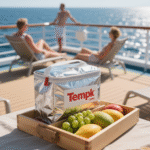
| Kemasan pasif (kotak terisolasi, Paket gel) | Ringan, modular dan hemat biaya; pertahankan kondisi dingin hingga 48 jam. | Durasi pendinginan terbatas; membutuhkan pra-pendinginan dan pengepakan yang hati-hati. | Pengiriman last mile untuk pesanan e-commerce, pengiriman jarak pendek. |
| Pendinginan aktif (truk reefer, wadah) | Memberikan kontrol suhu yang tepat; cocok untuk pengiriman jarak jauh atau pengiriman bernilai tinggi. | Biaya lebih tinggi dan kurang fleksibel; memerlukan listrik dan pemeliharaan. | Ekspor coklat premium internasional, pengiriman massal. |
| Bahan isolasi (EPS, kapas, busa pati) | Perpindahan panas yang lambat; pilihan berkelanjutan mengurangi dampak lingkungan. | Harus menyeimbangkan ketebalan insulasi dengan berat dan biaya. | Pilih isolasi yang lebih tebal untuk rute yang lebih panjang; menggunakan bahan-bahan yang dapat didaur ulang untuk mendukung keberlanjutan. |
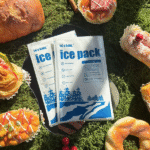
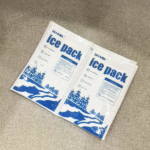
| Paket gel vs. es kering | Paket gel tetap terjaga 12–20 °C tanpa pembekuan. | Es kering dapat menurunkan suhu hingga di bawah titik beku, menyebabkan mekarnya gula; gunakan dengan hati-hati. | Gunakan kemasan gel untuk pengiriman coklat; es kering hanya untuk makanan non-coklat yang memerlukan suhu di bawah nol. |
Tip logistik dan transportasi
Pilih mode transportasi yang tepat: Untuk pengiriman lintas negara, truk berpendingin memberikan suhu yang stabil; untuk ekspor antarbenua, pertimbangkan kontainer laut berpendingin atau angkutan udara dengan kemasan terisolasi.
Gunakan penyimpanan multi zona: Jika kiriman Anda mencakup SKU yang berbeda, mengadopsi zona di dalam truk atau gudang untuk mempertahankan persyaratan suhu yang bervariasi.
Prosedur penanganan dokumen: Memberikan pedoman tertulis untuk pengemudi dan pawang, termasuk pra pendinginan, pola pemuatan dan pemeriksaan suhu.
Contoh dunia nyata: Selama musim puncak, sebuah perusahaan FMCG di Argentina hampir melewatkan peluncurannya karena kekurangan truk berpendingin. Dengan bermitra dengan penyedia logistik yang menawarkan transportasi multimoda dan analisis prediktif, mereka mempertahankan suhu yang dibutuhkan dan memenuhi tenggat waktu.
Bagaimana Teknologi Dapat Meningkatkan Efisiensi dan Keberlanjutan Logistik Cokelat?
Alat digital menghadirkan transparansi, efisiensi dan ketahanan terhadap logistik coklat gourmet. Sensor IoT dan pelacak GPS memantau lokasi, suhu dan kelembaban secara real time; teknologi ini memiliki lebih dari 76 % pangsa pasar pelacakan rantai dingin di 2022. Peringatan memungkinkan Anda memperbaiki penyimpangan dengan cepat. AI menganalisis data historis dan real-time untuk mengoptimalkan rute, memprediksi kegagalan peralatan dan memperkirakan permintaan.
Teknologi membuat perbedaan
| Teknologi | Penggunaan Utama | Manfaat bagi rantai pasokan coklat Anda |
| Sensor IoT & Pelacak GPS | Suhu monitor, kelembaban dan lokasi secara real time. | Berikan peringatan segera, mengurangi pembusukan dan membuktikan kepatuhan. |
| Ai & analitik prediktif | Optimalkan perutean, memperkirakan permintaan dan memprediksi kegagalan peralatan pendingin. | Penggunaan bahan bakar lebih rendah, meminimalkan penundaan dan mengaktifkan pemeliharaan proaktif. |
| Blockchain/buku besar gabungan | Telusuri biji kopi dari perkebunan hingga ke bar dan verifikasi praktik keberlanjutan. | Bangun kepercayaan konsumen dengan sumber yang transparan; menyederhanakan audit. |
| Si kembar digital & simulasi | Buat model virtual gudang atau rute. | Skenario pengujian, merencanakan gangguan dan meningkatkan ketahanan. |
| Integrasi awan & keamanan siber | Sentralisasikan data dan aktifkan kolaborasi jarak jauh; melindungi sistem. | Pengambilan keputusan lebih cepat dan operasi aman di tengah meningkatnya ancaman ransomware. |
Langkah-langkah untuk menerapkan teknologi dalam operasi Anda
Mulailah dengan sensor IoT: Terapkan pencatat data di gudang dan truk untuk menangkap kondisi lingkungan dan berbagi data dengan tim Anda.
Mengadopsi alat AI: Gunakan platform analitik untuk memprediksi permintaan puncak dan merencanakan rute yang efisien. Pemeliharaan berbasis AI dapat mencegah kerusakan sistem pendingin.
Prioritaskan integritas data: Pilih solusi blockchain atau buku besar gabungan untuk melacak biji kopi dan memverifikasi sumber yang etis.
Simulasikan skenario: Gunakan kembaran digital untuk menguji kemasan atau mengubah rute sebelum menerapkannya di dunia fisik.
Contoh: Merek kerajinan coklat yang mengintegrasikan blockchain untuk melacak biji dari Ekuador, menggunakan pengemasan rantai dingin pasif dan menggunakan penyimpanan dingin bertenaga surya. Konsumen dapat memindai kode QR untuk melihat rantai pasokan dan bersedia membayar harga premium.
Bagaimana Keberlanjutan dan Etika Mempengaruhi Logistik Cokelat Gourmet?
Keberlanjutan bukan lagi sebuah pilihan—hal ini merupakan keharusan kompetitif. Produksi kakao menurun 25.3 % di Pantai Gading dan 31.3 % di Ghana karena penyakit dan cuaca ekstrem, menyebabkan defisit pasokan terbesar di dunia 60 tahun dan menggandakan harga. Diversifikasi sumber daya mengurangi ketergantungan pada satu wilayah; Ekuador muncul sebagai pemasok utama dengan hasil panen yang bervariasi 800 kg per hektar, mengungguli Afrika Barat. Konsumen semakin bersedia membayar lebih untuk coklat yang bersumber secara etis dan pilihan nabati, jadi rantai pasok yang transparan itu penting.
Membangun rantai pasokan yang etis dan berkelanjutan
| Strategi | Tindakan | Manfaat bagi bisnis Anda |
| Kemitraan langsung dengan petani | Bayar harga premium dan dukung proyek komunitas; memerlukan sertifikasi seperti Rainforest Alliance. | Menjamin tenaga kerja yang adil, meningkatkan kualitas produk dan membedakan merek Anda. |
| Diversifikasi sumber | Sumber kacang dari berbagai daerah, termasuk produsen baru seperti Ekuador. | Mengurangi risiko gangguan iklim atau politik; meningkatkan ketahanan. |
| Berinvestasilah pada kemasan yang ramah lingkungan | Gunakan isolasi yang dapat didaur ulang atau digunakan kembali dan zat pendingin yang ramah lingkungan. | Memotong limbah, menurunkan emisi dan menyelaraskan dengan nilai-nilai konsumen. |
| Transparansi konsumen | Berikan kode QR atau cerita tentang komunitas petani dan tunjukkan bagaimana manajemen rantai dingin menjaga kualitas. | Membangun kepercayaan dan membenarkan penetapan harga premium. |
Saran praktis
Mengurangi jarak transit: Posisikan gudang lebih dekat dengan pelabuhan atau konsumen untuk mengurangi emisi dan mempersingkat waktu pengiriman.
Mendidik pelanggan: Bagikan upaya keberlanjutan Anda pada kemasan atau materi pemasaran, mendorong pelanggan untuk mendaur ulang atau menggunakan kembali kemasan.
Ukur dan laporkan: Lacak pengurangan limbah, penggunaan energi dan emisi untuk menunjukkan kemajuan kepada investor dan pelanggan.
Contoh kasus: Sebuah pembuat coklat kerajinan Amerika Utara menggunakan blockchain untuk membuktikan biji coklatnya bersumber secara etis dan menerapkan pengemasan rantai dingin pasif dengan bahan terbarukan. Merek membagikan data melalui kode QR, meningkatkan kepercayaan konsumen.
2025 Perkembangan dan Tren Terkini Logistik Cokelat Rantai Dingin
Tinjauan Tren
2025 melihat industri coklat menghadapi harga komoditas yang bergejolak dan inovasi teknologi yang pesat. Harga kakao hampir melonjak USD 12,000 per ton pada bulan Desember 2024, kemudian dikoreksi menjadi sekitar USD 5,800 per ton karena perbaikan kondisi tanaman, namun tetap berada di atas tingkat sebelum krisis. Amerika Latin memproduksi 20 % kakao dunia dan coklat ekspor senilai $12,142 per ton dalam setahun terakhir, sebuah 11 % peningkatan dari tahun ke tahun. Pasar logistik rantai dingin sendiri bernilai sekitar masuknya US$436,3 miliar 2025 dan diperkirakan akan melebihi sebesar US$1,3 triliun pada tahun 2016 2034 dengan a tingkat pertumbuhan tahunan gabungan (CAGR) dari 13.46 %. Pertumbuhan ini berarti lebih banyak pilihan untuk transportasi berpendingin tetapi juga persaingan yang ketat dalam hal kapasitas.
Kemajuan terbaru sekilas
Visibilitas waktu nyata melalui sensor IoT: Adopsi tersebar luas; sensor memonitor suhu, kelembaban dan lokasi dan mengirimkan peringatan untuk tindakan perbaikan. Hal ini memastikan coklat gourmet tetap berada dalam kondisi ideal.
Rantai pasokan otonom yang didukung AI: Perutean yang prediktif dan logistik yang dapat dioptimalkan secara mandiri mengurangi intervensi manusia dan mengurangi penggunaan bahan bakar.
Pengarusutamaan Blockchain: Transparan, catatan anti kerusakan sedang diintegrasikan ke seluruh rantai pasokan kakao, meningkatkan kepercayaan konsumen.
Kembaran digital dan integrasi cloud: Alat simulasi membantu perusahaan menguji skenario rantai dingin dan membuat keputusan berdasarkan data.
Pengaruh geopolitik dan lingkungan: Cuaca ekstrem terus mengganggu pasokan Afrika Barat; perusahaan harus membangun redundansi dan bermitra dengan penyedia logistik yang dapat menavigasi bea cukai dan tarif.
Mengubah preferensi konsumen: Meningkatnya permintaan akan vegan, coklat nabati dan fungsional berarti logistik harus menangani bahan-bahan sensitif seperti santan, memerlukan kontrol suhu khusus.
Wawasan pasar
Pasar coklat global adalah masuknya US$167 miliar 2024 dan diproyeksikan untuk mencapai US$219,9 miliar pada 2033, tumbuh di 2.8 % CAGR. Premiumisasi adalah pendorong utama—keahlian, sumber asal tunggal dan rasa eksklusif menuntut harga lebih tinggi. Konsumen juga menuntut produk yang berkelanjutan dan beretika; di Kanada, 25 % konsumen coklat carilah coklat yang bersumber secara etis. Merek yang berinvestasi pada keberlanjutan dan transparansi akan memperoleh loyalitas dan kekuatan harga.
Pertanyaan yang sering diajukan
Q1: Berapa suhu yang harus saya pertahankan untuk mengangkut coklat gourmet?
Untuk sebagian besar coklat gourmet, bertujuan untuk 12–20 °C (54–68 °F) dengan kelembapan di bawah 50 %. Cokelat hitam tahan terhadap suhu dingin, sedangkan susu dan coklat putih perlu kontrol yang lebih ketat.
Q2: Mengapa harga kakao naik dua kali lipat pada tahun 2024–2025?
Cuaca ekstrem dan penyakit mengurangi produksi kakao sebesar 12.9 %. Hilangnya hasil panen di Pantai Gading dan Ghana menyebabkan defisit pasokan terbesar pada tahun 2017 60 tahun dan menyebabkan harga melonjak.
Q3: Bagaimana kemasan gel dibandingkan dengan es kering untuk pengiriman coklat?
Paket gel mempertahankan coklat di dalamnya 12–20 °C tanpa pembekuan dan ideal untuk coklat, sedangkan es kering dapat menurunkan suhu hingga di bawah titik beku dan menyebabkan mekarnya gula.
Q4: Apakah saya memerlukan blockchain untuk rantai pasokan coklat saya?
Blockchain tidak wajib, namun menggunakan buku besar gabungan dapat membantu melacak biji kopi dari perkebunan hingga ke bar, memverifikasi klaim keberlanjutan dan membangun kepercayaan konsumen.
Q5: Bahan kemasan apa yang ramah lingkungan?
Pertimbangkan pelapis kertas yang dapat didaur ulang, busa berbahan dasar pati atau insulasi serat kapas. Perpindahan panas ini memperlambat sekaligus mengurangi dampak terhadap lingkungan.
Q6: Bagaimana AI membantu logistik coklat?
AI menganalisis data historis dan real-time untuk mengoptimalkan rute, memprediksi kegagalan peralatan dan merekomendasikan pengemasan berdasarkan ukuran pesanan dan cuaca.
Kesimpulan dan Rekomendasi
Kunci takeaways
A perusahaan logistik coklat gourmet rantai dingin harus mengontrol suhu (12–20 °C) dan kelembaban (<50 %) untuk mencegah mekarnya lemak dan gula.
Produsen kacang-kacangan hingga batangan menghadapi rantai pasokan yang kompleks; mengidentifikasi dan mengelola titik kontak berisiko tinggi—pasca pemanggangan, pergudangan, transportasi dan last mile—sangat penting.
Memilih kemasan yang tepat (pasif vs. aktif) dan cairan pendingin seperti kemasan gel sangat penting untuk menjaga kualitas.
Teknologi digital (IoT, Ai, blockchain) meningkatkan visibilitas, mengoptimalkan rute dan mendukung sumber yang etis.
Keberlanjutan, sumber yang etis dan transparansi konsumen adalah hal yang wajib untuk membangun kepercayaan dan membenarkan penetapan harga premium.
Langkah selanjutnya untuk bisnis Anda
Audit rantai pasokan Anda: Petakan setiap tahap mulai dari kebun kakao hingga konsumen dan identifikasi di mana suhu dan kelembapan mungkin menyimpang.
Melaksanakan pemantauan: Terapkan sensor IoT dan pelacak suhu/kelembaban real-time untuk menangkap penyimpangan dengan cepat.
Evaluasi kemasan: Uji berbagai bahan isolasi dan paket gel untuk menemukan keseimbangan yang tepat antara perlindungan dan biaya.
Mengadopsi alat AI: Gunakan analitik prediktif untuk mengoptimalkan rute dan mencegah kegagalan peralatan.
Komunikasikan cerita Anda: Bagikan sumber etis dan praktik rantai dingin Anda kepada konsumen melalui pengemasan dan pemasaran.
Hubungi profesional: Pertimbangkan untuk bermitra dengan penyedia logistik rantai dingin untuk mengelola bea cukai, penyimpanan dan transportasi multimoda.
Tentang tempk
Latar belakang kami
Dan Tempk, kami berspesialisasi solusi pengemasan rantai dingin yang melindungi barang-barang yang sensitif terhadap suhu seperti coklat gourmet, obat-obatan dan makanan segar. Produk kami meliputi kotak terisolasi, paket gel dan bahan termal canggih yang dirancang untuk pemeliharaan 12–20 °C untuk waktu yang lama. Kami berinvestasi dalam penelitian dan sertifikasi untuk memastikan solusi kami dapat digunakan kembali, dapat didaur ulang dan memenuhi standar global.
Mengapa Memilih Tempk
Dapat digunakan kembali & bahan yang dapat didaur ulang: Insulasi dan paket gel kami mengurangi limbah dan mendukung keberlanjutan.
Kinerja suhu terverifikasi: Kami merancang sistem yang mempertahankan suhu target hingga 48 berjam-jam tanpa listrik.
Keahlian industri: Tim kami memahami tantangan unik logistik coklat gourmet dan dapat menyesuaikan solusi untuk rute atau iklim apa pun.
Siap melindungi coklat gourmet Anda? Hubungi pakar kami hari ini untuk mendiskusikan kemasan rantai dingin khusus atau untuk meminta penawaran.