Produsen kotak berinsulasi EPP untuk pengadaan medis
Penawaran harga yang rendah bisa menjadi mahal jika harganya hanya berupa kotak cetakan dan pembeli berasumsi kotak tersebut mencakup solusi pengiriman medis. Sebuah Produsen kotak berinsulasi EPP pengadaan medis harus dipilih melalui rantai tanggung jawab: bahan dan cetakan yang dikontrol, kesesuaian fungsional, paket pasif yang ditentukan, bukti kualifikasi yang relevan, pemantauan, dan pengoperasian jalur. Setiap link mempunyai pemilik dan bukti yang berbeda-beda. Jika batasan tersebut jelas sebelum perkakas dan pengujian dimulai, pembeli dapat membandingkan pemasok secara adil dan menghindari penemuan setelah peluncuran bahwa “kotak yang divalidasi” tidak pernah divalidasi untuk muatan atau rute mereka.
Mulailah dengan ringkasan keputusan yang dibagikan oleh bagian pengadaan, rekayasa pengemasan, kualitas, dan logistik, bukan katalog.
Mulailah dengan peta tanggung jawab, bukan spesifikasi EPP
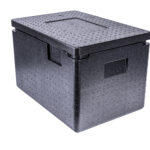
EPP adalah busa partikel polipropilena yang diperluas. Ini dihargai dalam aplikasi transportasi karena nilai tertentu dapat memberikan isolasi, massa rendah, ketangguhan, penyerapan energi, dan serapan air yang rendah. Pabrikan dapat membentuknya menjadi sebuah bodi, tutup, saluran pendingin, menangani, pencari lokasi, dan fitur penumpukan. Fleksibilitas teknik itu berguna, tetapi bahan tersebut tidak dapat menentukan kondisi yang diperlukan untuk suatu obat atau menunjukkan bahwa kiriman tetap berada di dalamnya.
Lima cakupan harus muncul secara terpisah dalam ringkasan keputusan.
- komponen EPP: tubuh yang dibentuk, tutup, dan sisipan busa apa pun, diatur oleh gambar, identitas materi, perkakas, toleransi, dan inspeksi.
- Pengirim terisolasi: wadah ditambah aksesori tertentu, mungkin termasuk karton luar, penutupan, jangka pembagi garis, dan lokasi pendingin.
- Sistem termal pasif: pengirim, bahan pendingin atau pengubah fasa, muatan, pengkondisian, urutan pemuatan, dan instruksi pengoperasian sebagai satu konfigurasi yang ditentukan.
- Pemantauan: perangkat dan proses yang dipilih untuk mengumpulkan bukti suhu waktu yang dapat digunakan; ia mengamati paparan tetapi tidak melindungi muatannya.
- Solusi khusus jalur yang memenuhi syarat: sistem terkendali yang didukung oleh pengujian yang sesuai, asumsi rute atau pembuatan profil, operasi terlatih, dokumentasi, dan keputusan penyimpangan untuk tujuan penggunaan.
Pemasok dapat mencakup satu cakupan atau mengoordinasikan beberapa cakupan. Tidak ada model yang secara otomatis lebih unggul. Yang penting adalah spesifikasi pembelian menyatakan siapa pemilik setiap kiriman, siapa yang menyetujuinya, dan apa yang terjadi di antarmuka. Jika cetakan EPP hanya menyuplai komponen saja, pembeli atau mitra pengemasan lainnya harus memiliki integrasi dan kualifikasi cairan pendingin. Jika penyedia mengusulkan keseluruhan pengirim pasif, laporannya masih perlu ditinjau oleh organisasi yang bertanggung jawab atas produk medis tersebut.
Peta ini juga mencegah bahasa kepatuhan yang longgar. Dalam lingkup distribusi grosir UE dan EEA, Prinsip praktik distribusi yang baik di UE menekankan pada pemeliharaan kondisi yang ditentukan oleh produsen produk, perencanaan rute berbasis risiko, kemasan yang sesuai, kontrol suhu dan pemantauan jika relevan, peralatan yang dikalibrasi, dan prosedur penyimpangan. Kategori panduan dan peralatan vaksin WHO berlaku dalam konteks vaksin tertentu. ISTA menyediakan desain kontainer pengiriman berinsulasi terstruktur dan metode uji termal. IATA membahas praktik penanganan kargo udara dan pengendalian suhu. Tak satu pun dari nama-nama tersebut mengubah bagian EPP generik menjadi kotak medis yang disetujui secara universal.
Selesaikan lima pertanyaan kepemilikan sebelum melakukan produksi
Jelajahi pertanyaan-pertanyaan ini secara paralel, tetapi berikan masing-masing pemilik nama dan jawaban yang tercatat. Persyaratan produk yang tidak ditentukan dan langkah-langkah pengoperasian yang tidak dimiliki menciptakan bukti yang rapuh.
Pemilik produk menyediakan kondisi yang disetujui
Pemilik produk menyediakan dan menafsirkan kondisi penyimpanan atau pengangkutan berlabel yang disetujui, kemudian menentukan prosedur pengiriman dan perjalanan yang berlaku. Ini mengidentifikasi kepekaan terhadap panas, pembekuan, lampu, terkejut, orientasi, atau getaran dan memperjelas penahanan primer dan sekunder. Untuk sampel atau bahan yang diatur, klasifikasi transportasi tambahan mungkin berlaku. Pemasok pengemasan dapat bertanya dan mendokumentasikan; ia seharusnya tidak menciptakan persyaratan tersebut.
Terjemahkan kondisi yang disetujui ke dalam kriteria penerimaan untuk pengembangan dan pemantauan. Hindari memilih produk farmasi yang sudah dikenal hanya karena hal tersebut umum terjadi pada beberapa produk. Obat-obatan yang berbeda, Biologi, reagen, vaksin, dan spesimen dapat memiliki persyaratan yang berbeda.
Logistik memiliki asumsi jalur
Jelaskan muatan paket dengan gambar, massa, kuantitas, orientasi, kondisi awal, dan mewakili kasus minimum dan maksimum. Volume muatan yang dapat digunakan harus tidak termasuk cairan pendingin, jangka pembagi garis, hambatan, dan izin. Konfirmasikan apakah kontak langsung dengan cairan pendingin diperbolehkan. Beban penuh dan beban parsial mungkin mempunyai perilaku yang berbeda, jadi pilihlah kasus uji melalui pertimbangan risiko yang terdokumentasi.
Memetakan waktu dari pintu ke pintu, memanggungkan, menjemput, hub, bea cukai, pengiriman mil terakhir, dan penundaan yang kredibel. Catat paparan lingkungan dari data jalur yang relevan bila tersedia, atau nyatakan profil standar mana yang dibenarkan yang akan mendukung pengujian desain. Tambahkan fakta penanganan: risiko jatuh atau kompresi, orientasi, jenis kendaraan, waktu di apron atau dermaga, dan jam kerja penerima. Perjalanan maksimum bukanlah waktu transit yang diiklankan oleh operator.
Pabrikan membekukan desain fungsional
Pemasok meninjau geometri dan perkakas sebelum dirilis. Tutupnya tumpang tindih, kerataan pelek, kompresi penutupan, transisi dinding, fitur mendalam, mengisi jalur, ventilasi, ejector, saluran air, menangani, dan kontak susun harus diperiksa fungsi dan kelayakan pencetakannya. Gambar tersebut memerlukan datum fungsional dan toleransi yang mencerminkan perilaku EPP, bukan presisi yang berubah-ubah.
Tanyakan bagaimana pemasok mengontrol kadar resin, kondisi cetakan, bagian massa atau kepadatan jika berguna, fusi, cacat, identitas rongga, pengkondisian, dan selesai pemeriksaan. Kepemilikan alat, perbaikan, duplikat rongga, dan transfer lokasi memerlukan persetujuan yang pasti. Metode inspeksi harus menyatakan apakah perlengkapan menahan bagian fleksibel dan dalam kondisi lingkungan apa pengukuran dilakukan.
Situs pengepakan membuktikan reproduktifitas
Bekukan bill of material sebelum mengklaim kinerja termal. Identifikasi setiap komponen dan revisinya: kotak, tutup, pendingin, pengatur jarak, hambatan, representasi muatan, kemasan luar, tali atau segel, label, dan memantau. Dokumentasikan peralatan pengkondisian cairan pendingin, metode, kondisi akhir, jendela penanganan yang diijinkan, kuantitas, posisi, dan urutan paket. Operator harus dapat merakit sistem dari instruksi yang dikontrol tanpa bergantung pada memori pribadi.
Penutupan menerima langkah penerimaannya sendiri. Penutup yang tampak tertutup mungkin masih terpasang tidak rata atau tali pengikat yang diperlukan pengujian hilang. Gunakan konfirmasi yang terlihat atau taktil dan tentukan kerusakan yang menghalangi servis. Jika desainnya dapat digunakan kembali, termasuk pembersihan, pengeringan, inspeksi, penggantian komponen, dan kriteria pensiun sekarang; jika tidak, penggunaan kembali secara rutin akan menciptakan sistem yang berbeda dari sampel yang memenuhi syarat.
Kualitas menyetujui bukti dan jalur pelepasan
Rencanakan kualifikasi dengan pemilik mutu. Protokol harus mengidentifikasi konfigurasi, tantangan lingkungan, lamanya, kasus muatan, kondisi awal, sensor, mereplikasi, Kriteria penerimaan, penyimpangan, dan alasan. Waktu tunggu yang dilaporkan hanya bermakna dalam cakupan tersebut. Profil termal standar dapat mendukung perbandingan dan desain, sementara pembuatan profil rute dan kualifikasi operasional mungkin diperlukan untuk mengatasi risiko jalur sebenarnya.
Pemantauan harus mendukung pelepasan atau proses investigasi yang ditentukan. Tentukan identitas perangkat, kinerja yang dibutuhkan, status kalibrasi atau verifikasi, konfigurasi pencatatan, penempatan, kontrol jam, pengaktifan, pengambilan, penyimpanan, dan respons data yang hilang. Prinsip pemantauan USP dapat menginformasikan evaluasi perangkat, namun pemilik produk menentukan bagaimana hasil diinterpretasikan. Seorang logger dapat mendokumentasikan suatu perjalanan; ia tidak dapat menentukan disposisi produk tanpa pengetahuan dan prosedur stabilitas yang disetujui.
Ubah klaim pemasok menjadi bukti yang dapat ditinjau
Kata-kata seperti “kelas medis,” “Divalidasi,” “Dapat digunakan kembali,” dan “patuh” terlalu luas untuk keputusan pembelian. Ubah masing-masing menjadi objek, kondisi, catatan, dan pemilik.
| Pernyataan pemasok | Memperjelas pertanyaan | Bukti yang bisa menjawabnya |
|---|---|---|
| “Dibuat untuk penggunaan medis” | Bahan yang mana, kebersihan, keterlacakan, dan persyaratan pengiriman berada dalam cakupan? | Spesifikasi terkendali, deklarasi, prosedur pemeriksaan dan penanganan |
| “Menjaga suhu” | Untuk yang paket lengkap, muatan, profil, lamanya, dan batasan? | Protokol dan laporan yang mengidentifikasi semua kondisi pengujian dan revisi |
| “Dapat digunakan kembali” | Di bawah pembersihan mana, inspeksi, kerusakan, dan aturan pensiun? | Membersihkan pekerjaan kompatibilitas, prosedur siklus hidup, riwayat unit dan data tren |
| “Toleransi yang ketat” | Dimensi mana yang fungsional, dan bagaimana mereka diukur? | Gambar berdasarkan data, metode perlengkapan, catatan kemampuan atau pemeriksaan |
| “Kemasan yang sesuai” | Pihak mana, proses, peraturan, atau standar sedang ditangani? | Penilaian dengan cakupan spesifik ditinjau oleh fungsi kualitas yang bertanggung jawab |
| “Produksi yang konsisten” | Bagaimana resinnya?, alat, rongga, proses, cacat, banyak, dan perubahan dikendalikan? | Rencana pengendalian, catatan sampel, keterlacakan, ketidaksesuaian dan perubahan prosedur |
Tabel ini berguna selama audit dan negosiasi. Hal ini memisahkan pekerjaan yang dapat diverifikasi dari tulisan singkat promosi dan memaparkan biaya yang mungkin dihilangkan oleh proposal. Satu pemasok mungkin menyertakan sampel teknik, uji coba alat, perlengkapan inspeksi, dan dukungan kualifikasi, sementara yang lain hanya mengutip potongan-potongan yang dibentuk. Normalisasikan cakupan sebelum membandingkan harga.
Alat pengambilan keputusan yang berguna
Periksa detailnya sebelum Anda memilih kemasan
Alat cepat ini dapat membantu Anda membandingkan risiko rute, kebutuhan ukuran, pilihan pendingin, dan detail kemasan sebelum Anda meminta penawaran.
Kalkulator Paket Es
Perkirakan jumlah paket es gel untuk pengiriman dingin dan perencanaan rute yang praktis.
Perkirakan kantong esReferensi Bahan Isolasi
Bandingkan pilihan bahan insulasi untuk kebutuhan pengemasan rantai dingin yang berbeda.
Bandingkan bahanKetahanan Jatuh Bahan Isolasi
Tinjau ketahanan jatuh dan faktor penanganan sebelum memilih bahan insulasi.
Periksa resistensiDokumen pabrikan harus proporsional terhadap risiko namun konkrit. Carilah gambar terkontrol, identifikasi materi, catatan alat dan rongga, rencana inspeksi, standar cacat, ketertelusuran banyak, penanganan ketidaksesuaian, catatan yang disimpan, dan mengubah pemberitahuan. Tinjau contoh daripada menerima judul kebijakan. Perjanjian pemasok harus mengidentifikasi periode pemberitahuan, kebutuhan persetujuan, tanggapan pengaduan, dan penanganan substitusi darurat tanpa menciptakan persyaratan komersial yang belum dinegosiasikan.
Inspeksi masuk kemudian menutup loop. Verifikasi identitas, kerusakan pengiriman, kebersihan, kecocokan tutup, antarmuka kritis, tanda, dan dokumen yang diperlukan. Rencana tersebut mungkin mengurangi pemeriksaan karena kemampuan dan sejarah mendukungnya, tetapi hal ini harus mencakup eskalasi setelah adanya cacat atau perubahan. Sertifikat hanya berguna jika mengacu pada atribut dan lot yang sebenarnya Anda terima.
Jadikan kualifikasi dapat digunakan di lantai pengepakan
Laporan termal sering kali gagal secara operasional karena laporan tersebut menggambarkan kumpulan ilmuwan dan bukan tugas operator. Terjemahkan konfigurasi yang memenuhi syarat ke dalam paket terkontrol dengan bill of material yang dipesan, gambar yang jelas, label komponen, status pengkondisian, waktu, orientasi muatan, memantau lokasi, pemeriksaan penutupan, dan verifikasi akhir. Hindari instruksi seperti “tambahkan kemasan beku” saat mengetik, kondisi, kuantitas, dan penempatan sangat penting.
Gunakan anti-kesalahan jika memungkinkan. Bentuk cairan pendingin hanya dapat ditampung di satu lokasi; ceruk bernomor dapat mencocokkan komponen bernomor; spacer dapat mencegah kontak langsung; tanda tutup dapat menunjukkan orientasi. Fitur-fitur ini harus disertakan dalam perkakas dan kualifikasi, tidak ditambahkan secara informal sesudahnya. Mereka juga memerlukan pertimbangan pembersihan dan inspeksi. Celah sempit yang memerangkap residu dapat mengatasi kesalahan pengepakan sekaligus menimbulkan masalah kebersihan.
Pelatihan harus mencakup demonstrasi dan pelaksanaan yang diamati. Catat siapa yang bisa berkemas, yang dapat melepaskan komponen yang dikondisikan, siapa yang memulai monitor, dan siapa yang meninjau pengecualian. Saat menerima, menentukan pemeriksaan kerusakan yang terlihat, pengambilan data, karantina, dan eskalasi. Jika penerima tidak dapat mengakses sistem logger berpemilik, rencana pemantauan tidak lengkap meskipun spesifikasi perangkat terlihat kuat.
Jalankan uji coba terkontrol sebelum peluncuran luas. Periksa waktu pengepakan, kebingungan komponen, kesalahan penutupan, adhesi label, penerimaan operator, respon penerima, pemulihan kembali, keluaran pembersihan, dan kelengkapan data. Seorang pilot tidak diperbolehkan untuk mengabaikan kualifikasi; ini adalah kesempatan untuk memastikan bahwa proses yang dirancang dapat beroperasi di bawah kendali yang disetujui.
Pos pemeriksaan pengadaan hipotetis
Pembeli meminta proposal pengirim EPP yang dapat digunakan kembali untuk reagen yang sensitif terhadap suhu. Pemasok A mengirimkan gambar kotak, harga satuan, dan grafik berlabel “uji termal”. Grafik tidak mengidentifikasi muatan, persiapan pendingin, profil lingkungan, atau revisi kotak. Pemasok B belum menjanjikan waktu tunggu. Alih-alih, ini menyediakan formulir masukan desain, mengusulkan tutup fungsional dan dimensi saku, menjelaskan pemberitahuan perubahan resin dan alat, dan mencantumkan informasi yang diperlukan untuk protokol kualifikasi.
Pemasok B belum terbukti kesesuaiannya, namun hal ini menawarkan cara yang kredibel untuk membuktikannya. Pembeli dapat memesan sampel yang dikontrol, konfirmasi kesesuaian muatan, membekukan paket kandidat, dan melaksanakan pengujian yang disetujui oleh kualitas. Pemasok A dapat tetap dipertimbangkan jika ia memberikan bukti terkontrol yang hilang. Keputusan tersebut didasarkan pada bukti-bukti yang sudah matang, bukan pada proposal mana yang menggunakan bahasa yang lebih percaya diri.
Atur perubahan, penggunaan kembali, dan akhir kehidupan
Peluncuran tidak membekukan dunia. Ketersediaan resin berubah, keausan alat, operator merevisi jaringan, freezer pendingin diganti, muatan dikemas ulang, perubahan kimia pembersih, dan kotak yang dapat digunakan kembali mengumpulkan kerusakan. Setiap kejadian harus memasuki kontrol perubahan jika hal tersebut dapat mempengaruhi status kualifikasi.
Tentukan kategori perubahan dalam perjanjian pemasok dan prosedur internal. Kelas materi, aditif, situs pencetakan, alat atau rongga, geometri fungsional, perubahan proses yang kritis, pendingin, penutup, monitor, muatan, situs paket, rute, pembawa, pembersihan, dan metode perbaikan umumnya patut mendapat penilaian. Penilaian dapat menyimpulkan bahwa tidak diperlukan pengujian tambahan, tapi itu harus mencatat alasannya.
Untuk digunakan kembali, menetapkan aset atau identitas batch yang sesuai dengan jaringan. Tetap “dikembalikan,” “Dikarantina," "membersihkan,” “Diperiksa,” dan “dirilis” sebagai status terpisah. Kriteria inspeksi harus mencakup busa yang hancur atau terpotong, distorsi permanen, tutupnya bergoyang, penutupan yang rusak, kontaminasi, bau, komponen yang hilang, identifikasi yang tidak terbaca, dan perbaikan yang tidak disetujui. Kegagalan tren sehingga kerusakan berulang dapat mempengaruhi desain dan penanganan.
Klaim lingkungan harus menggunakan data siklus hidup yang terukur. Nilai EPP mungkin dapat didaur ulang secara teknis, namun pengumpulan dan pengolahan sebenarnya bergantung pada infrastruktur lokal dan kondisi bagian tersebut. Rekam pemulihan, perjalanan, kerugian, pembersihan penolakan, mengangkut, perbaikan, dan pensiun. Bandingkan alternatif dengan muatan dan fungsi termal yang sama. Hal ini mendukung keputusan penggunaan kembali yang bertanggung jawab tanpa menjanjikan jumlah siklus atau manfaat lingkungan yang belum terbukti.
Pertanyaan yang sering diajukan
Apa yang membedakan pabrikan dari pabrik kotak EPP dasar?
Pabrikan yang cocok untuk pekerjaan pengemasan medis yang terkontrol dapat menghubungkan maksud desain dengan material, perkakas, proses, inspeksi, banyak catatan, penanganan ketidaksesuaian, dan mengubah pemberitahuan. Ini juga dapat mendukung kegiatan pengepakan dan kualifikasi. Pabrik mungkin masih menjadi sumber komponen yang mumpuni, tetapi pembeli harus mengidentifikasi dan mengatur desain apa pun, pengujian, dokumentasi, dan tanggung jawab siklus hidup yang ada di tempat lain.
Apakah laporan termal pemasok cukup untuk menyetujui pengirimnya?
Hanya jika laporan tersebut mencakup konfigurasi dan ketentuan yang relevan dengan tujuan penggunaan Anda dan fungsi kualitas Anda menerima alasannya. Periksa revisi, pengkondisian cairan pendingin, muatan, profil lingkungan, lamanya, sensor, Kriteria penerimaan, dan penyimpangan. Pekerjaan tambahan mungkin diperlukan untuk beban yang berbeda, musim, rute, penundaan, atau lokasi operasi.
Sebaiknya pemantauan dibeli dari produsen kotak?
Ini bisa jadi nyaman, namun pasokan umum tidak menghilangkan kebutuhan akan seleksi dan pengendalian independen. Perangkat harus sesuai dengan keputusan produk, rute, kebutuhan akurasi dan kalibrasi, alur kerja data, dan kemampuan penerima. Konfirmasikan siapa yang mengonfigurasinya, menempatkannya, memulainya, mengambil data, memelihara catatan, dan menyelidiki kegagalan.
Apa yang harus disepakati sebelum perkakas EPP dirilis?
Menyetujui masukan desain, gambar terkontrol, datum fungsional dan toleransi, kelas materi, fitur penting, tanda, kepemilikan alat, rencana rongga, metode pemeriksaan, contoh rute persetujuan, standar cacat, dan mengubah aturan. Konfirmasikan juga bagaimana kotak itu akan mengintegrasikan cairan pendingin, muatan, penutupan, Label, pembersihan, dan kemasan luar sehingga perkakas tidak mengunci sistem yang tidak bisa dijalankan.
Kesimpulan
Memilih produsen kotak berinsulasi EPP untuk pengadaan medis berhasil jika pembelian mencakup tanggung jawab dan bukti yang ditentukan, bukan “kotak dingin” yang tidak terdefinisi. Pisahkan komponen cetakan dari pengirim terisolasi, paket pasif, pemantauan, dan kualifikasi jalur. Tutup produk, rute, manufaktur, sistem, dan gerbang bukti sebelum rilis produksi. Kemudian pertahankan status kualifikasi melalui instruksi, pemeriksaan masuk, perjanjian pemasok, mengubah pemberitahuan, dan menggunakan kembali tata kelola. Pendekatan tersebut membuat perbandingan harga menjadi lebih jujur dan memberikan sesuatu yang dapat mereka kendalikan pada tim kualitas dan operasi.
Tentang tempk
Persediaan sementara kemasan rantai dingin pilihan yang mencakup EPP kemasan terisolasi Dan Paket gel atau bahan pengubah fasa lainnya, dengan pengembangan paket khusus, verifikasi laboratorium dan perencanaan terkait validasi tersedia untuk diskusi. Kami membantu pembeli mengatur masukan yang diperlukan untuk menilai konfigurasi yang diusulkan, termasuk muatan, rute, pengkondisian dan dokumentasi. Kami tidak memperlakukan nama material sebagai bukti kinerja; ruang lingkup pengujian yang berlaku dan kesesuaiannya perlu ditetapkan untuk pengiriman medis yang dimaksud.
CTA: Kirimkan ringkasan keputusan Anda kepada Tempk sebelum memilih kotak. Sertakan persyaratan produk, muatan, jalur, kemampuan situs paket, bukti yang diharapkan, dan menggunakan kembali rencana sehingga percakapan berikutnya dimulai di tingkat sistem.