Diperbarui: 30 November 2025
Penyimpanan rantai dingin makanan beku menjaga makanan Anda tetap aman dan bisnis Anda menguntungkan. Tanpa kontrol dan penanganan suhu yang tepat, hampir seperempat barang yang didinginkan atau dibekukan rusak sebelum sampai ke tangan konsumen. Di Amerika Serikat saja, sekitar 70% makanan bergantung pada rantai dingin dan pendinginan menghabiskan sekitar 15% energi global. Artikel ini menjelaskan cara kerja penyimpanan rantai dingin makanan beku, mengapa hal ini penting bagi kualitas dan keberlanjutan, dan tren apa yang akan membentuk industri ini 2025.
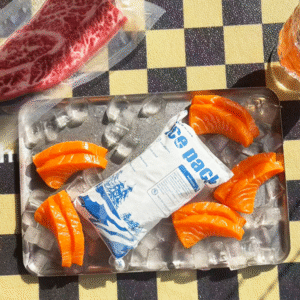
Pentingnya penyimpanan rantai dingin makanan beku: Pahami mengapa kontrol suhu dan kelembapan yang tepat melindungi kualitas makanan dan memperpanjang umur simpan.
Kisaran suhu dan penanganan: Pelajari kategori suhu yang direkomendasikan untuk makanan beku, barang yang didinginkan dan dibekukan serta cara memantaunya.
Peraturan dan kepatuhan: Jelajahi Aturan FSMA 204, Haccp, Standar ISO dan protokol baru seperti 2025 inisiatif pemantauan suhu.
Praktik terbaik dan tip praktis: Dapatkan saran yang dapat ditindaklanjuti untuk menerima, menyimpan, menyiapkan dan mengantarkan makanan beku dengan tetap menjaga kualitas.
2025 tren dan inovasi: Temukan bagaimana sensor IoT, fasilitas yang ditingkatkan, produk nabati dan inisiatif keberlanjutan membentuk rantai pendingin makanan beku.
Mengapa Penyimpanan Rantai Dingin Makanan Beku Penting?
Menjaga integritas produk. Makanan beku harus berada pada atau di bawah –18°C (0 ° f) di seluruh rantai pasokan. Ketika suhu berfluktuasi, kristal es mencair dan membeku kembali, merusak struktur sel dan menyebabkan tekstur lembek atau rasa tidak enak. Menurut Asosiasi Produk Segar Internasional, hingga 25% makanan terbuang karena pelanggaran suhu. Mempertahankan kontrol suhu yang ketat akan menjaga nutrisi, mencegah pertumbuhan mikroba dan menjaga produk tetap aman untuk dikonsumsi.
Mengurangi limbah dan penggunaan energi. Pendinginan menggunakan sekitar 15% konsumsi energi global, dan penyimpanan dingin yang tidak efisien memperkuat jejak tersebut. A 2025 protokol yang dikembangkan oleh Global Cold Chain Alliance (GCCA) dan Institut Makanan Beku Amerika (AFI) bertujuan untuk membakukan pemantauan suhu untuk meningkatkan efisiensi, mengurangi emisi gas rumah kaca dan mengurangi penggunaan energi. Menerapkan praktik terbaik dalam penyimpanan rantai dingin makanan beku dapat menurunkan biaya limbah dan energi secara signifikan sekaligus melindungi keuntungan Anda.
Mendukung pertumbuhan pasar. Pasar logistik rantai dingin makanan global diproyeksikan tumbuh sebesar USD393,2 miliar pada tahun 2018 2025 menjadi USD1.632,6 miliar pada 2035, tingkat pertumbuhan tahunan gabungan sebesar 15,3%. Permintaan tersebut didorong oleh meningkatnya konsumsi makanan segar dan beku, perluasan e-commerce dan kebutuhan sektor farmasi akan distribusi yang dikontrol suhunya. Rantai dingin yang kuat memungkinkan perusahaan memanfaatkan pasar yang berkembang ini sekaligus memenuhi harapan konsumen akan kualitas dan keamanan.
Memahami Rantai Dingin sebagai Perlombaan Estafet
Bayangkan rantai dingin sebagai perlombaan estafet. Setiap tahapan—mulai dari lini produksi, gudang, hingga truk distribusi—harus menyerahkan produk pada kecepatan dan suhu yang tepat untuk menjaga momentum.. Jika salah satu pelari menjatuhkan tongkat estafetnya (Misalnya, meninggalkan palet sayuran beku di dok pemuatan yang hangat), seluruh tim kalah. Makanan beku melewati beberapa “titik estafet”: panen, pengolahan, penyimpanan, sedang mengemas, transportasi dan ritel. Setiap titik harus menjaga kondisi dalam parameter yang ketat untuk menghindari pembusukan.
| Faktor | Keterangan | Arti Praktis |
| Suhu | Makanan beku tetap pada atau di bawah –18°C (0 ° f); makanan beku seperti es krim mungkin memerlukan suhu –25°C hingga –30°C. | Sesuaikan fasilitas dan transportasi Anda untuk mempertahankan suhu ini. |
| Kelembaban | Kelembapan rendah mencegah kondensasi dan jamur; kelembaban tinggi menjaga kesegaran hasil. | Gunakan peralatan yang memantau dan mengontrol kelembapan untuk mencegah dehidrasi atau pembusukan. |
| Penanganan | Kemasan yang tepat, penumpukan dan aliran udara menghindari hotspot dan kontaminasi silang. | Latih staf untuk menumpuk palet untuk sirkulasi udara dan menggunakan kemasan berinsulasi. |
| Pemantauan | Sensor IoT, pencatat data dan pemantauan waktu nyata mendeteksi penyimpangan suhu dan mengirimkan peringatan. | Berinvestasilah pada teknologi untuk menerima pemberitahuan segera dan mengambil tindakan perbaikan. |
| Dokumentasi | Catatan digital suhu, lokasi dan penanganan mendukung ketertelusuran dan kepatuhan terhadap Peraturan FSMA 204. | Memelihara dokumentasi elektronik untuk kesiapan audit dan manajemen penarikan kembali dengan cepat. |
Tips dan Saran Menjaga Kualitas Makanan Beku
Memetakan kebutuhan produk: Cantumkan semua barang yang Anda kirim atau simpan dan catat kisaran suhu idealnya—pisang pada suhu 12–14°C dan daging beku pada suhu –25°C hingga –30°C. Menyesuaikan peralatan dengan kebutuhan produk akan mencegah pembusukan.
Barang dan peralatan yang sudah didinginkan sebelumnya: Trailer dan kontainer reefer dirancang untuk menjaga suhu, bukan menciptakannya. Dinginkan produk dan kendaraan terlebih dahulu untuk menghindari kejutan termal.
Periksa kelembapan dan ventilasi: Gunakan sensor kelembaban untuk mencegah kondensasi pada kemasan, yang dapat menyebabkan jamur dan kerusakan.
Mengkalibrasi dan memelihara peralatan: Kalibrasi sensor secara teratur, periksa segel pintu dan servis unit pendingin untuk memastikan pembacaan yang akurat dan menghindari kerusakan.
Dokumentasikan pelanggaran dan tindakan perbaikan: Jika terjadi perubahan suhu, mencatat durasinya, penyebab dan langkah yang diambil. Hal ini mendukung ketertelusuran dan membantu menyempurnakan protokol.
Kasus dunia nyata: Seorang eksportir jeruk memperpanjang umur simpan dengan berinvestasi pada kemasan berinsulasi dan menambahkan sensor IoT ke wadah pendingin. Ketika pintu truk dibiarkan terbuka, data suhu memicu peringatan, memungkinkan staf untuk campur tangan sebelum pembusukan terjadi. Perangkat lunak pengoptimalan rute mengurangi penundaan, lebih lanjut melindungi kualitas produk.
Cara Mengontrol Suhu, Kelembaban dan Peralatan
Kategori dan Pemantauan Suhu
Penyimpanan rantai dingin makanan beku melibatkan beberapa kategori suhu:
Bekukan Dalam (–25°C hingga –30°C / –13°F hingga –22°F): Digunakan untuk es krim, makanan laut tertentu dan daging bernilai tinggi. Kategori ini mencegah pembentukan kristal es besar dan mempertahankan tekstur.
Beku (–10°C hingga –20°C / 14 °F hingga –4°F): Cocok untuk sayuran beku, daging dan makanan siap saji. Standar global untuk makanan beku adalah –18°C (0 ° f).
Santai (2 °C hingga 4°C / 35 °F hingga 39°F): Produk segar, produk susu dan beberapa makanan olahan memerlukan kisaran ini untuk menjaga kerenyahan dan mencegah pertumbuhan bakteri.
Ambien Terkendali (50 °F hingga 70°F / 10 °C hingga 21 °C): Cokelat, anggur dan barang kering memerlukan kondisi sedang untuk mencegah pencairan atau perubahan kimia.
Untuk setiap kategori, pertahankan suhu yang benar menggunakan kemasan termal yang tervalidasi, trailer multi zona dan sensor IoT. Pemantauan waktu nyata mengirimkan peringatan jika suhu melampaui titik yang ditetapkan, memungkinkan tindakan perbaikan segera.
Peran Kelembaban dan Aliran Udara
Kontrol kelembapan sama pentingnya dengan suhu. Kelembapan yang tinggi dapat menyebabkan penumpukan kelembapan, pertumbuhan jamur dan kontaminasi silang; kelembaban rendah menyebabkan dehidrasi dan penurunan kualitas. Mempertahankan aliran udara yang baik di sekitar palet mencegah titik panas dan memastikan pendinginan yang konsisten. Gunakan sensor kelembaban di gudang dan truk, dan hindari menghalangi ventilasi udara saat menumpuk produk.
Peralatan dan Prasarana
Trailer reefer dan kontainer berpendingin: Trailer reefer modern dilengkapi dengan insulasi, unit pendingin dan sistem pemantauan waktu nyata. Trailer didinginkan terlebih dahulu sebelum memuat dan melakukan perawatan rutin untuk mencegah kerusakan.
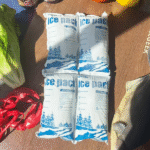
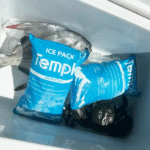
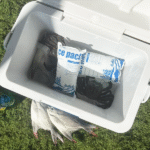
Kemasan terisolasi: Gunakan metode pendinginan pasif seperti paket gel atau es kering untuk perjalanan jarak pendek, dan metode pendinginan aktif seperti pendinginan mekanis untuk rute yang lebih panjang. Untuk barang deep freeze, kemasan harus mempertahankan suhu yang sangat rendah dan mencegah kondensasi.
Fasilitas penyimpanan dingin: Banyak gudang penyimpanan dingin yang sudah ketinggalan jaman, telah dibangun 40–50 tahun yang lalu. Meningkatkan isolasi, mengadopsi pendinginan hemat energi dan mengintegrasikan otomatisasi meningkatkan efisiensi dan mengurangi konsumsi energi. A 2025 Tren ini melibatkan investasi pada fasilitas baru dengan fitur keberlanjutan dan visibilitas yang lebih baik.
Pelatihan dan Kepegawaian
Personil yang terampil sangat penting. Pekerja harus tahu cara menangani barang beku, memuat truk dengan benar dan merespons alarm suhu. Berikan pelatihan terus menerus tentang kebersihan, pengoperasian peralatan dan prosedur darurat. Budaya keselamatan yang kuat mengurangi kesalahan dan memastikan kepatuhan.
Manajemen Risiko dan Perencanaan Kontinjensi
Kerusakan terjadi. Buat rencana darurat untuk kegagalan peralatan, penundaan rute atau pemadaman listrik. Identifikasi pengemudi alternatif, generator listrik cadangan dan kontak darurat. Sensor waktu nyata dan geofencing memberikan visibilitas ke lokasi dan kondisi; perangkat lunak perencanaan rute meminimalkan waktu perjalanan dan memastikan pengiriman tepat waktu.
Peraturan dan Standar untuk 2025
Aturan FSMA 204 (Aturan Akhir Ketertelusuran)
AS. Undang-Undang Modernisasi Keamanan Pangan (FSMA) Aturan 204 mengharuskan perusahaan yang menangani makanan berisiko tinggi—seperti sayuran berdaun hijau, telur cangkang dan selai kacang—untuk mencatat peristiwa pelacakan penting (CTE) dan elemen data utama (KDE). Bisnis harus menyimpan catatan digital setidaknya selama dua tahun dan menyerahkannya kepada FDA dalam jangka waktu tersebut 24 jam. Tanggal kepatuhan telah diperpanjang untuk memberikan lebih banyak waktu bagi perusahaan untuk menerapkan sistem digital.
Persyaratan utama FSMA meliputi:
Kode lot ketertelusuran: Tetapkan kode unik untuk makanan di Daftar Ketertelusuran Makanan FDA untuk memfasilitasi penarikan kembali.
Pencatatan: Memelihara catatan digital pemanenan yang dapat dioperasikan, sedang mengemas, acara pengiriman dan penerimaan.
rencana HACCP: Identifikasi bahaya (bakteri, kontaminasi silang), menetapkan batas kritis dan menetapkan tindakan perbaikan.
Pelatihan staf: Berikan pendidikan berkelanjutan tentang pengendalian suhu, pencatatan dan prosedur darurat.
Kepatuhan vendor: Audit pemasok dan sertakan persyaratan suhu dalam kontrak.
Analisis Bahaya dan Titik Kendali Kritis (Haccp) & Praktik Distribusi yang Baik (PDB)
HACCP adalah sistem pencegahan yang mengidentifikasi bahaya dan menetapkan pengendalian pada titik-titik kritis seperti dermaga transportasi dan pemuatan. Pedoman PDB menekankan pada pengemasan yang tepat, dokumentasi dan manajemen risiko untuk produk yang sensitif terhadap suhu. standar ISO (MISALNYA., Iso 22000) menyediakan kerangka manajemen mutu untuk keamanan pangan.
Standar Internasional dan Protokol yang Muncul
Institut Pendinginan Internasional (IIR) mencatat bahwa –18°C tetap menjadi standar internasional untuk makanan beku. Namun, inisiatif “Tiga Derajat Perubahan” mengusulkan peningkatan suhu penyimpanan hingga –15°C untuk menghemat energi. Penelitian menunjukkan hal ini dapat mengurangi konsumsi energi sekitar 10% namun dapat memperpendek umur simpan sekitar 30% dan memerlukan kemasan yang lebih tebal. Regulator sedang mengevaluasi pendekatan yang berbeda berdasarkan sensitivitas produk.
Pada bulan Juli 2025, GCCA dan AFFI merilis protokol baru untuk menstandardisasi pemantauan suhu di seluruh rantai pasokan makanan beku. Protokol ini mengidentifikasi titik-titik pemantauan penting, merekomendasikan praktik terbaik untuk pengumpulan dan analisis data, dan bertujuan untuk meningkatkan efisiensi operasional, keamanan dan keberlanjutan pangan. Hal ini mendorong dunia usaha untuk mengadopsi pemantauan berbasis data dan berkolaborasi di seluruh industri.
Aturan Transportasi Sanitasi FSMA
Pengangkut yang mengangkut makanan beku harus memelihara peralatan sanitasi, mengontrol suhu dan menyimpan catatan rinci operasi transportasi. Trailer reefer harus memiliki unit pendingin dan sistem pemantauan yang andal untuk mencegah perubahan suhu.
Penghapusan bertahap HFC berdasarkan AIM Act
Inovasi dan Manufaktur Amerika (TUJUAN) Undang-undang mengamanatkan penghentian penggunaan hidrofluorokarbon secara bertahap (HFC), mengharuskan perusahaan untuk beralih ke zat pendingin dengan potensi pemanasan global yang lebih rendah. Alternatif seperti karbon dioksida dan hidrokarbon sedang diadopsi, tetapi memerlukan penilaian kompatibilitas dan keamanan.
Praktik Terbaik dari Penerimaan hingga Pengiriman
Penerimaan Barang
Periksa dan verifikasi: Periksa suhu dan kondisi barang yang masuk segera setelah tiba; menolak produk di luar rentang yang dapat diterima.
Gunakan area pementasan: Simpan area pementasan dengan suhu terkendali di dekat dok pemuatan untuk meminimalkan paparan selama pemindahan.
Beri label secara akurat: Label harus menunjukkan jenis produk, kode banyak, persyaratan penyimpanan dan tanggal kedaluwarsa.
Penyimpanan dan Manajemen Inventaris
Gudang zona: Pisahkan penyimpanan berdasarkan kategori suhu—dingin, beku dan beku dalam. Hal ini mencegah pencampuran suhu dan menyederhanakan pengelolaan.
Putar inventaris (Fifo): Gunakan pertama kali, prinsip pertama untuk meminimalkan stok yang menua.
Pantau kelembapan: Pertahankan tingkat kelembapan yang sesuai untuk mencegah dehidrasi dan kondensasi.
Menerapkan sistem manajemen gudang: Lacak lokasi inventaris, suhu dan status secara real time.
Mempersiapkan dan Memuat Barang
Rencanakan pengemasan: Pilih aktif (pendinginan mekanis) atau pasif (Paket gel, es kering) pengemasan berdasarkan produk dan lama perjalanan.
Mengamankan muatan: Atur paket untuk memungkinkan aliran udara dan menghindari menghancurkan barang-barang halus.
Inspeksi sebelum perjalanan: Pengemudi harus memeriksa pengaturan reefer, tingkat bahan bakar, segel pintu dan sensor sebelum keberangkatan.
Pemantauan berkelanjutan: Gunakan sensor IoT dan telematika untuk melacak suhu dan lokasi; terintegrasi dengan perangkat lunak pengoptimalan rute.
Berkomunikasi dengan pelanggan: Berikan pembaruan waktu nyata tentang perkiraan kedatangan untuk mengurangi pengiriman yang terlewat.
Bawalah perbekalan cadangan: Stok paket gel cadangan, es kering dan generator portabel untuk keadaan darurat.
Pengiriman dan Transfer Akhir
Pastikan pengiriman jarak jauh menjaga rantai dingin. Gunakan wadah berinsulasi untuk rute pendek dan pantau suhu hingga pengiriman selesai. Mendidik pelanggan tentang penyimpanan yang benar setelah diterima dan menekankan pentingnya menjaga produk tetap beku sampai digunakan.
Perkembangan dan Tren Terkini di 2025
Pertumbuhan dan Visibilitas Pasar
Pasar logistik rantai dingin tetap tangguh meskipun terjadi gangguan geopolitik dan guncangan rantai pasokan. Maersk memproyeksikan nilai pasar tumbuh dari USD324,85 miliar pada tahun 2018 2024 menjadi USD862,33 miliar pada 2032. Perubahan demografi dan permintaan terhadap makanan dan obat-obatan mendorong pertumbuhan ini. Di dalam 2025, perusahaan akan mencari visibilitas yang lebih kuat melalui perangkat lunak dan platform terintegrasi yang memantau seluruh rantai pasokan.
Meningkatkan Infrastruktur yang Menua
Banyak fasilitas penyimpanan dingin yang dibangun 40–50 tahun yang lalu dan mengalami inefisiensi. Di dalam 2025, investasi akan fokus pada modernisasi gudang-gudang ini: menambahkan otomatisasi, mengadopsi zat pendingin berkelanjutan dan mengintegrasikan pemantauan digital. Tekanan regulasi menghapuskan hidroklorofluorokarbon secara bertahap (HCFC) dan hidrofluorokarbon (HFC), mendorong konversi ke alternatif ramah iklim.
Produk Berbasis Tanaman dan Produk Khusus
Permintaan konsumen akan protein nabati, produk bebas gluten dan produk bersertifikat organik terus meningkat. Oleh 2030, makanan nabati dapat menguasai 7,7% pasar protein global, senilai lebih dari USD162 miliar. Produk-produk ini sering kali berasal dari usaha kecil dan menengah yang baru mengenal logistik sehingga memerlukan dukungan dari penyedia rantai dingin yang berpengalaman. Perusahaan logistik harus beradaptasi dengan persyaratan suhu baru dan kebutuhan pengemasan untuk barang-barang nabati.
Keberlanjutan dan Efisiensi Energi
Keberlanjutan adalah tema utama. Protokol GCCA–AFFI menekankan pengurangan penggunaan energi dan emisi gas rumah kaca dengan mengoptimalkan pemantauan suhu. Inisiatif “Tiga Derajat Perubahan” mengeksplorasi peningkatan suhu penyimpanan hingga –15°C untuk menghemat energi, meskipun hal ini dapat memperpendek umur simpan dan memerlukan kemasan yang lebih tebal. Para pemimpin industri sedang menjajaki energi terbarukan, peningkatan isolasi dan pendinginan CO₂ untuk mengurangi jejak karbon.
Pemantauan Tingkat Lanjut dan Integrasi IoT
Sensor waktu nyata, Tag RFID dan analisis data memberikan visibilitas yang tak tertandingi. Pemantauan berkelanjutan memungkinkan tindakan perbaikan segera selama perubahan suhu dan mendukung pemeliharaan prediktif. Geofencing memperingatkan operator akan penyimpangan rute, sementara platform blockchain meningkatkan ketertelusuran dan kepercayaan. Analisis prediktif membantu perusahaan menyesuaikan inventaris dan mengoptimalkan kapasitas penyimpanan berdasarkan perkiraan permintaan.
Otomatisasi dan Pergudangan Cerdas
Teknologi otomasi—sistem pengambilan robot dan kendaraan berpemandu otomatis (AGV)—Sedang mengubah fasilitas penyimpanan dingin. Teknologi ini meminimalkan kontak manusia, mengurangi risiko kontaminasi dan meningkatkan akurasi pesanan. Gudang pintar menggunakan analisis data untuk mengoptimalkan ruang, mengurangi konsumsi energi dan meningkatkan throughput.
Distribusi Lokal dan Solusi Last Mile
Kedekatan dengan pelanggan menjadi lebih penting seiring dengan berkembangnya model e-commerce dan model langsung ke konsumen. Penyedia rantai dingin berkembang menjadi lebih kecil, pusat distribusi yang berlokasi strategis untuk mempersingkat waktu pengiriman dan mengurangi emisi. Solusi last mile mencakup loker berinsulasi, pusat pemenuhan mikro dengan pengatur suhu dan kendaraan berpendingin listrik.
FAQ
Berapa suhu penyimpanan makanan beku standar?
Standar internasional adalah –18°C (0 ° f). Makanan beku harus tetap berada pada atau di bawah suhu ini di seluruh rantai pasokan untuk menjaga kualitas dan keamanan. Makanan yang dibekukan mungkin memerlukan suhu –25°C hingga –30°C.
Mengapa pemantauan suhu sangat penting?
Fluktuasi suhu dapat menyebabkan kristal es mencair dan membeku kembali, merusak tekstur dan rasa makanan beku. Pemantauan memastikan produk tetap berada dalam kisaran aman, mencegah pembusukan dan pemborosan. Sensor waktu nyata memberikan peringatan segera jika kondisi berubah.
Bagaimana Aturan FSMA 204 mempengaruhi bisnis saya?
Aturan FSMA 204 mengharuskan perusahaan untuk melacak peristiwa penting dan menyimpan catatan digital untuk makanan berisiko tinggi. Kepatuhan mencakup penetapan kode lot ketertelusuran, merekam elemen data utama dan menyediakan catatan di dalamnya 24 jam berdasarkan permintaan. Berinvestasi dalam ketertelusuran dan pelatihan digital dapat menyederhanakan kepatuhan.
Apa manfaat dari peningkatan fasilitas penyimpanan dingin?
Peningkatan ini mengurangi biaya energi, meningkatkan stabilitas suhu dan meningkatkan kapasitas. Fasilitas modern sering kali menyertakan otomatisasi, refrigeran berkelanjutan dan pemantauan terpadu, yang meningkatkan efisiensi operasional dan keberlanjutan.
Bagaimana industri rantai dingin menangani keberlanjutan?
Inisiatif industri berfokus pada efisiensi energi, energi terbarukan dan refrigeran alternatif. Protokol GCCA–AFFI mendukung pengelolaan suhu berbasis data untuk mengurangi emisi gas rumah kaca. Penelitian tentang menaikkan suhu penyimpanan (MISALNYA., –18°C hingga –15°C) bertujuan untuk menghemat energi sekaligus menjaga keamanan pangan.
Ringkasan dan Rekomendasi
Penyimpanan rantai dingin makanan beku yang tepat tidak dapat dinegosiasikan demi keamanan, kualitas dan keberlanjutan. Poin-poin penting yang dapat diambil meliputi:
Pertahankan kontrol suhu yang ketat: Simpan produk beku pada atau di bawah –18°C dan produk beku dalam pada suhu –25°C hingga –30°C.
Pantau kelembapan dan aliran udara: Cegah kondensasi dan dehidrasi dengan mengontrol kelembapan dan memastikan sirkulasi udara.
Mengadopsi pemantauan digital: Berinvestasi pada sensor IoT, pencatat data dan platform cloud untuk pelacakan dan penelusuran suhu waktu nyata.
Mematuhi peraturan: Pahami Aturan FSMA 204, Haccp, PDB dan protokol yang muncul; memelihara catatan digital dan melatih staf.
Berinvestasi dalam infrastruktur: Tingkatkan fasilitas penuaan, mengadopsi bahan pendingin berkelanjutan dan menerapkan otomatisasi untuk efisiensi dan pengurangan emisi.
Dengan menerapkan praktik-praktik ini, Anda dapat mengurangi limbah, meningkatkan kualitas dan memenuhi persyaratan peraturan. Tetap mendapat informasi tentang protokol dan teknologi baru akan membantu bisnis Anda berkembang di pasar yang kompetitif.
Rencana aksi
Audit rantai dingin Anda: Identifikasi titik lemah dalam pengendalian suhu, manajemen kelembaban dan dokumentasi. Gunakan protokol GCCA–AFFI untuk mengukur praktik pemantauan Anda.
Tingkatkan peralatan: Ganti unit pendingin yang sudah ketinggalan zaman dengan model hemat energi dan pertimbangkan untuk beralih ke zat pendingin dengan GWP rendah.
Menerapkan ketertelusuran digital: Terapkan sensor IoT dan platform cloud untuk melacak suhu, kelembaban dan lokasi secara real time. Pastikan data dapat dioperasikan antar mitra.
Latih tim Anda: Memberikan pelatihan tentang kepatuhan FSMA, penanganan yang tepat, dan tanggap darurat. Mendorong budaya keselamatan dan perbaikan berkelanjutan.
Rencanakan pertumbuhan dan keberlanjutan: Pertimbangkan investasi yang lebih kecil, pusat distribusi yang berlokasi strategis dan menjajaki opsi energi terbarukan untuk pergudangan dan transportasi.
Tentang tempk
Kami adalah Tempk, pemimpin industri dalam pengemasan rantai dingin dan solusi pengontrol suhu. Produk kami dirancang untuk menjaga makanan Anda yang mudah rusak pada suhu yang tepat, apakah Anda mengirimkan makanan laut beku atau obat-obatan yang menyelamatkan jiwa. Dengan penelitian selama puluhan tahun dan komitmen terhadap inovasi, kami menawarkan: