Pengiriman Lintas Negara Gel Brick Dimulai Dengan Kontrol Jalur
Pengiriman lintas negara batu bata gel pada dasarnya bukan masalah jarak tempuh. Sebuah parsel mengalami pementasan ruang pengepakan, menjemput, mengurutkan hub, tangkapan garis, transfer terbuka, kendaraan jarak jauh, dan menerima penundaan. Setiap segmen menggunakan sebagian dari cadangan termal terbatas pengirim pasif. Sebuah program yang dapat diandalkan mengubah perjalanan tersebut menjadi profil risiko yang berjangka waktu, kemudian memenuhi syarat satu atau lebih paket lengkap untuk produk tersebut, muatan, musim, dan layanan. Batu bata gel memasok kapasitas pendinginan; itu tidak menggantikan isolasi, disiplin rute, pemantauan, atau penerima yang siap bertindak.
Tujuan praktisnya adalah pengiriman tetap terkendali ketika jalurnya berperilaku kredibel, tidak hanya ketika setiap pemindaian dilakukan sesuai jadwal.
Gambarkan batasan dari cold storage ke cold storage
Waktu transit operator biasanya dimulai setelah tender dan berakhir pada saat pengiriman. Perjalanan termal dimulai lebih awal dan dapat berakhir kemudian. Cantumkan interval waktu menunggu produk dikemas, batu bata berpindah dari peralatan pengkondisian, karton berdiri untuk pengambilan, dan penerima memindahkan barang ke tempat penyimpanan yang sesuai. Jika Kualitas perlu meninjau logger sebelum rilis, tentukan bagaimana produk disimpan selama peninjauan tersebut.
Bangun garis waktu dari peristiwa nyata. Pemindaian operator menunjukkan pergerakan dan pergerakan; catatan gudang menunjukkan pengepakan dan pementasan; stempel waktu penerimaan menunjukkan penundaan setelah bukti pengiriman. Cuaca historis dapat membantu menggambarkan paparan musiman, namun suhu luar ruangan yang dilaporkan tidak menangkap parsel di bawah sinar matahari langsung, di samping pintu dermaga, atau di dalam van yang sering dibuka. Pemantauan lapangan sangat berharga karena menghubungkan kondisi ini dengan paket sebenarnya.
Berikan perhatian khusus pada waktu yang tidak memiliki pemilik yang jelas. Pengirim yang sudah selesai mungkin menunggu setelah pengambilan yang terlewat. Sebuah parsel dapat tiba di suatu gedung ketika penerima yang disebutkan sedang pergi. Pengiriman wilayah terpencil mungkin menambahkan serah terima yang tidak terlihat dalam deskripsi layanan standar. Pengemasan harus memperhitungkan variabilitas yang dapat dibenarkan, sementara penjadwalan dan eskalasi harus menghilangkan hambatan yang dapat dihindari.
Ubah jalur menjadi input desain yang terkontrol
Gunakan satu catatan kendali jalur untuk setiap grup rute atau pola layanan. Hal ini harus membedakan apa yang dapat diatasi oleh kemasan dan apa yang memerlukan respons operasional.
| Bidang keputusan | Pertanyaan yang mendefinisikan jalur | Kontrol yang dihasilkan |
|---|---|---|
| Produk | Kondisi apa yang disetujui, apakah pembekuan dilarang, dan bagaimana kunjungan dinilai? | Penerimaan termal tertulis dan proses disposisi kualitas |
| Waktu | Kapan paparan termal dimulai dan berakhir, dan penundaan apa yang terjadi dalam praktiknya? | Durasi yang direncanakan, kontinjensi yang dibenarkan, dan aturan hari pengiriman |
| Lingkungan | Asal mana, pusat, tujuan, dan kondisi panas atau dingin pada jarak terakhir dapat dipercaya? | Profil musiman dan pemicu pemilihan paket |
| Muatan | Berapa beban minimum dan maksimum, geometri, keadaan awal, dan pola kosong? | Konfigurasi muatan yang ditentukan dan pengisi atau sisipan yang disetujui |
| Penanganan | Berapa banyak transfer yang terjadi, dapatkah orientasi berubah, dan di mana kerusakan dapat terjadi? | Pengekangan bata, perlindungan karton, kontrol penyegelan dan inspeksi |
| Melayani | Apakah operator berpindah pada akhir pekan, mendukung daerah terpencil, dan menawarkan intervensi? | Pemilihan layanan, peringatan pelacakan, dan buku pedoman pengecualian |
| Kuitansi | Siapa yang menerima kiriman tersebut, data ulasan, dan menyimpan atau mengkarantina produk? | Kontak bernama, instruksi membongkar, dan kepemilikan respons |
Catatan ini menjadi penghubung antara penilaian risiko, pengujian, pemesanan, pekerjaan gudang, dan menerima. Tinjau saat rute, pembawa, muatan, produk, atau perubahan komponen. Jalur yang stabil dalam satu jadwal dapat memperoleh pola hub atau akhir pekan baru tanpa mengubah jarak tempuhnya.
Desain untuk kedua sisi kisaran suhu
Tim lintas negara tentu saja mengkhawatirkan panasnya musim panas, namun cuaca dingin juga bisa menimbulkan dampak buruk. Produk yang didinginkan mungkin menghadapi udara beku di luar karton dan batu gel yang sangat terkondisi di dalamnya. Suhu rata-rata yang dapat diterima dapat menyembunyikan titik dingin setempat di mana produk menyentuh cairan pendingin.
Mulailah dengan persyaratan produk yang disetujui daripada frasa umum seperti “didinginkan”. Pemilik produk harus menentukan kisarannya, kepekaan, dan proses ekskursi menggunakan informasi stabilitas dan peraturan yang sesuai. Persyaratan keamanan pangan, pelabelan farmasi, protokol laboratorium, dan ekspektasi kualitas berbeda. Pendingin yang dipilih untuk satu aplikasi tidak boleh dipindahkan ke aplikasi lain hanya karena keduanya dianggap dingin.
Batu bata beku mungkin memerlukan pembagi tertentu atau kondisi pengkondisian alternatif untuk muatan yang sensitif terhadap pembekuan. Panduan PDB Eropa untuk produk obat memperingatkan terhadap kontak langsung dengan kemasan pendingin yang dapat menyebabkan pembekuan. Panduan vaksin CDC juga memperingatkan bahwa vaksin dibekukan paket pendingin dapat membekukan vaksin yang didinginkan dan membedakan kemasan berkualitas yang telah teruji di laboratorium dengan pendingin konsumen biasa. Fakta-fakta ini tidak memberikan pengaturan universal; mereka menunjukkan mengapa pemetaan sisi dingin dan instruksi khusus produk diperlukan.
Konfigurasi musiman dapat mengurangi bobot yang tidak perlu, namun hal ini menimbulkan risiko seleksi. Jika musim panas, musim dingin, atau versi musim bahu digunakan, berikan masing-masing kit komponen dan identitas visual yang berbeda. Tentukan siapa yang memilih versinya, data mana yang menginformasikan keputusan tersebut, dan apa yang terjadi jika perkiraan tidak pasti. Tanggal kalender saja mungkin tidak mencerminkan rute yang melintasi beberapa zona iklim.
Cocokkan geometri muatan, isolasi, dan batu bata gel
Pengirim pasif bekerja melalui interaksi empat elemen. Isolasi mengurangi aliran panas. Batu bata gel menyerap panas saat memanas atau berubah keadaan. Produk menyumbangkan massa termal. pengatur jarak, kendali kosong, dan urutan paket mempertahankan geometri yang diinginkan.
Muatan minimum dapat menjadi kasus yang lebih sulit karena mengandung lebih sedikit massa produk dan lebih banyak udara internal. Muatan maksimum juga dapat menimbulkan risiko jika karton menggantikan cairan pendingin, tekan pada permukaan yang dingin, atau mencegah tutupnya menutup. Tetapkan pita muatan yang representatif atau pisahkan ukuran pengirim daripada membiarkan pengepakan berimprovisasi.
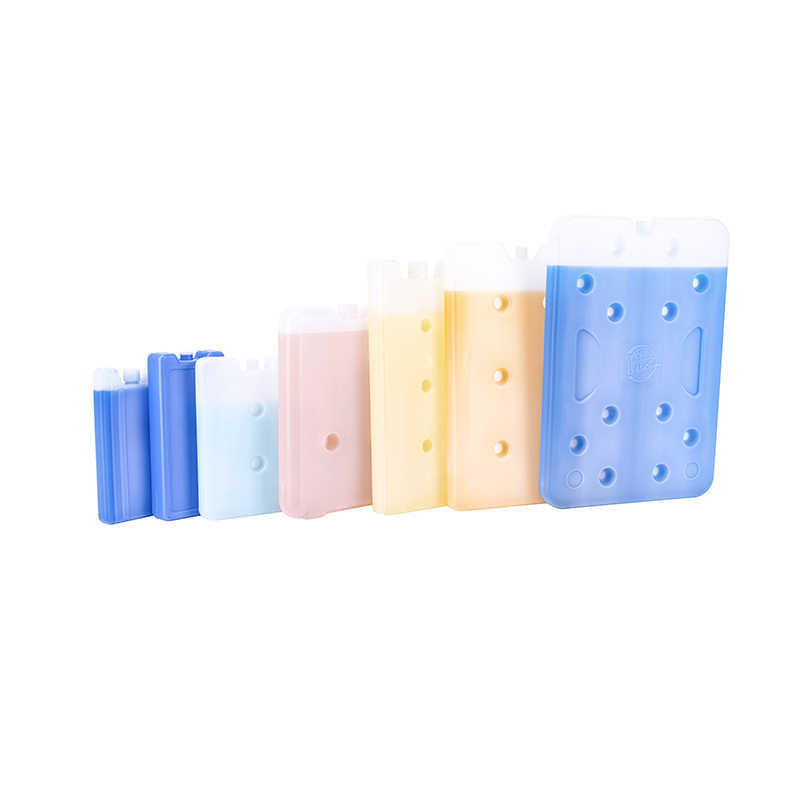
Dimensi bata harus mendukung susunan yang stabil. Unit datar dapat membentuk dinding samping atau lapisan; pemegang khusus dapat membuat kelalaian terlihat. Periksa kecocokan setelah pengkondisian dan berikan toleransi dimensi yang dinyatakan. Amankan potongan sehingga getaran dan perubahan orientasi tidak dapat memindahkannya ke dalam rongga produk. Bantalan yang tidak memenuhi syarat, bantal udara, atau lembaran karton belum tentu setara dengan pembatas yang digunakan dalam pengujian.
Karton luar dan penutupnya melindungi desain termal melalui penanganan parsel. Evaluasi bahaya mekanis yang relevan selain kinerja ruang. Sambungan isolasi yang retak, jahitan terbuka, batu bata yang dipindahkan, atau tutup yang hancur dapat mengubah kebocoran panas meskipun setiap komponen dimulai pada suhu yang benar.
Pilih layanan dan paket sebagai satu keputusan
Layanan yang lebih cepat dapat mengurangi durasi namun memperkenalkan transfer hub udara dan sensitivitas jadwal. Layanan darat mungkin memakan waktu lebih lama namun mengikuti koridor yang dapat diprediksi. Tujuan terpencil, halte perumahan, dan pergerakan akhir pekan dapat mengubah keduanya. Bandingkan riwayat asal-ke-penerima yang sebenarnya daripada berasumsi bahwa satu moda transportasi selalu lebih aman.
Menyegmentasikan jaringan seringkali lebih efisien daripada memaksakan satu desain untuk mencakup setiap hal ekstrem. Suatu operasi mungkin menggunakan konfigurasi regional, konfigurasi standar nasional, dan versi berisiko lebih tinggi lebih lama, lebih panas, atau jalur terpencil. Jumlah pastinya harus tetap dapat dikendalikan. Setiap versi memerlukan bill of material yang berbeda, aturan seleksi, bukti kualifikasi, dan instruksi pengepakan.
Hitung pengiriman menggunakan paket tertutup. Batu bata gel ekstra menambah massa dan dapat memperbesar rongga terisolasi. Insulasi yang lebih mumpuni terkadang dapat mengurangi cairan pendingin atau kubus eksternal, namun hanya pengujian sistem lengkap yang dapat menunjukkan apakah perdagangan tersebut baik. Peningkatan layanan mungkin lebih murah dibandingkan membawa massa termal berlebih di setiap jalur mudah.
Pergerakan udara menimbulkan pertanyaan penerimaan tambahan. Es kering diatur untuk transportasi udara dan memiliki kemasan, ventilasi, tanda, dokumentasi, dan ketentuan operator. Batu bata gel dapat menghindari perilaku es kering tertentu, tapi formulasi cairan pendingin yang tepat, komoditi, kandungan biologis, baterai, dan perangkat pemantauan masih memerlukan tinjauan operator yang sesuai.
Buktikan desainnya sebelum diluncurkan secara nasional
Kualifikasi dimulai dengan kriteria penerimaan yang telah ditentukan dan konfigurasi komersial yang tepat. Rekam wadah terisolasi, karton, bagian dan kuantitas bata gel, metode pengkondisian, jangka pembagi garis, pita muatan, penutup, lokasi sensor, profil sekitar, lamanya, dan petunjuk pengoperasian.
Pengujian termal yang terkendali harus menantang kondisi panas dan dingin yang dapat dipercaya, toleransi proses, dan beban minimum dan maksimum. Standar ISTA 20 menjelaskan proses desain dan kualifikasi untuk kontainer pengiriman terisolasi, dan ISTA 7E menyediakan profil termal paket. Mereka menawarkan kerangka kerja yang disiplin, namun kondisi yang dipilih tetap harus sesuai dengan produk dan rute. Melewati satu profil tidak membuat suatu paket cocok untuk setiap jalur nasional.
Alat pengambilan keputusan yang berguna
Periksa detailnya sebelum Anda memilih kemasan
Alat cepat ini dapat membantu Anda membandingkan risiko rute, kebutuhan ukuran, pilihan pendingin, dan detail kemasan sebelum Anda meminta penawaran.
Kalkulator Es Kering
Perkirakan kebutuhan es kering untuk pengiriman beku atau sangat dingin sebelum pengepakan.
Perkirakan es keringKalkulator Paket Es
Perkirakan jumlah paket es gel untuk pengiriman dingin dan perencanaan rute yang praktis.
Perkirakan kantong esPemilih Kemasan
Bandingkan opsi kemasan berinsulasi berdasarkan produk, rute, dan kebutuhan suhu.
Temukan kemasannyaPenempatan sensor harus mendukung keputusan tersebut. Udara di dekat penutup dapat bereaksi lebih cepat dibandingkan produk, sementara logger terhadap batu bata beku melaporkan antarmuka yang dingin dan bukan muatan yang representatif. Pemetaan pembangunan harus mengidentifikasi posisi hangat dan dingin yang relevan. Pemantauan rutin kemudian dapat didasarkan pada pengetahuan tersebut dan risiko program.
Setelah pekerjaan laboratorium, menggunakan uji coba rute yang dipantau jika diperlukan untuk menguji asumsi operasional. Sertakan pengepakan normal, cutoff pengambilan nyata, layanan perwakilan, dan penerima yang telah disiapkan. Bandingkan catatan suhu dengan pemindaian, kondisi paket, muatan, dan catatan perakitan. Keberhasilan lapangan mendukung jalur yang ditentukan; ini bukan klaim durasi universal.
Tantang pengiriman yang canggung
Karton penuh rapi yang dikirim pada awal minggu jarang menjadi satu-satunya kasus komersial. Sertakan pesanan terkecil yang disetujui, beban terberat atau terbesar, penjemputan di sore hari, dan hari pengiriman apa pun yang diizinkan oleh program. Jika hari Jumat tender atau pengiriman akhir pekan tanpa pengawasan tidak dapat diterima, mencegahnya melalui proses pemesanan dan pemesanan. Skenario yang dilarang tidak boleh terjadi hanya karena dokumen pelatihan menyarankan untuk tidak melakukannya.
Jalankan jalur melalui kontrol rutin dan pengecualian
Pengkondisian adalah proses produksi. Titik setel freezer, keadaan awal bata, kepadatan batch, jarak rak, aliran udara, penggunaan pintu, tinggal, dan kaldu hangat yang ditambahkan selama siklus semuanya mempengaruhi kesiapan. Verifikasi pola pemuatan rutin pada volume puncak. Pisahkan tanpa syarat, siap, marah jika berlaku, kembali, dan unit yang ditolak sehingga staf tidak dapat memilih hanya dengan sentuhan.
Instruksi pengepakan harus menunjukkan identitas komponen, urutan lapisan, orientasi bata, posisi pembatas, pita muatan, lokasi pencatat, penutupan kapal, pola pita, dan tampilan akhir. Gunakan kit, scan, foto, atau pemeriksaan singkat pada langkah-langkah penting. Jika desain dapat dirakit dengan dua cara yang masuk akal, menyederhanakannya sebelum melakukan penskalaan.
Tetapkan periode maksimum antara pelepasan batu bata, penyelesaian paket, dan koleksi pembawa. Saat penjemputan tertunda, pindahkan pengirim ke lokasi penyimpanan yang disetujui dan ikuti prosedur eskalasi. Membuka karton yang memenuhi syarat untuk memasukkan batu bata beku ekstra akan mengubah pengaturannya dan tidak boleh menjadi penyelamatan dadakan.
Tanggapi penundaan sebelum kapasitas termal habis
Tentukan peringatan pelacakan untuk pengambilan yang terlewat, hub terhenti, pengecualian cuaca, koreksi alamat, dan pengiriman gagal. Sebutkan pemilik logistik, kontak operator, pengambil keputusan yang berkualitas, dan penerima. Berikan persetujuan awal terhadap tindakan yang layak seperti menyimpan karton yang belum dibuka di fasilitas yang memiliki staf, mengarahkan ke lokasi resmi, mempercepat segmen berikutnya, atau kembali ke asal.
Pemantauan membantu menafsirkan pengecualian; itu tidak mendinginkan produk. Ketika terjadi penyimpangan, menggabungkan jejak dengan batas kualifikasi, informasi stabilitas produk, acara rute, dan kondisi paket. Pemilik mutu yang berwenang harus memutuskan disposisi produk berdasarkan prosedur yang berlaku.
Menerima menutup proses. Penerima barang memerlukan pemberitahuan terlebih dahulu, prioritas pembongkaran, langkah pemeriksaan, instruksi pengambilan data, kapasitas penyimpanan, dan metode untuk mengkarantina barang-barang yang meragukan. Catat waktu pengiriman dan pembongkaran. Paket yang memenuhi komitmen pengangkut masih bisa kehilangan kendali saat menunggu di ruang surat.
Untuk batu bata gel yang dikembalikan, mendefinisikan kebocoran, segel, kontaminasi, pembengkakan, deformasi, identifikasi, pembersihan, rekondisi, dan aturan pensiun. Penggunaan kembali lintas negara paling tepat dilakukan dalam lingkaran bisnis yang terkonsolidasi. Pengiriman kembali batu bata kosong dari penerima yang tersebar mungkin hanya memberikan sedikit manfaat ekonomi atau lingkungan, jadi ukurlah pemulihan aktual sebelum mengklaim keberhasilan.
Bukti pemasok untuk paket lintas negara
Berikan pemasok grup rute, kondisi produk, pita muatan, format isolasi, posisi bata, sumber pengkondisian, paparan musiman, durasi yang direncanakan dan kontinjensi, tingkat layanan, dan volume. Kemudian mintalah informasi yang terukur: dimensi dan toleransi yang terisi, massa, konstruksi luar, deskripsi pendingin, panduan pengkondisian, identifikasi banyak, dokumen keselamatan, paket kasus komersial, dan praktik pemberitahuan perubahan.
Tanyakan konfigurasi lengkap apa yang mendukung pernyataan kinerja apa pun. Detail yang relevan adalah kotaknya, muatan, jumlah dan keadaan batu bata, profil lingkungan, posisi sensor, lamanya, dan batas penerimaan. Sampel yang digunakan untuk pengembangan akhir harus mewakili produk komersial dan lokasi produksi yang diusulkan.
Dukungan pemasok dapat mempersempit pilihan dan meningkatkan kesesuaian, namun pihak pengirim tetap bertanggung jawab terhadap kriteria produk, pemilihan jalur, perjanjian pengangkut, kualifikasi, dan pengendalian rutin. Brosur komponen tidak dapat disetujui oleh jaringan nasional.
Pertanyaan yang sering diajukan
Berapa banyak batu bata gel yang dibutuhkan untuk pengiriman lintas negara?
Tidak ada hitungan yang dapat diandalkan berdasarkan jarak. Jumlahnya tergantung pada batu batanya, isolasi, massa produk, kondisi awal, geometri dalaman, profil musiman, waktu perjalanan, dan kontingensi. Kembangkan pengaturan kandidat, kemudian menguji paket komersial yang tepat pada muatan dan kondisi rute yang disetujui.
Apakah udara semalaman lebih aman daripada transportasi darat beberapa hari?
Hal ini dapat mengurangi waktu yang telah berlalu, tetapi layanan udara memperkenalkan serah terima terminal, pemotongan, dan risiko koneksi tidak terjawab. Kondisi tanah dapat diprediksi pada beberapa koridor dan bervariasi pada koridor lainnya. Bandingkan riwayat pemindaian yang sebenarnya, waktu dari pintu ke pintu, lingkungan musiman, ketersediaan penerima, pelacakan, opsi pemulihan, dan paket memenuhi syarat untuk layanan itu.
Bisakah satu paket mencakup musim panas dan musim dingin?
Mungkin saja, jika bukti terkontrol mendukung paparan hangat dan dingin dan bobot yang dihasilkan tetap ekonomis. Program lain menggunakan versi musiman untuk mengurangi risiko massal atau membekukan. Ketika versinya berbeda, dokumentasikan pemicu pemilihan, gunakan kit yang dipisahkan dengan jelas, dan memenuhi syarat setiap pengaturan yang disetujui.
Di mana pencatat suhu harus ditempatkan?
Tempatkan di tempat yang bacaannya mendukung penerimaan program atau keputusan penyelidikan. Pemetaan pengembangan harus mengidentifikasi lokasi produk yang hangat dan dingin. Penempatannya rutin kemudian mengikuti rencana tertulis. Hindari penempatan biasa di ruang kosong atau langsung di atas batu bata gel kecuali lokasi tersebut sengaja dievaluasi.
Kapan jalur tersebut harus ditinjau kembali?
Review sesuai setelah adanya perubahan produk, muatan, pendingin, isolasi, karton, pemasok, proses pengkondisian, pembawa, melayani, hub, jadwal, situs penerima, atau pola perjalanan berulang. Sistem mutu harus menentukan apakah perubahan memerlukan pembaruan dokumen, verifikasi terfokus, atau rekualifikasi yang lebih luas.
Keandalan lintas negara direkayasa dari pintu ke pintu
Pengiriman lintas negara batu bata gel yang efektif menggabungkan persyaratan khusus produk, profil jalur waktunya, paket musiman, pengkondisian berulang, layanan yang sesuai, bukti yang dipantau, dan penerima yang telah disiapkan. Mulai penyimpanan dingin dan berakhir di cold storage. Gunakan kontrol proses untuk menghilangkan penundaan yang dapat diprediksi, dan mencadangkan kapasitas pengemasan untuk paparan yang kredibel daripada asumsi yang tidak diketahui.
Tentang tempk
Dan Tempk, kami menyediakan Gel Ice Packs Dan kemasan terisolasi format untuk makanan, medis, dan aplikasi sensitif suhu lainnya. Kami dapat meninjau grup rute Anda, dimensi muatan, sumber pengkondisian, dan wadah saat ini untuk mendiskusikan calon ukuran bata dan format paket. Rekomendasi kami adalah masukan untuk proses desain Anda; sistem yang telah selesai harus diuji dan dikontrol untuk produk, musim, tingkat layanan, dan menerima ketentuan yang ingin Anda gunakan.
CTA: Bagikan satu jalur lintas negara yang representatif, risiko musimannya, jangkauan muatan, kondisi yang diperlukan, melayani, dan tunda riwayat dengan Tempk. Kami dapat membantu Anda memilih komponen untuk uji coba paket berinstrumen.