Gel Bata Es Grosir Amerika Utara: Yang Harus Diketahui Pembeli Sebelum Memesan
Memilih sumur es gel bata Amerika Utara berarti menjawab empat pertanyaan lebih awal: berapa kisaran suhu yang Anda butuhkan, berapa panjang rute sebenarnya, apa yang dapat ditoleransi oleh produk tersebut, dan seberapa konsisten pemasoknya. Sebagian besar pembeli dalam kategori ini mencoba mencari komponen pendingin yang praktis untuk dibeli, mudah untuk diterapkan, dan realistis untuk jalur yang sebenarnya mereka lalui. Komponen kemasannya sendiri adalah es batu gel: unit pendingin berbentuk persegi panjang padat yang memprioritaskan waktu tunggu dan pengulangan pengemasan.
Pembeli yang baik tidak berhenti pada definisi komponen. Mereka membandingkan geometri, pengkondisian, batasan kualifikasi, dan konsistensi pemasok karena a paket dingin yang salah karena rutenya bisa sama bermasalahnya dengan rute yang lemah. Keputusan grosir biasanya ditentukan oleh panjang rute, throughput gudang, dan apakah batu bata tersebut cukup meningkatkan konsistensi pengemasan sehingga sesuai dengan ruang dan beratnya.
Apa arti format ini dalam praktiknya
Grosir Gel Ice Brick Amerika Utara biasanya menggambarkan kebutuhan sumber yang dibangun berdasarkan satu format dan beberapa keputusan pengoperasian. Pembeli tidak sekadar memilih cold pack. Mereka memilih bagaimana zat pendingin itu akan berperilaku di dalam kotak sebenarnya, di jalur nyata, dengan tim gudang nyata.
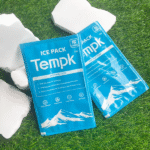
Komponen dasarnya adalah batu es gel yang digunakan di dalam pengirim pasif atau paket berinsulasi. Format ini sering dipilih untuk beban yang lebih berat, rute yang lebih panjang, atau sistem di mana pekerja memerlukan pola paket yang sangat berulang. Format berbasis gel yang dipilih dengan baik dapat menyederhanakan pengemasan, mengurangi kebocoran dibandingkan dengan es basah, dan membuat kontrol suhu lebih dapat diprediksi dalam sistem pasif.
Keputusan pembelian menjadi lebih jelas setelah Anda memisahkan tiga pertanyaan: terbuat dari apa bungkusan itu, bagaimana hal itu dikondisikan, dan apakah seluruh desain pengiriman cocok untuk produk tersebut. Kerangka kerja tersebut lebih berguna daripada membandingkan stok foto atau klaim retensi dingin yang umum.
Apa yang dilakukan kelompok tersebut – dan apa yang tidak dapat dilakukannya
Batu bata es gel melindungi suhu dengan bertindak sebagai penyangga termal di dalam sistem pasif. Insulasi mengurangi laju perolehan panas dari luar paket, dan zat pendingin menyerap panas tersebut untuk jangka waktu terbatas setelah pengepakan. Kedengarannya sederhana, tetapi kinerja sangat bergantung pada pengondisian, penempatan, dan sensitivitas produk.
Kemasannya yang tipis memberi Anda lebih banyak kontak dan dapat mendingin lebih cepat, sedangkan balok atau batu bata yang lebih berat biasanya membawa lebih banyak cadangan. Selimut dan bantal meningkatkan cakupan; bantalan membuat antarmuka yang lebih datar; paket standar serbaguna dan mudah diubah posisinya. Geometri yang benar adalah yang mendukung jalur Anda tanpa membuang volume atau menciptakan titik dingin yang tidak aman.
Praktek industri saat ini terus berlanjut Paket gel, batu bata, kantong, dan selimut sebagai pendingin di dalam sistem pengemasan, bukan sebagai jawaban kepatuhan yang berdiri sendiri. Itu tetap harus diimbangi dengan isolasi, pengkondisian, dan logika rute. Jika tidak, paket yang dibuat dengan baik masih dapat memberikan hasil pengiriman yang buruk.
Apa yang diberitahukan oleh versi teknis kepada Anda
Dari segi materi, sebagian besar refrigeran gel komersial dibuat berdasarkan gel berbahan dasar air atau formulasi perubahan fasa lainnya yang disimpan di dalam lapisan luar yang tertutup rapat. Informasi produsen publik biasanya mengacu pada polietilen yang tahan lama atau film termoplastik serupa, jahitan yang disegel panas, dan desain yang dimaksudkan untuk mengurangi kebocoran selama penanganan. Konstruksi dasar itu terdengar sederhana, tapi perbedaan kecil dalam kekuatan film, kualitas segel, dan kontrol bobot isi dapat mengubah kinerja lapangan secara signifikan.
Dua properti lebih penting daripada yang diharapkan pembeli. Yang pertama adalah massa termal: lebih banyak massa biasanya berarti lebih banyak cadangan, tetapi juga menambah bobot pengangkutan dan konsumsi volume internal. Yang kedua adalah perilaku kontak: kemasan yang fleksibel dapat membungkus dan mendinginkan dengan cepat, sedangkan bentuknya yang kaku dapat membuat penempatannya lebih dapat diulang dan mengurangi pergerakan bungkusan di dalam kotak. Itu sebabnya batu bata biasanya memberikan struktur yang lebih baik, peluruhan termal yang lebih lambat, dan penempatan yang lebih dapat diulang dibandingkan soft pack di sistem yang lebih besar.
Ada juga masalah disiplin data. Beberapa pemasok menerbitkan perkiraan rasio awal untuk pengiriman makanan dan parsel, seperti menggunakan sekitar satu pon bahan pendingin gel untuk setiap dua pon produk. Itu bisa berguna sebagai jalan pintas perencanaan, tapi itu bukan aturan desain. Musim, profil lingkungan, isolasi, ruang kosong karton, dan suhu awal produk dapat menjauhkan persyaratan dari rasio generik apa pun.
Dimana itu berfungsi dengan baik
Kesesuaian biasanya dimulai dengan produk dan rutenya, bukan dengan katalog zat pendingin. Batu bata biasanya memberikan struktur yang lebih baik, peluruhan termal yang lebih lambat, dan penempatan yang lebih dapat diulang dibandingkan soft pack di sistem yang lebih besar. Ketika formatnya cocok dengan jalurnya, itu bisa mengurangi kekacauan, meningkatkan kualitas penerimaan, dan membuat pekerjaan gudang lebih dapat diulang.
Pembeli biasanya mendapatkan hasil terbaik ketika zat pendingin masuk secara alami ke dalam pengirim berinsulasi yang ada, alur kerja freezer, dan proses penerimaan. Hal ini penting karena tim yang kuat secara teknis masih merupakan pilihan yang buruk jika tim kesulitan untuk mengkondisikannya, letakkan dengan benar, atau mengisinya kembali dengan andal.
Di paket Amerika Utara, Ltl, dan jalur distribusi regional, kecocokan yang paling berguna umumnya adalah yang mendukung kebutuhan termal dan realitas operasi lokal seperti perputaran persediaan, tekanan musim puncak, dan keragaman jalur. Pemasok terdekat atau regional hanya membantu jika kondisi nyata tersebut tercermin dalam desain.
Mengapa konteks regional penting
Di Amerika Utara, keragaman jalur adalah masalah sumber yang nyata. Suatu program dapat mencakup rute-rute persil perkotaan yang pendek, jaringan darat yang lebih panjang, tempat tinggal musim panas yang panas, dan sesekali pergerakan lintas batas. Hal ini menjadikan pengepakan berulang dan pengisian ulang yang andal sama pentingnya dengan kinerja nominal zat pendingin.
Manufaktur atau inventaris regional dapat membantu ketika membuat ukuran khusus, label bermerek, atau volume musiman yang tinggi membuat kehabisan stok menjadi mahal. Pada saat yang sama, pembeli harus menguji jalur realistis yang paling sulit terlebih dahulu karena geografi yang luas dengan cepat memperlihatkan asumsi termal yang lemah.
Bagaimana membandingkan pilihan sebelum Anda membeli
Mulailah dengan rute dan toleransi produk, kemudian bekerja mundur ke refrigeran. Perubahan urutan tersebut mencegah banyak pembelian yang buruk karena memaksa Anda membandingkan paket dengan pengiriman yang sebenarnya Anda jalankan.
Alat pengambilan keputusan yang berguna
Periksa detailnya sebelum Anda memilih kemasan
Alat cepat ini dapat membantu Anda membandingkan risiko rute, kebutuhan ukuran, pilihan pendingin, dan detail kemasan sebelum Anda meminta penawaran.
Kalkulator Es Kering
Perkirakan kebutuhan es kering untuk pengiriman beku atau sangat dingin sebelum pengepakan.
Perkirakan es keringPembuat Daftar Periksa Kepatuhan
Buatlah daftar periksa praktis untuk tinjauan kemasan, pengiriman, dan dokumentasi.
Buat daftar periksaPemilih Kemasan
Bandingkan opsi kemasan berinsulasi berdasarkan produk, rute, dan kebutuhan suhu.
Temukan kemasannyaUkur dimensi internal, bukan hanya ukuran karton eksternal. Periksa volume yang dapat digunakan, kemungkinan penempatan paket, dan apakah zat pendingin akan membuat kontak langsung dengan beban yang sensitif terhadap pembekuan. Bahan-bahan tersebut kurang mudah memaafkan jika disimpan dalam kotak yang sempit dan dapat menimbulkan risiko pembekuan lokal jika langsung menempel pada produk sensitif. Di banyak program, pilihan terbaik adalah desain yang memenuhi jalur dengan paket berulang yang paling sederhana.
Bandingkan juga metode pengkondisian, pementasan freezer, menerima logika, dan menunda toleransi. Beberapa pemasok menawarkan aturan praktis awal yang berguna, namun hal tersebut hanya boleh dianggap sebagai isyarat perencanaan sampai pengepakan telah diuji pada jalur yang realistis. Panduan pembeli menjadi berharga hanya jika berubah menjadi keputusan yang memperhatikan rute.
Garis kepatuhan pembeli tidak boleh kabur
Salah satu perbedaan yang paling berguna bagi pembeli adalah garis antara komponen pendingin dan sistem pengiriman yang memenuhi syarat. Panduan WHO untuk waktu- dan obat-obatan yang sensitif terhadap suhu menangani kemasan gel, batu bata, botol, kantong, dan pendingin terkait sebagai media penstabil suhu di dalam wadah pasif. Beban kualifikasi berlaku untuk total desain, bukan untuk paket dingin saja.
Hal ini penting bahkan di luar bidang farmasi karena logika yang sama juga berlaku dalam bidang pangan, kosmetik, laboratorium, dan pekerjaan bioteknologi. Cold pack yang baik masih bisa menggagalkan pengiriman jika jalurnya, isolasi, atau pengepakan salah.
Kualifikasi pemasok adalah bagian dari batasan ini. Jika komponen pengemasan penting untuk proses kualitas Anda, tanyakan berapa berat isi, penyegelan, identifikasi, dan setiap perubahan desain di masa depan dikendalikan dan dikomunikasikan. Hal ini mengubah kepatuhan dari kata yang tidak jelas menjadi daftar pembelian.
Cara memilih pemasok grosir
Daftar pilihan praktis menggabungkan pertanyaan teknik dengan pertanyaan pembelian. Anda tidak hanya membeli bentuk pendingin. Anda membeli pengulangan, disiplin pengisian ulang, dan hubungan kontrol perubahan. Anda harus memastikan apakah dimensi batanya, massa, dan protokol pengkondisian selaras dengan isolasi dan profil rute Anda.
- Dimensi internal vs eksternal. Mintalah kesesuaian internal yang tepat dengan pengirim atau karton berinsulasi yang sudah Anda gunakan, bukan hanya ukuran nominal paketnya.
- Volume yang dapat digunakan dan penempatan paket. Konfirmasikan apakah paket di atas berfungsi, di bawah, di samping, atau di sekitar produk dan berapa banyak ruang yang dapat dijual yang dikonsumsi.
- Detail bahan dan resin. Tanyakan struktur film apa yang digunakan, bagaimana jahitan dibuat, dan apakah kemasannya cukup tahan bocor untuk kondisi penanganan Anda.
- Protokol pengkondisian. Perjelas apakah kemasan harus dibekukan, didinginkan, atau ditempa sebelum digunakan, dan berapa lama waktu yang dibutuhkan untuk melakukan prakondisi di freezer gudang normal.
- Stackability dan efisiensi pengembalian. Untuk program yang lebih besar, tanyakan apakah paket kasusnya, pola palet, dan kemungkinan model penggunaan kembali meningkatkan efisiensi penyimpanan dan logistik balik.
- Pelabelan dan ketertelusuran. Periksa apakah banyak, kode tanggal, atau pengidentifikasi khusus dapat diterapkan secara konsisten untuk pekerjaan penerimaan dan penyelidikan.
- Konsistensi sampel hingga produksi. Mewajibkan pemasok untuk menjelaskan bagaimana sampel divalidasi, banyak percontohan, dan proses produksi massal tetap selaras dari waktu ke waktu.
- Moq, waktu tunggu, dan opsi khusus. Bandingkan ketersediaan stok dengan kapasitas kustom sebenarnya sehingga Anda tidak menyetujui format yang tidak dapat diisi ulang ketika permintaan meningkat.
- Tanyakan apakah pemasok menyimpan inventaris di AS., Kanada, atau keduanya jika jaringan Anda menjangkau beberapa negara.
- Periksa kekuatan karton, pola paletisasi, dan apakah bentuk bata tersebut benar-benar sesuai dengan set insulasi khusus jalur Anda.
- Konfirmasikan opsi khusus untuk label bermerek, tanda ketertelusuran, dan jumlah kasus yang sesuai dengan operasi pemenuhan di Amerika Utara.
Pemasok yang baik menjawab poin-poin ini dengan jelas sebelum pesanan besar pertama. Disiplin awal ini akan menghemat waktu di kemudian hari ketika volume meningkat atau rute berubah.
Pergeseran industri yang mempengaruhi pengadaan
Ekspektasi pembeli saat ini bergerak ke arah yang jelas. Perusahaan menginginkan komponen pendingin yang mendukung desain khusus rute, mengurangi limbah kemasan yang dapat dihindari, dan mengurangi kekacauan dalam pengepakan dan penerimaan. Inilah salah satu alasan mengapa format transportasi yang dapat digunakan kembali atau lebih tahan lama terus menarik perhatian dalam operasi rantai dingin.
Materi industri dan asosiasi seputar kemasan transportasi yang dapat digunakan kembali menyoroti logika bisnis yang sama: kemasan yang dirancang untuk beberapa perjalanan dapat mengurangi biaya per perjalanan dan menurunkan beban lingkungan jika putaran kembalinya nyata dan dikelola dengan baik. Tidak semua program dapat mendukung penggunaan kembali, namun perbincangan tentang sumber daya semakin mencakup kemampuan pengembalian, Daur ulang, dan efisiensi material secara keseluruhan dibandingkan hanya melihat harga per satuan.
Di seluruh Amerika Utara, pembeli terus menyeimbangkan keandalan termal dengan biaya pengiriman, berat dimensi, dan pengurangan limbah. Format transportasi yang dapat digunakan kembali dan didaur ulang mendapatkan perhatian karena adanya frekuensi pengembalian atau frekuensi pengiriman yang lebih tinggi. Untuk pembeli, kesimpulan praktisnya adalah pemilihan pemasok kini mencakup intelijen operasional: yang bisa membantu kalian menyederhanakan jalur, meningkatkan pengulangan paket, dan mengurangi limbah tanpa membahayakan kinerja suhu.
Masalah yang muncul setelah pesanan besar pertama
Sebagian besar masalah pembelian tidak berasal dari cacat produksi yang parah. Mereka datang dari ketidakcocokan yang terjadi di antara kelompok, kotak itu, dan jalur. Pembeli menyetujui sampel yang menjanjikan, kemudian gudang menggunakan metode pengkondisian yang berbeda, atau kotak khusus berubah, atau rute musim panas lebih keras daripada jalur percontohan.
- Memilih berdasarkan harga satuan saja dan mengabaikan berat angkutan, dampak dimensi, dan tenaga kerja pengepakan.
- Menggunakan format refrigerant yang sesuai dengan foto katalog tetapi membuang volume internal di karton aslinya.
- Memperlakukan kemasan beku-padat sebagai kemasan yang aman secara universal meskipun produk tersebut sensitif terhadap pembekuan.
- Dengan asumsi lintasan pada satu jalur pendek membuktikan desain untuk setiap tujuan dan musim.
- Melewatkan banyak penelusuran dan kemudian kesulitan menyelidiki kebocoran, variasi isi, atau pengaduan di lapangan.
- Memesan dalam jumlah besar sebelum memastikan bahwa lot produksi sesuai dengan sampel yang disetujui.
Sebuah batu bata dapat menambah waktu penahanan yang berharga, namun produk juga dapat menjadi terlalu dingin jika kemasannya tidak dipisahkan, dikondisikan, atau diuji dengan benar. Cara mengatasinya biasanya adalah pengujian yang disiplin, desain sadar rute, dan komunikasi pemasok yang lebih kuat – belum tentu paketnya lebih mahal.
FAQ
Apakah pemasok regional selalu mengungguli pemasok luar negeri?
Tidak selalu, namun pengadaan regional dapat mengurangi waktu pengisian ulang, menyederhanakan komunikasi, dan menurunkan risiko kesenjangan inventaris untuk format khusus.
Adalah paket gel, bantal, bata, atau menyelimuti solusi rantai dingin yang lengkap?
TIDAK. Ini merupakan salah satu komponen refrigeran dalam desain pengiriman pasif yang masih bergantung pada insulasi, pengkondisian, dan logika paket khusus rute.
Apa yang harus Anda uji sebelum meningkatkannya?
Uji pola paket sebenarnya, beban produk, metode pengkondisian, dan jalur realistis terhangat yang ingin Anda lalui, bukan hanya rute pendek yang ideal.
Kesimpulan terakhir
Dengan kata lain, pengadaan yang baik tidak hanya membahas tentang bahasa katalog, namun lebih banyak membahas tentang kesesuaian: cocok dengan produk, cocok untuk jalur, cocok dengan alur kerja gudang, dan sesuai dengan ekspektasi kualitas. Sebelum Anda menskalakan pembelian, konfirmasi geometri paket, metode pengkondisian, set isolasi, dan disiplin pemasok dalam kondisi yang sama yang akan dihadapi operasi Anda.
Tentang Tempk
Dan Tempk, kami fokus pada Kemasan yang dikendalikan suhu untuk pengiriman rantai dingin, termasuk Paket es, tas terisolasi, kotak pendingin, Dan penutup palet termal. Kami juga menawarkan solusi pengemasan khusus yang dibuat berdasarkan durasi pengangkutan, target suhu, ukuran, dan kebutuhan penanganan. Untuk tim yang mengevaluasi zat pendingin rantai dingin, kekuatan praktis kami adalah menggabungkan komponen pengemasan dengan pemikiran tingkat sistem sehingga solusinya sesuai dengan rutenya dibandingkan mengandalkan klaim flu biasa.
Langkah selanjutnya
Jika Anda membutuhkan yang lebih cocok untuk kisaran suhu Anda, waktu transit, atau program pesanan massal, mintalah rekomendasi pengemasan yang dibangun di sekitar jalur Anda yang sebenarnya. Untuk proyek khusus atau grosir, mulai dengan kotaknya, rute, dan sensitivitas produk – lalu pilih zat pendingin.