Memilih pendingin adalah salah satu keputusan terpenting Kemasan rantai dingin. Paket gel, es kering, dan paket PCM semuanya dapat melindungi Produk yang peka terhadap suhu, tetapi keduanya tidak dapat dipertukarkan. Pilihan yang tepat bergantung pada kisaran suhu produk, massa muatan, durasi rute, risiko pembekuan yang diijinkan, Aturan operator, kebutuhan dokumentasi, dan pengalaman menerima pelanggan.
Untuk pembeli B2B, tujuannya bukan untuk memilih pendingin yang paling dingin. Tujuannya adalah memilih cairan pendingin yang menjaga produk tetap berada dalam kisaran suhu yang diperlukan untuk waktu yang diperlukan, dalam kondisi penanganan yang realistis, dengan keamanan yang dapat diterima, biaya, kepatuhan, dan pengalaman merek.
Jawaban cepat
Kemasan gel biasanya menjadi titik awal untuk pengiriman dalam keadaan dingin dan didinginkan. FedEx menjelaskan cairan pendingin gel untuk produk yang suhunya harus tetap antara 34°F / 1°C dan 50 °F / 10° C.. Es kering digunakan ketika produk harus tetap beku, tetapi ia menyublim pada suhu -78,5°C / -109.3°F dan membutuhkan ventilasi, tanda, dan pengendalian penanganan. Paket PCM digunakan ketika paket memerlukan penyerapan dan pelepasan panas yang lebih terkontrol di sekitar rentang perubahan fasa tertentu.
Perbandingan cairan pendingin yang didukung sumber
| Tipe pendingin | Parameter yang didukung sumber | Penggunaan rantai dingin yang paling sesuai | Risiko utama yang harus dikendalikan |
|---|---|---|---|
| Paket gel / pendingin gel | FedEx menjelaskan cairan pendingin gel untuk pengiriman yang harus berada pada suhu antara 34°F / 1°C dan 50 °F / 10° C.. | Makanan dingin, kebutuhan sehari-hari, kit makan, makanan laut disimpan di atas titik beku, kosmetik, beberapa paket berpendingin. | Massa pendingin tidak mencukupi, risiko pembekuan kontak langsung, kondensasi, kebocoran, karton basah. |
| Es kering | USGS menyatakan es kering menyublim pada -78,5°C / -109.3° f. | Makanan beku, Makanan laut beku, es krim, bahan yang dibekukan, dan jalur di mana paket gel tidak dapat mempertahankan kondisi beku. | Tekanan gas CO2, ventilasi, Risiko Frostbite, pembekuan berlebihan, tanda, penerimaan operator. |
| Paket PCM | ScienceDirect mendefinisikan bahan perubahan fasa sebagai bahan yang menyerap dan melepaskan panas dalam jumlah besar selama perubahan fasa, seringkali mendekati kisaran suhu yang stabil. | 2-8°C farmasi, produk dingin pita sempit, program suhu kamar yang terkontrol, sistem tervalidasi premium. | Suhu perubahan fasa salah, pengkondisian yang buruk, biaya, spesifikasi pasokan, kebutuhan validasi. |
| Paket es injeksi air | Menggunakan air atau cairan pendingin berbahan dasar air yang diisi sebelum digunakan; kinerja akhir tergantung pada pembekuan dan desain pengemasan. | Program makanan dan bahan makanan dalam jumlah besar memerlukan pengiriman masuk yang lebih sedikit dan penyimpanan gudang yang lebih mudah sebelum hidrasi. | Kualitas pengisian, integritas segel, membekukan waktu, pelatihan operator. |
Saat paket gel adalah titik awal yang tepat
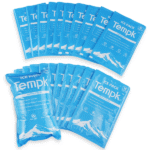
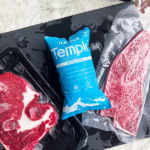
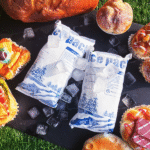
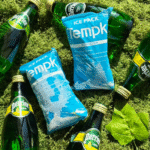
Paket gel banyak digunakan karena familiar, terjangkau, dan mudah untuk diintegrasikan tas terisolasi, Kotak EPS, pelapis kotak, pendingin EPP, dan karton parsel. Seringkali mereka menjadi pilihan pertama untuk makanan dingin, pengiriman bahan makanan, makanan siap saji, makanan laut segar, kosmetik, dan pesanan e-niaga yang didinginkan.
Paket gel cocok digunakan jika produk harus tetap dingin tetapi tidak harus beku. Hal ini juga berguna ketika pelanggan penerima mengharapkan kebersihan, pendingin yang tidak berbahaya. Untuk perlengkapan makan dan pengiriman bahan makanan, pengalaman pengguna akhir itu penting: paket gel tidak boleh bocor, membasahi karton secara berlebihan, atau membuat pembuangannya membingungkan.
Namun, paket gel bukanlah solusi universal. Paket gel beku dapat menimbulkan titik beku lokal jika menyentuh obat, salad, cokelat, atau produk sensitif beku lainnya. Dalam pengiriman paket musim panas jarak jauh, massa paket gel mungkin harus lebih besar dari yang diharapkan. Dalam karton berinsulasi lemah, hanya menambahkan lebih banyak paket gel dapat membuat kotak menjadi berat namun tetap gagal dalam perjalanan.
Saat es kering masih dibutuhkan
Es kering adalah sumber flu biasa yang paling kuat dalam pengiriman parsel dan udara. Ini dapat membuat produk tetap beku sedangkan kemasan gel hanya dapat membuatnya tetap dingin. Hal ini membuat es kering relevan untuk makanan laut beku, es krim, daging beku, makanan siap saji beku, dan beberapa bahan laboratorium yang dibekukan.
Tapi es kering bukan sekadar paket gel yang lebih dingin. Ini adalah karbon dioksida padat. Karena menyublimkan, itu menjadi gas. Kemasan tidak boleh kedap udara dan harus memungkinkan keluarnya gas. PHMSA menyatakan bahwa Paket es kering digunakan sebagai zat pendingin harus dirancang untuk memungkinkan pelepasan gas untuk mencegah penumpukan tekanan dan harus ditandai dengan nama pengiriman dan nomor ID yang benar, seperti “Es kering,”UN1845, dan massa bersih bila berlaku. Panduan FAA PackSafe juga menyatakan bahwa paket es kering tidak boleh kedap udara dan harus memiliki ventilasi.
Es kering juga menimbulkan risiko kualitas produk. Ini dapat membekukan produk secara berlebihan, merusak label atau wadah karena suhu dingin yang ekstrem, dan menciptakan masalah keamanan bagi pengepakan dan penerima. Panduan UPS untuk pengiriman makanan dan barang yang mudah rusak merekomendasikan untuk memisahkan isinya dari es kering dan menggunakan busa EPS di dalam kemasan bergelombang.
Ketika paket PCM lebih baik dari paket gel standar
Paket PCM berguna ketika pelanggan memerlukan kontrol suhu yang lebih baik di sekitar pita yang dipilih. Bahan pengubah fasa menyerap panas saat meleleh dan melepaskan panas saat membeku. Perilaku panas laten ini dapat membantu mengurangi perubahan suhu ketika PCM dipilih dan dikondisikan dengan benar.
Alat pengambilan keputusan yang berguna
Periksa detailnya sebelum Anda memilih kemasan
Alat cepat ini dapat membantu Anda membandingkan risiko rute, kebutuhan ukuran, pilihan pendingin, dan detail kemasan sebelum Anda meminta penawaran.
Pemilih Kemasan
Bandingkan opsi kemasan berinsulasi berdasarkan produk, rute, dan kebutuhan suhu.
Temukan kemasannyaKetahanan Jatuh Bahan Isolasi
Tinjau ketahanan jatuh dan faktor penanganan sebelum memilih bahan insulasi.
Periksa resistensiReferensi Bahan Isolasi
Bandingkan pilihan bahan insulasi untuk kebutuhan pengemasan rantai dingin yang berbeda.
Bandingkan bahanPaket PCM sering dipertimbangkan untuk pengiriman obat pada suhu 2-8°C, produk dingin yang terkontrol, biologi khusus, dan paket di mana kerusakan akibat pembekuan menjadi perhatian utama. Mereka juga berguna ketika merek memerlukan dokumentasi, pengemasan yang berulang daripada pendekatan sederhana “tambahkan lebih banyak es”..
Imbalannya adalah paket PCM memerlukan spesifikasi yang lebih tepat. Suhu perubahan fasa, desain kontainer, metode pengkondisian, tata letak muatan, dan profil pengujian harus selaras. Jika PCM dikondisikan secara tidak benar, itu mungkin tidak berfungsi sebagaimana mestinya. Oleh karena itu PCM merupakan komponen desain solusi, bukan hanya pendingin komoditas.
Matriks keputusan untuk pembeli perusahaan
| Pertanyaan pembeli | Opsi awal yang lebih baik | Mengapa |
|---|---|---|
| Produk harus tiba dalam keadaan dingin tetapi tidak beku. | Paket gel atau paket PCM | Paket gel hemat biaya; PCM dapat mengurangi risiko pembekuan pada pita yang lebih sempit. |
| Produk harus tetap beku. | Es kering atau sistem PCM beku | Es kering biasanya digunakan untuk pengiriman beku, tetapi memerlukan ventilasi dan penandaan. |
| Pengirimannya adalah obat 2-8°C. | Paket PCM atau paket gel tanpa beku | Risiko utama tidak hanya pemanasan tetapi juga pembekuan akibat kontak langsung dengan cairan pendingin. |
| Rutenya adalah pengiriman makanan lokal. | Paket gel, paket injeksi air, tas atau liner terisolasi | Kompleksitas peraturan yang lebih rendah dan penanganan pengguna akhir yang lebih baik. |
| Merek menginginkan kemasan berlabel pribadi. | Paket gel, paket injeksi air, tas terisolasi | Komponen ini dapat mendukung pencetakan logo dan instruksi bergaya ritel. |
| Rutenya meliputi pengiriman udara dengan es kering. | Paket es kering dengan tinjauan kepatuhan | Pengiriman udara memerlukan ventilasi, tanda, dan prosedur penerimaan pengangkut. |
| Pembeli menginginkan pengiriman masuk dan penyimpanan gudang yang lebih rendah. | Paket es injeksi air | Paket dikirimkan dalam keadaan kompak sebelum diisi, kemudian dihidrasi dan dibekukan menjelang digunakan. |
Bagaimana cara memikirkan massa pendingin
Massa cairan pendingin tidak boleh disalin dari kotak pesaing. Jumlah yang dibutuhkan tergantung pada massa produk, suhu awal, isolasi, dimensi kotak, profil suhu sekitar, waktu transit, dan margin keamanan. Kotak yang lebih besar dengan ruang kepala lebih besar memerlukan penempatan cairan pendingin yang berbeda dibandingkan kotak kecil kantong terisolasi. Makanan yang didinginkan pada suhu 2-4°C memerlukan strategi yang berbeda dibandingkan pesanan makanan laut beku yang meninggalkan freezer pada suhu -18°C.
Untuk desain pertama, membuat anggaran termal menggunakan massa produk, jenis isolasi, durasi rute, dan risiko lingkungan. Kemudian validasi dengan paket sampel dengan data logger. Untuk pelanggan perusahaan, spesifikasi akhir harus mencakup ukuran cairan pendingin, kuantitas, waktu pengkondisian, penempatan, format isolasi, ukuran karton, dan urutan pengepakan.
Aturan pengemasan praktis
| Aturan | Aplikasi |
|---|---|
| Prakondisikan cairan pendingin dan insulasi sebelum pengepakan. | FedEx merekomendasikan pembekuan cairan pendingin gel dan mendinginkan wadah berinsulasi terlebih dahulu jika memungkinkan. |
| Gunakan lapisan plastik dan bahan penyerap tempat air meleleh, membersihkan, atau kondensasi dapat terjadi. | Membantu mencegah karton basah dan melindungi label pengiriman. |
| Hindari kontak langsung antara cairan pendingin beku dan produk yang sensitif terhadap pembekuan. | Sangat penting untuk pengobatan, cokelat, menghasilkan, dan makanan siap saji yang lembut. |
| Biarkan bungkusan es kering keluar. | Sublimasi es kering menimbulkan risiko gas dan tekanan. |
| Uji paket lengkapnya, bukan pendinginnya saja. | Performa cairan pendingin bergantung pada insulasi, muatan, penempatan, dan paparan rute. |
FAQ
Apakah kemasan gel lebih aman dibandingkan es kering?
Untuk banyak pengiriman dingin, kemasan gel lebih mudah ditangani karena tidak melepaskan gas karbon dioksida dan tidak memerlukan penandaan es kering. Namun, kemasan gel masih bisa bocor, membekukan produk sensitif, atau membuat kondensasi jika kemasannya dirancang dengan buruk.
Bisakah es kering digunakan untuk makanan dingin?
Mungkin terlalu dingin untuk banyak produk dingin. Es kering dapat membekukan produk yang seharusnya tetap disimpan di lemari es. Gunakan pemisahan, buffering, dan pengujian khusus produk jika es kering dipertimbangkan untuk pengiriman dingin.
Apakah paket PCM selalu lebih baik daripada paket gel?
TIDAK. Paket PCM lebih baik bila suhu perubahan fase dan metode pengkondisiannya sesuai dengan pengiriman. Untuk rute dingin sederhana, paket gel dan sistem insulasi yang telah teruji mungkin lebih hemat biaya.
Apa yang harus diuji sebelum disetujui?
Uji paket lengkap: beban produk, karton, isolasi, pendingin, penempatan, pengkondisian, profil rute, dan lokasi pencatat data. Jangan menyetujui cairan pendingin hanya berdasarkan lembar spesifikasinya.
Kesimpulan terakhir
Paket gel, es kering, dan paket PCM memecahkan berbagai masalah rantai dingin. Paket gel biasanya paling baik untuk distribusi dingin, es kering digunakan untuk kemasan beku tetapi memerlukan ventilasi dan kontrol transportasi, dan paket PCM berguna ketika rentang suhu yang lebih sempit atau desain tanpa pembekuan diperlukan. Pendingin terbaik adalah yang menjaga muatan tetap berada dalam jangkauan melalui rute sebenarnya, bukan yang terlihat paling dingin di atas kertas.