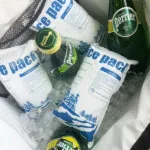
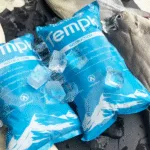
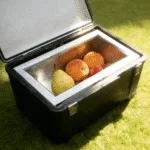
Tidak ada angka universal Gel Ice Packs untuk Pengiriman Rantai Dingin. Jumlah yang benar bergantung pada kisaran suhu produk, massa muatan, ukuran karton, jenis isolasi, durasi rute, paparan lingkungan, ukuran paket gel, suhu awal, dan margin keamanan yang diperlukan. Pengiriman makanan dingin dalam jumlah kecil mungkin memerlukan rasio cairan pendingin terhadap muatan yang berbeda dibandingkan paket makanan laut, sebuah kotak belanjaan, atau kit sampel medis.
Artikel ini menjelaskan bagaimana pembeli perusahaan dapat memperkirakan jumlah paket gel sebelum meminta sampel. Itu tidak menggantikan validasi termal. Alih-alih, ini memberikan kerangka praktis untuk menyiapkan data pengiriman, menghindari kesalahan umum dalam ukuran yang terlalu kecil, dan menggunakan kalkulator atau uji sampel dengan lebih efektif.
Mulailah dengan kondisi kedatangan yang diperlukan
Pertanyaan pertama bukanlah “berapa banyak kemasan gel?” Pertanyaan pertama adalah “berapa suhu yang harus dipertahankan produk?Paket makanan dingin, pengiriman medis pada suhu 2-8°C, dan pengiriman makanan laut beku memerlukan logika pendingin yang berbeda.
Panduan makanan FDA menyatakan bahwa makanan dingin harus disimpan pada suhu 40°F / 4°C atau lebih rendah. FedEx menjelaskan cairan pendingin gel untuk produk yang suhunya harus tetap antara 34°F / 1°C dan 50 °F / 10° C.. Untuk makanan beku, Panduan penanganan aman FDA merujuk pada penyimpanan freezer pada suhu 0°F / -18°C atau lebih rendah. Nilai yang didukung sumber ini menunjukkan mengapa satu jumlah paket gel tidak dapat memenuhi setiap program.
Variabel kunci yang mengubah kuantitas paket gel
| Variabel | Mengapa itu mengubah jumlah paket gel | Apa yang harus diberikan kepada pemasok Anda |
|---|---|---|
| Target suhu produk | Temperatur target yang lebih rendah biasanya memerlukan cairan pendingin yang lebih banyak atau isolasi yang lebih kuat. | Kisaran suhu yang diperlukan dan kondisi kedatangan yang dapat diterima. |
| Massa muatan | Muatan yang lebih besar mungkin dapat menahan dingin lebih lama namun juga memerlukan perlindungan panas total yang lebih besar. | Total berat produk dan dimensi produk. |
| Suhu awal | Produk yang didinginkan sebelumnya membutuhkan lebih sedikit energi tarik ke bawah dibandingkan produk hangat. | Suhu pemuatan produk dan metode pra-pendinginan. |
| Ukuran kotak dan ruang kepala | Lebih banyak ruang udara meningkatkan ketidakstabilan termal dan dapat mengubah penempatan cairan pendingin. | Dimensi karton bagian dalam dan tata letak produk. |
| Jenis isolasi | Kotak busa, kotak EPP, kotak VIP, atau liner mengubah laju perolehan panas. | Bahan isolasi, ketebalan, dan apakah kartonnya sudah diperbaiki. |
| Durasi rute | 24-Rute satu jam dan 48 jam memerlukan margin keselamatan yang berbeda. | Waktu dari pintu ke pintu ditambah kemungkinan penundaan. |
| Paparan sekitar | Panas musim panas, risiko pembekuan musim dingin, tempat tinggal truk, tempat tinggal bandara, dan masalah tempat tinggal di depan pintu. | Informasi musiman dan jalur. |
| Ukuran paket gel | Beberapa paket besar dan banyak paket kecil dapat berperilaku berbeda. | Dimensi paket, mengisi berat, dan persyaratan penempatan. |
| Sensitivitas produk | Obat, cokelat, menghasilkan, dan salad mungkin rusak jika terkena langsung beku. | Sensitivitas pembekuan dan persyaratan pemisahan produk. |
Alur kerja estimasi praktis
Perkiraan paket gel harus dibuat secara bertahap.
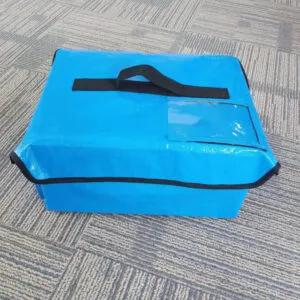
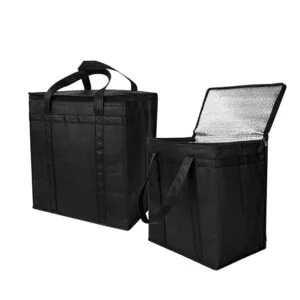
Pertama, menentukan target produk. Apakah sasarannya di bawah 4°C, dalam 2-8°C, di bawah 10°C, atau sekadar “tiba dengan keren”? Kedua, mengkonfirmasi kondisi awal. Kemasan gel tidak boleh diharapkan untuk menurunkan produk hangat ke suhu yang aman selama pengiriman. Ketiga, pilih format isolasi. A lapisan karton, Pengirim EPS, pendingin EPP, kotak VIP, atau tas terisolasi akan mengubah laju perolehan panas. Keempat, memperkirakan waktu rute dan margin penundaan. Kelima, pilih ukuran dan penempatan paket gel. Keenam, uji paket lengkap dengan data logger.
Logika termal dasarnya adalah:
Kapasitas cairan pendingin yang dibutuhkan = panas yang masuk melalui kemasan + panas dari produk dan ruang udara + penanganan dan margin penundaan.
Ini adalah persamaan perencanaan, bukan metode validasi yang selesai. Kuantitas akhir harus dikonfirmasi dengan paket sampel dalam kondisi ruangan yang realistis.
Referensi desain yang didukung sumber
| Titik referensi | Detail yang didukung sumber | Bagaimana hal ini mempengaruhi perencanaan paket gel |
|---|---|---|
| Keamanan pangan dingin | FDA mengatakan makanan dingin harus disimpan pada suhu 40°F / 4°C atau lebih rendah. | Menentukan target pengemasan makanan dingin dan menerima cek penerimaan. |
| Kisaran penggunaan cairan pendingin gel | FedEx menjelaskan cairan pendingin gel untuk suhu 34°F / 1°C hingga 50 °F / 10°C pengiriman. | Membantu menentukan apakah paket gel cocok untuk kisaran yang diminta. |
| Referensi isolasi busa | FedEx merekomendasikan wadah busa berinsulasi dengan minimum 1.5 di dalam / 4 cm dinding untuk barang yang mudah rusak. | Menunjukkan bahwa ketebalan insulasi dapat mengurangi beban cairan pendingin. |
| Penggunaan penyerap dan liner | FedEx merekomendasikan pelapis plastik dan bahan penyerap untuk barang yang mudah rusak. | Membantu melindungi karton dari kondensasi dan kebocoran. |
| Perbedaan es kering | FedEx mengidentifikasi es kering untuk pengiriman beku, bukan pengiriman paket gel dingin pada umumnya. | Mencegah penggunaan kemasan gel yang memerlukan kemasan beku atau desain es kering. |
Penempatan paket gel sama pentingnya dengan kuantitas
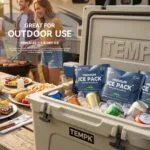
Lebih banyak paket gel tidak secara otomatis berarti kinerja lebih baik. Penempatan menentukan bagaimana sumber dingin berinteraksi dengan muatan dan permukaan paket yang paling hangat. Panduan FedEx untuk barang dingin atau beku merekomendasikan penempatan cairan pendingin di semua sisi dan di atas produk. Dalam praktiknya, tata letak terbaik bergantung pada orientasi kotak, bentuk muatan, dan sensitivitas produk.
Untuk makanan dingin, paket gel dapat ditempatkan di atas dan di sekitar makanan untuk mengurangi perolehan panas dari atas dan samping. Untuk pengobatan, ruang produk atau pembagi mungkin diperlukan untuk mencegah cairan pendingin beku menyentuh muatan. Untuk makanan laut, rencana pendingin mungkin memprioritaskan kontak dingin langsung jika produk dikemas agar tahan terhadapnya. Untuk coklat atau hasil bumi, buffering dan pemisahan lebih penting.
Alat pengambilan keputusan yang berguna
Periksa detailnya sebelum Anda memilih kemasan
Alat cepat ini dapat membantu Anda membandingkan risiko rute, kebutuhan ukuran, pilihan pendingin, dan detail kemasan sebelum Anda meminta penawaran.
Pendingin & Referensi PCM
Bandingkan opsi cairan pendingin dan PCM ketika suatu rute memerlukan dukungan suhu tambahan.
Bandingkan pilihanKalkulator Es Kering
Perkirakan kebutuhan es kering untuk pengiriman beku atau sangat dingin sebelum pengepakan.
Perkirakan es keringPemeriksa Risiko Rute
Tinjau kondisi jalur sebelum memilih kemasan untuk mengetahui kebutuhan pengoperasian sebenarnya.
Periksa risiko ruteContoh tabel perencanaan untuk RFQ pemasok
Gunakan tabel berikut untuk menyiapkan data sebelum menggunakan kalkulator atau meminta sampel. Jangan menggunakannya sebagai spesifikasi paket yang divalidasi.
| Kategori masukan | Pembeli harus mendefinisikan | Mengapa pemasok membutuhkannya |
|---|---|---|
| Profil produk | Jenis produk, berat, suhu pemuatan, sensitivitas terhadap pembekuan atau kelembaban. | Menentukan jenis cairan pendingin dan apakah pemisahan diperlukan. |
| Sasaran suhu | Suhu maksimum yang diperbolehkan pada saat kedatangan dan apakah pembekuan dilarang. | Menentukan suhu paket gel, kuantitas, dan penempatan. |
| Durasi pengiriman | Waktu layanan yang direncanakan dan margin penundaan yang realistis. | Mendorong total kapasitas termal yang dibutuhkan. |
| Karton dan isolasi | Ukuran kotak, jenis liner atau busa, ketebalan dinding, gaya penutupan. | Menentukan perolehan panas dan ruang yang tersedia untuk kemasan gel. |
| Proses operasi | Kapasitas pembekuan gudang, tenaga kerja paket, urutan paket, penyimpanan sebelum pengambilan. | Menentukan apakah desain tersebut praktis dalam skala besar. |
| Metode penerimaan | Data Logger, menerima pemeriksaan suhu, inspeksi visual pelanggan. | Menentukan bagaimana kinerja akan diverifikasi. |
Kesalahan umum dalam ukuran paket gel yang terlalu kecil
Kesalahan paling umum adalah merancang waktu yang diberi label oleh operator, bukan rute sebenarnya. Pengiriman “satu hari” masih dapat mengalami penundaan pengambilan, pusat penyortiran tinggal, paparan kendaraan yang panas, dan tinggal di depan pintu. Kesalahan kedua adalah mengabaikan suhu awal muatan. Jika produk hangat ditempatkan ke dalam kotak dingin, kemasan gel akan digunakan untuk mendinginkan produk daripada melindunginya selama transit. Kesalahan ketiga adalah menggunakan lapisan yang lebih tipis atau karton yang lebih besar setelah kemasan aslinya telah diuji.
Masalah umum lainnya adalah kerusakan akibat pembekuan. Pembeli dapat menambahkan paket gel beku ekstra untuk mengatasi pemanasan musim panas, namun kemasan tambahan dapat membekukan produk pada jam-jam awal transit. Hal ini sangat relevan dalam bidang kedokteran, salad, cokelat, dan menghasilkan. Dalam kasus tersebut, paketnya mungkin memerlukan PCM, sebuah pembagi, metode pengkondisian gel yang lebih hangat, atau tata letak isolasi dua tahap.
Kapan menggunakan kalkulator dan kapan harus menguji
Kalkulator kantong es berguna untuk desain awal. Ini membantu pembeli membandingkan massa muatan, waktu rute, format isolasi, dan asumsi cairan pendingin sebelum memesan sampel. Namun, kalkulator tidak boleh menjadi metode penerimaan akhir untuk program rantai dingin. Ia tidak dapat sepenuhnya mereproduksi setiap jalur operator, orientasi karton, proses gudang, atau kondisi penerimaan pelanggan.
Gunakan kalkulator untuk menyaring. Gunakan pengujian sampel untuk persetujuan. Gunakan uji coba rute ketika produk bernilai tinggi, diatur, fana, atau sensitif terhadap merek.
FAQ
Bisakah saya menyalin jumlah paket gel yang digunakan oleh merek lain?
TIDAK. Merek lain mungkin menggunakan ukuran kotak yang berbeda, berat produk, bahan isolasi, suhu pemuatan, profil jalur, atau persyaratan kedatangan. Menyalin jumlah paket dapat menyebabkan pendinginan yang kurang, pembekuan berlebihan, atau biaya yang tidak perlu.
Sebaiknya kemasan gel diletakkan di atas atau di sekitar produk?
Dalam banyak paket parsel, paparan atas penting karena panas dapat masuk dari atas dan karena paket dapat ditangani dalam orientasi yang berbeda. FedEx merekomendasikan untuk menempatkan cairan pendingin di semua sisi dan di atas untuk barang dingin atau beku, tapi tata letak akhir harus diuji.
Melakukan lebih banyak paket gel selalu meningkatkan keamanan pangan?
Tidak selalu. Lebih banyak paket gel meningkatkan kapasitas dingin, tapi mereka juga bisa menambah berat badan, mengurangi ruang produk, meningkatkan kondensasi, dan membekukan produk sensitif. Gunakan kuantitas minimum yang divalidasi dengan margin penundaan yang realistis.
Bisakah kemasan gel menjaga makanan beku tetap beku?
Paket gel standar seringkali lebih baik untuk produk dingin. Untuk pengiriman beku yang sebenarnya, es kering atau sistem PCM beku mungkin diperlukan tergantung pada produk, rute, dan isolasi.
Kesimpulan terakhir
Jumlah paket gel harus dihitung dari profil pengiriman lengkap: sasaran suhu, massa muatan, suhu awal, isolasi, ukuran kotak, waktu rute, paparan lingkungan, dan margin keamanan. Gunakan kalkulator untuk mempersempit desain, kemudian menyetujui paket akhir melalui pengujian sampel atau uji rute. Untuk program rantai dingin B2B, tujuannya adalah kedatangan dalam jangkauan yang berulang, tidak sekadar menambahkan kantong es sebanyak mungkin.