Layanan logistik rantai dingin memastikan bahwa barang-barang yang mudah rusak – mulai dari vaksin dan bahan biologis hingga makanan laut dan produk segar – tetap berada dalam kisaran suhu yang aman selama penyimpanan dan transportasi. Di dalam 2025 pasar rantai dingin sedang booming: penelitian oleh Precedence Research menghargai sektor global US$436,30 miliar masuk 2025 dan memproyeksikan untuk melampauinya sebesar US$1,3 triliun pada tahun 2016 2034. Konsumen mengharapkan produk segar, produk berkualitas tinggi, regulator menegakkan standar keselamatan yang ketat, dan rantai pasokan tersebar di berbagai benua. Panduan ini menjelaskan cara kerja layanan logistik rantai dingin, Mengapa mereka penting, dan bagaimana teknologi mengubah industri. Hal ini mengacu pada data terbaru dan wawasan para ahli 2025, memberdayakan Anda untuk membuat keputusan yang tepat apakah Anda mengelola obat-obatan, makanan, atau barang sensitif suhu lainnya.
Apa saja yang termasuk dalam layanan logistik rantai dingin?, dan mengapa mereka penting dalam 2025?
Teknologi yang mana — AI, IoT, blockchain dan energi terbarukan — mengubah logistik rantai dingin?
Bagaimana tren pasar global dan perbedaan regional mempengaruhi investasi dan kapasitas?
Bagaimana Anda dapat memilih mitra logistik rantai dingin yang tepat dan meningkatkan operasi Anda sendiri?
Inovasi dan tren pasar apa yang paling menonjol yang muncul 2025?
Pertanyaan umum apa yang ditanyakan perusahaan mengenai layanan rantai dingin??
Apa itu layanan logistik rantai dingin dan mengapa hal itu penting 2025?
Layanan logistik rantai dingin mencakup jaringan proses, peralatan dan protokol yang dirancang untuk mempertahankan rentang suhu tertentu dari produksi hingga konsumsi. Sistem ini mencakup penyimpanan yang dikontrol suhu, transportasi berpendingin, pengemasan khusus dan teknologi pemantauan. Di dalam 2025 rantai dingin menjadi sangat kritis: Penelitian Prioritas melaporkan bahwa pasar global bernilai US$436,30 miliar 2025 dan bisa mencapai US$1.359,78 miliar pada 2034. Beberapa faktor mendorong pertumbuhan ini:
Kesehatan dan keselamatan: Selama pandemi COVID 19, rantai dingin memastikan distribusi vaksin dan makanan yang aman. Permintaan pascapandemi tetap tinggi terhadap produk biologis, Vaksin mRNA dan makanan khusus memerlukan kontrol suhu yang tepat.
E-commerce dan globalisasi: Layanan belanjaan dan perlengkapan makan online meningkatkan permintaan akan jaringan pengiriman jarak jauh yang andal. Perdagangan internasional barang-barang yang mudah rusak memperkenalkan konsumen pada masakan baru dan memperluas peluang pasar.
Inovasi teknologi: Kemajuan dalam pendinginan, Internet of Things (IoT) sensor dan kecerdasan buatan (Ai) memungkinkan pemantauan waktu nyata, pemeliharaan prediktif dan perencanaan rute yang efisien.
Pasar negara berkembang: Meningkatnya pendapatan dan urbanisasi di Asia, Amerika Latin dan Afrika menciptakan permintaan baru terhadap infrastruktur penyimpanan dingin.
Memahami rentang suhu dan komponen utama
Layanan rantai dingin menjaga produk dalam batas suhu yang ketat. Rentang tipikal mencakup lingkungan sekitar (59–86 °F), Dingin (50–59 °F), didinginkan (32–50 °F) dan beku (–22–32 °F). Tabel berikut merangkum rentang umum dan penerapannya pada produk Anda:
| Kisaran suhu | Produk khas | Kesimpulan Anda |
| Ambient (59–86 °F / 15–30 °C) | Makanan kering, obat-obatan tertentu | Membutuhkan pendinginan minimal; pastikan ventilasi untuk menghindari penumpukan panas. |
| Dingin (50–59 °F / 10–15 °C) | Keju, produk segar | Mengurangi pembusukan; gunakan wadah berinsulasi dan batasi waktu pengangkutan. |
| Didinginkan (32–50 °F / 0–10 ° C.) | Vaksin, produk susu | Mencegah pertumbuhan bakteri; Sensor IoT memungkinkan pemantauan waktu nyata. |
| Beku (–22–32 °F / –30–0 °C) | Daging, hidangan laut, Makanan penutup beku | Menuntut peralatan pembekuan dalam dan rencana redundansi untuk menangani kegagalan daya. |
Komponen utama rantai dingin modern meliputi:
Sistem pendingin: Kompresor, kondensor dan evaporator mempertahankan suhu yang diinginkan.
Penyimpanan yang dikontrol suhu: Gudang terisolasi dengan sistem penyimpanan dan pengambilan otomatis (AS/RS) meminimalkan fluktuasi.
Infrastruktur transportasi: Truk terisolasi, Kontainer berpendingin dan gerbong berpendingin menjaga suhu selama transit. Beberapa fasilitas menggunakan freezer kriogenik portabel yang mampu mempertahankan suhu –80 °C hingga –150 °C untuk bahan biologis.
Sistem pemantauan dan pengendalian: Sensor IoT dan pencatat data mengirimkan suhu waktu nyata, data kelembaban dan lokasi, memungkinkan tindakan segera jika kondisi menyimpang.
Protokol jaminan kualitas: Pemetaan suhu, rencana tanggap darurat dan manajemen inventaris masuk pertama keluar memastikan kepatuhan.
Saran praktis untuk mengelola operasi rantai dingin
Rencanakan Kontinjensi: Kembangkan protokol tanggap darurat untuk kegagalan peralatan atau pemadaman listrik untuk mencegah pembusukan.
Gunakan sensor IoT: Pasang sensor cerdas pada unit penyimpanan dan kendaraan untuk melacak suhu dan kelembapan; mengotomatiskan peringatan ketika ambang batas dilanggar.
Latih tim Anda: Memberikan pelatihan berkala mengenai prosedur penanganan, pencatatan data dan tanggap darurat.
Integrasikan AI dengan keahlian manusia: Gunakan AI untuk mendukung pengambilan keputusan sambil mengandalkan pengalaman operasional untuk beradaptasi dengan kondisi yang tidak terduga.
Contoh dunia nyata: Di dalam 2024 CJ Logistics America mengumumkan fasilitas penyimpanan dingin baru di dekat Kansas City yang menampilkan sistem otomatis, pendinginan hemat energi dan pemantauan IoT. Proyek ini menggambarkan bagaimana penyimpanan dingin modern menggabungkan teknologi dan keberlanjutan.
Bagaimana teknologi seperti AI, IoT dan blockchain mengubah logistik rantai dingin?
Teknologi memainkan peran penting dalam 2025 rantai dingin. Inovasi mengurangi limbah, meningkatkan efisiensi dan memungkinkan kepatuhan.
AI dan analisis prediktif: keputusan yang lebih cerdas dan mengurangi pembusukan
Kecerdasan buatan menganalisis data historis dan real-time untuk memprediksi kegagalan peralatan, mengoptimalkan rute pengiriman dan memperkirakan permintaan. Manfaatnya meliputi:
Pengoptimalan rute: Algoritma mempertimbangkan lalu lintas, cuaca dan jendela pengiriman untuk menemukan jalur yang efisien, mengurangi konsumsi bahan bakar dan menjaga integritas suhu.
Pemeliharaan prediktif: Menganalisis data sensor membantu menjadwalkan perbaikan sebelum unit pendingin rusak, mencegah kerusakan yang mahal.
Perkiraan permintaan: AI memodelkan pola konsumsi musiman, mengurangi limbah dan biaya inventaris.
Penelitian menunjukkan bahwa perkiraan permintaan yang didukung AI dan pemeliharaan prediktif mengurangi pembusukan dengan mengotomatiskan peringatan dan jadwal pemeliharaan. Menurut StartUs Insight, pasar rantai dingin bertambah 26 800 karyawan baru pada tahun lalu dan mengajukan lebih dari 2 800 paten, mencerminkan ekosistem inovasi yang kuat.
IoT mengaktifkan pemantauan waktu nyata: visibilitas ujung ke ujung
Perangkat IoT seperti sensor pintar, Pelacak GPS dan pencatat data memberikan visibilitas yang tidak terputus di seluruh rantai dingin. Perangkat ini mengirimkan peringatan ketika suhu berada di luar kisaran aman, yang menawarkan beberapa keuntungan:
Mencegah pembusukan: Pemantauan berkelanjutan memungkinkan tindakan segera jika suhu naik atau turun secara tidak terduga.
Kepatuhan Pengaturan: Perangkat IoT memberikan catatan perjalanan produk yang dapat diverifikasi, membantu perusahaan memenuhi peraturan keamanan pangan dan farmasi.
Transparansi pelanggan: Data waktu nyata dapat dibagikan dengan pelanggan, membangun kepercayaan dan meningkatkan kepuasan.
Segmen perangkat keras memimpin pasar pelacakan rantai dingin 2022, memegang lebih 76% dari pangsa pasar.
Blockchain untuk ketertelusuran dan kepercayaan
Teknologi Blockchain menciptakan catatan perjalanan produk yang tahan terhadap kerusakan, memungkinkan ketertelusuran ujung ke ujung. Di sektor farmasi, blockchain membantu memantau data suhu dan lokasi, memastikan bahwa semua pemangku kepentingan memiliki catatan yang sama dan tidak dapat diubah. Hal ini mengurangi risiko manipulasi data, menyederhanakan audit dan meningkatkan keselamatan pasien. Itu Pembaruan Bisnis Kontrol Termal mencatat bahwa integrasi blockchain meningkatkan kepatuhan dan membangun kepercayaan konsumen.
Energi terbarukan dan keberlanjutan
Konsumsi energi merupakan penggerak biaya utama dalam logistik rantai dingin. Unit pendingin bertenaga surya menawarkan solusi berkelanjutan, khususnya di daerah pedesaan atau daerah yang kekurangan energi. Tarif listrik tenaga surya komersial di Amerika Serikat berkisar dari 3.2 ke 15.5 sen per kWh, dibandingkan dengan tingkat utilitas komersial rata-rata sebesar 13.10 sen per kWh di dalam 2024. Dengan memanfaatkan panel surya untuk gudang dan truk berpendingin, bisnis dapat menurunkan biaya operasional dan mengurangi jejak karbon.
Pengemasan berkelanjutan juga mendapatkan daya tarik. Ringan, pembungkus termal yang dapat terbiodegradasi dan cold pack yang dapat digunakan kembali mengurangi dampak terhadap lingkungan, mendukung tujuan keberlanjutan perusahaan dan mematuhi peraturan. Selain itu, Optimalisasi rute yang digerakkan oleh AI dan pemeliharaan prediktif meminimalkan penggunaan bahan bakar, mengurangi emisi lebih lanjut.
Tren pasar dan wawasan regional untuk 2025
Pertumbuhan dan proyeksi pasar global
Berbagai lembaga penelitian memproyeksikan pertumbuhan yang kuat di sektor rantai dingin:
Penelitian Prioritas memperkirakan bahwa pasar global akan tumbuh dari US$436,30 miliar pada tahun 2018 2025 menjadi US$1.359,78 miliar pada 2034 di a CAGR dari 13.46%.
Wawasan StartUs, mengutip Perusahaan Riset Bisnis, melaporkan bahwa ukuran pasar rantai dingin akan meningkat dari US$454,48 miliar pada tahun lalu 2025 menjadi US$776,01 miliar pada tahun ini 2029, A CAGR dari 12.2%.
Wawasan Bisnis Keberuntungan (dikutip oleh Maersk) menghargai pasar di US$324,85 miliar masuk 2024 dan memproyeksikan hal itu untuk dicapai US$862,33 miliar pada 2032, memamerkan a CAGR dari 13%.
Penelitian Nester menyatakan bahwa pasar logistik rantai dingin bernilai US$385,6 miliar pada tahun 2018 2025 dan diproyeksikan untuk mencapai US$1.429,5 miliar pada 2035 dengan a CAGR dari 14%.
Meskipun perkiraannya berbeda, konsensusnya jelas: permintaan untuk logistik yang dikontrol suhu semakin cepat. Kawasan Asia-Pasifik diperkirakan akan tumbuh pada CAGR tertinggi 14.3% di antara 2025 Dan 2034. Segmen produk susu dan makanan penutup beku memegang pangsa terbesar (36.10%) aplikasi di 2024, sementara fasilitas pra-pendinginan dihargai sebesar masuknya US$204,4 miliar 2024.
Sorotan regional
| Wilayah | Wawasan penting | Implikasinya bagi Anda |
| Amerika Utara | Pasar diproyeksikan akan bangkit US$116,85 miliar masuk 2024 menjadi US$289,58 miliar pada 2034, mencerminkan meningkatnya permintaan farmasi dan perdagangan elektronik. Pemerintah AS Rencana Implementasi Strategi Keamanan Siber Nasional (Mungkin 2024) menekankan pengamanan rantai dingin makanan dan farmasi, menandakan peningkatan pengawasan peraturan. | Perusahaan harus mematuhi peraturan keamanan siber dan keamanan pangan sambil berinvestasi pada kapasitas dan teknologi baru. |
| Asia–Pasifik | Wilayah ini akan mengalami pertumbuhan tertinggi. Rata-rata konsumsi susu di India 427 g per kapita (di atas rata-rata global sebesar 305 G), dan sektor restoran cepat saji diperkirakan akan tumbuh 20–25% di bidang fiskal 2024. Pemerintah berinvestasi dalam program ekspor (MISALNYA., Program Ekspor Susu Inggris) untuk meningkatkan perdagangan internasional barang-barang yang mudah rusak. | Dunia usaha memerlukan pergudangan dan jaringan distribusi yang skalabel untuk memenuhi meningkatnya permintaan akan makanan segar dan vaksin. |
| Eropa | Infrastruktur penyimpanan dingin yang semakin tua – seringkali berusia 40–50 tahun – mendorong investasi dalam modernisasi, otomasi dan sistem hemat energi. | Mengganti fasilitas yang sudah ketinggalan zaman dengan yang otomatis, desain yang berkelanjutan akan mengurangi biaya energi dan meningkatkan kepatuhan. |
| Amerika Latin | Meningkatnya ekspor produk segar dan makanan laut memerlukan peningkatan infrastruktur rantai dingin. Investasi pada energi terbarukan dan pemantauan IoT membantu mengatasi tantangan pasokan listrik. | Memprioritaskan gudang hemat energi dan solusi bertenaga surya untuk mengatasi kesenjangan infrastruktur. |
| Afrika | Perluasan kapasitas rantai dingin sangat penting untuk ketahanan pangan dan distribusi vaksin. Unit penyimpanan dingin bertenaga surya dan freezer kriogenik portabel sangat berguna di wilayah dengan listrik yang tidak dapat diandalkan. | Pertimbangkan modular, wadah bertenaga surya dan freezer portabel untuk melayani daerah terpencil. |
Tren spesifik sektor
Farmasi dan biologi
Biofarmasi, terapi gen dan vaksin memerlukan pengendalian suhu yang tepat dan kepatuhan terhadap peraturan. Pasar rantai dingin farmasi diperkirakan akan tercapai US$1.454 miliar pada 2029, dengan CAGR sebesar 4.71% dari 2024 ke 2029. Inovasi seperti freezer kriogenik portabel (mempertahankan –80 °C hingga –150 °C) memungkinkan distribusi biologi ultra dingin.
Makanan, minuman dan produk nabati
Meningkatnya permintaan konsumen terhadap produk segar, makanan organik dan nabati mendorong investasi pada kapasitas rantai dingin. Itu Pasar logistik rantai dingin makanan Amerika Utara diperkirakan akan tercapai US$86,67 miliar masuk 2025. Alternatif protein nabati dapat menjelaskan hal ini 7.7% pasar protein global oleh 2030 dengan nilai berakhir US$162 miliar, meningkatnya permintaan untuk transportasi berpendingin khusus. Restoran layanan cepat (QSR) di India diperkirakan akan meningkat 20–25% di bidang fiskal 2024, semakin meningkatkan investasi rantai dingin.
Diagnostik dan ilmu kehidupan
Diagnostik medis dan penelitian ilmu hayati mengandalkan transportasi reagen yang dikontrol suhu, sampel dan bahan uji klinis. Perluasan terapi sel dan gen menambah kompleksitas, membutuhkan suhu yang sangat rendah dan sistem ketertelusuran yang kuat.
Bagaimana memilih dan mengoptimalkan layanan logistik rantai dingin
Memilih penyedia logistik yang tepat dapat menjadi penentu kepatuhan, pengiriman berkualitas tinggi dan kehilangan produk yang mahal. Gunakan kerangka kerja berikut untuk menilai penyedia layanan dan meningkatkan operasi Anda sendiri.
Identifikasi profil suhu produk Anda
Tentukan kisaran suhu yang diperlukan (ambient, Dingin, didinginkan atau dibekukan) dan kepekaan terhadap fluktuasi suhu. Untuk terapi biologis atau gen yang memerlukan suhu sangat rendah, memastikan penyedia menawarkan freezer kriogenik dan peralatan tervalidasi.
Mengevaluasi kemampuan teknologi dan pemantauan
Pemantauan waktu nyata: Tanyakan apakah penyedia menawarkan sensor IoT, Pelacakan GPS dan peringatan otomatis.
Pemeliharaan prediktif dan AI: Penyedia yang menggunakan AI untuk memprediksi kegagalan peralatan dan mengoptimalkan rute dapat mengurangi kerusakan dan penundaan.
Blockchain atau catatan digital: Carilah sistem keterlacakan anti kerusakan, khususnya untuk bidang farmasi.
Periksa infrastruktur dan kapasitas
Penyimpanan yang dikontrol suhu: Kunjungi fasilitas pergudangan untuk memverifikasi isolasi, otomatisasi dan efisiensi energi. Infrastruktur yang ketinggalan zaman dapat menyebabkan perubahan suhu dan biaya energi yang lebih tinggi.
Jaringan transportasi: Evaluasi armada penyedia (truk, wadah, gerbong) dan kemampuan untuk menangani pengiriman jarak jauh.
Rencana redundansi: Konfirmasikan generator cadangan, suku cadang dan strategi kontingensi untuk kegagalan peralatan.
Pertimbangkan keberlanjutan dan efisiensi energi
Dengan meningkatnya biaya energi dan peraturan lingkungan, memilih penyedia yang berinvestasi pada energi terbarukan dan pengemasan berkelanjutan. Gudang bertenaga surya dan kendaraan berpendingin listrik mengurangi biaya operasional dan emisi karbon.
Menilai kepatuhan terhadap peraturan dan sertifikasi
Pastikan penyedia layanan mematuhi Praktik Distribusi yang Baik (PDB), Analisis Bahaya dan Titik Kendali Kritis (Haccp) dan standar ISO yang relevan. Tanyakan tentang audit dan protokol jaminan kualitas.
Evaluasi harga dan fleksibilitas layanan
Minta model penetapan harga yang terperinci, termasuk biaya penyimpanan, mengangkut, pemantauan dan layanan bernilai tambah (MISALNYA., mengemas ulang atau kitting). Persyaratan kontrak yang fleksibel dan kapasitas yang terukur memungkinkan Anda merespons perubahan permintaan musiman.
Gunakan alat penilaian diri
Ikuti kuis sederhana ini untuk memperjelas kebutuhan Anda:
Kategori produk apa yang Anda tangani? (Pilih semua yang sesuai: Farmasi, biologi/terapi gen, produk segar, makanan beku, produk berbasis tanaman, Diagnostik).
Berapa kisaran suhu yang diperlukan? (Ambient, Dingin, Didinginkan, Beku, Sangat rendah).
Betapa pentingnya pemantauan waktu nyata? (Tinggi, Sedang, Rendah).
Apakah Anda memerlukan jangkauan global atau distribusi lokal? (Global, Daerah, Lokal).
Apakah Anda memprioritaskan keberlanjutan? (Ya — energi terbarukan & kemasan; TIDAK; Tidak yakin).
Berdasarkan jawaban Anda, Anda dapat memprioritaskan penyedia dengan kemampuan suhu yang tepat, teknologi, cakupan geografis dan langkah-langkah keberlanjutan.
Studi kasus: Pada bulan Juli 2025 Lineage Logistics memperluas jejaknya di Kanada dengan mengakuisisi tiga fasilitas penyimpanan dingin di Quebec, meningkatkan kapasitas buah, logistik sayuran dan produk beku. Investasi strategis seperti ini menandakan konsolidasi dan peningkatan kapasitas di Amerika Utara.
Perkembangan dan tren terkini di 2025
1. Otomasi dan robotika mengatasi kekurangan tenaga kerja
Fasilitas penyimpanan dingin menghadapi kekurangan tenaga kerja dan kenaikan biaya. Sistem penyimpanan dan pengambilan otomatis (AS/RS) dan penanganan robotik mengurangi kesalahan, beroperasi terus menerus dan meningkatkan throughput. Studi menunjukkan tentang 80% gudang tidak otomatis, meninggalkan ruang yang signifikan untuk diadopsi. Otomatisasi tidak hanya meningkatkan efisiensi tetapi juga meningkatkan konsistensi dalam pengendalian suhu dan inventaris.
2. Keberlanjutan adalah nilai inti
Kepedulian terhadap lingkungan dan peraturan yang lebih ketat mendorong keberlanjutan menjadi yang terdepan. Menurut Trackonomi, itu Infrastruktur rantai dingin pangan global menyumbang sekitar 20 persen 2% emisi CO₂ global. Sistem pendingin hemat energi, sumber energi terbarukan dan kemasan biodegradable membantu mengurangi jejak karbon. Perusahaan yang menerapkan praktik berkelanjutan tidak hanya mematuhi peraturan namun juga mengurangi biaya limbah dan energi. Penyimpanan dingin bertenaga surya dan truk listrik kini semakin diminati.
3. Visibilitas ujung ke ujung melalui pelacakan waktu nyata
Menjaga kualitas produk memerlukan visibilitas yang tidak terputus. Perangkat pelacakan berkemampuan IoT menyediakan data suhu real-time, lokasi dan kondisi, memungkinkan pengoptimalan rute dan respons lebih cepat terhadap gangguan. Segmen perangkat keras memimpin pasar pelacakan rantai dingin 2022, dengan lebih 76% pangsa pasar.
4. Modernisasi infrastruktur dan efisiensi energi
Fasilitas penyimpanan dingin yang sudah tua sering kali gagal memenuhi standar modern. Investasi dalam otomatisasi, kepatuhan dan isolasi sangat penting. Laporan wawasan Maersk mencatat bahwa penghapusan peraturan terhadap zat pendingin sintetis seperti HCFC dan HFC mempercepat peningkatan fasilitas. Fasilitas baru menggabungkan isolasi yang lebih baik, pengumpulan data waktu nyata dan energi terbarukan di lokasi.
5. AI dan analisis prediktif memberdayakan pengambilan keputusan yang lebih cerdas
AI mengoptimalkan rute, memperkirakan permintaan dan memperkirakan kebutuhan pemeliharaan, mengurangi penundaan dan pembusukan. Analisis berbasis AI membantu memitigasi risiko, memperkirakan pola konsumsi dan meningkatkan keandalan layanan. Trackonomi mencatat bahwa oleh 2025, 74% data logistik diharapkan terstandarisasi, memfasilitasi integrasi yang mulus di seluruh rantai pasokan.
6. Pertumbuhan rantai dingin farmasi
Pandemi ini menyoroti pentingnya penyimpanan ultra dingin untuk vaksin dan bahan biologis. Sekitar 20% Salah satu obat baru yang sedang dikembangkan adalah terapi berbasis gen dan sel, yang memerlukan kontrol suhu yang ketat. Rantai dingin farmasi diproyeksikan akan tercapai US$1.454 miliar pada 2029.
7. Investasi dalam logistik makanan segar dan pengiriman jarak jauh
Layanan kelontong e-commerce dan penyedia perlengkapan makan berkembang pesat. Pasar rantai dingin makanan Amerika Utara diproyeksikan akan tercapai US$86,67 miliar masuk 2025. Pemesanan online dan model langsung ke konsumen menuntut pusat pemenuhan mikro berpendingin baru, optimasi rute dan pelacakan waktu nyata. Produk makanan baru – produk nabati dan organik – memerlukan transportasi khusus untuk menjaga kesegarannya.
8. Kemitraan strategis dan integrasi rantai pasokan
Kolaborasi di seluruh ekosistem rantai dingin meningkatkan ketahanan dan visibilitas. Kemitraan antar produsen makanan, pemasok pengemasan dan penyedia teknologi memungkinkan solusi terintegrasi. Data terstandar dan kontainer pintar mendukung integrasi yang lancar di seluruh rantai pasokan, dengan 74% data logistik yang diharapkan dapat distandarisasi oleh 2025.
9. Munculnya inovasi blockchain dan IoT di Asia Tenggara
Asia Tenggara menjadi pusat inovasi rantai dingin. Inovator mengintegrasikan blockchain untuk ketertelusuran ujung ke ujung, unit penyimpanan dingin bertenaga surya, Sensor cerdas yang diaktifkan IoT untuk pemantauan waktu nyata, Pengoptimalan rute bertenaga AI, dan freezer kriogenik portabel yang memelihara –80 °C hingga –150 °C. Inovasi-inovasi ini membantu menjembatani kesenjangan infrastruktur di wilayah dengan pasokan listrik yang tidak konsisten dan jarak transportasi yang jauh.
FAQ
Q1: Apa perbedaan antara logistik rantai dingin dan logistik tradisional?
Logistik rantai dingin menjaga suhu lingkungan terkendali mulai dari penyimpanan hingga pengiriman, memastikan bahwa barang yang mudah rusak tetap berada dalam kisaran tertentu. Logistik tradisional tidak berfokus pada pengendalian suhu dan dapat memaparkan barang pada kondisi sekitar.
Q2: Bagaimana AI digunakan dalam logistik rantai dingin?
AI menganalisis data real-time dan historis untuk mengoptimalkan rute, memprediksi kegagalan peralatan dan memperkirakan permintaan. Ini mengurangi konsumsi bahan bakar, mencegah pembusukan dan meningkatkan layanan pelanggan.
Q3: Apakah semua produk memerlukan pemantauan suhu waktu nyata?
Belum tentu. Barang berisiko tinggi seperti vaksin, biologi dan makanan laut bernilai tinggi memerlukan pemantauan terus menerus, sementara barang-barang yang disimpan di rak mungkin hanya memerlukan pemeriksaan berkala. Nilai sensitivitas produk Anda dan persyaratan peraturan.
Q4: Mengapa keberlanjutan penting dalam rantai dingin??
Rantai makanan dingin menyumbang sekitar 2% emisi CO₂ global. Pendinginan hemat energi, energi terbarukan dan kemasan biodegradable mengurangi dampak lingkungan dan biaya operasional.
Q5: Apa itu freezer kriogenik portabel, dan kapan digunakan?
Freezer kriogenik portabel mempertahankan suhu sangat rendah (–80 °C hingga –150 °C) untuk biologi, terapi gen dan perawatan sel. Mereka memungkinkan distribusi produk yang fleksibel yang memerlukan pembekuan dalam.
Q6: Bagaimana blockchain meningkatkan transparansi rantai dingin?
Blockchain menciptakan catatan suhu yang tidak dapat diubah, lokasi dan peristiwa serah terima, memastikan bahwa semua pihak berbagi data yang sama. Ini mengurangi penipuan, menyederhanakan kepatuhan dan meningkatkan kepercayaan.
Ringkasan dan Rekomendasi
Layanan logistik rantai dingin sangat penting untuk mengirimkan barang yang mudah rusak dengan aman dan efisien. Pasarnya terus berkembang pesat, dengan nilai global yang diproyeksikan akan tumbuh masuknya US$436 miliar 2025 menjadi lebih dari US$1,3 triliun pada tahun 2018 2034. Faktor pendorongnya adalah perluasan perdagangan internasional, perdagangan elektronik, kemajuan farmasi dan meningkatnya permintaan akan makanan segar. Teknologi seperti AI, Sensor IoT, blockchain dan energi terbarukan mengurangi limbah, meningkatkan visibilitas dan memungkinkan kepatuhan.
Untuk mengoptimalkan operasi rantai dingin Anda, mengidentifikasi profil suhu produk Anda, mengevaluasi kemampuan teknologi, memeriksa infrastruktur, memprioritaskan keberlanjutan dan memastikan kepatuhan terhadap peraturan. Berinvestasi dalam otomatisasi dan analisis prediktif untuk mengatasi kekurangan tenaga kerja dan kenaikan biaya. Pertimbangkan kemitraan strategis untuk meningkatkan visibilitas dan ketahanan. Ketika pasar negara berkembang dan produk baru mendorong permintaan, tetap mendapat informasi tentang inovasi — mulai dari freezer kriogenik portabel hingga platform data terstandarisasi — akan membantu Anda tetap kompetitif 2025 dan seterusnya.
Tentang tempk
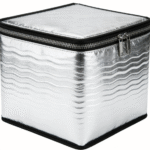
Tempk adalah penyedia solusi logistik rantai dingin terkemuka, menawarkan kemasan dengan pengatur suhu, kontainer terisolasi dan sistem pemantauan berkemampuan IoT. Produk kami meliputi kotak terisolasi yang dapat digunakan kembali, Gel Ice Packs Dan unit pendingin bertenaga surya. Kami menggabungkan keahlian industri dengan teknologi inovatif untuk menghasilkan produk yang andal, solusi hemat energi untuk farmasi, makanan segar dan produk khusus. Dengan komitmen terhadap keberlanjutan dan kepatuhan, kami membantu klien mengurangi pembusukan, memenuhi persyaratan peraturan dan mencapai tujuan bisnisnya.
Siap untuk melindungi kargo Anda yang sensitif terhadap suhu? Hubungi tim Tempk untuk konsultasi pribadi dan temukan bagaimana layanan logistik rantai dingin kami dapat melindungi produk Anda dan mendukung pertumbuhan Anda.