Ikan segar adalah bisnis dengan risiko tinggi. Setiap jam antara perahu dan piring Anda penting karena perubahan suhu dapat merusak tekstur dan rasa. Pengiriman ekspres rantai dingin untuk makanan laut menggabungkan kemasan terisolasi, transit cepat dan pemantauan cerdas sehingga pesanan Anda tiba seolah-olah ditangkap pagi itu. Di dalam 2025 rantai dingin global sedang booming dan ekspektasinya lebih tinggi dari sebelumnya. Panduan ini menggunakan data pasar terkini dan contoh dunia nyata untuk menunjukkan kepada Anda cara membangun puasa, rantai dingin makanan laut yang andal dan berkelanjutan.
Panduan ini akan membantu Anda:
Pahami mengapa makanan laut memerlukan pengiriman ekspres rantai dingin khusus dan bagaimana rentang suhu memengaruhi kualitas.
Pilih kotak berinsulasi yang tepat (EPS, EPP atau VIP), konfigurasi pendingin dan pengemasan untuk durasi pengiriman yang berbeda.
Kecepatan keseimbangan, biaya dan risiko ketika memilih operator, tingkat layanan dan alat pengoptimalan rute.
Mengadopsi teknologi pemantauan dan penelusuran cerdas—sensor IoT, blockchain dan AI—yang akan mendominasi 2025 logistik makanan laut.
Integrasikan keberlanjutan dan kepatuhan ke dalam operasi Anda, dari kotak yang dapat digunakan kembali hingga FSMA 204 pencatatan.
Mengapa Makanan Laut Membutuhkan Pengiriman Ekspres Cold Chain?
Kesegaran yang rapuh dan jendela suhu yang sempit
Anda mungkin menikmati makanan laut karena rasanya yang lembut dan manfaat kesehatannya, namun kelezatannya juga membuat ikan sangat mudah rusak. Tanpa pendinginan yang cepat, pertumbuhan mikroba semakin cepat dan kualitas menurun. Studi memperkirakan hal itu tentang 35 % makanan laut terbuang secara global karena penanganan pasca panen yang buruk dan kegagalan rantai dingin. Menjaga produk pada suhu yang tepat tidak dapat dinegosiasikan: ikan segar harus tetap berada di antara keduanya 0–2 °C dan makanan laut beku di –18 °C atau lebih rendah. Bahkan kunjungan singkat di atas 4 °C dapat menyebabkan pembusukan, menghilangkan bau atau pembentukan histamin.
Persyaratan hukum memperkuat kebutuhan ini. Peraturan seperti Undang-Undang Modernisasi Keamanan Pangan (FSMA) 204 mewajibkan pengendalian suhu dan ketertelusuran untuk ikan bersirip, krustasea dan kerang. Bisnis harus memelihara Elemen Data Utama untuk Peristiwa Pelacakan Penting dan menyediakan catatan di dalamnya 24 jam; kepatuhan mungkin diperlukan oleh Juli 20 2028. Peraturan Pengendalian Perikanan Eropa dan standar HACCP global juga menuntut pemantauan berkelanjutan dan dokumentasi yang tepat. Kegagalan untuk memenuhi standar ini menyebabkan kiriman ditolak, penarikan kembali dan kerusakan reputasi.
Pengiriman ekspres sebagai keuntungan strategis
Kecepatan mengurangi risiko, tapi kecepatan saja tidak cukup. Layanan ekspres—pengiriman keesokan harinya atau 48 jam—mempersingkat waktu pemaparan, belum kemasan, pendingin dan desain proses harus bekerja sama. Hingga 14 % Pangan global hilang di seluruh rantai pasokan ketika suhu tidak dikelola dengan baik. Pengiriman ekspres rantai dingin untuk makanan laut mengatur setiap langkah—mulai dari pra-pendinginan dan pengemasan berinsulasi hingga pengangkutan jalur dan pengiriman jarak jauh—memastikan produk tetap berada dalam batas aman. Daging segar dan makanan laut, coklat bernilai tinggi, perlengkapan makan dan es krim semuanya mengandalkan sinergi ini.
Kisaran suhu dan jendela transit
Produk makanan laut yang berbeda memerlukan rentang suhu dan jendela transit yang berbeda. Tabel di bawah ini merangkum rentang umum:
| Jenis produk | Kisaran suhu | Jendela Transit Ekspres yang Direkomendasikan | Arti Praktis |
| Fillet ikan dingin, kerang | 0–4 °C | 24–48 h | Kontrol yang ketat mencegah pertumbuhan bakteri; paket gel dan insulasi berkinerja tinggi sangat penting. |
| Cokelat sensitif & baked goods | 10–18 °C | 24–72 jam | Hindari lonjakan panas di atas 20 °C untuk mencegah leleh dan mekar. |
| Makanan laut beku (ikan utuh, udang) | ≤ –18 °C (es krim sering kali ≤ –20 °C) | 24–48 h | Membutuhkan isolasi yang kuat dan cairan pendingin yang cukup (es kering atau paket khusus) untuk mencegah pencairan sebagian. |
| Produk segar (beri, sayuran hijau) | 0–5 °C | 24–48 h | Sangat sensitif terhadap penyalahgunaan suhu; desain handling minimal dan jalur cepat. |
Memahami kisaran ini membantu Anda memutuskan apakah akan menggunakan kemasan gel untuk pengiriman dingin atau es kering untuk barang beku. Umumnya, pengiriman ekspres rantai dingin bertujuan untuk menjaga makanan laut tetap berada dalam batas aman hingga 72 jam saat menggunakan kemasan berkinerja tinggi.
Merancang Kemasan Makanan Laut Anda untuk Pengiriman Ekspres
Komponen inti dari paket yang kuat
Kemasan adalah tulang punggung pengiriman ekspres rantai dingin untuk makanan laut. Bahkan pengangkut tercepat pun tidak dapat menyelamatkan kotak dengan insulasi yang buruk atau cairan pendingin yang tidak mencukupi. Paket standar berisi:
Kotak luar: Gunakan yang baru, karton bergelombang kokoh berukuran pas dengan wadah berinsulasi dan mengurangi ruang mati. Konstruksi dinding ganda melindungi dari tusukan dan penanganan yang kasar.
Wadah bagian dalam terisolasi: Pilih di antara Polystyrene yang diperluas (EPS), Polypropylene yang diperluas (EPP) dan Panel Terisolasi Vakum (VIP). Setiap bahan memiliki sifat kinerja dan keberlanjutan yang berbeda.
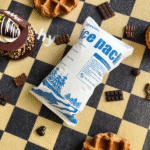
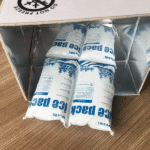
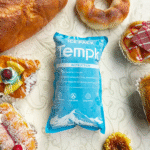
Pendingin: Paket gel mempertahankan rentang dingin (0–10 ° C.) hingga 72 jam; es kering menjaga makanan beku pada suhu –18 °C hingga 48 jam. Tempatkan cairan pendingin di sekitar dan di atas makanan laut, bukan hanya di bawahnya.
Pemuatan produk: Kantongi ganda barang dengan kelembapan tinggi untuk mencegah kebocoran. Gunakan baki atau selongsong untuk memisahkan makanan laut dari kontak langsung dengan cairan pendingin jika permukaannya membeku.
Isi kosong dan penyegelan: Isi celah dengan sisipan kertas atau busa untuk meminimalkan konveksi; tutup rapat lapisan insulasi atau kantong bagian dalam sebelum menutup kotak bagian luar.
Paket yang dirancang dengan baik juga mempertimbangkan kondisi sekitar perjalanan. Hitung jumlah zat pendingin berdasarkan berat produk, durasi transit dan suhu yang diharapkan. Untuk pengiriman makanan laut beku lintas negara, asumsikan penundaan kasus terburuk 24 jam saat menghitung kebutuhan es kering.
Memilih antara EPS, Kotak EPP dan VIP
Memahami opsi isolasi membantu Anda menyeimbangkan kinerja, biaya dan keberlanjutan. Perbandingan di bawah ini menyoroti kekuatan masing-masing material:
| Bahan | Kinerja isolasi | Daya tahan & Penggunaan kembali | Manfaat untuk Anda |
| Busa EPS | Cocok untuk perjalanan singkat (≤24 h) | Sedang; sering menggunakan tunggal | Ringan dan murah; ideal untuk pengiriman atau pengambilan sampel lokal. |
| Busa Epp | Sangat bagus; tahan dingin 48–72 jam | Tinggi; dapat digunakan kembali 100 kali | Sekitar 20 % isolasi yang lebih baik dari EPS; mengurangi limbah dan biaya jangka panjang. |
| Panel VIP | Bagus sekali; nilai R tertinggi | Sedang hingga tinggi; dapat digunakan kembali | Solusi premium untuk waktu yang lama, pengiriman bernilai tinggi memerlukan kontrol yang tepat. |
| Isolasi kertas/serat | Bagus sampai 48 H | Sedang; penggunaan kembali terbatas | Ramah lingkungan, tepi jalan dapat didaur ulang; mendukung branding yang berkelanjutan. |
| Liner terisolasi | Sedang; tergantung pada karton luar | Penggunaan tunggal atau terbatas | Fleksibel dan hemat biaya untuk pengiriman jarak jauh. |
Wawasan dunia nyata: Seorang eksportir makanan laut skala menengah beralih dari kotak EPS sekali pakai ke kotak EPP yang dapat digunakan kembali dan memperpanjang umur simpan produk 24 jam sekaligus mengurangi limbah kemasan sebesar 35 %. Berinvestasi pada isolasi yang lebih baik akan membuahkan hasil melalui berkurangnya pembusukan dan lebih sedikit keluhan pelanggan.
Mengapa kotak EPP yang dapat digunakan kembali adalah pengubah permainan
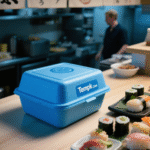
Kotak EPP merevolusi logistik rantai dingin 2025. A kotak EPP kompak berperilaku seperti kulkas mini yang tidak membutuhkan listrik: ini menggabungkan dinding busa tebal (sering 1.5 inci) dengan struktur sel tertutup yang memerangkap kantong udara dan menghalangi perpindahan panas 30 % lebih baik dari EPS. Saat dipasangkan dengan sisipan VIP, kotak-kotak ini dipelihara 2–8 ° C. untuk vaksin atau –18 °C untuk makanan laut beku hingga 72–96 jam.
Manfaat lainnya termasuk:
Umur panjang: Kotak EPP dapat bertahan 500 atau lebih siklus dengan pembersihan dan inspeksi sederhana. Menggunakan kembali satu kontainer setiap minggu selama satu dekade akan menghemat uang dan ruang TPA.
Berat ringan: EPP berbobot 50 % lebih sedikit daripada pendingin busa konvensional, mengurangi konsumsi bahan bakar dan membuat penanganan lebih mudah.
Daya tahan: Bahannya menyerap guncangan dan bertahan 1.5 m jatuh tanpa retak. Ini melindungi fillet halus dan mencegah kebocoran.
Keberlanjutan: EPP adalah 100 % dapat didaur ulang, menurunkan jejak karbon Anda dan mendukung komitmen keberlanjutan perusahaan. Kemasan yang dapat digunakan kembali juga mengurangi biaya jangka panjang sebesar ~60 % dibandingkan dengan EPS sekali pakai.
Perbandingan kinerja praktis antara EPP dan EPS menyoroti perbedaannya: Penawaran kotak EPP 72–96 h tahan waktu versus 24–48 h untuk EP; mereka 50 % lebih ringan, dapat didaur ulang, dan menghasilkan penghematan biaya yang signifikan selama dua tahun. Dalam satu kasus, beralih ke kotak EPP mengurangi pengiriman makanan laut yang ditolak 15 % untuk hanya 0.3 %.
Pasif vs. pendinginan aktif: apa yang tepat untuk Anda?
Pendinginan pasif menggunakan isolasi dan pendingin seperti paket gel, es kering atau bahan perubahan fasa. Kemasan gel menjaga produk pada suhu 0–10 °C hingga 72 jam, sedangkan es kering menjaga makanan beku pada suhu –18 °C hingga 48 jam. Sistem pasif sederhana dan portabel, tidak memerlukan listrik, tetapi kinerjanya bergantung pada pemuatan zat pendingin dan desain kotak yang benar.
Pendinginan aktif menggunakan unit pendingin bertenaga—pendingin listrik portabel, kontainer reefer pintar atau truk berpendingin. Sistem aktif memberikan kontrol durasi yang lebih lama dan penting untuk ekspor multi-hari atau pengiriman dalam jumlah besar. Hal ini memerlukan biaya dan pemeliharaan yang lebih tinggi namun menghilangkan ketergantungan pada pendingin sekali pakai. Banyak bisnis menggabungkan elemen pasif dan aktif: kotak terisolasi dengan paket gel di dalam kendaraan berpendingin.
Menyeimbangkan Kecepatan, Biaya dan Resiko dalam Pengiriman Last Mile
Memilih metode pengiriman dan operator
Memilih metode pengiriman yang tepat sangat penting untuk mengirimkan makanan laut segar tepat waktu. Bisnis sering kali memilih layanan ekspres hari berikutnya atau dua hari untuk meminimalkan waktu transit dan menjaga kualitas. Operator khusus seperti FedEx dan UPS menawarkan layanan barang mudah rusak yang mencakup kontrol suhu dan pelacakan waktu nyata. Untuk operasi yang lebih kecil, jaringan kurir lokal atau platform pengiriman berdasarkan permintaan dapat menghemat biaya bila dikombinasikan dengan kemasan yang kuat.
Ingatlah faktor-faktor ini:
Jendela pengiriman: Jendela lebih pendek (24–48 h) risiko pembusukan lebih rendah tetapi mungkin lebih mahal. Seimbangkan kecepatan dengan umur simpan produk dan ekspektasi pelanggan Anda.
Keandalan operator: Evaluasi kinerja tepat waktu operator dan kemampuan mereka menangani barang yang mudah rusak. Tanyakan tentang fasilitas pengontrol suhu dan protokol pelatihan.
Opsi tingkat layanan: Banyak operator menawarkan layanan ekspres berjenjang. Pilih opsi yang lebih cepat untuk item bernilai tinggi atau sensitif, dan pilihan yang lebih lambat untuk produk yang tidak mudah rusak.
Pengoptimalan rute dan keterlibatan pelanggan
Kecerdasan buatan merevolusi logistik rantai dingin dengan mengaktifkan penyesuaian rute waktu nyata berdasarkan lalu lintas, cuaca dan jendela pengiriman. Platform perangkat lunak dapat mengurutkan pemberhentian secara efisien, memprediksi penundaan dan mengurangi konsumsi bahan bakar. Misalnya, alat perencanaan rute seperti EasyRoutes atau sistem serupa terintegrasi dengan platform e-niaga untuk mengotomatiskan pengiriman dan memberi tahu pelanggan tentang perkiraan waktu kedatangan. Hal ini meningkatkan transparansi dan mengurangi pengiriman yang terlewat.
Keterlibatan pengguna itu penting. Studi menunjukkan itu 27 % konsumen mengalami masalah suhu saat pengiriman makanan. Memberikan pelacakan waktu nyata dan peringatan proaktif akan membangun kepercayaan dan mendorong pembelian berulang. Pertimbangkan untuk menambahkan putaran umpan balik—seperti survei cepat atau sistem penilaian—untuk menangkap kepuasan pengguna dan menyempurnakan operasi Anda.
Matriks keputusan untuk skenario pengiriman yang berbeda
| Skenario | Kemasan & Peralatan | Manfaat praktis |
| Pengiriman lokal (≤6 jam) | kotak EPS + Paket gel + pendingin portabel | Biaya rendah; isolasi yang cukup untuk pengiriman hari yang sama. |
| pelayaran regional (6–24 h) | kotak EPP + truk berpendingin | Insulasi yang lebih baik dan kontrol suhu yang konsisten untuk jarak sedang. |
| Nasional atau ekspor (48–72 jam) | kotak VIP + wadah berpendingin + Sensor IoT | Mempertahankan suhu yang ketat; memenuhi standar bea cukai dan keamanan pangan. |
| Makanan laut bernilai tinggi | Kontainer VIP atau hybrid + pemantauan waktu nyata | Meminimalkan risiko pembusukan dan memastikan kualitas premium pada saat kedatangan. |
Dengan mencocokkan kemasan dengan durasi dan nilai pengiriman, Anda dapat mengoptimalkan biaya sekaligus melindungi kualitas. Segmen rute pra perencanaan (Misalnya, pengangkutan jalur ke hub diikuti oleh kurir jarak jauh) juga mengurangi risiko penundaan.
Teknologi dan Tren yang Membentuk Rantai Dingin Makanan Laut di 2025
Pemantauan cerdas dan ketertelusuran
Keberhasilan rantai dingin bergantung pada visibilitas. Sensor berkemampuan IoT memantau suhu, kelembaban dan lokasi secara real time, mengirimkan peringatan ketika terjadi penyimpangan. Tag Ambient IoT bebas baterai mengumpulkan energi dari gelombang radio, memungkinkan pemantauan pengiriman volume tinggi yang terjangkau. Blockchain menyediakan catatan bukti kerusakan, memungkinkan makanan laut untuk ditelusuri kembali ke asalnya dan membangun kepercayaan konsumen. Ketika dikombinasikan dengan kontrak pintar, blockchain dapat mengotomatiskan pelaporan dan pembayaran kepatuhan.
Ketertelusuran juga memerangi penipuan dan penangkapan ikan ilegal. Studi menunjukkan itu hingga 20–30 % produk makanan laut diberi label yang salah dan ilegal, tidak dilaporkan dan tidak diatur (IUU) biaya penangkapan ikan hingga US$36,4 miliar per tahun. Menerapkan pelacakan ujung ke ujung—dokumentasi tangkapan, pengidentifikasi unik seperti kode QR atau tag RFID, format data terstandarisasi dan pelaporan otomatis—mencegah kesalahan pelabelan, mengurangi penipuan dan memastikan kepatuhan.
AI dan analisis prediktif
Kecerdasan buatan Dan analitik prediktif menganalisis data sensor untuk memperkirakan kegagalan peralatan, memprediksi penundaan transit dan mengoptimalkan rute. Sistem yang digerakkan oleh AI dapat menyesuaikan pengaturan pendinginan berdasarkan prakiraan cuaca dan secara otomatis mengubah rute pengiriman sesuai lalu lintas atau badai. Hal ini tidak hanya mengurangi pembusukan tetapi juga mengurangi konsumsi energi dan emisi.
Energi berkelanjutan dan pengiriman netral karbon
Tanggung jawab terhadap lingkungan kini menjadi inti dari pengiriman makanan laut. Penyedia logistik berinvestasi metode transportasi netral karbon, termasuk armada listrik dan hibrida, untuk mengurangi emisi gas rumah kaca. Pendinginan bertenaga surya dan gudang hemat energi menurunkan biaya operasional; tarif tenaga surya komersial berkisar dari 3.2–15,5 sen per kWh, dibandingkan dengan tingkat utilitas rata-rata sebesar 13.1 sen per kWh di dalam 2024. Dunia usaha juga mengadopsi unit pendingin hemat energi dan lampu LED untuk mengurangi konsumsi energi.
Pertumbuhan pasar dan prospek investasi
Sektor rantai dingin berkembang pesat. Precedence Research memperkirakan pasar rantai dingin global akan tumbuh dari US$436,30 miliar pada tahun 2018 2025 menjadi US$1.359,78 miliar pada 2034, mewakili a 13.46 % tingkat pertumbuhan tahunan gabungan (CAGR). StartUs Insights memperkirakan pertumbuhan dari US$454,48 miliar masuk 2025 menjadi US$776,01 miliar pada tahun ini 2029. Asia–Pasifik memimpin dengan a 14.3 % CAGR, sementara Amerika Latin berinvestasi pada energi terbarukan dan pemantauan IoT. Pasar perangkat lunak penelusuran makanan laut saja diperkirakan akan meningkat masuknya US$705 juta 2024 menjadi US$1,84 miliar pada 2033.
Inovasi juga sedang booming: lebih 2,800 paten diajukan dan 26,800 karyawan ditambahkan ke industri rantai dingin pada tahun lalu, menandakan kemajuan teknologi yang pesat.
Preferensi konsumen dan model langsung ke konsumen
Konsumen mendorong sebagian besar tren ini. Tuntutan akan transparansi mendorong merek untuk mengadopsi pelacakan waktu nyata dan blockchain sehingga pelanggan tahu di mana ikan mereka ditangkap. Preferensi untuk kesegaran mendorong pertumbuhan opsi pengiriman hari berikutnya dan hari yang sama. Konsumen yang sadar lingkungan tertarik pada merek yang menggunakan kemasan ramah lingkungan dan logistik netral karbon. Untuk memenuhi harapan tersebut, banyak perusahaan makanan laut merangkul langsung ke konsumen (D2C) model, melewati rantai ritel tradisional. Hal ini mengurangi perantara, mempersingkat waktu transit dan memungkinkan pengalaman yang dipersonalisasi.
Mengintegrasikan Keberlanjutan dan Kepatuhan ke dalam Cold Chain Anda
Kemasan dan bahan yang ramah lingkungan
Beralih ke kotak EPP atau VIP yang dapat digunakan kembali secara signifikan mengurangi beban sampah dan TPA. Anda juga dapat mengeksplorasi insulasi berbahan dasar biodegradable atau serat sebagai alternatif pengganti polistiren. Menerapkan program daur ulang untuk mengumpulkan kemasan bekas dan mendapatkan kembali komponen busa. Bila dikombinasikan dengan pendinginan hemat energi dan optimalisasi rute, langkah-langkah ini menurunkan jejak karbon Anda dan meningkatkan reputasi merek.
Kepatuhan terhadap peraturan dan pencatatan
Tetap terdepan dalam peraturan yang terus berkembang dengan menerapkan pencatatan dan penelusuran otomatis. FSMA 204 mewajibkan perusahaan untuk menyimpan Elemen Data Utama untuk Peristiwa Pelacakan Kritis dan memberikannya kepada FDA di dalamnya 24 jam. Itu Dialog Global tentang Ketertelusuran Makanan Laut (GDST) menetapkan standar yang dapat dioperasikan sehingga sistem dapat berkomunikasi lintas batas. Peraturan Pengendalian Perikanan Eropa mengamanatkan pelacakan kapal, pelaporan tangkapan elektronik dan ketertelusuran digital bertahap. Mengadopsi sistem yang menangkap data di setiap tahap dan menghasilkan laporan kepatuhan secara otomatis.
Berinvestasi pada sumber daya manusia dan proses
Bahkan teknologi terbaik pun akan gagal tanpa staf yang terlatih. Memberikan pedoman penanganan yang jelas bagi nelayan, prosesor, pekerja gudang dan pengemudi. Integrasikan perangkat lunak logistik untuk mengoordinasikan tingkat inventaris, perencanaan rute dan pelacakan waktu nyata, mengurangi penundaan dan miskomunikasi. Mendorong kolaborasi lintas departemen untuk mengidentifikasi hambatan dan terus meningkatkan proses.
Pertanyaan yang sering diajukan
Q1: Berapa suhu makanan laut segar yang sebaiknya disimpan?
Makanan laut segar harus tetap ada 0–2 °C; kunjungan singkat hingga 4 °C hanya dapat diterima sebentar. Kisaran ini memperlambat pertumbuhan mikroba dan mempertahankan tekstur.
Q2: Berapa lama makanan laut tetap segar selama pengangkutan?
Dengan pengemasan yang tepat dan kontrol suhu yang konsisten, makanan laut bisa tetap segar hingga 72 jam, tergantung pada jenis ikan dan kualitas isolasi.
Q3: Apakah EPS (Styrofoam) kotak masih dapat diterima 2025?
Kotak EPS masih digunakan untuk pengiriman lokal karena biayanya yang rendah, namun masalah keberlanjutan dan isolasi yang terbatas membuat produk tersebut kurang cocok untuk pengiriman yang lebih lama. Kotak EPP atau VIP yang dapat digunakan kembali direkomendasikan untuk pengiriman regional atau nasional.
Q4: Bagaimana IoT meningkatkan pengiriman makanan laut?
Sensor IoT memantau suhu, kelembaban dan lokasi secara real time, memberikan peringatan instan ketika terjadi penyimpangan. Analisis prediktif dapat memperkirakan kegagalan peralatan dan menjadwalkan pemeliharaan, mengurangi pembusukan dan biaya operasional.
Q5: Apa perbedaan antara kotak pendingin EPP dan EPS?
EPP menawarkan secara kasar 20 % isolasi yang lebih baik daripada EPS dan dapat digunakan kembali 100 kali. EPS lebih murah tetapi biasanya sekali pakai dan hanya cocok untuk perjalanan singkat.
Q6: Seberapa umum kesalahan pelabelan makanan laut?
Studi menunjukkan itu 20–30 % produk makanan laut mungkin diberi label yang salah. Sistem ketertelusuran yang kuat mencegah penipuan dan mendukung penangkapan ikan yang berkelanjutan.
Q7: Teknologi apa yang membantu mencegah penangkapan ikan ilegal?
Alat ketertelusuran seperti kode QR, Tag RFID, GPS dan blockchain melacak makanan laut dari tangkapan hingga konsumen, sehingga mempersulit produk-produk ilegal, penangkapan ikan yang tidak dilaporkan atau tidak diatur untuk memasuki rantai pasokan.
Ringkasan dan Langkah Selanjutnya
Kunci takeaways:
Mempertahankan pengiriman ekspres rantai dingin untuk makanan laut sangat penting karena ikan sangat mudah rusak dan mudah rusak 35 % hasil laut terbuang sia-sia karena kegagalan rantai dingin. Kemasan menentukan kesuksesan: memilih Kotak EPP atau VIP untuk pengiriman lebih lama dari 24 jam—EPP menyediakan 20 % isolasi yang lebih baik daripada EPS dan dapat digunakan kembali 100 kali. Gunakan kemasan gel untuk produk dingin dan es kering untuk barang beku; rencanakan penundaan dalam kasus terburuk. Mengambil Pemantauan IoT, Optimalisasi rute AI Dan blockchain untuk melacak suhu, mengurangi limbah dan memenuhi persyaratan peraturan. Pasar rantai dingin berkembang pesat—berakhir masuknya US$436 miliar 2025 dan diproyeksikan meningkat tiga kali lipat 2034. Keberlanjutan dan kepatuhan bukanlah suatu pilihan; kemasan yang dapat digunakan kembali dan energi terbarukan mengurangi jejak karbon dan biaya.
Rencana aksi:
Nilai operasi Anda saat ini—petakan rantai pasokan Anda, mengidentifikasi titik sensitif suhu dan mengukur limbah.
Tingkatkan kemasan Anda—beralih dari EPS sekali pakai ke EPP atau kotak VIP yang dapat digunakan kembali dan menghitung kebutuhan cairan pendingin berdasarkan waktu transit.
Menerapkan pemantauan dan ketertelusuran—mulai dengan pencatat data dan secara bertahap mengadopsi sensor IoT, blockchain dan analisis AI.
Latih tim Anda—memberikan daftar periksa dan SOP sederhana untuk pengepakan, penanganan dan pemantauan untuk mengurangi kesalahan manusia.
Tetap terdepan dalam tren—berinvestasi dalam pengemasan yang berkelanjutan, armada netral karbon dan FSMA 204 kepatuhan.
Libatkan pelanggan—menyediakan pelacakan waktu nyata dan meminta umpan balik untuk meningkatkan kualitas layanan.
Tentang tempk
Tempk adalah perusahaan teknologi tinggi yang didirikan pada 2011 yang berspesialisasi dalam solusi pengemasan rantai dingin untuk makanan, obat-obatan dan barang khusus. Kami riset, mengembangkan dan memproduksi produk mulai dari kotak busa EPP dan panel VIP yang dapat digunakan kembali ke paket gel dan paket es kering. Misi kami adalah membantu bisnis menjaga integritas produk sekaligus mengurangi limbah. Dengan banyak pabrik dan R. yang kuat&D tengah, kami menawarkan ramah lingkungan, produk rantai dingin yang dapat digunakan kembali dan didaur ulang. Kami juga menyediakan layanan verifikasi kontrol suhu untuk grup farmasi besar dan perusahaan e-commerce makanan segar.
Langkah selanjutnya: Jika Anda siap meningkatkan pengiriman ekspres rantai dingin untuk makanan laut, hubungi pakar kami untuk berkonsultasi. Kami akan membantu Anda merancang kemasan yang tepat, mengintegrasikan pemantauan cerdas dan memastikan kepatuhan terhadap peraturan—sekaligus menjaga ikan Anda tetap segar dan bisnis Anda berkelanjutan.