Merek pengiriman makanan dan perlengkapan makan memerlukan kemasan yang melindungi keamanan pangan, kualitas produk, dan pengalaman pelanggan melalui rute pengiriman penuh. A 24-48 Paket jam tidak hanya sekotak Paket gel. Ini adalah sistem terkontrol yang dimulai dengan makanan yang sudah didinginkan sebelumnya, menggunakan isolasi dan pendingin yang sesuai, menyumbang penundaan mil terakhir, dan tiba dengan kemasan bersih, label yang dapat dibaca, dan suhu produk yang dapat diterima.
Artikel ini menjelaskan cara merancang kemasan rantai dingin yang praktis untuk makanan dingin, kit makan, produk kelontong, susu, makanan penutup, saus, dan makanan sensitif suhu lainnya. Ini menggunakan referensi resmi keamanan pangan dan kemasan pembawa jika memungkinkan dan memisahkan parameter yang didukung sumber dari keputusan desain yang memerlukan pengujian.
Mulailah dengan target suhu makanan
Panduan keamanan pangan FDA menyatakan bahwa makanan dingin harus disimpan pada suhu 40°F / 4°C atau lebih rendah, dan bahwa makanan yang mudah rusak tidak boleh berada di “Zona Bahaya” bersuhu 40°F hingga 140°F selama lebih dari 2 jam, atau lebih dari 1 jam jika suhu di atas 90°F. Ini adalah referensi keamanan pangan, bukan protokol validasi pengiriman yang lengkap, namun hal ini membantu menentukan tujuan rantai dingin untuk pengiriman makanan dingin.
Untuk makanan beku, Panduan penanganan aman FDA merujuk pada penyimpanan freezer pada suhu 0°F / -18°C atau lebih rendah. Ini berarti kemasan paket makanan dingin dan paket makanan beku tidak boleh dirancang dengan cara yang sama.
Tabel suhu dan perencanaan produk
| Kategori produk | Target desain praktis | Risiko utama | Implikasi pengemasan |
|---|---|---|---|
| Makanan siap saji yang didinginkan | Tetap dingin, umumnya pada atau di bawah 40°F / 4°C untuk keamanan pangan. | Pemanasan selama perjalanan jarak jauh, kebocoran saus, deformasi baki. | Paket gel, liner terisolasi atau kotak busa, lapisan penyerap, desain karton bersih. |
| Produk susu dan protein segar | Perlindungan dingin yang kuat, menghindari penyalahgunaan suhu. | Risiko keamanan pangan dan kebocoran pembersih. | Massa pendingin lebih tinggi, pemisahan produk, bahan penyerap, alur kerja pengepakan yang cepat. |
| Menghasilkan dan salad | Tetap dingin tetapi hindari kerusakan akibat pembekuan. | Pembekuan dari kontak langsung paket gel, kerusakan kelembaban. | Lapisan penyangga, kontrol aliran udara, hindari kontak langsung dengan cairan pendingin beku. |
| Makanan penutup coklat dan roti | Mencegah pencairan atau deformasi; seringkali tidak sedingin makanan beku. | Pelunakan panas, kondensasi, kerusakan penampilan. | Gunakan liner berinsulasi, paket gel dengan pemisahan, membuka kotak dengan bersih. |
| Makanan siap saji beku | Pertahankan kondisi kedatangan beku. | Pencairan, refreezing, penanganan es kering jika digunakan. | Isolasi yang kuat, strategi pendingin beku, mungkin es kering tergantung pada rute. |
| Peralatan makan dengan bahan campuran | Item yang berbeda mungkin memiliki sensitivitas yang berbeda. | Protein membutuhkan perlindungan yang lebih dingin, produksi dapat membeku. | Zona terpisah, jangka pembagi garis, pengelompokan bahan, SOP pengepakan yang jelas. |
Bangun paket dari dalam ke luar
Paket pengiriman makanan harus dirancang dari muatan ke arah luar.
Mulailah dengan makanan itu sendiri. Kemas makanan pada suhu awal yang benar. Kemasan gel harus melindungi produk selama transit, tidak mendinginkan makanan hangat setelah penanganan gudang yang buruk. Kemudian tentukan pengaturan produk. Simpan nampan yang rapuh, saus, dan berproduksi jauh dari titik tekanan dan permukaan beku langsung. Tambahkan pembagi atau buffer di mana ada risiko pembekuan.
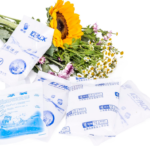
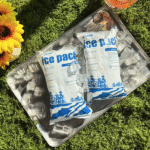
Selanjutnya pilih cairan pendingin. FedEx menjelaskan cairan pendingin gel untuk produk yang harus tetap berada pada suhu antara 34°F / 1°C dan 50 °F / 10° C.. Oleh karena itu, kemasan gel merupakan pilihan umum untuk makanan dingin dan perlengkapan makan. Untuk makanan beku, es kering atau kemasan beku yang berbeda mungkin diperlukan.
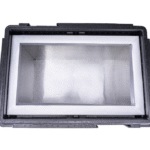
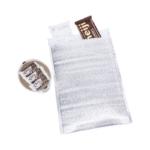
Akhirnya pilih isolasi. A pelapis kotak mungkin cocok untuk makanan e-niaga yang mereknya menginginkan penyimpanan rata dan volume pengiriman lebih rendah. Pengirim EPS dapat meningkatkan isolasi dan kekakuan untuk rute yang lebih panjang. Dapat digunakan kembali kotak EPP mungkin berfungsi untuk loop pengiriman lokal atau program yang dapat dikembalikan.
Lapisan paket yang direkomendasikan
| Lapisan | Fungsi | Catatan desain |
|---|---|---|
| Karton luar | Melindungi kiriman dan membawa label. | Gunakan kekuatan yang cukup untuk kompresi parsel dan paparan kelembapan. |
| Liner berinsulasi atau pengirim busa | Mengurangi perolehan panas selama transit. | Pilih berdasarkan waktu tunggu, ruang penyimpanan, biaya, dan tujuan keberlanjutan. |
| Lapisan plastik | Melindungi karton dari kondensasi, kebocoran, dan pembersihan produk. | FedEx merekomendasikan lapisan plastik untuk pengiriman yang mudah rusak. |
| Lapisan penyerap | Menangkap kondensasi atau kebocoran. | Sangat berguna untuk makanan laut, daging, susu, dan produk basah. |
| Paket gel atau cairan pendingin | Menyerap panas dan memperpanjang waktu tahan dingin. | Bekukan atau kondisikan sesuai instruksi kemasan. |
| Ruang produk | Menjaga makanan tetap teratur dan mencegah kerusakan. | Gunakan pembagi atau selongsong bila diperlukan. |
| Instruksi pengepakan | Mengontrol pengulangan gudang. | Sertakan pesanan paket, lokasi pendingin, dan waktu tutup. |
| Menerima instruksi | Membantu pelanggan menilai kondisi produk. | Sertakan panduan “dinginkan segera” dan pembuangan kemasan dingin. |
Merancang untuk 24 Jam vs. 48 jam
Desain 24 jam sering kali menggunakan insulasi yang lebih ringan dan cairan pendingin yang lebih sedikit dibandingkan desain 48 jam, namun perbedaannya tidak linier. Paket 48 jam dapat melewati beberapa hub, kendaraan yang lebih hangat, waktu tinggal lebih lama, dan ketidakpastian pengiriman perumahan. Paket yang tertunda 24 jam dapat berperilaku seperti pengiriman 36 jam. Pengiriman pada hari Jumat dapat menjadi masalah akhir pekan jika layanan gagal.
Untuk pengiriman makanan perusahaan, target desain harus mencakup waktu layanan ditambah margin penundaan. Pengiriman merek perlengkapan makanan di musim panas mungkin memerlukan versi kemasan yang berbeda untuk musim hangat dan sejuk. Rute pengiriman lokal pada hari yang sama mungkin memerlukan tas terisolasi dan paket yang dapat digunakan kembali daripada pengirim paket busa.
Alat pengambilan keputusan yang berguna
Periksa detailnya sebelum Anda memilih kemasan
Alat cepat ini dapat membantu Anda membandingkan risiko rute, kebutuhan ukuran, pilihan pendingin, dan detail kemasan sebelum Anda meminta penawaran.
Referensi Bahan Isolasi
Bandingkan pilihan bahan insulasi untuk kebutuhan pengemasan rantai dingin yang berbeda.
Bandingkan bahanPendingin & Referensi PCM
Bandingkan opsi cairan pendingin dan PCM ketika suatu rute memerlukan dukungan suhu tambahan.
Bandingkan pilihanKalkulator Paket Es
Perkirakan jumlah paket es gel untuk pengiriman dingin dan perencanaan rute yang praktis.
Perkirakan kantong esRutekan faktor risiko untuk paket makanan dan pengiriman makanan
| Faktor risiko | Bagaimana pengaruhnya terhadap paket | Mitigasi |
|---|---|---|
| Musim panas yang sangat panas | Meningkatkan perolehan panas menjelang pengiriman. | Lebih banyak isolasi, massa pendingin yang lebih tinggi, jendela pengiriman yang lebih pendek, penyaringan risiko rute. |
| Tinggal di ambang pintu | Produk mungkin tertinggal setelah pengiriman. | Tambahkan margin keamanan dan instruksi pelanggan. |
| Penundaan akhir pekan | 24-desain jam mungkin gagal jika tertunda. | Hindari hari pengiriman yang berisiko tinggi atau rancang waktu tunggu yang lebih lama. |
| Bahan campuran | Protein, menghasilkan, dan saus memiliki kebutuhan yang berbeda. | Pisahkan zona dingin dan gunakan pembatas. |
| Kondensasi | Label kerusakan karton basah dan pengalaman pelanggan. | Lapisan plastik, lapisan penyerap, kemasan anti bocor. |
| Terlalu beku | Kemasan gel beku dapat merusak produk atau saus. | Lapisan penyangga, PCM, pengkondisian yang lebih hangat, atau penempatan tidak langsung. |
Pendekatan validasi
Untuk program baru, mulailah dengan desain meja menggunakan massa produk, suhu target, durasi rute, dan format isolasi. Kemudian buat paket sampel dan catat suhu produk dan ruang udara dengan data logger. Jika pengiriman volume tinggi atau nasional, uji terhadap profil hangat dan dingin. ISTA 7E menyediakan profil transportasi termal yang dikembangkan dari data panas dan dingin dunia nyata dan dapat mendukung pengujian yang lebih terstruktur.
Validasi harus mendokumentasikan suhu pemuatan produk, pengkondisian cairan pendingin, urutan paket, lokasi pencatat data, profil lingkungan, dan kondisi kedatangan. Jika kotak lolos hanya jika dikemas oleh satu orang ahli, desain mungkin gagal dalam produksi. Desain akhir harus cukup sederhana untuk diulangi oleh staf gudang selama permintaan puncak.
Keberlanjutan dan pengalaman pelanggan
Merek pesan-antar makanan juga perlu memikirkan lebih dari sekadar suhu kedatangan. Pelanggan mengeluh kapan Paket es bocor, karton tiba dalam keadaan basah, pembuangan gel membingungkan, atau terlalu banyak paket dingin menumpuk di rumah. Paket yang dirancang dengan baik harus mencakup instruksi pembuangan atau penggunaan kembali, pendingin berukuran tepat, liner bersih, dan kemasan yang tidak terasa berlebihan.
Sistem yang dapat digunakan kembali dapat berfungsi untuk pengiriman lokal loop tertutup. Paket es injeksi air dapat mengurangi volume pengiriman dan penyimpanan masuk sebelum hidrasi. Lapisan yang dapat didaur ulang dapat mendukung tujuan keberlanjutan, tetapi mereka masih memerlukan pengujian termal. Jangan mengganti pengirim busa yang tervalidasi dengan liner yang lebih ringan tanpa menguji ulang kemasannya.
FAQ
Bisakah perlengkapan makan tetap dingin 48 jam dengan paket gel?
Itu tergantung pada muatan, isolasi, rute, suhu awal, massa paket gel, dan paparan lingkungan. Paket gel biasanya digunakan untuk pengiriman dingin, namun desain 48 jam harus diuji dalam kondisi realistis.
Haruskah paket gel peralatan makan menyentuh makanan?
Tidak selalu. Kontak langsung dapat berguna untuk beberapa produk dingin namun dapat membekukan produk, saus, atau makanan halus. Gunakan buffer atau pembagi ketika ada risiko pembekuan.
Apa perbedaan utama antara pengiriman makanan dingin dan beku?
Makanan dingin dirancang agar tetap dingin tetapi tidak beku. Makanan beku harus tetap beku dan mungkin memerlukan isolasi yang lebih kuat, PCM beku, atau es kering tergantung rutenya.
Bagaimana merek dapat mengurangi karton basah?
Gunakan kemasan gel anti bocor, pelapis plastik, bahan penyerap, penempatan cairan pendingin yang lebih baik, dan desain karton yang menjauhkan label dari permukaan basah.
Kesimpulan terakhir
A 24-48 perlengkapan makan satu jam atau paket pengiriman makanan harus dirancang berdasarkan keamanan pangan, realitas rute, sensitivitas produk, dan pengalaman pelanggan. Mulailah dengan referensi suhu FDA, pilih sistem pendingin dan insulasi yang sesuai dengan rutenya, termasuk kontrol kelembaban, dan validasi paket lengkap sebelum melakukan penskalaan.