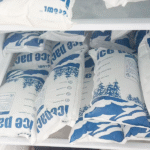
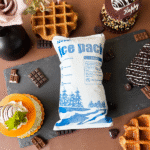
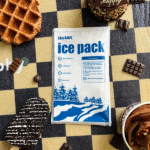
Karton basah, bocor Paket gel, label yang melunak, kondensasi, dan unboxing yang berantakan dapat merusak kepercayaan pelanggan meskipun produk masih terasa dingin. Untuk pengiriman makanan, kebutuhan sehari-hari, hidangan laut, farmasi, dan pengiriman rantai dingin e-niaga, kontrol kelembaban adalah bagian dari desain kemasan. Hal ini tidak boleh dianggap sebagai sebuah renungan.
Artikel ini menjelaskan mengapa kemasan rantai dingin menjadi basah dan cara mengurangi kegagalan kelembapan dengan menggunakan kemasan gel yang lebih baik, liner, bahan penyerap, desain penutupan, perlindungan karton, dan pengendalian gudang. Ini juga menghubungkan kontrol kelembaban dengan keamanan pangan, risiko rute, dan pengalaman pelanggan.
Mengapa karton rantai dingin menjadi basah
Pengiriman rantai dingin dapat menjadi basah karena beberapa sumber. Kemasan gel beku dapat mengumpulkan kondensasi saat terkena udara hangat dan lembab. Pembersihan produk bisa lepas dari daging, hidangan laut, atau makanan siap saji. Es basah bisa mencair. Segel paket gel bisa rusak. Karton dapat menyerap kelembapan jika lapisan dalamnya hilang atau tidak tertutup rapat. Label dapat melunak bila diletakkan pada permukaan yang terkena kondensasi.
Solusinya tidak selalu “gunakan lebih sedikit Paket es.” Pendekatan yang lebih baik adalah mengidentifikasi sumber kelembapan dan merancang penghalang, penyerapan, atau strategi pemisahan.
Referensi pengendalian kelembapan yang didukung sumber
| Referensi yang didukung sumber | Arti praktis untuk pengemasan |
|---|---|
| FedEx merekomendasikan penggunaan lapisan plastik untuk pengiriman yang mudah rusak. | Lapisan membantu melindungi karton dari kelembapan dan kebocoran. |
| FedEx merekomendasikan bahan penyerap di dalam kiriman yang mudah rusak. | Penyerap dapat menangkap kondensasi, air lelehan, atau kebocoran produk. |
| FedEx merekomendasikan es basah dalam kantong ganda dengan kantong plastik kedap air minimal 2 juta saat es basah digunakan. | Es basah membutuhkan penahanan cairan yang lebih kuat dibandingkan kemasan gel. |
| FDA menyatakan makanan dingin harus disimpan pada suhu 40°F / 4°C atau lebih rendah. | Kontrol kelembapan tidak boleh mengganggu perlindungan suhu makanan. |
| FDA mencatat makanan yang mudah rusak tidak boleh berada di zona bahaya 40°F-140°F lebih dari 2 jam, atau 1 jam di atas 90°F. | Jika pengurangan kantong es akan meningkatkan suhu produk, paketnya tidak dapat diterima. |
Tabel analisis kegagalan kelembaban
| Modus kegagalan | Kemungkinan besar penyebabnya | Perbaikan kemasan | Pemeriksaan QA |
|---|---|---|---|
| Karton luar basah | Tidak ada lapisan plastik, penutupan liner yang buruk, kondensasi bergerak menjadi bergelombang. | Tambahkan liner yang tersegel, meningkatkan penutupan flap, melindungi area label. | Periksa permukaan karton setelah rute simulasi. |
| Paket gel bocor | Segel yang lemah, tusukan, tepi produk yang tajam, ketebalan film yang buruk, stres yang membekukan. | Gunakan film yang lebih kuat, pengujian segel, tepi paket membulat, pemisahan produk. | Periksa jatuhkan dan kompresi dengan paket lengkap. |
| Kondensasi pada produk | Cairan pendingin beku menyentuh udara hangat lembab atau permukaan produk. | Tambahkan buffer, bungkus produk, meningkatkan tata letak zona dingin. | Periksa unboxing setelah paparan hangat. |
| Label pengiriman basah | Label ditempatkan di dekat jalur kondensasi atau permukaan cairan pendingin bagian atas. | Pindahkan lokasi label, tambahkan kantong label, jaga bagian atasnya tetap kering. | Konfirmasikan keterbacaan kode batang setelah pengujian. |
| Kebocoran pembersihan produk | Daging, hidangan laut, atau nampan makanan mengeluarkan cairan. | Gunakan kemasan utama yang tertutup rapat dan bantalan penyerap. | Pemeriksaan kemiringan dan getaran. |
| Pelanggan melihat gel berantakan | Paket gel rusak atau petunjuk pembuangan tidak ada. | Gunakan kemasan anti bocor dan instruksi cold pack yang jelas. | Tinjau data keluhan pelanggan. |
Rancang kemasan untuk kelembapan sebelum melakukan penskalaan
Masalah kelembapan sering kali muncul selama peningkatan skala. Sampel yang dikemas dengan hati-hati oleh seorang insinyur mungkin terlihat bersih, sementara paket produksi yang dirakit dengan cepat oleh staf gudang mungkin membiarkan lapisannya terbuka, tempatkan paket gel dengan tidak benar, atau hancurkan baki produk. Untuk alasan ini, kontrol kelembaban harus dimasukkan ke dalam instruksi pengepakan.
Instruksi yang baik harus menunjukkan kemana perginya liner, kemana perginya lapisan penyerap, bagaimana paket gel ditempatkan, sisi mana yang menghadap produk, bagaimana produk dipisahkan, dan di mana label pengiriman harus diterapkan. Jika kemasannya menggunakan produk basah seperti seafood atau daging, instruksi juga harus menentukan jumlah penyerap dan orientasi kemasan utama.
Pemilihan paket gel untuk pencegahan kebocoran
Paket gel untuk Pengiriman Rantai Dingin harus dipilih lebih dari harga. Kekuatan film, kualitas segel, desain tepi, mengisi berat, perilaku membekukan, dan penempatan karton semuanya mempengaruhi risiko kebocoran. Kemasan yang tipis mungkin lebih murah tetapi bisa rusak saat dibekukan, kompresi, atau penanganan. Kemasan beku yang berukuran sangat besar dapat merusak makanan lunak jika berpindah selama transit.
Untuk kemasan gel berlabel pribadi atau bermerek, pencetakan tidak boleh melemahkan kemasan atau mengurangi integritas segel. Desainnya juga harus mencakup instruksi untuk pembekuan, penanganan, dan pembuangan. Jika pelanggan mengeluhkan kemasan bocor, reputasi merek menurun bahkan ketika suhu makanan dapat diterima.
Kontrol kondensasi tanpa kehilangan kinerja termal
Mengurangi kondensasi tidak berarti membuang terlalu banyak cairan pendingin. Untuk makanan dingin, Panduan suhu FDA tetap menjadi prioritas. Jika produk menghangat di atas kisaran yang dapat diterima, paketnya tidak berhasil hanya karena kering.
Alat pengambilan keputusan yang berguna
Periksa detailnya sebelum Anda memilih kemasan
Alat cepat ini dapat membantu Anda membandingkan risiko rute, kebutuhan ukuran, pilihan pendingin, dan detail kemasan sebelum Anda meminta penawaran.
Pemeriksa Risiko Rute
Tinjau kondisi jalur sebelum memilih kemasan untuk mengetahui kebutuhan pengoperasian sebenarnya.
Periksa risiko ruteKalkulator Paket Es
Perkirakan jumlah paket es gel untuk pengiriman dingin dan perencanaan rute yang praktis.
Perkirakan kantong esReferensi Bahan Isolasi
Bandingkan pilihan bahan insulasi untuk kebutuhan pengemasan rantai dingin yang berbeda.
Bandingkan bahanKontrol kondensasi yang lebih baik biasanya berasal dari tata letak yang lebih cerdas: pisahkan kemasan gel beku dari permukaan produk yang sensitif terhadap kelembapan, mengurangi ruang kepala, gunakan penghalang uap atau cairan, tambahkan bahan penyerap, dan cocokkan jumlah paket gel dengan durasi rute. Dalam beberapa kasus, Paket PCM atau paket gel yang dikondisikan dapat mengurangi permukaan yang sangat dingin dan meningkatkan kinerja tanpa pembekuan.
Daftar periksa desain pengontrol kelembapan
| Pertanyaan desain | Mengapa itu penting |
|---|---|
| Apakah karton luar terlindung dari kelembapan internal? | Bergelombang kehilangan kekuatan dan label mungkin rusak saat basah. |
| Apakah ada lapisan plastik atau penghalang kelembapan? | Mencegah kebocoran mencapai karton luar. |
| Apakah bahan penyerap disertakan jika diperlukan? | Menangkap pembersihan produk, kondensasi, atau air lelehan. |
| Apakah kemasan gel dipisahkan dari produk tajam? | Mengurangi tekanan tusukan dan segel. |
| Apakah kemasan produk anti bocor? | Kegagalan pengemasan primer dapat disebabkan oleh pengemasan rantai dingin. |
| Apakah label ditempatkan pada permukaan yang kering? | Keterbacaan barcode mempengaruhi pengiriman dan penerimaan. |
| Apakah paket lengkap diuji setelah perubahan orientasi? | Paket tidak selalu disimpan dalam posisi tegak. |
| Apakah pelanggan tahu apa yang harus dilakukan dengan paket gel tersebut? | Instruksi yang jelas mengurangi keluhan dan penyalahgunaan. |
Kontrol proses gudang
Bahkan desain pengendalian kelembapan terbaik pun bisa gagal jika proses gudang tidak konsisten. Kemasan gel harus dibekukan atau dikondisikan sesuai spesifikasi. Liner harus dibuka sepenuhnya dan ditutup dengan benar. Produk harus dikemas pada suhu awal yang disyaratkan. Karton tidak boleh dibiarkan terbuka terlalu lama di udara hangat dan lembap. Kemasan gel yang basah atau rusak harus ditolak sebelum dikemas.
Untuk program perusahaan, memasukkan pemeriksaan kelembaban dalam rencana mutu. Periksa segel paket gel, kekeringan karton, keterbacaan label, penutupan kapal, dan integritas baki produk. Lacak keluhan pelanggan berdasarkan jalur, musim, dan pergeseran pengepakan. Data ini dapat mengungkap apakah permasalahan tersebut merupakan permasalahan material, masalah rute, atau masalah proses.
FAQ
Mengapa karton rantai dingin saya basah jika kemasan gelnya tidak bocor?
Kondensasi dapat terbentuk ketika permukaan dingin bertemu dengan udara hangat dan lembab. Pembersihan produk atau kegagalan liner juga dapat membasahi karton meskipun kemasan gelnya masih utuh.
Haruskah saya melepas paket gel untuk menghentikan kondensasi?
Bukan tanpa pengujian. Melepaskan kemasan gel dapat mengurangi kelembapan tetapi juga dapat menyebabkan kegagalan suhu. Perbaiki hambatan, penyerap, penempatan, dan desain paket terlebih dahulu.
Apa cara terbaik untuk melindungi label pengiriman?
Tempatkan label pada permukaan luar yang kering, hindari zona kontak cairan pendingin, gunakan kantong label jika diperlukan, dan menguji keterbacaan kode batang setelah simulasi paparan rute.
Apakah bantalan penyerap diperlukan untuk semua pengiriman?
TIDAK. Mereka paling berguna untuk produk basah, hidangan laut, daging, mencairkan risiko, paket yang rawan kondensasi, dan pengiriman yang kartonnya basah akan menimbulkan keluhan pelanggan.
Kesimpulan terakhir
Karton basah dan bocor paket dingin adalah masalah desain yang dapat dicegah. Gunakan kemasan gel anti bocor, pelapis plastik, lapisan penyerap, penempatan cairan pendingin yang benar, perlindungan label, dan instruksi gudang yang dapat diulang. Paket terakhir harus tetap dingin, tetap bersih, dan tiba dalam kondisi yang dipercaya oleh pelanggan dan tim penerima.