Cara Menentukan Kotak Pendingin EPP dengan Pegangan untuk Rute Pengiriman Lengkap
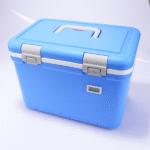
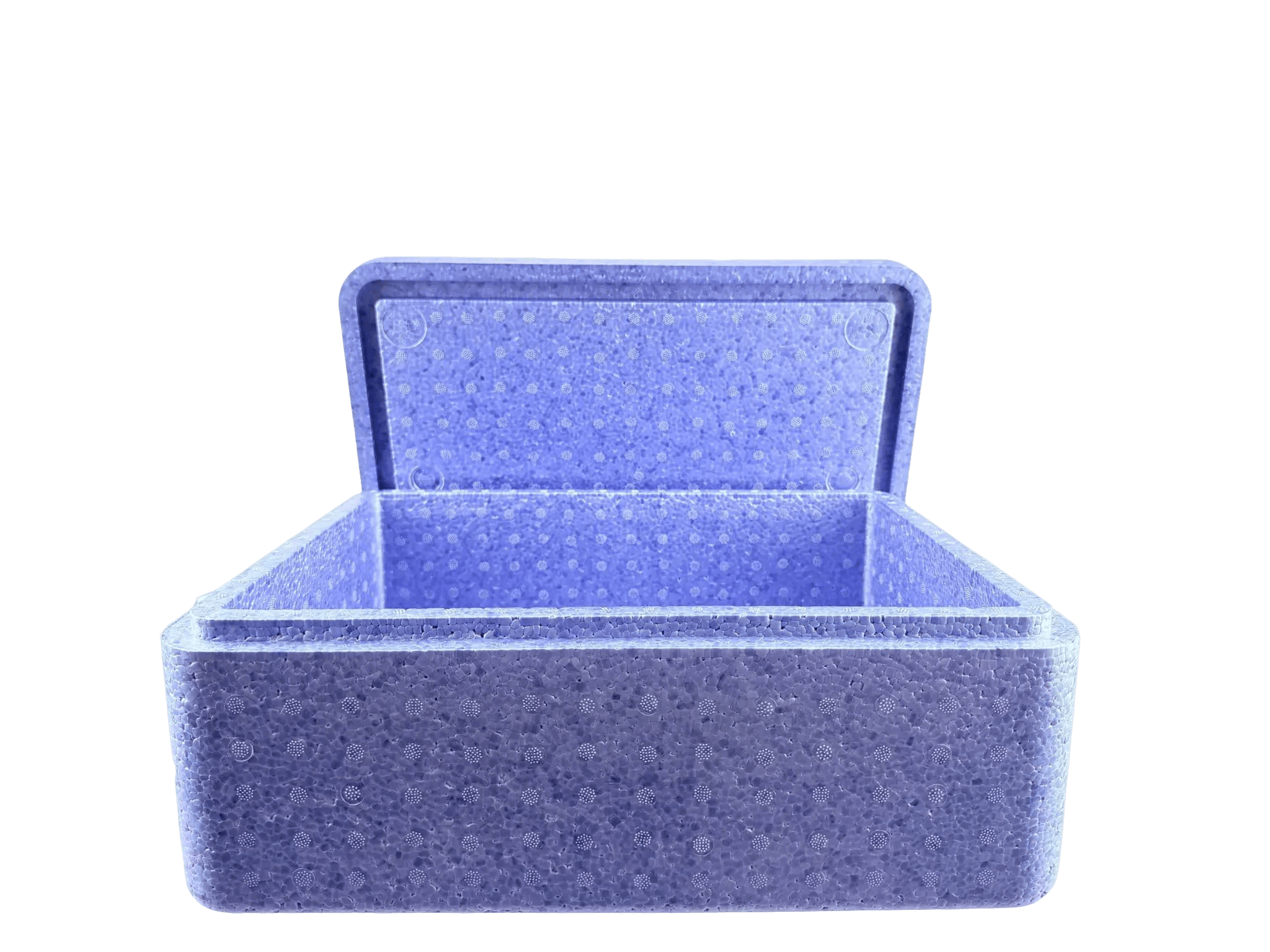
Terbaik Kotak pendingin EPP dengan pegangan adalah yang tetap mudah digenggam, sehat secara struktural, cocok secara termal, dan dapat dibersihkan dengan kemasan nyata terberat. Seleksi harus dimulai dengan setiap pendakian di rute tersebut, bukan dengan foto kotak kosong. Tentukan massa umum dan massa maksimum, titik berat, jarak angkut, izin rak, sarung tangan, kondisi basah, pembersihan, perilaku tutup, dan pola tumpukan. Kemudian pilih pegangan yang dibentuk atau dipasang yang jalur muatannya dapat dijelaskan dan diuji. Kerangka kerja berbasis rute ini menyediakan pengadaan, rekayasa, kualitas, dan pengoperasian merupakan cara bersama untuk membandingkan desain dan mencegah masalah penanganan akibat menghentikan penggunaan pendingin yang berguna.
Petakan setiap handoff sebelum memilih pegangan
Gambarkan rute dari stasiun pengepakan ke penerima dan kembali. Tandai setiap lift, menggeser, membawa, pengaturan, tumpukan, pembukaan, acara pembersihan, dan pengembalian kosong. Sertakan ketinggian dan peralatan di sekitarnya: lantai, bangku, rak kendaraan, troli, palet, lift, tangga, rak cuci, dan tumpukan penyimpanan.
Satu pendingin mungkin menghadapi penanganan yang sangat berbeda di setiap titik. Di bangku pengepakan, pegangan samping yang dangkal mungkin sudah cukup. Dalam sebuah dari, pekerja mungkin perlu menarik kotak itu dari rak yang sempit. Saat pengiriman, pekerja yang sama mungkin membawanya melalui koridor yang panjang. Di area cuci, kotak dapat dibalik dan diputar dengan pegangan yang berbeda. Lokasi pegangan terbaik mendukung acara berulang yang paling sulit tanpa menghalangi acara lainnya.
Perhatikan di mana pengguna saat ini memegang sebuah kotak. Perilaku yang tidak disengaja adalah bukti berharga. Jika pengemudi mengangkat bagian tepi tutupnya, pegangan yang dimaksudkan mungkin tidak dapat diakses atau tidak nyaman. Jika kru cuci menggunakan sudut, mereka mungkin membutuhkan pegangan yang bisa diputar. Merancang perilaku aktual biasanya lebih efektif daripada menambahkan peringatan.
Catat kondisi lingkungan. Tangan basah, sarung tangan terisolasi, permukaan dingin, dapur panas, hujan, dan deterjen semuanya mengubah cengkeraman dan kebutuhan material. Kondisi ini nantinya akan muncul dalam rencana pengujian.
Tentukan paket dan amplop saldo
Daftar setiap komponen dan lokasinya: produk, pendingin, jangka pembagi garis, rak, liner, dokumen, dan penebang. Timbang konfigurasi umum dan maksimum. Tentukan apakah konten bergeser atau dihapus selama rute multi-drop. Pendingin yang seimbang saat penuh dapat berputar tajam saat salah satu sisinya dikosongkan.
Spesifikasi harus mengidentifikasi massa kemasan maksimum, namun jumlah tersebut bukanlah persetujuan universal untuk pengangkutan barang aman. Lebar kotak, jarak angkut, sikap, frekuensi, populasi pengguna, dan prosedur lokal juga penting. Jika paket lengkapnya terlalu besar untuk penanganan manual yang praktis, kurangi ukuran kotak atau tambahkan bantuan mekanis.
Perkirakan pusat gravitasi untuk membatasi paket dan verifikasi secara fisik. Pegangan harus memungkinkan kotak digantung dengan orientasi yang dapat diprediksi. Jika cairan pendingin padat diposisikan dekat dinding samping, pastikan bahwa itu tidak menekan ceruk pegangan atau menimbulkan beban lokal yang keras selama tumbukan.
Gunakan pembagi atau posisi cairan pendingin tetap bila gerakan menyebabkan masalah keseimbangan. Solusi ini harus menjaga keterulangan paket tanpa membuat pemuatan atau pembersihan menjadi terlalu rumit.
Pilih arsitektur pegangan dengan sengaja
Mulailah dengan fungsi yang ditawarkan setiap jenis pegangan.
- Lubang tangan yang dibentuk terlindungi, sederhana, dan mudah dikenali, tapi itu menghilangkan bagian dinding dan membutuhkan jarak jari yang cukup.
- Terowongan tersembunyi yang tertutup mempertahankan penghalang termal internal tetapi menghabiskan ruang dan memerlukan pencetakan yang hati-hati.
- Pegangan cetakan yang menonjol meningkatkan akses tetapi dapat merobek dan memperluas selubung luar.
- Pegangan anyaman atau tali dapat dilipat rata dan meningkatkan jangkauan, tapi itu menambah komponen dengan sentuhan tinggi yang harus dibersihkan dan diganti.
- Pegangan plastik atau logam yang kaku dapat memberikan bentuk ergonomis yang pasti, sementara jangkar dan antarmuka materialnya memerlukan desain yang cermat.
- Tali yang melingkari badan mungkin dapat dipasang kembali untuk membawa penyangga tetapi dapat bergeser, label sampul, atau mengganggu tutupnya.
Pilih arsitektur berdasarkan kemampuan pemeliharaan. Armada terpusat bisa mendapatkan keuntungan dari pegangan yang dapat diganti. Armada pengiriman makanan yang tersebar mungkin lebih memilih pegangan terpadu tanpa bagian terpisah. Pendingin laboratorium kecil mungkin memerlukan pegangan atas untuk pergerakan satu tangan, sementara kotak katering besar mungkin memerlukan posisi empat tangan atau antarmuka troli.
Jangan menambahkan banyak pegangan tanpa memahami pilihan pengguna. Terlalu banyak pegangan dapat menyebabkan pengangkatan yang tidak aman atau tidak konsisten jika beberapa pegangan tidak dirancang untuk memuat beban penuh.
Telusuri jalur beban struktural
Untuk setiap genggaman yang diinginkan, ikuti kekuatan ke dalam kotak. Tangan memuat tepi bawah atau tali. Bagian pegangan memindahkan gaya di sekitar bukaan atau melalui jangkar. Dinding samping dan pelek membawanya ke bawah. Pangkalan mendukung muatan. Jembatan tipis apa pun, sudut tajam, zona yang menyatu dengan buruk, atau penyisipan terkonsentrasi dapat mengganggu jalur.
Mintalah gambar bagian melalui pegangannya, pelek, dinding, dan pangkalan. Tandai bagian dan jari-jari material minimum. Untuk pegangan terpasang, menunjukkan geometri jangkar dan bagaimana beban disebarkan. Periksa apakah pengencang dapat masuk, memutar, merusak, atau kompres EPP. Pastikan jangkar internal tidak menyentuh produk atau cairan pendingin.
Jalur harus tetap stabil selama pengangkatan dan puntiran satu sisi. Uji penyalahgunaan yang dapat diperkirakan tanpa menampilkannya sebagai metode yang direkomendasikan. Sebuah kotak yang tiba-tiba rusak ketika salah satu pegangannya diangkat dapat menimbulkan bahaya meskipun instruksinya memerlukan dua tangan.
Perilaku penumpukan dan tutup saling berhubungan. Menangani beban dapat melenturkan pelek, mengubah keterlibatan penutupan. Kotak harus tetap tertutup dan bertumpuk setelah diangkat berulang kali. Jika tutupnya membawa beban tumpukan vertikal, konfirmasikan bahwa beban tersebut melewati panel fleksibel dan ditransfer melalui antarmuka yang stabil.
Seimbangkan kenyamanan cengkeraman dengan geometri dan isolasi
Bukaan yang lebih besar meningkatkan akses sarung tangan namun melemahkan bagian tersebut kecuali geometri mengimbanginya. Tepi bulat yang lebih tebal meningkatkan distribusi tekanan namun mengurangi bukaan yang dapat digunakan. Tekstur yang kasar meningkatkan cengkeraman basah tetapi dapat mempersulit pembersihan. Terowongan tertutup mempertahankan isolasi tetapi menyusup ke dalam rongga. Setiap perbaikan ergonomis mempunyai struktur, panas, atau konsekuensi spasial.
Gunakan uji coba pengguna yang representatif untuk menyeimbangkannya. Sertakan ukuran tangan yang berbeda, sarung tangan, penggunaan basah, beban penuh dan sebagian, dan pengangkutan terpanjang. Amati jarak bebas buku jari, tekanan jari, posisi pergelangan tangan, rotasi kotak, dan apakah pengguna meletakkan beban di dekat tubuh.
Secara termal, mengevaluasi geometri akhir. Lubang tembus atau ceruk tipis dapat menjadi jalur panas lokal. Sisipan pegangan dan pengencang yang ditambahkan dapat membuat jembatan. Dampaknya terhadap produk bergantung pada posisi, pendingin, muatan, dan paparan lingkungan. Ketika klaim suhu penting, uji desain penanganan yang tepat dan paket lengkap.
Jangan bandingkan pendingin hanya berdasarkan ketebalan dinding. Volume yang dapat digunakan, menangani ceruk, tutup pas, dan paket aktual menentukan kinerja.
Integrasikan tutupnya, segel, label, dan menyusun keputusan
Pegangannya tidak boleh menghalangi segel tamper, label rute, kode batang, atau tanda kepemilikan. Label yang ditempatkan tepat di samping pegangan akan cepat aus. Panel identifikasi yang terlindungi harus tetap terlihat ketika kotak ditumpuk dan dibawa.
Tinjau arsitektur tutup. Tutup yang bisa dilepas sederhana dan bisa dicuci tetapi bisa hilang. Engsel atau tambatan yang dibentuk membuatnya tetap terpasang tetapi menambah titik keausan. Kait meningkatkan retensi tetapi menimbulkan komponen yang kaku. Pilihan yang tepat bergantung pada frekuensi pembukaan dan persyaratan kualitas.
Uji penutupan ketika kotak dimuat dan dinding tertekuk. Penutup yang mudah dipasang pada bangku kosong mungkin akan terikat setelah salah satu sisinya diangkat. Pastikan bahwa cairan pendingin dan muatan tidak dapat mencegah keterlibatan penuh. Gunakan isyarat visual atau sentuhan untuk menunjukkan penutupan yang benar.
Alat pengambilan keputusan yang berguna
Periksa detailnya sebelum Anda memilih kemasan
Alat cepat ini dapat membantu Anda membandingkan risiko rute, kebutuhan ukuran, pilihan pendingin, dan detail kemasan sebelum Anda meminta penawaran.
Pendingin & Referensi PCM
Bandingkan opsi cairan pendingin dan PCM ketika suatu rute memerlukan dukungan suhu tambahan.
Bandingkan pilihanReferensi Bahan Isolasi
Bandingkan pilihan bahan insulasi untuk kebutuhan pengemasan rantai dingin yang berbeda.
Bandingkan bahanKalkulator Ice Pack
Perkirakan jumlah paket es gel untuk pengiriman dingin dan perencanaan rute yang praktis.
Perkirakan kantong esFitur tumpukan harus sejajar setelah menangani perputaran dan pembersihan. Kotak bagian atas tidak boleh menghalangi pegangan bagian bawah jika pekerja perlu memisahkan tumpukan. Proyeksi eksternal tidak boleh mengurangi kepadatan palet atau kendaraan secara tidak terduga.
Desain untuk pembersihan dan inspeksi
Persyaratan pembersihan dapat menentukan jenis pegangan. Tentukan apakah kotak tersebut dihapus, dicuci dengan tangan, disemprotkan, tenggelam, atau diproses dalam peralatan otomatis. Identifikasi deterjen, desinfektan, suhu, tekanan, dan pengeringan.
Pilih permukaan dan drainase yang mudah diakses. Hindari rongga buta yang menahan cairan, kesenjangan sempit di belakang perangkat keras, tali penyerap yang tidak bisa kering, dan tekstur yang menyembunyikan residu. Jika pegangan terpisah diperlukan, memudahkan pemeriksaan dan penggantian.
Buat daftar periksa pasca-pembersihan. Periksa kontaminasi, bau, label yang rusak, tali berjumbai, pengencang longgar, menghancurkan EPP di sekitar jangkar, pegangan cetakan yang robek, distorsi pelek, dan tutupnya pas. Pegangan dengan sentuhan tinggi harus diperiksa setidaknya dengan hati-hati seperti rongganya.
Uji kompatibilitas material pada rakitan yang telah selesai. EPP mungkin menolak banyak bahan kimia, tapi menangani plastik, tekstil, logam, tinta, perekat, dan anjing laut mungkin merespons secara berbeda. Persetujuan pembersihan milik pendingin lengkap.
Tetapkan tangga ujian
Gunakan bukti yang semakin kuat daripada langsung beralih dari model CAD ke produksi massal.
| Tahap pengembangan | Tujuan | Contoh bukti |
|---|---|---|
| Maket ergonomis | Periksa pembukaan, bentuk tepi, lokasi, dan akses rak | Uji coba pengguna dengan massa dan sarung tangan yang representatif |
| Prototipe struktural | Verifikasi jalur beban dan deformasi langsung | Buktinya terangkat, peristiwa sepihak, pengukuran tutup dan pelek |
| Sampel penggunaan berulang | Evaluasi keausan siklus dan interaksi pembersihan | Siklus angkat, membawa, set-down, siklus cuci, inspeksi |
| Tes transportasi yang dikemas | Menilai bahaya rute secara menyeluruh | Getaran yang sesuai, dampak, kompresi, dan urutan penutupan |
| Tes paket termal | Konfirmasikan geometri yang ditangani dalam sistem rantai dingin | Muatan yang tepat, pendingin, profil lingkungan, rencana sensor, Kriteria penerimaan |
| Konfirmasi produksi | Tunjukkan pengulangan desain yang disetujui | Beberapa unit produksi, ukuran, bugar, pemeriksaan ulang yang dipilih |
Tangga mencegah satu tes diminta untuk menjawab setiap pertanyaan. Kenyamanan pengguna, kekuatan langsung, daya tahan jangka panjang, perlindungan rute, dan kinerja termal memerlukan bukti yang terkait namun berbeda.
Kriteria penerimaan harus ditulis sebelum pengujian. Sertakan lampiran pegangan, deformasi permanen, dimensi pegangan, pelek dan tutupnya pas, fungsi tumpukan, kerusakan tajam, pengamatan pengguna, dan kondisi muatan. Pegangan yang tetap terpasang tetapi menjadi tidak nyaman atau tidak stabil tidak akan lolos secara otomatis.
Bandingkan penawaran pemasok dengan asumsi yang setara
Kirimkan paket yang sama ke setiap pemasok, rute, dan persyaratan bukti. Mintalah dimensi internal yang dapat digunakan, dimensi eksternal, kelas materi, target kepadatan yang dibentuk, tipe pegangan, penutup, massa kosong, kemasan kotak kosong, dan dasar klaim beban apa pun.
Untuk kapasitas beban yang dinyatakan, meminta metode pengujian, jumlah sampel, durasi atau siklus, pengkondisian, distribusi beban, dan definisi kegagalan. Konfirmasikan apakah ini merupakan kondisi pengoperasian yang direkomendasikan atau nilai pengujian akhir. Jangan membandingkan angka yang dihasilkan dengan metode yang berbeda.
Tinjau pengendalian produksi. Dimensi pegangan mana yang sangat penting? Bagaimana fusi diperiksa? Bagaimana pegangan terpasang dirakit? Perubahan apa yang memerlukan pemberitahuan? Dapatkah pegangan atau tutup cadangan disediakan? Bagaimana perbaikan perkakas didokumentasikan?
Sertifikasi sistem manajemen dapat mendukung kepercayaan terhadap disiplin proses, tetapi verifikasi sertifikat dan cakupan yang tepat. Ini tidak menentukan penanganan muatan atau kinerja termal pendingin.
Model total biaya dan masa pakai
Pegangan mempengaruhi keekonomian keseluruhan kotak. Jika pegangan integral gagal, tubuh mungkin pensiun. Jika pegangan terpisah gagal, itu mungkin bisa diganti, tetapi tenaga kerja pemeliharaan dan suku cadang diperlukan. Sertakan jalur-jalur ini dalam total biaya.
Juga sertakan efisiensi pengepakan, waktu pekerja, kerusakan produk, kubus kendaraan, pembersihan, transportasi kembali, kehilangan, penyimpanan, dan persediaan cadangan. Pegangan yang menonjol dapat mengurangi unit per palet. Pegangan yang nyaman dapat mengurangi kerusakan akibat set-down. Tali yang rumit dapat memperlambat pencucian. Dampak operasional ini mungkin lebih penting daripada perbedaan harga satuan yang kecil.
Lacak penyebab pensiun selama penggunaan. Jika bodinya bertahan lebih lama dari pegangannya, desain ulang atau penggantian modular dapat membantu. Jika kotak hilang sebelum habis, berinvestasi dalam pengembalian aset dan identifikasi. Jika operator membebani ukuran besar yang populer, sesuaikan aturan keluarga kotak dan paket.
Keberlanjutan mengikuti logika yang sama. Masa manfaat lebih lama, ukuran yang efisien, suku cadang dengan tingkat keausan tinggi yang dapat diganti, kerugian rendah, dan jalur pemulihan yang nyata lebih bermakna dibandingkan klaim umum yang dapat digunakan kembali.
Pertanyaan yang sering diajukan
Berapa pengukuran pertama yang meminta pendingin bergagang?
Minta massa kemasan nyata maksimum dan distribusinya, lalu bukaan pegangan minimum yang dapat digunakan dan jarak bebas eksternal di sekitar pegangan. Pengukuran ini menghubungkan beban struktural dan akses manusia. Mereka harus ditinjau bersama dengan lebar kotak, jarak angkut, sarung tangan, dan ruang rak.
Dapatkah pemasok memberikan penawaran penanganan muatan yang aman tanpa mengetahui rutenya?
Itu dapat melaporkan hasil tes, namun rekomendasi pengoperasian yang berguna memerlukan konteks. Beban statis, membawa berulang kali, tetes, suhu, pengangkatan satu sisi, dan pembersihan menciptakan tekanan yang berbeda. Pembeli harus membandingkan kondisi pengujian dengan rute dan melakukan uji pengguna dalam kondisi kemasan sebenarnya.
Kapan sebaiknya pegangan terpisah lebih disukai?
Pegangan terpisah mungkin berguna saat membawa kenyamanan dalam waktu lama, lipat, kontrol satu tangan, atau penggantian itu penting. Kurang menarik bila kebersihannya, tersangkut, jumlah bagian, atau perpisahan di akhir kehidupan sulit dilakukan. Lampiran dan EPP di sekitarnya harus direkayasa dan diuji.
Bagaimana seharusnya penanganan kerusakan diklasifikasikan?
Pisahkan keausan kosmetik dari kerusakan fungsional. Masalah fungsional termasuk robek, pemisahan manik, perpanjangan permanen, tepi yang tajam, sisipan longgar, tali berjumbai, jarak bebas jari terbatas, distorsi pelek, tutup yang tidak pas, dan pembawaan yang tidak stabil. Tentukan kriteria karantina dan pensiun dengan foto dan pengukuran jika memungkinkan.
Apakah pegangan khusus memerlukan pengujian termal baru?
Mungkin saja. Perubahan pegangan dapat mengubah kontinuitas dinding, ketebalan lokal, pengencang, bentuk rongga, posisi pendingin, atau perilaku tutup. Jika pendingin merupakan bagian dari paket pengatur suhu yang memenuhi syarat, perubahan tersebut harus menerima tinjauan teknis yang terdokumentasi. Persyaratan pengujian bergantung pada besarnya perubahan dan risiko produk.
Kesimpulan
Menentukan pendingin EPP dengan pegangan memerlukan satu proses keputusan yang terhubung. Petakan rutenya, mendefinisikan massa dan keseimbangan yang dikemas, pilih arsitektur pegangan yang dapat dipelihara, menelusuri jalur beban struktural, konfirmasi kenyamanan pengguna, melindungi selubung termal, mengintegrasikan tutup dan label, dan menguji melalui tangga bukti bertahap. Kemudian kunci material dan geometri yang disetujui ke dalam kontrol produksi dan kelola kondisi pegangan di seluruh armada.
Tentang tempk
Persediaan sementara Kotak pendingin EPP dan terkait kemasan rantai dingin produk. Untuk proyek yang ditangani dengan lebih keren, kami dapat meninjau format standar atau khusus berdasarkan ukuran muatan, massa yang dikemas, tata letak pendingin, ruang kendaraan, pembersihan, dan kemampuan tumpukan.
Bagikan peta paket dan serah terima untuk membandingkan opsi berdasarkan asumsi operasi yang setara.