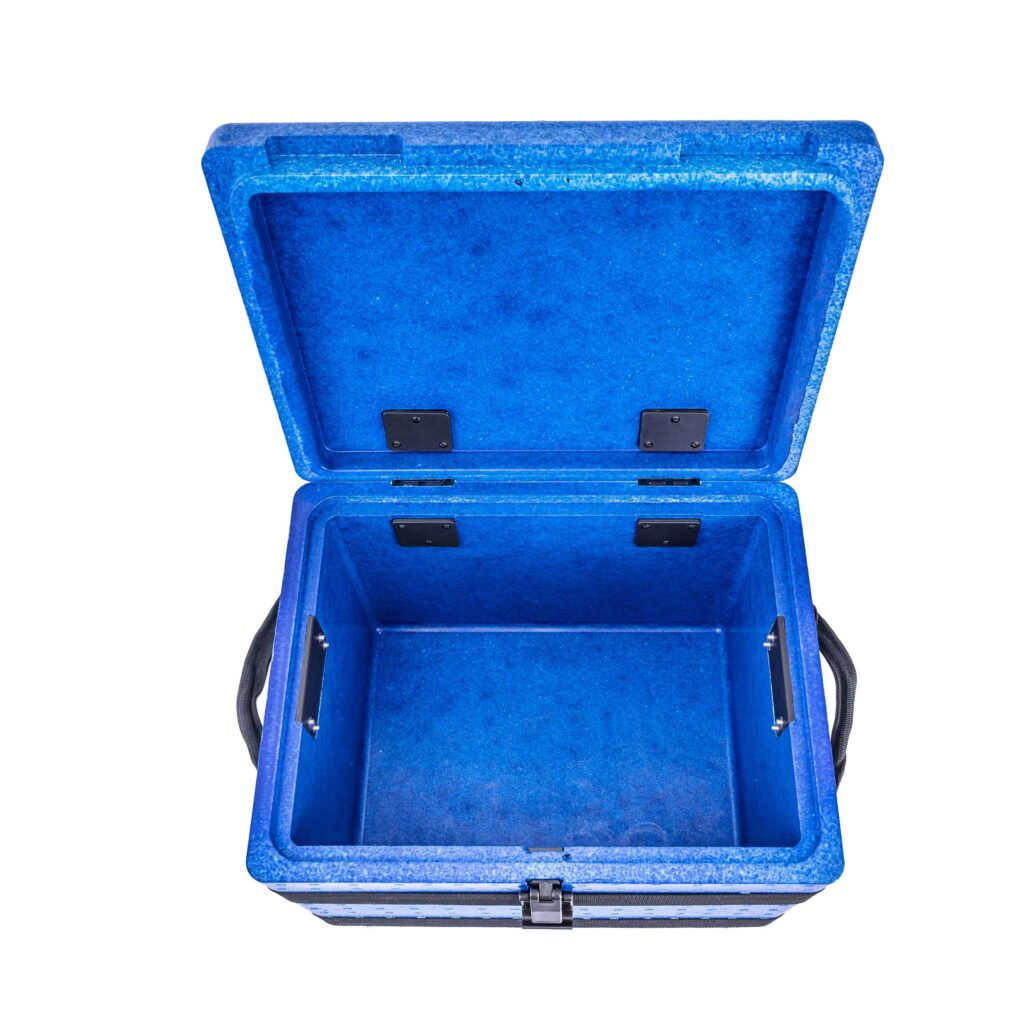
Cara Memverifikasi Klaim Bersertifikat ISO Kotak Busa EPP
Sebuah Kotak busa EPP Klaim bersertifikat ISO harus diterjemahkan ke dalam rangkaian bukti sebelum mempengaruhi persetujuan pemasok. ISO menciptakan standar tetapi tidak menerbitkan sertifikat. Pembeli harus mengidentifikasi lembaga sertifikasi independen, konfirmasi standar dan edisi, cocok dengan badan hukumnya, lokasi produksi, dan ruang lingkup, dan verifikasi status saat ini. Bukti sistem manajemen tersebut dapat memperkuat kepercayaan dalam pengendalian proses, tapi itu tidak membuktikan identitas material kotak itu, ukuran, durasi termal, perlindungan guncangan, kesesuaian kontak makanan, Dampak Lingkungan, atau kesesuaian untuk rute tertentu. Artikel ini memberikan satu jalur uji tuntas dari klaim penjualan pertama hingga pesanan pembelian terkontrol dan produksi berulang.
Melangkah 1: Gantikan frasa pemasaran dengan pernyataan yang tepat
Tanyakan kepada pemasok apa arti kata “bersertifikat”.. Apakah sistem manajemen mutu organisasi bersertifikat? Apakah sistem pengelolaan lingkungannya bersertifikat? Apakah produk tertentu disertifikasi berdasarkan skema yang ditentukan? Apakah kotak itu hanya diuji berdasarkan suatu metode? Apakah pemasok mengeluarkan pernyataannya sendiri?
Tuliskan jawabannya dalam satu kalimat lengkap:
“Badan hukum ___, di situs ___, memegang sertifikat ___ yang dikeluarkan oleh ___ untuk kesesuaian dengan ___ dalam lingkup ___.”
Jika pemasok mengklaim sertifikasi produk, tambahkan kode produk, skema, standar atau persyaratan, dasar pengawasan, dan status. Jika pemasok mengklaim pengujian, mengidentifikasi laporan tersebut, laboratorium, metode, mencicipi, revisi, dan hasil.
Langkah ini segera mengungkap ambiguitas. “Sesuai ISO,” “ISO disetujui,” dan “kualitas bersertifikat” tidak berguna tanpa objek dan bukti. Bahasa yang tepat tidak melemahkan pemasok yang sah. Hal ini memungkinkan pembeli untuk menempatkan klaim di bagian yang benar dari file persetujuan.
Melangkah 2: Verifikasi bidang sertifikat demi bidang
Dapatkan sertifikat lengkap dan semua lampiran yang relevan. Memeriksa:
- Referensi dan edisi standar lengkap
- Badan hukum bersertifikat dan nama dagang apa pun
- Alamat lokasi produksi
- Ruang lingkup kegiatan bersertifikat
- Nomor sertifikat
- Lembaga penerbit sertifikasi
- Informasi akreditasi bila diperlukan
- Masalah, kadaluarsa, dan status saat ini
- Jadwal multi-situs, pengecualian, atau catatan
Cocokkan entitas dengan kontrak yang diusulkan dan lokasi dengan cetakan EPP atau pengendalian akhir yang sebenarnya. Sertifikat untuk kantor pusat mungkin asli tetapi tidak mencakup pabrik. Ruang lingkup distribusi mungkin tidak mencakup manufaktur. Sertifikat multi-lokasi mungkin relevan hanya jika pabrik tersebut muncul dalam jadwalnya.
Verifikasi melalui rute status otoritatif yang sesuai bila tersedia. Catat tanggal peninjauan. Jangan hanya mengandalkan tampilan visual logo PDF atau ISO. ISO sendiri tidak boleh ditampilkan sebagai pemberi sertifikasi.
Standar direvisi secara berkala, jadi tinjau edisi dan informasi transisi apa pun berdasarkan panduan resmi terkini. Jangan membuat tenggat waktu atau memerlukan edisi yang belum efektif. Persyaratan pembelian harus menyatakan bagaimana sertifikat valid saat ini dan yang sedang dalam masa transisi ditangani.
Melangkah 3: Petakan rantai pasokan yang sebenarnya
Identifikasi setiap pihak yang dapat mempengaruhi kotak yang dipesan:
- Pemilik atau penjual merek
- Badan hukum yang mengontrak
- Pabrik cetakan EPP
- Pemilik alat
- Produsen sisipan atau aksesori
- Subkontraktor pencetakan atau pelabelan
- Inspeksi akhir dan lokasi pengepakan
- Laboratorium uji
- Penyedia logistik yang berisiko mengalami kerusakan pengepakan
Kemudian tandai pihak mana yang dicakup oleh setiap sertifikat atau audit. Perusahaan dagang dapat mengelola proyek secara efektif, namun sertifikatnya tidak boleh disalahartikan sebagai sertifikasi pabrik. Sertifikat pabrik tidak secara otomatis mencakup kapal yang disubkontrakkan, label, atau paket pendingin.
Tetapkan tanggung jawab. Siapa yang menyetujui gambar? Siapa yang membeli dan melepaskan materi? Siapa yang mengendalikan alat tersebut? Siapa yang memiliki keputusan ketidaksesuaian? Siapa yang melaporkan perubahan? Siapa yang menyimpan laporan pengujian? Siapa yang menangani pengaduan? Jawabannya seringkali lebih penting daripada label organisasi.
Apabila pabrik terkait tidak tersertifikasi sesuai standar yang disyaratkan, menentukan apakah kebijakan pengadaan mengizinkan audit, penilaian pelanggan, sertifikasi produk, inspeksi, atau metode jaminan lainnya. Hindari penerimaan otomatis dan penolakan otomatis sampai buktinya sesuai dengan persyaratan.
Melangkah 4: Tentukan konfigurasi kotak EPP
Sertifikasi tidak dapat mengontrol produk yang tidak ditentukan. Buat spesifikasi terkontrol yang mencakup:
- Revisi kode produk dan gambar
- Kotak, tutup, menyisipkan, dan identitas aksesori
- Bagian dalam yang dapat digunakan, pembukaan, luar, dan dimensi yang dikemas
- Kelas EPP atau spesifikasi material terkontrol
- Warna dan pewarna jika relevan
- Kepadatan target atau pengendalian proses lain yang disetujui
- Fitur pengikatan dan penumpukan tutup
- Menangani, saluran air, segel, Label, dan karya seni
- Konfigurasi pengepakan dan pengiriman kotak kosong
- Muatan yang dimaksudkan, massa yang dikemas, penanganan, pembersihan, dan menggunakan kembali
Untuk perkakas khusus, mendefinisikan kepemilikan, persetujuan percobaan, pemeliharaan, otoritas modifikasi, dan syarat pemindahan. Untuk produk standar, mendapatkan gambar berdimensi dan kode model stabil. Nama katalog seperti “kotak EPP 40 liter” tidaklah cukup jika volume dan geometri yang dapat digunakan menentukan kemasannya.
Ikat sampel dan laporan ke identitas konfigurasi yang sama. Jika sisipan berubah, perubahan formulasi warna, atau konten daur ulang diperkenalkan, meninjau bukti mana yang terpengaruh sebelum menyetujui produksi.
Melangkah 5: Cocokkan setiap klaim produk dengan bukti yang benar
Gunakan tabel bukti klaim daripada permintaan umum untuk “semua sertifikat”.
| Klaim yang diperlukan | Tingkat bukti | Pertanyaan tinjauan kunci |
|---|---|---|
| Kontrol proses pemasok | Sertifikat sistem manajemen terverifikasi dan bukti audit berbasis risiko | Apakah cakupan dan lokasi yang disebutkan mencakup pekerjaan untuk pesanan ini?? |
| Identitas material dan atribut khusus | Dokumen teknis khusus kelas, deklarasi, atau tes | Apakah bukti sesuai dengan formulasi, warna, dan target pasar? |
| Dimensi dan kesesuaian fungsional | Gambar terkontrol, pengukuran yang dikondisikan, dan sampel yang disetujui | Apakah dimensi dapat digunakan, tutup pas, menumpuk, dan sisipan dapat diterima? |
| Kinerja suhu | Protokol dan laporan termal khusus paket | Lakukan muatan, pendingin, ambient, sensor, dan kriteria penerimaan sesuai dengan rute? |
| Perlindungan distribusi | Pengujian dan inspeksi sistem bermuatan yang relevan | Apakah prosedur tersebut mewakili massa, kerapuhan, dan penanganan bahaya? |
| Kontak makanan atau kebersihan | Deklarasi atau pengujian khusus aplikasi ditambah penilaian pembersihan | Apakah itu mencakup kontak sebenarnya, suhu, pembersih, dan konfigurasi? |
| Keberlanjutan | Materi yang ditentukan, penggunaan kembali, konten daur ulang, tapak, atau bukti pemulihan | Apakah klaim tersebut terbatas pada batas terukur dan geografi? |
Metode ini mencegah satu dokumen kuat menutupi kesenjangan yang berbeda. Sertifikat mutu mendukung kepercayaan sistem pemasok. Ini bukan laporan termal. Deklarasi material bukanlah tes distribusi. Polimer yang dapat didaur ulang tidak membuktikan bahwa kotak bekas akan didaur ulang di pasar tujuan.
Melangkah 6: Uji kasus penggunaan secara lengkap
Struktur seluler EPP memberikan isolasi yang berguna dan pemulihan dampak, tetapi kinerja akhir tergantung pada bagian dan sistemnya. Perilaku termal dipengaruhi oleh geometri dinding dan penutup, kesenjangan, massa termal muatan, pendingin, suhu awal, urutan pengepakan, bukaan, profil lingkungan, dan durasi. Perlindungan mekanis dipengaruhi oleh kepadatan, ketebalan bantalan, mendukung geometri, kerapuhan produk, massa yang dikemas, orientasi, dan bahaya distribusi.
Kapan keputusan pembelian tergantung pada klaim tersebut, mengevaluasi konfigurasi dimuat yang representatif. Laporan termal harus mengidentifikasi kotak persisnya, muatan atau pengganti, pendingin, pengkondisian, profil lingkungan, sensor, rentang penerimaan, lamanya, dan penyimpangan. Laporan distribusi harus mengidentifikasi sistem yang dimuat, metode, tingkat, urutan, orientasi, dan kriteria penerimaan produk.
Untuk program yang dapat digunakan kembali, mengevaluasi penanganan dan pembersihan juga. Tetesan berulang, abrasi, panas, bahan kimia, dan kompresi dapat mengubah kesesuaian tutup, ukuran, Label, atau permukaan. Sampel baru mungkin tidak menjawab pertanyaan tentang keausan jangka panjang. Menetapkan kriteria pemeriksaan dan pensiun dari risiko.
Pengujian harus mendukung suatu keputusan, tidak menghiasi halaman penjualan. Tanyakan apa yang diuji, mengapa itu mewakili rute, dan perubahan apa yang memerlukan peninjauan atau pengujian ulang.
Melangkah 7: Audit pengendalian sampel hingga produksi
Sampel pengembangan bisa menjadi sangat baik bahkan ketika produksi rutin tidak konsisten. Oleh karena itu, persetujuan harus mencakup sampel dan proses yang mereproduksinya.
Tinjau penerimaan dan identifikasi materi, pengendalian alat, pemeriksaan pertama, kriteria fusi manik, pengkondisian dimensi, pemeriksaan dalam proses, pemisahan produk yang tidak sesuai, pemeriksaan akhir, catatan kumpulan, dan kemasan kotak kosong. Tanyakan berapa banyak gigi berlubang, mesin, bergeser, dan situs dikendalikan.
Alat pengambilan keputusan yang berguna
Periksa detailnya sebelum Anda memilih kemasan
Alat cepat ini dapat membantu Anda membandingkan risiko rute, kebutuhan ukuran, pilihan pendingin, dan detail kemasan sebelum Anda meminta penawaran.
Referensi Bahan Isolasi
Bandingkan pilihan bahan insulasi untuk kebutuhan pengemasan rantai dingin yang berbeda.
Bandingkan bahanKetahanan Jatuh Bahan Isolasi
Tinjau ketahanan jatuh dan faktor penanganan sebelum memilih bahan insulasi.
Periksa resistensiPemeriksa risiko rute
Tinjau kondisi jalur sebelum memilih kemasan untuk mengetahui kebutuhan pengoperasian sebenarnya.
Periksa risiko ruteNegara bagian yang disetujui harus menyertakan gambarnya, bahan, warna, revisi alat, aksesoris, karya seni, metode pemeriksaan, dan pengemasan. Tentukan apa yang harus dilaporkan pemasok sebelum melakukan perubahan. Perubahan penting mungkin termasuk kadar resin, sasaran kepadatan, pendekatan konten daur ulang, pewarna, perbaikan alat, situs pencetakan, subkontraktor, menyisipkan, label, rekomendasi yang lebih bersih, atau metode pengepakan.
Sistem manajemen bersertifikat dapat mendukung pengendalian ini, namun spesifikasi pembeli dan perjanjian perubahan menjadikannya spesifik untuk produk. Minta laporan produksi awal atau tinjauan batch pertama jika risikonya memungkinkan.
Melangkah 8: Lindungi pesanan berulang dengan kontrol masuk dan siklus hidup
Inspeksi yang masuk memastikan bahwa batch yang dikirimkan sesuai dengan kondisi yang disetujui. Periksa identitas, kuantitas, revisi gambar, dimensi kritis, tutup pas, fungsi tumpukan, kondisi cetakan visual, kontaminasi, warna, pencetakan, aksesoris, dan kerusakan transportasi. Gunakan pengambilan sampel berbasis risiko dan tentukan reaksi terhadap hasil yang gagal.
Simpan catatan dan referensi yang representatif. Telusuri keluhan ke pesanan pembelian dan informasi produksi jika memungkinkan. Minta pemasok untuk menyelidiki masalah yang berulang melalui proses tindakan perbaikannya, tetapi memberikan bukti yang jelas dari lapangan.
Untuk armada yang dapat digunakan kembali, periksa kotak selama servis. Unit karantina dengan distorsi permanen, jalur muatan yang rusak, keterlibatan kelopak mata yang buruk, kontaminasi, kehilangan bagian-bagian penting, atau perbaikan yang mengubah konfigurasi yang disetujui. Catat alasan pensiun. Data lapangan yang terukur dapat meningkatkan tatanan berikutnya dan mendukung klaim penggunaan kembali yang dapat dipertahankan.
Verifikasi ulang sertifikat secara berkala dan kapan pemasok, lokasi, cakupan, atau perubahan status sertifikasi. Persetujuan produk dan persetujuan pemasok merupakan siklus hidup yang saling terkait, bukan peristiwa satu kali.
Bagaimana menafsirkan pernyataan umum terkait ISO
“Pabrik kami bersertifikat ISO.” Mintalah standar yang tepat, edisi, badan hukum, lokasi, cakupan, lembaga sertifikasi, akreditasi, dan status.
“Ini adalah kotak EPP bersertifikat ISO.” Tanyakan apakah ada skema sertifikasi produk dan sertifikat yang terkait dengan model sebenarnya. Jangan terima sertifikat sistem manajemen sebagai jawabannya.
“Materinya memenuhi ISO.” Tanyakan properti material yang mana, metode pengujian, persyaratan, contoh, dan laporkan. ISO menerbitkan banyak standar yang tidak terkait.
“Kotaknya telah diuji ISO.” Tanyakan tes yang mana, laboratorium, konfigurasi, metode, kriteria penerimaan, dan hasil. Pengujian tidak secara otomatis merupakan sertifikasi.
“ISO 9001 menjamin kualitas.” Sertifikat dapat mendukung kepercayaan terhadap sistem manajemen mutu organisasi. Itu tidak menjamin setiap produk atau penggantian diperiksa.
“ISO 14001 membuktikan kotak itu berwarna hijau.” Sertifikasi pengelolaan lingkungan menyangkut sistem organisasi. Klaim lingkungan produk memerlukan batasan dan buktinya sendiri.
Penafsiran yang tepat melindungi sertifikasi yang sah agar tidak terdilusi karena pernyataan yang berlebihan.
Contoh praktis: memilih antara dua kandidat yang memenuhi syarat
Pembeli memerlukan kotak EPP untuk rute kit diagnostik yang dapat digunakan kembali. Pemasok Satu memiliki sertifikat manajemen mutu terverifikasi yang mencakup lokasi pencetakan dan menyediakan gambar terkontrol, tapi laporan kejutannya dilakukan pada kotak kosong. Pemasok Dua tidak memiliki sertifikat yang diwajibkan oleh kebijakan pilihan pembeli, tetapi memberikan pengujian sistem yang dimuat, catatan batch yang kuat, dan memungkinkan audit pabrik secara mendetail.
Pembeli tidak boleh membiarkan satu fakta pun menentukan proyeknya. Pemasok Satu memerlukan bukti perlindungan dan verifikasi sampel. Pemasok Dua memerlukan keputusan persetujuan berdasarkan kebijakan jaminan tingkat organisasi, yang mungkin melibatkan temuan audit dan tindakan perbaikan. Keduanya harus membuktikan dimensi, sisipan, bahan, kompatibilitas pembersihan, dan mengubah kendali.
Kandidat yang lebih baik adalah kandidat yang memenuhi seluruh persyaratan berbasis risiko, bukan yang memiliki frase pemasaran yang lebih kuat. Sertifikasi merupakan masukan penting, namun bukti produk dan rute tetap diperlukan.
Tanda bahaya yang memerlukan eskalasi
Tingkatkan peninjauan kapan:
- Sertifikat tidak dapat diberikan secara lengkap.
- Pemasok mengklaim ISO mengeluarkan sertifikat.
- Entitas, lokasi, atau ruang lingkup tidak sesuai pesanan.
- Status sertifikat telah habis masa berlakunya, tergantung, ditarik, atau tidak jelas.
- Laporan mengidentifikasi produk lain, bahan, atau pabrik.
- Pemasok menggunakan sertifikat QMS sebagai bukti durasi rantai dingin atau kontak makanan.
- Tidak ada gambar terkontrol atau kode produk stabil.
- Perubahan material atau subkontraktor dapat terjadi tanpa pemberitahuan.
- Nomor kinerja yang dinyatakan tidak memiliki protokol atau kriteria penerimaan.
- Bahasa keberlanjutan tidak memiliki batasan atau jalur pemulihan yang jelas.
Eskalasi dapat mengarah pada klarifikasi, dokumen tambahan, contoh, mengaudit, pengujian, kontrol kontrak, atau penolakan. Respons yang diberikan harus sesuai dengan risiko dan sifat kesenjangan yang ada.
Pertanyaan yang sering diajukan
Apa kata-kata yang paling akurat untuk pemasok bersertifikat sistem manajemen?
Gunakan kata-kata yang memberi nama organisasi, standar, dan ruang lingkup tanpa menyiratkan sertifikasi produk. Misalnya, menyatakan bahwa produk tersebut diproduksi di lokasi yang sistem manajemen mutunya disertifikasi sesuai standar yang teridentifikasi, ketika sertifikat mendukung pernyataan itu. Hindari mengatakan bahwa kotak itu sendiri telah disertifikasi kecuali ada skema sertifikasi produk dan sertifikat khusus model.
Bisakah sertifikat menggantikan audit pemasok?
Terkadang sertifikasi dapat mengurangi kedalaman atau frekuensi audit, tergantung pada kebijakan dan risiko pengadaan, namun hal ini tidak secara otomatis menghilangkan kebutuhan akan penilaian. Audit dapat mengonfirmasi bagaimana sistem bersertifikat diterapkan pada produk Anda, subkontraktor, peralatan, pengujian, dan perubahan. Program berisiko tinggi atau program khusus sering kali mendapat manfaat dari audit proses yang terfokus.
Dokumen mana yang harus membuktikan dimensi kotak?
Gunakan gambar terkontrol, pengkondisian dan metode pengukuran yang disepakati, catatan pemeriksaan dimensi, dan sampel yang disetujui. Lembar data material atau sertifikat sistem manajemen tidak menunjukkan adanya rongga, pembukaan, tutup pas, atau jejak eksternal. Tandai dimensi yang penting untuk berfungsi sehingga upaya inspeksi terfokus.
Bagaimana seharusnya klaim durasi termal diperiksa?
Minta laporan lengkap atau dapat ditinjau dan bandingkan kotak yang diuji, muatan, pendingin, pengkondisian awal, profil lingkungan, sensor, rentang penerimaan, dan durasi dengan rute yang dituju. Jika mereka berbeda secara material, evaluasi tambahan mungkin diperlukan. Jangan pernah mentransfer durasi judul di seluruh konfigurasi tanpa tinjauan teknis.
Apakah kemampuan daur ulang EPP membuat kotak tersebut memenuhi persyaratan keberlanjutan?
Tidak secara otomatis. Persyaratan mungkin terkait dengan konten daur ulang, pengurangan kemasan, pelabelan, tanggung jawab produser, penggunaan kembali, pelaporan karbon, atau pemulihan sebenarnya. Konfirmasikan target pasar dan kebutuhan pastinya. Polimer yang secara teknis dapat didaur ulang masih perlu dikumpulkan, penyortiran, konsolidasi, dan pemrosesan untuk mencapai daur ulang dalam praktiknya.
Kesimpulan
Untuk memverifikasi klaim bersertifikat ISO kotak busa EPP, membuat objek dan ruang lingkup yang disertifikasi menjadi eksplisit, memvalidasi sertifikat, memetakan rantai pasokan sebenarnya, mendefinisikan produk, dan melampirkan bukti yang benar pada setiap materi, pertunjukan, kebersihan, dan klaim lingkungan hidup. Uji kasus penggunaan yang representatif, mengontrol transfer sampel ke produksi, dan mempertahankan status pemasok dan produk melalui pesanan berulang. Digunakan dengan cara ini, sertifikasi menjadi bagian yang berarti dari uji tuntas dan bukan penggantinya.
Tentang tempk
Persediaan sementara Kotak Epp dan terkait kemasan rantai dingin produk untuk persyaratan standar dan khusus. Kami dapat meninjau konfigurasi yang dimaksud, muatan, ukuran, aksesoris, dan kebutuhan dokumentasi pada tahap penawaran. Pembeli harus menentukan apakah mereka memerlukan bukti sistem manajemen, deklarasi produk, data termal, pengujian distribusi, atau kualifikasi khusus proyek sehingga setiap permintaan dapat ditangani pada tingkat yang tepat.
Berikan Tempk daftar periksa sertifikat Anda, penggunaan produk, pasar sasaran, dan menguji ekspektasi untuk membangun paket tinjauan teknis dan komersial yang lebih jelas.