Lingkaran Kontrol Layanan OEM Kotak Terisolasi: Enam File yang Mencegah Drift
Proyek OEM selesai hanya jika perubahan yang dilakukan beberapa bulan setelah peluncuran dapat dinilai berdasarkan tujuan penggunaan awal. Hal ini memerlukan lebih dari sekadar prototipe dan pesanan pembelian. Dapat diandalkan kotak terisolasi Layanan OEM beroperasi sebagai loop kontrol: persyaratan membentuk paket, tes menantang revisi bernama, kontrol produksi mereproduksinya, asumsi pemeriksaan data lapangan, dan tinjauan perubahan melindungi bukti. Enam file yang terhubung membuat perulangan itu praktis. Setiap file mencatat keputusan yang cenderung tetap ada di email, slide penjualan, atau ingatan seorang insinyur.
Mengajukan 1 menangkap kasus penggunaan dan hak keputusan
File pertama menjelaskan apa yang harus dilindungi dan siapa yang berwenang memutuskan. Ini harus disetujui sebelum tim memperdebatkan EPS, EPP, VIP, liner, atau pendingin.
Jelaskan kondisi pengangkutan resmi produk, kepekaan terhadap panas, pembekuan, terkejut, kelembaban, atau orientasi, dan batasan keselamatan apa pun yang berlaku. Tentukan dimensi muatan, massa, menghitung, kemasan sekunder, konfigurasi normal dan tepi. Memetakan jalur distribusi mulai dari prakondisi dan pengepakan hingga penerimaan, termasuk mode, paparan musiman, penundaan yang kredibel, serah terima, bukaan, dan penyimpanan sementara.
Tambahkan realitas operasi. Peralatan pendingin atau pembekuan apa yang tersedia? Berapa unit yang harus dikemas operator? Bisakah mereka membedakan komponen-komponen yang dikondisikan secara berbeda? Ruang apa yang tersedia? Bagaimana pengiriman diperiksa, data diambil, komponen dikembalikan, dan kemasannya dibuang atau diambil kembali?
Catat hal-hal yang tidak diketahui sebagai risiko atau studi. Jika rute ekstrem kurang dipahami, mengumpulkan data jalur atau memilih profil konservatif yang terdokumentasi. Jika perilaku beban parsial tidak pasti, mengujinya daripada berasumsi muatan penuh adalah yang terburuk. Jika program penggunaan kembali hanya diusulkan, mengidentifikasi pemulihan dan pembersihan sebagai prasyarat alih-alih mengkredit rotasi di masa depan.
Hak pengambilan keputusan berada dalam file yang sama. Pemilik produk atau kualitas mendefinisikan penerimaan. Teknik pengemasan menerjemahkan persyaratan dan menilai desain. Operasi menyetujui eksekusi. Pengadaan mengatur persyaratan pemasok dan komersial. Pemasok OEM bertanggung jawab atas desain dan ruang lingkup produksi yang disepakati. Laboratorium memberikan bukti dalam protokolnya. Organisasi tertentu mungkin mengalokasikan peran secara berbeda, namun tidak ada persetujuan kritis yang tidak memiliki pemilik.
File 2 Dan 3 mengubah konsep menjadi paket terkontrol
Mengajukan 2 adalah catatan arsitektur. Ini menjelaskan solusi yang dipilih dan alternatif yang dipertimbangkan. Mengajukan 3 adalah spesifikasi yang dirilis yang dapat dibuat oleh tim manufaktur dan dapat dipesan oleh pembeli.
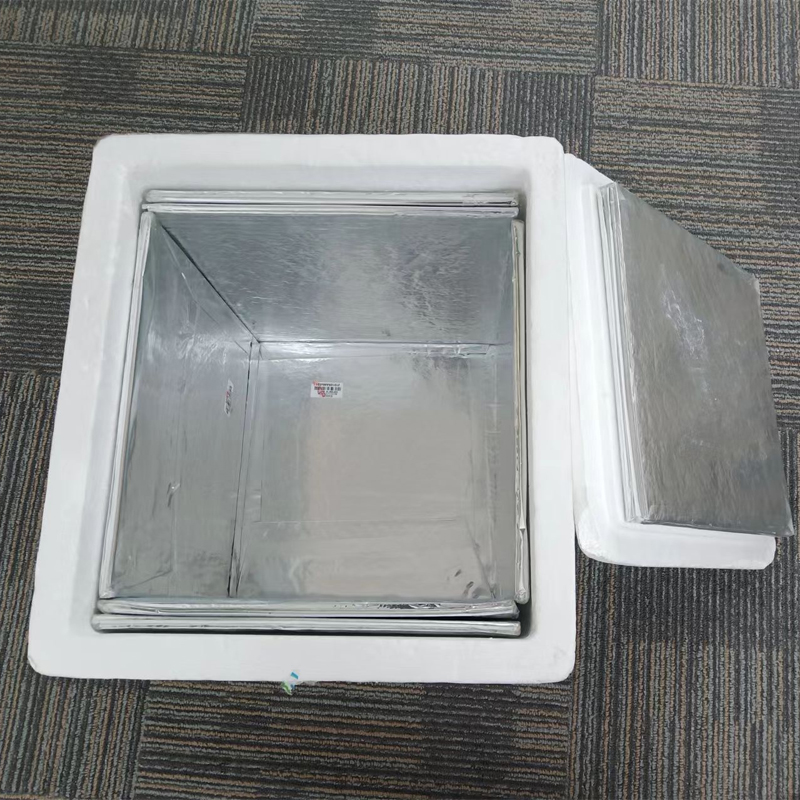
Catatan arsitektur mencakup isolasi, pendingin, posisi muatan, pengatur jarak, liner, elemen penyerap atau pelindung, kasus luar, penutup, Label, segel, dan pemantauan. Ini mengidentifikasi antarmuka penting dan mode kegagalan. Misalnya, tutup busa yang dibentuk dapat mengeluarkan panas pada sambungannya; seorang VIP bisa kehilangan performa jika penghalangnya tertembus; panel serat dapat memampatkan atau merespons kelembapan; A paket pendingin dapat menciptakan risiko pembekuan lokal; label dapat mengaburkan tanda yang diperlukan atau mengganggu daur ulang.
Catatan tersebut harus menjelaskan mengapa pendekatan yang dipilih sesuai dengan muatan yang dapat digunakan, kubus barang, sedang mengemas, penanganan fisik, paparan termal, digunakan kembali atau dibuang, dan manufaktur. Ini juga menandai keterbatasan prototipe. Sampel yang dibuat dengan tangan dapat memverifikasi geometri tetapi tidak dapat mewakili proses produksi cetakan. Maket yang dicetak mungkin menyetujui karya seni tetapi tidak menyetujui kinerja perekat di bawah kondensasi.
Mengajukan 3 mengubah alasan itu menjadi keluaran yang terkendali:
gambar perakitan dan komponen dengan dimensi fungsional dan toleransi;
bill of material atau spesifikasi komponen yang dikendalikan dan alternatif yang disetujui;
bahan, pembuatan, penutup, dan persyaratan label;
paket lengkap, termasuk persiapan cairan pendingin, jumlah, posisi, urutan, dan kasus muatan;
konfigurasi dan identifikasi revisi;
karakteristik kritis dan metode pengukuran;
sedang mengemas, paletisasi, penyimpanan, dan instruksi penanganan;
kumpulan referensi yang disetujui, yang dapat menggabungkan sampel, foto, gambar, dan catatan.
Jangan memaksakan pengungkapan formulasi hak milik jika spesifikasi yang terkendali dan perjanjian perubahan dapat mengelola risiko. Sebaliknya, "hak milik" tidak boleh memaafkan tidak adanya bukti tentang barang yang dibeli. Para pihak memerlukan informasi yang cukup untuk menetapkan kesesuaian dan menilai perubahan.
| Mengajukan | Pertanyaan yang dijawabnya | Lepaskan bukti | Kegagalan jika hilang |
|---|---|---|---|
| 1. Kasus penggunaan dan peran | Layanan apa yang diperlukan, dan siapa yang menyetujuinya? | Persyaratan dan peta tanggung jawab yang disetujui | Tebakan pemasok; keputusan tidak mempunyai pemilik |
| 2. Arsitektur | Mengapa sistem ini harus bekerja? | Alasan desain, antarmuka, risiko, status prototipe | Materi dipilih tanpa logika sistem |
| 3. Spesifikasi yang dirilis | Apa sebenarnya yang akan diproduksi dan dikemas? | Gambar, komponen, paket, metode, revisi | Unit sampel dan unit curah terpisah |
| 4. Paket bukti | Apa yang didemonstrasikan, dalam kondisi apa? | Protokol, data, laporan, penyimpangan, persetujuan | Judul tes terlalu panjang |
| 5. Rencana produksi dan peluncuran | Bagaimana kesesuaian dapat bertahan dalam skala dan penerapan? | Rencana pengendalian, keterlacakan, pelatihan, menerima, pilot | Operator dan lot memperkenalkan variasi yang tidak terkendali |
| 6. Siklus hidup dan perubahan catatan | Bagaimana pembelajaran lapangan dan usulan perubahan akan diatur? | Ubah matriks, sejarah, pemicu, ulasan tren | Bukti sebelumnya menjadi terputus dari produk saat ini |
Keenam file tersebut tidak harus berupa enam dokumen fisik. Mereka bisa hidup dalam sistem dokumen yang terkendali. Yang penting adalah setiap pertanyaan terjawab dan hubungan antar revisi jelas.
Mengajukan 4 membuat bukti cukup spesifik untuk digunakan
Buktinya bukan durasi brosur, foto sebuah ruangan, atau kalimat yang mengatakan "lulus ISTA." Paket bukti harus mengidentifikasi unit yang diuji dan revisi komponen, pemilihan sampel, muatan, pendingin dan pengkondisian, pengkondisian awal, detail dan lokasi sensor, profil lingkungan, pengondisian fisik, Kriteria penerimaan, data mentah atau dapat dilacak, penyimpangan, Hasil, keterbatasan, dan persetujuan.
Verifikasi dan kualifikasi desain harus tetap berbeda. Verifikasi memastikan bahwa keluaran memenuhi masukan, seperti dimensi gambar, penutup, identitas materi, label, atau muatan sesuai. Kualifikasi menetapkan keyakinan yang terdokumentasi bahwa sistem pengiriman yang ditentukan sesuai untuk penggunaan yang dimaksudkan dalam kondisi yang disetujui. Inspeksi rutin kemudian membantu memastikan produksi tetap konsisten; tidak mengulang seluruh kualifikasi pada setiap unit.
Untuk waktu- dan obat-obatan yang sensitif terhadap suhu, Panduan teknis WHO menjelaskan kualifikasi peti kemas serta rute terkait dan aktivitas pemantauan. Praktik distribusi yang baik di UE mengharuskan kondisi produk obat tertentu dipertahankan selama pengangkutan. ISTA 7E menyediakan profil paket panas dan dingin standar, dan Standar ISTA 20 menyediakan desain standar dan proses kualifikasi untuk kontainer pengiriman terisolasi. Iso 22982-1 dan ISO 22982-2 memenuhi persyaratan dan metode pengujian untuk paket parsel dengan suhu yang dikontrol.
Gunakan hanya referensi yang cakupannya sesuai dengan proyek. Profil standar tidak mereproduksi setiap jalur. Laboratorium bersertifikat tidak mensertifikasi setiap kotak yang diproduksi oleh pemasok. Laporan untuk satu muatan dan pengaturan cairan pendingin tidak secara otomatis mencakup muatan lainnya. Dokumentasikan alasan teknis untuk kasus uji dan jembatan apa pun ke data yang ada.
Bahaya fisik harus dimasukkan jika relevan. Menjatuhkan, getaran, kompresi, tusukan, kelembaban, dan penanganan yang berulang-ulang dapat merusak penutupan atau isolasi sebelum tantangan termal terjadi. Sistem yang dapat digunakan kembali mungkin memerlukan evaluasi setelah pembersihan dan keausan yang wajar. Menguji unit yang masih asli dapat menjawab pertanyaan yang berguna, tapi mungkin tidak menjawab pertanyaan operasional.
Bukti lingkungan juga termasuk dalam File 4. Iso 14021 mendukung klaim lingkungan yang dideklarasikan sendiri secara disiplin; Iso 14040 dan ISO 14044 menyediakan struktur penilaian siklus hidup; Iso 18603 memperlakukan kemasan yang dapat digunakan kembali dengan sistem terkaitnya. File klaim harus menyatakan komponennya, persentase atau atribut jika berlaku, metode, ruang lingkup produksi, geografi, Baseline, batas siklus hidup, dan keterbatasan. Uji teknis dan deklarasi lingkungan merupakan bentuk bukti yang berbeda meskipun keduanya menjelaskan kotak yang sama.
Alat pengambilan keputusan yang berguna
Periksa detailnya sebelum Anda memilih kemasan
Alat cepat ini dapat membantu Anda membandingkan risiko rute, kebutuhan ukuran, pilihan pendingin, dan detail kemasan sebelum Anda meminta penawaran.
Ketahanan Jatuh Bahan Isolasi
Tinjau ketahanan jatuh dan faktor penanganan sebelum memilih bahan insulasi.
Periksa resistensiPemilih Kemasan
Bandingkan opsi kemasan berinsulasi berdasarkan produk, rute, dan kebutuhan suhu.
Temukan kemasannyaReferensi Bahan Isolasi
Bandingkan pilihan bahan insulasi untuk kebutuhan pengemasan rantai dingin yang berbeda.
Bandingkan bahanMengajukan 5 melakukan industrialisasi desain dan melatih jaringan
Rilis produksi dimulai dengan spesifikasi yang terkontrol tetapi memerlukan proses yang mempertahankannya. Pemasok harus menerjemahkan karakteristik penting ke dalam pengendalian material yang masuk, pemeriksaan dalam proses, pemeriksaan akhir, dan penanganan ketidaksesuaian. Identitas dan catatan lot harus memadai untuk menyelidiki keluhan atau perubahan.
Pengendalian proses harus mengikuti risiko. Kepadatan cetakan atau tingkat material mungkin penting untuk satu desain; integritas jahitan atau posisi panel mungkin penting bagi hal lain. Metode pengukuran harus mendefinisikan datum, peralatan, kondisi sampel, kekuatan jika relevan, dan penerimaan. Bahan fleksibel atau seluler dapat memberikan pembacaan berbeda ketika pengukuran tidak jelas.
Iso 9001 memberikan kerangka manajemen kualitas umum untuk produk dan layanan yang konsisten, operasi yang dikendalikan, informasi yang terdokumentasi, ketidaksesuaian, dan perbaikan. Sertifikasi dapat menjadi salah satu masukan kualifikasi pemasok jika lokasi dan ruang lingkupnya diverifikasi. Hal ini tidak menggantikan audit atau peninjauan materi khusus item, proses, inspeksi, keterlacakan, dan mengubah kontrol.
Rencana produksi harus mencakup barang pertama atau lot percontohan, perbandingan sampel dengan produksi, kemasan kotak atau kit kosong, perlindungan palet, kondisi penyimpanan, dan kerusakan pengiriman. Sebuah kotak yang sesuai di pabrik tetapi tiba dalam keadaan hancur, basah, atau dicampur revisi lain belum sampai ke pembeli dalam keadaan terkendali.
Peluncuran melampaui pabrik. Operator memerlukan instruksi kerja yang benar dan komponen yang dikondisikan. Pelatihan harus mencakup mengapa langkah-langkah penting itu penting, bagaimana varian dibedakan, apa yang harus dilakukan dengan komponen yang rusak, dan bagaimana penyimpangan dicatat. Tim penerima membutuhkan identitas, inspeksi, data pemantauan, kembali, dan instruksi disposisi.
Skenario praktis: beralih dari prototipe busa ke produksi cetakan
Bayangkan sebuah tim bioteknologi yang menyetujui prototipe busa buatan tangan dengan muatan kecil. Uji coba termal cukup menggembirakan, dan pengadaan meminta versi cetakan untuk volume. Geometrinya terlihat identik, tetapi pencetakan dapat mengubah distribusi kepadatan material, sudut, tutup pas, dan perilaku permukaan. Transisi adalah langkah desain dan proses, bukan peningkatan yang sederhana.
Mengajukan 2 mencatat mengapa arsitektur yang dibentuk harus setara atau ditingkatkan. Mengajukan 3 merilis gambar produksi, pengendalian materi, antarmuka tutup, paket, dan toleransi. Mengajukan 4 menguji unit perwakilan produksi berdasarkan protokol yang disetujui. Mengajukan 5 mendefinisikan inspeksi artikel pertama, pemeriksaan proses, identitas banyak, sedang mengemas, dan uji coba operator. Jika unit yang dicetak berbeda dengan sampel yang dipotong dengan tangan, tim memperbarui bukti daripada membiarkan hasil prototipe mengikuti nama produk.
Mengajukan 6 menjaga sistem yang disetujui tetap hidup
Setelah peluncuran, informasi lapangan memperkuat atau menantang asumsi desain. Peristiwa suhu tren, kerusakan, keluhan penutupan, penyimpangan paket, komponen yang hilang, masalah dimensi, kegagalan label, kembali, pembersihan penolakan, dan perubahan rute dengan revisi dan lot jika memungkinkan. Seorang logger memasok data tetapi bukan keputusannya; prosedur kualitas menentukan bagaimana data dinilai dan produk diposisikan.
Pengendalian perubahan mengubah umpan balik menjadi perbaikan yang terarah. Buat kategori untuk perubahan yang mungkin dikelola pemasok dalam rentang yang disetujui, perubahan yang memerlukan pemberitahuan, dan perubahan yang memerlukan persetujuan pembeli atau bukti baru. Pertimbangkan tingkat materi atau sumbernya, konten daur ulang, konstruksi busa atau panel, geometri, perkakas, perekat, liner, mencetak, lokasi, pendingin, paket, dan proses.
Setiap tinjauan perubahan harus ditanyakan:
Persyaratan dan mode kegagalan mana yang dapat terpengaruh?
Apakah bukti yang ada masih dapat diterapkan?
Verifikasi apa, sampel, pengujian, atau diperlukan kualifikasi ulang?
Gambar yang mana, klaim, instruksi, dan dokumen komersial harus berubah?
Bagaimana inventaris lama dan baru akan diidentifikasi dan ditransisikan?
Lakukan produk, peraturan, pelanggan, Keberlanjutan, atau pemangku kepentingan yang berkualitas memerlukan persetujuan?
Reviewnya bisa proporsional. Koreksi ejaan karya seni mungkin memerlukan pembuktian terkontrol. Sumber VIP baru atau pengaturan cairan pendingin mungkin memerlukan evaluasi ekstensif. Yang penting adalah alasan teknis yang tercatat, bukan pengujian ulang penuh otomatis atau penerimaan otomatis.
Perbaikan lingkungan mengikuti pola yang sama. Mengurangi material dinding, menambahkan konten daur ulang, menyederhanakan lapisan, atau membuat desain yang dapat digunakan kembali mungkin bermanfaat, tetapi masing-masing mengubah asumsi. Peraturan Pengemasan dan Limbah Pengemasan UE 2025/40 umumnya berlaku dari 12 Agustus 2026 dengan banyak kewajiban yang dipentaskan kemudian, jadi kemasan yang ditempatkan di pasar itu membutuhkan kategori terkini- dan tinjauan khusus peran. Perubahan keberlanjutan harus mempertahankan kinerja yang diperlukan dan memperbarui bukti klaim.
Kesinambungan komersial juga termasuk di sini. Menyepakati pemeliharaan dan kepemilikan alat, sumber alternatif yang disetujui, waktu pemberitahuan, penyimpangan darurat, referensi revisi pesanan berulang, dan merekam akses. OEM tidak secara otomatis menentukan kepemilikan desain, cetakan, laporan, atau kekayaan intelektual; kontrak harus mengalokasikan hak-hak tersebut secara eksplisit.
Pertanyaan yang sering diajukan
Keenam file harus diselesaikan sebelum prototipe pertama?
TIDAK. File kasus penggunaan harus cukup matang untuk memandu pekerjaan, sementara arsitektur, spesifikasi, bukti, produksi, dan file siklus hidup berkembang melalui tahapan. Tandai status draf dan batasan prototipe. Jangan merilis produksi volume sampai catatan yang relevan disetujui dan diselaraskan dengan konfigurasi yang sama.
Berapa banyak prototipe yang dibutuhkan oleh proyek OEM?
Tidak ada nomor universal. Tahapan dan kuantitas prototipe bergantung pada kebaruan, perkakas, varian muatan, risiko kegagalan, rencana pengujian, dan proses produksi. Tentukan apa yang ingin dibuktikan oleh setiap sampel dan apakah sampel tersebut mewakili produksi. Lebih banyak sampel yang tidak terkontrol tidak menghasilkan bukti yang lebih kuat; pembelajaran yang direncanakan tidak.
Dapatkah inspeksi menggantikan kualifikasi termal?
TIDAK. Inspeksi dapat mengkonfirmasi materi yang ditentukan, ukuran, bugar, perakitan, atau pengerjaan, sementara kualifikasi termal menantang keseluruhan sistem dalam kondisi tertentu. Inspeksi membantu menjaga konsistensi setelah kualifikasi karena pengujian setiap unit yang dikirim tidak praktis. Keduanya harus terhubung ke desain rilis yang sama.
Apa yang termasuk dalam klausul pemberitahuan perubahan OEM?
Daftar perubahan kategori, waktu pemberitahuan, informasi yang dibutuhkan, otoritas persetujuan, aturan penilaian dan tes ulang, penyimpangan darurat, identifikasi lot transisi, pembaruan rekaman, dan perlakuan terhadap persediaan yang ada. Bahan penutup, sumber, peralatan, situs, proses, konstruksi, paket, Label, dan klaim. Sesuaikan klausul dengan risiko dan persyaratan kualitas yang berlaku.
Bagaimana seharusnya pembeli mengevaluasi desain ulang lingkungan?
Pertama-tama verifikasi bahwa perlindungan dan pengoperasian produk tetap dapat diterima. Kemudian tentukan atribut lingkungan yang tepat, satuan fungsional, Baseline, siklus hidup dan batas geografis, asumsi penggunaan kembali atau pemulihan, dan bukti. Sertakan cairan pendingin, kubus barang, kehilangan produk, kembali, pembersihan, kerusakan, dan akhir masa pakai jika relevan. Kelola desain ulang melalui kontrol perubahan normal.
Kesimpulan
Lingkaran kontrol enam file mengubah OEM dari janji penyesuaian menjadi sistem yang dapat dipelihara. Penggunaan yang dimaksudkan menetapkan target; arsitektur dan spesifikasi menentukan paket; bukti menguji revisi bernama; produksi dan peluncuran melestarikannya; data lapangan dan kontrol perubahan menjaganya tetap terkini. Ketika catatan-catatan itu tetap terhubung, pembeli dapat berkembang, memperbaiki, dan merespons perubahan pasokan tanpa kehilangan dasar persetujuan pengirim berinsulasi.
Tentang tempk
Tempk adalah merek dari Shanghai Tempk Industrial Co., Ltd. Dia kemasan rantai dingin solusi termasuk gel dan air Paket es, bahan perubahan fase, liner dan tas terisolasi, EPS, EPP, Dan kotak VIP, penutup palet termal, pendingin medis, pencatat data suhu, dan validasi dan dukungan paket. Dalam proyek OEM, elemen-elemen ini dapat didefinisikan dalam persyaratan tertaut, spesifikasi, bukti, produksi, dan mengubah catatan. Ruang lingkup yang tepat, konfigurasi, tanggung jawab, klaim, pengujian, dan persyaratan komersial harus disetujui untuk kasus penggunaan pembeli.
Kirimkan Tempk file pertama-payload Anda, jalur, proses operasi, kebutuhan penerimaan, dan pemilik keputusan-untuk memulai diskusi OEM yang dibuat untuk rilis terkontrol daripada perkiraan katalog.