Apakah Anda mencari yang benar pabrik kotak es terisolasi untuk bisnis Anda atau petualangan luar ruangan berikutnya? Memahami bagaimana pendingin yang kokoh ini dibuat dan apa yang membuat satu produsen menonjol sangat penting untuk kualitas, biaya dan keberlanjutan. Panduan ini menjelaskan proses pabrik di balik kotak es terisolasi dan melakukan eksplorasi 2026 tren industri, dari material canggih hingga otomatisasi dalam logistik rantai dingin. Anda akan belajar caranya pabrik kotak es terisolasi menggunakan rotomolding, injeksi dan blow moulding untuk menciptakan produk yang andal dan bagaimana peraturan serta tuntutan pasar membentuk masa depan industri. Mari selami.
Apa yang mendefinisikan pabrik kotak es terisolasi? Pahami proses produksi dan mengapa hal tersebut memengaruhi daya tahan dan harga.
Bagaimana teknik pencetakan yang berbeda mempengaruhi kualitas yang lebih dingin? Bandingkan rotomolding, cetakan injeksi dan cetakan tiup.
Bahan dan teknologi isolasi mana yang memiliki kinerja terbaik? Jelajahi polietilen, poliuretan, Polypropylene yang diperluas (EPP) dan panel isolasi vakum.
Tren pasar dan peraturan apa yang akan terbentuk 2026? Periksa perkiraan pertumbuhan, segmen konsumen dan Peraturan Pengemasan dan Limbah Pengemasan UE.
Bagaimana Anda dapat menyesuaikan pendingin dan bekerja dengan OEM? Pelajari tentang kontrol desain, jumlah pesanan minimum dan perlindungan kekayaan intelektual.
Apa saja inovasi terbaru dalam rantai dingin? Temukan otomatisasi, pemenuhan mikro dan pendingin cerdas.
Apa Itu Pabrik Kotak Es Terisolasi dan Mengapa Memilih Salah Satunya?
Jawaban Langsung
Pabrik kotak es berinsulasi adalah fasilitas manufaktur yang merancang dan memproduksi pendingin makanan berkinerja tinggi, pengobatan dan rekreasi luar ruangan. Pabrik-pabrik ini menerapkan proses seperti pencetakan rotasi (rotomolding), cetakan injeksi dan cetakan tiup untuk membuat kulit luar yang tahan lama dan mengisinya dengan insulasi seperti busa poliuretan atau panel vakum. Memilih pabrik yang berpengalaman memastikan kualitas yang konsisten, kepatuhan terhadap peraturan keselamatan dan kemampuan untuk menyesuaikan fitur untuk merek Anda. Dengan jangkauan pasar penyimpanan dingin portabel USD 7.75 miliar masuk 2025 dan diperkirakan akan tumbuh menjadi USD 12.83 miliar oleh 2030, bermitra dengan pihak kanan pabrik kotak es terisolasi lebih penting dari sebelumnya.
Latar Belakang dan Manfaat
Dari perjalanan memancing hingga transportasi vaksin, pendingin harus tahan terhadap penanganan yang kasar dan menjaga suhu selama berhari-hari. Pabrik kotak es terisolasi menggabungkan teknik industri dengan ilmu material untuk mencapai hal ini. Mereka mengembangkan cetakan eksklusif, peralatan injeksi dan stasiun berbusa, dan banyak yang beroperasi di bawah program kualitas bersertifikat ISO. Keahlian pabrik membantu merek menghindari kegagalan produk dan memberikan kinerja yang konsisten pada pesanan dalam jumlah besar. Di dalam 2024, pendingin sisi keras dipegang 59.80 % pangsa pasar, menunjukkan popularitas cangkang polietilen yang tahan lama. Seiring dengan meningkatnya pemenuhan kebutuhan mikro dan kebutuhan bahan pangan online, kemampuan untuk menghasilkan kompak, wadah multi suhu telah menjadi keunggulan kompetitif.
Lingkungan Pabrik
Keahlian Manufaktur: Teknisi yang terampil mengawasi desain cetakan, pemilihan bahan, injeksi busa dan pengujian tekanan. Pabrik dengan rotomolding kemampuan menghasilkan dinding yang lebih tebal (3–15 mm) dan konstruksi yang mulus, ketika cetakan injeksi fasilitas menghasilkan putaran volume tinggi dengan detail yang presisi.
Kontrol Kualitas: Pabrik ternama melakukan inspeksi dimensi dan pengujian tekanan pada setiap batch untuk memastikan segel kedap udara. Evaluasi non destruktif mengidentifikasi rongga pada insulasi dan memverifikasi keseragaman material.
Kepatuhan Pengaturan: Pabrik harus memenuhi sertifikasi kontak makanan dan medis. Mereka juga beradaptasi terhadap peraturan keberlanjutan dengan menawarkan bahan daur ulang dan proses hemat energi.
Kapasitas Kustomisasi: Fasilitas canggih memberikan bantuan desain, pembuatan prototipe, pencocokan warna dan emboss logo agar selaras dengan identitas merek.
Bagaimana Metode Manufaktur Mempengaruhi Kualitas dan Biaya?
Membandingkan Rotomolding, Cetakan Injeksi dan Tiup
Metode manufaktur menentukan kinerja pendingin. cetakan rotom pendingin menawarkan daya tahan dan retensi es yang luar biasa karena bubuk polietilen melapisi dinding cetakan secara seragam selama proses rotasi yang lambat. Dinding tebal dan konstruksi mulus menahan busa poliuretan secara efektif, menjaga es tetap beku 5–7 hari. Rotomolding cocok untuk produksi volume kecil hingga menengah namun memiliki biaya material dan energi yang lebih tinggi.
Cetakan injeksi pendingin menggunakan polipropilen cair (Pp) atau ABS disuntikkan ke dalam cetakan baja dengan tekanan tinggi. Cara ini menghasilkan hasil yang tipis, dinding yang tepat di 15–60 detik per bagian, memungkinkan produksi volume tinggi dan biaya per unit lebih rendah. Namun, jahitan dan dinding tipis mengurangi insulasi dan memerlukan sisipan busa. Pendingin cetakan injeksi lebih ringan dan ideal untuk penggunaan santai atau hadiah promosi.
Cetakan tiup pendingin membentuk bagian plastik berongga dengan menggembungkan uap cair di dalam cetakan. Mereka mencapai waktu siklus yang cepat—sekitar 70 bagian per jam—membuatnya hemat biaya untuk bentuk sederhana. Pendingin cetakan tiup memiliki dinding yang lebih tipis dan mengandalkan isolasi terpisah. Mereka yang terbaik untuk dasar, produk bervolume tinggi.
Ikhtisar Perbandingan
| Metode Pembuatan | Waktu Siklus | Ketebalan dinding | Bahan Khas | Isolasi | Kasus penggunaan yang ideal |
| cetakan rotom | 1–4 jam | 3–15 mm | LLDPE/HDPE | Dibangun dengan busa poliuretan (retensi es 5–7 hari) | Premi, durasi panjang dan lingkungan yang keras |
| Cetakan Injeksi | 15–60 detik | 1–5 mm | PP/ABS | Sisipan busa; retensi es yang lebih pendek | Volume tinggi, pasar anggaran dan penggunaan biasa |
| Cetakan Tiup | Hingga 70 bagian/jam | Variabel, lebih tipis | HDPE | Diperlukan isolasi terpisah | Bentuk sederhana, biaya rendah, produksi dalam jumlah besar |
Tips dan nasihat praktis
Untuk kasar, petualangan selama seminggu: Pilih pendingin rotomolded meskipun bobot dan biayanya lebih tinggi. Mereka menawarkan daya tahan yang unggul dan retensi es yang lama.
Untuk promosi volume tinggi: Pilih pendingin cetakan injeksi dengan dinding tipis dan sisipan busa untuk mengurangi biaya dan berat.
Untuk aplikasi volume tinggi sederhana: Pertimbangkan pendingin cetakan tiup untuk bentuk dasar dan fitur minimal; ideal untuk pesanan sadar anggaran.
Ukuran pesanan seimbang: Rotomolding cocok untuk volume pesanan rendah hingga menengah; cetakan injeksi dan cetakan tiup memerlukan volume yang lebih besar karena perkakas yang mahal.
Rencanakan penyesuaian lebih awal: Berkolaborasilah dengan OEM Anda untuk menggabungkan fitur seperti logo cetakan, penggaris ikan atau slot pengikat selama desain cetakan.
Studi kasus: Sebuah startup meluncurkan dua lini yang lebih keren dengan bermitra dengan pabrik terkemuka. Garis rotomolded premium ditampilkan 5 mm dinding, busa poliuretan dua inci, kaki anti selip dan katup pelepas tekanan—penawaran retensi es selama seminggu. Jalur masuknya menggunakan cetakan injeksi dengan 3 dinding mm dan sisipan busa, ditambah tempat cangkir bawaan. Strategi ganda ini menghasilkan model kinerja dan anggaran tinggi untuk segmen pelanggan yang berbeda.
Bahan dan Insulasi Apa yang Memberikan Kinerja Unggul?
Kulit Luar: Kekuatan versus Konduktivitas
Bahan yang digunakan oleh pabrik kotak es terisolasi menentukan ketangguhan, berat dan kinerja termal. Polietilen cetakan rotomold memiliki konduktivitas termal disekitarnya 0.41 W/m · k, menawarkan tebal, cangkang mulus yang tahan UV dan fleksibel. Pendingin cangkang lunak nilon lebih ringan (0.25 W/m · k) dan ideal untuk desain yang dapat dilipat tetapi tidak memiliki kekakuan struktural. Polystyrene yang diperluas (EPS) busa memiliki konduktivitas yang sangat rendah (0.026–0,04 W/m·K) namun rapuh dan mudah retak, sehingga hanya cocok untuk pendingin sekali pakai.
Busa poliuretan, disuntikkan di antara dinding ganda, memiliki konduktivitas termal sebesar 0.022–0,035 W/m·K dan banyak digunakan dalam pendingin rotomolded. Pendingin kelas atas menggabungkan cangkang polietilen dengan busa poliuretan yang disuntikkan bertekanan untuk memaksimalkan retensi es—beberapa model menyimpan es hingga 10 hari -hari ketika panel isolasi vakum (VIP) ditambahkan.
Inovasi Isolasi
Busa baru dengan rasio ekspansi hingga 120× dan konduktivitas termal serendah ≈26,69 mW m⁻¹ K⁻¹ memungkinkan dinding yang lebih tipis tanpa mengorbankan kinerja. Tabung polimer komposit dengan konduktivitas termal 6.5 Dengan/(m·K) memberikan ketahanan terhadap korosi dan memungkinkan struktur yang lebih tipis. Inovasi-inovasi ini diharapkan dapat menyebar ke seluruh pabrik di Asia Pasifik dan Amerika Utara seiring dengan terus dilakukannya peningkatan peralatan.
Panel Isolasi EPP dan Vakum
Polypropylene yang diperluas (EPP) pendinginnya ringan, kaku dan menyerap guncangan. Sebuah Kotak pendingin EPP memerangkap udara di dalam busa sel tertutup untuk menjaga suhu stabil; bila dikemas dengan benar dengan kemasan gel, itu dapat menjaga konten dalam kisaran aman 24–72 jam. EPP juga melindungi barang elektronik dari tetesan dan getaran, menjadikannya ideal untuk perangkat yang rumit.
Panel isolasi vakum (VIP) secara drastis mengurangi konduktivitas termal menjadi 0.004–0,020 W/m·K, menyampaikan hingga 10 hari retensi es tetapi dengan biaya yang lebih tinggi. Pendingin VIP umum digunakan pada transportasi medis dan model konsumen kelas atas; mereka menawarkan profil ramping dan bobot lebih ringan tetapi memerlukan penanganan yang hati-hati.
Pertimbangan Keberlanjutan
Dampak pendingin terhadap lingkungan bergantung pada bahan dan siklus hidup. Polystyrene yang diperluas pendingin menghasilkan limbah sekali pakai dan menghadapi larangan peraturan 2030 berdasarkan Peraturan Pengemasan dan Limbah Pengemasan UE (Pp). Banyak daerah mewajibkan kandungan minimum daur ulang dalam plastik 2030, mendorong OEM untuk menggunakan campuran resin pasca konsumen dan polimer berbasis bio. Memilih pendingin yang dapat digunakan kembali tidak hanya mengurangi limbah tetapi juga sejalan dengan permintaan konsumen akan produk ramah lingkungan.
Tren Pasar Apa yang Membentuk Industri Kotak Es Terisolasi di 2026?
Ukuran dan Pertumbuhan Pasar
Pasar kotak pendingin berkembang pesat. Menurut Intelijen Mordor, pasar tercapai USD 7.75 miliar masuk 2025 dan berada di jalur yang tepat untuk mencapainya USD 12.83 miliar oleh 2030, mencerminkan a 10.61 % CAGR. Faktor pendorongnya adalah meningkatnya logistik rantai dingin farmasi, rekreasi luar ruangan dan inovasi dalam rotomolding dan isolasi. Pendingin sisi keras memimpin pasar 59.80 % membagikan di dalam 2024, sedangkan unit listrik atau termoelektrik diproyeksikan ke pos a 10.30 % CAGR melalui 2030.
Kapasitas dan Segmen Pengguna
Pendingin pribadi (≤20 qt) ditangkap 66.50 % pangsa pasar di dalam 2024. Pendingin komersial besar (≥61 qt) akan tumbuh pada 10.70 % CAGR, didorong oleh katering, aplikasi kelautan dan tugas berat. Rumah tangga diperhitungkan 33.40 % penggunaan di dalam 2024, mencerminkan kebiasaan jangka panjang bersosialisasi di luar ruangan. Logistik farmasi dan biomedis, meskipun lebih kecil, sedang berkembang di 9.80 % CAGR, karena bahan biologi dan vaksin memerlukan transportasi yang dapat diandalkan pada suhu 2–8 °C.
Pola dan Saluran Geografis
Amerika Utara tetap menjadi pasar terbesar 42.10 % penjualan pendingin global. Asia Pasifik, Namun, merupakan wilayah dengan pertumbuhan tercepat (9.40 % CAGR), berkat meningkatnya rekreasi luar ruangan dan pengiriman e-commerce. AS. menyumbang 42 % dari permintaan global, sementara Eropa dan Tiongkok menunjukkan pertumbuhan yang kuat. Toko perlengkapan olahraga offline diadakan 48.30 % pangsa pasar di dalam 2024, namun e-commerce dan saluran langsung ke konsumen diperkirakan akan tumbuh pada 10 % CAGR.
Pendorong dan Tantangan
Pengemudi
Boom Rekreasi Luar Ruangan: Penjualan solusi pendingin portabel telah meningkat 18 % setiap tahun karena berkemah, memancing dan wisata pantai.
Ekspansi Rantai Dingin: Meningkatnya permintaan untuk logistik farmasi dan pengiriman makanan meningkatkan kebutuhan akan perangkat portabel, pendingin yang andal.
Inovasi Teknologi: Kemajuan dalam isolasi (MISALNYA., VIP, bahan perubahan fase) memperpanjang durasi pendinginan hingga 5 hari -hari, memungkinkan model premium untuk memerintah 30–40 % harga premium.
Peraturan Keberlanjutan: Tekanan peraturan mendorong produsen untuk mengembangkan produk yang dapat digunakan kembali, pendingin yang dapat didaur ulang dan mengadopsi bahan daur ulang.
Tantangan
Volatilitas Biaya Bahan Baku: Harga plastik rotomolded dan polimer kelas laut telah meningkat sebesar 12–15 % dalam beberapa tahun terakhir.
Fluktuasi Permintaan Musiman: Tentang 65 % penjualan pendingin tahunan terjadi antara bulan Mei dan Agustus, memerlukan manajemen persediaan yang hati-hati.
Persaingan dari Pendingin Listrik: Pendingin listrik portabel dan kendaraan yang dilengkapi lemari es memberikan kontrol suhu yang tepat tetapi dengan harga yang lebih tinggi.
Bagaimana Perubahan Peraturan Mendorong Keberlanjutan?
Peraturan Pengemasan dan Limbah Pengemasan UE (Pp)
PPWR Uni Eropa sedang mengubah desain kemasan dan pilihan bahan. Diadopsi pada bulan Januari 22, 2025, Peraturan ini mulai berlaku pada tanggal Februari 12, 2025, dengan sebagian besar ketentuan berlaku Agustus 12, 2026. Persyaratan utama meliputi:
Daur ulang oleh 2030: Semua kemasan yang ditempatkan di pasar UE harus dapat digunakan kembali atau didaur ulang Januari 1, 2030. Kemasan dengan tingkat daur ulang di bawah 70 % mulai tahun ini tidak lagi dianggap dapat didaur ulang 2030.
Desain Pedoman Daur Ulang: Komisi Eropa akan menerbitkan pedoman “Desain untuk Daur Ulang” oleh Januari 1, 2028. Perusahaan harus menyesuaikan kemasan untuk memenuhi kriteria ini.
Konten Daur Ulang Minimum: Dari 2030, kemasan PET yang sensitif terhadap kontak harus mencakup setidaknya 30 % konten daur ulang, sementara plastik lain memerlukannya 10 %. Kaca, kemasan kertas dan logam juga memiliki persyaratan konten daur ulang minimum.
Pembatasan Bahan Berbahaya: PPWR melarang PFAS dalam kemasan makanan melebihi batas tertentu Agustus 12, 2026, dan mempertahankan pembatasan logam berat.
Implikasi bagi Pabrik Kotak Es Terisolasi
Pilihan Bahan: Pabrik harus menghentikan penggunaan EPS sekali pakai dan mengadopsi polimer yang dapat didaur ulang, seperti polietilen densitas tinggi (HDPE), EPP atau campuran resin pasca konsumen.
Desain yang Dapat Digunakan Kembali: Produsen akan menekankan ketahanan dan kemampuan perbaikan untuk memenuhi target penggunaan kembali. Pendingin rotomolded sudah selaras dengan tujuan ini karena masa pakainya yang lama.
Transparansi dan Sertifikasi: OEM perlu mendokumentasikan konten daur ulang dan kinerja daur ulang. Pabrik dengan kualitas dan proses dokumentasi yang kuat akan memiliki posisi yang lebih baik untuk memasok pasar UE.
Cara Bermitra dengan OEM Kotak Es Terisolasi untuk Kustomisasi?
Kontrol Desain dan Identitas Merek
Bekerja sama dengan OEM khusus memungkinkan Anda menyesuaikan pendingin dengan target pasar Anda. Ketika pabrik mengontrol cetakannya sendiri, itu dapat mengoptimalkan ketebalan isolasi, kecocokan tutup dan integrasi perangkat keras. Misalnya, KingStar merekayasa cetakan yang lebih dingin untuk meningkatkan daya tahan dan retensi es sambil menggabungkan fitur seperti kaki anti selip, katup pelepas tekanan dan cangkang tahan UV. Dengan menyematkan logo Anda langsung ke dalam cetakan atau menggunakan pad print yang tahan lama, Anda dapat membedakan produk Anda dan memperkuat pengenalan merek.
Pemilihan Fitur dan Material Khusus
Pertimbangkan fitur mana yang bernilai bagi pelanggan Anda:
Aksesori terintegrasi: penguasa ikan, pembuka botol, mengikat slot atau talenan meningkatkan fungsionalitas.
Roda dan pegangan: menentukan apakah mobilitas lebih penting daripada penghematan berat badan.
Bahan dan warna: pilih LLDPE rotomolded untuk penggunaan kasar atau PP cetakan injeksi untuk model yang lebih ringan. Warna khusus dan sentuhan akhir metalik dapat menarik pasar premium.
Jumlah Pesanan Minimum dan Waktu Tunggu
Rotomolding biasanya memiliki jumlah pesanan minimum yang lebih rendah (MOQ) karena cetakan lebih murah dan waktu siklus lebih lambat. Cetakan injeksi dan tiup memerlukan volume yang lebih tinggi untuk mengimbangi biaya perkakas. Diskusikan perkiraan volume pesanan lebih awal dengan OEM Anda untuk memastikan mereka dapat merencanakan pengadaan material dan menjadwalkan produksi.
Melindungi Desain Anda
Selalu menandatangani perjanjian non-disclosure (NDA) dan memverifikasi perlindungan kekayaan intelektual saat berkolaborasi dengan OEM. Periksa apakah pabrik memiliki pengalaman mengekspor ke target pasar Anda dan mintalah sertifikasi seperti FDA atau pengujian tahan beruang. Proses kendali mutu yang transparan—seperti inspeksi dimensi dan pengujian tekanan—memberikan jaminan tambahan atas keandalan produk.
2026 Tren Manufaktur Rantai Dingin dan Kotak Es
Ikhtisar Tren
Saat kita melihat ke arah 2026, lanskap rantai dingin berkembang pesat. Menurut pandangan industri Cold Summit, pergeseran kebutuhan konsumen, kemajuan teknologi dan strategi rantai pasokan akan membentuk peluang baru. Ada lima tren utama yang menonjol:
Revolusi Otomasi di Lingkungan Dingin: Tren pasca pandemi seperti pertumbuhan egrogrove, pusat pemenuhan mikro dan pengambilan otomatis mendorong adopsi Autonomous Mobile Robots (AMR), Sistem Penyimpanan dan Pengambilan Otomatis (AS/RS) dan manajemen inventaris berbasis AI. Amazon telah diterapkan 750 000 AGV di seluruh fasilitasnya, mengilustrasikan skalanya.
Pusat Pemenuhan Mikro Mendorong Cold Storage Perkotaan: Penjualan bahan pangan online diperkirakan akan meningkat 21.5 % dari total AS. penjualan sembako oleh 2025. Pengecer sedang membangun pusat pemenuhan mikro dengan zona multi suhu untuk mempersingkat waktu pengiriman jarak jauh. Untuk produsen pendingin, ini berarti mengembangkan kompak, model yang dapat ditumpuk dengan pegangan ergonomis untuk rute pengiriman perkotaan yang padat.
Perluasan Kapasitas Infrastruktur: AS. akan membutuhkan tambahan 1 miliar kaki persegi ruang gudang 2025, diterjemahkan ke fasilitas penyimpanan dingin yang lebih besar dan perluasan geografis. Pabrik kotak es berinsulasi dapat meresponsnya dengan pendingin modular dan desain saling terkait yang mengoptimalkan ruang.
Efisiensi dan Keberlanjutan Energi: Meningkatnya biaya energi dan peraturan lingkungan mendorong fasilitas untuk menerapkan insulasi tingkat lanjut, pendingin alami, energi terbarukan dan sistem manajemen gedung pintar. Produsen pendingin beralih ke formulasi busa yang bebas hidrofluorokarbon (HFC) dan campuran resin daur ulang.
Integrasi Teknologi: Konvergensi IoT, AI dan analitik prediktif menciptakan fasilitas penyimpanan dingin yang cerdas. Pendingin kelas atas kini menyematkan sensor IoT untuk pemantauan suhu waktu nyata dan pelacakan GPS, meningkatkan visibilitas rantai pasokan dan memungkinkan pemeliharaan prediktif.
Wawasan Pasar dan Tren Konsumen
Premiumisasi: Pendingin berkinerja tinggi dengan isolasi canggih dan perintah fitur cerdas 30–40 % harga premium.
Kendaraan Kompak: Maraknya SUV kompak dan kendaraan listrik memicu permintaan akan mobil lipat, pendingin sisi lembut yang sesuai dengan batang yang lebih kecil. Namun, peti rotomolded besar tetap populer untuk truk pickup dan penggunaan kelautan.
Pendingin Listrik dan Tenaga Surya: Pendingin listrik dengan panel surya, Monitor suhu Bluetooth dan port USB A semakin berkembang 10.30 % CAGR namun menghadapi biaya kepatuhan karena peraturan baterai litium.
Dapat digunakan kembali dan berkelanjutan: Peraturan yang melarang kemasan sekali pakai oleh 2030 mendorong konsumen untuk memilih produk yang dapat digunakan kembali, pendingin yang tahan lama. Menggunakan resin daur ulang dan merancang agar dapat diperbaiki akan membedakan merek.
Pertanyaan yang sering diajukan
Q1: Bagaimana ukuran yang lebih dingin mempengaruhi retensi es?
Pendingin yang lebih besar dengan dinding yang lebih tebal menahan es lebih lama, tapi hubungannya tidak linear. Untuk transportasi vaksin (2–8 ° C.), pilih pendingin rotomolded atau berinsulasi vakum yang divalidasi untuk kinerja 5 hingga 10 hari. Gunakan paket pengubah fase sebagai pengganti es basah untuk menghindari pembekuan produk sensitif.
Q2: Bisakah saya mengirimkan barang elektronik dalam kotak es berinsulasi?
Ya. Pendingin EPP menawarkan stabilitas termal dan penyerapan guncangan, melindungi perangkat dari perubahan suhu dan penanganan yang kasar. Kemas barang elektronik dengan kemasan gel dan bantalan untuk menjaga suhu hingga 10–24 °C 72 jam.
Q3: Apakah pendingin listrik sepadan?
Pendingin listrik atau termoelektrik memberikan kenyamanan plug-in dan terus berkembang 10.30 % CAGR, namun peraturan baterai litium untuk transportasi udara menambah biaya kepatuhan. Evaluasi rute logistik Anda dan pertimbangkan pendingin pasif berkinerja tinggi sebagai cadangan.
Q4: Bagaimana cara membuat pendingin saya ramah lingkungan?
Pilihlah pendingin rotomolded atau cetakan injeksi yang dapat digunakan kembali daripada peti busa sekali pakai. Pilih resin daur ulang atau plastik biobased dan desain untuk masa pakai yang lama. Mematuhi desain PPWR untuk pedoman daur ulang dengan 2028.
Q5: Apa perbedaan antara isolasi busa dan vakum?
Busa poliuretan (0.022–0,035 W/m·K) menahan es hingga 5 hari -hari, sementara panel isolasi vakum (0.004–0,020 W/m·K) memperluas retensi ke 10 hari -hari dengan biaya lebih tinggi.
Q6: Faktor apa yang mempengaruhi jumlah pesanan minimum?
Rotomolding memungkinkan MOQ lebih rendah karena siklus yang lebih lambat dan cetakan yang lebih murah, sementara cetakan injeksi dan tiup memerlukan volume yang lebih tinggi untuk mengamortisasi biaya perkakas. Diskusikan perkiraan pesanan lebih awal dengan OEM Anda untuk memastikan keselarasan kapasitas dan biaya.
Q7: Bagaimana sensor IoT digunakan di pendingin?
Pendingin pintar menyematkan sensor suhu, Modul GPS dan Bluetooth untuk memantau kondisi secara real time. Perangkat ini terhubung ke aplikasi seluler, memberikan peringatan ketika suhu menyimpang atau ketika pendingin memerlukan perawatan.
Ringkasan dan Rekomendasi
Kunci takeaways
Manufaktur itu penting: Rotomolding memberikan daya tahan dan retensi es tertinggi; injeksi dan blow moulding menawarkan kecepatan dan efisiensi biaya.
Pemilihan material sangat penting: Cangkang polietilen yang dipadukan dengan busa poliuretan memberikan insulasi yang sangat baik, sementara material canggih seperti EPP dan VIP meningkatkan kinerja.
Pertumbuhan pasar kuat: Industri kotak pendingin diproyeksikan akan tumbuh USD 7.75 miliar masuk 2025 ke USD 12.83 miliar oleh 2030, dengan pendingin pribadi mendominasi pangsa pasar.
Peraturan mendorong keberlanjutan: PPWR UE mengamanatkan kemasan yang dapat didaur ulang atau digunakan kembali dengan 2030 dan memperkenalkan desain pedoman daur ulang oleh 2028. Pabrik harus mengadopsi bahan ramah lingkungan dan desain yang dapat digunakan kembali.
Inovasi akan terbentuk 2026: Otomatisasi, pemenuhan mikro, perluasan kapasitas, efisiensi energi dan integrasi IoT akan mengubah logistik rantai dingin dan manufaktur yang lebih dingin.
Panduan yang Dapat Ditindaklanjuti
Menilai kebutuhan Anda: Tentukan aplikasi, membutuhkan retensi dan anggaran es. Pilih pendingin rotomolded untuk perjalanan jauh atau penggunaan kasar; pilih opsi cetakan injeksi untuk promosi volume tinggi.
Evaluasi kemampuan OEM: Verifikasi bahwa Anda pabrik kotak es terisolasi menawarkan rotomolding, injeksi atau blow moulding sesuai kebutuhan, ditambah sertifikasi mutu dan perlindungan IP.
Rencanakan penyesuaian: Berkolaborasilah lebih awal untuk menambahkan fitur seperti kaki anti selip, dibangun pada penggaris atau sensor pintar. Perjelas jumlah pesanan minimum dan waktu tunggu.
Merangkul keberlanjutan: Pilihlah desain yang dapat digunakan kembali dan bahan daur ulang. Selaraskan peta jalan produk Anda dengan tenggat waktu PPWR untuk daur ulang dan konten daur ulang.
Tetap terinformasi tentang tren: Memantau 2026 perkembangan rantai dingin—otomatisasi, pemenuhan mikro dan pendingin cerdas—dan berinvestasi pada teknologi yang meningkatkan efisiensi dan pengalaman pengguna.
Saran Tautan Internal
Untuk bacaan lebih lanjut tentang topik terkait, mengeksplorasi:
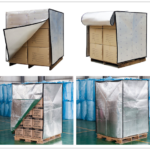
Solusi Pengemasan Rantai Dingin: Pelajari tentang pelapis kotak berinsulasi dan kemasan gel untuk kesegaran yang tahan lama.
Kotak Pendingin Rotomolded: Temukan pendingin premium dengan dinding tebal dan retensi es yang unggul.
Logistik Rantai Dingin Farmasi: Memahami praktik terbaik untuk pengangkutan dan kepatuhan vaksin.
Teknologi EPP dan VIP: Bandingkan bahan isolasi canggih untuk pendingin khusus.
Peraturan Pengemasan Berkelanjutan: Terus dapatkan informasi terkini tentang tenggat waktu PPWR dan pedoman daur ulang.
Tentang tempk
Tempk adalah inovator pengemasan rantai dingin yang berfokus pada desain yang dapat digunakan kembali, solusi isolasi berkinerja tinggi. Kita pabrik kotak es terisolasi menggabungkan rotomolding presisi, cetakan injeksi dan cetakan tiup dengan teknologi pembusaan canggih untuk menciptakan pendingin makanan yang tahan lama, obat-obatan dan rekreasi luar ruangan. Kami memprioritaskan bahan ramah lingkungan dan berkomitmen untuk memenuhi target daur ulang dan konten daur ulang PPWR UE lebih cepat dari jadwal. Tim penelitian dan pengembangan kami bekerja sama dengan klien untuk menyesuaikan kapasitas, fitur dan branding sambil memastikan kontrol kualitas yang ketat. Dengan fasilitas produksi di Asia Pasifik dan Eropa, Tempk memberikan waktu tunggu yang efisien dan harga yang kompetitif.
Siap bermitra dengan pabrik es box insulated terpercaya? Hubungi pakar kami untuk mendapatkan solusi khusus yang menyeimbangkan kinerja, keberlanjutan dan biaya. Mari kita bersama-sama membangun pendingin generasi berikutnya.