Penutup Pallet Terisolasi untuk Manajemen Rantai Pasokan: Buku Pedoman Gerbang Panggung
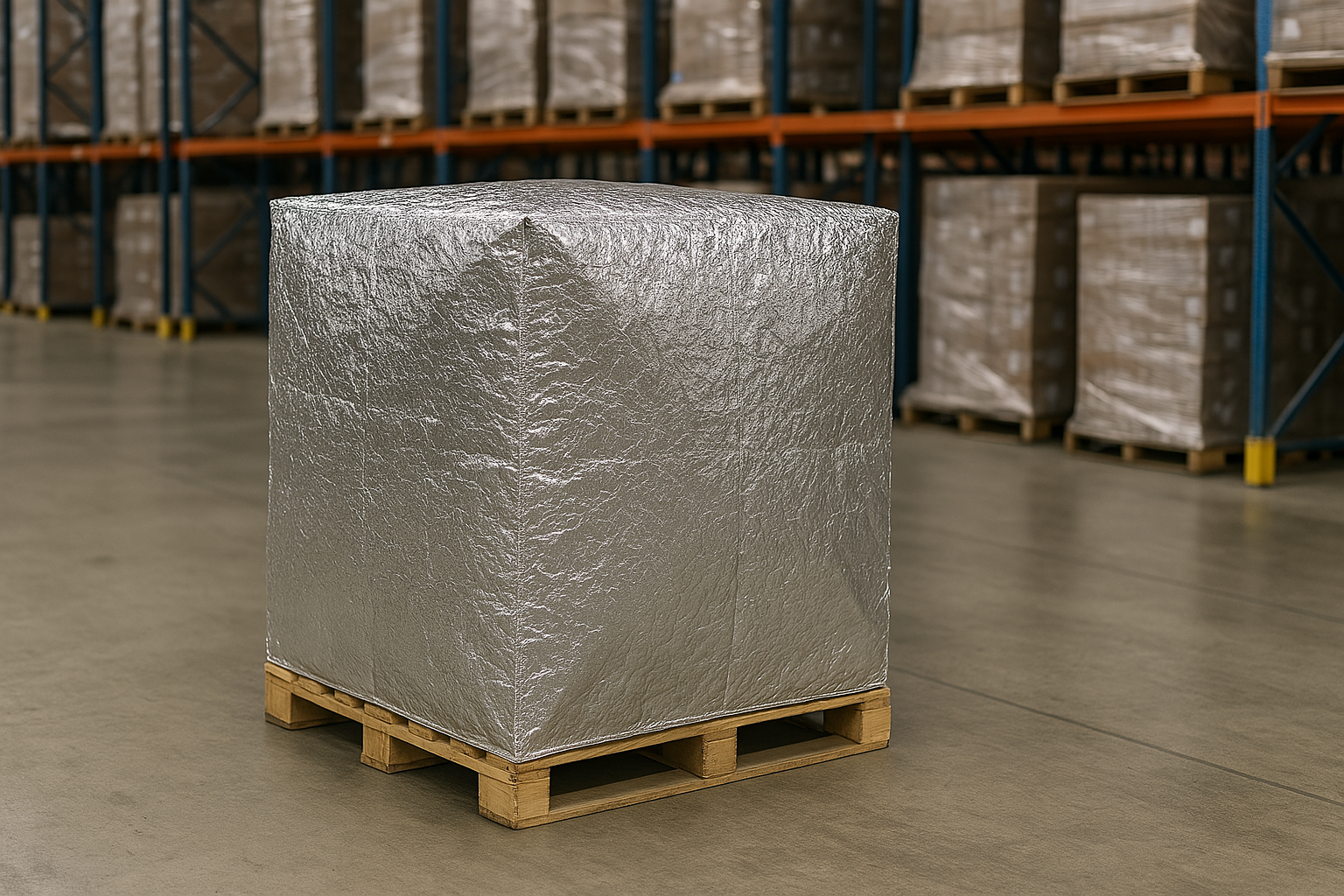
Penutup palet berinsulasi mudah dibeli dan ternyata mudah salah kelola. Bisa jadi ukurannya salah, diterapkan setelah beban sudah hangat, dibuka untuk setiap pemindaian, dibiarkan di tempat yang membutuhkan aliran udara, atau ditinggalkan di penerima barang meskipun disebut dapat digunakan kembali. Penutup palet terisolasi untuk manajemen rantai pasokan memerlukan model tata kelola serta spesifikasi material. Model yang paling efektif membuat lima keputusan menjadi eksplisit: paparan yang dikendalikan, batas termal, bukti yang diperlukan, pemilik pada setiap serah terima, dan aturan untuk perubahan. Artikel ini menyajikan metode gerbang tahapan yang menghubungkan keputusan tersebut mulai dari definisi masalah awal hingga penerapan berskala.
Gerbang Satu: Buktikan Bahwa Masalah Adalah Masalah Penutup
Mulailah dengan bukti dari operasi. Tinjau pencapaian pengiriman, dermaga diam, catatan suhu jika tersedia, investigasi penyimpangan, umpan balik operator, dan observasi dari tim gudang. Tujuannya adalah untuk mengidentifikasi kapan perlindungan produk melemah, bukan untuk membuktikan bahwa produk yang diminta diperlukan.
Penutup merupakan suatu pengendalian yang masuk akal ketika beban unitisasi yang dikondisikan dengan benar menghadapi paparan eksternal sementara dan penutup tersebut dapat diterapkan tanpa mengganggu pengendalian lainnya.. Kandidat yang umum mencakup transfer antar area yang dikontrol, gerakan luar ruangan yang pendek, akses inspeksi, cross-docking lingkungan campuran, dan menerima antrian.
Masalah lain memerlukan tindakan berbeda. Jika produk dimulai di luar kondisi yang disyaratkan, isolasi mempertahankan kondisi yang salah. Jika wadah aktif gagal, selimut tidak dapat menggantikan kapasitas pendinginannya. Jika palet menghabiskan waktu berjam-jam di dermaga karena jadwal yang tidak terkontrol, desain ulang proses mungkin menawarkan perlindungan lebih. Jika beban membutuhkan aliran udara berpendingin terus menerus, membiarkannya terbungkus bisa menjadi kontraproduktif.
Tulislah pernyataan masalah yang dapat ditantang:
“Palet yang dilepaskan pada kondisi awal yang disyaratkan mengalami paparan yang tidak terkontrol antara dua kontrol suhu yang disebutkan. Kami sedang mengevaluasi apakah penutup pasif yang dipasang dapat mengurangi paparan tersebut tanpa mengganggu penanganan, aliran udara, mengakses, atau ulasan kualitas.”
Pernyataan tersebut mencegah penyimpangan cakupan. Hal ini juga memberikan alasan yang jelas bagi pihak keuangan dan pengadaan untuk proyek tersebut.
Gerbang Dua: Rancang Batas dan Alur Kerja Bersama
Batas termal mencakup panel, jahitan, penutupan, atas, sisi, dan mungkin pangkalannya. Alur kerja mencakup orang yang memasang penutup, waktu yang tersedia, label yang harus dipindai, peralatan yang menggerakkan palet, dan peristiwa yang memicu penghapusan. Mendesain yang satu tanpa yang lain akan menciptakan kegagalan.
Pilihan batas
Tentukan panjang internal yang dapat digunakan, lebar, dan tinggi berdasarkan beban produksi aktual. Sertakan overhang, tali pengikat, papan sudut, tonjolan, dan variasi yang dapat diterima. Nyatakan apakah bagian atasnya terintegrasi, memisahkan, atau tumpang tindih. Putuskan bagaimana tepi bawah bertemu dengan palet dan apakah komponen dasar diperlukan.
Jelaskan lapisan fungsional daripada menerima nama material yang umum. Bagian luar wajah dapat memberikan ketahanan terhadap abrasi atau kelembapan dan dapat mengatur panas radiasi. Insulasi memperlambat aliran panas konduktif. Lapisan melindungi inti dan mempengaruhi gesekan dan pembersihan. Jahitan dan penutup bergabung dengan sistem tetapi dapat menjadi jalur termal atau kelembapan.
Wajah reflektif bukanlah pendinginan aktif. KITA. Pedoman Departemen Energi tentang penghalang radiasi menjelaskan bahwa permukaan reflektif mengurangi perpindahan radiasi ketika menghadap ruang udara. Di atas palet, prinsip tersebut relevan dengan sinar matahari dan lingkungan yang panas tetapi tidak menghilangkan kebocoran udara hangat atau kontak konduktif.
Pilihan alur kerja
Amati bagaimana palet bergerak sebelum memilih pintu, penutup, windows, atau penutupan. Kantong dokumen mungkin menghalangi pembukaan penuh. Penutup pemindai mungkin membantu di hub tetapi menjadi hambatan selama penanganan forklift. Penutup yang lebih tebal dapat menambah ketahanan termal namun memerlukan dua operator dan lebih banyak ruang penyimpanan.
Tentukan urutannya: melepaskan, mengidentifikasi ukuran yang benar, menerapkan, menutup, memindai, memulai paparan, menyerahkan, menghapus, memeriksa, dan disposisi. Tambahkan urutan pengecualian untuk penundaan, kerusakan, penutup yang hilang, penutup basah, dan perubahan rute. Urutan tersebut menjadi masukan desain dan kemudian menjadi alat pelatihan.
Gerbang Tiga: Buat Tangga Bukti
Tidak setiap pengiriman memerlukan kedalaman kajian yang sama. Cocokkan bukti dengan risiko produk, paparan, dampak bisnis, dan kebaruan penggunaannya. Tangga bukti mencegah pengujian yang kurang dan kompleksitas yang tidak perlu.
Langkah A: Penilaian dokumen pemasok. Tinjau deskripsi produk yang dikontrol, ukuran, bahan, penggunaan yang dimaksudkan, data pengujian yang ada, panduan pembersihan, dan batasan. Pisahkan sifat bahan mentah dari kinerja penutup jadi.
Langkah B: Penilaian kesesuaian operasional. Perwakilan uji coba dan palet yang dapat diterima dalam kasus terburuk. Amati waktu aplikasi, penutup, mengakses, ergonomi, interaksi forklift, identifikasi, pemindahan, lipat, dan penyimpanan.
Langkah C: Penilaian termal terkendali. Gunakan muatan yang representatif atau simulator yang dibenarkan, kondisi awal yang terdokumentasi, paparan lingkungan yang relevan, peralatan pengukuran yang sesuai, dan analisis yang telah ditentukan sebelumnya. Bandingkan dengan baseline yang berarti jika keputusan memerlukannya.
Langkah D: Percontohan proses. Jalankan sampul melalui asal bernama, pembawa, pusat, dan acara tujuan. Sertakan jalur pengembalian untuk produk yang dapat digunakan kembali. Tinjau eksekusi normal dan setidaknya penanganan pengecualian yang dapat dilakukan dengan aman.
Langkah E: Kualifikasi dalam sistem mutu pemilik. Jika risiko produk atau peraturan memerlukan kualifikasi formal, pemilik produk menentukan protokolnya, Kriteria penerimaan, persetujuan, dan mengubah kendali. Laporan pemasok sampul dapat mendukung namun tidak menggantikan tanggung jawab tersebut.
Bukti harus menjaga batasannya. ISTA 7E adalah uji termal standar untuk insulasi kemasan transportasi dalam sistem pengiriman paket. Hal ini tidak boleh disajikan sebagai validasi otomatis untuk penutup palet di setiap udara, laut, sepenuh truk, atau jalur gudang. Metode standar bernilai bila cakupannya sesuai dengan kegunaannya; informasi spesifik jalur mengatasi ketidakpastian yang berbeda.
Pemantauan juga terpisah. Pencatat data mencatat suhu di tempat sensornya berada. Itu tidak mengisolasi palet, dan penutup berinsulasi tidak membuat catatan suhu. Memutuskan pemantauan berdasarkan persyaratan produk dan kualitas.
Gerbang Empat: Tetapkan Kepemilikan di Setiap Antarmuka
Sampulnya melintasi garis organisasi, sementara akuntabilitas seringkali berhenti di pintu gudang. Peta tanggung jawab mencegah kendali fisik menjadi tanpa pemilik.
| Titik proses | Keputusan utama | Bukti atau catatan | Pemicu eskalasi |
|---|---|---|---|
| Rilis produk | Apakah palet berada pada status awal yang disetujui? | Rilis catatan dalam proses yang berlaku | Muatan belum siap atau status tidak jelas |
| Masalah sampul | Apakah tersedia desain dan kondisi yang benar? | Masalah aset atau stok dan inspeksi visual | Ukuran salah, basah, rusak, atau sampul yang tidak disetujui |
| Aplikasi | Apakah cakupannya lengkap dan aksesnya benar? | Acara pemeriksaan atau pemindaian operator | Penutupan tidak dapat dilakukan atau palet melebihi batas |
| Serah terima pengangkut | Apakah pihak selanjutnya menerima instruksi penggunaan? | Instruksi pengiriman atau catatan serah terima yang disepakati | Maskapai tidak dapat mempertahankan penanganan yang direncanakan |
| Penundaan atau inspeksi | Bisakah paparan yang tertutup berlanjut? | Catatan waktu dan pengecualian | Dwelling yang ditinjau atau kondisinya terlampaui |
| Menerima | Apakah informasi pengiriman cukup untuk disposisi? | Suhu, kondisi, dan tinjauan tanda terima sesuai kebutuhan | Kerusakan, data yang hilang, atau masalah penerimaan lainnya |
| Penutup kembali | Apakah aset dicatat dan dipisahkan berdasarkan status? | Kembalikan status pemindaian dan pemeriksaan | Hilang, terkontaminasi, basah, atau barang yang tidak dapat diperbaiki |
Tabel ini tidak memaksakan satu model peraturan. Hal ini membuat keputusan terlihat sehingga setiap organisasi dapat menempatkannya dalam kontraknya sendiri, instruksi kerja, perjanjian kualitas, atau tingkat layanan. Tanggung jawab harus dikonfirmasikan dengan penyedia logistik pihak ketiga sebelum peluncuran, terutama di mana mereka akan buka, menghapus, toko, atau mengembalikan penutup.
Rantai pasokan makanan dan obat-obatan mungkin mempunyai kewajiban tambahan. Dalam ruang lingkupnya, aturan Transportasi Sanitasi FDA mengatur kendaraan, operasi transportasi, pelatihan, catatan, dan risiko seperti pendinginan yang tidak memadai dan kontaminasi. Praktik distribusi yang baik di Eropa menangani pengendalian distribusi produk obat di yurisdiksi mereka. Sampul dapat mendukung proses yang disetujui, namun “pertanggungan yang sesuai” terlalu luas kecuali klaim yang tepat dan persyaratan yang berlaku telah ditentukan.
Alat pengambilan keputusan yang berguna
Periksa detailnya sebelum Anda memilih kemasan
Alat cepat ini dapat membantu Anda membandingkan risiko rute, kebutuhan ukuran, pilihan pendingin, dan detail kemasan sebelum Anda meminta penawaran.
Pendingin & Referensi PCM
Bandingkan opsi cairan pendingin dan PCM ketika suatu rute memerlukan dukungan suhu tambahan.
Bandingkan pilihanPembuat Daftar Periksa Kepatuhan
Buatlah daftar periksa praktis untuk tinjauan kemasan, pengiriman, dan dokumentasi.
Buat daftar periksaPelapis Kotak & Ukuran Penutup Palet
Centang kotak logika ukuran penutup palet dan liner untuk proyek pengemasan berinsulasi.
Perkiraan ukuranGerbang Lima: Ubah Sampel yang Disetujui Menjadi Persediaan Terkendali
Persetujuan sampel harus menciptakan dasar produksi. Simpan gambar atau spesifikasi yang mencakup konstruksi lapisan fungsional, dimensi dan toleransi yang dapat digunakan, jahitan, penutupan, tumpang tindih, fitur akses, pelabelan, berat jika relevan, dan pengemasan untuk pengiriman. Simpan sampel yang disetujui jika memungkinkan.
Tentukan cek masuk menurut risikonya. Visual, dimensi, dan inspeksi fungsional dapat mengkonfirmasi identitas, ukuran, penutup, kondisi jahitan, cacat permukaan, label, dan cocok. Pengujian yang lebih ekstensif dapat dipicu oleh perubahan atau tinjauan berkala. Inspeksi harus mendeteksi perbedaan yang berarti daripada menghasilkan dokumen tanpa keputusan.
Kontrol perubahan pemasok memerlukan ambang batas yang ditentukan. Mengganti film luar, isolasi, benang, mengikat, perekat, penutup, atau metode pembuatan dapat mempengaruhi perilaku termal, kekakuan, pembersihan, bugar, atau daya tahan. Mewajibkan pemberitahuan untuk perubahan yang berpotensi berarti dan memutuskan apakah responsnya berupa peninjauan dokumen, persetujuan sampel, uji coba yang cocok, atau evaluasi ulang termal.
Konsistensi produksi juga mencakup pelabelan. Penutup yang dapat digunakan kembali memerlukan pengenal yang tahan lama dan revisi desain yang tetap dapat dibaca selama pembersihan dan penanganan yang dimaksudkan. Penutup satu arah memerlukan ukuran dan orientasi yang jelas agar dapat diterapkan dengan benar. Hindari mencetak klaim kinerja atau kepatuhan yang tidak didukung pada produk.
Mengoperasikan Cover Pool yang Dapat Digunakan Kembali
Kumpulan penutup yang dapat digunakan kembali adalah sistem aset kecil yang dapat dikembalikan. Itu membutuhkan aturan inventaris, kontrol status, logistik terbalik, kapasitas pembersihan, batas perbaikan, dan akuntabilitas kerugian.
Ciptakan area fisik yang berbeda untuk stok bersih yang tersedia, mengembalikan stok yang belum diperiksa, barang basah, calon perbaikan, dan sampul pensiunan. Status digital harus mencerminkan area tersebut. Sampul tidak boleh tersedia hanya karena dipindai di gudang; itu menjadi tersedia setelah pemeriksaan yang diperlukan, pembersihan, dan pengeringan.
Identifikasi penutup permanen harus terpisah dari identitas pengiriman palet. Standar GS1 mendukung pengidentifikasian unit logistik seperti palet; sampul yang dapat digunakan kembali dapat memiliki kode asetnya sendiri yang terkait sementara dengan kiriman. Hal ini memungkinkan satu penutup melayani banyak palet tanpa mengganggu kemampuan penelusuran produk.
Rencanakan inventarisasi menggunakan waktu siklus yang diamati, bukan hanya durasi perjalanan. Pertanggungan mungkin menghabiskan waktu menunggu di tempat asal, dalam perjalanan, di tempat tujuan, sebagai transportasi pulang pergi, dalam pembersihan, dan dalam penyimpanan. Tambahkan buffer realistis untuk volume dan ketidakseimbangan musiman. Jika rute tidak dapat memulihkan aset dengan andal, pertimbangkan kembali formatnya sebelum membeli armada besar yang dapat digunakan kembali.
Kriteria perbaikan dan penghentian harus terlihat. Jahitan terbuka, penutupan yang gagal, isolasi basah, delaminasi, kontaminasi yang tidak dapat dihilangkan, kesesuaian yang terdistorsi, dan patch yang tidak disetujui dapat menimbulkan risiko. Pemasok mungkin dapat merekomendasikan metode perbaikan yang kompatibel untuk kerusakan terbatas. Jangan berasumsi jumlah penggunaan kembali yang tetap kecuali bukti mencakup kondisi pembersihan dan penanganan yang sebenarnya.
Mengukur Biaya dan Keberlanjutan Tanpa Jalan Pintas
Harga satuan hanya menjawab satu bagian dari kasus bisnis. Untuk penutup satu arah, mempertimbangkan pengadaan, penyimpanan, tenaga kerja aplikasi, penanganan tujuan, dan disposisi material. Untuk sistem yang dapat digunakan kembali, menambahkan identifikasi, transportasi kembali, penyortiran, pembersihan, pengeringan, memperbaiki, kehilangan aset, inventaris kerja, dan manajemen.
Gunakan skenario, bukan perkiraan optimis tunggal. Rute tertutup dengan backhaul yang andal dapat mendukung utilisasi aset yang tinggi. Jaringan internasional yang terfragmentasi mungkin tidak bisa melakukan hal tersebut. Data percontohan harus menggantikan asumsi mengenai kerugian, waktu siklus, dan tenaga kerja segera setelah tersedia.
Evaluasi lingkungan memerlukan disiplin yang sama. Pendekatan pengelolaan material berkelanjutan EPA mempertimbangkan penggunaan material yang produktif sepanjang siklus hidup. Penggunaan kembali dapat mengurangi produksi berulang, tetapi juga menciptakan aktivitas pengembalian dan pembersihan. Perbandingan yang kredibel mendefinisikan unit fungsional, batas sistem, belokan yang diharapkan, kehilangan, dan pengobatan di akhir kehidupan. Keahlian siklus hidup khusus mungkin cocok untuk klaim publik.
Peraturan Pengemasan dan Limbah Pengemasan Uni Eropa umumnya mulai berlaku sejak 12 Agustus 2026 dan membahas desain kemasan, komposisi, Daur ulang, penggunaan kembali, dan pencegahan sampah melalui ketentuan dengan cakupan dan jadwal yang berbeda-beda. Perusahaan yang beroperasi di UE harus meninjau panduan resmi terkini dan mendapatkan nasihat hukum atau peraturan untuk peran spesifik dan format pertanggungan mereka. Spesifikasi pengadaan harus mampu berkembang seiring dengan berkembangnya rincian implementasi.
Pengoperasian Penutup Pallet Terisolasi untuk Manajemen Rantai Pasokan dalam Skala Besar
Setelah penerapan, mengukur apa yang dapat diamati oleh program secara bertanggung jawab. Indikator operasional yang berguna mungkin mencakup penerapan yang benar, aset yang hilang, jenis kerusakan, penyelesaian pembersihan, pemilihan ukuran yang salah, pembukaan yang tidak direncanakan, serah terima tertunda, dan respons pengecualian. Tinjauan suhu-peristiwa dapat berkontribusi, namun harus menghormati prosedur pengukuran dan disposisi produk.
Carilah pola. Robekan sudut yang berulang dapat mengindikasikan masalah desain atau palet yang menggantung. Kerugian yang tinggi pada salah satu penerima barang dapat mengindikasikan ketidakjelasan kepemilikan. Antrian pembersihan yang panjang dapat menunjukkan kapasitas pengeringan yang tidak mencukupi. Akses label yang sering dapat membenarkan desain ulang penutup. Temuan ini memperbaiki sistem tanpa memerlukan klaim termal yang berlebihan.
Adakan tinjauan perubahan pada produk, palet, rute, lokasi, pembawa, kendaraan, paparan, peraturan, bahan penutup, atau proses pembersihan berubah secara material. Putuskan apakah bukti asli masih berlaku. Perubahan administratif kecil mungkin tidak memerlukan tes; muatan atau iklim baru mungkin memerlukan lebih banyak.
Dokumentasikan penghentian desain lama ketika terjadi revisi. Versi yang berbeda-beda dapat membingungkan pekerja dan membuat bukti sulit untuk ditafsirkan. Tanda revisi besar yang terlihat dan tanggal peluncuran yang terkontrol dapat membantu.
Pertanyaan yang sering diajukan
Siapa yang harus memiliki program penutup palet berinsulasi?
Kepemilikan biasanya dibagi, tetapi satu fungsi harus berkoordinasi. Logistik mungkin memiliki alur kerja, rekayasa pengemasan desain, kualitas persyaratan produk dan bukti, pengadaan pemasok, dan pelaksanaan operasi gudang. Tim keuangan dan keberlanjutan dapat meninjau klaim biaya dan siklus hidup. Tentukan hak pengambilan keputusan daripada berasumsi bahwa kolaborasi akan terjadi secara otomatis.
Apa perbedaan antara pilot penutup termal dan kualifikasinya?
Seorang pilot menguji penggunaan praktis pada rute atau volume terbatas. Itu bisa menunjukkan kecocokan, penyerahan, pelacakan, dan mengembalikan masalah. Kualifikasi direncanakan, demonstrasi terdokumentasi terhadap persyaratan yang telah ditentukan berdasarkan sistem mutu yang relevan. Seorang pilot dapat memberikan bukti kualifikasi, namun istilah-istilah tersebut tidak dapat dipertukarkan dan ruang lingkupnya bergantung pada produk dan organisasi.
Bisakah penutup palet memperbaiki perubahan suhu?
TIDAK. Penutup pasif memperlambat perpindahan panas; itu tidak secara aktif mendinginkan atau memanaskan produk kembali ke kondisinya. Jika dicurigai ada tamasya, mengikuti disposisi produk dan proses kualitas yang telah ditetapkan. Jangan menutupi palet dan menganggap kejadiannya telah terbalik.
Bagaimana seharusnya penyedia logistik pihak ketiga dilatih?
Berikan tujuan penggunaan, ukuran dan orientasi yang benar, langkah penerapan dan penutupan, akses pemindaian, titik penghapusan, penundaan eskalasi, penanganan kerusakan, dan proses pengembalian. Gunakan gambar dan demonstrasi praktis. Konfirmasikan tanggung jawab dalam dokumen operasional atau perjanjian yang sesuai dengan hubungan tersebut, lalu amati eksekusi awal.
Kapan desain sampul harus dikualifikasi ulang atau diuji ulang?
Pertimbangkan peninjauan setelah perubahan berarti pada lapisan, jahitan, penutupan, ukuran, muatan, pola palet, rute, paparan lingkungan, kendaraan, durasi penggunaan, pembersihan, atau kriteria penerimaan. Tim mutu harus memutuskan tingkat evaluasi ulang berdasarkan risiko. Tidak setiap perubahan membutuhkan kajian menyeluruh, namun tidak ada perubahan berarti yang boleh diabaikan.
Kesimpulan
Mengelola penutup palet adalah serangkaian gerbang: konfirmasi masalahnya, merancang batas termal dengan alur kerja, membangun bukti yang proporsional, menetapkan kepemilikan antarmuka, dan mengendalikan produksi. Program yang dapat digunakan kembali menambah status aset, logistik terbalik, pembersihan, dan pensiun. Biaya dan keberlanjutan memerlukan batasan sistem, bukan label. Ketika elemen-elemen ini terhubung, penutup pasif dapat menjadi kontrol yang dapat diandalkan untuk paparan tertentu tanpa disalahartikan sebagai pendinginan, pemantauan, atau kepatuhan universal.
Tentang tempk
Tempk adalah B2B kemasan rantai dingin penyedia yang menawarkan palet berinsulasi dan penutup termal dan terkait Kemasan yang dikendalikan suhu opsi. Kami dapat membantu mengubah masalah proses menjadi ringkasan produk yang terfokus dengan meninjau geometri palet, cakupan yang dimaksudkan, penutupan, akses label, penanganan, dan menggunakan kembali niat. Tempk tidak menentukan kriteria penerimaan produk atau kewajiban peraturan pelanggan. Hal tersebut tetap berada dalam sistem kualitas dan logistik pemilik rute, didukung oleh bukti yang sesuai dan penggunaan yang terdokumentasi.
Kirimkan Tempk pernyataan masalahnya, gambar palet, paparan, dan serah terima peta untuk jalur yang Anda tuju. Masukan tersebut mendukung diskusi sampel dan pemasok yang lebih relevan sebelum penerapan penuh.