Tas Tote Terisolasi: Cara Memilih 2025?
Terakhir diperbarui: Desember 12, 2025
Jika Anda membawa bahan makanan, kit makan, atau bawa pulang, tas jinjing terisolasi membantu Anda menjaga makanan lebih aman dan enak selama penundaan di kehidupan nyata. Keamanan pangan penting karena bakteri tumbuh paling cepat di dalam makanan “Zona Bahaya” (40° F --140 ° F.), dan pedoman masyarakat umum memperingatkan agar tidak meninggalkan barang-barang yang mudah rusak 2 jam (atau 1 jam di atas 90°F).
Panduan ini menunjukkan kepada Anda cara memilih tas jinjing terisolasi yang sesuai dengan rutinitas Anda, bukan hanya estetika Anda.
Apa yang akan Anda pelajari dalam panduan ini:
-
Bagaimana tas jinjing terisolasi benar-benar berfungsi (dan apa yang tidak bisa mereka lakukan)
-
Berapa lama tas jinjing berinsulasi menjaga makanan tetap dingin menggunakan aturan waktu dan suhu yang sederhana. Detail pembuatan terbaik untuk tas jinjing terisolasi untuk pengiriman makanan dan toko kelontong
-
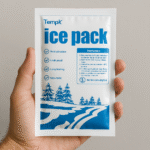
Cara mengemas tas jinjing berinsulasi dengan kantong es jadi dingin bertahan lebih lama
-
Cara membersihkan tote bag berinsulasi tanpa bau atau kontaminasi silang
-
2025 tren: menggunakan kembali tekanan, pemeriksaan materi, dan ekspektasi dokumentasi Lingkungan+2Sendok+2
Apa sebenarnya fungsi tas jinjing berinsulasi??
Jawaban Langsung: Tas jinjing berinsulasi memperlambat perpindahan panas, memberi Anda waktu saat antrean pembayaran, lalu lintas, atau elevator mencuri menit. Bahan-bahan tersebut tidak menimbulkan rasa dingin dengan sendirinya—anggap saja seperti jaket untuk makanan Anda.
Penjelasan yang diperluas:
Saat Anda memindahkan makanan dingin melalui udara hangat, panas mencoba menyerbu masuk dari segala arah. Tas jinjing terisolasi memperlambat kesibukan itu dengan memerangkap udara (isolasi) dan membatasi aliran udara (penutup). “Waktu penyangga” tersebut membantu Anda mencapai lemari es atau pelanggan lebih cepat dengan perubahan suhu yang lebih sedikit.
Bagaimana tas jinjing berinsulasi menghalangi panas
| Bagian pengontrol panas | Apa fungsinya | Apa artinya bagimu |
|---|---|---|
| Lapisan isolasi (busa/udara) | Memperlambat aliran panas | Dingin tetap dingin lebih lama |
| Liner reflektif (opsional) | Mengurangi perolehan panas radiasi | Membantu di bawah sinar matahari dan mobil panas |
| Penutupan ketat (zip/penutup) | Membatasi pertukaran udara hangat | Lebih sedikit “pembuangan panas” di setiap pembukaan |
| Jahitan + struktur | Mencegah kebocoran + kesenjangan | Lebih sedikit kekacauan, suhu yang lebih stabil |
Kiat Praktis yang Dapat Anda Gunakan Hari Ini
-
Jika tas Anda terkulai dan gappy: mengharapkan pemanasan yang lebih cepat. Pilih lebih banyak struktur.
-
Jika Anda membuka tas berulang kali: suhu berayun lebih cepat. Buka sekali, tutup dengan cepat.
-
Jika perjalanan Anda tidak dapat diprediksi: perlakukan tas jinjing berinsulasi seperti pendingin mini—gunakan sumber dingin.
Kasus dunia nyata: Jika produk susu Anda tiba dalam keadaan “berkeringat” setelah melakukan tugas, masalahnya biasanya celah udara + ulangi bukaan, bukan hanya “isolasi tipis”.
Berapa lama tas jinjing berinsulasi menjaga makanan tetap dingin dengan aman?
Jawaban Langsung: Tidak ada satu angka “jam” yang sempurna. Keamanan tergantung pada suhu awal, cuaca, dan sumber dingin. Apa kamu Bisa yang diandalkan adalah kerangka kesehatan masyarakat: jauhkan makanan darinya 40°F–140°F zona bahaya, dan batasi waktu tanpa didinginkan 2 jam (atau 1 jam di atas 90°F).
Penjelasan yang diperluas:
Pikirkan dalam “waktu penyangga,” bukan “isolasi ajaib”. Tas jinjing terisolasi membeli waktu, tapi waktu tetap menang jika kamu menunda terlalu lama. Mobil panas dapat menghapus buffer Anda dengan cepat. Tujuan Anda sederhana: mulai dingin, Kemas erat, tutup dengan baik, dan memperpendek rutenya.
Tabel keamanan sederhana yang dapat Anda ikuti
| Situasi Anda | Sasaran terbaik | Kesalahan terbesar | Bergerak lebih baik |
|---|---|---|---|
| Perjalanan singkat pulang | Tetap dingin; bergerak cepat | Meninggalkan tas di dalam mobil | Segera bawa tas ke dalam |
| Beberapa perhentian | Kurangi waktu + tambahkan sumber dingin | Membuka tas di setiap pemberhentian | Kemas sekali; buka hanya di rumah |
| Hari yang panas (>90° f) | Gunakan pola pikir aturan 1 jam | Penyimpanan bagasi di bawah sinar matahari | Simpan tas di tempat teduh di dalam kabin |
| Rute pengiriman | Konsistensi + lebih sedikit bukaan | Mencampur panas dan dingin | Gunakan dua tas jinjing berinsulasi |
Kiat Praktis yang Dapat Anda Gunakan Hari Ini
-
Belanja dingin/beku terakhir. Ini meningkatkan buffer suhu awal Anda.
-
Hindari bagasi saat cuaca hangat. Peneduh kabin membantu lebih dari yang Anda kira.
-
Jika Anda sering mengantarkan makanan: pertimbangkan rutinitas termometer kecil untuk rute terpanjang Anda.
Pemeriksaan realitas: Strategi yang paling aman bukanlah “klaim yang lebih baik.” Dia rutinitas yang lebih baik selaras dengan panduan waktu dan suhu.
Tas jinjing berinsulasi mana yang terbaik untuk belanja bahan makanan vs pengiriman?
Jawaban Langsung: Terbaik tas jinjing terisolasi sesuaikan dengan bentuk muatan Anda, panjang perjalanan, dan gaya penanganan. Toko kelontong membutuhkan akses dan kenyamanan yang luas. Pengiriman perlu buka/tutup cepat, daya tahan, dan pengendalian tumpahan.
Penjelasan yang diperluas:
Kebanyakan orang membeli terlalu besar (udara ekstra hangat) atau terlalu tipis (kesenjangan + makanan yang hancur). Pilih untuk “beban sebenarnya,” bukan “pengumpulan besar sebulan sekali”.
Tabel perbandingan kasus penggunaan
| Gunakan kasing | Bentuk tas terbaik | Kapasitas tipikal | Apa artinya bagimu |
|---|---|---|---|
| Belanjaan mingguan | Basis lebar, tersusun | 25–40L | Pengepakan lebih cepat, lebih sedikit barang yang hancur |
| Kit makan | Persegi panjang berbentuk kotak | 20-30L | Lebih cocok untuk paket dingin + benda datar |
| Mengemudi pengiriman | Tinggi + ritsleting atas | 30–50L | Lebih sedikit kehilangan panas karena seringnya penanganan |
| Makan siang kantor | Vertikal ramping | 10–18L | Membawa ringan, cukup untuk 1-2 kali makan |
Kiat Praktis yang Dapat Anda Gunakan Hari Ini
-
Jika Anda membawa botol: pilih tas jinjing berinsulasi yang lebih tinggi dengan alas yang stabil.
-
Jika Anda membawa telur/kue: pilih tas jinjing berinsulasi lebih lebar dengan struktur.
-
Jika Anda mengirimkan cairan: memprioritaskan liner + jahitan sebelum “ketebalan ekstra.”
Kasus dunia nyata: Banyak keluhan “kebocoran” datang dari celah jahitan, bukan dari bahan liner.
Bahan dan detail pembuatan apa yang membuat tas jinjing berinsulasi bekerja lebih baik?
Jawaban Langsung: Kinerja berasal dari suatu sistem: kerang + isolasi + liner + jahitan + penutup. Jika salah satu bagiannya lemah, seluruh tas berkinerja buruk.
Penjelasan yang diperluas:
Lapisan yang mengkilap dapat membantu mengatasi panas yang terpancar, tapi itu tidak bisa menggantikan ketebalan insulasi atau penutupan yang rapat. Untuk penggunaan sehari-hari, Kata “mudah dibersihkan” sering kali sama pentingnya dengan “tahan dingin”.
Daftar periksa materi (bahasa Inggris biasa)
-
Kulit luar: pilih ketahanan abrasi jika Anda membawa beban berat.
-
Inti isolasi: lebih tebal, dinding yang konsisten biasanya memiliki suhu yang lebih stabil.
-
Lapisan dalam: halus dan dapat dilap mengurangi bau dan waktu pembersihan.
-
Jahitan: jahitan yang diperkuat atau disegel mengurangi kebocoran dan pertukaran panas.
-
Penutup: ritsleting biasanya mengalahkan atasan terbuka untuk menjaga suhu.
| Fitur bangun | Apa yang harus dicari | Tes sederhana | Apa artinya bagimu |
|---|---|---|---|
| Kekuatan ritsleting | Gigi tebal + jalur mulus | Buka/tutup 30 kali | Lebih sedikit kegagalan pada minggu-minggu sibuk |
| Kemampuan untuk menghapus liner | Mulus, non-penyerap | Lap saus dengan tisu | Pembersihan lebih cepat, kurang berbau |
| Struktur dasar | Sisipan kaku atau panel kokoh | Berdirilah dalam keadaan kosong | Lebih sedikit tip dan penghancuran |
| Menangani | Jahitan yang diperkuat | Bawalah botol yang berat | Lebih sedikit risiko kerusakan |
Kiat Praktis yang Dapat Anda Gunakan Hari Ini
-
Jika Anda ingin penggunaan sehari-hari: pilih “lap bersih” daripada “kain cantik”.
-
Jika Anda ingin penggantian lebih sedikit: utamakan jahitan pegangan dan panel dasar.
-
Jika Anda membawa protein mentah: pengendalian kebocoran adalah kebiasaan keselamatan, bukan sebuah kemewahan.
Cara mengemas totebag insulasi dengan ice pack agar dinginnya tahan lebih lama?
Jawaban Langsung: Mengemas ketat, mengurangi celah udara, dan tempatkan sumber dingin atas dan bawah mudah rusak. Tutup tasnya sampai Anda membongkarnya.
Penjelasan yang diperluas:
Celah udara berperilaku seperti jalan raya kecil yang panas. Kapan tas jinjing terisolasi setengah kosong, udara hangat bersirkulasi di dalam lebih cepat. Paket yang lebih ketat menjaga suhu lebih stabil.
Rencana pengepakan “Dua Sumber Dingin”.
| Pola perjalanan | Rencana sumber dingin | Pengaturan tas | Apa artinya bagimu |
|---|---|---|---|
| Perjalanan langsung pulang | 1–2 sumber dingin | Tas penuh, zip | Buffer yang cukup untuk sebagian besar pembeli |
| Beberapa perhentian | 2+ Sumber Dingin | Minimalkan pembukaan | Perlindungan yang lebih baik untuk produk susu/daging |
| Cuaca panas | 2+ Sumber Dingin + naungan | Simpan di kabin | Buffer Anda menyusut lebih cepat karena panas |
Pengemasan langkah demi langkah (Salin ini)
-
Dinginkan tas terlebih dahulu selama 10–15 menit jika Anda bisa.
-
Meletakkan satu sumber dingin di bagian bawah (kemasan datar atau botol beku).
-
Menambahkan barang mudah rusak di tengahnya (susu, daging, hidangan laut).
-
Meletakkan satu sumber dingin di atas (pendinginan dari atas ke bawah membantu).
-
Isi kekosongan dengan barang ramah dingin (sayuran beku bekerja dengan baik).
-
Tutup rapat dan terbuka hanya ketika Anda membongkar.
Kiat Praktis yang Dapat Anda Gunakan Hari Ini
-
Gunakan kemasan datar di samping untuk tugas yang lebih lama.
-
Pisahkan panas dan dingin menjadi dua tas jinjing berinsulasi untuk menghentikan “pertarungan suhu”.
-
Jangan mengisi ritsleting secara berlebihan. Penutupan yang rusak merusak kinerja.
Kasus dunia nyata: Satu aturan sederhana—“buka sekali, membongkar dengan cepat”—sering kali mengurangi keluhan susu hangat lebih dari membeli tas baru.
Bagaimana cara membersihkan tas jinjing berinsulasi tanpa bau atau kontaminasi silang?
Jawaban Langsung: Membersihkan cepat, secara konsisten, dan keringkan sepenuhnya. Bau biasanya berasal dari tumpahan kecil yang tetap lembap. Panduan masyarakat umumnya merekomendasikan mencuci tas yang dapat digunakan kembali setelah digunakan dan menyeka tas terisolasi dengan larutan desinfektan, terutama di sepanjang jahitan.
Penjelasan yang diperluas:
Perlakukan tas Anda seperti talenan: pembersihan cepat mengalahkan pembersihan mendalam sesekali. Jika daging mentah atau makanan laut menyentuh bagian dalamnya, lakukan disinfeksi dan keringkan pada hari yang sama. Hal ini mendukung kebiasaan penanganan yang lebih aman di sekitar panduan zona bahaya.
Jadwal pembersihan yang terasa realistis
| Apa yang kamu bawa | Tingkat pembersihan | Kapan melakukannya | Apa artinya bagimu |
|---|---|---|---|
| Item dapur yang dikemas | Lap ringan | Mingguan | Mencegah penumpukan kotoran |
| Menghasilkan + susu | Menghapus + sabun lembut | Setelah setiap perjalanan | Lebih sedikit residu, lebih sedikit bau |
| Daging mentah/makanan laut | Membasmi kuman + kering penuh | Hari yang sama | Menurunkan risiko kontaminasi silang |
| Tumpahan saus | Segera bersihkan secara mendalam | Langsung | Hindari noda + bau yang tertinggal |
Kiat Praktis yang Dapat Anda Gunakan Hari Ini
-
Bersihkan terlebih dahulu, lalu keringkan. Kelembapan yang tersisa di dalam adalah bahan bakar bau.
-
Keringkan sepenuhnya dengan kantong terbuka. Kantong lembab yang tertutup cepat berbau.
-
Perhatikan jahitannya. Jahitan lebih banyak menahan residu dibandingkan panel datar.
Kasus dunia nyata: “Bau misteri” biasanya hilang ketika Anda menambahkan satu aturan: tidak ada penyimpanan sampai benar-benar kering.
Apakah tas jinjing berinsulasi memerlukan dokumen kepatuhan kontak makanan UE?
Jawaban Langsung: Jika bahan bagian dalam dimaksudkan untuk itu menghubungi makanan secara langsung, Aturan kontak pangan UE penting. Kerangka kerja UE mengharuskan bahan yang bersentuhan dengan makanan tidak boleh melepaskan konstituen ke dalam makanan pada tingkat yang berbahaya atau mengubah rasa/bau makanan secara tidak wajar.. Keamanan Pangan+1
Penjelasan yang diperluas:
Sebagian besar penggunaan bahan makanan melibatkan makanan kemasan, yang menurunkan risiko kontak langsung. Namun jika operasi Anda menggunakan pelapis yang mungkin menyentuh makanan yang tidak dibungkus, ekspektasi kepatuhan meningkat. Untuk plastik yang ditujukan untuk kontak dengan makanan, Peraturan UE mencakup langkah-langkah spesifik dan ekspektasi dokumentasi (seperti Deklarasi Kepatuhan untuk plastik tertentu). EUR-Lex+1
Praktik manufaktur yang baik di UE (GMP) aturan juga berlaku untuk bahan yang dimaksudkan untuk kontak dengan makanan.
Apa yang harus diminta (sederhana dan praktis)
| Kasus penggunaan Anda | Tingkat risiko | Apa yang harus diminta dari pemasok | Apa artinya bagimu |
|---|---|---|---|
| Makanan kemasan saja | Lebih rendah | Bahan + panduan pembersihan | Fokus pada kebersihan + daya tahan |
| Liner mungkin menyentuh makanan yang belum dibungkus | Lebih tinggi | Pernyataan kontak makanan; DoC jika menggunakan plastik | Kepercayaan pembeli yang lebih kuat |
| Operasi makanan B2B | Paling tinggi | Dokter + dokumen pendukung + Penyelarasan GMP EUR-Lex+1 | Kesiapan audit yang lebih baik |
Kiat Praktis yang Dapat Anda Gunakan Hari Ini
-
Putuskan dulu: Akankah makanan menyentuh liner secara langsung?
-
Jika ya: meminta dokumentasi kontak makanan dan kontrol proses.
-
Jika tidak: tetap menegakkan SOP kebersihan, karena tumpahan menyebabkan kontaminasi silang.
Alat pengambilan keputusan 60 detik: tas jinjing berinsulasi mana yang cocok untuk Anda?
Jawab dengan cepat (tidak ada pemikiran berlebihan). Berikan dirimu sendiri 1 titik untuk setiap “Ya.”
-
Apakah Anda mengharapkan perjalanan lebih lama dari 45 menit setidaknya setiap minggu?
-
Apakah kamu membawa susu/daging/makanan laut sebagian besar perjalanan?
-
Apakah Anda berbelanja atau mengantarkan cuaca panas sering?
-
Apakah kamu membawa sup/saus atau barang yang rawan tumpah?
-
Akankah banyak orang menggunakan tas yang sama (risiko kekacauan yang lebih tinggi)?
-
Apakah Anda membutuhkan tas untuk bertahan hidup penanganan sehari-hari (pekerjaan pengiriman)?
pasanganmu
-
0–1 poin: Tas jinjing berinsulasi dasar dengan ritsleting + 1 sumber dingin
-
2–3 poin: Tas jinjing berinsulasi tingkat menengah dengan dinding lebih tebal + dasar yang kaku + ruang untuk 2 Sumber Dingin
-
4–6 poin: Tas jinjing berinsulasi tugas berat (ritsleting yang kuat, jahitan tersegel, liner lap-bersih) + aturan “dua sumber dingin”.
“Daftar periksa kewarasan pembeli” Anda
-
Apakah itu memperkatupkan (ritsleting atau penutup ketat)?
-
Apakah itu berdiri dan menjaga makanan tetap stabil?
-
Apakah linernya mudah untuk dihapus dan cepat kering?
-
Apakah jahitannya diperkuat dimana beban menarik paling keras?
2025 tren tas jinjing berinsulasi dan apa artinya bagi Anda
Tinjauan Tren: Di dalam 2025, tas jinjing berinsulasi dipengaruhi oleh dua kekuatan kuat: menggunakan kembali tekanan Dan pemeriksaan materi. Peraturan Pengemasan dan Limbah Pengemasan UE mulai berlaku pada 11 Februari 2025, dengan tanggal aplikasi umum 18 beberapa bulan kemudian, mendorong keputusan pengemasan yang lebih berorientasi pada penggunaan kembali.
Cuplikan kemajuan terbaru (2025)
-
Lebih banyak program penggunaan kembali: Pengecer dan merek mendorong barang-barang yang dapat digunakan kembali dan tahan lama seiring dengan semakin ketatnya peraturan mengenai limbah. Lingkungan
-
Lebih lanjut “apa yang ada di lapisannya?” pertanyaan: Pengawasan PFAS berlanjut baik di UE maupun sebagian AS.
-
Lebih banyak dokumentasi mengenai plastik yang bersentuhan dengan makanan dan plastik daur ulang: Amandemen UE terus berkembang untuk plastik yang ditujukan untuk kontak dengan makanan.
Wawasan pasar (bahasa Inggris biasa):
Pelanggan mempercayai apa yang terlihat bersih dan berbau netral. Jika tas jinjing berinsulasi Anda tiba dalam keadaan bernoda atau lembap, kepercayaan turun dengan cepat. Kebersihan sedang di-branding sekarang, bukan hanya keselamatan.
Pertanyaan yang sering diajukan
Q1: Berapa lama tas jinjing berinsulasi menjaga makanan tetap dingin?
Itu tergantung pada suhu awal, cuaca, dan paket dingin. Gunakan tas jinjing berinsulasi untuk mengulur waktu, tapi ikuti aturan 2 jam (1 jam di atas 90°F) untuk barang yang mudah rusak.
Q2: Apakah tas jinjing berinsulasi berfungsi tanpa kompres es?
Ya untuk perjalanan singkat, tapi kompres es memperpanjang penyangga Anda. Untuk keperluan dan pemberhentian, sumber dingin mengurangi dugaan.
Q3: Bagaimana cara memasukkan kantong es ke dalam tas jinjing berinsulasi?
Gunakan pendekatan atas dan bawah: satu sumber dingin di bawah bahan yang mudah rusak dan satu lagi di atas. Jaga agar tas tetap tertutup rapat karena mengetahui celah udara lebih cepat hangat.
Q4: Bagaimana cara membersihkan tas jinjing berinsulasi tanpa bau?
Lap setelah digunakan, disinfeksi ketika makanan mentah dibawa, dan keringkan sepenuhnya sebelum disimpan. Menyeka tas berinsulasi dengan larutan disinfektan biasanya disarankan.
Q5: Bisakah tas jinjing berinsulasi juga menjaga makanan panas tetap aman?
Mereka memperlambat kehilangan panas, tapi mereka tidak menambah panas. Jaga agar makanan panas tetap panas, batasi waktu suam-suam kuku, dan jangan mencampur panas dan dingin dalam satu kantong.
Q6: Apakah tas jinjing berinsulasi memerlukan dokumen kontak makanan UE?
Jika liner ditujukan untuk menghubungi makanan secara langsung, Peraturan kerangka UE berlaku dan plastik mungkin memerlukan dokumentasi (seperti DoC), didukung oleh ekspektasi GMP.
Ringkasan dan Rekomendasi
Tas jinjing terisolasi membantu Anda melindungi kualitas makanan dengan memperlambat perubahan suhu selama pengangkutan sehari-hari. Anda mendapatkan hasil terbaik saat Anda mulai kedinginan, Kemas erat, tutup dengan baik, dan menjaga perjalanan tetap singkat—terutama karena panduan publik memperingatkan terhadap perpanjangan waktu di zona bahaya 4°F–140°F.
Jika Anda ingin lebih sedikit barang belanjaan rusak dan lebih sedikit keluhan pengiriman, fokus pada penutup, kebersihan kapal, kualitas jahitan, dan rutinitas pengepakan yang berulang.
Apa yang harus Anda lakukan selanjutnya
-
Pilih tas jinjing berinsulasi rutemu yang sebenarnya (waktu, panas, berhenti).
-
Mengadopsi “dua sumber dingin untuk kebiasaan yang mudah rusak dalam perjalanan yang lebih jauh.
-
Bersihkan dan keringkan kantong secara konsisten—terutama setelah makanan mentah.
-
Jika Anda menjual ke UE dan makanan mungkin menyentuh batasnya, menyelaraskan dokumentasi lebih awal
Tentang tempk
Pada Tempk, kami membuat kemasan pengatur suhu untuk alur kerja nyata—ritel bahan makanan, kit makan, dan pengiriman jarak jauh. Kami fokus tas jinjing berinsulasi tahan lama, liner yang mudah dibersihkan, dan metode pengemasan berulang yang membantu Anda mengurangi pembusukan dan keluhan—tanpa mempersulit proses harian Anda.
Langkah selanjutnya: Bagikan waktu perjalanan khas Anda, campuran produk (dingin/beku/panas), dan kondisi sekitar. Kami akan membantu Anda memilih pengaturan tas jinjing berinsulasi dan rutinitas pengepakan dan pembersihan sederhana yang dapat diulangi oleh tim Anda.