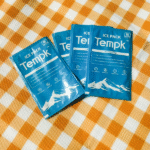
Apakah ada bau atau gas yang menumpuk di kantong es kering?
Saat Anda mengemas barang beku dengan es kering, Anda mungkin khawatir tentang bau aneh atau gas berbahaya. Kabar baiknya adalah es kering itu sendiri tidak berbau, tapi itu melepaskan karbon dioksida (Co₂) gas saat ia menyublim. Tanpa ventilasi yang baik, gas ini dapat menumpuk di dalam kantong dan menjadi berbahaya. Panduan ini menjelaskan mengapa es kering tidak berbau, bagaimana penumpukan gas terjadi, dan apa yang dapat Anda lakukan untuk mencegah kecelakaan sekaligus menjaga kualitas produk.
Why dry ice is odorless and why any scent you notice likely comes from packaging materials rather than the dry ice itself.
How CO₂ gas builds up di dalam kantong es kering and the dangers of pressure and suffocation if packages are airtight.
Safe handling guidelines for venting, Perlindungan pelindung, penyimpanan, dan transportasi untuk mencegah penumpukan gas.
Key regulations and best practices from shipping carriers and safety agencies to comply with 2025 standar.
Pertanyaan umum about smell, gas, and safety answered concisely to address user concerns.
What causes gas build-up in dry ice bags?
Dry ice is solid carbon dioxide that sublimates directly into CO₂ gas. When dry ice is sealed inside a bag, the gas accumulates and increases pressure. This can cause the bag or outer container to rupture if there’s no venting. Venting allows the gas to escape safely while maintaining cold temperatures.
Ventilation is essential because CO₂ gas is heavier than air. In confined spaces it can displace oxygen and create an asphyxiation hazard. A one pound block of dry ice releases about 250 liters of CO₂ gas during sublimation. If enough gas builds up in a small area, oxygen levels can fall below the safe threshold of 19.5%, causing dizziness, sakit kepala, or unconsciousness.
Understanding sublimation and pressure
Es kering menyublim di -78.5 ° C. (-109.3 ° f). During shipment the rate of sublimation depends on insulation, suhu sekitar, and how much dry ice is used. Typical sublimation rates range from 5–10 pounds per 24 jam. As each pound sublimates, it produces enough CO₂ gas to inflate several 55 gallon drums. If the gas cannot escape, the pressure can grow until the container bursts.
| Faktor | Effect on gas build up | Apa artinya bagimu |
| Jumlah es kering | More dry ice releases more gas as it sublimates. | Use only the amount needed for the transit window. A dry ice mass calculator can help determine appropriate weight. |
| Tingkat isolasi | Thick insulation slows sublimation and reduces gas flow; poor insulation speeds sublimation and gas release. | Choose a well insulated liner like foam or foil lined bags to slow gas release while still venting it safely. |
| Container seal | Airtight seals trap CO₂, increasing pressure. Venting allows gas to escape. | Always ensure your dry ice bag or liner has a venting mechanism and leave the outer box slightly cracked. |
| Suhu sekitar | Warmer surroundings speed sublimation, releasing gas faster. | Pre cool containers and avoid exposing shipments to heat to manage gas build up. |
Why proper ventilation is critical
Gas build up isn’t just about pressure—it’s also about safety. CO₂ is colorless and odorless, so you won’t smell or see it accumulating. In unventilated spaces, CO₂ displaces oxygen and can lead to headaches, increased heart rate, and dizziness. At high concentrations, it can cause unconsciousness and even death. That’s why most carriers and regulatory bodies require packages containing dry ice to be vented and labeled with “Carbon dioxide, solid” and the net weight of dry ice.
Ventilate by using a dry ice bag designed with a vented closure (fold and clamp, band and fold, or micro perforated film). Never seal the bag completely or tape over the vents. Leave a small gap in the outer cooler lid or use a container with vent plugs so gas can escape. Saat mengangkut es kering ke dalam kendaraan, keep windows open to allow fresh air circulation.
Practical tips for preventing gas build up
Use vented bags or liners: Many dry ice bags have built in vent systems, such as micro perforations or fold and clamp closures, that release gas without losing ice pellets.
Tinggalkan ruang kepala: Don’t overfill containers. Leave room for gas expansion and avoid stuffing the bag to capacity.
Hindari segel kedap udara: Use a cooler or box with a loose fitting lid or vent plug. Do not tape the lid shut or shrink wrap it tightly around the bag.
Dinginkan wadah Anda terlebih dahulu: Chilling the cooler before adding dry ice slows sublimation, reducing the rate of gas production.
Memantau kondisi lingkungan: Keep shipments away from heat sources and avoid storing dry ice in walk in freezers or cold rooms with no ventilation.
Studi kasus: A meal kit company reduced rejected shipments and customer complaints by switching from sealed plastic bags to vented dry ice liners. By leaving the outer cooler lid slightly open and using micro perforated film vents, they saw a significant drop in pressure related packaging failures. This simple change improved safety and product quality while meeting carrier acceptance criteria.
Does dry ice have a smell?
No—dry ice is odorless. Carbon dioxide gas has no smell, mencicipi, or color. In everyday shipments you should not detect any scent from the dry ice itself. If you notice a strange odor inside the package, it usually comes from other sources:
Bahan kemasan: Menggagalkan, plastik, perekat, or dyes can off gas faint smells when exposed to extreme cold.
Product aromas: Foods like seafood or cheese may release scents as they thaw slightly during transit.
Contaminants: Reused containers may carry residual odors from previous shipments.
It’s important to understand that because CO₂ is odorless, you cannot rely on smell to detect gas build up. You must always vent containers and follow safety guidelines even if there is no scent.
Perbandingan: Es kering vs.. other refrigerants
Dry ice isn’t the only option for shipping perishables. Paket gel, es basah, and phase change materials each have advantages and disadvantages. Here’s a quick comparison of how these cooling methods perform in terms of smell and gas production:
| Pendingin | Bau | Gas build up risk | Lamanya | Implikasi praktis |
| Es kering | Odorless | High if not vented | Panjang (24–96 jam) | Must vent to prevent pressure; sangat dingin; Tidak ada residu cairan. |
| Paket gel | Slight chemical scent depending on formulation | Minimal, but may leak liquid | Sedang (12–48 jam) | Suitable for refrigerated temps; no venting needed; lebih mudah untuk ditangani. |
| Es basah | Might carry chlorinated water smell | Tidak ada (meleleh menjadi air) | Pendek (6–24 jam) | Creates liquid mess; risiko kontaminasi; requires waterproof packaging. |
| Bahan perubahan fasa (PCMS) | Usually odorless | Rendah | Variabel (8–72 jam) | Maintains specific temperature range; good for vaccines or pharmaceuticals; Biaya yang lebih tinggi. |
How to tell if the gas level is too high
Since you can’t smell CO₂, use these methods to assess ventilation and gas levels:
Look for fogging or condensation: Excess gas inside a bag may cause condensation when it escapes through vents. If the bag feels very firm or bulging, gas pressure may be high.
Check vent outlets: Ensure vents aren’t blocked by plastic wrap or other materials. A slight hiss or gentle airflow indicates gas is escaping.
Gunakan monitor CO₂: In storage areas or vehicles where large amounts of dry ice are used, portable CO₂ sensors can alert you if gas levels exceed safety limits. Keep levels below 5,000 ppm for an 8 hour time weighted average and below 30,000 ppm for short term exposure.
How to pack dry ice bags safely to avoid gas hazards
Step-by-step packing guidelines
Hitung kuantitas es kering: Determine how long your shipment needs to stay cold and use a dry ice mass estimator. Sebagai aturan, 5–10 pounds of dry ice keep contents frozen for 24 jam; increase weight for longer transit.
Choose a vented dry ice bag: Select a bag designed for dry ice with built in venting mechanisms. Options include fold and clamp bags, zip seal bags with vent slits, or micro perforated films.
Kondisikan terlebih dahulu wadah Anda: Chill the cooler or insulated box before packing to minimize thermal shock and slow sublimation.
Layer dry ice and products: Place a layer of dry ice at the bottom of the bag. Use cardboard or foam separators to prevent direct contact with food or sensitive itemsups.com.
Seal the dry ice bag loosely: Close the bag using its vent system. Fold and secure the closure with clips or straps; do not tape the bag shut or block vent holes.
Place bag in outer container: Insert the vented bag into an insulated cooler or shipping box. Leave a small gap or use vent plugs to allow gas to escape from the outer container.
Labeli kiriman tersebut: Mark the outer box with “Carbon dioxide, solid” and the UN 1845 pengidentifikasi. Include the net weight of dry ice and ensure that hazard labels are visible.
Store and transport properly: Keep the package in a cool, area yang berventilasi baik. Saat diangkut dengan mobil, crack windows and avoid storing the package in the passenger compartment for long periods.
Best practices for storage and handling
Peralatan pelindung pribadi (APD): Kenakan sarung tangan berinsulasi dan kacamata pengaman saat menangani es kering untuk mencegah radang dingin.
Never store dry ice in airtight fridges or freezers: The extreme cold can damage equipment and cause dangerous pressure build up.
Avoid overstocking in confined spaces: Large amounts of dry ice in small rooms can raise CO₂ levels quickly. Use CO₂ sensors and ensure mechanical ventilation when storing more than 25 pound.
Buang es kering dengan aman: Let leftover dry ice sublimate outdoors or in a well ventilated area. Do not throw it in the trash or down the sink.
Regulations and guidelines for 2025 dan seterusnya
Carrier requirements
Major carriers follow the International Air Transport Association (Iata) Dangerous Goods Regulations and national standards. Persyaratan utama meliputi:
Batasan berat badan: Maskapai biasanya mengizinkan hingga 200 kg (sekitar 440 lbs) of dry ice per package for cargo aircraft; passenger aircraft have lower limits (MISALNYA., 5.5 lbs for personal travel).
Pelabelan: Paket harus menampilkan PBB 1845 label, the proper shipping name “Carbon dioxide, padat,” and the net weight of dry ice.
Kemasan: Carriers require leak proof inner bags and insulated outer containers that permit gas release without sealing all seams.
Dokumentasi: Some shipments require a Dangerous Goods Declaration; others (when only dry ice is included) may be excepted but still need proper labeling and training.
OSHA and EHS guidelines
Occupational exposure limits: Maintain CO₂ concentrations below 5,000 ppm over an 8 hour exposure and below 30,000 ppm for short durations.
Ventilasi: Work in well ventilated areas and never store dry ice in small enclosed spaces or walk in freezers.
Training requirements: Individuals preparing or shipping dry ice must complete hazardous materials training and certification as required by law.
Advances and trends for 2025
Kemasan cerdas: Shippers are integrating temperature and CO₂ sensors into dry ice bags to monitor gas levels in real time. These sensors alert handlers when venting is inadequate, reducing spoilage and safety incidents.
Bahan biodegradable: New vented liners made from plant based foams and recycled materials offer improved insulation while reducing environmental impact. They still maintain necessary gas release pathways.
Pendinginan hibrida: Combining dry ice with phase change materials or gel packs extends duration and controls temperature fluctuations. Hybrid systems can reduce the amount of dry ice needed, thereby lowering CO₂ gas generation.
Kejelasan peraturan: Agencies like the FAA and OSHA continue to refine guidelines, emphasizing venting, pelabelan, dan pelatihan. Expect more digital tools for calculating safe dry ice quantities and generating compliance documentation.
FAQ: Quick answers to common questions
Q1: Can I smell if CO₂ is leaking from a dry ice bag?
TIDAK. Carbon dioxide is odorless and colorless. You cannot detect a leak by smell. Use proper ventilation and avoid relying on your senses to determine gas levels.
Q2: Why does my dry ice shipment have a strange odor?
Any smell likely comes from packaging materials or the items being shipped. Adhesive glues, dyes, or the food products themselves may off gas at low temperatures. Dry ice does not produce an odor.
Q3: What happens if I seal a dry ice bag completely?
Sealing a dry ice bag traps gas, causing pressure to build and potentially rupture the bag or outer container. Always use vented bags and allow gas to escape.
Q4: How much dry ice can I use for air travel?
Airlines limit passengers to about 5.5 pounds of dry ice in carry on or checked luggage and require vented packaging and labeling. Pengiriman komersial dapat mencapai hingga 200 kg per package depending on the airline and cargo aircraft.
Q5: Is carbon dioxide gas from dry ice dangerous?
At high concentrations, CO₂ can displace oxygen and cause headaches, pusing, and suffocation. Always vent containers and ensure good airflow. Keep CO₂ levels below occupational exposure limits (5,000 ppm for long term exposure).
Q6: Can I reuse a dry ice bag that once held fish or meat?
Reusing bags is possible, but thoroughly clean and air them out to remove any odors from previous contents. Make sure the vent system still functions properly. Replace bags that are damaged or have compromised vents.
Q7: Do foil lined bags reduce gas build up?
Foil lined bags improve insulation by reflecting radiant heat and slowing sublimation. Namun, they still need venting. A foil lining without vent openings can increase pressure; always ensure the bag has a vented closure.
Ringkasan dan Rekomendasi
Dry ice is a powerful cooling agent that keeps shipments frozen for long periods, but it does come with unique challenges. There is no smell associated with dry ice itself because carbon dioxide gas is odorless and colorless. Gas build up occurs when dry ice sublimates in an enclosed space, creating pressure and displacing oxygen. To prevent accidents and ensure product quality:
Use vented bags and leave a small gap in outer containers.
Tangani es kering dengan sarung tangan terisolasi dan pelindung mata.
Store and ship in well ventilated areas; avoid airtight freezers or confined spaces.
Follow carrier rules for labeling, batas berat, dan dokumentasi.
Consider smart packaging and hybrid cooling methods to improve safety and efficiency.
By respecting these principles, you’ll protect your goods and everyone involved in the cold chain.
Tautan internal yang direkomendasikan
How to pack dry ice to ship frozen meat safely – Explore step by step packing methods and safety tips for shipping frozen meats.
How to use dry ice packs – Learn how gel packs and dry ice work together to keep products cold without freezing them.
Is a foil lined bag better for dry ice? – Compare different insulations like foil and foam to find the best option for your shipment.
Dry ice bag zip seal safety guide – Understand vent designs and how to select the right bag for long transit.
Cold chain sustainability trends – Discover how biodegradable materials and smart sensors are shaping the future of cold shipping.
These resources deepen your understanding and help you make informed decisions about cold chain logistics.
Tentang tempk
Tempk adalah pemimpin dalam solusi pengemasan rantai dingin, offering a full range of Kantong es kering yang berventilasi, foil lined liners, and reusable gel packs. We combine industry expertise with cutting edge materials to ensure your perishable goods arrive safely and sustainably. Our commitment to research and innovation means our products are up to date with the latest 2025 peraturan dan tren keberlanjutan. Partner with us to enhance your shipping strategy and protect your reputation.
Panggilan untuk bertindak: Ready to improve your cold chain performance? Hubungi spesialis kami to find the right vented bag or hybrid cooling solution for your next shipment.