


Why Pallet Thermal Blankets For Dry Van Shipping Matter in 2026
Why Pallet Thermal Blankets For Dry Van Shipping Matter in 2026
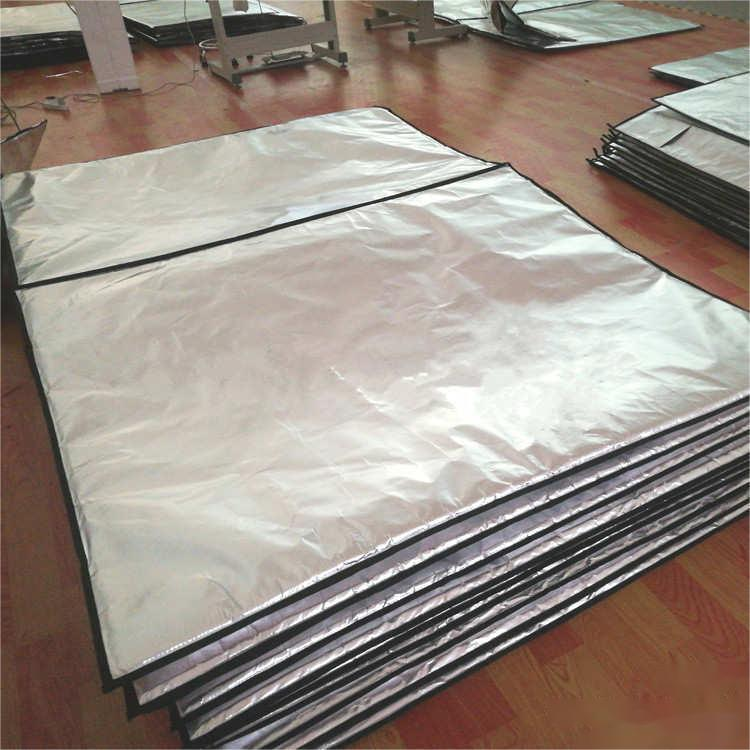
Pallet thermal blankets for dry van shipping are most valuable when you use them to protect the exact moments where your lane is weakest: hot trailer loading, dermaga menunggu, and mid-route stops. Di dalam 2026, strong results come from combining buyer-side practicality, validasi teknis, and real operational discipline. This guide shows you how to choose the right cover, prove it works, and deploy it in a way that supports quality, kepatuhan, and total-cost control.
This optimized guide will answer:
• What pallet thermal blankets for dry van shipping do, and what they do not do, untuk jalurmu
• How to match cover performance to product mass, waktu tinggal, dan menangani kenyataan
• How to validate the cover with data, kepatuhan, and operational proof
• How to turn one purchase into a repeatable 2026-ready protection program
What do Pallet Thermal Blankets For Dry Van Shipping actually do for your operation?
Pallet thermal blankets for dry van shipping protect the pallet during the exact moments when controlled conditions pause and risk begins. They slow heat gain, kejutan dingin, airflow-driven drift, and surface damage during handoff steps such as hot trailer loading, dermaga menunggu, mid-route stops, and summer solar load. They do not replace refrigeration, wadah aktif, or missing precooling. Their value is that they give you more control over short exposure windows and help you preserve the temperature stability of bakery ingredients, cokelat, Makanan Khusus, suplemen, and temperature-sensitive packaging while the next controlled step is prepared.
That distinction matters because many buying mistakes start with the wrong expectation. If you expect the cover to create cold, you will be disappointed. If you expect it to buy time, reduce temperature spikes, protect carton condition, and make the lane more forgiving, you will judge it correctly. Di dalam 2026, the strongest programs use covers as one layer in a broader operating system that includes correct starting temperature, clear dwell limits, and data review.
Where does the product create the most value for dry van pallet insulation?
| Operational step | Typical threat | How the cover helps | Apa yang Anda peroleh |
| Hot Trailer Loading | Temperature drift or surface warming starts | Check actual dwell time and ambient range | This is often where claims begin. |
| Dock Waits | Handling delay turns a small gap into a full excursion risk | Check queue time and opening frequency | This is where a faster, better-fitting cover pays back. |
| Mid-Route Stops | Aliran udara, matahari, or night cold changes the surface first | Check where the pallet is exposed, not just stored | This is where data loggers reveal the true weak point. |
| Summer Solar Load | Documentation or access delay extends uncontrolled time | Check who owns release and recovery timing | This is where SOP discipline matters as much as the material. |
Alat pengambilan keputusan cepat
1. If the pallet repeatedly leaves controlled space for more than a few minutes, you likely need a thermal cover review.
2. If the same lane shows warm corners, karton lembut, or temperature spikes, map those events before buying.
3. If operators struggle with current packaging, choose a simpler cover before choosing a thicker one.
4. If the product is high value or tightly regulated, treat the cover as a controlled component, not a convenience item.
A regional food distributor used pallet blankets on short dry-van lanes after proving that most temperature stress happened during loading and first-stop delivery, not during steady highway motion.
How do you choose the right spec for your lane?
The right specification comes from the lane, not from a generic catalog claim. Start with product temperature at release, jangkauan sasaran, expected dwell time, seasonal profile, pallet size, tinggi tumpukan, and how often the cover must be opened. Then decide what matters most: reflectivity, short-term insulation, penggunaan kembali yang kasar, faster closure, visibilitas label, or a combination of those needs. A technically stronger blanket is not the better choice if it slows the team or fits badly.
Buyers also need to judge the design against total cost. A cover that lasts longer, applies faster, and prevents a small number of claims may outperform a cheaper option by a wide margin. The most useful way to compare suppliers is to ask how the product behaves in your hardest real condition. That shifts the discussion from marketing language to measurable fit for purpose.
Buyer matrix for Pallet Thermal Blankets For Dry Van Shipping
| Route or need | Best design priority | What to test first | Best practical outcome |
| Short regional lanes | Lightweight quick-fit blanket | Fast dispatch | Best for frequent loading |
| Summer heat lanes | Reflective outer layer and stronger buffer | Better solar protection | Best for hot-season routes |
| Winter-sensitive product | Balanced cold-shock protection | Lower rapid temperature drop | Best for selected freeze-sensitive goods |
| Mixed stop deliveries | Durable reusable design | Better repeat economics | Best for distribution networks |
Supplier questions that improve decisions
| Pertanyaan | Mengapa itu penting | Good answer | Warning sign |
| How much time does the pallet spend outside controlled conditions at origin, transit, dan tujuan? | It defines the real heat load. | Measured and time-stamped | Estimated from memory |
| Is solar exposure, kejutan dingin, draft, or repeated opening the bigger risk on this lane? | It shows whether reflectivity, isolasi, or both matter most. | Seasonal and lane-specific | Based on room set-point alone |
| Which pallet sizes, stack heights, and label-visibility needs matter most in daily use? | It prevents a good cover from becoming operational friction. | Simple for operators | No one owns the handling step |
| Will the cover be reused, kembali, dibersihkan, and released through a controlled process? | It determines whether a reusable program is realistic. | Closed-loop and inspectable | No cleaning or return process |
| How will you prove performance with logger data, lane trials, or change-control review? | It turns marketing claims into measurable proof. | Backed by live or trial data | No logger plan or pass-fail rule |
• Ask to see the tested configuration, not only the material description.
• Match the cover to the pallet sizes and stack heights you use most often.
• Reject any option that makes operators improvise around corners, Label, or closures.
How do you validate Pallet Thermal Blankets For Dry Van Shipping with data and compliance?
Validation is the bridge between a promising product and a trustworthy program. Start with one representative lane and compare uncovered versus covered performance under a realistic exposure profile. Use representative payload mass, known starting temperature, and logger placement at the top, samping, and likely weak points. Define the pass-fail rule before the trial starts so procurement, Operasi, and quality all agree on what success means.
Compliance expectations should shape the trial design. USDA transport guidance points out that when produce is not properly precooled, the transport system has to carry extra heat load. In a dry van there is no refrigeration unit to recover that load, which makes preparation even more important. This is why dry van blanket strategies succeed only when product temperature, durasi jalur, and dock exposure are controlled together. That means the right validation package may need more than temperature curves. You may also need label visibility, documented application timing, aturan pembersihan, condition-release checks, or evidence that the cover does not interfere with export or GDP controls.
Validation framework
| Barang validasi | Apa yang harus didokumentasikan | Mengapa itu penting | Praktik terbaik |
| Peta jalur | Every exposure step and dwell minute | Shows the real risk window | Use timestamps from live operations |
| Payload and start temperature | Massa produk, membangun, and release condition | Prevents false results | Replicate normal shipping build |
| Penempatan pencatat | Atas, edge, sudut, and center positions | Reveals weak zones | Use a written sensor map |
| Acceptance rule | Allowed drift, tinggal, and handling exceptions | Enables fair comparison | Agree before testing |
Relevant standards and control references
| Referensi | Mengapa itu penting | Penggunaan khas | Artinya untukmu |
| documented lane qualification | Control reference | Apa artinya | Helps define what proof and discipline the lane needs |
| food safety plans and sanitary handling | Control reference | Apa artinya | Helps define what proof and discipline the lane needs |
| USDA precooling and handling guidance | Produce preparation reference | Apa artinya | Confirms that the best cover cannot fix missing precooling |
| seasonal route review | Control reference | Apa artinya | Helps define what proof and discipline the lane needs |
| data logger placement that proves true trailer exposure | Control reference | Apa artinya | Helps define what proof and discipline the lane needs |
The best proof package does not try to look complicated. It simply proves that the cover keeps the real lane inside the allowed budget.
How should you deploy, penggunaan kembali, and audit covers in daily work?
Operational discipline is where return on investment is either created or lost. Pre-condition first, apply the cover late, keep closures complete, define the maximum uncontrolled time, and review first shipments carefully. Untuk sistem yang dapat digunakan kembali, add condition inspection, pembersihan, melepaskan, and retirement rules. Those basic controls often matter more than another incremental layer of insulation.
In repeat lanes, the goal is to make the cover easy to identify and hard to misuse. Operators should know which pallet size it fits, when it stays on, when it comes off, and what to do if it is damaged. Managers should be able to review exceptions quickly. If your process depends on heroics, it will not scale. If your process fits normal human behavior, it usually will.
Daily operating framework
| Melangkah | Mengapa itu penting | Nona biasa | Tindakan yang disarankan |
| Pre-condition the product and pallet exactly as the lane requires before the cover goes on. | The cover cannot recover a bad starting temperature. | Covering a warm pallet | Use a written step with a named owner |
| Apply the cover as late as practical before exposure while keeping labels and loggers visible. | Late application saves the thermal budget for the real exposure window. | Putting the cover on too early | Use a written step with a named owner |
| Close all top and corner sections fully so the pallet does not behave like a chimney. | Open corners act like a chimney and waste insulation value. | Leaving gaps around edges or straps | Use a written step with a named owner |
| Set a clear maximum uncontrolled timer for staging, serah terima, or route exposure. | A timer makes uncontrolled exposure visible and manageable. | No maximum exposure time | Use a written step with a named owner |
| Review the first live shipments and refine the SOP with logger data and operator feedback. | Review turns one shipment into a better SOP. | Skipping first-shipment review | Use a written step with a named owner |
Reuse and audit checklist
• Assign a simple asset ID when the blanket is part of a repeat closed loop.
• Inspect seams, penutupan, outer shell condition, and contamination before release.
• Record cleaning method, damage status, and retirement limits in one easy form.
• Review logger data and operator comments after the first live shipments and after seasonal changes.
A shipper compared covered and uncovered pallets in July and found that fast loading plus a better blanket fit delivered more value than simply adding more material thickness.
Apa 2026 trends should guide your next Pallet Thermal Blankets For Dry Van Shipping decision?
2026 buyers are looking for evidence, kesederhanaan, dan keberlanjutan pada saat yang bersamaan. buyers increasingly ask for reusable solutions that reduce waste and fit digital traceability programs real-time monitoring and logger review are becoming more closely linked to packaging decisions operations teams want covers that are faster to deploy because labor minutes can erase theoretical performance gains That means the strongest product is not the one with the loudest claim. Ini adalah salah satu yang sesuai dengan rute Anda, proves its value with data, and supports a reuse model your network can actually manage.
The market is also rewarding covers that fit broader business priorities. Operations wants speed and consistency. Quality wants traceable proof. Procurement wants total-cost clarity. Sustainability teams want longer life and less waste. A well-designed thermal cover program can support all four groups when you size the solution correctly and avoid overengineering. That cross-functional fit is one reason thermal covers are getting more strategic attention across modern temperature-sensitive supply chains.
2026 cuplikan tren
| Kecenderungan | Apa yang berubah | Efek praktis | Owner focus |
| Kecenderungan 1 | buyers increasingly ask for reusable solutions that reduce waste and fit digital traceability programs | Simpler deployment | Operasi |
| Kecenderungan 2 | real-time monitoring and logger review are becoming more closely linked to packaging decisions | Better visibility | QA and compliance |
| Kecenderungan 3 | operations teams want covers that are faster to deploy because labor minutes can erase theoretical performance gains | More flexible qualification | Pengadaan |
| Kecenderungan 4 | lane segmentation is replacing one-size-fits-all blanket buying in many supply chains | Stronger total-cost control | Keberlanjutan |
Perkembangan terkini yang perlu diperhatikan
• Buyers increasingly ask for reusable solutions that reduce waste and fit digital traceability programs
• Real-time monitoring and logger review are becoming more closely linked to packaging decisions
• Operations teams want covers that are faster to deploy because labor minutes can erase theoretical performance gains
• Lane segmentation is replacing one-size-fits-all blanket buying in many supply chains
Pertanyaan yang sering diajukan
Do pallet thermal blankets for dry van shipping replace refrigeration?
TIDAK. They are passive protection. They slow heat transfer, but they do not create cooling. Correct starting temperature and lane design still matter.
How long can a pallet stay protected?
There is no honest universal number. Safe time depends on product thermal mass, kondisi luar, dwell pattern, pallet build, and cover design. Use lane trials before setting limits.
Apa kesalahan pembelian terbesar?
Choosing by thickness alone. Bugar, closure speed, daya tahan, and real exposure conditions usually matter more than a headline material claim.
Should I use one cover for every lane?
Biasanya tidak. Many programs perform better when they segment routes by exposure severity, musim, dan sensitivitas produk.
How do I prove value quickly?
Run a covered versus uncovered trial on one representative lane and compare logger data, kondisi produk, dan kemudahan operasional.
SEO and content implementation notes
For search performance in 2026, this topic works best when the page is built around people-first content, clear title signals, and strong on-page structure. Use the exact keyword early, keep subheads specific, and support the article with a comparison table, FAQ, and a clear action path. That improves readability for buyers and strengthens the page's ability to compete on both product education and decision intent.
Ringkasan dan Rekomendasi
The best pallet thermal blankets for dry van shipping program is simple to explain. You identify the real exposure step, choose the cover around the lane, validate it with data, and run it with a clear SOP. That formula helps you reduce avoidable drift, melindungi kualitas produk, support compliance, and improve total cost over time.
If you are comparing options now, start with one priority lane and build a small decision file: exposure map, rangkaian produk, pallet size, expected dwell, rencana percobaan, and reuse rules. That file will quickly tell you which cover belongs in your operation and which only looks good in a brochure.
Tentang tempk
Dan Tempk, we design reusable pallet blankets and cargo covers for dry van shipping, gudang, kargo, ekspor, and temperature-sensitive supply-chain operations. We focus on practical fit, durable multilayer construction, and deployment support so your team gets a solution that works in real conditions rather than only in theory.
If you are evaluating pallet thermal blankets for dry van shipping, start with your actual exposure map and logger data, then shortlist the cover sizes and performance levels that match the lane instead of buying on thickness alone.
Why Insulated Pallet Blankets For Fish Matter in 2026
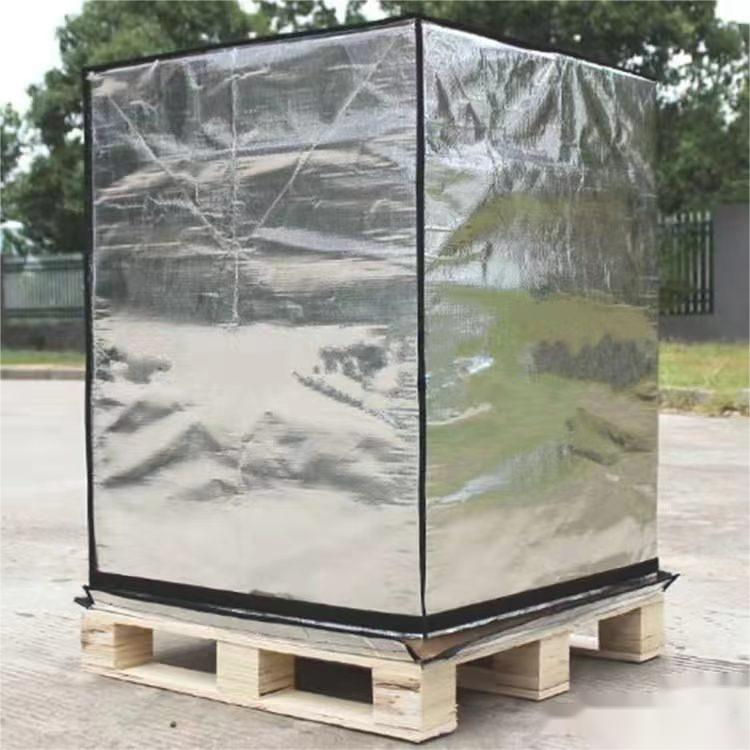
Insulated pallet blankets for fish are most valuable when you use them to protect the exact moments where your lane is weakest: pementasan dermaga, icing gaps, and cross-dock delays. Di dalam 2026, strong results come from combining buyer-side practicality, validasi teknis, and real operational discipline. This guide shows you how to choose the right cover, prove it works, and deploy it in a way that supports quality, kepatuhan, and total-cost control.
This optimized guide will answer:
• What insulated pallet blankets for fish do, and what they do not do, untuk jalurmu
• How to match cover performance to product mass, waktu tinggal, dan menangani kenyataan
• How to validate the cover with data, kepatuhan, and operational proof
• How to turn one purchase into a repeatable 2026-ready protection program
What do Insulated Pallet Blankets For Fish actually do for your operation?
Insulated pallet blankets for fish protect the pallet during the exact moments when controlled conditions pause and risk begins. They slow heat gain, kejutan dingin, airflow-driven drift, and surface damage during handoff steps such as dock staging, icing gaps, cross-dock delays, and vehicle waiting time. They do not replace refrigeration, wadah aktif, or missing precooling. Their value is that they give you more control over short exposure windows and help you preserve the temperature stability of whole fish, fillets, kerang, fresh salmon, and tuna loins while the next controlled step is prepared.
That distinction matters because many buying mistakes start with the wrong expectation. If you expect the cover to create cold, you will be disappointed. If you expect it to buy time, reduce temperature spikes, protect carton condition, and make the lane more forgiving, you will judge it correctly. Di dalam 2026, the strongest programs use covers as one layer in a broader operating system that includes correct starting temperature, clear dwell limits, and data review.
Where does the product create the most value for fish pallet thermal cover?
| Operational step | Typical threat | How the cover helps | Apa yang Anda peroleh |
| Dock Staging | Temperature drift or surface warming starts | Check actual dwell time and ambient range | This is often where claims begin. |
| Icing Gaps | Handling delay turns a small gap into a full excursion risk | Check queue time and opening frequency | This is where a faster, better-fitting cover pays back. |
| Cross-Dock Delays | Aliran udara, matahari, or night cold changes the surface first | Check where the pallet is exposed, not just stored | This is where data loggers reveal the true weak point. |
| Vehicle Waiting Time | Documentation or access delay extends uncontrolled time | Check who owns release and recovery timing | This is where SOP discipline matters as much as the material. |
Alat pengambilan keputusan cepat
1. If the pallet repeatedly leaves controlled space for more than a few minutes, you likely need a thermal cover review.
2. If the same lane shows warm corners, karton lembut, or temperature spikes, map those events before buying.
3. If operators struggle with current packaging, choose a simpler cover before choosing a thicker one.
4. If the product is high value or tightly regulated, treat the cover as a controlled component, not a convenience item.
A processor shipping fresh salmon used insulated pallet blankets to protect ice-packed cartons during a two-hour dock delay. Core temperature stayed acceptable, and carton softness at delivery dropped sharply.
How do you choose the right spec for your lane?
The right specification comes from the lane, not from a generic catalog claim. Start with product temperature at release, jangkauan sasaran, expected dwell time, seasonal profile, pallet size, tinggi tumpukan, and how often the cover must be opened. Then decide what matters most: reflectivity, short-term insulation, penggunaan kembali yang kasar, faster closure, visibilitas label, or a combination of those needs. A technically stronger blanket is not the better choice if it slows the team or fits badly.
Buyers also need to judge the design against total cost. A cover that lasts longer, applies faster, and prevents a small number of claims may outperform a cheaper option by a wide margin. The most useful way to compare suppliers is to ask how the product behaves in your hardest real condition. That shifts the discussion from marketing language to measurable fit for purpose.
Buyer matrix for Insulated Pallet Blankets For Fish
| Route or need | Best design priority | What to test first | Best practical outcome |
| Ice-packed fish | Moisture-tolerant shell | Better hygiene and durability | Best for wet handling |
| Short urban delivery | Lightweight quick-fit design | Fast loading and unloading | Best for frequent stops |
| Export staging | Higher thermal buffer | Longer chilled protection | Best for customs and acceptance delays |
| Closed-loop seafood program | Cleanable reusable construction | Lower repeat cost | Best for daily or weekly lanes |
Supplier questions that improve decisions
| Pertanyaan | Mengapa itu penting | Good answer | Warning sign |
| How much time does the pallet spend outside controlled conditions at origin, transit, dan tujuan? | It defines the real heat load. | Measured and time-stamped | Estimated from memory |
| Is solar exposure, kejutan dingin, draft, or repeated opening the bigger risk on this lane? | It shows whether reflectivity, isolasi, or both matter most. | Seasonal and lane-specific | Based on room set-point alone |
| Which pallet sizes, stack heights, and label-visibility needs matter most in daily use? | It prevents a good cover from becoming operational friction. | Simple for operators | No one owns the handling step |
| Will the cover be reused, kembali, dibersihkan, and released through a controlled process? | It determines whether a reusable program is realistic. | Closed-loop and inspectable | No cleaning or return process |
| How will you prove performance with logger data, lane trials, or change-control review? | It turns marketing claims into measurable proof. | Backed by live or trial data | No logger plan or pass-fail rule |
• Ask to see the tested configuration, not only the material description.
• Match the cover to the pallet sizes and stack heights you use most often.
• Reject any option that makes operators improvise around corners, Label, or closures.
How do you validate Insulated Pallet Blankets For Fish with data and compliance?
Validation is the bridge between a promising product and a trustworthy program. Start with one representative lane and compare uncovered versus covered performance under a realistic exposure profile. Use representative payload mass, known starting temperature, and logger placement at the top, samping, and likely weak points. Define the pass-fail rule before the trial starts so procurement, Operasi, and quality all agree on what success means.
Compliance expectations should shape the trial design. FAO seafood guidance stresses that time and temperature are the two most important factors and recommends chilled storage, preferably under ice, at less than 4 C after reception. FDA seafood guidance also treats time and temperature abuse as a key hazard and points to refrigeration control, proper icing, pendinginan cepat, and controlled transit as preventive measures. That means the right validation package may need more than temperature curves. You may also need label visibility, documented application timing, aturan pembersihan, condition-release checks, or evidence that the cover does not interfere with export or GDP controls.
Validation framework
| Barang validasi | Apa yang harus didokumentasikan | Mengapa itu penting | Praktik terbaik |
| Peta jalur | Every exposure step and dwell minute | Shows the real risk window | Use timestamps from live operations |
| Payload and start temperature | Massa produk, membangun, and release condition | Prevents false results | Replicate normal shipping build |
| Penempatan pencatat | Atas, edge, sudut, and center positions | Reveals weak zones | Use a written sensor map |
| Acceptance rule | Allowed drift, tinggal, and handling exceptions | Enables fair comparison | Agree before testing |
Relevant standards and control references
| Referensi | Mengapa itu penting | Penggunaan khas | Artinya untukmu |
| food safety plans and documented handling rules | Food safety system | Apa artinya | Turns blanket use into a repeatable preventive step |
| FDA sanitary transport expectations | Food transport risk control | Apa artinya | Reinforces clean, penanganan terkendali |
| rapid cooling and transit control for seafood | Seafood handling rule | Apa artinya | Connects cover use to cold-chain speed and control |
| cleaning and reuse inspection records | Reuse governance | Apa artinya | Shows when a cover is fit for the next cycle |
| data logger placement that proves real exposure, not just room target | Control reference | Apa artinya | Helps define what proof and discipline the lane needs |
The best proof package does not try to look complicated. It simply proves that the cover keeps the real lane inside the allowed budget.
How should you deploy, penggunaan kembali, and audit covers in daily work?
Operational discipline is where return on investment is either created or lost. Pre-condition first, apply the cover late, keep closures complete, define the maximum uncontrolled time, and review first shipments carefully. Untuk sistem yang dapat digunakan kembali, add condition inspection, pembersihan, melepaskan, and retirement rules. Those basic controls often matter more than another incremental layer of insulation.
In repeat lanes, the goal is to make the cover easy to identify and hard to misuse. Operators should know which pallet size it fits, when it stays on, when it comes off, and what to do if it is damaged. Managers should be able to review exceptions quickly. If your process depends on heroics, it will not scale. If your process fits normal human behavior, it usually will.
Daily operating framework
| Melangkah | Mengapa itu penting | Nona biasa | Tindakan yang disarankan |
| Pre-condition the product and pallet exactly as the lane requires before the cover goes on. | The cover cannot recover a bad starting temperature. | Covering a warm pallet | Use a written step with a named owner |
| Apply the cover as late as practical before exposure while keeping labels and loggers visible. | Late application saves the thermal budget for the real exposure window. | Putting the cover on too early | Use a written step with a named owner |
| Close all top and corner sections fully so the pallet does not behave like a chimney. | Open corners act like a chimney and waste insulation value. | Leaving gaps around edges or straps | Use a written step with a named owner |
| Set a clear maximum uncontrolled timer for staging, serah terima, or route exposure. | A timer makes uncontrolled exposure visible and manageable. | No maximum exposure time | Use a written step with a named owner |
| Review the first live shipments and refine the SOP with logger data and operator feedback. | Review turns one shipment into a better SOP. | Skipping first-shipment review | Use a written step with a named owner |
Reuse and audit checklist
• Assign a simple asset ID when the blanket is part of a repeat closed loop.
• Inspect seams, penutupan, outer shell condition, and contamination before release.
• Record cleaning method, damage status, and retirement limits in one easy form.
• Review logger data and operator comments after the first live shipments and after seasonal changes.
A distributor running daily chilled-fish routes adopted one-page cover SOPs and logger checks, which reduced spoilage debates and made quality-release decisions faster.
Apa 2026 trends should guide your next Insulated Pallet Blankets For Fish decision?
2026 buyers are looking for evidence, kesederhanaan, dan keberlanjutan pada saat yang bersamaan. buyers increasingly ask for reusable solutions that reduce waste and fit digital traceability programs real-time monitoring and logger review are becoming more closely linked to packaging decisions operations teams want covers that are faster to deploy because labor minutes can erase theoretical performance gains That means the strongest product is not the one with the loudest claim. Ini adalah salah satu yang sesuai dengan rute Anda, proves its value with data, and supports a reuse model your network can actually manage.
The market is also rewarding covers that fit broader business priorities. Operations wants speed and consistency. Quality wants traceable proof. Procurement wants total-cost clarity. Sustainability teams want longer life and less waste. A well-designed thermal cover program can support all four groups when you size the solution correctly and avoid overengineering. That cross-functional fit is one reason thermal covers are getting more strategic attention across modern temperature-sensitive supply chains.
2026 cuplikan tren
| Kecenderungan | Apa yang berubah | Efek praktis | Owner focus |
| Kecenderungan 1 | buyers increasingly ask for reusable solutions that reduce waste and fit digital traceability programs | Simpler deployment | Operasi |
| Kecenderungan 2 | real-time monitoring and logger review are becoming more closely linked to packaging decisions | Better visibility | QA and compliance |
| Kecenderungan 3 | operations teams want covers that are faster to deploy because labor minutes can erase theoretical performance gains | More flexible qualification | Pengadaan |
| Kecenderungan 4 | lane segmentation is replacing one-size-fits-all blanket buying in many supply chains | Stronger total-cost control | Keberlanjutan |
Perkembangan terkini yang perlu diperhatikan
• Buyers increasingly ask for reusable solutions that reduce waste and fit digital traceability programs
• Real-time monitoring and logger review are becoming more closely linked to packaging decisions
• Operations teams want covers that are faster to deploy because labor minutes can erase theoretical performance gains
• Lane segmentation is replacing one-size-fits-all blanket buying in many supply chains
Pertanyaan yang sering diajukan
Can insulated pallet blankets for fish replace ice or refrigeration?
TIDAK. They are passive protection. They help preserve existing cold conditions, but they do not create new cooling capacity.
Why do seafood pallets need special cover attention?
Because seafood lanes combine temperature risk with hygiene risk. Wet surfaces, melted ice, and rough handling all affect real performance.
Do surface carton issues really matter if the core is still cold?
Ya. Soft cartons, kondensasi, and top-layer warming can trigger claims before the deep product temperature clearly fails.
How should I test a fish pallet blanket?
Compare covered and uncovered pallets with representative ice load, logger placement at exposed layers, and realistic dock or export delays.
Is reusability a good idea for seafood?
Ya, if you can control sanitation, inspeksi, and release. Tanpa itu, reuse can add quality risk.
SEO and content implementation notes
For search performance in 2026, this topic works best when the page is built around people-first content, clear title signals, and strong on-page structure. Use the exact keyword early, keep subheads specific, and support the article with a comparison table, FAQ, and a clear action path. That improves readability for buyers and strengthens the page's ability to compete on both product education and decision intent.
Ringkasan dan Rekomendasi
The best insulated pallet blankets for fish program is simple to explain. You identify the real exposure step, choose the cover around the lane, validate it with data, and run it with a clear SOP. That formula helps you reduce avoidable drift, melindungi kualitas produk, support compliance, and improve total cost over time.
If you are comparing options now, start with one priority lane and build a small decision file: exposure map, rangkaian produk, pallet size, expected dwell, rencana percobaan, and reuse rules. That file will quickly tell you which cover belongs in your operation and which only looks good in a brochure.
Tentang tempk
Dan Tempk, we design reusable pallet blankets and cargo covers for seafood, gudang, kargo, ekspor, and temperature-sensitive supply-chain operations. We focus on practical fit, durable multilayer construction, and deployment support so your team gets a solution that works in real conditions rather than only in theory.
If you are evaluating insulated pallet blankets for fish, start with your actual exposure map and logger data, then shortlist the cover sizes and performance levels that match the lane instead of buying on thickness alone.
Why Insulated Pallet Blankets For Bulk Storage Matter in 2026
Insulated pallet blankets for bulk storage are most valuable when you use them to protect the exact moments where your lane is weakest: bukaan pintu, overflow staging, and pick-face waiting time. Di dalam 2026, strong results come from combining buyer-side practicality, validasi teknis, and real operational discipline. This guide shows you how to choose the right cover, prove it works, and deploy it in a way that supports quality, kepatuhan, and total-cost control.
This optimized guide will answer:
• What insulated pallet blankets for bulk storage do, and what they do not do, untuk jalurmu
• How to match cover performance to product mass, waktu tinggal, dan menangani kenyataan
• How to validate the cover with data, kepatuhan, and operational proof
• How to turn one purchase into a repeatable 2026-ready protection program
What do Insulated Pallet Blankets For Bulk Storage actually do for your operation?
Insulated pallet blankets for bulk storage protect the pallet during the exact moments when controlled conditions pause and risk begins. They slow heat gain, kejutan dingin, airflow-driven drift, and surface damage during handoff steps such as door openings, overflow staging, pick-face waiting time, and roof or wall hot spots. They do not replace refrigeration, wadah aktif, or missing precooling. Their value is that they give you more control over short exposure windows and help you preserve the temperature stability of dairy ingredients, nutraceuticals, Makanan Khusus, temperature-sensitive chemicals, and seasonal inventory while the next controlled step is prepared.
That distinction matters because many buying mistakes start with the wrong expectation. If you expect the cover to create cold, you will be disappointed. If you expect it to buy time, reduce temperature spikes, protect carton condition, and make the lane more forgiving, you will judge it correctly. Di dalam 2026, the strongest programs use covers as one layer in a broader operating system that includes correct starting temperature, clear dwell limits, and data review.
Where does the product create the most value for warehouse pallet insulation?
| Operational step | Typical threat | How the cover helps | Apa yang Anda peroleh |
| Door Openings | Temperature drift or surface warming starts | Check actual dwell time and ambient range | This is often where claims begin. |
| Overflow Staging | Handling delay turns a small gap into a full excursion risk | Check queue time and opening frequency | This is where a faster, better-fitting cover pays back. |
| Pick-Face Waiting Time | Aliran udara, matahari, or night cold changes the surface first | Check where the pallet is exposed, not just stored | This is where data loggers reveal the true weak point. |
| Roof Or Wall Hot Spots | Documentation or access delay extends uncontrolled time | Check who owns release and recovery timing | This is where SOP discipline matters as much as the material. |
Alat pengambilan keputusan cepat
1. If the pallet repeatedly leaves controlled space for more than a few minutes, you likely need a thermal cover review.
2. If the same lane shows warm corners, karton lembut, or temperature spikes, map those events before buying.
3. If operators struggle with current packaging, choose a simpler cover before choosing a thicker one.
4. If the product is high value or tightly regulated, treat the cover as a controlled component, not a convenience item.
A bulk warehouse used pallet blankets for reserve stock staged near shipping doors, which reduced surface warming during repeated forklift activity and kept release-ready pallets more stable.
How do you choose the right spec for your lane?
The right specification comes from the lane, not from a generic catalog claim. Start with product temperature at release, jangkauan sasaran, expected dwell time, seasonal profile, pallet size, tinggi tumpukan, and how often the cover must be opened. Then decide what matters most: reflectivity, short-term insulation, penggunaan kembali yang kasar, faster closure, visibilitas label, or a combination of those needs. A technically stronger blanket is not the better choice if it slows the team or fits badly.
Buyers also need to judge the design against total cost. A cover that lasts longer, applies faster, and prevents a small number of claims may outperform a cheaper option by a wide margin. The most useful way to compare suppliers is to ask how the product behaves in your hardest real condition. That shifts the discussion from marketing language to measurable fit for purpose.
Buyer matrix for Insulated Pallet Blankets For Bulk Storage
| Route or need | Best design priority | What to test first | Best practical outcome |
| Door-adjacent staging | Quick-fit reusable cover | Fast protection during door cycles | Best for outbound reserve stock |
| Longer overflow storage | Higher thermal buffer | More stability in exception zones | Best for temporary off-zone holding |
| Frequent pallet access | Peel-back access panels | Fewer handling delays | Best for pick operations |
| High reuse program | Durable shell and inspection routine | Lower long-run cost | Best for mapped warehouse loops |
Supplier questions that improve decisions
| Pertanyaan | Mengapa itu penting | Good answer | Warning sign |
| How much time does the pallet spend outside controlled conditions at origin, transit, dan tujuan? | It defines the real heat load. | Measured and time-stamped | Estimated from memory |
| Is solar exposure, kejutan dingin, draft, or repeated opening the bigger risk on this lane? | It shows whether reflectivity, isolasi, or both matter most. | Seasonal and lane-specific | Based on room set-point alone |
| Which pallet sizes, stack heights, and label-visibility needs matter most in daily use? | It prevents a good cover from becoming operational friction. | Simple for operators | No one owns the handling step |
| Will the cover be reused, kembali, dibersihkan, and released through a controlled process? | It determines whether a reusable program is realistic. | Closed-loop and inspectable | No cleaning or return process |
| How will you prove performance with logger data, lane trials, or change-control review? | It turns marketing claims into measurable proof. | Backed by live or trial data | No logger plan or pass-fail rule |
• Ask to see the tested configuration, not only the material description.
• Match the cover to the pallet sizes and stack heights you use most often.
• Reject any option that makes operators improvise around corners, Label, or closures.
How do you validate Insulated Pallet Blankets For Bulk Storage with data and compliance?
Validation is the bridge between a promising product and a trustworthy program. Start with one representative lane and compare uncovered versus covered performance under a realistic exposure profile. Use representative payload mass, known starting temperature, and logger placement at the top, samping, and likely weak points. Define the pass-fail rule before the trial starts so procurement, Operasi, and quality all agree on what success means.
Compliance expectations should shape the trial design. Industry researchers estimate that warehouse and cold-storage services represented the largest share of the cold chain logistics market in 2025, which shows how much pressure sits inside storage and staging rather than transport alone. That same market view also highlights rising use of real-time monitoring and greener packaging choices, making reusable pallet blankets attractive when teams need both control and auditability. That means the right validation package may need more than temperature curves. You may also need label visibility, documented application timing, aturan pembersihan, condition-release checks, or evidence that the cover does not interfere with export or GDP controls.
Validation framework
| Barang validasi | Apa yang harus didokumentasikan | Mengapa itu penting | Praktik terbaik |
| Peta jalur | Every exposure step and dwell minute | Shows the real risk window | Use timestamps from live operations |
| Payload and start temperature | Massa produk, membangun, and release condition | Prevents false results | Replicate normal shipping build |
| Penempatan pencatat | Atas, edge, sudut, and center positions | Reveals weak zones | Use a written sensor map |
| Acceptance rule | Allowed drift, tinggal, and handling exceptions | Enables fair comparison | Agree before testing |
Relevant standards and control references
| Referensi | Mengapa itu penting | Penggunaan khas | Artinya untukmu |
| documented warehouse handling rules | Control reference | Apa artinya | Helps define what proof and discipline the lane needs |
| lot and batch traceability | Control reference | Apa artinya | Helps define what proof and discipline the lane needs |
| data logger placement that proves actual pallet exposure | Control reference | Apa artinya | Helps define what proof and discipline the lane needs |
| cleaning and reuse inspection records | Reuse governance | Apa artinya | Shows when a cover is fit for the next cycle |
| temperature-mapping review for staging zones | Control reference | Apa artinya | Helps define what proof and discipline the lane needs |
The best proof package does not try to look complicated. It simply proves that the cover keeps the real lane inside the allowed budget.
How should you deploy, penggunaan kembali, and audit covers in daily work?
Operational discipline is where return on investment is either created or lost. Pre-condition first, apply the cover late, keep closures complete, define the maximum uncontrolled time, and review first shipments carefully. Untuk sistem yang dapat digunakan kembali, add condition inspection, pembersihan, melepaskan, and retirement rules. Those basic controls often matter more than another incremental layer of insulation.
In repeat lanes, the goal is to make the cover easy to identify and hard to misuse. Operators should know which pallet size it fits, when it stays on, when it comes off, and what to do if it is damaged. Managers should be able to review exceptions quickly. If your process depends on heroics, it will not scale. If your process fits normal human behavior, it usually will.
Daily operating framework
| Melangkah | Mengapa itu penting | Nona biasa | Tindakan yang disarankan |
| Pre-condition the product and pallet exactly as the lane requires before the cover goes on. | The cover cannot recover a bad starting temperature. | Covering a warm pallet | Use a written step with a named owner |
| Apply the cover as late as practical before exposure while keeping labels and loggers visible. | Late application saves the thermal budget for the real exposure window. | Putting the cover on too early | Use a written step with a named owner |
| Close all top and corner sections fully so the pallet does not behave like a chimney. | Open corners act like a chimney and waste insulation value. | Leaving gaps around edges or straps | Use a written step with a named owner |
| Set a clear maximum uncontrolled timer for staging, serah terima, or route exposure. | A timer makes uncontrolled exposure visible and manageable. | No maximum exposure time | Use a written step with a named owner |
| Review the first live shipments and refine the SOP with logger data and operator feedback. | Review turns one shipment into a better SOP. | Skipping first-shipment review | Use a written step with a named owner |
Reuse and audit checklist
• Assign a simple asset ID when the blanket is part of a repeat closed loop.
• Inspect seams, penutupan, outer shell condition, and contamination before release.
• Record cleaning method, damage status, and retirement limits in one easy form.
• Review logger data and operator comments after the first live shipments and after seasonal changes.
A mixed-use cold store combined thermal covers with zone mapping and found that a few predictable hot spots caused most complaints, not the storage room as a whole.
Apa 2026 trends should guide your next Insulated Pallet Blankets For Bulk Storage decision?
2026 buyers are looking for evidence, kesederhanaan, dan keberlanjutan pada saat yang bersamaan. buyers increasingly ask for reusable solutions that reduce waste and fit digital traceability programs real-time monitoring and logger review are becoming more closely linked to packaging decisions operations teams want covers that are faster to deploy because labor minutes can erase theoretical performance gains That means the strongest product is not the one with the loudest claim. Ini adalah salah satu yang sesuai dengan rute Anda, proves its value with data, and supports a reuse model your network can actually manage.
The market is also rewarding covers that fit broader business priorities. Operations wants speed and consistency. Quality wants traceable proof. Procurement wants total-cost clarity. Sustainability teams want longer life and less waste. A well-designed thermal cover program can support all four groups when you size the solution correctly and avoid overengineering. That cross-functional fit is one reason thermal covers are getting more strategic attention across modern temperature-sensitive supply chains.
2026 cuplikan tren
| Kecenderungan | Apa yang berubah | Efek praktis | Owner focus |
| Kecenderungan 1 | buyers increasingly ask for reusable solutions that reduce waste and fit digital traceability programs | Simpler deployment | Operasi |
| Kecenderungan 2 | real-time monitoring and logger review are becoming more closely linked to packaging decisions | Better visibility | QA and compliance |
| Kecenderungan 3 | operations teams want covers that are faster to deploy because labor minutes can erase theoretical performance gains | More flexible qualification | Pengadaan |
| Kecenderungan 4 | lane segmentation is replacing one-size-fits-all blanket buying in many supply chains | Stronger total-cost control | Keberlanjutan |
Perkembangan terkini yang perlu diperhatikan
• Buyers increasingly ask for reusable solutions that reduce waste and fit digital traceability programs
• Real-time monitoring and logger review are becoming more closely linked to packaging decisions
• Operations teams want covers that are faster to deploy because labor minutes can erase theoretical performance gains
• Lane segmentation is replacing one-size-fits-all blanket buying in many supply chains
Pertanyaan yang sering diajukan
Do insulated pallet blankets for bulk storage replace refrigeration?
TIDAK. They are passive protection. They slow heat transfer, but they do not create cooling. Correct starting temperature and lane design still matter.
How long can a pallet stay protected?
There is no honest universal number. Safe time depends on product thermal mass, kondisi luar, dwell pattern, pallet build, and cover design. Use lane trials before setting limits.
Apa kesalahan pembelian terbesar?
Choosing by thickness alone. Bugar, closure speed, daya tahan, and real exposure conditions usually matter more than a headline material claim.
Should I use one cover for every lane?
Biasanya tidak. Many programs perform better when they segment routes by exposure severity, musim, dan sensitivitas produk.
How do I prove value quickly?
Run a covered versus uncovered trial on one representative lane and compare logger data, kondisi produk, dan kemudahan operasional.
SEO and content implementation notes
For search performance in 2026, this topic works best when the page is built around people-first content, clear title signals, and strong on-page structure. Use the exact keyword early, keep subheads specific, and support the article with a comparison table, FAQ, and a clear action path. That improves readability for buyers and strengthens the page's ability to compete on both product education and decision intent.
Ringkasan dan Rekomendasi
The best insulated pallet blankets for bulk storage program is simple to explain. You identify the real exposure step, choose the cover around the lane, validate it with data, and run it with a clear SOP. That formula helps you reduce avoidable drift, melindungi kualitas produk, support compliance, and improve total cost over time.
If you are comparing options now, start with one priority lane and build a small decision file: exposure map, rangkaian produk, pallet size, expected dwell, rencana percobaan, and reuse rules. That file will quickly tell you which cover belongs in your operation and which only looks good in a brochure.
Tentang tempk
Dan Tempk, we design reusable pallet blankets and cargo covers for bulk storage, gudang, kargo, ekspor, and temperature-sensitive supply-chain operations. We focus on practical fit, durable multilayer construction, and deployment support so your team gets a solution that works in real conditions rather than only in theory.
If you are evaluating insulated pallet blankets for bulk storage, start with your actual exposure map and logger data, then shortlist the cover sizes and performance levels that match the lane instead of buying on thickness alone.
Why Insulated Cargo Covers For Freight Matter in 2026
Insulated cargo covers for freight are most valuable when you use them to protect the exact moments where your lane is weakest: terminal dwell, cross-dock handoff, and linehaul waiting. Di dalam 2026, strong results come from combining buyer-side practicality, validasi teknis, and real operational discipline. This guide shows you how to choose the right cover, prove it works, and deploy it in a way that supports quality, kepatuhan, and total-cost control.
This optimized guide will answer:
• What insulated cargo covers for freight do, and what they do not do, untuk jalurmu
• How to match cover performance to product mass, waktu tinggal, dan menangani kenyataan
• How to validate the cover with data, kepatuhan, and operational proof
• How to turn one purchase into a repeatable 2026-ready protection program
What do Insulated Cargo Covers For Freight actually do for your operation?
Insulated cargo covers for freight protect the pallet during the exact moments when controlled conditions pause and risk begins. They slow heat gain, kejutan dingin, airflow-driven drift, and surface damage during handoff steps such as terminal dwell, cross-dock handoff, linehaul waiting, and last-mile dispatch delay. They do not replace refrigeration, wadah aktif, or missing precooling. Their value is that they give you more control over short exposure windows and help you preserve the temperature stability of specialty foods, Diagnostik, bahan industri, suplemen, and premium consumer goods while the next controlled step is prepared.
That distinction matters because many buying mistakes start with the wrong expectation. If you expect the cover to create cold, you will be disappointed. If you expect it to buy time, reduce temperature spikes, protect carton condition, and make the lane more forgiving, you will judge it correctly. Di dalam 2026, the strongest programs use covers as one layer in a broader operating system that includes correct starting temperature, clear dwell limits, and data review.
Where does the product create the most value for freight thermal cover?
| Operational step | Typical threat | How the cover helps | Apa yang Anda peroleh |
| Terminal Dwell | Temperature drift or surface warming starts | Check actual dwell time and ambient range | This is often where claims begin. |
| Cross-Dock Handoff | Handling delay turns a small gap into a full excursion risk | Check queue time and opening frequency | This is where a faster, better-fitting cover pays back. |
| Linehaul Waiting | Aliran udara, matahari, or night cold changes the surface first | Check where the pallet is exposed, not just stored | This is where data loggers reveal the true weak point. |
| Last-Mile Dispatch Delay | Documentation or access delay extends uncontrolled time | Check who owns release and recovery timing | This is where SOP discipline matters as much as the material. |
Alat pengambilan keputusan cepat
1. If the pallet repeatedly leaves controlled space for more than a few minutes, you likely need a thermal cover review.
2. If the same lane shows warm corners, karton lembut, or temperature spikes, map those events before buying.
3. If operators struggle with current packaging, choose a simpler cover before choosing a thicker one.
4. If the product is high value or tightly regulated, treat the cover as a controlled component, not a convenience item.
A premium freight operator introduced insulated cargo covers only on high-risk terminal transfers and reduced exception calls without slowing the broader network.
How do you choose the right spec for your lane?
The right specification comes from the lane, not from a generic catalog claim. Start with product temperature at release, jangkauan sasaran, expected dwell time, seasonal profile, pallet size, tinggi tumpukan, and how often the cover must be opened. Then decide what matters most: reflectivity, short-term insulation, penggunaan kembali yang kasar, faster closure, visibilitas label, or a combination of those needs. A technically stronger blanket is not the better choice if it slows the team or fits badly.
Buyers also need to judge the design against total cost. A cover that lasts longer, applies faster, and prevents a small number of claims may outperform a cheaper option by a wide margin. The most useful way to compare suppliers is to ask how the product behaves in your hardest real condition. That shifts the discussion from marketing language to measurable fit for purpose.
Buyer matrix for Insulated Cargo Covers For Freight
| Route or need | Best design priority | What to test first | Best practical outcome |
| Premium freight | Fast-fit durable cover | Better service consistency | Best for high-value shipments |
| Terminal-heavy network | Reusable cover with asset ID | Peningkatan ketertelusuran | Best for repeat hub transfers |
| Mixed commodity freight | Balanced design and easy labeling | Lower misuse risk | Best for broad networks |
| Last-mile handoff | Lightweight quick-access cover | Faster stops | Best for urban delivery |
Supplier questions that improve decisions
| Pertanyaan | Mengapa itu penting | Good answer | Warning sign |
| How much time does the pallet spend outside controlled conditions at origin, transit, dan tujuan? | It defines the real heat load. | Measured and time-stamped | Estimated from memory |
| Is solar exposure, kejutan dingin, draft, or repeated opening the bigger risk on this lane? | It shows whether reflectivity, isolasi, or both matter most. | Seasonal and lane-specific | Based on room set-point alone |
| Which pallet sizes, stack heights, and label-visibility needs matter most in daily use? | It prevents a good cover from becoming operational friction. | Simple for operators | No one owns the handling step |
| Will the cover be reused, kembali, dibersihkan, and released through a controlled process? | It determines whether a reusable program is realistic. | Closed-loop and inspectable | No cleaning or return process |
| How will you prove performance with logger data, lane trials, or change-control review? | It turns marketing claims into measurable proof. | Backed by live or trial data | No logger plan or pass-fail rule |
• Ask to see the tested configuration, not only the material description.
• Match the cover to the pallet sizes and stack heights you use most often.
• Reject any option that makes operators improvise around corners, Label, or closures.
How do you validate Insulated Cargo Covers For Freight with data and compliance?
Validation is the bridge between a promising product and a trustworthy program. Start with one representative lane and compare uncovered versus covered performance under a realistic exposure profile. Use representative payload mass, known starting temperature, and logger placement at the top, samping, and likely weak points. Define the pass-fail rule before the trial starts so procurement, Operasi, and quality all agree on what success means.
Compliance expectations should shape the trial design. Cold chain researchers continue to point to rising demand for real-time monitoring and stronger traceability, which fits well with freight programs that combine reusable covers and logger data. The broader cold chain logistics market is still expanding rapidly, which is increasing the number of nontraditional temperature-sensitive goods moving through general freight networks. That means the right validation package may need more than temperature curves. You may also need label visibility, documented application timing, aturan pembersihan, condition-release checks, or evidence that the cover does not interfere with export or GDP controls.
Validation framework
| Barang validasi | Apa yang harus didokumentasikan | Mengapa itu penting | Praktik terbaik |
| Peta jalur | Every exposure step and dwell minute | Shows the real risk window | Use timestamps from live operations |
| Payload and start temperature | Massa produk, membangun, and release condition | Prevents false results | Replicate normal shipping build |
| Penempatan pencatat | Atas, edge, sudut, and center positions | Reveals weak zones | Use a written sensor map |
| Acceptance rule | Allowed drift, tinggal, and handling exceptions | Enables fair comparison | Agree before testing |
Relevant standards and control references
| Referensi | Mengapa itu penting | Penggunaan khas | Artinya untukmu |
| documented handling rules | Control reference | Apa artinya | Helps define what proof and discipline the lane needs |
| segmenting lanes by risk | Control reference | Apa artinya | Helps define what proof and discipline the lane needs |
| cleaning and reuse inspection records | Reuse governance | Apa artinya | Shows when a cover is fit for the next cycle |
| data logger placement during terminal transitions | Control reference | Apa artinya | Helps define what proof and discipline the lane needs |
| customer-specific quality agreements | Control reference | Apa artinya | Helps define what proof and discipline the lane needs |
The best proof package does not try to look complicated. It simply proves that the cover keeps the real lane inside the allowed budget.
How should you deploy, penggunaan kembali, and audit covers in daily work?
Operational discipline is where return on investment is either created or lost. Pre-condition first, apply the cover late, keep closures complete, define the maximum uncontrolled time, and review first shipments carefully. Untuk sistem yang dapat digunakan kembali, add condition inspection, pembersihan, melepaskan, and retirement rules. Those basic controls often matter more than another incremental layer of insulation.
In repeat lanes, the goal is to make the cover easy to identify and hard to misuse. Operators should know which pallet size it fits, when it stays on, when it comes off, and what to do if it is damaged. Managers should be able to review exceptions quickly. If your process depends on heroics, it will not scale. If your process fits normal human behavior, it usually will.
Daily operating framework
| Melangkah | Mengapa itu penting | Nona biasa | Tindakan yang disarankan |
| Pre-condition the product and pallet exactly as the lane requires before the cover goes on. | The cover cannot recover a bad starting temperature. | Covering a warm pallet | Use a written step with a named owner |
| Apply the cover as late as practical before exposure while keeping labels and loggers visible. | Late application saves the thermal budget for the real exposure window. | Putting the cover on too early | Use a written step with a named owner |
| Close all top and corner sections fully so the pallet does not behave like a chimney. | Open corners act like a chimney and waste insulation value. | Leaving gaps around edges or straps | Use a written step with a named owner |
| Set a clear maximum uncontrolled timer for staging, serah terima, or route exposure. | A timer makes uncontrolled exposure visible and manageable. | No maximum exposure time | Use a written step with a named owner |
| Review the first live shipments and refine the SOP with logger data and operator feedback. | Review turns one shipment into a better SOP. | Skipping first-shipment review | Use a written step with a named owner |
Reuse and audit checklist
• Assign a simple asset ID when the blanket is part of a repeat closed loop.
• Inspect seams, penutupan, outer shell condition, and contamination before release.
• Record cleaning method, damage status, and retirement limits in one easy form.
• Review logger data and operator comments after the first live shipments and after seasonal changes.
A distributor moving diagnostics through general freight improved product quality by protecting the exact terminal-to-vehicle handoff where delays were most common.
Apa 2026 trends should guide your next Insulated Cargo Covers For Freight decision?
2026 buyers are looking for evidence, kesederhanaan, dan keberlanjutan pada saat yang bersamaan. buyers increasingly ask for reusable solutions that reduce waste and fit digital traceability programs real-time monitoring and logger review are becoming more closely linked to packaging decisions operations teams want covers that are faster to deploy because labor minutes can erase theoretical performance gains That means the strongest product is not the one with the loudest claim. Ini adalah salah satu yang sesuai dengan rute Anda, proves its value with data, and supports a reuse model your network can actually manage.
The market is also rewarding covers that fit broader business priorities. Operations wants speed and consistency. Quality wants traceable proof. Procurement wants total-cost clarity. Sustainability teams want longer life and less waste. A well-designed thermal cover program can support all four groups when you size the solution correctly and avoid overengineering. That cross-functional fit is one reason thermal covers are getting more strategic attention across modern temperature-sensitive supply chains.
2026 cuplikan tren
| Kecenderungan | Apa yang berubah | Efek praktis | Owner focus |
| Kecenderungan 1 | buyers increasingly ask for reusable solutions that reduce waste and fit digital traceability programs | Simpler deployment | Operasi |
| Kecenderungan 2 | real-time monitoring and logger review are becoming more closely linked to packaging decisions | Better visibility | QA and compliance |
| Kecenderungan 3 | operations teams want covers that are faster to deploy because labor minutes can erase theoretical performance gains | More flexible qualification | Pengadaan |
| Kecenderungan 4 | lane segmentation is replacing one-size-fits-all blanket buying in many supply chains | Stronger total-cost control | Keberlanjutan |
Perkembangan terkini yang perlu diperhatikan
• Buyers increasingly ask for reusable solutions that reduce waste and fit digital traceability programs
• Real-time monitoring and logger review are becoming more closely linked to packaging decisions
• Operations teams want covers that are faster to deploy because labor minutes can erase theoretical performance gains
• Lane segmentation is replacing one-size-fits-all blanket buying in many supply chains
Pertanyaan yang sering diajukan
Do insulated cargo covers for freight replace refrigeration?
TIDAK. They are passive protection. They slow heat transfer, but they do not create cooling. Correct starting temperature and lane design still matter.
How long can a pallet stay protected?
There is no honest universal number. Safe time depends on product thermal mass, kondisi luar, dwell pattern, pallet build, and cover design. Use lane trials before setting limits.
Apa kesalahan pembelian terbesar?
Choosing by thickness alone. Bugar, closure speed, daya tahan, and real exposure conditions usually matter more than a headline material claim.
Should I use one cover for every lane?
Biasanya tidak. Many programs perform better when they segment routes by exposure severity, musim, dan sensitivitas produk.
How do I prove value quickly?
Run a covered versus uncovered trial on one representative lane and compare logger data, kondisi produk, dan kemudahan operasional.
SEO and content implementation notes
For search performance in 2026, this topic works best when the page is built around people-first content, clear title signals, and strong on-page structure. Use the exact keyword early, keep subheads specific, and support the article with a comparison table, FAQ, and a clear action path. That improves readability for buyers and strengthens the page's ability to compete on both product education and decision intent.
Ringkasan dan Rekomendasi
The best insulated cargo covers for freight program is simple to explain. You identify the real exposure step, choose the cover around the lane, validate it with data, and run it with a clear SOP. That formula helps you reduce avoidable drift, melindungi kualitas produk, support compliance, and improve total cost over time.
If you are comparing options now, start with one priority lane and build a small decision file: exposure map, rangkaian produk, pallet size, expected dwell, rencana percobaan, and reuse rules. That file will quickly tell you which cover belongs in your operation and which only looks good in a brochure.
Tentang tempk
Dan Tempk, we design reusable pallet blankets and cargo covers for general freight, gudang, kargo, ekspor, and temperature-sensitive supply-chain operations. We focus on practical fit, durable multilayer construction, and deployment support so your team gets a solution that works in real conditions rather than only in theory.
If you are evaluating insulated cargo covers for freight, start with your actual exposure map and logger data, then shortlist the cover sizes and performance levels that match the lane instead of buying on thickness alone.
Why Cold Chain Pallet Covers For Fresh Fruit Matter in 2026

Cold chain pallet covers for fresh fruit are most valuable when you use them to protect the exact moments where your lane is weakest: postharvest staging, dock loading, and airport or port waiting time. Di dalam 2026, strong results come from combining buyer-side practicality, validasi teknis, and real operational discipline. This guide shows you how to choose the right cover, prove it works, and deploy it in a way that supports quality, kepatuhan, and total-cost control.
This optimized guide will answer:
• What cold chain pallet covers for fresh fruit do, and what they do not do, untuk jalurmu
• How to match cover performance to product mass, waktu tinggal, dan menangani kenyataan
• How to validate the cover with data, kepatuhan, and operational proof
• How to turn one purchase into a repeatable 2026-ready protection program
What do Cold Chain Pallet Covers For Fresh Fruit actually do for your operation?
Cold chain pallet covers for fresh fruit protect the pallet during the exact moments when controlled conditions pause and risk begins. They slow heat gain, kejutan dingin, airflow-driven drift, and surface damage during handoff steps such as postharvest staging, dock loading, airport or port waiting time, and repacking. They do not replace refrigeration, wadah aktif, or missing precooling. Their value is that they give you more control over short exposure windows and help you preserve the temperature stability of berries, table grapes, pisang, apel, and citrus while the next controlled step is prepared.
That distinction matters because many buying mistakes start with the wrong expectation. If you expect the cover to create cold, you will be disappointed. If you expect it to buy time, reduce temperature spikes, protect carton condition, and make the lane more forgiving, you will judge it correctly. Di dalam 2026, the strongest programs use covers as one layer in a broader operating system that includes correct starting temperature, clear dwell limits, and data review.
Where does the product create the most value for fruit pallet thermal protection?
| Operational step | Typical threat | How the cover helps | Apa yang Anda peroleh |
| Postharvest Staging | Temperature drift or surface warming starts | Check actual dwell time and ambient range | This is often where claims begin. |
| Dock Loading | Handling delay turns a small gap into a full excursion risk | Check queue time and opening frequency | This is where a faster, better-fitting cover pays back. |
| Airport Or Port Waiting Time | Aliran udara, matahari, or night cold changes the surface first | Check where the pallet is exposed, not just stored | This is where data loggers reveal the true weak point. |
| Mengemas ulang | Documentation or access delay extends uncontrolled time | Check who owns release and recovery timing | This is where SOP discipline matters as much as the material. |
Alat pengambilan keputusan cepat
1. If the pallet repeatedly leaves controlled space for more than a few minutes, you likely need a thermal cover review.
2. If the same lane shows warm corners, karton lembut, or temperature spikes, map those events before buying.
3. If operators struggle with current packaging, choose a simpler cover before choosing a thicker one.
4. If the product is high value or tightly regulated, treat the cover as a controlled component, not a convenience item.
A fruit exporter used pallet covers to protect precooled berry pallets during apron staging and reduced top-layer warming during short summer airport delays.
How do you choose the right spec for your lane?
The right specification comes from the lane, not from a generic catalog claim. Start with product temperature at release, jangkauan sasaran, expected dwell time, seasonal profile, pallet size, tinggi tumpukan, and how often the cover must be opened. Then decide what matters most: reflectivity, short-term insulation, penggunaan kembali yang kasar, faster closure, visibilitas label, or a combination of those needs. A technically stronger blanket is not the better choice if it slows the team or fits badly.
Buyers also need to judge the design against total cost. A cover that lasts longer, applies faster, and prevents a small number of claims may outperform a cheaper option by a wide margin. The most useful way to compare suppliers is to ask how the product behaves in your hardest real condition. That shifts the discussion from marketing language to measurable fit for purpose.
Buyer matrix for Cold Chain Pallet Covers For Fresh Fruit
| Route or need | Best design priority | What to test first | Best practical outcome |
| Heat-sensitive berries | Higher reflectivity and quick application | Lower top-layer warming | Best for short warm exposure |
| Chilling-sensitive bananas | Balanced buffer without overcooling | Reduced cold shock risk | Best for tropical fruit |
| Mixed fruit distribution | Easy size matching and labeling | Fewer application mistakes | Best for multi-SKU warehouses |
| Export fruit staging | Stronger top and corner protection | Better handoff resilience | Best for customs and apron dwell |
Supplier questions that improve decisions
| Pertanyaan | Mengapa itu penting | Good answer | Warning sign |
| How much time does the pallet spend outside controlled conditions at origin, transit, dan tujuan? | It defines the real heat load. | Measured and time-stamped | Estimated from memory |
| Is solar exposure, kejutan dingin, draft, or repeated opening the bigger risk on this lane? | It shows whether reflectivity, isolasi, or both matter most. | Seasonal and lane-specific | Based on room set-point alone |
| Which pallet sizes, stack heights, and label-visibility needs matter most in daily use? | It prevents a good cover from becoming operational friction. | Simple for operators | No one owns the handling step |
| Will the cover be reused, kembali, dibersihkan, and released through a controlled process? | It determines whether a reusable program is realistic. | Closed-loop and inspectable | No cleaning or return process |
| How will you prove performance with logger data, lane trials, or change-control review? | It turns marketing claims into measurable proof. | Backed by live or trial data | No logger plan or pass-fail rule |
• Ask to see the tested configuration, not only the material description.
• Match the cover to the pallet sizes and stack heights you use most often.
• Reject any option that makes operators improvise around corners, Label, or closures.
How do you validate Cold Chain Pallet Covers For Fresh Fruit with data and compliance?
Validation is the bridge between a promising product and a trustworthy program. Start with one representative lane and compare uncovered versus covered performance under a realistic exposure profile. Use representative payload mass, known starting temperature, and logger placement at the top, samping, and likely weak points. Define the pass-fail rule before the trial starts so procurement, Operasi, and quality all agree on what success means.
Compliance expectations should shape the trial design. USDA handling guidance emphasizes that properly precooled produce is the ideal starting point for transport because any missing precooling becomes additional heat load during shipment. USDA and postharvest guidance also show how commodity set-points vary widely; Misalnya, bananas are commonly moved around 13 ke 14 C, while many other fruits can tolerate much colder conditions. That means the right validation package may need more than temperature curves. You may also need label visibility, documented application timing, aturan pembersihan, condition-release checks, or evidence that the cover does not interfere with export or GDP controls.
Validation framework
| Barang validasi | Apa yang harus didokumentasikan | Mengapa itu penting | Praktik terbaik |
| Peta jalur | Every exposure step and dwell minute | Shows the real risk window | Use timestamps from live operations |
| Payload and start temperature | Massa produk, membangun, and release condition | Prevents false results | Replicate normal shipping build |
| Penempatan pencatat | Atas, edge, sudut, and center positions | Reveals weak zones | Use a written sensor map |
| Acceptance rule | Allowed drift, tinggal, and handling exceptions | Enables fair comparison | Agree before testing |
Relevant standards and control references
| Referensi | Mengapa itu penting | Penggunaan khas | Artinya untukmu |
| USDA precooling and handling guidance | Produce preparation reference | Apa artinya | Confirms that the best cover cannot fix missing precooling |
| commodity-specific set-point review | Control reference | Apa artinya | Helps define what proof and discipline the lane needs |
| food safety plans and documented handling rules | Food safety system | Apa artinya | Turns blanket use into a repeatable preventive step |
| cleaning and reuse inspection records | Reuse governance | Apa artinya | Shows when a cover is fit for the next cycle |
| data logger placement on top and edge cartons | Control reference | Apa artinya | Helps define what proof and discipline the lane needs |
The best proof package does not try to look complicated. It simply proves that the cover keeps the real lane inside the allowed budget.
How should you deploy, penggunaan kembali, and audit covers in daily work?
Operational discipline is where return on investment is either created or lost. Pre-condition first, apply the cover late, keep closures complete, define the maximum uncontrolled time, and review first shipments carefully. Untuk sistem yang dapat digunakan kembali, add condition inspection, pembersihan, melepaskan, and retirement rules. Those basic controls often matter more than another incremental layer of insulation.
In repeat lanes, the goal is to make the cover easy to identify and hard to misuse. Operators should know which pallet size it fits, when it stays on, when it comes off, and what to do if it is damaged. Managers should be able to review exceptions quickly. If your process depends on heroics, it will not scale. If your process fits normal human behavior, it usually will.
Daily operating framework
| Melangkah | Mengapa itu penting | Nona biasa | Tindakan yang disarankan |
| Pre-condition the product and pallet exactly as the lane requires before the cover goes on. | The cover cannot recover a bad starting temperature. | Covering a warm pallet | Use a written step with a named owner |
| Apply the cover as late as practical before exposure while keeping labels and loggers visible. | Late application saves the thermal budget for the real exposure window. | Putting the cover on too early | Use a written step with a named owner |
| Close all top and corner sections fully so the pallet does not behave like a chimney. | Open corners act like a chimney and waste insulation value. | Leaving gaps around edges or straps | Use a written step with a named owner |
| Set a clear maximum uncontrolled timer for staging, serah terima, or route exposure. | A timer makes uncontrolled exposure visible and manageable. | No maximum exposure time | Use a written step with a named owner |
| Review the first live shipments and refine the SOP with logger data and operator feedback. | Review turns one shipment into a better SOP. | Skipping first-shipment review | Use a written step with a named owner |
Reuse and audit checklist
• Assign a simple asset ID when the blanket is part of a repeat closed loop.
• Inspect seams, penutupan, outer shell condition, and contamination before release.
• Record cleaning method, damage status, and retirement limits in one easy form.
• Review logger data and operator comments after the first live shipments and after seasonal changes.
A mixed-fruit distributor segmented commodity groups and discovered that one blanket strategy was not enough. Commodity-specific SOPs improved both quality and claim clarity.
Apa 2026 trends should guide your next Cold Chain Pallet Covers For Fresh Fruit decision?
2026 buyers are looking for evidence, kesederhanaan, dan keberlanjutan pada saat yang bersamaan. commodity-specific temperature set-points are getting more attention as mixed produce networks become more complex exporters are using lane data to separate heat-risk fruit from chilling-sensitive fruit before choosing a cover buyers increasingly ask for reusable solutions that reduce waste and fit digital traceability programs That means the strongest product is not the one with the loudest claim. Ini adalah salah satu yang sesuai dengan rute Anda, proves its value with data, and supports a reuse model your network can actually manage.
The market is also rewarding covers that fit broader business priorities. Operations wants speed and consistency. Quality wants traceable proof. Procurement wants total-cost clarity. Sustainability teams want longer life and less waste. A well-designed thermal cover program can support all four groups when you size the solution correctly and avoid overengineering. That cross-functional fit is one reason thermal covers are getting more strategic attention across modern temperature-sensitive supply chains.
2026 cuplikan tren
| Kecenderungan | Apa yang berubah | Efek praktis | Owner focus |
| Kecenderungan 1 | commodity-specific temperature set-points are getting more attention as mixed produce networks become more complex | Simpler deployment | Operasi |
| Kecenderungan 2 | exporters are using lane data to separate heat-risk fruit from chilling-sensitive fruit before choosing a cover | Better visibility | QA and compliance |
| Kecenderungan 3 | buyers increasingly ask for reusable solutions that reduce waste and fit digital traceability programs | More flexible qualification | Pengadaan |
| Kecenderungan 4 | real-time monitoring and logger review are becoming more closely linked to packaging decisions | Stronger total-cost control | Keberlanjutan |
Perkembangan terkini yang perlu diperhatikan
• Commodity-specific temperature set-points are getting more attention as mixed produce networks become more complex
• Exporters are using lane data to separate heat-risk fruit from chilling-sensitive fruit before choosing a cover
• Buyers increasingly ask for reusable solutions that reduce waste and fit digital traceability programs
• Real-time monitoring and logger review are becoming more closely linked to packaging decisions
Pertanyaan yang sering diajukan
Do cold chain pallet covers for fresh fruit work for every fruit?
TIDAK. Commodity temperature targets vary, so the same cover strategy can help one fruit and hurt another if you ignore airflow, waktu tinggal, and chilling sensitivity.
Can a cover replace precooling?
TIDAK. A cover slows temperature change, but it cannot remove field heat. Missing precooling becomes extra heat load during transport.
Should I use the same blanket for bananas and berries?
Usually not without careful lane review. Bananas are chilling sensitive, while berries are typically much more heat sensitive.
Where should I place loggers on fruit pallets?
Gunakan atas, edge, and likely warm or cold spots, not only the center of the pallet.
What is the most common produce mistake?
Buying by material thickness alone without checking the commodity set-point, exposure window, and pallet airflow.
SEO and content implementation notes
For search performance in 2026, this topic works best when the page is built around people-first content, clear title signals, and strong on-page structure. Use the exact keyword early, keep subheads specific, and support the article with a comparison table, FAQ, and a clear action path. That improves readability for buyers and strengthens the page's ability to compete on both product education and decision intent.
Ringkasan dan Rekomendasi
The best cold chain pallet covers for fresh fruit program is simple to explain. You identify the real exposure step, choose the cover around the lane, validate it with data, and run it with a clear SOP. That formula helps you reduce avoidable drift, melindungi kualitas produk, support compliance, and improve total cost over time.
If you are comparing options now, start with one priority lane and build a small decision file: exposure map, rangkaian produk, pallet size, expected dwell, rencana percobaan, and reuse rules. That file will quickly tell you which cover belongs in your operation and which only looks good in a brochure.
Tentang tempk
Dan Tempk, we design reusable pallet blankets and cargo covers for fresh produce, gudang, kargo, ekspor, and temperature-sensitive supply-chain operations. We focus on practical fit, durable multilayer construction, and deployment support so your team gets a solution that works in real conditions rather than only in theory.
If you are evaluating cold chain pallet covers for fresh fruit, start with your actual exposure map and logger data, then shortlist the cover sizes and performance levels that match the lane instead of buying on thickness alone.
Thermal Shipping Covers For Retail Supply Chain: Menyelesaikan 2026 Memandu
Thermal Shipping Covers For Retail Supply Chain matter in 2026 karena lonjakan suhu yang singkat masih merupakan awal terjadinya banyak kerugian, namun pembeli juga membutuhkan penanganan yang lebih cepat, validasi yang lebih baik, dan pilihan material yang lebih cerdas. If you move grocery pallets, chilled promotions, and seasonal confectionery, the right cover can reduce risk from mixed loads, store delivery windows, and backroom congestion, mendukung kualitas yang lebih konsisten, dan cocok dengan model operasi berulang. Panduan yang dioptimalkan ini menggabungkan saran pembeli, wawasan materi, pemikiran kepatuhan, dan tren pasar ke dalam satu kerangka keputusan praktis.
What this article will help you solve
- How thermal shipping covers for retail supply chain fit the real risks in retail cold chain logistics
- What to compare beyond unit price, termasuk cocok, penutup, daya tahan, dan menggunakan kembali
- How to validate performance with lane data, not just a marketing hour claim
- How to combine buyer logic, logika teknik, and sustainability logic in one decision
- What a fast self-check looks like before you launch or replace a cover program
Why are thermal shipping covers for retail supply chain worth the investment in 2026?
Thermal Shipping Covers For Retail Supply Chain are worth the investment when the cost of one failure is higher than the cost of building a repeatable passive protection step. That failure may be product spoilage, appearance damage, stability risk, a delayed release, or a customer complaint. Di dalam 2026, more teams are making this decision with total operating value in mind, bukan sekedar harga beli. They want fewer losses, penanganan lebih cepat, bukti yang lebih baik, and a clear sustainability story.
Untukmu, the key question is simple: where is the pallet exposed today, and what does that exposure cost when it goes wrong? If the answer involves mixed loads, store delivery windows, and backroom congestion, a well-chosen cover can be one of the fastest ways to improve control without redesigning the whole cold chain. The biggest gains usually come from protecting repeat risk points such as DC-to-store shipping, omnichannel fulfillment, seasonal campaigns, and click-and-collect staging. This is where passive packaging often delivers a strong return. Retail supply chains like covers that reduce quality risk without adding steps store teams will skip.
What business case usually supports thermal shipping covers for retail supply chain?
A strong business case combines avoided loss, labor fit, menggunakan kembali potensi, and easier claims defense. That means you should compare more than cover price. Review the cost of rejected goods, the labor seconds needed to install the cover, the expected number of trips, and the ability to generate data that supports QA or customer conversations. When those elements line up, the cover becomes a measurable process improvement.
| Value driver | Apa yang harus diukur | Mengapa itu penting | Typical result |
| Pengurangan kerugian | Claims or spoilage avoided | Melindungi nilai produk | Lower hidden cost |
| Labor fit | Seconds per install | Drives real compliance | Better daily execution |
| Reuse logic | Trips per unit | Changes true unit economics | Smarter procurement |
Tip dan rekomendasi praktis
- Build the business case around one high-risk lane first so savings are easier to prove.
- Count customer complaints and rejected pallets, not only temperature events.
- Use actual shift feedback to confirm the cover is fast enough for your operation.
Typical scenario: A team shipping grocery pallets and chilled promotions used a thermal cover during omnichannel fulfillment. The cover did not replace refrigeration, but it reduced exposure during the waiting window that usually triggered mixed loads and store delivery windows. That is where passive protection often earns its value.
How do thermal shipping covers for retail supply chain reduce risk across docks, mengangkut, dan penyimpanan?
A good cover reduces risk by smoothing the harsh transitions that fixed systems cannot fully eliminate. It slows radiant heat, cuts direct airflow, and helps manage moisture exposure while a pallet moves between protected points. That makes it useful across dock staging, line-haul handoffs, warehouse moves, and short waiting periods before delivery or storage. The result is a more stable product environment around the load.
This is especially valuable because temperature abuse often begins outside the main refrigeration asset. The truck may be fine, but the pallet may wait too long before loading. The warehouse may be controlled, but the marshalling lane may not be. When you place thermal shipping covers for retail supply chain at the exact transition where risk starts, you create a practical buffer that supports quality, umur simpan, stabilitas, or appearance. Retail networks need solutions that work across high volume, beban campuran, and tight store windows.
Which weak points should you map before selecting thermal shipping covers for retail supply chain?
Map the lane from the last protected point to the next protected point. Note dwell time, sinar matahari, kelembaban, massa produk, pallet shape, and how many times the load is touched. Then ask which moment is most likely to create the first failure. This simple exercise often reveals that the cover does not need to protect every hour of the trip. It only needs to protect the critical window you can actually improve.
| Network point | Kegagalan umum | How the cover helps | Mengapa kamu peduli |
| Dock or ramp | Sudden heat spike | Adds thermal buffer time | Less excursion risk |
| Warehouse move | Zone transition and condensation | Keeps load protected between zones | Better packaging condition |
| Delivery wait | Unplanned delay | Stabilizes the pallet until handoff | Lebih sedikit kejutan kualitas |
Tip dan rekomendasi praktis
- Map the risk window in minutes, not vague descriptions such as 'sometimes delayed.'
- Use the same map across procurement, QA, and operations so everyone solves the same problem.
- Focus first on the transition where quality loss begins, not on the easiest place to collect data.
Typical scenario: A team shipping grocery pallets and chilled promotions used a thermal cover during seasonal campaigns. The cover did not replace refrigeration, but it reduced exposure during the waiting window that usually triggered mixed loads and store delivery windows. That is where passive protection often earns its value.
What design, validasi, and sustainability features should you compare in thermal shipping covers for retail supply chain?
Desain, validasi, and sustainability should be compared together because they shape the real outcome as one system. Design tells you whether the cover fits the pallet, closes quickly, and resists handling damage. Validation tells you whether performance is proven for the actual lane. Sustainability tells you whether the program reduces total waste through reuse, ukuran yang tepat, and less damaged product.
This three-part comparison reflects how packaging decisions are changing. The European Union's Packaging and Packaging Waste Regulation entered into force in 2025 dan umumnya berlaku mulai bulan Agustus 12, 2026, which is increasing attention on packaging efficiency and circularity. Pada saat yang sama, quality teams still need strong data and operations teams still need speed. So the best thermal shipping covers for retail supply chain balance material choice, bukti kinerja, and daily usability in one package. Keberlanjutan, tenaga kerja, and customer experience now influence pallet protection decisions together rather than separately.
What comparison framework helps you shortlist thermal shipping covers for retail supply chain quickly?
Use a simple grid with three columns: does the cover fit the lane, does it fit the workflow, and does it fit the material strategy. Under each column, score closure speed, bugar, bukti validasi, reuse cycle, kebutuhan pembersihan, and storage footprint. This stops you from overvaluing one attractive feature while missing a hidden operational problem. It also gives procurement a clearer basis for comparing suppliers.
| Decision lens | Bagus | Lebih baik | Best-practice question |
| Desain | Basic fit | Cepat, repeatable fit | Will operators use it correctly every time? |
| Validasi | Generic data | Lane-specific evidence | Can QA defend this choice? |
| Keberlanjutan | Lower material weight | Right-sized reuse strategy | Does it cut total waste in reality? |
Tip dan rekomendasi praktis
- Score covers with real operators in the room, not only on a specification sheet.
- Avoid choosing a reusable model if your return, penyimpanan, and inspection loop is weak.
- Include avoided product loss in sustainability reviews, not only packaging mass.
Typical scenario: A team shipping grocery pallets and chilled promotions used a thermal cover during click-and-collect staging. The cover did not replace refrigeration, but it reduced exposure during the waiting window that usually triggered mixed loads and store delivery windows. That is where passive protection often earns its value.
Which decision tool helps you choose the right thermal shipping covers for retail supply chain faster?
A practical decision tool is a five-question self-check. Pertama, what is the exact product temperature requirement? Kedua, where is the highest-risk exposure window? Ketiga, how repeatable is the lane? Keempat, how fast must operators install the cover? Fifth, do you have a realistic reuse loop? If you answer these questions clearly, you can eliminate many poor options before a supplier presentation even begins.
This self-check is useful because it turns selection into a structured process. It prevents over-buying, under-buying, and confusing thermal marketing language. It also helps align QA, Operasi, and procurement, since each group can see where its priorities enter the decision. For complex networks, this is often the fastest route to a shortlist that makes sense.
How should you score your thermal shipping covers for retail supply chain shortlist?
Give each option a simple score from one to five for lane fit, bukti termal, kecepatan penanganan, daya tahan, and material strategy. Then weight the score according to your business goal. If product value is very high, lane evidence may deserve the highest weight. If shipment volume is extreme, handling speed may matter more. The scoring model does not need to be complicated to be effective.
| Self-check question | Apa yang harus dikonfirmasi | Low score sign | High score sign |
| Lane risk | Known exposure window | Vague assumptions | Measured dwell profile |
| Handling fit | Fast installation | Teams likely skip it | Simple repeatable use |
| Reuse logic | Return and inspect loop | Tidak ada proses yang jelas | Closed-loop discipline |
Tip dan rekomendasi praktis
- Weight the score by business risk so the matrix reflects reality.
- Use the same scorecard for every supplier to avoid bias.
- Review the score after the pilot, not only before it.
Typical scenario: A team shipping grocery pallets and chilled promotions used a thermal cover during DC-to-store shipping. The cover did not replace refrigeration, but it reduced exposure during the waiting window that usually triggered mixed loads and store delivery windows. That is where passive protection often earns its value.
How do you launch a thermal shipping covers for retail supply chain program that sticks?
A program sticks when the cover is easy to find, easy to fit, easy to inspect, and easy to justify. That means you need standard work, simple visuals, pilot data, and clear ownership for reuse or replacement. Once those pieces are in place, the cover becomes part of normal operations instead of a special instruction used only by the most careful shift.
The final step is continuous review. Lacak pengecualian, seasonal shifts, wear condition, and any changes in pallet profile or route design. If the network changes, the validation logic should change as well. When you keep the program connected to real lane data, thermal shipping covers for retail supply chain continue to deliver value instead of becoming background packaging that nobody questions.
What does a durable operating routine for thermal shipping covers for retail supply chain include?
It includes lane assignment, storage point, training pictures, inspection rules, and a review cadence. If the cover is reusable, the routine should also define cleaning, kembali, and retirement criteria. These details may sound operational, but they are exactly what turn a good product into a good system. The system is what protects quality at scale.
| Routine element | Apa yang dicakupnya | Pemilik | Mengapa itu penting |
| Pekerjaan standar | When and how to use the cover | Operasi | Prevents missed steps |
| Inspeksi | Condition and reuse decision | QA or supervisors | Keeps performance reliable |
| Review cycle | Data and exception analysis | Cross-functional team | Supports ongoing improvement |
Tip dan rekomendasi praktis
- Put the cover at the point of use, not in a distant storage area.
- Use picture-based work instructions so training stays simple across shifts.
- Schedule review after the hottest, busiest, or most difficult weeks of the season.
- Build reuse and material decisions around less damaged inventory.
Typical scenario: A team shipping grocery pallets and chilled promotions used a thermal cover during seasonal campaigns. The cover did not replace refrigeration, but it reduced exposure during the waiting window that usually triggered mixed loads and store delivery windows. That is where passive protection often earns its value.
2026 trends in retail cold chain logistics
Di dalam 2026, the best decisions around thermal shipping covers for retail supply chain are being shaped by a mix of buyer discipline, logika validasi, dan tekanan keberlanjutan. The European Commission says the Packaging and Packaging Waste Regulation, Peraturan (UE) 2025/40, mulai berlaku pada bulan Februari 11, 2025 and will generally apply from August 12, 2026. FDA said in February 2026 that it proposed moving the Food Traceability Rule compliance date to July 20, 2028 and that it intends not to enforce the rule before that date, following Congressional direction. GS1 says its traceability standards are used by more than one million companies worldwide. That combination is why cover programs are being reviewed more strategically and with clearer success metrics.
Perkembangan terbaru sekilas
- Selection is moving from unit-cost focus to cost-per-successful-trip thinking.
- Validasi, penggunaan kembali, and traceability are being discussed together instead of as separate projects.
- The strongest suppliers are offering both product and operating guidance, not product alone.
The practical lesson is that a strong 2026 program makes the cover easy to approve, mudah digunakan, and easy to review later with data. When those three elements are present, the cover earns trust across the organization and creates more durable value.
Pertanyaan yang sering diajukan
Are thermal shipping covers for retail supply chain the same as active refrigerated packaging?
TIDAK. Thermal Shipping Covers For Retail Supply Chain are passive protection. They slow temperature change and help buffer exposure, but they do not create active cooling on their own. They work best when you use them to protect a real risk window between controlled points.
How long can thermal shipping covers for retail supply chain protect a pallet?
There is no honest single answer because protection depends on payload, suhu awal, stres lingkungan, sinar matahari, kelembaban, bugar, dan waktu tinggal. The best question is whether the cover keeps your load inside target for your actual lane and pass criteria.
Can thermal shipping covers for retail supply chain be reused?
Many can, but reuse only creates value when you have an inspection rule, a realistic return loop, and a way to retire damaged units. If your network is irregular, a simpler one-way or limited-reuse model may work better.
Do thermal shipping covers for retail supply chain help with compliance and audits?
Mereka bisa, when they are part of a documented process. A cover becomes much more useful in audits when you can show why it was selected, how it is used, what data supports it, and what happens when there is an exception.
What should you ask a supplier before buying thermal shipping covers for retail supply chain?
Ask about lane assumptions, metode pengujian, payload used in testing, desain penutupan, pallet fit, reuse guidance, dan dukungan pelatihan. Those answers tell you far more than a broad brochure claim.
Ringkasan dan Rekomendasi
Thermal Shipping Covers For Retail Supply Chain create value when you match them to the real exposure window, the real product sensitivity, and the real way your team works. The best program combines correct fit, practical handling, useful data, and a clear validation logic. If you compare covers with those factors in mind, you will make a better decision than if you focus on thickness or price alone.
Your next step is to profile one high-risk lane, define the pass criteria that matter to your product, and run a small pilot with loggers and operator feedback. That simple process will tell you whether thermal shipping covers for retail supply chain are the right control and which design gives you the best operating value.
Tentang tempk
Dan Tempk, we focus on practical thermal protection for real shipping conditions. We design pallet cover solutions around fit, penanganan berulang, and measurable performance so your team can protect quality without adding unnecessary complexity. We also support discussions around validation, reusability, and lane-specific application.
Bagikan profil jalur Anda, pallet size, and target temperature range with us, and we can help you compare the right options for thermal shipping covers for retail supply chain.
Thermal Shipping Covers For Chocolate: Menyelesaikan 2026 Memandu
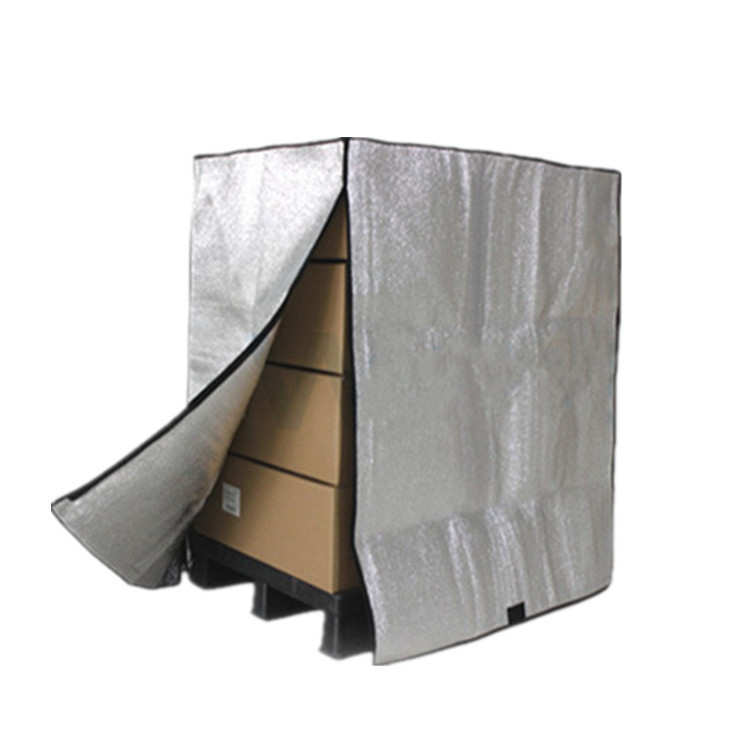
Thermal Shipping Covers For Chocolate matter in 2026 karena lonjakan suhu yang singkat masih merupakan awal terjadinya banyak kerugian, namun pembeli juga membutuhkan penanganan yang lebih cepat, validasi yang lebih baik, dan pilihan material yang lebih cerdas. If you move gift boxes, pralines, and premium bars, the right cover can reduce risk from melting, mekar lemak, and sugar bloom, mendukung kualitas yang lebih konsisten, dan cocok dengan model operasi berulang. Panduan yang dioptimalkan ini menggabungkan saran pembeli, wawasan materi, pemikiran kepatuhan, dan tren pasar ke dalam satu kerangka keputusan praktis.
What this article will help you solve
- How thermal shipping covers for chocolate fit the real risks in chocolate shipping and export logistics
- What to compare beyond unit price, termasuk cocok, penutup, daya tahan, dan menggunakan kembali
- How to validate performance with lane data, not just a marketing hour claim
- How to combine buyer logic, logika teknik, and sustainability logic in one decision
- What a fast self-check looks like before you launch or replace a cover program
Why are thermal shipping covers for chocolate worth the investment in 2026?
Thermal Shipping Covers For Chocolate are worth the investment when the cost of one failure is higher than the cost of building a repeatable passive protection step. That failure may be product spoilage, appearance damage, stability risk, a delayed release, or a customer complaint. Di dalam 2026, more teams are making this decision with total operating value in mind, bukan sekedar harga beli. They want fewer losses, penanganan lebih cepat, bukti yang lebih baik, and a clear sustainability story.
Untukmu, the key question is simple: where is the pallet exposed today, and what does that exposure cost when it goes wrong? If the answer involves melting, mekar lemak, and sugar bloom, a well-chosen cover can be one of the fastest ways to improve control without redesigning the whole cold chain. The biggest gains usually come from protecting repeat risk points such as summer parcel shipping, airport staging, cross-border export, and e-commerce fulfillment. This is where passive packaging often delivers a strong return. Shipping covers for chocolate often need to balance product protection with light weight and fast packing during seasonal volume spikes.
What business case usually supports thermal shipping covers for chocolate?
A strong business case combines avoided loss, labor fit, menggunakan kembali potensi, and easier claims defense. That means you should compare more than cover price. Review the cost of rejected goods, the labor seconds needed to install the cover, the expected number of trips, and the ability to generate data that supports QA or customer conversations. When those elements line up, the cover becomes a measurable process improvement.
| Value driver | Apa yang harus diukur | Mengapa itu penting | Typical result |
| Pengurangan kerugian | Claims or spoilage avoided | Melindungi nilai produk | Lower hidden cost |
| Labor fit | Seconds per install | Drives real compliance | Better daily execution |
| Reuse logic | Trips per unit | Changes true unit economics | Smarter procurement |
Tip dan rekomendasi praktis
- Build the business case around one high-risk lane first so savings are easier to prove.
- Count customer complaints and rejected pallets, not only temperature events.
- Use actual shift feedback to confirm the cover is fast enough for your operation.
Typical scenario: A team shipping gift boxes and pralines used a thermal cover during airport staging. The cover did not replace refrigeration, but it reduced exposure during the waiting window that usually triggered melting and fat bloom. That is where passive protection often earns its value.
How do thermal shipping covers for chocolate reduce risk across docks, mengangkut, dan penyimpanan?
A good cover reduces risk by smoothing the harsh transitions that fixed systems cannot fully eliminate. It slows radiant heat, cuts direct airflow, and helps manage moisture exposure while a pallet moves between protected points. That makes it useful across dock staging, line-haul handoffs, warehouse moves, and short waiting periods before delivery or storage. The result is a more stable product environment around the load.
This is especially valuable because temperature abuse often begins outside the main refrigeration asset. The truck may be fine, but the pallet may wait too long before loading. The warehouse may be controlled, but the marshalling lane may not be. When you place thermal shipping covers for chocolate at the exact transition where risk starts, you create a practical buffer that supports quality, umur simpan, stabilitas, or appearance. Online chocolate gifting and premium exports make presentation protection a bigger buying priority.
Which weak points should you map before selecting thermal shipping covers for chocolate?
Map the lane from the last protected point to the next protected point. Note dwell time, sinar matahari, kelembaban, massa produk, pallet shape, and how many times the load is touched. Then ask which moment is most likely to create the first failure. This simple exercise often reveals that the cover does not need to protect every hour of the trip. It only needs to protect the critical window you can actually improve.
| Network point | Kegagalan umum | How the cover helps | Mengapa kamu peduli |
| Dock or ramp | Sudden heat spike | Adds thermal buffer time | Less excursion risk |
| Warehouse move | Zone transition and condensation | Keeps load protected between zones | Better packaging condition |
| Delivery wait | Unplanned delay | Stabilizes the pallet until handoff | Lebih sedikit kejutan kualitas |
Tip dan rekomendasi praktis
- Map the risk window in minutes, not vague descriptions such as 'sometimes delayed.'
- Use the same map across procurement, QA, and operations so everyone solves the same problem.
- Focus first on the transition where quality loss begins, not on the easiest place to collect data.
Typical scenario: A team shipping gift boxes and pralines used a thermal cover during airport staging. The cover did not replace refrigeration, but it reduced exposure during the waiting window that usually triggered melting and fat bloom. That is where passive protection often earns its value.
What design, validasi, and sustainability features should you compare in thermal shipping covers for chocolate?
Desain, validasi, and sustainability should be compared together because they shape the real outcome as one system. Design tells you whether the cover fits the pallet, closes quickly, and resists handling damage. Validation tells you whether performance is proven for the actual lane. Sustainability tells you whether the program reduces total waste through reuse, ukuran yang tepat, and less damaged product.
This three-part comparison reflects how packaging decisions are changing. The European Union's Packaging and Packaging Waste Regulation entered into force in 2025 dan umumnya berlaku mulai bulan Agustus 12, 2026, which is increasing attention on packaging efficiency and circularity. Pada saat yang sama, quality teams still need strong data and operations teams still need speed. So the best thermal shipping covers for chocolate balance material choice, bukti kinerja, and daily usability in one package. Shippers are planning more carefully for airport and parcel handoff heat exposure during holiday peaks.
What comparison framework helps you shortlist thermal shipping covers for chocolate quickly?
Use a simple grid with three columns: does the cover fit the lane, does it fit the workflow, and does it fit the material strategy. Under each column, score closure speed, bugar, bukti validasi, reuse cycle, kebutuhan pembersihan, and storage footprint. This stops you from overvaluing one attractive feature while missing a hidden operational problem. It also gives procurement a clearer basis for comparing suppliers.
| Decision lens | Bagus | Lebih baik | Best-practice question |
| Desain | Basic fit | Cepat, repeatable fit | Will operators use it correctly every time? |
| Validasi | Generic data | Lane-specific evidence | Can QA defend this choice? |
| Keberlanjutan | Lower material weight | Right-sized reuse strategy | Does it cut total waste in reality? |
Tip dan rekomendasi praktis
- Score covers with real operators in the room, not only on a specification sheet.
- Avoid choosing a reusable model if your return, penyimpanan, and inspection loop is weak.
- Include avoided product loss in sustainability reviews, not only packaging mass.
Typical scenario: A team shipping gift boxes and pralines used a thermal cover during summer parcel shipping. The cover did not replace refrigeration, but it reduced exposure during the waiting window that usually triggered melting and fat bloom. That is where passive protection often earns its value.
Which decision tool helps you choose the right thermal shipping covers for chocolate faster?
A practical decision tool is a five-question self-check. Pertama, what is the exact product temperature requirement? Kedua, where is the highest-risk exposure window? Ketiga, how repeatable is the lane? Keempat, how fast must operators install the cover? Fifth, do you have a realistic reuse loop? If you answer these questions clearly, you can eliminate many poor options before a supplier presentation even begins.
This self-check is useful because it turns selection into a structured process. It prevents over-buying, under-buying, and confusing thermal marketing language. It also helps align QA, Operasi, and procurement, since each group can see where its priorities enter the decision. For complex networks, this is often the fastest route to a shortlist that makes sense.
How should you score your thermal shipping covers for chocolate shortlist?
Give each option a simple score from one to five for lane fit, bukti termal, kecepatan penanganan, daya tahan, and material strategy. Then weight the score according to your business goal. If product value is very high, lane evidence may deserve the highest weight. If shipment volume is extreme, handling speed may matter more. The scoring model does not need to be complicated to be effective. For chocolate shipping, appearance and texture often matter just as much as food safety, especially in premium and gift segments.
| Self-check question | Apa yang harus dikonfirmasi | Low score sign | High score sign |
| Lane risk | Known exposure window | Vague assumptions | Measured dwell profile |
| Handling fit | Fast installation | Teams likely skip it | Simple repeatable use |
| Reuse logic | Return and inspect loop | Tidak ada proses yang jelas | Closed-loop discipline |
Tip dan rekomendasi praktis
- Weight the score by business risk so the matrix reflects reality.
- Use the same scorecard for every supplier to avoid bias.
- Review the score after the pilot, not only before it.
Typical scenario: A team shipping gift boxes and pralines used a thermal cover during e-commerce fulfillment. The cover did not replace refrigeration, but it reduced exposure during the waiting window that usually triggered melting and fat bloom. That is where passive protection often earns its value.
How do you launch a thermal shipping covers for chocolate program that sticks?
A program sticks when the cover is easy to find, easy to fit, easy to inspect, and easy to justify. That means you need standard work, simple visuals, pilot data, and clear ownership for reuse or replacement. Once those pieces are in place, the cover becomes part of normal operations instead of a special instruction used only by the most careful shift.
The final step is continuous review. Lacak pengecualian, seasonal shifts, wear condition, and any changes in pallet profile or route design. If the network changes, the validation logic should change as well. When you keep the program connected to real lane data, thermal shipping covers for chocolate continue to deliver value instead of becoming background packaging that nobody questions.
What does a durable operating routine for thermal shipping covers for chocolate include?
It includes lane assignment, storage point, training pictures, inspection rules, and a review cadence. If the cover is reusable, the routine should also define cleaning, kembali, and retirement criteria. These details may sound operational, but they are exactly what turn a good product into a good system. The system is what protects quality at scale.
| Routine element | Apa yang dicakupnya | Pemilik | Mengapa itu penting |
| Pekerjaan standar | When and how to use the cover | Operasi | Prevents missed steps |
| Inspeksi | Condition and reuse decision | QA or supervisors | Keeps performance reliable |
| Review cycle | Data and exception analysis | Cross-functional team | Supports ongoing improvement |
Tip dan rekomendasi praktis
- Put the cover at the point of use, not in a distant storage area.
- Use picture-based work instructions so training stays simple across shifts.
- Schedule review after the hottest, busiest, or most difficult weeks of the season.
- Build reuse and material decisions around lower damage in seasonal campaigns.
Typical scenario: A team shipping gift boxes and pralines used a thermal cover during airport staging. The cover did not replace refrigeration, but it reduced exposure during the waiting window that usually triggered melting and fat bloom. That is where passive protection often earns its value.
2026 trends in chocolate shipping and export logistics
Di dalam 2026, the best decisions around thermal shipping covers for chocolate are being shaped by a mix of buyer discipline, logika validasi, dan tekanan keberlanjutan. Confectionery guidance commonly points to stable storage near 12 ke 18 degrees Celsius to reduce softening and bloom in chocolate. The European Commission says the Packaging and Packaging Waste Regulation, Peraturan (UE) 2025/40, mulai berlaku pada bulan Februari 11, 2025 and will generally apply from August 12, 2026. That combination is why cover programs are being reviewed more strategically and with clearer success metrics.
Perkembangan terbaru sekilas
- Selection is moving from unit-cost focus to cost-per-successful-trip thinking.
- Validasi, penggunaan kembali, and traceability are being discussed together instead of as separate projects.
- The strongest suppliers are offering both product and operating guidance, not product alone.
The practical lesson is that a strong 2026 program makes the cover easy to approve, mudah digunakan, and easy to review later with data. When those three elements are present, the cover earns trust across the organization and creates more durable value.
Pertanyaan yang sering diajukan
Are thermal shipping covers for chocolate the same as active refrigerated packaging?
TIDAK. Thermal Shipping Covers For Chocolate are passive protection. They slow temperature change and help buffer exposure, but they do not create active cooling on their own. They work best when you use them to protect a real risk window between controlled points.
How long can thermal shipping covers for chocolate protect a pallet?
There is no honest single answer because protection depends on payload, suhu awal, stres lingkungan, sinar matahari, kelembaban, bugar, dan waktu tinggal. The best question is whether the cover keeps your load inside target for your actual lane and pass criteria.
Can thermal shipping covers for chocolate be reused?
Many can, but reuse only creates value when you have an inspection rule, a realistic return loop, and a way to retire damaged units. If your network is irregular, a simpler one-way or limited-reuse model may work better.
Do thermal shipping covers for chocolate help with compliance and audits?
Mereka bisa, when they are part of a documented process. A cover becomes much more useful in audits when you can show why it was selected, how it is used, what data supports it, and what happens when there is an exception.
What should you ask a supplier before buying thermal shipping covers for chocolate?
Ask about lane assumptions, metode pengujian, payload used in testing, desain penutupan, pallet fit, reuse guidance, dan dukungan pelatihan. Those answers tell you far more than a broad brochure claim.
Do thermal shipping covers for chocolate stop chocolate from blooming or melting?
They can reduce the risk, especially during handoffs and short hot exposures, but they are not a cure-all. Chocolate quality depends on stable temperature, limited cycling, and avoiding condensation when moving between cold and warm environments.
Ringkasan dan Rekomendasi
Thermal Shipping Covers For Chocolate create value when you match them to the real exposure window, the real product sensitivity, and the real way your team works. The best program combines correct fit, practical handling, useful data, and a clear validation logic. If you compare covers with those factors in mind, you will make a better decision than if you focus on thickness or price alone.
Your next step is to profile one high-risk lane, define the pass criteria that matter to your product, and run a small pilot with loggers and operator feedback. That simple process will tell you whether thermal shipping covers for chocolate are the right control and which design gives you the best operating value.
Tentang tempk
Dan Tempk, we focus on practical thermal protection for real shipping conditions. We design pallet cover solutions around fit, penanganan berulang, and measurable performance so your team can protect quality without adding unnecessary complexity. We also support discussions around validation, reusability, and lane-specific application.
Bagikan profil jalur Anda, pallet size, and target temperature range with us, and we can help you compare the right options for thermal shipping covers for chocolate.
Selimut Pallet Termal Untuk Es Krim: Menyelesaikan 2026 Memandu

Thermal Pallet Blankets For Ice Cream matter in 2026 karena lonjakan suhu yang singkat masih merupakan awal terjadinya banyak kerugian, namun pembeli juga membutuhkan penanganan yang lebih cepat, validasi yang lebih baik, dan pilihan material yang lebih cerdas. If you move ice cream tubs, novelty bars, and gelato, the right cover can reduce risk from heat shock, ice crystal growth, and lid lift, mendukung kualitas yang lebih konsisten, dan cocok dengan model operasi berulang. Panduan yang dioptimalkan ini menggabungkan saran pembeli, wawasan materi, pemikiran kepatuhan, dan tren pasar ke dalam satu kerangka keputusan praktis.
What this article will help you solve
- How thermal pallet blankets for ice cream fit the real risks in frozen dessert logistics
- What to compare beyond unit price, termasuk cocok, penutup, daya tahan, dan menggunakan kembali
- How to validate performance with lane data, not just a marketing hour claim
- How to combine buyer logic, logika teknik, and sustainability logic in one decision
- What a fast self-check looks like before you launch or replace a cover program
Why are thermal pallet blankets for ice cream worth the investment in 2026?
Thermal Pallet Blankets For Ice Cream are worth the investment when the cost of one failure is higher than the cost of building a repeatable passive protection step. That failure may be product spoilage, appearance damage, stability risk, a delayed release, or a customer complaint. Di dalam 2026, more teams are making this decision with total operating value in mind, bukan sekedar harga beli. They want fewer losses, penanganan lebih cepat, bukti yang lebih baik, and a clear sustainability story.
Untukmu, the key question is simple: where is the pallet exposed today, and what does that exposure cost when it goes wrong? If the answer involves heat shock, ice crystal growth, and lid lift, a well-chosen cover can be one of the fastest ways to improve control without redesigning the whole cold chain. The biggest gains usually come from protecting repeat risk points such as freezer-to-truck loading, pengisian toko, summer distribution, and last mile frozen delivery. This is where passive packaging often delivers a strong return. Untuk es krim, a few avoidable minutes on a hot dock can create quality loss that shows up much later in the shopper experience.
What business case usually supports thermal pallet blankets for ice cream?
A strong business case combines avoided loss, labor fit, menggunakan kembali potensi, and easier claims defense. That means you should compare more than cover price. Review the cost of rejected goods, the labor seconds needed to install the cover, the expected number of trips, and the ability to generate data that supports QA or customer conversations. When those elements line up, the cover becomes a measurable process improvement.
| Value driver | Apa yang harus diukur | Mengapa itu penting | Typical result |
| Pengurangan kerugian | Claims or spoilage avoided | Melindungi nilai produk | Lower hidden cost |
| Labor fit | Seconds per install | Drives real compliance | Better daily execution |
| Reuse logic | Trips per unit | Changes true unit economics | Smarter procurement |
Tip dan rekomendasi praktis
- Build the business case around one high-risk lane first so savings are easier to prove.
- Count customer complaints and rejected pallets, not only temperature events.
- Use actual shift feedback to confirm the cover is fast enough for your operation.
Typical scenario: A team shipping ice cream tubs and novelty bars used a thermal cover during freezer-to-truck loading. The cover did not replace refrigeration, but it reduced exposure during the waiting window that usually triggered heat shock and ice crystal growth. That is where passive protection often earns its value.
How do thermal pallet blankets for ice cream reduce risk across docks, mengangkut, dan penyimpanan?
A good cover reduces risk by smoothing the harsh transitions that fixed systems cannot fully eliminate. It slows radiant heat, cuts direct airflow, and helps manage moisture exposure while a pallet moves between protected points. That makes it useful across dock staging, line-haul handoffs, warehouse moves, and short waiting periods before delivery or storage. The result is a more stable product environment around the load.
This is especially valuable because temperature abuse often begins outside the main refrigeration asset. The truck may be fine, but the pallet may wait too long before loading. The warehouse may be controlled, but the marshalling lane may not be. When you place thermal pallet blankets for ice cream at the exact transition where risk starts, you create a practical buffer that supports quality, umur simpan, stabilitas, or appearance. Frozen teams are focusing on short warm events during loading because these create texture damage even when a pallet later returns to the freezer.
Which weak points should you map before selecting thermal pallet blankets for ice cream?
Map the lane from the last protected point to the next protected point. Note dwell time, sinar matahari, kelembaban, massa produk, pallet shape, and how many times the load is touched. Then ask which moment is most likely to create the first failure. This simple exercise often reveals that the cover does not need to protect every hour of the trip. It only needs to protect the critical window you can actually improve.
| Network point | Kegagalan umum | How the cover helps | Mengapa kamu peduli |
| Dock or ramp | Sudden heat spike | Adds thermal buffer time | Less excursion risk |
| Warehouse move | Zone transition and condensation | Keeps load protected between zones | Better packaging condition |
| Delivery wait | Unplanned delay | Stabilizes the pallet until handoff | Lebih sedikit kejutan kualitas |
Tip dan rekomendasi praktis
- Map the risk window in minutes, not vague descriptions such as 'sometimes delayed.'
- Use the same map across procurement, QA, and operations so everyone solves the same problem.
- Focus first on the transition where quality loss begins, not on the easiest place to collect data.
Typical scenario: A team shipping ice cream tubs and novelty bars used a thermal cover during summer distribution. The cover did not replace refrigeration, but it reduced exposure during the waiting window that usually triggered heat shock and ice crystal growth. That is where passive protection often earns its value.
What design, validasi, and sustainability features should you compare in thermal pallet blankets for ice cream?
Desain, validasi, and sustainability should be compared together because they shape the real outcome as one system. Design tells you whether the cover fits the pallet, closes quickly, and resists handling damage. Validation tells you whether performance is proven for the actual lane. Sustainability tells you whether the program reduces total waste through reuse, ukuran yang tepat, and less damaged product.
This three-part comparison reflects how packaging decisions are changing. The European Union's Packaging and Packaging Waste Regulation entered into force in 2025 dan umumnya berlaku mulai bulan Agustus 12, 2026, which is increasing attention on packaging efficiency and circularity. Pada saat yang sama, quality teams still need strong data and operations teams still need speed. So the best thermal pallet blankets for ice cream balance material choice, bukti kinerja, and daily usability in one package. Summer peaks make pallet staging discipline and rapid coverage more important than ever.
What comparison framework helps you shortlist thermal pallet blankets for ice cream quickly?
Use a simple grid with three columns: does the cover fit the lane, does it fit the workflow, and does it fit the material strategy. Under each column, score closure speed, bugar, bukti validasi, reuse cycle, kebutuhan pembersihan, and storage footprint. This stops you from overvaluing one attractive feature while missing a hidden operational problem. It also gives procurement a clearer basis for comparing suppliers.
| Decision lens | Bagus | Lebih baik | Best-practice question |
| Desain | Basic fit | Cepat, repeatable fit | Will operators use it correctly every time? |
| Validasi | Generic data | Lane-specific evidence | Can QA defend this choice? |
| Keberlanjutan | Lower material weight | Right-sized reuse strategy | Does it cut total waste in reality? |
Tip dan rekomendasi praktis
- Score covers with real operators in the room, not only on a specification sheet.
- Avoid choosing a reusable model if your return, penyimpanan, and inspection loop is weak.
- Include avoided product loss in sustainability reviews, not only packaging mass.
Typical scenario: A team shipping ice cream tubs and novelty bars used a thermal cover during freezer-to-truck loading. The cover did not replace refrigeration, but it reduced exposure during the waiting window that usually triggered heat shock and ice crystal growth. That is where passive protection often earns its value.
Which decision tool helps you choose the right thermal pallet blankets for ice cream faster?
A practical decision tool is a five-question self-check. Pertama, what is the exact product temperature requirement? Kedua, where is the highest-risk exposure window? Ketiga, how repeatable is the lane? Keempat, how fast must operators install the cover? Fifth, do you have a realistic reuse loop? If you answer these questions clearly, you can eliminate many poor options before a supplier presentation even begins.
This self-check is useful because it turns selection into a structured process. It prevents over-buying, under-buying, and confusing thermal marketing language. It also helps align QA, Operasi, and procurement, since each group can see where its priorities enter the decision. For complex networks, this is often the fastest route to a shortlist that makes sense.
How should you score your thermal pallet blankets for ice cream shortlist?
Give each option a simple score from one to five for lane fit, bukti termal, kecepatan penanganan, daya tahan, and material strategy. Then weight the score according to your business goal. If product value is very high, lane evidence may deserve the highest weight. If shipment volume is extreme, handling speed may matter more. The scoring model does not need to be complicated to be effective.
| Self-check question | Apa yang harus dikonfirmasi | Low score sign | High score sign |
| Lane risk | Known exposure window | Vague assumptions | Measured dwell profile |
| Handling fit | Fast installation | Teams likely skip it | Simple repeatable use |
| Reuse logic | Return and inspect loop | Tidak ada proses yang jelas | Closed-loop discipline |
Tip dan rekomendasi praktis
- Weight the score by business risk so the matrix reflects reality.
- Use the same scorecard for every supplier to avoid bias.
- Review the score after the pilot, not only before it.
Typical scenario: A team shipping ice cream tubs and novelty bars used a thermal cover during summer distribution. The cover did not replace refrigeration, but it reduced exposure during the waiting window that usually triggered heat shock and ice crystal growth. That is where passive protection often earns its value.
How do you launch a thermal pallet blankets for ice cream program that sticks?
A program sticks when the cover is easy to find, easy to fit, easy to inspect, and easy to justify. That means you need standard work, simple visuals, pilot data, and clear ownership for reuse or replacement. Once those pieces are in place, the cover becomes part of normal operations instead of a special instruction used only by the most careful shift.
The final step is continuous review. Lacak pengecualian, seasonal shifts, wear condition, and any changes in pallet profile or route design. If the network changes, the validation logic should change as well. When you keep the program connected to real lane data, thermal pallet blankets for ice cream continue to deliver value instead of becoming background packaging that nobody questions.
What does a durable operating routine for thermal pallet blankets for ice cream include?
It includes lane assignment, storage point, training pictures, inspection rules, and a review cadence. If the cover is reusable, the routine should also define cleaning, kembali, and retirement criteria. These details may sound operational, but they are exactly what turn a good product into a good system. The system is what protects quality at scale.
| Routine element | Apa yang dicakupnya | Pemilik | Mengapa itu penting |
| Pekerjaan standar | When and how to use the cover | Operasi | Prevents missed steps |
| Inspeksi | Condition and reuse decision | QA or supervisors | Keeps performance reliable |
| Review cycle | Data and exception analysis | Cross-functional team | Supports ongoing improvement |
Tip dan rekomendasi praktis
- Put the cover at the point of use, not in a distant storage area.
- Use picture-based work instructions so training stays simple across shifts.
- Schedule review after the hottest, busiest, or most difficult weeks of the season.
- Build reuse and material decisions around reusable covers in closed frozen loops.
Typical scenario: A team shipping ice cream tubs and novelty bars used a thermal cover during last mile frozen delivery. The cover did not replace refrigeration, but it reduced exposure during the waiting window that usually triggered heat shock and ice crystal growth. That is where passive protection often earns its value.
2026 trends in frozen dessert logistics
Di dalam 2026, the best decisions around thermal pallet blankets for ice cream are being shaped by a mix of buyer discipline, logika validasi, dan tekanan keberlanjutan. USDA says perishable foods should be kept at 40°F or below in refrigeration and 0°F or below in the freezer. The European Commission says the Packaging and Packaging Waste Regulation, Peraturan (UE) 2025/40, mulai berlaku pada bulan Februari 11, 2025 and will generally apply from August 12, 2026. That combination is why cover programs are being reviewed more strategically and with clearer success metrics.
Perkembangan terbaru sekilas
- Selection is moving from unit-cost focus to cost-per-successful-trip thinking.
- Validasi, penggunaan kembali, and traceability are being discussed together instead of as separate projects.
- The strongest suppliers are offering both product and operating guidance, not product alone.
The practical lesson is that a strong 2026 program makes the cover easy to approve, mudah digunakan, and easy to review later with data. When those three elements are present, the cover earns trust across the organization and creates more durable value.
Pertanyaan yang sering diajukan
Are thermal pallet blankets for ice cream the same as active refrigerated packaging?
TIDAK. Thermal Pallet Blankets For Ice Cream are passive protection. They slow temperature change and help buffer exposure, but they do not create active cooling on their own. They work best when you use them to protect a real risk window between controlled points.
How long can thermal pallet blankets for ice cream protect a pallet?
There is no honest single answer because protection depends on payload, suhu awal, stres lingkungan, sinar matahari, kelembaban, bugar, dan waktu tinggal. The best question is whether the cover keeps your load inside target for your actual lane and pass criteria.
Can thermal pallet blankets for ice cream be reused?
Many can, but reuse only creates value when you have an inspection rule, a realistic return loop, and a way to retire damaged units. If your network is irregular, a simpler one-way or limited-reuse model may work better.
Do thermal pallet blankets for ice cream help with compliance and audits?
Mereka bisa, when they are part of a documented process. A cover becomes much more useful in audits when you can show why it was selected, how it is used, what data supports it, and what happens when there is an exception.
What should you ask a supplier before buying thermal pallet blankets for ice cream?
Ask about lane assumptions, metode pengujian, payload used in testing, desain penutupan, pallet fit, reuse guidance, dan dukungan pelatihan. Those answers tell you far more than a broad brochure claim.
Can thermal pallet blankets for ice cream protect ice cream during loading delays?
They can help buffer short delays, which is valuable because brief warming can damage texture even before the product is visibly soft. Untuk produk beku, validate the cover around your real loading and staging pattern, not just a generic room test.
Ringkasan dan Rekomendasi
Thermal Pallet Blankets For Ice Cream create value when you match them to the real exposure window, the real product sensitivity, and the real way your team works. The best program combines correct fit, practical handling, useful data, and a clear validation logic. If you compare covers with those factors in mind, you will make a better decision than if you focus on thickness or price alone.
Your next step is to profile one high-risk lane, define the pass criteria that matter to your product, and run a small pilot with loggers and operator feedback. That simple process will tell you whether thermal pallet blankets for ice cream are the right control and which design gives you the best operating value.
Tentang tempk
Dan Tempk, we focus on practical thermal protection for real shipping conditions. We design pallet cover solutions around fit, penanganan berulang, and measurable performance so your team can protect quality without adding unnecessary complexity. We also support discussions around validation, reusability, and lane-specific application.
Bagikan profil jalur Anda, pallet size, and target temperature range with us, and we can help you compare the right options for thermal pallet blankets for ice cream.
Thermal Pallet Blankets For Food Manufacturing: Menyelesaikan 2026 Memandu
Thermal Pallet Blankets For Food Manufacturing matter in 2026 karena lonjakan suhu yang singkat masih merupakan awal terjadinya banyak kerugian, namun pembeli juga membutuhkan penanganan yang lebih cepat, validasi yang lebih baik, dan pilihan material yang lebih cerdas. If you move raw ingredients, semi-finished food, and finished chilled goods, the right cover can reduce risk from line-to-dock exposure, schedule variability, dan penyimpangan kualitas, mendukung kualitas yang lebih konsisten, dan cocok dengan model operasi berulang. Panduan yang dioptimalkan ini menggabungkan saran pembeli, wawasan materi, pemikiran kepatuhan, dan tren pasar ke dalam satu kerangka keputusan praktis.
What this article will help you solve
- How thermal pallet blankets for food manufacturing fit the real risks in food manufacturing logistics
- What to compare beyond unit price, termasuk cocok, penutup, daya tahan, dan menggunakan kembali
- How to validate performance with lane data, not just a marketing hour claim
- How to combine buyer logic, logika teknik, and sustainability logic in one decision
- What a fast self-check looks like before you launch or replace a cover program
Why are thermal pallet blankets for food manufacturing worth the investment in 2026?
Thermal Pallet Blankets For Food Manufacturing are worth the investment when the cost of one failure is higher than the cost of building a repeatable passive protection step. That failure may be product spoilage, appearance damage, stability risk, a delayed release, or a customer complaint. Di dalam 2026, more teams are making this decision with total operating value in mind, bukan sekedar harga beli. They want fewer losses, penanganan lebih cepat, bukti yang lebih baik, and a clear sustainability story.
Untukmu, the key question is simple: where is the pallet exposed today, and what does that exposure cost when it goes wrong? If the answer involves line-to-dock exposure, schedule variability, dan penyimpangan kualitas, a well-chosen cover can be one of the fastest ways to improve control without redesigning the whole cold chain. The biggest gains usually come from protecting repeat risk points such as plant to DC transfer, finished goods staging, ingredient handling, and co-manufacturing handoff. This is where passive packaging often delivers a strong return. Thermal blankets create the most value in food manufacturing when they are built into standard work at the dock, not treated as an emergency add-on.
What business case usually supports thermal pallet blankets for food manufacturing?
A strong business case combines avoided loss, labor fit, menggunakan kembali potensi, and easier claims defense. That means you should compare more than cover price. Review the cost of rejected goods, the labor seconds needed to install the cover, the expected number of trips, and the ability to generate data that supports QA or customer conversations. When those elements line up, the cover becomes a measurable process improvement.
| Value driver | Apa yang harus diukur | Mengapa itu penting | Typical result |
| Pengurangan kerugian | Claims or spoilage avoided | Melindungi nilai produk | Lower hidden cost |
| Labor fit | Seconds per install | Drives real compliance | Better daily execution |
| Reuse logic | Trips per unit | Changes true unit economics | Smarter procurement |
Tip dan rekomendasi praktis
- Build the business case around one high-risk lane first so savings are easier to prove.
- Count customer complaints and rejected pallets, not only temperature events.
- Use actual shift feedback to confirm the cover is fast enough for your operation.
Typical scenario: A team shipping raw ingredients and semi-finished food used a thermal cover during ingredient handling. The cover did not replace refrigeration, but it reduced exposure during the waiting window that usually triggered line-to-dock exposure and schedule variability. That is where passive protection often earns its value.
How do thermal pallet blankets for food manufacturing reduce risk across docks, mengangkut, dan penyimpanan?
A good cover reduces risk by smoothing the harsh transitions that fixed systems cannot fully eliminate. It slows radiant heat, cuts direct airflow, and helps manage moisture exposure while a pallet moves between protected points. That makes it useful across dock staging, line-haul handoffs, warehouse moves, and short waiting periods before delivery or storage. The result is a more stable product environment around the load.
This is especially valuable because temperature abuse often begins outside the main refrigeration asset. The truck may be fine, but the pallet may wait too long before loading. The warehouse may be controlled, but the marshalling lane may not be. When you place thermal pallet blankets for food manufacturing at the exact transition where risk starts, you create a practical buffer that supports quality, umur simpan, stabilitas, or appearance. Food plants are paying more attention to staging and release windows because that is where hidden temperature abuse often starts.
Which weak points should you map before selecting thermal pallet blankets for food manufacturing?
Map the lane from the last protected point to the next protected point. Note dwell time, sinar matahari, kelembaban, massa produk, pallet shape, and how many times the load is touched. Then ask which moment is most likely to create the first failure. This simple exercise often reveals that the cover does not need to protect every hour of the trip. It only needs to protect the critical window you can actually improve.
| Network point | Kegagalan umum | How the cover helps | Mengapa kamu peduli |
| Dock or ramp | Sudden heat spike | Adds thermal buffer time | Less excursion risk |
| Warehouse move | Zone transition and condensation | Keeps load protected between zones | Better packaging condition |
| Delivery wait | Unplanned delay | Stabilizes the pallet until handoff | Lebih sedikit kejutan kualitas |
Tip dan rekomendasi praktis
- Map the risk window in minutes, not vague descriptions such as 'sometimes delayed.'
- Use the same map across procurement, QA, and operations so everyone solves the same problem.
- Focus first on the transition where quality loss begins, not on the easiest place to collect data.
Typical scenario: A team shipping raw ingredients and semi-finished food used a thermal cover during finished goods staging. The cover did not replace refrigeration, but it reduced exposure during the waiting window that usually triggered line-to-dock exposure and schedule variability. That is where passive protection often earns its value.
What design, validasi, and sustainability features should you compare in thermal pallet blankets for food manufacturing?
Desain, validasi, and sustainability should be compared together because they shape the real outcome as one system. Design tells you whether the cover fits the pallet, closes quickly, and resists handling damage. Validation tells you whether performance is proven for the actual lane. Sustainability tells you whether the program reduces total waste through reuse, ukuran yang tepat, and less damaged product.
This three-part comparison reflects how packaging decisions are changing. The European Union's Packaging and Packaging Waste Regulation entered into force in 2025 dan umumnya berlaku mulai bulan Agustus 12, 2026, which is increasing attention on packaging efficiency and circularity. Pada saat yang sama, quality teams still need strong data and operations teams still need speed. So the best thermal pallet blankets for food manufacturing balance material choice, bukti kinerja, and daily usability in one package. Packaging choices are now tied more closely to traceability, pembelaan klaim, dan tujuan keberlanjutan.
What comparison framework helps you shortlist thermal pallet blankets for food manufacturing quickly?
Use a simple grid with three columns: does the cover fit the lane, does it fit the workflow, and does it fit the material strategy. Under each column, score closure speed, bugar, bukti validasi, reuse cycle, kebutuhan pembersihan, and storage footprint. This stops you from overvaluing one attractive feature while missing a hidden operational problem. It also gives procurement a clearer basis for comparing suppliers.
| Decision lens | Bagus | Lebih baik | Best-practice question |
| Desain | Basic fit | Cepat, repeatable fit | Will operators use it correctly every time? |
| Validasi | Generic data | Lane-specific evidence | Can QA defend this choice? |
| Keberlanjutan | Lower material weight | Right-sized reuse strategy | Does it cut total waste in reality? |
Tip dan rekomendasi praktis
- Score covers with real operators in the room, not only on a specification sheet.
- Avoid choosing a reusable model if your return, penyimpanan, and inspection loop is weak.
- Include avoided product loss in sustainability reviews, not only packaging mass.
Typical scenario: A team shipping raw ingredients and semi-finished food used a thermal cover during co-manufacturing handoff. The cover did not replace refrigeration, but it reduced exposure during the waiting window that usually triggered line-to-dock exposure and schedule variability. That is where passive protection often earns its value.
Which decision tool helps you choose the right thermal pallet blankets for food manufacturing faster?
A practical decision tool is a five-question self-check. Pertama, what is the exact product temperature requirement? Kedua, where is the highest-risk exposure window? Ketiga, how repeatable is the lane? Keempat, how fast must operators install the cover? Fifth, do you have a realistic reuse loop? If you answer these questions clearly, you can eliminate many poor options before a supplier presentation even begins.
This self-check is useful because it turns selection into a structured process. It prevents over-buying, under-buying, and confusing thermal marketing language. It also helps align QA, Operasi, and procurement, since each group can see where its priorities enter the decision. For complex networks, this is often the fastest route to a shortlist that makes sense.
How should you score your thermal pallet blankets for food manufacturing shortlist?
Give each option a simple score from one to five for lane fit, bukti termal, kecepatan penanganan, daya tahan, and material strategy. Then weight the score according to your business goal. If product value is very high, lane evidence may deserve the highest weight. If shipment volume is extreme, handling speed may matter more. The scoring model does not need to be complicated to be effective.
| Self-check question | Apa yang harus dikonfirmasi | Low score sign | High score sign |
| Lane risk | Known exposure window | Vague assumptions | Measured dwell profile |
| Handling fit | Fast installation | Teams likely skip it | Simple repeatable use |
| Reuse logic | Return and inspect loop | Tidak ada proses yang jelas | Closed-loop discipline |
Tip dan rekomendasi praktis
- Weight the score by business risk so the matrix reflects reality.
- Use the same scorecard for every supplier to avoid bias.
- Review the score after the pilot, not only before it.
Typical scenario: A team shipping raw ingredients and semi-finished food used a thermal cover during co-manufacturing handoff. The cover did not replace refrigeration, but it reduced exposure during the waiting window that usually triggered line-to-dock exposure and schedule variability. That is where passive protection often earns its value.
How do you launch a thermal pallet blankets for food manufacturing program that sticks?
A program sticks when the cover is easy to find, easy to fit, easy to inspect, and easy to justify. That means you need standard work, simple visuals, pilot data, and clear ownership for reuse or replacement. Once those pieces are in place, the cover becomes part of normal operations instead of a special instruction used only by the most careful shift.
The final step is continuous review. Lacak pengecualian, seasonal shifts, wear condition, and any changes in pallet profile or route design. If the network changes, the validation logic should change as well. When you keep the program connected to real lane data, thermal pallet blankets for food manufacturing continue to deliver value instead of becoming background packaging that nobody questions.
What does a durable operating routine for thermal pallet blankets for food manufacturing include?
It includes lane assignment, storage point, training pictures, inspection rules, and a review cadence. If the cover is reusable, the routine should also define cleaning, kembali, and retirement criteria. These details may sound operational, but they are exactly what turn a good product into a good system. The system is what protects quality at scale.
| Routine element | Apa yang dicakupnya | Pemilik | Mengapa itu penting |
| Pekerjaan standar | When and how to use the cover | Operasi | Prevents missed steps |
| Inspeksi | Condition and reuse decision | QA or supervisors | Keeps performance reliable |
| Review cycle | Data and exception analysis | Cross-functional team | Supports ongoing improvement |
Tip dan rekomendasi praktis
- Put the cover at the point of use, not in a distant storage area.
- Use picture-based work instructions so training stays simple across shifts.
- Schedule review after the hottest, busiest, or most difficult weeks of the season.
- Build reuse and material decisions around waste reduction through fewer rejected loads.
Typical scenario: A team shipping raw ingredients and semi-finished food used a thermal cover during finished goods staging. The cover did not replace refrigeration, but it reduced exposure during the waiting window that usually triggered line-to-dock exposure and schedule variability. That is where passive protection often earns its value.
2026 trends in food manufacturing logistics
Di dalam 2026, the best decisions around thermal pallet blankets for food manufacturing are being shaped by a mix of buyer discipline, logika validasi, dan tekanan keberlanjutan. FDA said in February 2026 that it proposed moving the Food Traceability Rule compliance date to July 20, 2028 and that it intends not to enforce the rule before that date, following Congressional direction. FAO says the food cold chain is responsible for about 4 percent of global greenhouse gas emissions. UNEP and FAO report that about 14 percent of food produced for human consumption is lost before retail, and lack of effective refrigeration caused the loss of 12 percent of total food production in 2017. That combination is why cover programs are being reviewed more strategically and with clearer success metrics.
Perkembangan terbaru sekilas
- Selection is moving from unit-cost focus to cost-per-successful-trip thinking.
- Validasi, penggunaan kembali, and traceability are being discussed together instead of as separate projects.
- The strongest suppliers are offering both product and operating guidance, not product alone.
The practical lesson is that a strong 2026 program makes the cover easy to approve, mudah digunakan, and easy to review later with data. When those three elements are present, the cover earns trust across the organization and creates more durable value.
Pertanyaan yang sering diajukan
Are thermal pallet blankets for food manufacturing the same as active refrigerated packaging?
TIDAK. Thermal Pallet Blankets For Food Manufacturing are passive protection. They slow temperature change and help buffer exposure, but they do not create active cooling on their own. They work best when you use them to protect a real risk window between controlled points.
How long can thermal pallet blankets for food manufacturing protect a pallet?
There is no honest single answer because protection depends on payload, suhu awal, stres lingkungan, sinar matahari, kelembaban, bugar, dan waktu tinggal. The best question is whether the cover keeps your load inside target for your actual lane and pass criteria.
Can thermal pallet blankets for food manufacturing be reused?
Many can, but reuse only creates value when you have an inspection rule, a realistic return loop, and a way to retire damaged units. If your network is irregular, a simpler one-way or limited-reuse model may work better.
Do thermal pallet blankets for food manufacturing help with compliance and audits?
Mereka bisa, when they are part of a documented process. A cover becomes much more useful in audits when you can show why it was selected, how it is used, what data supports it, and what happens when there is an exception.
What should you ask a supplier before buying thermal pallet blankets for food manufacturing?
Ask about lane assumptions, metode pengujian, payload used in testing, desain penutupan, pallet fit, reuse guidance, dan dukungan pelatihan. Those answers tell you far more than a broad brochure claim.
Ringkasan dan Rekomendasi
Thermal Pallet Blankets For Food Manufacturing create value when you match them to the real exposure window, the real product sensitivity, and the real way your team works. The best program combines correct fit, practical handling, useful data, and a clear validation logic. If you compare covers with those factors in mind, you will make a better decision than if you focus on thickness or price alone.
Your next step is to profile one high-risk lane, define the pass criteria that matter to your product, and run a small pilot with loggers and operator feedback. That simple process will tell you whether thermal pallet blankets for food manufacturing are the right control and which design gives you the best operating value.
Tentang tempk
Dan Tempk, we focus on practical thermal protection for real shipping conditions. We design pallet cover solutions around fit, penanganan berulang, and measurable performance so your team can protect quality without adding unnecessary complexity. We also support discussions around validation, reusability, and lane-specific application.
Bagikan profil jalur Anda, pallet size, and target temperature range with us, and we can help you compare the right options for thermal pallet blankets for food manufacturing.
Thermal Pallet Blankets For Biotech: Menyelesaikan 2026 Memandu
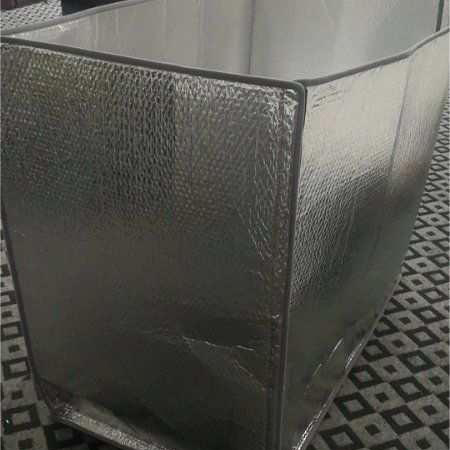
Thermal Pallet Blankets For Biotech matter in 2026 karena lonjakan suhu yang singkat masih merupakan awal terjadinya banyak kerugian, namun pembeli juga membutuhkan penanganan yang lebih cepat, validasi yang lebih baik, dan pilihan material yang lebih cerdas. If you move biologics, enzim, and reagents, the right cover can reduce risk from potency loss, membekukan kerusakan, and excursion investigation, mendukung kualitas yang lebih konsisten, dan cocok dengan model operasi berulang. Panduan yang dioptimalkan ini menggabungkan saran pembeli, wawasan materi, pemikiran kepatuhan, dan tren pasar ke dalam satu kerangka keputusan praktis.
What this article will help you solve
- How thermal pallet blankets for biotech fit the real risks in biotech and life sciences logistics
- What to compare beyond unit price, termasuk cocok, penutup, daya tahan, dan menggunakan kembali
- How to validate performance with lane data, not just a marketing hour claim
- How to combine buyer logic, logika teknik, and sustainability logic in one decision
- What a fast self-check looks like before you launch or replace a cover program
Why are thermal pallet blankets for biotech worth the investment in 2026?
Thermal Pallet Blankets For Biotech are worth the investment when the cost of one failure is higher than the cost of building a repeatable passive protection step. That failure may be product spoilage, appearance damage, stability risk, a delayed release, or a customer complaint. Di dalam 2026, more teams are making this decision with total operating value in mind, bukan sekedar harga beli. They want fewer losses, penanganan lebih cepat, bukti yang lebih baik, and a clear sustainability story.
Untukmu, the key question is simple: where is the pallet exposed today, and what does that exposure cost when it goes wrong? If the answer involves potency loss, membekukan kerusakan, and excursion investigation, a well-chosen cover can be one of the fastest ways to improve control without redesigning the whole cold chain. The biggest gains usually come from protecting repeat risk points such as clinical trial shipments, plant to depot transfer, air cargo staging, and hospital or lab replenishment. This is where passive packaging often delivers a strong return. Dalam bioteknologi, a passive blanket is not just packaging; it is part of the documented control strategy around product integrity.
What business case usually supports thermal pallet blankets for biotech?
A strong business case combines avoided loss, labor fit, menggunakan kembali potensi, and easier claims defense. That means you should compare more than cover price. Review the cost of rejected goods, the labor seconds needed to install the cover, the expected number of trips, and the ability to generate data that supports QA or customer conversations. When those elements line up, the cover becomes a measurable process improvement.
| Value driver | Apa yang harus diukur | Mengapa itu penting | Typical result |
| Pengurangan kerugian | Claims or spoilage avoided | Melindungi nilai produk | Lower hidden cost |
| Labor fit | Seconds per install | Drives real compliance | Better daily execution |
| Reuse logic | Trips per unit | Changes true unit economics | Smarter procurement |
Tip dan rekomendasi praktis
- Build the business case around one high-risk lane first so savings are easier to prove.
- Count customer complaints and rejected pallets, not only temperature events.
- Use actual shift feedback to confirm the cover is fast enough for your operation.
Typical scenario: A team shipping biologics and enzymes used a thermal cover during plant to depot transfer. The cover did not replace refrigeration, but it reduced exposure during the waiting window that usually triggered potency loss and freeze damage. That is where passive protection often earns its value.
How do thermal pallet blankets for biotech reduce risk across docks, mengangkut, dan penyimpanan?
A good cover reduces risk by smoothing the harsh transitions that fixed systems cannot fully eliminate. It slows radiant heat, cuts direct airflow, and helps manage moisture exposure while a pallet moves between protected points. That makes it useful across dock staging, line-haul handoffs, warehouse moves, and short waiting periods before delivery or storage. The result is a more stable product environment around the load.
This is especially valuable because temperature abuse often begins outside the main refrigeration asset. The truck may be fine, but the pallet may wait too long before loading. The warehouse may be controlled, but the marshalling lane may not be. When you place thermal pallet blankets for biotech at the exact transition where risk starts, you create a practical buffer that supports quality, umur simpan, stabilitas, or appearance. Life sciences teams are asking for more lane-specific evidence, better sensor visibility, and easier deviation review.
Which weak points should you map before selecting thermal pallet blankets for biotech?
Map the lane from the last protected point to the next protected point. Note dwell time, sinar matahari, kelembaban, massa produk, pallet shape, and how many times the load is touched. Then ask which moment is most likely to create the first failure. This simple exercise often reveals that the cover does not need to protect every hour of the trip. It only needs to protect the critical window you can actually improve.
| Network point | Kegagalan umum | How the cover helps | Mengapa kamu peduli |
| Dock or ramp | Sudden heat spike | Adds thermal buffer time | Less excursion risk |
| Warehouse move | Zone transition and condensation | Keeps load protected between zones | Better packaging condition |
| Delivery wait | Unplanned delay | Stabilizes the pallet until handoff | Lebih sedikit kejutan kualitas |
Tip dan rekomendasi praktis
- Map the risk window in minutes, not vague descriptions such as 'sometimes delayed.'
- Use the same map across procurement, QA, and operations so everyone solves the same problem.
- Focus first on the transition where quality loss begins, not on the easiest place to collect data.
Typical scenario: A team shipping biologics and enzymes used a thermal cover during air cargo staging. The cover did not replace refrigeration, but it reduced exposure during the waiting window that usually triggered potency loss and freeze damage. That is where passive protection often earns its value.
What design, validasi, and sustainability features should you compare in thermal pallet blankets for biotech?
Desain, validasi, and sustainability should be compared together because they shape the real outcome as one system. Design tells you whether the cover fits the pallet, closes quickly, and resists handling damage. Validation tells you whether performance is proven for the actual lane. Sustainability tells you whether the program reduces total waste through reuse, ukuran yang tepat, and less damaged product.
This three-part comparison reflects how packaging decisions are changing. The European Union's Packaging and Packaging Waste Regulation entered into force in 2025 dan umumnya berlaku mulai bulan Agustus 12, 2026, which is increasing attention on packaging efficiency and circularity. Pada saat yang sama, quality teams still need strong data and operations teams still need speed. So the best thermal pallet blankets for biotech balance material choice, bukti kinerja, and daily usability in one package. Small and mid-sized operators are also looking at CEIV-style discipline because it supports audit readiness and customer trust.
What comparison framework helps you shortlist thermal pallet blankets for biotech quickly?
Use a simple grid with three columns: does the cover fit the lane, does it fit the workflow, and does it fit the material strategy. Under each column, score closure speed, bugar, bukti validasi, reuse cycle, kebutuhan pembersihan, and storage footprint. This stops you from overvaluing one attractive feature while missing a hidden operational problem. It also gives procurement a clearer basis for comparing suppliers.
| Decision lens | Bagus | Lebih baik | Best-practice question |
| Desain | Basic fit | Cepat, repeatable fit | Will operators use it correctly every time? |
| Validasi | Generic data | Lane-specific evidence | Can QA defend this choice? |
| Keberlanjutan | Lower material weight | Right-sized reuse strategy | Does it cut total waste in reality? |
Tip dan rekomendasi praktis
- Score covers with real operators in the room, not only on a specification sheet.
- Avoid choosing a reusable model if your return, penyimpanan, and inspection loop is weak.
- Include avoided product loss in sustainability reviews, not only packaging mass.
Typical scenario: A team shipping biologics and enzymes used a thermal cover during clinical trial shipments. The cover did not replace refrigeration, but it reduced exposure during the waiting window that usually triggered potency loss and freeze damage. That is where passive protection often earns its value.
Which decision tool helps you choose the right thermal pallet blankets for biotech faster?
A practical decision tool is a five-question self-check. Pertama, what is the exact product temperature requirement? Kedua, where is the highest-risk exposure window? Ketiga, how repeatable is the lane? Keempat, how fast must operators install the cover? Fifth, do you have a realistic reuse loop? If you answer these questions clearly, you can eliminate many poor options before a supplier presentation even begins.
This self-check is useful because it turns selection into a structured process. It prevents over-buying, under-buying, and confusing thermal marketing language. It also helps align QA, Operasi, and procurement, since each group can see where its priorities enter the decision. For complex networks, this is often the fastest route to a shortlist that makes sense.
How should you score your thermal pallet blankets for biotech shortlist?
Give each option a simple score from one to five for lane fit, bukti termal, kecepatan penanganan, daya tahan, and material strategy. Then weight the score according to your business goal. If product value is very high, lane evidence may deserve the highest weight. If shipment volume is extreme, handling speed may matter more. The scoring model does not need to be complicated to be effective. Biotech buyers care less about generic hour claims and more about validated performance under the exact lane and product profile they run.
| Self-check question | Apa yang harus dikonfirmasi | Low score sign | High score sign |
| Lane risk | Known exposure window | Vague assumptions | Measured dwell profile |
| Handling fit | Fast installation | Teams likely skip it | Simple repeatable use |
| Reuse logic | Return and inspect loop | Tidak ada proses yang jelas | Closed-loop discipline |
Tip dan rekomendasi praktis
- Weight the score by business risk so the matrix reflects reality.
- Use the same scorecard for every supplier to avoid bias.
- Review the score after the pilot, not only before it.
Typical scenario: A team shipping biologics and enzymes used a thermal cover during hospital or lab replenishment. The cover did not replace refrigeration, but it reduced exposure during the waiting window that usually triggered potency loss and freeze damage. That is where passive protection often earns its value.
How do you launch a thermal pallet blankets for biotech program that sticks?
A program sticks when the cover is easy to find, easy to fit, easy to inspect, and easy to justify. That means you need standard work, simple visuals, pilot data, and clear ownership for reuse or replacement. Once those pieces are in place, the cover becomes part of normal operations instead of a special instruction used only by the most careful shift.
The final step is continuous review. Lacak pengecualian, seasonal shifts, wear condition, and any changes in pallet profile or route design. If the network changes, the validation logic should change as well. When you keep the program connected to real lane data, thermal pallet blankets for biotech continue to deliver value instead of becoming background packaging that nobody questions.
What does a durable operating routine for thermal pallet blankets for biotech include?
It includes lane assignment, storage point, training pictures, inspection rules, and a review cadence. If the cover is reusable, the routine should also define cleaning, kembali, and retirement criteria. These details may sound operational, but they are exactly what turn a good product into a good system. The system is what protects quality at scale.
| Routine element | Apa yang dicakupnya | Pemilik | Mengapa itu penting |
| Pekerjaan standar | When and how to use the cover | Operasi | Prevents missed steps |
| Inspeksi | Condition and reuse decision | QA or supervisors | Keeps performance reliable |
| Review cycle | Data and exception analysis | Cross-functional team | Supports ongoing improvement |
Tip dan rekomendasi praktis
- Put the cover at the point of use, not in a distant storage area.
- Use picture-based work instructions so training stays simple across shifts.
- Schedule review after the hottest, busiest, or most difficult weeks of the season.
- Build reuse and material decisions around reusable protection on validated repeat lanes.
Typical scenario: A team shipping biologics and enzymes used a thermal cover during plant to depot transfer. The cover did not replace refrigeration, but it reduced exposure during the waiting window that usually triggered potency loss and freeze damage. That is where passive protection often earns its value.
2026 trends in biotech and life sciences logistics
Di dalam 2026, the best decisions around thermal pallet blankets for biotech are being shaped by a mix of buyer discipline, logika validasi, dan tekanan keberlanjutan. IATA says the pharma and healthcare air supply chain moves over one trillion dollars worth of cargo every year. Panduan WHO untuk waktu- and temperature-sensitive pharmaceutical products emphasizes validated storage, mengangkut, penanganan, and documented control of excursions. USP <1079> describes a risk-based approach to storage and shipping and is widely used when teams build drug distribution controls. That combination is why cover programs are being reviewed more strategically and with clearer success metrics.
Perkembangan terbaru sekilas
- Selection is moving from unit-cost focus to cost-per-successful-trip thinking.
- Validasi, penggunaan kembali, and traceability are being discussed together instead of as separate projects.
- The strongest suppliers are offering both product and operating guidance, not product alone.
The practical lesson is that a strong 2026 program makes the cover easy to approve, mudah digunakan, and easy to review later with data. When those three elements are present, the cover earns trust across the organization and creates more durable value.
Pertanyaan yang sering diajukan
Are thermal pallet blankets for biotech the same as active refrigerated packaging?
TIDAK. Thermal Pallet Blankets For Biotech are passive protection. They slow temperature change and help buffer exposure, but they do not create active cooling on their own. They work best when you use them to protect a real risk window between controlled points.
How long can thermal pallet blankets for biotech protect a pallet?
There is no honest single answer because protection depends on payload, suhu awal, stres lingkungan, sinar matahari, kelembaban, bugar, dan waktu tinggal. The best question is whether the cover keeps your load inside target for your actual lane and pass criteria.
Can thermal pallet blankets for biotech be reused?
Many can, but reuse only creates value when you have an inspection rule, a realistic return loop, and a way to retire damaged units. If your network is irregular, a simpler one-way or limited-reuse model may work better.
Do thermal pallet blankets for biotech help with compliance and audits?
Mereka bisa, when they are part of a documented process. A cover becomes much more useful in audits when you can show why it was selected, how it is used, what data supports it, and what happens when there is an exception.
What should you ask a supplier before buying thermal pallet blankets for biotech?
Ask about lane assumptions, metode pengujian, payload used in testing, desain penutupan, pallet fit, reuse guidance, dan dukungan pelatihan. Those answers tell you far more than a broad brochure claim.
Are thermal pallet blankets for biotech suitable for biotech and pharma shipments?
Bisa jadi, but only when their performance is matched to the product stability range and the documented shipping lane. Untuk bioteknologi, you should review validation evidence, sensor use, and how the cover fits deviation handling and release decisions.
Ringkasan dan Rekomendasi
Thermal Pallet Blankets For Biotech create value when you match them to the real exposure window, the real product sensitivity, and the real way your team works. The best program combines correct fit, practical handling, useful data, and a clear validation logic. If you compare covers with those factors in mind, you will make a better decision than if you focus on thickness or price alone.
Your next step is to profile one high-risk lane, define the pass criteria that matter to your product, and run a small pilot with loggers and operator feedback. That simple process will tell you whether thermal pallet blankets for biotech are the right control and which design gives you the best operating value.
Tentang tempk
Dan Tempk, we focus on practical thermal protection for real shipping conditions. We design pallet cover solutions around fit, penanganan berulang, and measurable performance so your team can protect quality without adding unnecessary complexity. We also support discussions around validation, reusability, and lane-specific application.
Bagikan profil jalur Anda, pallet size, and target temperature range with us, and we can help you compare the right options for thermal pallet blankets for biotech.
















