Cara Memilih Penutup Insulasi Pallet untuk Pesanan Massal untuk Kondisi Pengiriman Nyata
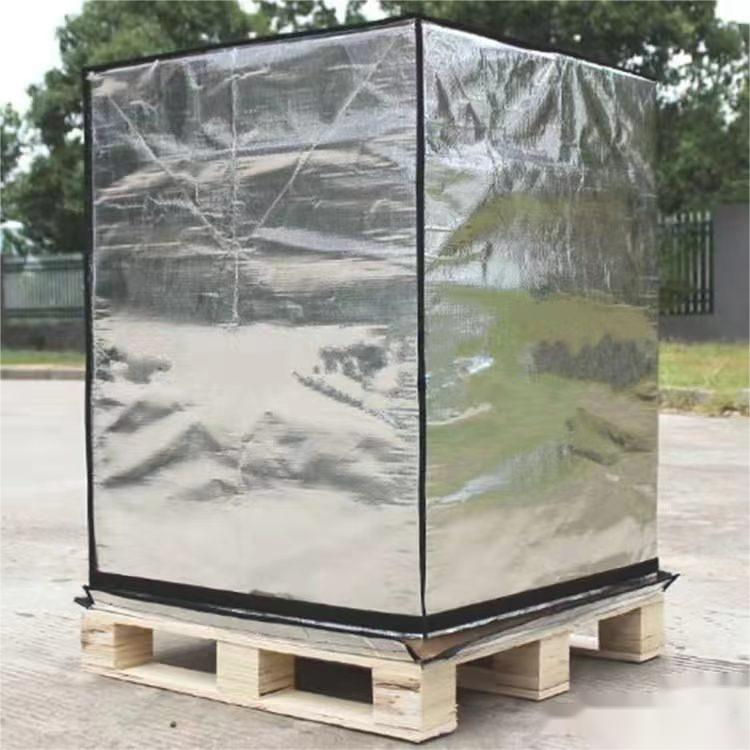
Penutup isolasi palet untuk pesanan massal sebaiknya dipilih dengan mencocokkan sensitivitas produk, paparan rute, geometri palet, dan persyaratan pembuktian. Untuk pesanan palet dalam jumlah besar, penutup dapat mengurangi tekanan termal jangka pendek selama pementasan atau serah terima, tetapi hal ini tidak dapat memperbaiki pengkondisian awal yang buruk, penanganan yang tidak aman, atau moda transportasi yang tidak sesuai. Keputusan pembelian terbaik menghubungkan sampul dengan alur kerja tertulis: ketika itu diterapkan, bagaimana hal itu diamankan, bukti apa yang mendukung penggunaannya, dan apa yang diperiksa oleh tim penerima.
Jawaban cepat: gunakan penutup insulasi palet untuk pesanan massal ketika muatan dalam palet Anda memerlukan perlindungan pasif sementara selama pemindahan, memanggungkan, atau menerima penundaan. Jangan menggunakannya sebagai bukti kepatuhan suhu kecuali proses pengemasan lengkap memiliki bukti untuk produk Anda, rute, dan kriteria penerimaan.
Batasan yang berguna: perlindungan, bukan sihir
A penutup palet merupakan lapisan pelindung pasif. Dapat mengurangi pancaran panas langsung, pertukaran konvektif lambat di sekitar karton, dan menambahkan penghalang yang dapat dilepas selama pemaparan. Itu tidak menghasilkan udara dingin, secara aktif memanaskan beban, atau verifikasi bahwa kiriman tetap berada dalam kisaran yang disyaratkan. Itulah sebabnya penutup insulasi palet untuk pesanan massal harus dijelaskan sebagai bagian dari proses manajemen suhu, bukan sebagai keseluruhan proses.
Batasan operasional sangat penting untuk pesanan palet dalam jumlah besar. Pesanan dalam jumlah besar memperbesar kesalahan spesifikasi kecil karena setiap gudang mengulangi pilihan yang sama. Jika produk keluar gudang dalam keadaan hangat, basah, rusak, atau di luar kondisi yang disyaratkan, sampulnya mungkin hanya menyembunyikan masalahnya sampai diterima. Alur kerja yang lebih kuat dimulai sebelum penutup diterapkan: konfirmasi kondisi produk, pastikan paletnya stabil, lalu tutupi beban untuk jendela eksposur yang ditentukan.
Gunakan penutup yang sesuai dengan risikonya: memilih penutup insulasi palet yang konsisten untuk program pengiriman berulang atau penerapan multi-lokasi. Hindari memperlakukannya sebagai pengganti penyimpanan terkontrol, kemasan yang berkualitas, pengatur suhu kendaraan, atau instruksi khusus produk. Harga satuan yang rendah tidak memastikan kecocokan, daya tahan, kemampuan bersih, atau kesesuaian termal untuk rute Anda.
Mulailah dengan jalur, bukan foto katalog
Spesifikasi sampul yang tepat lebih mudah ditentukan setelah Anda menggambar rute di atas kertas. Sertakan setiap tempat di mana palet diparkir, diperiksa, diberi label ulang, terkonsolidasi, atau berpindah antar zona suhu. Untuk topik ini, rute umum mungkin mencakup gudang pemasok, tempat produksi, pusat distribusi regional, hub ekspor, dan jalur pelanggan. Lokasi-lokasi ini tidak identik. Beberapa memiliki pintu dermaga terbuka, beberapa memiliki sinar matahari langsung, beberapa mengalami kemacetan forklift, dan beberapa mengalami penundaan dokumen.
Peta rute yang berguna harus mengidentifikasi siapa pemilik palet di setiap langkah. Pengirim dapat menerapkan penutup, pengangkut dapat mengeluarkannya untuk diperiksa, gudang mungkin membungkus kembali paletnya, dan penerima mungkin perlu mengembalikan penutupnya. Jika tidak ada yang memiliki langkah-langkah itu, program sampul menjadi tidak konsisten. Anda mungkin melihat hasil yang bagus di satu jalur dan hasil buruk di jalur lain, bahkan dengan produk dan sampul yang sama.
Mintalah tim untuk melaporkan titik diam yang sebenarnya, bukan titik diam yang direncanakan. Jadwal mungkin menunjukkan transfer singkat, sementara operasi sebenarnya mencakup janji yang terlewat, pemeriksaan bea cukai, antrian truk, atau pementasan di zona yang lebih hangat. Kenyataan tersebut seharusnya mempengaruhi ukuran sampul, desain penutupan, akses pelabelan, dan apakah pemantauan tambahan diperlukan.
Catatan risiko untuk pesanan palet dalam jumlah besar
Risiko utama yang harus diperhatikan adalah ketidaksesuaian sampel dengan produksi, dimensi yang tidak jelas, gaya penutupan yang salah, variasi kualitas penutup, dan tidak ada rencana pengembalian dan penyimpanan. Risiko-risiko ini tidak dapat diatasi hanya dengan isolasi saja. Mereka memerlukan keputusan tentang kapan beban siap untuk ditanggung, berapa lama bisa menunggu, bagaimana rute dipantau, dan apa yang dilakukan tim penerima jika kondisi pengemasan terlihat meragukan.
Untuk pesanan palet dalam jumlah besar, sampulnya harus mendukung instruksi produk dan bukan mengabaikannya. Jika labelnya, lembar data keselamatan, spesifikasi pelanggan, atau perjanjian kualitas mendefinisikan kondisi yang diperlukan, gunakan dokumen itu sebagai titik awal. Ketika kondisi yang diperlukan tidak jelas, jangan memilih pertanggungan berdasarkan klaim umum. Mintalah pemilik produk atau tim mutu untuk memastikan kisaran yang dapat diterima dan kondisi penanganan yang diperbolehkan.
Pertanyaan kesesuaian produk yang paling praktis adalah sederhana: masalah apa yang ingin Anda kurangi? Penutup dapat membantu mengatasi paparan sinar matahari sementara, pementasan singkat di luar ruang terkendali, atau perubahan suhu selama serah terima. Ini mungkin alat yang salah ketika rute memerlukan pendinginan aktif, pengirim yang tervalidasi, paket pendingin, atau catatan suhu yang terdokumentasi pada tingkat yang tidak dapat disediakan oleh penutup.
Pertanyaan pemasok yang mencegah ketidakcocokan yang mahal
| Apa yang harus dikonfirmasi | Alasan bertanya | Sinyal pembelian yang bagus |
|---|---|---|
| Ukuran palet dan tinggi pas | Kesenjangan mengurangi perlindungan dan membuat penanganan menjadi canggung. | Pemasok meminta dimensi palet yang dimuat, tidak hanya tapak palet. |
| Penutupan dan akses label | Sampul dapat dilepas jika label tidak dapat dipindai. | Desain memungkinkan pemindaian, inspeksi, dan menyegel kembali. |
| Bukti termal | Kinerja tergantung pada eksposur dan beban. | Pemasok menjelaskan kondisi pengujian atau menyatakan batasannya dengan jelas. |
| Membersihkan dan menggunakan kembali | Barang-barang yang dapat digunakan kembali memerlukan kontrol kebersihan dan kondisi. | Panduan pembersihan dan kriteria inspeksi tersedia. |
| Konsistensi peningkatan skala | Pesanan massal harus sesuai dengan sampel yang disetujui. | Pemasok menentukan persetujuan sampel dan komunikasi perubahan material. |
Untuk pesanan palet dalam jumlah besar, pemasok terbaik bukanlah pemasok yang memberikan janji seluas-luasnya. Ini adalah salah satu yang membantu Anda menentukan asumsi dan memverifikasi apakah asumsi tersebut cocok dengan rute Anda.
Tabel ini tidak dimaksudkan untuk memperlambat pembelian. Ini mencegah pola kegagalan yang umum: pembeli memilih sampul berdasarkan bahasa produk secara umum, kemudian tim gudang menemukan bahwa palet tersebut tidak sesuai, label blok, menjadi basah, atau tidak memiliki bukti yang diperlukan untuk akun sensitif.
Buatlah SOP penutup yang benar-benar akan digunakan oleh pekerja
Proses yang bisa diterapkan dimulai sebelum palet mencapai pintu. Konfirmasikan kondisi produk, integritas kemasan, stabilitas palet, dan instruksi khusus apa pun. Kemudian aplikasikan penutup pada area yang ditentukan, Penutupan yang aman, jaga agar label yang diperlukan tetap terlihat, dan catat pengecualian apa pun. Untuk pesanan palet dalam jumlah besar, langkah ini seringkali lebih penting daripada perbedaan kecil antara sampul yang tampak serupa.
Selama transportasi atau pementasan, staf harus mengetahui apakah penutup dapat dibuka untuk pemeriksaan dan bagaimana cara menutupnya kembali. Jika palet terbelah, dikerjakan ulang, atau diberi label ulang, proses sampul tidak boleh hilang. Penerima harus memeriksa kemasan produk dan kondisi sampulnya, karena basah, bau, robek, atau penutupan yang hilang dapat menunjukkan masalah penanganan.
Catatan sederhana saja sudah cukup untuk angkutan barang yang tidak diatur: waktu tertutup, lokasi, orang yang bertanggung jawab, kondisi terlihat, dan menerima catatan. Pengiriman berisiko tinggi mungkin memerlukan catatan suhu, ulasan kualitas, atau penanganan penyimpangan yang terdokumentasi. Tingkat dokumentasi harus sesuai dengan risiko produk dan harapan pembeli, pembawa, dan penerima.
Gunakan klaim yang hati-hati di jalur yang diatur atau sensitif terhadap keselamatan
Untuk program pengangkutan dan logistik campuran, kepatuhannya tergantung pada apa yang ada di dalam palet. Makanan, Perawatan kesehatan, kimia, dan kargo bernilai tinggi masing-masing dapat membawa penanganan dan ekspektasi dokumentasi yang berbeda. Perlindungan tersebut harus dijelaskan secara akurat sebagai perlindungan pasif kecuali jika tes atau paket kualifikasi tertentu mendukung klaim yang lebih kuat.
Jika mencakup dukungan pengiriman yang diatur atau sensitif terhadap keamanan pangan, pembelian harus melibatkan kualitas, logistik, dan tim penerima sebelum peningkatan skala. Gunakan bahasa yang hati-hati dalam spesifikasi dan kontrak. Lebih memilih frasa seperti 'mendukung perlindungan paparan sementara,' 'digunakan sebagai bagian dari proses penanganan yang terdokumentasi,' atau 'untuk dievaluasi berdasarkan jalur pengiriman.' Hindari pernyataan yang menyarankan kepatuhan universal, jaminan pemeliharaan suhu, atau kesesuaian untuk setiap rute.
Ketika kualifikasi formal diperlukan, tanyakan standar apa, profil, muatan, dan kriteria penerimaan digunakan. Data uji termal dari an pengirim terisolasi atau format kemasan yang berbeda tidak boleh dipindahkan secara otomatis ke penutup palet. Jika lamaran itu penting, memenuhi syarat sistem dalam kondisi yang menyerupai rute sebenarnya.
Alat pengambilan keputusan yang berguna
Periksa detailnya sebelum Anda memilih kemasan
Alat cepat ini dapat membantu Anda membandingkan risiko rute, kebutuhan ukuran, pilihan pendingin, dan detail kemasan sebelum Anda meminta penawaran.
Referensi Bahan Isolasi
Bandingkan pilihan bahan insulasi untuk kebutuhan pengemasan rantai dingin yang berbeda.
Bandingkan bahanPemeriksa Risiko Rute
Tinjau kondisi jalur sebelum memilih kemasan untuk mengetahui kebutuhan pengoperasian sebenarnya.
Periksa risiko rutePembuat Daftar Periksa Kepatuhan
Buatlah daftar periksa praktis untuk tinjauan kemasan, pengiriman, dan dokumentasi.
Buat daftar periksaDari sampel hingga peluncuran: pembeli cek lupa
Sebelum menanyakan harga, menentukan asumsi operasi. Konfirmasikan dimensi palet yang dimuat, kategori produk, paparan jalur, umur perlindungan yang diharapkan, metode pembersihan, ruang penyimpanan, dan apakah penutup kembali ke asal. Untuk pesanan palet dalam jumlah besar, juga mengkonfirmasi dimensi internal dan eksternal, cakupan ukuran palet, dan posisi penutupan. Detail ini menentukan apakah sampel yang Anda terima bermakna.
Selama peninjauan sampel, hindari hanya menyetujui tampilan visualnya saja. Biarkan pekerja gudang mengaplikasikan dan melepas penutup di bawah tekanan waktu normal. Pindahkan palet melalui pintu, di tikungan sempit, dan di dekat titik pemindaian. Periksa apakah penutupnya tertarik, air mata, label blok, atau menimbulkan masalah keamanan. Kemudian mintalah bagian kualitas atau operasi untuk menentukan kriteria lulus atau gagal sebelum beralih ke pesanan massal.
Untuk pembelian berulang, tanyakan bagaimana pemasok menangani substitusi material, perubahan produksi, kemasan sampulnya sendiri, dan konsistensi batch-ke-batch. Pembeli tidak perlu mengubah setiap pesanan menjadi proyek laboratorium, namun penyebaran dalam jumlah besar tidak boleh bergantung pada satu sampel informal jika perlindungan tersebut merupakan bagian dari proses pengiriman yang terkendali.
Keberlanjutan termasuk dalam model operasi, bukan hanya brosurnya saja
Program massal dapat mengurangi limbah ketika penutup digunakan kembali, diperbaiki, dan pensiun dalam proses yang terkendali. Itu adalah pandangan yang seimbang. Penutup yang dapat digunakan kembali dapat menjadi alternatif yang masuk akal dibandingkan pelapis sekali pakai atau pembungkus darurat yang berulang, namun mereka juga memerlukan logistik terbalik, tenaga kerja, penyimpanan, inspeksi, dan membersihkan. Jika penutup hilang setelah melahirkan atau kembali dalam keadaan terkontaminasi, kisah keberlanjutan menjadi lemah.
Ketika keberlanjutan menjadi bagian dari keputusan pembelian, mintalah jawaban praktis daripada klaim luas. Berapa kali penutup dimaksudkan untuk digunakan sesuai kondisi penanganan Anda? Bagaimana sampul yang rusak dapat diidentifikasi? Dimana yang basah akan menutupi yang kering? Siapa yang membayar biaya pengiriman kembali? Kemasan apa yang digunakan untuk mengirimkan sampulnya sendiri? Pertanyaan-pertanyaan ini membantu program bertahan melampaui pesanan pembelian pertama.
Untuk pesanan palet dalam jumlah besar, keberlanjutan tidak boleh mengorbankan keamanan produk, kebersihan, atau penanganan yang terdokumentasi. Penutup yang lebih tahan lama hanya bernilai jika tetap sesuai dengan barang yang dilindunginya. Jika membersihkan, bau, residu, atau kerusakan material tidak dapat dikendalikan, pendekatan pengemasan yang berbeda mungkin lebih aman.
Contoh praktis: sampel yang terlihat bagus tetapi gagal dalam rutenya
Bayangkan pembeli membutuhkan penutup insulasi palet untuk pesanan massal untuk pesanan palet massal yang bergerak melalui rute dengan area pementasan gudang, serah terima pengangkut, dan receiver yang sering mengalami kemacetan dock. Permintaan pertama mungkin terdengar sederhana: menyediakan penutup yang dapat digunakan kembali untuk palet standar. Permintaan yang lebih baik mencakup dimensi palet yang dimuat, titik diam yang diharapkan, apakah palet dapat diperiksa dalam perjalanan, bagaimana label harus tetap dapat dipindai, dan catatan penerimaan apa yang diperlukan jika sampulnya basah, robek, atau hilang.
Pemasok kemudian dapat merekomendasikan gaya sampul dan menjelaskan batasannya. Operasi dapat menguji kecepatan dan kesesuaian aplikasi. Kualitas dapat menentukan apakah diperlukan lebih banyak bukti. Pengadaan dapat membandingkan harga satuan dengan penggunaan kembali, kehilangan, pembersihan, dan penyimpanan. Contoh ini bukan kasus pelanggan; ini adalah cara praktis untuk mencegah kesalahan pembelian yang umum: memperlakukan penutup pasif sebagai aksesori sederhana padahal hal itu benar-benar memengaruhi banyak departemen.
Hindari titik kegagalan ini sebelum meningkatkannya
- Meliputi pesanan palet dalam jumlah besar sebelum memastikan bahwa muatan berada dalam kondisi awal yang benar.
- Membeli berdasarkan tapak palet saja dan mengabaikan ketinggian muatan, menggantung, Label, dan titik akses.
- Meninggalkan celah penutup yang memungkinkan pertukaran udara di sudut-sudut, jahitan, atau alas palet.
- Menggunakan penutup yang dapat digunakan kembali tanpa dibersihkan, pengeringan, inspeksi, dan proses pensiun.
Kesalahan ini penting karena penutup insulasi palet untuk pesanan massal biasanya digunakan pada bagian yang berantakan dari proses yang terkendali: pintu keluar masuk, antrian truk, dermaga silang, titik pemeriksaan, atau area penerima pelanggan. Di situlah tindakan-tindakan kecil terakumulasi. Penutup yang longgar, penutup basah, atau penggantian yang tertunda dapat mengurangi nilai produk yang masuk akal.
Cara pencegahannya pun tidak rumit. Tulis aturannya, melatih orang yang menyentuh palet, dan mengaudit proses selama pengiriman nyata. Kalau covernya cukup penting untuk dibeli, itu cukup penting untuk membuatnya terlihat dalam alur kerja.
FAQ
Apakah penutup insulasi palet untuk pesanan massal menjamin kisaran suhu tertentu?
TIDAK. Produk ini merupakan produk perlindungan pasif dan tidak menciptakan kisaran suhu yang terjamin dengan sendirinya. Kinerja tergantung pada kondisi awal produk, massa palet, penutup pas, paparan lingkungan, waktu penanganan, dan sistem transportasi lainnya. Jika rentang suhu tertentu diperlukan, konfirmasikan dari petunjuk produk dan tanyakan bukti apa yang mendukung pengaturan pengemasan.
Kapan saya harus menggunakan penutup isolasi palet untuk pesanan massal?
Gunakan mereka ketika risiko utama adalah paparan sementara selama pemuatan, bongkar, memanggungkan, inspeksi, atau transfer antar area yang dikontrol. Hal ini sangat berguna ketika rute memiliki titik serah terima yang dapat diprediksi dan staf dapat memasang dan melepas penutup dengan benar. Mereka kurang cocok sebagai pengganti pendinginan aktif, kemasan yang berkualitas, atau desain ulang rute penuh.
Apa yang harus saya periksa sebelum melakukan pemesanan massal?
Konfirmasikan dimensi palet yang dimuat, desain penutupan penutup, akses label, persyaratan pembersihan, logistik pengembalian, dan konsistensi sampel hingga produksi. Untuk pesanan palet dalam jumlah besar, juga meninjau dimensi internal dan eksternal, dan cakupan ukuran palet. Pesanan massal harus didasarkan pada uji coba palet yang sebenarnya, tidak hanya gambar atau foto produk.
Dapatkah penutup yang dapat digunakan kembali menimbulkan masalah kebersihan atau kontaminasi?
Ya, bisa jika penutupnya kembali basah, kotor, yg berbau baik, robek, atau terkena barang yang tidak kompatibel. Program yang dapat digunakan kembali memerlukan panduan pembersihan, kriteria pemeriksaan, aturan penyimpanan, dan cara melepas penutup yang rusak dari layanan. Untuk makanan, laboratorium, atau pengiriman industri yang sensitif, tinjauan kebersihan harus dilakukan sebelum peluncuran.
Bukti apa yang harus diberikan oleh pemasok?
Mintalah spesifikasi yang menjelaskan bahan, ukuran, gaya penutupan, penggunaan yang dimaksudkan, panduan pembersihan, dan evaluasi termal yang tersedia. Jika pemasok menyebutkan pengujian, menanyakan kondisi pengujian, muatan, profil lingkungan, dan kriteria penerimaan. Bukti harus cukup sesuai dengan permohonan Anda untuk mendukung keputusan tersebut.
Kesimpulan
Penutup insulasi palet untuk pesanan massal masuk akal jika dikaitkan dengan masalah rute yang jelas, risiko produk tertentu, dan proses penanganan yang berulang. Untuk pesanan palet dalam jumlah besar, fokus pada kondisi awal beban, titik serah terima sebenarnya, kesesuaian penutupnya, dan bukti di balik klaim pemasok. Keputusan teraman bukanlah janji yang paling dramatis; itu gudangmu, pembawa, tim berkualitas, dan penerima dapat mengulang secara konsisten.
Sebelum membeli, konfirmasi kondisi produk yang diperlukan, uji sampel pada palet asli, mendokumentasikan alur kerja, dan memutuskan tim penerima apa yang harus diperiksa. Pendekatan praktis tersebut melindungi kualitas produk dan kepercayaan pengadaan.
Tentang Tempk
Tempk mendukung tim logistik rantai dingin dan sensitif terhadap suhu yang membutuhkan pilihan kemasan praktis untuk pengangkutan dalam palet. Dalam pembahasan tentang penutup isolasi palet untuk pesanan massal, kami fokus pada detail yang memengaruhi penggunaan sehari-hari: ukuran palet, paparan rute, penutup pas, konstruksi material, menangani alur kerja, dan batas perlindungan pasif. Kami menghindari memperlakukan satu sampul sebagai jawaban universal, karena produknya berbeda, jalur, dan kebutuhan dokumentasi memerlukan keputusan pengemasan yang berbeda.
CTA
Bagikan dimensi palet Anda, jenis produk, paparan rute, dan langkah penanganan yang diharapkan dengan Tempk. Kami dapat membantu Anda membandingkan penutup isolasi palet untuk opsi pesanan massal sebelum Anda beralih dari tinjauan sampel ke pesanan yang lebih besar.