Panduan Pengemasan Rantai Dingin Antibiotik Berpendingin
Refrigerated antibiotics need a medicine packout that protects the approved handling range, karton sekunder, label apotek, dan keputusan penerimaan. Kisaran yang benar harus berasal dari label produk, instruksi pabrikan, SOP farmasi, dan perjanjian kualitas pelanggan.
Panduan ini menggunakan rute obat berpendingin sebagai model perencanaannya. Pengirim tidak boleh diperlakukan sebagai pendingin biasa. Itu harus diuji dengan massa produk yang sebenarnya, jumlah karton, pengkondisian cairan pendingin, durasi rute, waktu serah terima, dan profil lingkungan musiman.
Data perencanaan paket
| Kisaran suhu | Biasanya 2-8 C when labeled for refrigeration; final limits depend on product label, SOP farmasi, and customer quality agreement. |
|---|---|
| Kelembaban dan kondensasi | Keep vial cartons, infusion labels, and pharmacy documentation dry and readable. |
| Pra-pendinginan | Pra-kondisikan pengirimnya, pendingin, logger, and staging area before loading refrigerated antibiotic packs. |
| Tekanan paket | Lindungi botol, jarum suntik, infusion bags, and reconstituted packs from hard coolant, kompresi, and point impact. |
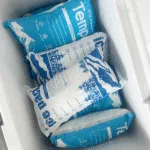
| Posisi pendingin | Use conditioned gel packs or phase-change packs with a barrier; do not place medicine cartons directly against frozen packs. |
| Durasi transportasi | 24-48 h hospital, home-infusion, or pharmacy replenishment lanes should include courier dwell and receiving delay. |
| Kerugian umum | Bekukan paparan, tamasya hangat, label basah, botol pecah, tusukan tas, dokumentasi yang hilang, and delayed quarantine. |
| Kemasan Tempk pas | Tempk 2-8 C insulated shipper, conditioned coolant map, vial or pouch support, pencatat terus menerus, dan menerima daftar periksa. |
Perubahan apa yang terjadi pada produk ini
Refrigerated antibiotics can fail for reasons that are not visible from the outside carton. Suatu produk mungkin tiba dalam keadaan dingin sementara satu lapisan telah menyentuh kemasan beku, atau karton mungkin cukup basah sehingga label dan instruksi menjadi sulit diverifikasi. Paket obat kecil juga bergerak cepat seiring perubahan lingkungan, jadi posisi logger dan jarak cairan pendingin penting.
Pra-pengkondisian harus dilakukan sebelum memuat. Jika pengirim, pendingin, atau area pementasan dimulai di luar profil target, jam-jam pertama transit dapat menciptakan perjalanan yang dingin atau hangat. Untuk obat-obatan yang didinginkan, kontak keras dengan cairan pendingin adalah salah satu risiko paling umum yang dapat dihindari.
Alat pengambilan keputusan yang berguna
Periksa detailnya sebelum Anda memilih kemasan
Alat cepat ini dapat membantu Anda membandingkan risiko rute, kebutuhan ukuran, pilihan pendingin, dan detail kemasan sebelum Anda meminta penawaran.
Referensi Bahan Isolasi
Bandingkan pilihan bahan insulasi untuk kebutuhan pengemasan rantai dingin yang berbeda.
Bandingkan bahanKalkulator Paket Es
Perkirakan jumlah paket es gel untuk pengiriman dingin dan perencanaan rute yang praktis.
Perkirakan kantong esPemilih Kemasan
Bandingkan opsi kemasan berinsulasi berdasarkan produk, rute, dan kebutuhan suhu.
Temukan kemasannyaPendekatan pengemasan Tempk yang direkomendasikan
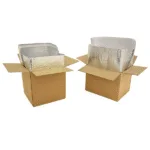
Gunakan Tempk 2-8 C pengirim terisolasi atau lapisan terisolasi dengan dikondisikan Paket gel, penghalang produk yang divalidasi, dukungan karton atau botol, dan pemantauan berkelanjutan ketika jalur tersebut memerlukan pelepasan yang terdokumentasi. Pesanan dalam jumlah kecil harus menggunakan sisipan sehingga karton obat tetap berada di zona produk yang diuji daripada meluncur ke arah cairan pendingin.
Untuk pengiriman bernilai tinggi atau kritis terhadap pasien, tambahkan daftar periksa penerimaan yang mencakup status logger, jumlah produk, label kekeringan, kerusakan yang terlihat, dan instruksi karantina. Hal ini membantu penerima membuat keputusan pelepasan yang jelas alih-alih menebak-nebak suhu sentuhan karton.
Menerima cek
Saat menerima, tim harus meninjau hasil logger sebelum memasukkan stok ke dalam inventaris yang dapat digunakan. Jika label produk, Sop, atau perjanjian kualitas mendefinisikan proses perjalanan, pengiriman harus ditahan sampai apoteker yang bertanggung jawab atau tim mutu menyelesaikan peninjauan tersebut.
Tempk dapat mendukung ukuran pengirim, desain peta pendingin, masukkan tata letak, dan validasi rute. Bagikan dimensi karton produk, jumlah pesanan, jangkauan sasaran, durasi rute, profil lingkungan, dan prosedur pelepasan untuk membangun paket khusus jalur.