Memilih Vendor Kotak Terisolasi untuk Produk Pertanian: Kerangka Pengadaan
Benar kotak terisolasi Vendor produk pertanian adalah supplier yang paketnya diusulkan, bukti, pengendalian produksi, dan dukungan pengoperasian sesuai dengan produk, muatan, rute, musim, dan menerima kenyataan. Oleh karena itu, proses pengadaan yang kuat dimulai dengan persyaratan, mengubahnya menjadi paket, menguji paket dalam kondisi yang ditentukan, dan mengendalikannya setelah peluncuran. Artikel ini menggabungkan termal, operasional, pemasok, dan keputusan kualitas yang diperlukan untuk produk segar, bunga, bibit, biji, bahan pembiakan, tanaman khusus, dan sampel pertanian terpilih tanpa memperlakukan isolasi sebagai jaminan universal.
Ubah masalah pengiriman menjadi spesifikasi yang terkendali
Persyaratan yang berguna memberi nama produk, kondisi yang disetujui, jangkauan muatan, rute, jendela operasional maksimum, paparan musiman, proses penerimaan, dan konsekuensi dari kegagalan. Pernyataan ini juga menyatakan apa yang diharapkan dari kemasan tersebut. Untuk aplikasi ini, isolasi menyangga kondisi eksternal tetapi tidak menghilangkan panas lapangan, mengatur pernapasan tanpa batas waktu, atau mengganti praktik pascapanen khusus komoditas. Kalimat tersebut mencegah penyimpangan cakupan dan membuat kontrol yang hilang terlihat sebelum kutipan dibandingkan.
Persyaratan tersebut harus membedakan masukan tetap dari variabel. Input tetap mungkin mencakup batasan ukuran eksternal, paket dalam yang diatur, karton produk, atau prosedur tujuan. Variabel mungkin termasuk jenis isolasi, pengaturan pendingin, sisipan muatan, penutup, karton luar, dan rencana pemantauan. Mengizinkan pemasok untuk mengusulkan alternatif dapat meningkatkan desain, namun setiap alternatif harus dinilai berdasarkan kriteria penerimaan yang sama.
Produk pertanian mempunyai kebutuhan suhu dan kelembaban yang spesifik terhadap komoditas tertentu; beberapa produk tropis dapat rusak karena suhu yang aman untuk tanaman di daerah beriklim sedang. Catat sumber dan pemilik persyaratan produk tersebut. Tim pengadaan tidak boleh membuat rentang suhu hanya untuk mempermudah perbandingan pemasok.
- Produk atau kelompok produk apa yang akan dikirimkan, dan siapa yang memiliki keputusan stabilitas?
- Berapa muatan minimum dan maksimum, termasuk dimensi fisik dan kondisi awal?
- Berapa durasi penuh pengepakan hingga penyimpanan, termasuk kontingensi dan penundaan penerimaan?
- Panas sekali, dingin, mekanis, kelembaban, kebersihan, dan paparan peraturan dapat terjadi?
- Bukti apa, instruksi pengoperasian, pengendalian produksi, dan dukungan pasca peluncuran diperlukan?
Pilih arsitektur berdasarkan batasan
Mulailah dengan kendala dominan. Pengiriman ekspres satu arah mungkin mengutamakan massa yang rendah, daya tahan paket, dan pengepakan sederhana. Lingkaran rumah sakit atau distributor yang dapat digunakan kembali mungkin memprioritaskan ketahanan terhadap benturan, kemampuan bersih, komponen yang dapat diganti, dan efisiensi pengembalian. Jalur ekspor bioteknologi mungkin memprioritaskan jangka waktu darurat yang panjang, ruang dokumentasi, kompatibilitas es kering, atau efisiensi isolasi yang tinggi dalam batas ukuran maskapai penerbangan. Arsitekturnya mengikuti batasan.
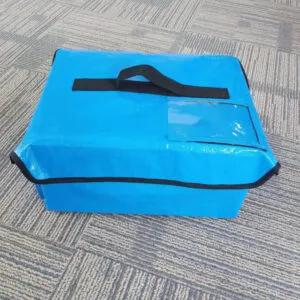
Kotak bergelombang berlapis busa praktis untuk banyak rute sekali pakai. EPS yang dibentuk memberikan insulasi berbentuk dengan massa yang relatif rendah. EPP dapat mendukung penanganan berulang dimana model operasi membenarkan pengembalian dan inspeksi. Sistem panel dapat mendukung dimensi khusus. Desain berbasis VIP dapat menghemat ketebalan insulasi tetapi memerlukan tepian yang hati-hati, tusukan, penuaan, dan kontrol kualitas. Tidak ada pilihan bahan yang menghilangkan kebutuhan untuk menguji kemasan yang sudah jadi.
Geometri harus ditinjau bersamaan dengan pengangkutan. Lebih banyak insulasi dan cairan pendingin dapat meningkatkan dimensi eksternal sekaligus mengurangi ruang muatan. Solusi kinerja tinggi yang lebih kecil dapat menurunkan biaya dimensi, namun hal ini dapat menambah kompleksitas material. Solusi sederhana yang lebih besar mungkin lebih mudah untuk dikemas tetapi mahal untuk disimpan dan dikirim. Bandingkan keseluruhan program, bukan harga satuan saja.
Bangun sistem termal di sekitar kondisi awal yang terkendali
Sistem pasif bekerja dari energi panas yang tersimpan dan hambatan terhadap aliran panas. Produk, pendingin, isolasi, ruang udara, dan paparan eksternal berinteraksi. Jika produk dimuat dalam keadaan hangat, zat pendingin harus menghilangkan panas tersebut sebelum dapat menyangga rute tersebut. Jika muatannya sangat kecil, itu mungkin merespons dengan cepat terhadap gradien lokal. Jika cairan pendingin ditempatkan langsung pada benda sensitif, kemasannya dapat menimbulkan kerusakan akibat dingin sekaligus berhasil menahan panas eksternal.
Spesifikasi paket harus mengidentifikasi cairan pendingin atau PCM yang tepat, keadaan pengkondisian yang diperlukan, kuantitas, penempatan, hambatan, batas muatan, metode pengisian kekosongan, memantau lokasi, dan penutupan. Komponen harus dibatasi sehingga penanganan parsel tidak dapat mengatur ulang geometri yang diuji. Untuk aplikasi es kering, pelepasan gas, kesesuaian bahan, keselamatan pekerja, aturan moda transportasi, dan penanganan tujuan memerlukan tinjauan khusus.
Pertimbangkan kapasitas operasi penuh. Mengkondisikan freezer, ruang pementasan, bangku pengepakan, waktu staf, pendingin cadangan, dan aturan batas pengiriman dapat membatasi program bahkan ketika kotak tersebut berkinerja baik. Suatu desain yang membutuhkan lebih banyak komponen beku daripada yang dapat dipersiapkan secara konsisten di lokasi tidak akan kokoh secara operasional.
Kualifikasi harus menjawab pertanyaan tujuan penggunaan
Mintalah bukti yang terkait dengan usulan konstruksi dan pengemasan. Laporan tersebut harus mengidentifikasi versi paket, bahan, ukuran, pendingin, pengkondisian, muatan, lokasi sensor, profil lingkungan, lamanya, acara pembukaan jika ada, dan kriteria penerimaan. Profil paket yang terstandarisasi dapat mendukung perbandingan, sementara pembuatan profil khusus jalur dapat meningkatkan relevansi. Hal ini juga tidak berarti jika unit produksi yang dipasok berbeda dari desain yang diuji.
Tinjau muatan minimum dan maksimum serta kondisi musiman panas dan dingin yang mewakili risiko berbeda. Sistem yang digunakan berulang kali mungkin memerlukan penilaian penuaan atau penggunaan kembali. Pengujian mekanis mungkin sesuai jika terjatuh, kompresi, getaran, atau kerapuhan kantong beku dapat mengubah geometri atau merusak produk. Bukti termal dan mekanis harus mencerminkan bagaimana paket tersebut sebenarnya ditangani.
Laporan tersebut mendukung keputusan tersebut; ia tidak membuat keputusan dengan sendirinya. Pemilik kualitas atau produk mengevaluasi apakah profil yang diamati dapat diterima untuk produk segar, bunga, bibit, biji, bahan pembiakan, tanaman khusus, dan sampel pertanian terpilih. Ketika terjadi penyimpangan, tim harus membandingkan kondisi pengiriman sebenarnya dengan amplop yang memenuhi syarat dan proses perjalanan produk yang disetujui.
Konsistensi produksi patut mendapat tinjauan tersendiri
Prototipe yang dipoles dapat menyembunyikan kontrol produksi yang lemah. Tanyakan bagaimana pemasok mengelola identitas material, ukuran, toleransi, perakitan, penutupan pas, pencetakan, pemeriksaan akhir, unit yang tidak sesuai, keterlacakan, dan perubahan. Untuk produk khusus, menyetujui gambar, tagihan bahan, karya seni, paket, dan sampel emas. Tentukan substitusi atau perubahan proses mana yang memerlukan pemberitahuan dan apakah diperlukan pengujian tambahan.
Menilai dukungan untuk suhu komoditas, pra-pendinginan, pernafasan, kelembaban, ventilasi, sensitivitas dingin, kepadatan muatan, penanganan multi-stop, dan persyaratan inspeksi ekspor. Jawabannya harus menunjukkan kesadaran akan penerapannya tanpa melanggar klaim produk atau peraturan yang tidak didukung. Pemasok dapat memberikan rincian konstruksi, sampel, gambar paket, laporan pengujian, alat bantu pelatihan, dan mengubah catatan. Pembeli tetap bertanggung jawab atas persyaratan produk, keputusan rute, kepatuhan lokal, dan disposisi kualitas.
Istilah komersial harus mencerminkan ruang lingkup yang dikendalikan. Bandingkan perkakas, sampel, pekerjaan tes, pendingin, sisipan, karton, Label, ekspektasi pesanan minimum, asumsi waktu tunggu, penyimpanan, suku cadang pengganti, dan manajemen perubahan. Dimana suatu nilai belum diketahui, nyatakan sebagai pertanyaan daripada menciptakan angka untuk kasus bisnis.
Produk hidup terus menghasilkan panas dan kelembapan
Produk segar terus bernafas setelah dipanen. Aktivitas biologis tersebut menghasilkan panas dan uap air, dan lajunya dapat berubah seiring suhu, kematangan, kerusakan, dan komposisi gas. Oleh karena itu, kotak berinsulasi yang tertutup rapat dapat menimbulkan kondensasi atau atmosfer yang tidak sesuai untuk beberapa komoditas. Ventilasi, bahan penyerap, liner berlubang, pra-pendinginan, dan kepadatan muatan harus dipilih untuk hasil panen sebenarnya dan bukan disalin dari pengirim obat-obatan.
Alat pengambilan keputusan yang berguna
Periksa detailnya sebelum Anda memilih kemasan
Alat cepat ini dapat membantu Anda membandingkan risiko rute, kebutuhan ukuran, pilihan pendingin, dan detail kemasan sebelum Anda meminta penawaran.
Pemilih Kemasan
Bandingkan opsi kemasan berinsulasi berdasarkan produk, rute, dan kebutuhan suhu.
Temukan kemasannyaPemeriksa Risiko Rute
Tinjau kondisi jalur sebelum memilih kemasan untuk mengetahui kebutuhan pengoperasian sebenarnya.
Periksa risiko rutePendingin & Referensi PCM
Bandingkan opsi cairan pendingin dan PCM ketika suatu rute memerlukan dukungan suhu tambahan.
Bandingkan pilihanMasalah ini harus terlihat dalam tinjauan desain, prosedur operasi, dan evaluasi pemasok. Ini bukan catatan lamaran kecil. Ini mengubah komponen mana yang dapat diterima, staf apa yang harus diverifikasi, dan bagaimana pengiriman dilepaskan atau ditingkatkan.
Cedera dingin adalah batasan penting lainnya. Pisang, mangga, mentimun, dan komoditas sensitif lainnya dapat kehilangan kualitas jika disimpan terlalu dingin meskipun tidak dibekukan. Vendor harus meminta produknya, variasi, kondisi panen, kematangan, rute, dan target umur simpan. Untuk benih, bibit, produk bunga, atau sampel biologis pertanian, prioritasnya mungkin beralih ke pengendalian kelembapan, orientasi, perlindungan cahaya, atau dokumentasi peraturan.
Uji coba orang-orangnya dan prosesnya, tidak hanya paketnya saja
Seorang pilot harus dijalankan melalui staf normal, peralatan, waktu batas waktu, serah terima pengangkut, lokasi penerima, dan sistem data. Amati pengondisian, pemetikan, sedang mengemas, pelabelan, menugaskan, kuitansi, membongkar, pemantauan, pembersihan, dan kembali. Catat kebingungan dan solusinya. Paket yang hanya berhasil jika teknisi berdiri di samping operator belum siap untuk penggunaan rutin.
Tentukan kriteria rilis untuk uji coba. Ini dapat mencakup pemilihan komponen yang benar, penyelesaian paket, integritas penutupan, kualitas pemindaian dan label, hasil suhu, kerusakan paket, menerima waktu, pengambilan data, dan umpan balik staf. Ketika kegagalan terjadi, pisahkan kelemahan desain dari penyimpangan proses dan gangguan rute sebelum memilih tindakan perbaikan.
Setelah peluncuran, melindungi negara yang disetujui. Produk baru, dimensi muatan, pemasok, bahan, pendingin, karya seni, operator, tujuan, musim, atau bahan kimia pembersih dapat mempengaruhi kinerja. Tinjauan kontrol perubahan memutuskan apakah dokumentasi diperbarui, pengujian tambahan, pelatihan, atau kualifikasi ulang diperlukan.
Tinjauan mode kegagalan sebelum persetujuan pembelian
| Modus kegagalan | Pertanyaan sebelum persetujuan | Kontrol yang mungkin |
|---|---|---|
| Tamasya hangat | Apakah rutenya lebih panjang atau lebih panas dari buktinya? | Revisi profil, kapasitas, melayani, aturan pengiriman, atau kontingensi. |
| Tamasya dingin | Dapatkah cairan pendingin atau paparan musim dingin membuat muatan menjadi terlalu dingin?? | Kondisikan cairan pendingin, menambahkan hambatan, merevisi penempatan, dan menguji risiko musim dingin. |
| Ruang muatan tidak mencukupi | Apakah volume yang dapat digunakan diukur dengan setiap komponen terpasang? | Menyetujui gambar paket dan sampel kesesuaian fisik. |
| Variasi proses | Dapatkah operator mengacaukan komponen atau melewatkan langkah penting? | Bagian-bagian perlengkapan, menyederhanakan instruksi, menggunakan kontrol visual, dan pengepakan audit. |
| Kerusakan paket | Bisa turun, kompresi, kelembaban, atau menggunakan kembali mengubah geometri? | Memperkuat cangkang atau penutup, memeriksa unit, dan mencakup pengujian mekanis. |
| Menerima penundaan | Yang menerima, membongkar, toko, dan meninjau kiriman? | Konfirmasikan jam buka, kirim peringatan, mendefinisikan instruksi, dan menambahkan kemungkinan. |
| Klaim tidak didukung | Apakah pernyataan tersebut mengidentifikasi kondisi dan bukti? | Minta laporan lengkap atau tulis ulang persyaratan sebagai titik verifikasi. |
Nilai dari ulasan ini adalah kekhususannya. “Kemasan yang andal” bukanlah persyaratan yang dapat diuji, sedangkan mode kegagalan yang tercantum dapat dihubungkan dengan gambar, laporan, instruksi kerja, dan tanggung jawab. Tambahkan item khusus aplikasi jika diperlukan, terutama dengan asumsi suhu dingin selalu lebih baik dan mengabaikan pernapasan, cedera dingin, kelembaban, ventilasi, sensitivitas etilen, dan kematangan produk.
Tinjauan ini juga dapat mencegah desain berlebihan yang tidak perlu. Setelah mode kegagalan dominan dikendalikan dan bukti menunjukkan margin yang memadai, tim dapat mengevaluasi apakah ada kelebihan material, pendingin, kargo, atau kompleksitas proses dapat dikurangi melalui perubahan yang terdokumentasi.
Jalur keputusan praktis
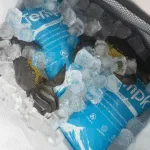
Seorang eksportir mengemas buah-buahan tropis dengan buah beku Paket gel untuk bertahan dari transfer bandara yang panas. Daging buah di dekat kemasan menjadi terlalu dingin sementara buah di bagian tengah tetap hangat, menunjukkan mengapa penempatan cairan pendingin dan toleransi komoditas harus seimbang. Mulailah dengan memverifikasi kebutuhan produk dan memetakan setiap menit mulai dari pengepakan hingga penerimaan yang terkontrol. Pilih kandidat arsitektur yang sesuai dengan muatan dan batasan pengoperasian. Buat paket yang ditentukan, mengujinya dalam kondisi yang representatif, dan menjalankan uji coba melalui jaringan nyata. Tinjau bukti dengan kualitas, logistik, Operasi, dan pengadaan sebelum disetujui.
Jika pengiriman berubah, kembali ke langkah yang terpengaruh daripada memulai kembali secara membabi buta. Label baru mungkin hanya memerlukan tinjauan dokumen. Muatan yang lebih besar, pendingin yang berbeda, rute yang lebih panjang, profil musim dingin yang lebih dingin, atau proses bea cukai baru mungkin memerlukan pengujian tambahan. Jalur berbasis risiko ini menjaga program tetap terkendali tanpa memperlakukan setiap perubahan sebagai hal yang sama.
Pertanyaan yang sering diajukan oleh tim pengadaan dan kualitas
Apa langkah pertama dalam mengevaluasi vendor kotak terisolasi untuk produk pertanian?
Konfirmasikan persyaratan produk dan petakan jalur operasional lengkap. Tentukan muatan, kondisi awal, waktu pengepakan hingga penyimpanan maksimum, paparan musiman, serah terima, proses penerimaan, dan konsekuensi kegagalan. Masukan tersebut menciptakan dasar yang adil untuk membandingkan desain dan mencegah pemasok menebak apa arti “dingin” atau “durasi panjang”.
Bukti apa yang paling penting untuk diminta?
Minta laporan untuk usulan konstruksi dan paket yang mengidentifikasi komponen, pengkondisian, muatan, posisi sensor, profil lingkungan, lamanya, dan kriteria penerimaan. Pasangkan dengan gambar, tagihan bahan, dan pengendalian produksi. Bukti paling kuat adalah ketika unit yang diuji dan unit yang disediakan terbukti sama.
Sebaiknya pengadaan memilih pendingin atau pemasok?
Pilihannya harus bersifat kolaboratif. Pemilik produk menentukan kondisi yang dapat diterima; spesialis pengemasan mengevaluasi aliran panas dan gradien; operasi menegaskan kapasitas pengkondisian dan kepraktisan pengepakan; tim keselamatan dan kepatuhan meninjau pembatasan transportasi; dan pemasok mengusulkan komponen yang kompatibel. Tidak ada satu pihak pun yang boleh mengambil keputusan tanpa adanya kendala dari pihak lain.
Bagaimana saya tahu apakah penyesuaian memerlukan pengujian ulang?
Nilai apakah perubahan tersebut dapat mempengaruhi aliran panas, kapasitas pendingin, geometri muatan, penutup, ketahanan mekanis, pemantauan, atau proses operasinya. Karya seni saja mungkin tidak mempengaruhi kinerja termal, sementara dimensi, bahan, tutup, pendingin, atau perubahan muatan sering kali perlu ditinjau lebih dalam. Dokumentasikan keputusan di bawah kendali perubahan.
Apa yang harus disertakan dalam spesifikasi pembelian?
Sertakan gambar yang disetujui, bahan, dimensi dan toleransi, ruang muatan yang dapat digunakan, penutup, daftar komponen, instruksi paket, bukti uji, pemeriksaan produksi, pelabelan, kemasan untuk pengiriman, mengubah pemberitahuan, penanganan ketidaksesuaian, dan persyaratan pembersihan atau penggunaan kembali apa pun. Tandai asumsi-asumsi yang masih memerlukan konfirmasi daripada mengubahnya menjadi fakta yang tidak didukung.
Kesimpulan
Pilih vendor kotak terisolasi untuk produk pertanian melalui urutan yang terkontrol: konfirmasi kebutuhan produk, memetakan rutenya, membandingkan arsitektur yang diusulkan, meninjau bukti, memenuhi syarat pengendalian produksi, percontohan operasi, dan melindungi negara yang disetujui melalui kontrol perubahan. Pendekatan ini memberikan pengadaan, kualitas, dan operasi menjadi dasar umum untuk memilih pemasok dan paket.
Tentang tempk
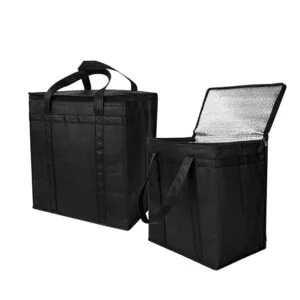
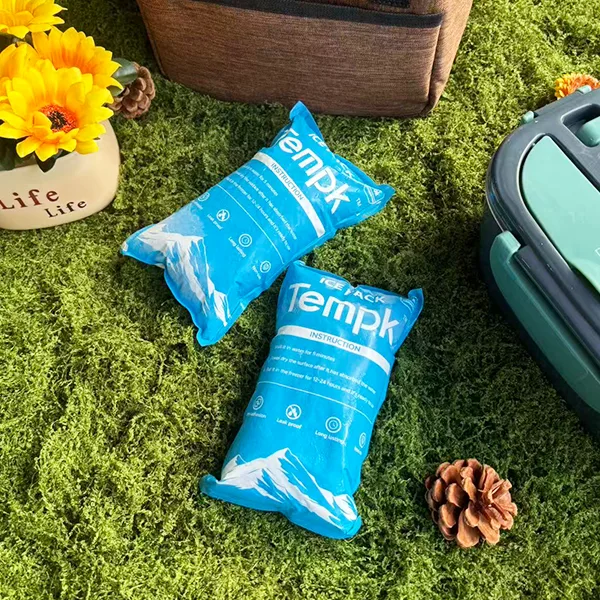
Tempk adalah a kemasan rantai dingin merek Shanghai Tempk Industrial Co., Ltd. Rangkaian produknya mencakup paket gel, tas terisolasi dan liner, Kotak Epp, VIP kotak pendingin medis, dan komponen pengemasan pasif terkait. Tergantung pada produk yang dipilih, pembeli dapat mendiskusikan ukuran, struktur isolasi, pencocokan cairan pendingin, branding, kemasan karton, dan kebutuhan pasokan massal. Klaim suhu atau durasi apa pun harus dikaitkan dengan paket yang ditentukan, muatan, profil lingkungan, dan bukti uji pendukung.
Langkah selanjutnya
Beritahu Tempk produk pertaniannya, kondisi panen, metode pra-pendinginan, rute, muatan, kebutuhan ventilasi, dan menerima rencana untuk meninjau suatu kemasan terisolasi mendekati.