Mengapa Kotak EPP yang Dapat Ditumpuk Merupakan Masa Depan Logistik Rantai Dingin?
Kotak EPP yang dapat ditumpuk mendapatkan perhatian karena mereka memecahkan berbagai tantangan rantai dingin sekaligus. Wadah yang dapat digunakan kembali ini memberikan isolasi dan daya tahan yang luar biasa 50 % lebih ringan dari kotak tradisional dan mempertahankan suhu dingin selama 72–96 jam. Mereka dapat ditumpuk dengan rapi saat penuh atau disarangkan saat kosong, mengurangi ruang penyimpanan dan emisi transportasi. Ketika rantai pasokan menghadapi peningkatan tuntutan keberlanjutan dan ekspektasi kualitas produk, saatnya bertanya mengapa kemasan berbahan dasar busa ini menjadi pilihan utama makanan, pengiriman obat-obatan dan e-commerce.
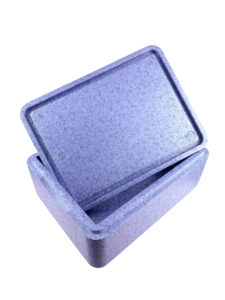
Bagaimana busa EPP memberikan insulasi termal yang tahan lama dan tahan benturan?
Apa yang membuat desain yang dapat ditumpuk menjadi unik dibandingkan dengan wadah isotermal lainnya?
Mengapa kotak EPP diadopsi di seluruh makanan, sektor farmasi dan e-commerce?
Tren dan peraturan pasar apa yang mempengaruhi pengemasan rantai dingin 2025?
Bagaimana Anda bisa memilih, gunakan dan pelihara kotak EPP yang dapat ditumpuk untuk manfaat maksimal?
Bagaimana Busa EPP Memberikan Isolasi Unggul dan Tahan Guncangan?
Struktur sel tertutup EPP memerangkap kantong udara, menciptakan penghalang termal yang memperlambat perpindahan panas dan meredam benturan. Data menunjukkan bahwa konduktivitas termal EPP berkisar antara 0,25–0,26 W/m·K, memungkinkan kotak tetap dingin selama 72–96 jam. Busa menyerap kurang dari 5 % air berdasarkan volume, tahan terhadap minyak dan bahan kimia, dan rebound setelah kompresi, bertahan hidup 500 perjalanan.
EPP (Polypropylene yang diperluas) diproduksi dengan uap memperluas manik-manik polimer dan mencetaknya menjadi matriks yang kaku. Gelembung mikro yang dihasilkan tidak hanya menghalangi aliran panas tetapi juga menghilangkan energi kinetik saat terjatuh atau terbentur. Studi yang membandingkan bahan menemukan kotak busa EPP memblokir perpindahan panas sekitar 30 % lebih efektif daripada polistiren diperluas sekali pakai (EPS) kotak dan kira-kira 50 % lebih ringan. Kombinasi ini menjelaskan mengapa kotak EPP dapat mempertahankan suhu 2–8 °C untuk vaksin atau –18 °C untuk makanan laut beku hingga 72 jam.
Bagaimana Properti Material Menerjemahkan Manfaat Dunia Nyata?
Fleksibilitas EPP memungkinkan produsen menyesuaikan kepadatan, ketebalan dan fitur dinding untuk beban yang berbeda. Kepadatan yang lebih tinggi (15–100kg/m³) mendukung muatan yang lebih berat sambil mempertahankan bentuk. Tabel di bawah ini merangkum sifat-sifat utama dibandingkan busa lainnya:
| Properti Material | EPP (Polypropylene yang diperluas) | EPS (Polystyrene yang diperluas) | Dampak Praktis |
| Kepadatan (kg/m³) | 15–100 (dapat disesuaikan) | 15–30 (tetap) | Kepadatan yang lebih tinggi memungkinkan EPP menopang kargo yang lebih berat tanpa deformasi. |
| Konduktivitas termal (W/m · k) | 0.25–0.26 | ~0,036 | Konduktivitas yang lebih rendah berarti isolasi yang lebih baik; Dinding EPP yang lebih tebal dan udara yang terperangkap meningkatkan ketahanan terhadap panas. |
| Resistensi dampak | Tinggi; rebound setelah kompresi | Rendah; rapuh dan retak | Kontainer EPP tahan terhadap benturan dan penanganan yang kasar, mengurangi kerugian produk. |
| Penyerapan air | <5 % volume | 2–4 % volume | Penyerapan kelembapan yang rendah mencegah jamur dan menjaga efisiensi isolasi. |
Tip dan Saran Praktis
Prakondisi dengan cairan pendingin: Dinginkan pelat eutektik atau kantong es semalaman dan dinginkan terlebih dahulu kotak EPP sebelum dimasukkan. Ini akan membuat isolasi menjadi prima dan memperpanjang waktu penahanan.
Muat secara efisien: Isi ruang kosong dengan penyangga atau pembatas termal untuk mengurangi volume udara dan meminimalkan fluktuasi suhu.
Tutup rapat: Pastikan tutupnya terpasang dengan pas; desain modern menggunakan alur dan klip tersembunyi yang meningkatkan insulasi 30 %.
Kasus dunia nyata: Sebuah distributor farmasi menerapkan kotak EPP kompak dengan sensor IoT dan pelat eutektik. Lebih dari satu tahun, mereka mempertahankan stabilitas suhu 72–96 jam, mengurangi kerugian pembusukan vaksin dari US$1,2 juta menjadi nol dan dihilangkan 15 % penolakan makanan laut. Menggunakan kembali wadah yang sama lebih dari 500 kali memotong biaya pengemasan secara kasar 60 % dibandingkan dengan EPS sekali pakai.
Apa yang Membuat Kotak EPP Stackable Unik?
Kotak EPP yang dapat ditumpuk menampilkan geometri cetakan yang saling bertautan saat penuh dan bertumpuk satu sama lain saat kosong, memaksimalkan pemanfaatan ruang. Perusahaan Swedia di balik sistem rantai dingin alvobox® merancang kotak EPP yang dapat ditumpuk dan memiliki pinggang ("alvo" dalam bahasa Latin) yang memungkinkan unit-unit kosong untuk masuk ke dalam satu sama lain. Nilai R yang tinggi dan manfaat logistik bawaan menjadikan desain ini efisien secara termal dan mudah ditangani.
Berbeda dengan wadah busa kaku yang tidak bisa roboh, kotak EPP yang dapat ditumpuk mendukung beban kompresi vertikal dan dapat disusun di atas palet tanpa mengalami deformasi. Beberapa desain mengintegrasikan pegangan, Tag dan alur RFID untuk tali palet, memungkinkan penumpukan yang aman di dalam truk berpendingin atau gudang sekitar. Saat kosong, kotak-kotak tersebut dapat disarangkan untuk mengurangi volume perjalanan pulang pergi hingga 60 %, meningkatkan efisiensi pengangkutan kembali dan menurunkan emisi karbon.
Bagaimana Desain Stackable Dibandingkan dengan Kontainer Tradisional?
Kotak EPP yang dapat ditumpuk menawarkan fleksibilitas melebihi kinerja termal. Wadah ini lebih ringan dibandingkan wadah logam berinsulasi atau wadah plastik kaku dan lebih tahan lama dibandingkan wadah karton. Berikut perbandingannya:
| Fitur | Kotak EPP yang dapat ditumpuk | Kontainer EPS yang kaku | Tempat Sampah Plastik Lipat | Artinya untukmu |
| Kemampuan untuk ditumpuk | Bibir yang saling bertautan memungkinkan penumpukan vertikal yang aman; bersarang menghemat hingga 60 % ruang saat kosong | Biasanya tidak dapat ditumpuk; tepi yang rapuh terkompresi karena beban | Lipat, namun engselnya bisa patah setelah digunakan berulang kali | Penumpukan yang efisien mengurangi jejak penyimpanan dan biaya pengiriman kembali. |
| Kinerja termal | Tahan dingin selama 72–96 jam | Tetap dingin selama 24–48 jam | Isolasi terbatas; membutuhkan lapisan tambahan | Elemen pendingin yang lebih sedikit dan waktu penahanan yang lebih lama berarti kerugian pembusukan yang lebih sedikit. |
| Daya tahan & siklus kembali | 500 + siklus kembali | Sekali pakai | 50–100 siklus tergantung kualitas | Masa pakai yang lama menurunkan total biaya kepemilikan dan mengurangi limbah. |
| Berat | Hingga 50 % lebih ringan dari EP | Lebih berat dibandingkan dengan kekuatan | Bobot serupa tetapi insulasi lebih lemah | Ringan meningkatkan ergonomi staf gudang dan mengurangi konsumsi bahan bakar. |
Tip dan Saran Praktis
Pilih ukuran yang tepat: Pilih volume kotak yang sesuai dengan muatan Anda; ukuran yang terlalu besar akan menambah ruang kosong dan memperpendek waktu tunggu.
Tumpuk dengan bijaksana: Sejajarkan kotak sehingga bibir yang saling bertautan menyatu; hindari penumpukan melebihi beban tetapan untuk mencegah deformasi.
Gunakan pengembalian yang dapat disarangkan: Untuk efisiensi pengangkutan kembali, berinvestasi dalam desain EPP yang dapat disarangkan; kotak kosong dapat disarangkan untuk menghemat ruang truk dan menurunkan emisi.
Kasus dunia nyata: Sebuah layanan pengiriman bahan makanan mengadopsi a 52 kotak EPP liter yang dapat ditumpuk untuk solusi klik dan kumpulkan. Perusahaan melaporkan pengepakan lebih mudah, meningkatkan stabilitas penumpukan dan 20 % pengurangan biaya transportasi pulang karena kotak-kotak tersebut bersarang ketika kosong.
Mengapa Kotak EPP Diadopsi di Seluruh Makanan, Farmasi dan E Commerce?
Kotak EPP mempertahankan suhu yang konsisten, melindungi barang-barang sensitif dan menyelaraskan dengan tujuan keberlanjutan, menjadikannya serbaguna di berbagai industri. Dalam logistik makanan, Kotak berinsulasi EPP mengawetkan buah dan sayuran dengan menjaga kestabilan suhu internal dan mengurangi ketergantungan pada pendinginan. Konstruksinya yang ringan namun tahan lama memudahkan pemuatan dan penanganan serta melindungi isi dari benturan. Di bidang farmasi, Rasio kekuatan terhadap berat EPP yang tinggi dan kisaran suhu –40 °C hingga +110 °C melindungi vaksin dan bahan biologis.
Perusahaan e-commerce dan perlengkapan makan memilih EPP karena ukurannya yang dapat disesuaikan dan peluang brandingnya; ini mengakomodasi pesanan kecil atau pengiriman massal dan dapat disanitasi dan digunakan kembali ratusan kali. Kemampuan daur ulang EPP sepenuhnya selaras dengan lingkungan perusahaan, sosial dan pemerintahan (ESG) target.
Bagaimana Persyaratan Khusus Sektor Mempengaruhi Desain Kotak?
Industri yang berbeda memerlukan fitur yang disesuaikan:
| Sektor | Persyaratan Utama | Kustomisasi Kotak EPP | Keuntungan |
| Makanan (menghasilkan & hidangan laut) | Kesegaran yang lebih lama tanpa pendinginan | Integrasikan pelat eutektik; pilih pelapis tahan lembab | Mengurangi pembusukan; memperpanjang umur simpan buah beri dan ikan. |
| Farmasi | Kontrol suhu yang tepat; Kepatuhan Pengaturan | Gunakan sensor IoT untuk pemantauan suhu dan lokasi secara real-time | Menjamin keamanan obat; mendukung audit kepatuhan. |
| perdagangan elektronik & kit makan | Visibilitas merek; ukuran fleksibel | Cetakan khusus dengan logo perusahaan; desain bersarang | Meningkatkan pengalaman pelanggan; menghemat ruang penyimpanan. |
Tip dan Saran Praktis
Menerapkan pemantauan IoT: Pasangkan kotak EPP dengan sensor suhu dan kelembaban; data waktu nyata memberikan peringatan dini tentang perjalanan.
Prioritaskan sanitasi: Bersihkan kotak dengan deterjen lembut dan disinfektan setelah digunakan untuk menjaga keamanan pangan.
Mendidik pelanggan: Memberikan petunjuk pengembalian kepada pengguna akhir; logistik loop tertutup memaksimalkan siklus penggunaan kembali.
Kasus dunia nyata: Penyedia perlengkapan makan nasional beralih dari karton dan isolasi plastik ke kotak EPP dan tag RFID terintegrasi. Survei pelanggan melaporkan peningkatan pengalaman membuka kemasan, sedangkan data internal menunjukkan a 25 % pengurangan biaya pengemasan setelah enam bulan berkat penggunaan kembali dan penurunan pembusukan.
Tren dan Regulasi Pasar yang Membentuk Pengemasan Rantai Dingin 2025?
Mandat keberlanjutan, pertumbuhan pasar dan adopsi teknologi mendefinisikan ulang pengemasan rantai dingin. Pasar pengemasan rantai dingin global dihargai USD 34.28 miliar masuk 2024 dan diproyeksikan mencapai USD 89.84 miliar oleh 2034, mencerminkan tingkat pertumbuhan tahunan sebesar 11.3 %. Pada saat yang sama, pasar logistik rantai dingin itu sendiri diperkirakan akan tumbuh USD 324.85 miliar masuk 2024 ke USD 862.33 miliar oleh 2032, menandakan permintaan untuk pengiriman dengan suhu terkendali di seluruh makanan dan obat-obatan.
Badan pengatur juga mendorong perubahan. Uni Eropa telah menetapkan persyaratan bahwa semua kemasan harus dapat didaur ulang 2030. Sebagai akibat, perusahaan beralih dari EPS sekali pakai ke EPS yang dapat digunakan kembali, bahan yang dapat didaur ulang seperti EPP. Sasaran keberlanjutan dilengkapi dengan persyaratan pelaporan ESG dan tekanan konsumen terhadap kemasan ramah lingkungan. Gangguan geopolitik dan tarif menambah kompleksitas jaringan logistik, menekankan perlunya ketahanan, kontainer yang dapat ditumpuk dan dapat menangani waktu transit yang lebih lama.
Kemajuan terbaru sekilas
Dapat digunakan kembali dibandingkan sekali pakai: Perusahaan berinvestasi pada kemasan rantai dingin yang dapat digunakan kembali dan tahan terhadap ratusan siklus dan mendukung logistik sirkular.
Kemasan cerdas dan IoT: Sensor yang melacak suhu, kelembapan dan lokasi secara real-time meningkatkan visibilitas dan memungkinkan intervensi proaktif.
Keberlanjutan dan regulasi: Arahan UE mendorong kemampuan daur ulang; EPP memenuhi persyaratan ini dan membantu merek memenuhi target keberlanjutan.
Infrastruktur yang ditingkatkan: Fasilitas penyimpanan dingin sedang dimodernisasi dengan otomatisasi dan teknologi pendingin yang lebih ramah lingkungan.
Kategori produk baru: Makanan nabati dan obat-obatan yang dipersonalisasi mendorong permintaan akan pengiriman dengan suhu yang dikontrol.
Wawasan pasar
Pertumbuhan tidak merata antar wilayah: Amerika Utara saat ini mendominasi pasar pengemasan rantai dingin karena permintaan farmasi yang kuat, sementara Asia-Pasifik diperkirakan akan tumbuh pesat. Berdasarkan materi, EPS memegang pangsa pasar terbesar pada tahun 2017 2024, tapi EPP dan panel berinsulasi vakum (VIP) mendapatkan daya tarik berkat potensi penggunaan kembali dan kemampuan daur ulang. Produk seperti wadah berinsulasi dan kemasan gel adalah segmen terdepan. Tren yang muncul mencakup model logistik sirkular, tempat kemasan disewa dan dikembalikan, dan integrasi AI untuk kontrol suhu prediktif.
Pertanyaan yang sering diajukan
Apa itu kotak EPP yang dapat ditumpuk?
Kotak EPP yang dapat ditumpuk adalah wadah yang dapat digunakan kembali yang dibentuk dari busa polipropilen yang diperluas. Peleknya yang saling bertautan memungkinkan penumpukan vertikal yang aman sementara bagian pinggangnya yang meruncing memungkinkan kotak-kotak kosong bersarang di dalam satu sama lain untuk pengangkutan kembali. Busa sel tertutup memberikan isolasi unggul dan ketahanan benturan.
Berapa lama kotak EPP dapat menjaga produk tetap dingin?
Kotak EPP yang dirancang dengan baik mampu mempertahankan suhu 2–8 °C untuk vaksin atau –18 °C untuk makanan beku 72–96 jam. Ketika dipasangkan dengan panel vakum atau pelat eutektik, waktu tunggu bisa melebihi empat hari. Prakondisi dan pengemasan yang tepat dapat meningkatkan kinerja.
Apakah kotak EPP dapat didaur ulang?
Ya. Polipropilena yang diperluas adalah 100 % dapat didaur ulang, dan kotak dapat digunakan kembali 500 kali sebelum didaur ulang. Di akhir kehidupan, bahan tersebut dapat diolah kembali menjadi produk baru, mendukung tujuan ekonomi sirkular.
Bagaimana kotak EPP dibandingkan dengan wadah EPS atau EPE?
Kotak EPP secara kasar memblokir perpindahan panas 30 % lebih efektif dari EPS dan 50 % lebih ringan. Busa ini lebih tahan benturan dibandingkan EPS dan menawarkan isolasi yang lebih baik dibandingkan busa EPE, yang lebih lembut tetapi kurang efisien secara termal. Kotak pur memberikan isolasi yang sangat baik tetapi lebih berat dan sulit untuk didaur ulang.
Perawatan apa yang diperlukan kotak EPP?
Setelah setiap perjalanan, cuci kotak dengan deterjen lembut dan disinfektan untuk menghilangkan kontaminan. Ketahanan kimia EPP memungkinkan pembersihan menyeluruh tanpa degradasi. Periksa kotak apakah ada retak atau bengkok; ganti unit yang menunjukkan keausan. Dinginkan kotak terlebih dahulu dan masukkan dengan benar untuk memaksimalkan waktu tunggu.
Bisakah saya mengintegrasikan sensor ke dalam kotak EPP?
Ya. Busa EPP dapat dicetak dengan rongga untuk tag RFID atau sensor IoT, memungkinkan pemantauan suhu secara real-time, kelembaban dan lokasi. Kemampuan ini meningkatkan visibilitas dan membantu memastikan kepatuhan dalam industri yang diatur.
Ringkasan dan Rekomendasi
Kotak EPP yang dapat ditumpuk mewakili solusi ampuh untuk logistik rantai dingin modern. Mereka memberikan isolasi termal yang unggul, ketahanan guncangan dan umur panjang, mengungguli EPS tradisional atau wadah karton sekaligus menyelaraskan dengan mandat keberlanjutan. Dengan menahan suhu dingin selama 72–96 jam, menyerap guncangan dan bertahan ratusan perjalanan, mereka mengurangi pembusukan dan total biaya pengemasan. Desain yang dapat ditumpuk mengoptimalkan ruang saat penuh dan kosong, meningkatkan efisiensi gudang dan menurunkan emisi pengangkutan kembali.
Untuk memanfaatkan manfaat ini, bisnis seharusnya pilih ukuran kotak yang tepat, elemen pendingin kondisi awal, memuat secara efisien, pantau kondisi dengan sensor dan bersihkan kotak setelah digunakan. Mengintegrasikan kontainer EPP ke dalam logistik loop tertutup akan membantu organisasi mencapai penghematan biaya, kepatuhan terhadap peraturan dan pengurangan jejak karbon. Seiring dengan meningkatnya permintaan untuk pengiriman rantai dingin dan peraturan yang mendukung bahan yang dapat didaur ulang, kotak EPP yang dapat ditumpuk ditetapkan menjadi standar industri.
Tentang tempk
Tempk adalah spesialis dalam solusi pengemasan rantai dingin, menawarkan kotak terisolasi yang dapat digunakan kembali, kompres es dan pelapis termal. Kami fokus pada engineering box yang menjaga kestabilan suhu hingga 96 jam dan bertahan lebih dari 500 siklus kembali, memastikan keandalan makanan, aplikasi farmasi dan e-commerce. Pusat penelitian dan pengembangan kami terus menguji material dan desain baru untuk memenuhi persyaratan peraturan dan keberlanjutan yang terus berkembang. Dengan memilih produk Tempk, Anda berinvestasi pada barang tahan lama, kemasan yang dapat didaur ulang yang memberikan kinerja dan mengurangi dampak lingkungan.
Panggilan untuk bertindak: Untuk membahas bagaimana kotak EPP yang dapat ditumpuk dapat mengubah rantai pasokan Anda, hubungi pakar kami untuk konsultasi pribadi. Kami akan membantu Anda memilih ukuran dan konfigurasi yang tepat, mengintegrasikan sensor jika diperlukan dan menerapkan putaran balik untuk penghematan maksimum.