Pemasok Paket Es Kering untuk Pengiriman Buah: Dari Persyaratan hingga Paket yang Disetujui
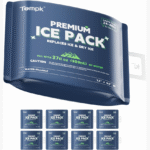
Sebelum menyetujui pemasok Paket es kering untuk pengiriman buah, tuliskan apa yang harus dapat diterima oleh penerima. Pembalikan sederhana tersebut mencegah fitur pendingin menjadi ringkasan desain. Paket es kering hidrasi Tempk berbentuk datar, lembaran pendingin yang diaktifkan air yang dibekukan sebelum dikemas. Ini bukan karbon dioksida padat dan bukan Es Kering, UN1845. Nilainya bergantung pada perakitan insulasi lengkap dan proses pengoperasian di sekitarnya. Rute persetujuan yang baik bekerja mundur dari kondisi buah pada saat penerimaan melalui pemaparan rute, desain paket, persiapan, bukti pemasok, dan pengendalian produksi. Outputnya adalah paket terkontrol, bukan janji yang melekat pada satu komponen.
Tentukan Kiriman Yang Dapat Diterima Tanpa Menebak
Mulai dari pintu penerima. Apa yang akan diperiksa oleh penerima, ukuran, catatan, dan lakukan selanjutnya? Jika jawabannya tidak jelas, baik insinyur termal maupun pemasok tidak mengetahui apa arti kesuksesan.
Definisi penerimaan mungkin mencakup identitas buah, variasi atau kematangan jika relevan, kondisi paket, kelembapan atau kebocoran yang terlihat, metode suhu pulp, ulasan logger di mana digunakan, penampilan, ketegasan, dan waktu yang diberikan sebelum dipindahkan ke lingkungan terkendali berikutnya. Hal ini juga dapat mencakup pengamatan kualitas di kemudian hari ketika cedera parah atau perilaku yang sudah matang tidak dapat dinilai dengan segera.
Jangan meminjam kisaran suhu dari buah lain. Panduan pascapanen USDA mengatur informasi penyimpanan dan penanganan berdasarkan komoditas karena toleransi dingin tidak seragam. Beberapa buah berisiko mengalami luka beku di dekat permukaan yang beku; buah yang sensitif terhadap suhu dingin dapat rusak tanpa benar-benar dibekukan. Kisaran dan kriteria kualitas yang disetujui harus berasal dari penanggung jawab pascapanen, keamanan pangan, pelanggan, atau otoritas kualitas untuk produk tertentu.
Aturan penerimaan membutuhkan pemilik keputusan. Pengemudi tidak boleh membuat disposisi setelah melihat alarm logger, dan penerima tidak boleh membuang buah hanya karena lapisan pendingin telah mencair. Lembaran yang dicairkan dapat hidup berdampingan dengan muatan yang dapat diterima, sedangkan lembaran yang masih terasa beku tidak membuktikan bahwa semua lokasi buah masih dalam batas. Tentukan siapa yang meninjau bukti dan apa yang terjadi jika dilakukan penyesuaian, dipertanyakan, dan menolak pengiriman.
Kontrak penerimaan ini memperlihatkan persyaratan tersembunyi. Jika penerima barang tidak dapat mengambil logger, rencana pemantauan harus berubah. Jika buah akan matang beberapa hari setelah kedatangannya, cedera yang tertunda mungkin penting. Jika karton dibuka di luar ruangan, peristiwa itu termasuk dalam siklus distribusi dan bukan di luar model.
Gunakan Gerbang Keputusan Sebelum Meminta Penawaran Massal
Pesanan massal harus melewati serangkaian gerbang. Gerbang ini mencegah tim menghabiskan waktu untuk negosiasi harga secara mendetail dan juga identitas produk, buah cocok, atau kelayakan jalur paket masih belum terselesaikan.
| Gerbang persetujuan | Pertanyaan yang harus dijawab | Catatan keputusan minimum | Alasan untuk berhenti atau mendesain ulang |
|---|---|---|---|
| Hasil yang diharapkan | Kondisi apa yang harus dipenuhi oleh buah khusus ini pada saat diterima dan sesudahnya? | Profil komoditas dan kriteria penerimaan disetujui oleh pemilik | Tidak ada batasan dingin dan hangat yang disepakati, atau tidak ada metode penerimaan |
| Identitas produk | Apa yang ada di dalam lembar yang diusulkan, dan bagaimana cara mengaktifkan dan memindahkannya? | Deskripsi konstruksi, informasi keselamatan, dan konfirmasi jenis cairan pendingin sebenarnya | Produk tertukar dengan karbon dioksida padat atau formulasinya tidak jelas |
| Kesesuaian sistem | Bisakah lembar aktifnya pas tanpa menghancurkan buah, menghalangi ventilasi yang diperlukan, atau melakukan kontak yang tidak terkendali? | Gambar paket dengan dimensi internal, hambatan, pita muatan, dan lokasi lembar | Lembaran bergerak, mencakup bukaan kritis, atau menghubungi buah di luar desain |
| Penggunaan makanan yang dimaksudkan | Apakah dokumentasi mencakup skenario kontak yang tepat dan pasar tujuan? | Meninjau deklarasi pemasok dan cakupan pendukungnya | Umum "kelas makanan" bahasa tanpa materi atau kondisi penggunaan |
| Bukti kinerja | Apakah pertemuan lengkap memenuhi kriteria yang ditentukan dalam tantangan yang representatif? | Laporan termal terkontrol dan uji rute yang dibenarkan | Hanya data cairan pendingin yang berdiri sendiri atau hasil paket yang tidak terkait |
| Pengendalian operasional | Bisakah shift normal terhidrasi, membekukan, memeriksa, mengemas, jejak, dan mementaskannya secara konsisten? | Uji coba garis, instruksi kerja, pelatihan, pemeriksaan kapasitas freezer, dan proses penyimpangan | Proses bergantung pada improvisasi atau tidak dapat mendukung volume puncak |
| Kontinuitas pasokan | Akankah produksi sesuai dengan sampel yang disetujui, dengan ketertelusuran dan pemberitahuan perubahan kritis? | Spesifikasi pembelian, rencana pemeriksaan, kontrol banyak, dan mengubah perjanjian | Toleransi, identitas banyak, atau pemberitahuan perubahan tetap tidak ditentukan |
Meja tersebut sengaja dipesan. Hasil termal yang luar biasa tidak dapat menyembuhkan cakupan kontak makanan yang belum terselesaikan, dan paket laboratorium yang kuat tidak dapat menyembuhkan proses persiapan yang gagal selama puncak produksi. Sinyal berhenti tidak serta merta menolak lembaran tersebut; ini memberi tahu tim proyek asumsi mana yang harus diselesaikan sebelum melanjutkan.
Desain untuk Menentang Kegagalan, Bukan Satu Kasus Terburuk
Diskusi rantai dingin sering kali menggambarkan satu hal "kasus terburuk," biasanya rute ambien yang panas dan penundaan yang lama. Paket buah biasanya memiliki setidaknya dua kasus terburuk yang berlawanan.
Kasus risiko panas mungkin menggabungkan tantangan lingkungan yang tinggi, tinggal lama, komponen awal yang hangat, kebocoran panas maksimum, dan pengaturan muatan yang membiarkan permukaan terbuka. Kasus risiko dingin dapat menggabungkan lembaran yang benar-benar beku, periode ambien yang rendah, beban buah minimum, rasio cairan pendingin terhadap produk yang besar, dan kontak langsung atau hampir langsung. Satu paket dapat melewati paket pertama dan gagal pada paket kedua.
Oleh karena itu, bracketing muatan sangat penting. Beban maksimum mungkin mengandung lebih banyak panas produk dan mengurangi aliran udara internal. Beban minimum dapat memanas dengan cepat karena massanya lebih kecil, namun buah di sebelah permukaan pendingin mungkin terlalu dingin. Jika pesanan memiliki beberapa ukuran, tentukan konfigurasi mana yang berbeda dan mana yang dapat diwakili oleh batas-batas yang dibenarkan.
Kondisi awal termasuk dalam kedua kasus. Desain pengiriman yang dimaksudkan untuk mempertahankan buah yang sudah didinginkan sebelumnya tidak boleh diam-diam menjadi proses untuk mendapatkan buah hangat dari lantai pengepakan. Menghilangkan panas lapangan dan menahan produk melalui distribusi adalah tugas yang berbeda. Jika pendingin harus melakukan keduanya, menguji skenario itu secara eksplisit daripada mengasumsikan kapasitas cadangan.
Peristiwa mekanis harus dikaitkan dengan risiko termal. Jatuhan dan getaran dapat menggerakkan lembaran fleksibel, membuka celah pada sambungan isolasi, runtuhkan pengatur jarak, atau mendistribusikan kembali buah-buahan. Kompresi dan kelembapan dapat melemahkan karton. Gunakan uji distribusi fisik yang sesuai dengan moda transportasi, kemudian menilai apakah paket yang dikondisikan masih mempertahankan pemisahan dan penutupan cairan pendingin yang diinginkan.
ISTA Standard 7E dapat menyediakan profil paket termal, dan ASTM D3103 dapat mendukung evaluasi kinerja isolasi termal di bawah paparan eksternal yang terkendali. Mereka membantu membuat pengujian berulang; mereka tidak memberikan batasan hasil atau mengubah komponen menjadi sistem yang berkualitas. Tulis soal tes terlebih dahulu, lalu pilih metode dan profil yang menjawabnya.
Perlakukan penempatan sensor sebagai pencarian perselisihan
Jangan letakkan setiap sensor di dekat bagian tengah dan berharap untuk memahami paketnya. Pilih posisi yang kemungkinan besar tidak setuju:
buah yang paling dekat dengan permukaan pendingin;
buah terjauh dari cairan pendingin;
daerah sudut atau penutupan;
inti geometris;
lokasi atas dan bawah ketika orientasi atau konveksi penting;
paparan lingkungan di luar paket.
Suhu udara dan suhu daging buah menjawab pertanyaan yang berbeda. Buah permukaan dan inti juga dapat merespons dengan kecepatan berbeda. Rencana pengujian harus menyatakan apa yang diwakili oleh masing-masing sensor, akurasi kalibrasinya, interval pengambilan sampel, metode lampiran, dan bagaimana pembacaan yang hilang atau tidak masuk akal ditangani.
Ubah Sampel Pemasok Menjadi Bahan Terkendali
Sampel yang disetujui harus menjadi spesifikasi yang dapat direproduksi oleh produksi. Foto dan nama produk saja tidak cukup. Lembaran multi-sel dapat bervariasi dalam ukuran keringnya, geometri sel, posisi jahitan, konstruksi permeabel, konten penyerap, film, pencetakan, dan pengemasan. Setelah aktivasi, perbedaan tersebut dapat mempengaruhi kecocokan, hidrasi, pembekuan, fleksibilitas, dan risiko kebocoran.
Buat daftar atribut penting berdasarkan mode kegagalan aktual. Jika lembaran harus terlipat pada jahitan tertentu, lokasi jahitan dan dimensi sel sangat penting. Jika dipisahkan dari buah dengan pembatas yang sempit, ketebalan dan toleransi yang diaktifkan mungkin penting. Jika setiap unit harus dikaitkan dengan suatu pengiriman, keterbacaan kode lot setelah hidrasi dan pembekuan mungkin sangat penting.
Rencana inspeksi masuk harus membedakan atribut yang dapat diperiksa oleh pembeli dari atribut yang dikontrol oleh pemasok. Pengemas dapat memeriksa tusukan, jahitan terbuka, kontaminasi, dimensi kotor, tata letak sel, dan penandaan lot. Pengendalian komposisi dan proses manufaktur memerlukan catatan dan perjanjian pemasok. Frekuensi pengambilan sampel harus mengikuti risiko, banyak sejarah, dan sistem kualitas pembeli, bukan aturan universal yang sewenang-wenang.
Mintalah dokumen keselamatan dan tujuan penggunaan untuk kode pesanan yang tepat, bukan keluarga yang mempunyai hubungan darah. Di Amerika Serikat, Otorisasi dan batasan kontak makanan FDA terkait dengan bahan dan kondisi yang dimaksudkan; beberapa pemberitahuan juga khusus untuk produsen atau pemasok yang disebutkan. Di Uni Eropa, Peraturan (EC) TIDAK 1935/2004 memberikan kerangka umum kontak makanan, dan bahan plastik mungkin memiliki persyaratan tambahan berdasarkan Peraturan (UE) TIDAK 10/2011. Tinjauan yang relevan tergantung pada apakah lembaran itu dapat menyentuh buah, hanya menyentuh paket primer tertutup, atau tetap berada di belakang penghalang fungsional.
Klasifikasi transportasi memerlukan pemeriksaan dokumen tersendiri. Karbon dioksida padat adalah Es Kering, UN1845 dan dapat memicu ketentuan barang berbahaya, khususnya melalui udara. Lembaran berbahan dasar air yang terhidrasi tidak diubah menjadi karbon dioksida melalui pembekuan. Tetap, pengirim harus meninjau formulasi yang tepat, data keselamatan, kebijakan operator, mode, dan tujuan daripada mendeklarasikan status dari label produk umum.
Akhirnya, mendefinisikan kendali perubahan. Sumber film, sistem penyerap, tata letak sel, proses segel, lokasi produksi, atau tujuan penggunaan yang dinyatakan dapat mengubah asumsi yang disetujui. Pemasok harus memberi tahu pembeli tentang perubahan penting yang disepakati sebelum pengiriman sehingga pembeli dapat menilai dokumentasi, bugar, keamanan, dan perlunya pengujian ulang.
Jadikan Uji Coba Pack-Line sebagai Tahap Kualifikasi
Persiapan adalah pembuatan yang dilakukan di lokasi pengepakan buah. Lembaran kering menjadi terhidrasi, pendingin beku melalui pekerjaan lokal, sehingga proses lokal memerlukan evaluasi formal.
Hidrasi harus memiliki titik akhir yang terlihat
Instruksi seperti "rendam sampai siap" mengundang variasi shift-to-shift. Identifikasi sumber air, kapal, pola pemuatan, kondisi sel yang dapat diamati, langkah pembuangan, penyimpanan sementara, dan tindakan untuk sel yang tidak aktif secara normal. Jaga agar bahan yang sudah disiapkan terlindung dari kontaminasi.
Alat pengambilan keputusan yang berguna
Periksa detailnya sebelum Anda memilih kemasan
Alat cepat ini dapat membantu Anda membandingkan risiko rute, kebutuhan ukuran, pilihan pendingin, dan detail kemasan sebelum Anda meminta penawaran.
Referensi Bahan Isolasi
Bandingkan pilihan bahan insulasi untuk kebutuhan pengemasan rantai dingin yang berbeda.
Bandingkan bahanPembuat Daftar Periksa Kepatuhan
Buatlah daftar periksa praktis untuk tinjauan kemasan, pengiriman, dan dokumentasi.
Buat daftar periksaKetahanan Jatuh Bahan Isolasi
Tinjau ketahanan jatuh dan faktor penanganan sebelum memilih bahan insulasi.
Periksa resistensiPembekuan harus ditunjukkan pada kepadatan produksi
Beberapa lembar yang diletakkan rata di dalam freezer kosong tidak mewakili pengiriman puncak. Jumlah yang banyak dapat membatasi aliran udara, memperpanjang persiapan, dan menghasilkan keadaan yang tidak merata. Uji coba rak normal, jarak, ukuran tumpukan, aktivitas pintu, dan metode pelepasan. Tetapkan bagaimana operator membedakan bahan jadi dari bahan yang masih dalam proses.
Majelis harus sulit untuk salah membaca
Gunakan instruksi kerja visual yang memberi nama enklosur yang tepat, beban buah, baki atau paket utama, pembagi, orientasi lembar, kendali kosong, penutup, dan posisi logger opsional. Kalau sprei boleh terpotong, mengidentifikasi jahitan yang diizinkan dan melarang pemotongan sel. Jika ada beberapa konfigurasi yang disetujui, membuat mereka tampak berbeda.
Penyimpangan membutuhkan rute
Operator memerlukan keputusan untuk lembaran yang sobek, hidrasi yang tidak merata, keadaan beku yang dipertanyakan, pembatas yang hilang, pembawa terlambat, buah masuk yang hangat, atau ukuran pesanan salah. "Tanyakan pada supervisor" dapat menjadi bagian dari eskalasi, tetapi supervisor juga membutuhkan pilihan yang disetujui. Karantina, mengolah lagi, paket alternatif, pengiriman tertunda, dan penolakan harus didefinisikan jika relevan.
Uji coba lini harus mengukur tenaga kerja dan kapasitas serta suhu. Catat ruang hidrasi, hunian freezer, penanganan lembaran, kondensasi, waktu pengepakan, peluang kesalahan, pembersihan, dan limbah material. Hasil ini mempengaruhi biaya dan kontinuitas. Harga lembaran yang lebih rendah dapat diimbangi dengan proses yang memerlukan lebih banyak perluasan freezer, tenaga kerja, atau pengerjaan ulang.
Bangun Bukti Berlapis
File persetujuan terkuat tidak bergantung pada satu tes spektakuler. Ia menggunakan bukti yang berbeda untuk keputusan yang berbeda.
Bukti komponen mengidentifikasi konstruksi, perilaku aktivasi, ukuran, segel, informasi keselamatan, dan cakupan tujuan penggunaan. Ini membantu menentukan apakah suatu sampel layak untuk pengujian sistem.
Pekerjaan pemasangan bangku memastikan bahwa lembaran terhidrasi dan beku sesuai dengan penutup dan menjaga ruang buah, hambatan, penutup, dan ventilasi. Ini tidak mahal dan harus dilakukan sebelum studi ruang termal.
Uji studi termal terkontrol menentukan tantangan hangat dan dingin dengan beban minimum dan maksimum yang representatif. Laporan tersebut harus mengidentifikasi setiap komponen, kondisi awal, sensor, profil lingkungan, deviasi, jejak mentah, dan kriteria penerimaan.
Pekerjaan distribusi fisik mengevaluasi apakah penanganan mengubah pengaturan perlindungan. Ini mungkin termasuk tes yang sesuai untuk paket, palet, atau bahaya transportasi lainnya.
Uji coba rute yang dipantau menambah serah terima aktual, tinggal, orientasi, kondisi kendaraan, dan tindakan penerima. Mereka harus menggunakan aturan penerimaan yang telah ditentukan sebelumnya dan menangkap konteks sekitar atau peristiwa yang diperlukan untuk menjelaskan hasilnya.
Verifikasi yang sedang berlangsung memeriksa apakah status yang disetujui tetap ada. Pengiriman dipantau secara berkala, ulasan musiman, investigasi pengaduan, tren yang masuk, dan pengujian pasca perubahan dapat dipilih berdasarkan risiko.
Pelapisan ini juga memperjelas laporan pengujian pemasok. Bukti pemasok dapat mengurangi ketidakpastian pengembangan jika bukti tersebut menggambarkan sistem yang relevan. Tidak dapat menggantikan persetujuan pembeli apabila pembeli menggunakan buah yang berbeda, memuat, isolasi, rute, penghalang, persiapan, atau kriteria.
Contoh praktis: Menyetujui Karton Hadiah Jeruk
Bayangkan sebuah perusahaan pengepakan menginginkan lembar hidrasi fleksibel untuk karton hadiah jeruk premium. Tim komersial menginginkan satu paket untuk beberapa ukuran karton dan pengiriman sepanjang tahun. Daripada meminta pemasok untuk jangka waktu yang tetap, tim proyek memulai dengan hasil penerimaan.
Spesialis buah menentukan batasan komoditas dan kualitas yang sesuai untuk varietas jeruk yang relevan dan mencatat bahwa cedera dingin mungkin bergantung pada riwayat produk dan paparannya. Tim operasi memetakan waktu mulai dari pelepasan lembar hingga pengambilan oleh operator, penanganan jaringan, pengiriman perumahan, dan diharapkan membongkar. Pengadaan mengirimkan calon pemasok dimensi karton internal, beban minimum dan maksimum, saat ini lapisan terisolasi, konsep penghalang, dan pasar tujuan.
Pekerjaan bangku menunjukkan bahwa satu lembar geometri terlipat rapi di dalam karton penuh tetapi tertekuk ke dalam ruang buah di karton yang lebih kecil. Tim tidak memaksakan standarisasi. Ini merevisi tata letak karton kecil dan membuat instruksi visual terpisah.
Studi terkontrol mencakup kasus paparan panas dan kasus risiko dingin dengan muatan lebih kecil. Sensor ditempatkan di samping penghalang, di inti, dekat penutupan, dan buah yang representatif. Tinjauan tersebut mencakup kekuatan karton setelah kondensasi dan pemeriksaan kualitas buah selanjutnya. Uji coba rute yang dipantau kemudian menantang penerimaan normal dan tertunda.
Pada saat yang sama, batch produksi dihidrasi dan dibekukan selama simulasi puncak. Freezer dapat mendukung paket karton penuh, tetapi jalur tersebut memerlukan rak yang berbeda untuk lembaran terlipat yang lebih kecil. Pengadaan sudah termasuk active fit, tata letak sel, lokasi jahitan, penandaan banyak, pemeriksaan masuk, dan mengubah pemberitahuan dalam spesifikasi pembelian.
Tidak ada durasi cairan pendingin universal yang muncul dari proyek hipotetis ini. Yang muncul lebih bermanfaat: dua paket yang ditentukan, sebuah berkas bukti, metode garis paket, kriteria penerimaan, dan aturan untuk meninjau perubahan di masa depan.
Pertahankan Status yang Disetujui Tetap Hidup
Persetujuan adalah titik awal untuk pengendalian rutin. Tautkan banyak buah, konfigurasi kemasan, banyak lembar, kumpulan atau status persiapan, tanggal paket, rute, dan catatan pemantauan jika diperlukan oleh program. Jumlah rinciannya harus sesuai dengan risiko dan kewajiban penelusuran yang berlaku, tetapi itu harus cukup untuk menyelidiki kegagalan.
Tren hasil berdasarkan mekanisme kegagalan, bukan menempatkan setiap keluhan "suhu." Buah hangat saat diterima mungkin berasal dari suhu awal yang tinggi, penutupan tidak lengkap, cairan pendingin hilang, tinggal lama, atau isolasi yang tidak memadai. Cedera dingin lokal mungkin disebabkan oleh pergeseran lembaran, pengatur jarak yang hilang, muatan minimum, atau konfigurasi yang tidak disetujui. Kebocoran mungkin berasal dari segel yang masuk, pemotongan, tusukan, tekanan pengepakan, atau menggunakan kembali kerusakan.
Tentukan pemicu rekualifikasi. Variasi buah baru, profil kedewasaan, karton, liner, konstruksi lembaran, pita muatan, jaringan operator, durasi rute, tempat pengepakan, proses freezer, atau kriteria penerimaan dapat mempengaruhi penerapan. Tidak setiap perubahan membutuhkan program yang lengkap, namun setiap perubahan material memerlukan penilaian yang terdokumentasi.
Tinjauan biaya harus menggunakan kinerja yang disampaikan, bukan harga lembaran saja. Termasuk pengiriman komponen masuk, penyimpanan kering, persalinan aktivasi, air, kapasitas freezer, ruang garis paket, isolasi, hambatan, pemantauan, kehilangan, penyimpangan, dan penanganan pembuangan atau pengembalian. Kehilangan buah yang dapat dihindari hanya dapat dimasukkan jika didukung oleh data program.
Tinjauan lingkungan memerlukan batasan sistem yang sama. Penyimpanan kering datar dapat mengurangi volume dan berat yang masuk sebelum hidrasi, tapi energi yang membekukan, penggunaan bahan, kehilangan buah, menggunakan kembali logistik, tingkat pengembalian, dan rute lokal akhir masa pakainya juga penting. Untuk kemasan pasar Eropa, menilai persyaratan yang berlaku dan waktu Peraturan Pengemasan dan Limbah Pengemasan dengan penasihat yang berkualifikasi. Jangan menerjemahkan satu atribut material ke dalam klaim keberlanjutan yang luas.
Pertanyaan yang sering diajukan
Apa yang harus disertakan dalam RFQ untuk lembaran cairan pendingin hidrasi?
Cantumkan jenis dan kondisi buah, kriteria penerimaan yang disetujui, paket utama, dimensi paket berinsulasi internal, pita muatan, rute dan musim, serah terima yang diharapkan, konsep penempatan lembar, kontak langsung atau tidak langsung, pasar tujuan, aktivasi dan kemampuan freezer, rencana pemantauan, model penggunaan kembali yang dimaksudkan, kebutuhan pemesanan yang diproyeksikan, dan bukti yang ingin ditinjau. Bingkai hal-hal yang tidak diketahui sebagai pertanyaan, bukan spesifikasi yang diciptakan.
Bagaimana lembaran hidrasi dibandingkan dengan paket gel yang sudah diisi sebelumnya atau es batu kaku?
Lembar hidrasi disimpan dalam keadaan datar sebelum aktivasi dan dapat memberikan cakupan multi-sel yang fleksibel. Yang sudah diisi sebelumnya paket gel mengurangi pekerjaan aktivasi pembeli, sedangkan batu bata yang kaku dapat memberikan geometri yang stabil dan penempatan yang sederhana. Tidak ada yang unggul secara universal. Bandingkan ruang muatan yang dapat digunakan, persiapan, proses freezer, risiko kontak, pengendalian kebocoran, penggunaan kembali, bugar, dan hasil pengujian kemasan lengkap untuk buah yang dituju dan rutenya.
Dapatkah laporan termal pemasok menghilangkan pengujian pembeli??
Hal ini dapat bermanfaat ketika kandang diuji, pendingin, persiapan, muatan, kondisi awal, peta sensor, profil lingkungan, dan kriteria penerimaan sangat mewakili pengiriman yang dimaksudkan. Perbedaan harus dinilai. Sebagian besar pembeli masih memerlukan pekerjaan yang sesuai dan verifikasi yang relevan dengan rute karena buahnya, proses operasi, penanganan pembawa, dan kondisi penerimaan tidak sama dengan demonstrasi pemasok.
Apakah memasukkan buah ke dalam tas menghilangkan kekhawatiran kontak makanan??
Itu dapat mengubah skenario kontak, namun penghalang sebenarnya harus didefinisikan dan dipertahankan. Pertimbangkan apakah lembarannya bisa bergeser, bocor, atau hubungi bagian luar tas dan apakah isinya dapat mencapai makanan jika rusak. Tinjau dokumentasi material untuk konfigurasi dan pasar yang diinginkan. Kemasan utama itu sendiri juga harus sesuai untuk penggunaan yang bersentuhan dengan makanan.
Kapan paket yang disetujui harus ditinjau kembali?
Tinjaulah ketika karakteristik buah, muatan, lampiran, lembaran, penghalang, perakitan, persiapan, pengoperasian freezer, pembawa, jalur, musim, proses penerimaan, ruang lingkup regulasi, atau kriteria penerimaan berubah. Tinjau juga tren buruk dan perjalanan yang tidak dapat dijelaskan. Penilaian risiko yang terdokumentasi dapat menentukan apakah respons yang diberikan berupa tinjauan tertulis, verifikasi terfokus, atau rekualifikasi yang lebih luas.
Kesimpulan: Setujui Paket, Lalu Kendalikan
Paket es kering pemasok yang andal untuk pengiriman buah dimulai dengan identitas produk yang akurat dan diakhiri dengan status pengoperasian yang terkendali. Format hidrasi Tempk adalah lembaran beku yang diaktifkan air, bukan karbon dioksida padat. Ini dapat menawarkan cakupan yang fleksibel dan penyimpanan kering yang efisien sebelum aktivasi, namun atribut tersebut tidak menentukan keamanan buah, kisaran suhu, atau durasi.
Bekerja mundur dari kriteria penerimaan. Tantang kegagalan hangat dan dingin, muatan braket, meninjau tujuan penggunaan pangan dan status transportasi, dan uji rakitan berinsulasi lengkap. Ubah sampel yang berhasil menjadi spesifikasi pembelian dan proses jalur pengemasan, kemudian melestarikannya dengan banyak kontrol, penilaian perubahan, verifikasi rute, dan data deviasi yang berarti. Begitulah cara pengadaannya, Operasi, dan kualitas mengubah komponen pendingin menjadi solusi pengiriman buah yang disetujui.
Tentang tempk
Tempk menyediakan lembaran pendingin hidrasi yang diaktifkan air dalam format multi-sel yang fleksibel untuk diintegrasikan ke dalam pengaturan pengiriman berinsulasi. Seprai kering disiapkan dengan air, beku, dan diposisikan di sekitar atau di samping muatan sesuai dengan desain paket. Untuk proyek buah, kita dapat meninjau tata letak sel yang diusulkan, paket sesuai, alur kerja persiapan, dan persyaratan pengadaan menggunakan komoditas tersebut, muatan, rute, dan informasi lampiran yang Anda berikan. Kinerja termal dan kesesuaian buah harus ditetapkan untuk konfigurasi lengkap melalui pengujian yang representatif dan instruksi pengoperasian yang terkontrol.
Kirimkan Tempk kriteria penerimaan Anda, profil buah, dimensi paket, peta rute, dan kisaran pesanan yang diharapkan. Kami dapat membantu Anda memilih format lembar kandidat dan mengatur pertanyaan yang harus diselesaikan tim Anda sebelum disetujui.