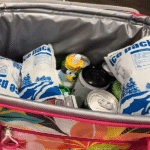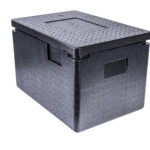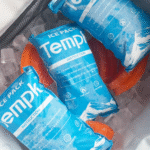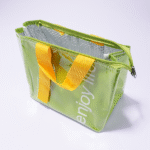
Pengemasan dengan pengatur suhu memungkinkan Anda mengirimkan produk sensitif — mulai dari vaksin hingga produk segar — dengan aman dalam jarak jauh. Hal ini dilakukan dengan menggabungkan bahan isolasi canggih dengan elemen pendingin untuk mempertahankan kisaran suhu yang sempit. Seiring dengan pertumbuhan pasar rantai dingin global (bernilai USD 436 miliar di dalam 2025 dan diproyeksikan untuk dicapai USD 1.36 triliun oleh 2034), generasi baru wadah termal yang dapat digunakan kembali muncul untuk mengurangi pemborosan dan meningkatkan kinerja. Dalam artikel ini Anda akan mempelajari cara kerja container ini, teknologi apa yang penting dan bagaimana memilih solusi yang tepat untuk kebutuhan Anda.
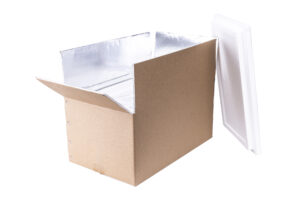
Hal yang menjadikan pengemasan dengan pengatur suhu penting untuk logistik rantai dingin?
Bagaimana panel isolasi vakum (VIP) meningkatkan wadah termal yang dapat digunakan kembali?
Bagaimana Anda memilih bahan pengubah fasa dan cairan pendingin yang tepat?
Mengapa pemantauan cerdas penting untuk pengendalian suhu?
Tren apa yang membentuk kemasan ramah lingkungan dan dapat digunakan kembali 2025?
Hal yang menjadikan pengemasan dengan pengatur suhu penting untuk logistik rantai dingin?
Pengemasan yang dikontrol suhu sangat penting karena menjaga integritas produk, memenuhi persyaratan peraturan dan melindungi kargo dari kerusakan fisik. Rantai dingin mencakup penyimpanan, kemasan, transportasi dan pemantauan. Kemasan khusus, seperti kotak terisolasi, Paket gel, es kering dan bahan perubahan fasa (PCMS), membentuk penghalang pelindung yang menstabilkan suhu dan melindungi muatan. Tanpanya, Farmasi, bahan biologis dan makanan yang mudah rusak dapat rusak, mengorbankan keamanan dan kemanjuran. Pasar global untuk kemasan dengan pengatur suhu diproyeksikan akan tumbuh USD 218.9 miliar masuk 2025 ke USD 985.8 miliar oleh 2034, menggarisbawahi peran pentingnya dalam logistik modern.
Memahami dasar-dasarnya
Bayangkan kemasan dengan pengatur suhu sebagai pendingin steroid. Pendingin tradisional menggunakan insulasi busa dan kompres es, namun pengiriman rantai dingin sering kali memerlukan suhu yang tepat selama berhari-hari, bukan berjam-jam. Sistem pengemasan pasif memasangkan bahan isolasi dengan cairan pendingin (es atau gel) dan mengandalkan massa termal untuk menjaga kondisi, sementara sistem aktif menggunakan pendinginan bertenaga. Badan pengatur seperti FDA dan WHO mengamanatkan pengemasan dan pemantauan yang tervalidasi; kegagalan untuk mematuhi dapat mengakibatkan penarikan kembali atau denda. Menurut Geotab 2025 memandu, mempertahankan suhu yang konsisten, memastikan kepatuhan terhadap peraturan dan mengelola keandalan peralatan merupakan salah satu tantangan rantai dingin terbesar.
Komponen utama kemasan dengan pengatur suhu
| Komponen | Tujuan | Signifikansi praktis |
| Wadah terisolasi | Membentuk kulit terluar dan memberikan penghalang terhadap perolehan atau kehilangan panas. Bahan berkisar dari polistiren yang diperluas (EPS) untuk menyedot panel isolasi. | Memilih isolasi yang tepat berdampak pada durasi, berat dan biaya. |
| Pendingin atau PCM | Paket gel, es kering atau PCM rekayasa menyerap atau melepaskan energi panas. | Menyesuaikan titik leleh cairan pendingin dengan rentang yang dibutuhkan produk Anda akan memastikan stabilitas dari waktu ke waktu. |
| Kendaraan berpendingin (sistem aktif) | Mempertahankan suhu melalui pendinginan bertenaga selama transit. | Digunakan untuk pengiriman jarak jauh atau ketika sistem pasif tidak dapat memenuhi persyaratan waktu tunggu. |
| Pencatat data dan sensor | Suhu monitor, kelembaban dan lokasi secara real time. | Berikan catatan kepatuhan dan izinkan intervensi cepat jika suhu menyimpang. |
| Dokumentasi kepatuhan | Mencatat kondisi dan memverifikasi kepatuhan terhadap Praktik Distribusi yang Baik (PDB). | Dokumentasi yang akurat membantu mencegah penarikan kembali dan memastikan kepatuhan terhadap peraturan. |
Tip dan rekomendasi praktis
Sesuaikan kemasan dengan sensitivitas produk. Untuk obat-obatan atau biologi bernilai tinggi, berinvestasi dalam isolasi dan sensor berkinerja tinggi. Untuk makanan yang kurang sensitif, EPS atau poliuretan yang ekonomis mungkin sudah cukup.
Rencanakan durasi transit. Kotak pasif dengan kemasan gel dapat ditangani dalam 2-3 hari; Kotak VIP dengan PCM bisa mencapai 7–10 hari.
Jangan lupakan mil terakhir. Gunakan kendaraan berpendingin atau tas berinsulasi untuk pengiriman akhir untuk menghindari perubahan suhu.
Integrasikan pemantauan. Pilih paket dengan pencatat data atau pasang sensor eksternal untuk menangkap suhu dan kelembapan sepanjang perjalanan.
Dokumentasikan semuanya. Pertahankan log terperinci, termasuk validasi kemasan dan catatan suhu, untuk memuaskan auditor dan pelanggan.
Kasus dunia nyata: Sebuah perusahaan farmasi yang mengirimkan produk biologi menggunakan kotak pintar yang dapat digunakan kembali dengan panel VIP, PCM dan sensor tertanam. Kontainernya tetap terjaga 2–8 °C untuk 72 jam, mentransmisikan data suhu dan lokasi waktu nyata, dan mengirimkan peringatan jika tutupnya terbuka atau suhu berubah. Pemantauan proaktif ini mencegah pembusukan dan menunjukkan kepatuhan.
Bagaimana panel isolasi vakum meningkatkan wadah termal yang dapat digunakan kembali?
Panel isolasi vakum (VIP) secara drastis mengurangi perpindahan panas dengan menciptakan inti yang dievakuasi, memungkinkan wadah yang dapat digunakan kembali untuk mempertahankan suhu yang tepat selama berhari-hari. Kotak VIP terdiri dari silika mikropori atau serat kaca yang disegel dalam film penghalang kedap udara dan dievakuasi hingga mendekati ruang hampa. Menghilangkan udara menghilangkan konveksi; matriks padat saja yang menghantarkan panas, menghasilkan konduktivitas termal sekitar 5 mW/m·K, jauh lebih rendah dari EPS atau poliuretan. Bila dikombinasikan dengan bahan pengubah fasa, Kotak VIP menjaga suhu 7–10 hari, dua hingga tiga kali lebih lama dari insulasi busa konvensional. Wadah ini ideal untuk vaksin, Biologi, makanan khusus dan bahan kimia.
Cara kerja teknologi VIP
Para VIP meminjam konsep mereka dari termos: ruang hampa menghilangkan sebagian besar partikel yang membawa panas. Setiap panel berisi inti berpori, biasanya silika berasap atau serat kaca, ditutupi oleh film penghalang multi-lapis. Struktur pendukung atau penguat aerogel mencegah keruntuhan. Kulit terluar (plastik bergelombang atau papan serat) melindungi panel yang rapuh, sementara PCM menyerap dan melepaskan panas laten untuk menjaga suhu internal tetap stabil. Menurut CSafe Global, kinerja seorang VIP bergantung pada empat faktor: tingkat vakum, film penghalang, bahan inti dan pengering atau pengambil digunakan untuk menyerap gas sisa.
Membandingkan VIP dengan isolasi tradisional
| Jenis isolasi | Konduktivitas termal (kira-kira.) | Ketebalan dinding untuk 72 h tahan | Biaya & kompleksitas | Signifikansi praktis |
| Polystyrene yang diperluas (EPS) | ~36 mW/m·K (sekitar delapan kali lebih tinggi dari VIP) | 30–40mm | Biaya rendah; mudah dipotong | Terjangkau tetapi besar; waktu penahanan dibatasi hingga 2–3 hari. |
| Busa Poliuretan (Pur) | ~22 mW/m·K | 25–35 mm | Biaya sedang; kekakuan sedang | Insulasi lebih baik dari EPS tetapi masih lebih tebal dan berat; tahan 3–5 hari. |
| Panel Insulasi Vakum (VIP) | ≈5mW/m·K | 10–15 mm (50–70 % lebih tipis) | Biaya tinggi; rentan | Waktu tunggu yang diperpanjang 7–10 hari, lebih banyak ruang internal dan penghematan berat. |
Berkurangnya ketebalan VIP berarti lebih banyak volume yang dapat digunakan atau berkurangnya berat cairan pendingin. Misalnya, mengirimkan batch vaksin 5 liter yang membutuhkan 2–8 °C selama lima hari dalam sebuah standar 20 mm EPS lebih dingin tuntutan secara kasar 4 kg bungkus gel dan daunnya saja 6 liter volume internal. Kotak VIP dengan ukuran eksternal yang sama 10 panel mm kebutuhan 1.5 kg PCM, memberikan ruang ekstra dan bobot lebih rendah.
Memilih dan menggunakan VIP
Prioritaskan nilai muatan. Gunakan kotak VIP untuk biologi bernilai tinggi, vaksin atau makanan khusus yang waktu penyimpanannya lebih lama dan keandalannya memerlukan biaya yang lebih tinggi.
Sandingkan dengan PCM yang sesuai. Pilih bahan pengubah fasa yang sesuai dengan pita suhu Anda (2–8 ° C., –18 °C atau –70 °C). Memasangkan VIP dengan PCM yang cocok memastikan kondisi stabil.
Lindungi dari tusukan. Selalu letakkan panel VIP di kulit terluar yang kaku untuk mencegah kerusakan.
Rencanakan logistik pengembalian. Kontainer VIP dapat digunakan kembali; mengoordinasikan logistik terbalik untuk memulihkan dan membersihkan kotak.
Biaya saldo dan keberlanjutan. Meskipun kotak VIP lebih mahal, mereka mengurangi pembusukan dan berat pengiriman, menurunkan total biaya kepemilikan selama beberapa siklus.
Kasus dunia nyata: ColdChainPacking melaporkan bahwa menggabungkan panel VIP dengan material pengubah fase menawarkan solusi ampuh untuk transportasi jarak jauh. Dalam praktiknya, Kotak VIP yang digunakan dengan PCM dipertahankan pada suhu 2–8 °C selama lebih dari tujuh hari selama pendistribusian vaksin, memungkinkan pengiriman melewati bea cukai tanpa pendinginan aktif.
Bagaimana Anda memilih bahan pengubah fasa dan cairan pendingin yang tepat?
Memilih cairan pendingin yang tepat melibatkan penyesuaian kisaran suhu, persyaratan penanganan dan dampak lingkungan. Paket es gel mempertahankan suhu sedang (sekitar 2–8 ° C.) hingga 48 jam dan mudah ditangani, dapat digunakan kembali dan dapat terurai secara hayati. Es kering, karbon dioksida padat, menyediakan –78,5 °C untuk produk yang harus tetap beku namun memerlukan sarung tangan, ventilasi dan kepatuhan terhadap peraturan bahan berbahaya. Bahan pengubah fasa yang direkayasa (PCMS) meleleh dan membeku pada suhu tertentu; PCM modern dapat disesuaikan untuk melebur di antara keduanya –80 °C dan –60 °C, memberikan suhu ultra rendah yang konsisten tanpa risiko penanganan yang terkait dengan es kering.
Membandingkan paket gel, es kering dan PCM
| Opsi pendingin | Kisaran suhu | Penanganan & keamanan | Dampak Lingkungan | Paling baik digunakan untuk |
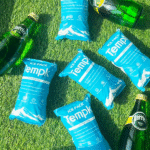
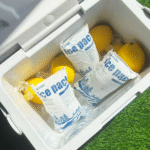
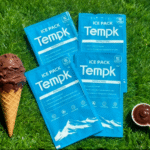
| Gel Ice Packs | 2 ° C ke 8 ° C. (dapat mencapai –20 °C saat dibekukan) | Tidak beracun dan mudah ditangani; tidak diperlukan peralatan khusus | Dapat terurai secara hayati dan dapat digunakan kembali | Makanan segar, Farmasi, perlengkapan makan dan pengiriman suhu sedang lainnya. |
| Es kering | –78,5 °C | Membutuhkan sarung tangan dan ventilasi; radang dingin dan CO₂ meningkatkan risiko | Sekali pakai; sublimasi melepaskan gas CO₂ | Daging beku, sampel biologis dan obat-obatan ultra dingin. |
| Bahan perubahan fasa (PCMS) | Direkayasa untuk meleleh pada suhu yang ditargetkan (MISALNYA., –70 °C, –20 °C atau 4 ° C.) | Lebih aman dibandingkan es kering; dibungkus dalam kantong atau panel kaku | Dapat digunakan kembali; dampak lingkungan yang lebih rendah dibandingkan es kering | Biologis yang sangat dingin, vaksin dan produk mRNA yang memerlukan penahan suhu yang tepat. |
Memilih cairan pendingin yang tepat
Nilailah pita suhu. Tentukan apakah produk Anda memerlukan pendinginan (2–8 ° C.), beku (–18 °C) atau sangat dingin (–60 °C) kondisi.
Pertimbangkan durasi. Paket gel bisa bertahan hingga 48 jam; es kering bisa bertahan lama 72 jam tetapi memerlukan langkah-langkah keamanan. Kotak VIP dengan PCM dapat mempertahankan suhu tertentu 7–10 hari.
Evaluasi kendala penanganan. Jika pengiriman menghadap konsumen atau ditangani oleh staf yang tidak terlatih, pilih paket gel atau PCM untuk menghindari risiko radang dingin.
Pertimbangkan peraturan. Es kering adalah bahan berbahaya yang diatur dan harus diberi label serta dibatasi jumlahnya, sedangkan paket gel dan PCM memiliki batasan yang lebih sedikit.
Biaya saldo dan keberlanjutan. Paket gel dapat digunakan kembali dan hemat biaya dalam banyak siklus; PCM menawarkan presisi dan penggunaan kembali; es kering hanya sekali pakai dan lebih mahal untuk jangka panjang.
Contoh: PCM eutektik yang direkayasa dirancang untuk melebur di antara keduanya –80 °C dan –60 °C memberikan suhu ultra rendah yang stabil tanpa daya eksternal. Tidak seperti es kering, yang menyublim dan kehilangan kapasitas pendinginan, PCM menyerap dan melepaskan energi panas pada titik tetap, menjaga integritas selama berhari-hari dan menyederhanakan kepatuhan terhadap peraturan.
Mengapa pemantauan cerdas penting untuk pengendalian suhu?
Pemantauan Cerdas, menggunakan sensor IoT dan pencatat data, memungkinkan visibilitas waktu nyata dan intervensi proaktif. Solusi pengemasan dengan pengontrol suhu terbaru mengintegrasikan sensor yang mencatat suhu, kelembaban, paparan cahaya dan lokasi setiap menit. Data gabungan memungkinkan tim logistik mengidentifikasi titik api, mengoptimalkan rute dan mengambil tindakan perbaikan di tengah transit. Pendekatan proaktif ini mendukung kepatuhan terhadap Praktik Distribusi yang Baik (PDB) dan mengurangi kehilangan produk. Integrasi dengan perangkat lunak manajemen armada semakin meningkatkan efisiensi dan kepuasan pelanggan.
Solusi pengemasan berkemampuan IoT
Pengemasan cerdas mengubah rantai dingin. Wadah yang dapat digunakan kembali dengan panel VIP, PCM dan sensor tertanam dapat menjaga suhu 48–72 jam saat mentransmisikan data langsung. Ketika suhu menyimpang atau tutupnya terbuka, peringatan otomatis memicu tindakan perbaikan. Menurut laporan USDA Analytics, integrasi sensor IoT dan analisis data memberikan peningkatan visibilitas dan mitigasi risiko di seluruh rantai pasokan. Teknologi ini menggantikan pencatat data manual dengan perangkat terhubung yang memperbarui pengirim secara real-time.
Cerdas vs. pemantauan konvensional
| Jenis pemantauan | Fitur | Manfaat | Keterbatasan |
| Pencatat data manual | Perangkat yang berdiri sendiri mencatat suhu untuk diunduh nanti. | Sederhana dan murah; cocok untuk jangka pendek, pengiriman berisiko rendah. | Tidak ada intervensi waktu nyata; risiko penyimpangan yang tidak disadari dan kesenjangan kepatuhan. |
| Sensor berkemampuan IoT | Catat dan kirimkan suhu, kelembaban dan lokasi secara real time. | Aktifkan peringatan proaktif, optimalisasi rute dan kepatuhan terhadap peraturan; data agregat menunjukkan inefisiensi sistemik. | Biaya dimuka yang lebih tinggi; memerlukan konektivitas dan infrastruktur pengelolaan data. |
| Wadah pintar | Gabungkan isolasi VIP, PCM dan sensor; sering kali menyertakan deteksi kerusakan dan geofencing. | Pertahankan kondisi yang tepat selama berhari-hari; kirim peringatan otomatis jika dibuka; ideal untuk barang bernilai tinggi. | Lebih mahal; memerlukan logistik pengembalian. |
Kiat untuk menerapkan pemantauan cerdas
Tentukan kebutuhan kepatuhan. Jika Anda harus memenuhi pedoman PDB atau FDA, pilih paket dengan pemantauan waktu nyata dan pencatatan data otomatis.
Manfaatkan analisis prediktif. Manfaatkan data sensor gabungan untuk mengidentifikasi masalah yang berulang dan sesuaikan rute atau pengemasan.
Integrasikan dengan perangkat lunak manajemen armada. Menggabungkan data sensor dengan perangkat lunak perencanaan rute mengurangi konsumsi bahan bakar, meningkatkan waktu dan meningkatkan pengalaman pelanggan.
Staf kereta. Pastikan personel memahami cara mengaktifkan sensor, menafsirkan peringatan dan mengambil tindakan perbaikan dengan cepat.
Rencanakan konektivitas. Gunakan seluler, GPS atau jaringan satelit yang sesuai dengan rute Anda untuk menghindari kesenjangan data.
Apa arti kemasan dengan pengatur suhu yang berkelanjutan dan dapat digunakan kembali bagi bisnis Anda?
Kemasan yang ramah lingkungan dan dapat digunakan kembali mengurangi limbah, mematuhi peraturan baru dan menawarkan penghematan biaya jangka panjang. Keberlanjutan adalah tren utama: kerangka peraturan seperti Tanggung Jawab Produsen yang Diperluas (EPR) di Amerika Utara mempromosikan solusi yang dapat digunakan kembali, dan perusahaan menggunakan bahan ramah lingkungan agar selaras dengan preferensi konsumen. Menurut laporan USDA, Tren keberlanjutan mempercepat penerapan sistem pengemasan yang dapat digunakan kembali dan modular. Terhadap proyek Pengemasan yang pasar kemasan rantai dingin yang dapat digunakan kembali akan berkembang mulai dari USD 4.97 miliar masuk 2025 ke USD 9.13 miliar oleh 2034.
Tren yang membentuk keberlanjutan di 2025
Kemajuan dalam bahan dan desain membentuk kembali kemasan yang dapat digunakan kembali. Pengirim pasif baru menggunakan panel berinsulasi vakum, komposit grafit dan busa poliuretan untuk menjaga suhu yang tepat sekaligus mengurangi berat. Perusahaan berjanji untuk mengganti ribuan kotak EPS sekali pakai dengan wadah tahan lama yang dapat digunakan kembali, sehingga menghasilkan lebih sedikit limbah TPA dan jejak karbon yang lebih rendah. Pendingin hibrida menggabungkan VIP dengan PCM yang lebih tipis, menjaga suhu untuk 72 jam sekaligus mengurangi penggunaan bahan bakar. Cerdas, kotak berpendingin sendiri seperti Ember Cube menghilangkan kebutuhan akan kemasan gel atau es kering. Teknologi IoT dan blockchain menyediakan log bukti kerusakan dan pemeliharaan prediktif. Kontainer multizona memungkinkan rentang suhu berbeda dalam pengiriman yang sama, membuat logistik lebih fleksibel.
Menyeimbangkan manfaat dan tantangan
Sistem yang dapat digunakan kembali menawarkan penghematan jangka panjang karena satu wadah dapat menggantikan ratusan kotak sekali pakai. Namun, perusahaan harus berinvestasi dalam pembersihan, pemeliharaan dan membalikkan infrastruktur logistik. Kotak yang dapat digunakan kembali rentan terhadap kehilangan selama transit, dan menunjukkan laba atas investasi dapat menjadi tantangan. Pertimbangkan faktor-faktor ini dengan tujuan keberlanjutan dan potensi pengurangan biaya operasional seiring berjalannya waktu.
Tips menerapkan pengemasan berkelanjutan
Pilih sistem modular. Carilah wadah dengan komponen yang dapat diganti; mereka menyederhanakan perawatan dan memperpanjang umur produk.
Rencanakan logistik terbalik. Mengkoordinasikan pengiriman kembali, pembersihan dan perbaikan untuk memaksimalkan penggunaan kembali.
Pertimbangkan bahan yang dapat terbiodegradasi. Inovasi seperti PCM berbasis tanaman dan lapisan busa bio mengurangi jejak karbon.
Mengadopsi model melingkar. Program seperti inisiatif ekonomi sirkular Peli BioThermal mendaur ulang inti VIP, mengurangi dampak ekologis dengan 95 %.
Mendidik pemangku kepentingan. Komunikasikan manfaat keberlanjutan kepada pelanggan dan mitra untuk membenarkan biaya awal yang lebih tinggi.
Kasus dunia nyata: Sebuah perusahaan farmasi besar mengganti ribuan pengirim EPS dengan kontainer VIP yang dapat digunakan kembali. Setiap kontainer menggantikan ratusan unit sekali pakai di seluruh siklus hidupnya. Peralihan ini mengurangi limbah TPA, mengurangi bobot pengangkutan dan menghemat biaya penggantian jutaan dolar.
2025 perkembangan dan tren terkini dalam kemasan dengan pengatur suhu
Kemasan rantai dingin berkembang pesat, dan selalu mendapatkan informasi terbaru memastikan Anda memilih solusi yang tetap kompetitif dan patuh.
Tinjauan Tren
Di dalam 2025, industri pengemasan dengan pengatur suhu ditandai dengan pertumbuhan pasar yang eksplosif, inovasi teknologi dan tekanan peraturan. Analis memperkirakan pasar akan tumbuh USD 218.9 miliar di dalam 2025 hampir USD 985.8 miliar oleh 2034. Pergeseran menuju bahan ramah lingkungan, adopsi IoT dan sensor pintar secara luas, dan peningkatan penggunaan kemasan pasif dengan isolasi canggih merupakan tren yang menentukan. Lebih jauh, infrastruktur rantai dingin yang dirancang untuk obat-obatan digunakan kembali untuk pengiriman makanan e-commerce.
Kemajuan terbaru sekilas
Pendingin hibrida dengan PCM yang lebih tipis: Sistem ini mempertahankan suhu yang tepat selama lebih dari 72 jam sambil menggunakan lebih sedikit cairan pendingin dan mengurangi penggunaan energi.
Kontainer cerdas yang mendukung IoT: Kontainer yang dilengkapi dengan sensor dan konektivitas mengirimkan data dan peringatan secara real-time, menjaga kargo bernilai tinggi.
Kontainer multi zona: Pengirim tingkat lanjut membagi interior menjadi kompartemen dengan zona suhu berbeda, memungkinkan muatan campuran seperti ikan beku dan sayuran segar.
Pengirim pasif yang dapat digunakan kembali: Perusahaan berjanji untuk mengganti pendingin EPS dengan sistem yang dapat digunakan kembali berbasis VIP, mengurangi limbah dan emisi karbon.
Kotak berpendingin sendiri: Wadah bertenaga baterai dapat bertahan pada suhu 2–8 °C selama 48–72 jam tanpa kemasan gel atau es kering.
Integrasi AI dan blockchain: Kecerdasan buatan memprediksi kegagalan peralatan dan mengoptimalkan rute, sementara blockchain menyediakan catatan suhu yang tahan terhadap kerusakan.
Wawasan pasar
Pasar pengemasan rantai dingin global (termasuk EPS, Pur, VIP dan materi lainnya) dihargai pada USD 38.51 miliar di dalam 2025 dan diperkirakan akan tercapai USD 134.08 miliar oleh 2032, tumbuh di a 19.5 % CAGR. Pada periode yang sama, pengirim terisolasi menyumbang pangsa pasar terbesar di 55.83 %, dan layanan kesehatan merupakan segmen pengguna akhir yang tumbuh paling cepat. Pengirim palet diperkirakan akan mendominasi jenis produk dengan a 35.7 % berbagi karena perlindungan suhu yang unggul. Sementara itu, Amerika Utara memimpin pasar dengan a 35.2 % membagikan, sedangkan kawasan Asia Pasifik adalah yang paling cepat berkembang. Segmen kemasan rantai dingin yang dapat digunakan kembali saja akan meningkat USD 4.97 miliar di dalam 2025 ke USD 9.13 miliar oleh 2034, menyoroti pergeseran ke arah model kemasan melingkar.
Pertanyaan yang sering diajukan (FAQ)
Q1: Apa itu kemasan dengan pengatur suhu?
Kemasan dengan pengatur suhu terdiri dari wadah berinsulasi, bahan pendingin dan perangkat pemantauan yang mempertahankan kisaran suhu tertentu selama penyimpanan dan transit. Ini mencegah pembusukan dan memastikan kepatuhan terhadap peraturan.
Q2: Berapa lama wadah termal yang dapat digunakan kembali dapat menjaga produk tetap dingin?
Wadah yang dapat digunakan kembali dengan panel isolasi vakum dan bahan pengubah fasa dapat mempertahankan suhu yang tepat 7–10 hari, jauh lebih lama dibandingkan pendingin busa konvensional.
Q3: Apakah es kering atau es gel lebih baik untuk pengiriman obat-obatan?
Paket es gel lebih aman dan dapat terurai secara hayati, menyediakan kondisi 2–8 °C hingga 48 jam. Es kering mencapai suhu –78,5 °C dan bertahan lebih lama tetapi memerlukan tindakan pencegahan keselamatan. Untuk terapi ultra dingin, PCM yang direkayasa mungkin merupakan solusi jangka panjang yang lebih baik.
Q4: Apa yang dimaksud dengan bahan perubahan fasa (PCMS) dalam kemasan rantai dingin?
PCM adalah zat yang menyerap dan melepaskan energi dalam jumlah besar pada suhu tetap, menjaga lingkungan yang stabil tanpa daya eksternal. Mereka dapat direkayasa untuk meleleh pada titik-titik tertentu, seperti –70 °C atau 4 ° C..
Q5: Bagaimana cara memilih antara kemasan rantai dingin aktif dan pasif?
Sistem pasif mengandalkan isolasi dan pendingin dan ideal untuk pengiriman jarak pendek hingga menengah. Sistem aktif menggunakan pendingin bertenaga dan cocok untuk jarak jauh atau kondisi ekstrem. Pertimbangkan nilai produk, waktu transit dan persyaratan peraturan sebelum memilih.
Ringkasan dan Rekomendasi
Kunci takeaways:
– Pengemasan yang dikontrol suhu sangat penting untuk melindungi obat-obatan, biologis dan makanan yang mudah rusak, dan pasar berkembang pesat.
– Panel isolasi vakum memberikan kinerja termal yang unggul, memungkinkan wadah yang dapat digunakan kembali untuk mempertahankan suhu selama 7–10 hari.
– Memilih cairan pendingin yang tepat memerlukan keseimbangan kisaran suhu, lamanya, penanganan dan keberlanjutan.
– Pemantauan cerdas menggunakan sensor IoT menawarkan visibilitas waktu nyata, meningkatkan kepatuhan dan mengurangi pemborosan.
– Tren keberlanjutan dan tekanan peraturan mendorong penerapan produk yang dapat digunakan kembali, kemasan ramah lingkungan.
Rencana aksi:
Audit persyaratan rantai dingin Anda. Tentukan kisaran suhu dan waktu tahan untuk setiap produk dan identifikasi di mana kerugian terjadi.
Pilih isolasi yang sesuai. Untuk pengiriman bernilai tinggi atau durasi lama, berinvestasi dalam wadah yang dapat digunakan kembali berbasis VIP yang dipasangkan dengan PCM. Untuk lari yang lebih pendek, pilih EPS atau poliuretan yang hemat biaya.
Optimalkan agen pendingin. Paket gel yang cocok, es kering atau PCM sesuai kebutuhan suhu dan durasi Anda, dan merencanakan penanganan yang aman.
Integrasikan pemantauan. Lengkapi pengiriman dengan sensor IoT dan sambungkan ke perangkat lunak manajemen armada untuk peringatan dan analisis waktu nyata.
Mengadopsi praktik berkelanjutan. Gunakan wadah yang dapat digunakan kembali, merencanakan logistik terbalik dan mengeksplorasi inisiatif melingkar yang mendaur ulang bahan isolasi.
Latih tim Anda. Pastikan staf memahami pemilihan kemasan, protokol keselamatan dan pemantauan data. Pendidikan berkelanjutan mengurangi kesalahan dan meningkatkan kepatuhan.
Tentang tempk
Tempk (Shanghai Huizhou Industri Co., Ltd.), didirikan di 2011, adalah perusahaan teknologi tinggi yang didedikasikan untuk penelitian, perkembangan, produksi dan penjualan produk rantai dingin. Perusahaan menawarkan portofolio yang luas, termasuk paket es gel, Paket es kering, batu bata freezer, tas terisolasi, Kotak berinsulasi EPP dan wadah berinsulasi vakum. Fitur paket es kering tempk bahan yang dapat digunakan kembali, kontrol suhu yang tepat dan penyimpanan hemat ruang. Sekitar 10 % produk industri rantai dingin berhubungan dengan farmasi dan 90 % berhubungan dengan makanan, dan Tempk melayani kedua sektor tersebut melalui solusi pengemasan yang andal. Dengan pengalaman lebih dari satu dekade, sistem kualitas bersertifikat dan komitmen terhadap produk ramah lingkungan, perusahaan membantu bisnis menjaga kesegaran dan keamanan di seluruh rantai pasokan global.
Panggilan untuk bertindak: Untuk mengeksplorasi solusi pengemasan dengan pengatur suhu yang dapat digunakan kembali dan disesuaikan dengan kebutuhan Anda, berkonsultasi dengan para ahli di Tempk. Tim mereka dapat membantu Anda memilih insulasi yang tepat, pendingin dan sistem pemantauan untuk melindungi produk Anda dan meningkatkan keberlanjutan.