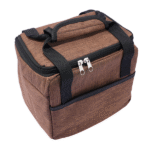
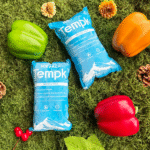
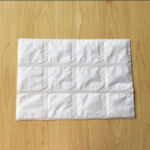
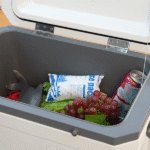
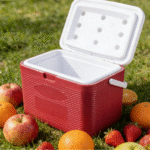
A thermal box liner bulk purchase can be one of the best ways to lower packaging cost and secure supply. It can also become one of the fastest ways to create waste, tie up cash, and overload warehouse space if the decision is rushed. That is why bulk purchase should never be treated as a simple volume discount exercise. It is a system decision that affects procurement, Operasi, inventaris, and packaging strategy at the same time.
If you buy thermal liners for chilled food, frozen delivery, healthcare support shipments, or direct-to-consumer cold chain programs, this guide will help you plan a smarter bulk purchase. It combines cost logic, forecast discipline, warehouse reality, validation thinking, Dan 2026 packaging trends into one practical framework.
Artikel ini akan membantu Anda menjawabnya:
- When a thermal box liner bulk purchase makes sense
- How to calculate total landed cost before ordering deeply
- Why density, penyimpanan, and forecast confidence matter so much
- How validation and compliance context affect large buys
- What sustainability and market trends mean for your bulk strategy
When is a thermal box liner bulk purchase the right move?
Bulk purchase is the right move when the liner spec is stable, demand is predictable enough, and your warehouse can support the volume. If any of those conditions are weak, the discount may not be worth the risk. Bulk buying magnifies whatever is true about your liner program. If the program is strong, bulk buying can improve it. If the program is still uncertain, bulk buying can make the uncertainty more expensive.
The clearest signs of readiness are simple. Your carton sizes are settled. Your liner has already worked in real packing. Monthly usage is visible. The supplier is qualified. Storage space exists. When those pieces line up, bulk purchase can improve cost and reduce replenishment stress.
Bulk-buy readiness checklist
- Liner spec already validated
- Carton size stable
- Demand pattern visible
- Supplier repeat-order performance confirmed
- Storage capacity available
- No likely near-term design change
- Saran praktis
- For first large buys: Start with a staged or released-volume structure.
- For mature programs: Bulk buy only the core sizes with the clearest usage pattern.
- For changing portfolios: Keep lower-volume or experimental sizes on shorter order cycles.
Kasus praktis: A frozen snack company bought its two highest-volume liner sizes in bulk and kept three lower-volume sizes on rolling orders. The mixed strategy lowered cost without trapping too much inventory.
How should you calculate the real cost of a bulk purchase?
Real cost means total landed cost, not invoice price. A large bulk quote may look attractive because the unit price falls. But if the liner ships inefficiently, uses too much warehouse space, or locks cash into slow-moving stock, the economic advantage can shrink fast. The right way to compare bulk offers is to calculate what the liner really costs per usable unit over time.
That means including freight, penanganan, carrying cost, dan risiko. This is where flat-packed efficiency can become more valuable than a slightly lower piece price.
The full landed-cost model
- Harga satuan
- Freight to warehouse
- Pieces per carton and pallet
- Jejak penyimpanan
- Handling time
- Inventory carrying cost
- Risk of obsolescence or spec change
- Supply-security benefit
- Saran praktis
- For finance: Build three demand scenarios before approving a large order.
- For warehouse teams: Convert pallet positions into real cost and compare suppliers.
- For procurement: Review packaging density before final volume commitment.
Kasus praktis: A chilled-meal program chose the liner with better pallet density even though the unit price was slightly higher. Once inbound freight and storage were included, it was the better buy.
How much should you buy and how should you take delivery?
The right quantity is based on forecast confidence, not on the deepest discount available. Many buyers assume that maximum order size creates maximum value. Pada kenyataannya, the best bulk structure often combines volume leverage with delivery flexibility. That is why blanket orders with phased releases are so popular.
A blanket order lets you secure pricing and capacity while keeping inventory levels more controlled. This is especially useful in businesses where demand is growing but still moving month to month.
Bulk-purchase structure options
- Saran praktis
- For growth-stage brands: Lock price, then schedule deliveries against updated forecasts.
- For stable national programs: Review whether annual volume justifies deeper commitments.
- For new SKUs: Avoid deep buys until real movement is proven.
Kasus praktis: A dairy subscription brand secured annual volume pricing but took delivery monthly. That reduced warehouse pressure and preserved flexibility when demand shifted seasonally.
Why do validation and compliance matter more when buying in bulk?
Because bulk purchasing scales both good choices and bad choices. FDA’s FSMA sanitary transportation rule establishes expectations for covered food transportation practices around equipment, Operasi, catatan, dan pelatihan. EMA says GDP is the minimum standard wholesalers must meet to preserve medicine quality and integrity through the supply chain. WHO also notes that most vaccines in immunization programs continue to rely on the 2°C to 8°C cold chain. These realities push buyers to make packaging decisions more deliberately when volume is significant. (KITA. Administrasi Makanan dan Obat -obatan)
Validation thinking is also increasingly part of procurement language. ISTA says 7E is the new standard for thermal transport testing in parcel delivery and is based on real-world transport data. ASTM D3103 is intended to evaluate the thermal performance of insulated packaging for high-value, high-risk materials. Even when you are not conducting formal tests for every liner, this mindset helps answer a key question: are we buying deeply into a liner that has been chosen against a real shipping scenario? (asosiasi transportasi aman internasional)
For bulk buyers, that is a powerful question. It protects against locking large capital into a liner that has not been fully proven for the route, the season, or the operating process.
Saran praktis
- For food and DTC programs: Validate before scaling quantity, not after.
- For quality teams: Keep a short written file on why the liner was approved.
- For procurement: Treat validation effort as a cost-saving step, not as overhead.
Kasus praktis: A frozen dessert company spent a small amount on better route testing and avoided a very large purchase of a liner that would have required too much coolant in real summer use.
How are market growth and sustainability changing bulk-buy strategy in 2026?
Because packaging programs now need to make sense both commercially and strategically. Satu 2025 market report estimated the global cold chain packaging market at USD 33.73 miliar masuk 2025 dan Rp 38.30 miliar masuk 2026, reflecting strong demand across food and pharmaceutical logistics. More supply options can help buyers, but they also make bulk comparison more complex. (Penelitian Grand View)
Sustainability is also changing the background of bulk purchasing. The EU Packaging and Packaging Waste Regulation entered into force in February 2025, begins applying from mid-2026, requires all packaging to be recyclable by 2030, and includes a PFAS ban in packaging from August 2026. That does not automatically rule out current liner types, but it does mean buyers should think more carefully about packaging volume, material direction, and how deeply they want to commit to one structure. (Lingkungan)
Secara praktis, many procurement teams are responding by buying large but not rigidly. They secure supply, but avoid overcommitting so deeply that future packaging improvement becomes difficult. This is one reason why staged-release programs, right-sizing reviews, and density comparisons are gaining more attention.
2026 bulk-buy trend checklist
- More blanket agreements instead of one-time massive buys
- More use of packaging density in cost comparison
- More emphasis on right-sized cartons and lower box cube
- More cross-functional signoff before large buys
- More future-readiness discussion in procurement reviews
- Saran praktis
- For current tenders: Ask whether the liner program supports lower cube and lower waste.
- For long-term sourcing: Keep some flexibility for future packaging evolution.
- For high-volume programs: Review both current value and future adaptability before you commit.
Kasus praktis: A direct-to-consumer grocery business reduced planned bulk volume for one liner family while testing a tighter-fitting alternative that aligned better with its waste and freight goals.
Pertanyaan yang sering diajukan
What is the best structure for a thermal box liner bulk purchase?
For many buyers, a blanket order with staged deliveries provides the best balance of pricing and flexibility.
Should I always buy the largest quantity to get the best price?
TIDAK. The best price on paper can become the worst cost in practice if storage and risk are ignored.
- How important is pallet density?
Sangat penting. It changes freight, penyimpanan, and handling costs at bulk scale.
Do I need to validate a liner before bulk buying?
Ya. Minimal, you need enough confidence that the liner fits your real shipping scenario.
How should sustainability affect bulk purchasing?
It should push you to review future packaging direction and avoid overcommitting to formats that may age poorly.
Summary and recommendation
A thermal box liner bulk purchase in 2026 should be guided by validated fit, forecast discipline, warehouse logic, and future packaging strategy. The strongest bulk buys lower cost without reducing flexibility. They improve supply continuity while still leaving room for smarter packaging decisions later.
Your next step is to build a bulk-purchase model that includes usage, kepadatan, kargo, penyimpanan, validation status, and future packaging direction. That will help you choose a quantity and supplier structure that truly supports your business.
Tentang tempk
Dan Tempk, we believe large packaging purchases should create stability, not avoidable rigidity. We focus on liner fit, inventory practicality, and packaging solutions that work across real operations. Better bulk buying comes from clearer assumptions and better cross-functional decisions.
If you are planning a bulk purchase now, begin with confirmed usage, storage reality, and validated route fit. That is the strongest path forward.