Diperbarui Aktif: Mungkin 26, 2026
Pembuat Kotak Plastik Termal untuk Penyimpanan Laboratorium: Bagaimana Memilih Dengan Resiko Lebih Kecil
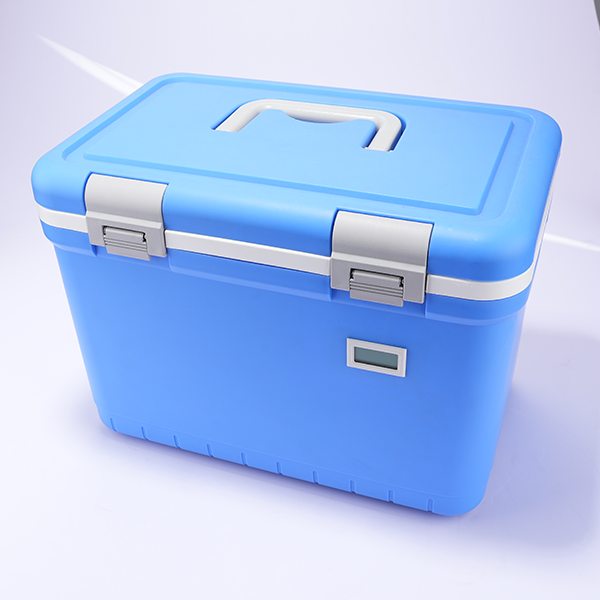
A kotak plastik termal pembuat penyimpanan laboratorium harus dinilai berdasarkan pekerjaan yang dicegahnya dan juga pekerjaan yang dilakukannya. Wadah yang tepat mengurangi pengemasan ulang, pementasan yang tidak stabil, kerusakan kelembaban yang dapat dihindari, dan tanggung jawab penanganan yang tidak jelas. Yang salah menambah objek lain untuk dikelola sementara masalah sebenarnya, seperti pembersihan, pelabelan, aliran udara, isolasi, atau dokumentasi, tetap tidak terpecahkan.
Jawaban praktis
Pembuat kotak plastik termal untuk penyimpanan laboratorium cocok bila proses kontainer dan pemasok yang diusulkan mendukung muatan, rute, proses pengembalian, metode pembersihan, dan ekspektasi dokumentasi untuk penyimpanan laboratorium. Ini tidak boleh disetujui hanya karena fitur tersebut terdengar relevan. Pembelian yang paling aman adalah pembelian yang didukung oleh pengujian sampel, jawaban pemasok yang jelas, dan gambaran realistis tentang di mana kontainer berhenti dan di mana proses pengoperasian dimulai.
Keputusan Pembelian Sebenarnya Dibalik Pencarian Ini
Untuk program ekspor atau impor, rute tersebut mencakup waktu tunggu administratif. Peninjauan bea cukai, pemeriksaan dokumen, pegangan pemeriksaan, dan batas waktu pengangkutan dapat mengubah berapa lama produk berada di luar penyimpanan ideal. Kontainer tidak dapat menghilangkan risiko tersebut sendirian, tetapi hal ini dapat membuat prosesnya lebih mudah untuk diperiksa, memisahkan, memberi label ulang, dan memulihkan ketika pengiriman tertunda.
Spesifikasi yang berguna menjelaskan bagaimana container bergerak melalui sistem. Apakah akan diangkat dengan tangan atau didorong dengan boneka? Apakah itu memasuki area pencucian? Akankah label dipindai saat wadah disarangkan, ditumpuk, atau ditutup? Apakah unit yang dimuat terkena sinar matahari, kondensasi ruangan dingin, es mencair, atau getaran kendaraan? Detail ini menentukan apakah desain termal membantu pengoperasian atau sekadar terlihat efisien dalam citra produk.
Rute juga menentukan profil penyalahgunaan. Gudang yang bersih membutuhkan prioritas yang berbeda dari dermaga yang basah, kumpulan pengembalian campuran, atau jalur ekspor lintas batas. Sebelum Anda meminta kutipan, buatlah daftar hari biasa terburuk daripada hari terbaik. Itu berarti menunggu paling lama, lift yang paling kasar, lantai paling basah, palet paling ramai, dan penangan yang paling tidak berpengalaman yang masih dapat menggunakan wadah tersebut dengan benar.
Keputusan akhir pemasok harus ditulis sebagai asumsi operasi: kontainer ini akan membawa muatan ini, di rute ini, berdasarkan aturan pembersihan ini, dengan label ini, ditangani oleh orang-orang ini, dan diterima berdasarkan cek penerimaan ini. Ketika asumsi tersebut dituliskan, kesenjangan menjadi terlihat. Jika wadah tersebut diharapkan mampu melakukan lebih dari sekedar dukungan desainnya, mengubah desain, prosesnya, atau ekspektasi sebelum melakukan pemesanan massal.
Sesuaikan Kontainer dengan Muatan, Rute, dan Arus Balik
Dalam aplikasi ini, wadah tersebut harus membantu tim menyiapkan bahan lab dengan cara yang mendukung pengendalian inventaris, pemisahan, pergerakan singkat antar ruangan, dan kesadaran akan risiko suhu. Perlindungan termal dapat memperlambat paparan suhu selama penanganan, tetapi program penyimpanan masih memerlukan batasan yang ditentukan, pemantauan, dan menerima atau melepaskan keputusan.
Pembeli juga harus mempertimbangkan bagaimana perilaku pekerja di bawah tekanan waktu. Jika suatu wadah sulit dibuka, macet saat kosong, atau membutuhkan gerakan melipat yang tepat, orang akan menemukan jalan pintas. Jalan pintas menjadi risiko kualitas. Desain yang praktis harus mudah digunakan dengan benar selama shift tersibuk, tidak hanya saat peninjauan sampel di ruang rapat.
Nilai praktis dari desain termal adalah memecahkan satu masalah operasional tanpa menimbulkan masalah lain. Dalam aplikasi ini, itu harus mendukung jendela pementasan pendek yang lebih aman, penyangga yang lebih baik terhadap peristiwa terbukanya pintu, dan rutinitas penyimpanan yang lebih konsisten. Keunggulan tersebut hanya muncul saat sidewall, pelek, basis, penutup, dan area label cocok dengan muatan sebenarnya. Sebuah kontainer yang baik untuk satu rute mungkin akan terasa tidak nyaman di rute lain jika metode penanganannya berubah.
Keputusan desain yang paling kuat biasanya berukuran kecil. Pembersihan kecepatan sudut internal yang halus. Bagian luar yang bertekstur mungkin membantu cengkeraman tetapi dapat menahan kotoran jika teksturnya terlalu agresif. Pengkodean warna mendukung segregasi tetapi memerlukan disiplin pemesanan. Panel label yang dibentuk membantu ketertelusuran, tetapi harus tetap dapat dibaca ketika kontainer ditumpuk, bersarang, atau dibungkus di atas palet.
Pemeriksaan fitur utama untuk pencarian ini adalah desain penghalang termal, penutupan tutupnya, geometri muatan, pendingin atau PCM cocok, kompatibilitas pembersihan. Ini bukan detail dekoratif. Mereka mempengaruhi kecepatan memuat, membersihkan kepercayaan diri, perilaku palet, persetujuan sampel, dan apakah container dapat digunakan berulang kali tanpa menimbulkan titik kegagalan yang tersembunyi.
Apa yang Harus Diverifikasi Sebelum Anda Menyetujui Sampel
Tinjauan pembeli yang praktis harus menerjemahkan frasa panjang menjadi pertanyaan yang terukur. Tabel di bawah ini menjaga diskusi tetap berjalan tanpa menghasilkan angka kinerja universal. Gunakan daftar ini sebagai contoh daftar periksa persetujuan dan sesuaikan dengan sistem mutu internal Anda.
| Pos pemeriksaan pembeli | Apa yang harus dikonfirmasi | Mengapa itu penting |
|---|---|---|
| Muatannya pas | Konfirmasikan apakah kotak plastik cocok dengan reagen yang sensitif terhadap suhu, sampel, kit, barang habis pakai, bahan yang ditahan, dan tas penyimpanan yang terkontrol tanpa hancur, ruang kepala yang berlebihan, atau pengangkatan yang canggung. | Kesesuaian produk mencegah kerusakan dan pemuatan lambat. |
| Fitur sesuai | Periksa desain penghalang termal, penutupan tutupnya, geometri muatan. | Desain termal harus menyelesaikan masalah alur kerja yang sebenarnya, tidak sekedar menambahkan fitur katalog. |
| Membersihkan dan menggunakan kembali | Definisikan pencucian, pengeringan, inspeksi, pemisahan, dan aturan pensiun. | Kemasan yang dapat digunakan kembali menjadi berisiko jika proses pengembalian tidak terkontrol. |
| Batas dokumentasi | Identifikasi apakah makanan, kimia, medis, biotek, hidangan laut, ekspor, atau catatan suhu diperlukan. | Wadah plastik menyimpan catatan tetapi tidak menggantikannya. |
| Kesiapan pemasok | Mintalah sampel, ukuran, informasi materi, pendekatan kendali perubahan, dan konsistensi pesanan massal. | Disiplin pemasok adalah bagian dari kinerja produk. |
Tabel ini sengaja dibingkai berdasarkan verifikasi, bukan janji. Hal ini penting karena kontainer yang sama dapat berkinerja baik di satu rute dan buruk di rute lain. Setelah pemasok menjawab pertanyaan-pertanyaan ini, pembeli dapat memutuskan apakah model standar sudah cukup atau apakah dimensi khusus, sisipan, pelabelan, isolasi, atau kelompok pengemasan lain diperlukan.
Daftar pilihan praktis memiliki tiga tingkatan. Pertama, hapus pemasok yang tidak dapat menjelaskan dimensi dasar, informasi materi, dan kontrol sampel. Kedua, uji sampel terhadap rute penanganan Anda yang sebenarnya. Ketiga, meninjau dokumentasi dan stabilitas komersial sebelum melakukan penskalaan. Urutan ini mencegah masalah umum: menyetujui sampel yang terlihat bagus dan kemudian menemukan unit produksi tersebut, dokumen, atau lead time tidak mendukung program.
Ketika Kotak Plastik Tidak Cukup
Kompatibilitas harus diperiksa terhadap produk sebenarnya. Kemasan makanan memerlukan tinjauan tujuan penggunaan yang tepat. Program kimia memerlukan SDS dan tinjauan kompatibilitas material. Program laboratorium dan bioteknologi memerlukan pemisahan dan tinjauan sistem mutu. Alur kerja makanan laut dan daging memerlukan pemeriksaan kebersihan dan penanganan basah. Klaim kontainer universal tidak cukup untuk lingkungan ini.
Dimana materi diatur, pembeli harus mengkonfirmasi rentang penyimpanan, pemantauan, kalibrasi, pembersihan, dan dokumentasi harapan dengan tim kualitas yang bertanggung jawab. Inilah sebabnya mengapa diskusi dengan pemasok harus memisahkan fitur kontainer dari tanggung jawab regulasi. Kotak plastik dapat mendukung proses yang terdokumentasi, tapi itu tidak membuktikan bahwa produk tersebut, jalur, atau persyaratan penerima barang terpenuhi.
Untuk kargo yang diatur atau sensitif terhadap keselamatan, dokumen penting. Pembeli mungkin memerlukan informasi SDS, tinjauan kontak makanan, prosedur transportasi sanitasi, catatan HACCP, aturan pelepasan kualitas, catatan suhu, atau dokumentasi pasar tujuan tergantung pada produknya. Wadahnya harus membuat kontrol tersebut lebih mudah diterapkan: label yang jelas, pemisahan lot terlihat, permukaan yang bersih, penutupan yang dapat diprediksi, dan beban stabil.
Jika pengiriman sensitif terhadap suhu, tanyakan kondisi pengoperasian di balik pernyataan kinerja apa pun. Waktu tunggu yang dinyatakan hanya memiliki sedikit nilai tanpa profil ambien, massa muatan, tata letak paket, tipe pendingin, Kriteria penerimaan, dan apakah tes tersebut mencerminkan rutenya. Untuk farmasi, laboratorium, biotek, hidangan laut, daging, atau program minuman dingin, tim mutu harus menyetujui kisaran suhu dan bukti yang diperlukan.
Perlindungan suhu sering disalahpahami. Wadah berinsulasi atau termal memperlambat perpindahan panas, tetapi hasil akhirnya bergantung pada suhu awal muatan, rencana pendingin atau PCM, ruang kepala, penutupan, paparan lingkungan, dan waktu di luar penyimpanan terkontrol. Wadah berventilasi atau tahan air dapat mengatasi aliran udara atau penanganan basah, tetapi tidak boleh digambarkan sebagai pengontrol suhu kecuali paket lengkap ditentukan.
Panduan resmi dan prosedur mutu internal harus digunakan sebagai syarat batas dan bukan sebagai klaim pemasaran. Persyaratan bervariasi menurut produk, rute, moda transportasi, dan pasar, jadi pembeli harus memverifikasi aturan spesifik sebelum mengubah fitur kontainer menjadi pernyataan kepatuhan.
Alat pengambilan keputusan yang berguna
Periksa detailnya sebelum Anda memilih kemasan
Alat cepat ini dapat membantu Anda membandingkan risiko rute, kebutuhan ukuran, pilihan pendingin, dan detail kemasan sebelum Anda meminta penawaran.
Pendingin & Referensi PCM
Bandingkan opsi cairan pendingin dan PCM ketika suatu rute memerlukan dukungan suhu tambahan.
Bandingkan pilihanPemeriksa Risiko Rute
Tinjau kondisi jalur sebelum memilih kemasan untuk mengetahui kebutuhan pengoperasian sebenarnya.
Periksa risiko rutePembuat Daftar Periksa Kepatuhan
Buatlah daftar periksa praktis untuk tinjauan kemasan, pengiriman, dan dokumentasi.
Buat daftar periksaTinjauan Pemasok untuk Pesanan Massal atau Kustom
Waktu tunggu, Moq, dan penyesuaian harus didiskusikan sebagai risiko operasional, tidak hanya istilah komersial. Pesanan terburu-buru yang mengubah resin, pewarna, desain engsel, tutup pas, atau ketebalan dinding dapat membuat wadah berbeda dari sampel. Ketika kontainer mendukung proses kualitas atau ekspor, pengendalian perubahan adalah bagian dari disiplin pembelian.
Untuk pesanan massal atau custom, konsistensi sampel-ke-produksi itu penting. Sebuah prototipe dapat diproduksi dengan hati-hati, sementara produksi massal bergantung pada kontrol perkakas, konsistensi resin, waktu pendinginan, toleransi dimensi, dan pemeriksaan akhir. Pembeli harus menyimpan sampel yang disetujui, mendefinisikan dimensi kritis, posisi label foto, dan menyepakati bagaimana penggantian atau perubahan desain akan dikomunikasikan sebelum produksi.
Bukti pemasok harus sesuai dengan tingkat risiko. Untuk penanganan gudang biasa, lembar data dan inspeksi sampel mungkin cukup. Untuk kontak makanan, kimia, medis, biotek, atau penggunaan yang sensitif terhadap suhu, Anda mungkin memerlukan lebih banyak dokumentasi. Itu mungkin termasuk pernyataan material, panduan pembersihan, Tinjauan kompatibilitas terkait SDS, ringkasan tes, atau bukti kualifikasi pengemasan, tergantung pada aplikasinya.
Artikel terakhir yang paling aman bagi pembeli bukanlah artikel yang mengatakan bahwa wadah tertentu selalu yang terbaik. Ini adalah salah satu yang menunjukkan di mana produk cocok dan di mana proses harus menanggung risiko yang tersisa. Untuk logistik rantai dingin dan sensitif, perbedaan ini melindungi pembeli dari pembelian berlebihan, kurang spesifik, atau bertanya a wadah plastik untuk memecahkan masalah yang memerlukan desain paket, pemantauan, atau kontrol rute.
Sebelum menyetujui pembuatnya, mintalah pemasok untuk mengkonfirmasi tujuan penggunaan, deklarasi materi, gambar atau lembar dimensi, metode pengemasan untuk pengiriman, waktu tunggu sampel, waktu tunggu produksi, pos pemeriksaan QC, dan bagaimana unit yang tidak sesuai ditangani. Untuk penyimpanan laboratorium, tambahkan pertanyaan khusus aplikasi seputar materi yang diatur, pembeli harus mengkonfirmasi rentang penyimpanan, pemantauan, kalibrasi, pembersihan, dan dokumentasi harapan dengan tim kualitas yang bertanggung jawab.
Contoh praktis: Membangun Alur Kerja Penyimpanan Laboratorium yang Lebih Aman
Skenario umum dimulai dengan keluhan kualitas: barang tiba dalam keadaan basah, label tidak dapat dibaca, wadah sulit dibersihkan, atau tumpukan palet bersandar selama pementasan. Tim pengadaan mungkin tergoda untuk segera berpindah pemasok. Langkah pertama yang lebih baik adalah mendokumentasikan titik kegagalan. Jika masalahnya adalah kondensasi, kotak kedap air yang tertutup rapat dapat memperburuk keadaan. Jika masalahnya adalah aliran udara, desain berventilasi dapat membantu. Jika masalahnya adalah waktu tunggu, perencanaan isolasi dan pendingin mungkin lebih penting daripada bentuk wadah.
Dalam pengiriman umum, wadah hanyalah salah satu bagian dari keputusan penerimaan. Penerima melihat labelnya, segel, kondisi eksternal, catatan suhu jika digunakan, penampilan produk, dan apakah muatannya tetap terpisah dari item yang tidak kompatibel. Inilah sebabnya mengapa spesifikasi kontainer harus ditulis di samping daftar periksa penerimaan.
Misalnya, pembeli mungkin perlu memindahkan reagen yang sensitif terhadap suhu, sampel, kit, barang habis pakai, bahan yang ditahan, dan mengendalikan tas penyimpanan melalui gudang, serah terima transportasi, dan pemeriksaan penerima. Tim pertama-tama menentukan berat muatan, bentuk karton, sensitivitas suhu, metode pembersihan, persyaratan label, dan putaran kembali. Baru setelah itu ia membandingkan fitur kontainer. Dalam urutan ini, desain termal menjadi alat untuk mengatasi masalah yang diketahui, bukan preferensi pembelian yang umum.
Contoh ini menunjukkan mengapa spesifikasi kontainer tidak boleh diisolasi dari daftar periksa penerima. Jika tim tidak dapat menjelaskan bagaimana muatan diperiksa, bagaimana unit yang dapat digunakan kembali dibersihkan, dan bukti apa yang mendukung keputusan suhu atau keamanan, pemasok tidak dapat menyelesaikan masalahnya sendirian.
Catatan Pengadaan untuk Proyek Massal atau Kustom
Pembelian dalam jumlah besar harus menjelaskan apa yang tidak bisa diubah. Untuk pembuat kotak plastik termal untuk penyimpanan laboratorium, yang mungkin mencakup dimensi eksternal, ruang internal yang dapat digunakan, desain tutup, perilaku bersarang atau menumpuk, warna, area label, keluarga materi, dan jumlah kemasan per karton atau palet. Ketika item-item ini diperlakukan sebagai preferensi dan bukan persyaratan yang terkendali, pemesanan ulang perlahan-lahan dapat menyimpang dari sampel yang disetujui.
Proyek khusus harus dimulai dengan gambar atau persyaratan tertulis, bukan hanya foto. Kalau kotak plastik harus sesuai dengan palet tertentu, rak, ruangan dingin, rute truk, atau langkah pemeriksaan, tuliskan batasan tersebut ke dalam RFQ. Jika desainnya melibatkan isolasi, ventilasi, gasket, engsel, atau drainase khusus, konfirmasikan bagaimana elemen tersebut diperiksa setelah produksi.
Untuk penyimpanan laboratorium, keputusan komersial harus mencakup aturan pengembalian dan pensiun. Kontainer yang dapat digunakan kembali memerlukan metode untuk menghitung aset, memisahkan hasil yang kotor, mengidentifikasi unit yang rusak, dan memutuskan kapan akan menghapus unit dari layanan. Tanpa disiplin itu, pembeli mungkin menghemat kemasan sekali pakai tetapi kehilangan kendali atas kualitas dan ketertelusuran.
Kutipan akhir harus mengidentifikasi apa yang disertakan dan apa yang tidak disertakan. Wadahnya mungkin tidak berisi cairan pendingin, liner, Data Loggers, penutup palet, Label, dokumentasi ekspor, atau kualifikasi rute kecuali barang-barang tersebut secara khusus merupakan bagian dari pesanan. Cakupan yang jelas melindungi pembeli dan pemasok dari kesalahpahaman di kemudian hari.
FAQ
Apa yang harus saya tanyakan kepada pembuatnya sebelum memesan sampel?
Tanyakan dimensinya, volume yang dapat digunakan, informasi materi, panduan beban, detail penutupan, rekomendasi pembersihan, opsi pelabelan, pengendalian sampel hingga produksi, dan dokumen khusus aplikasi apa pun. Jika produknya adalah makanan, kimia, medis, biotek, hidangan laut, atau sensitif terhadap suhu, tambahkan pertanyaan tentang kompatibilitas, dokumentasi, dan bukti uji yang sesuai dengan rute yang dituju.
Dokumentasi apa yang penting untuk pengiriman sensitif?
Dokumentasi tergantung pada muatannya. Program pangan mungkin memerlukan catatan kontak dengan makanan dan catatan pembersihan. Program kimia mungkin memerlukan peninjauan SDS dan barang berbahaya. Medis, laboratorium, dan pengiriman bioteknologi mungkin memerlukan kisaran suhu, pemantauan, dan catatan sistem mutu. Program makanan laut dan daging mungkin memerlukan kebersihan, Haccp, inspeksi, atau dokumentasi pasar ekspor.
Haruskah saya memilih ukuran khusus atau model standar?
Model standar biasanya lebih mudah untuk diambil sampelnya, menyusun ulang, dan ganti. Ukuran khusus masuk akal saat muatan, jejak palet, penanganan otomatis, tata letak pendingin, atau persyaratan branding tidak dapat diselesaikan dengan opsi standar. Sebelum menyesuaikan, konfirmasi dimensi kritis dan bagaimana perubahan akan dikontrol selama produksi.
Bagaimana cara membandingkan harga satuan dengan total biaya operasional?
Lihatlah melampaui harga kontainer. Termasuk ongkos kirim kembali, barang rusak, waktu pembersihan, label yang hilang, stabilitas palet, kecepatan pekerja, ruang penyimpanan, dan menolak beban. Unit yang lebih mahal dalam praktiknya bisa menjadi lebih murah jika mengurangi kegagalan penanganan. Unit berbiaya lebih rendah cocok digunakan jika rutenya sederhana dan risikonya rendah.
Apakah kotak plastik termal cukup untuk penyimpanan laboratorium?
Tidak dengan sendirinya. Hal ini dapat mendukung penanganannya, perlindungan, efisiensi pengembalian, aliran udara, isolasi, atau kontrol kelembaban tergantung pada desain, tetapi proses lengkapnya masih memerlukan definisi payload, aturan pembersihan, menerima cek, dan kontrol suhu atau dokumentasi apa pun yang diperlukan. Untuk produk yang diatur, tim mutu atau kepatuhan harus mengkonfirmasi persyaratan akhir.
Kesimpulan
Pembuat kotak plastik termal untuk penyimpanan laboratorium harus dipilih hanya setelah rute, muatan, rutinitas pembersihan, bukti pemasok, dan batasan dokumentasinya jelas. Desain termal dapat menambah nilai nyata bagi penyimpanan laboratorium, terutama ketika mendukung jendela pementasan pendek yang lebih aman, penyangga yang lebih baik terhadap peristiwa terbukanya pintu, rutinitas penyimpanan yang lebih konsisten. Ini bukan pengganti persyaratan spesifik produk, perencanaan suhu, SDS atau tinjauan keamanan pangan, atau keputusan pelepasan yang berkualitas. Langkah terbaik berikutnya adalah menulis spesifikasi kasus penggunaan singkat, sampel uji dalam kondisi penanganan nyata, dan konfirmasikan bukti apa yang diperlukan sebelum pemesanan massal.
Tentang Tempk
Tempk berfokus pada praktis kemasan rantai dingin komponen seperti Paket gel, Media pendingin bergaya PCM, kotak terisolasi, Opsi pendingin EPP dan VIP, liner, kantong termal, dan penutup palet. Kotak plastik termal mungkin hanya satu bagian dari kemasan yang lebih luas. Tempk dapat membantu pembeli membandingkan apakah mereka memerlukan wadah penanganan, sebuah pengirim terisolasi, rencana pendingin, penutup palet, atau kombinasi yang lebih sesuai dengan rute dan muatannya.
Siapkan detail muatan Anda, kondisi rute, dan kebutuhan dokumentasi, kemudian diskusikan wadah yang paling cocok, isolasi, pendingin, atau opsi perlindungan palet dengan Tempk.