Terakhir diperbarui: Desember 8, 2025
Vegetables cold chain containers are the unsung heroes that protect crisp lettuce, tomat berair dan brokoli padat nutrisi selama perjalanan dari pertanian ke meja. Tanpa sistem rantai dingin yang andal, hingga 13 % makanan dunia is lost and smallholder farmers can lose more than 50 % hasil panen sayuran mereka. Wadah yang dirancang dengan baik dapat mempertahankan suhu antara 0–4 °C, memperlambat pertumbuhan mikroba dan mempertahankan vitamin. Di dalam 2025 pasar rantai dingin global sedang booming, tapi hampir 40 % of fresh fruits and vegetables still spoil each year due to inadequate infrastructure. Panduan ini mengungkap misteri wadah rantai dingin sayuran, berbagi tren terkini, dan menunjukkan kepada Anda cara menjaga produk Anda tetap segar sekaligus memenuhi tujuan keberlanjutan.
Artikel ini akan menjawab:
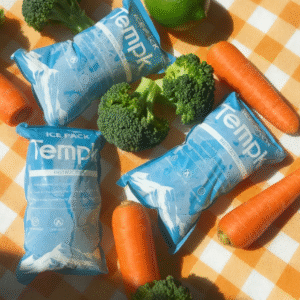
Apa itu wadah rantai dingin sayuran dan mengapa Anda membutuhkannya? — Pahami tujuan dari wadah khusus dan mengapa setengah dari panen sayur-sayuran akan hilang tanpa wadah tersebut.
Bagaimana cara kerja wadah rantai dingin sayuran? — Pelajari tentang isolasi, pendinginan, phase change materials and sensors that keep produce within safe ranges.
How can you choose the right container for different vegetables? — See recommended temperature and humidity settings for leafy greens, root crops and tropical produce.
Apa yang terbaru 2025 tren dan inovasi? — Explore AI, IoT, blockchain and eco friendly materials transforming the vegetable cold chain.
How can you reduce waste and improve sustainability? — Discover strategies like reusable packaging, renewable energy and solar powered cold rooms that cut spoilage by up to 80 %.
What Are Vegetables Cold Chain Containers and Why Do You Need Them?
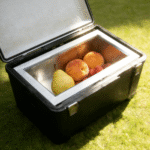
Vegetables cold chain containers are specialised shipping units designed to keep fresh produce within narrow temperature and humidity ranges from harvest to consumption. Unlike ordinary boxes, these containers incorporate insulation, refrigeration mechanisms and monitoring systems to prevent spoilage, maintain nutrients and meet regulatory requirements. Think of a vegetables cold chain container as a thermos for your veggies—it keeps them at a constant cool temperature so they don’t wilt or rot.
Post harvest losses are staggering. The United Nations estimates that 13 % dari semua makanan yang diproduksi hilang karena rantai dingin yang tidak mencukupi. Di sub Sahara Afrika, small farmers lose more than 50 % hasil panen sayuran mereka, and the United States still wastes 25 % makanan yang diangkut dalam rantai dingin karena pelanggaran integritas. By keeping vegetables within 0–4 °C and 90–95 % kelembaban relatif, cold chain containers slow respiration, delay microbial growth and preserve vitamins like vitamin C. Misalnya, broccoli stored above 5 °C quickly loses vitamin C, but containers set near freezing maintain nutrients.
Understanding the vegetable cold chain stages
Fresh vegetables travel through several stages before reaching your plate. Each stage requires a suitable container and strict temperature control to prevent losses. The table below summarises the key stages of a vegetable cold chain, the purpose of maintaining precise temperatures and why it matters to you as a grower, distributor or consumer:
| Tahap rantai dingin | Tujuan & suhu yang direkomendasikan | Apa artinya ini bagi Anda |
| Produksi & memanen | Dinginkan sayuran yang baru dipanen dengan cepat menggunakan udara paksa atau pendinginan hidro; keep between 0–5 °C depending on variety | Quickly removing field heat slows respiration and microbial growth, menjaga nutrisi dan memperpanjang umur simpan. |
| Pengolahan & kemasan | Mencuci, cut and package produce under controlled temperatures and hygiene | Mencegah kontaminasi dan mengurangi beban patogen; maintain quality during processing. |
| Penyimpanan dingin | Store refrigerated vegetables at 0–4 °C and frozen stock at −18 °C | Provides buffer inventory and reduces wastage by ensuring consistent supply; prevents textural changes. |
| Angkutan | Gunakan truk berpendingin, reefers and intermodal solutions to maintain a continuous cold chain | Ensures produce stays within target temperatures during transit; prevents spoilage across long distances. |
| Distribusi & pengecer | Multizone distribution centres and stores keep varied temperature zones for different produce | Keeps vegetables fresh until purchased by customers; mengurangi penyusutan di gerai ritel. |
| Penanganan konsumen | Advise consumers to refrigerate at ≤4 °C and freeze at −18 °C; mendorong konsumsi segera | Mempertahankan kualitas di rumah dan mengurangi limbah rumah tangga. |
Practical tips and real world insights
Cool immediately after harvest: Use blast chillers or forced air cooling to remove field heat. Delayed cooling lets ice crystals form and damages cells, increasing spoilage.
Gunakan kemasan yang tepat: Wadah busa terisolasi, vacuum sealed bags and gel packs maintain temperature stability and protect against mechanical damage.
Pantau kelembapan: Kelembapan yang seimbang (85–95 %) mencegah layu dan penurunan berat badan. Breathable films allow gas exchange while retaining moisture.
Pasang sensor: Perangkat IoT menyediakan data suhu dan kelembapan yang berkelanjutan, memperingatkan operator terhadap penyimpangan.
Latih tim Anda: Teach staff proper loading, persyaratan suhu dan protokol darurat untuk mengurangi kesalahan manusia.
Kasus dunia nyata: A dairy cooperative fitted IoT sensors on refrigerated trucks. Ketika pintu truk dibiarkan terbuka, the sensor detected a temperature spike and notified staff. Mereka menutup pintu dengan cepat, penghematan 500 litres of milk and preventing significant losses. This example shows how sensors and prompt action keep perishable goods safe.
How Do Vegetables Cold Chain Containers Work?
Maintaining the right environment inside a vegetables cold chain container requires a combination of insulation, refrigeration and intelligent control systems. Here’s how each component contributes to keeping produce fresh.
Isolasi, refrigeration and phase change materials
Sistem isolasi: Container walls often incorporate materials such as expanded polystyrene (EPS), poliuretan (Pur), polistiren yang diekstrusi (XPS), panel terisolasi vakum (VIP) and natural fibres. Insulation reduces heat transfer and helps maintain set temperatures. Misalnya, VIPs use a microporous core under vacuum to achieve extremely high insulation, enabling shipments down to –80 °C. Natural fibres like wool offer recyclable alternatives but may require gel packs or phase change materials (PCMS) untuk perjalanan yang lebih lama.
Unit pendingin aktif: Many containers use electric or diesel powered refrigeration units with compressors, kondensor dan evaporator. Portable cryogenic freezers maintain temperatures as low as –150 °C for gene and cell therapies. Untuk sayuran, typical units keep temperatures around 0–4 °C.
Bahan perubahan fasa (PCMS): PCMs absorb or release thermal energy at specific temperatures, maintaining narrow bands without constant power. A PCM market valued at masuknya US$3,6 miliar 2024 sedang berkembang di 8.4 % CAGR. Misalnya, PCMs tuned to 0–4 °C keep leafy greens cool during transit, reducing reliance on mechanical refrigeration.
Sensor, IoT and controlled atmospheres
Sensor IoT dan pemantauan waktu nyata: Sensor pintar memonitor suhu, humidity and location and send data to cloud platforms. Real time alerts allow operators to intervene when temperatures deviate, while predictive analytics forecast equipment failures. The smart container market—which includes sensors, GPS and monitoring systems—is projected to grow from masuknya US$6,07 miliar 2025 ke US$30.48 billion by 2034.
Sistem atmosfer terkendali: For high value produce, containers can adjust oxygen and carbon dioxide levels to slow ripening. Carrier’s EverFRESH® system maintains optimal gas composition, extending shelf life for produce like berries and leafy greens.
Active packaging and intelligent packaging: Sensor based intelligent packaging integrates sensors capable of monitoring temperature, humidity and gas concentration during transport. These systems offer real time feedback on storage conditions and enhance traceability through QR codes, RFID or NFC tags. Active packaging interacts with the contents to regulate the internal atmosphere, using natural antioxidants or antimicrobial materials to slow spoilage.
Materials and technologies used in vegetable cold chain containers
Choosing the right materials influences insulation performance, biaya dan keberlanjutan. The following table summarises common materials and their temperature ranges along with practical implications:
| Material or system | Kisaran suhu khas | Karakteristik & penggunaan | Implikasi praktis |
| Polystyrene yang diperluas (EPS) | 0 ° C ke 25 ° C. | Busa ringan dengan insulasi sedang; banyak digunakan untuk makanan dan beberapa obat-obatan | Affordable and easy to handle; recycling programs vary, so check local options. |
| Poliuretan (Pur) & Polistiren yang diekstrusi (XPS) | –20 °C hingga 15 ° C. | Busa lebih padat dengan nilai insulasi lebih tinggi; cocok untuk pengiriman lebih lama | Provides extended cooling but has a higher carbon footprint; consider reusable formats to offset waste. |
| Panel berinsulasi vakum (VIP) | –80 °C hingga 25 ° C. | Microporous core under vacuum provides extremely high insulation | Enables ultra low temperature shipping; more expensive but highly efficient. |
| Bahan perubahan fase (PCMS) | –50 °C hingga 20 ° C. (varies by formulation) | Absorb or release thermal energy at specific temperatures | Perpanjang waktu tunggu dan kurangi berat muatan; complement mechanical refrigeration. |
| Karton bergelombang & serat alami | 0 ° C ke 15 ° C. | Sisipan karton atau wol berlapis-lapis | Sepenuhnya dapat didaur ulang atau dibuat kompos; may need gel packs or PCMs for longer journeys. |
| Wadah kaku yang dapat digunakan kembali & pengirim palet | –80 °C hingga 25 ° C. | Wadah plastik atau logam tahan lama yang terintegrasi dengan VIP, Sensor PCM dan IoT | Biaya awal yang tinggi namun total biaya kepemilikan yang lebih rendah; reusable packaging market is expected to grow from masuknya US$4,97 miliar 2025 ke US$9,13 miliar pada 2034. |
Tips for selecting a container
Match the container to the temperature zone: Vegetable shipments fall into four general ranges—cool (10–15 °C), didinginkan (0–10 ° C.), beku (–30 °C–0 °C) dan sangat dingin (≤–80 °C). Choose insulation and cooling technology accordingly.
Pertimbangkan durasi pengiriman: Longer transits require higher insulation (MISALNYA., VIPs or PUR with PCMs) or active refrigeration.
Fit matters: Oversized containers waste cooling capacity and create empty space that accelerates heat transfer. Select a container that fits your load snugly.
Review regulatory requirements: Certain sectors demand precise temperature logs and tamper evident seals. Choose containers with integrated sensors and digital records to comply with laws like FSMA Rule 204.
Rencanakan keberlanjutan: Reusable containers reduce waste but require reverse logistics for cleaning and redistribution. Evaluate the environmental and economic benefits over the full product life cycle.
Innovation spotlight: In regions with limited electricity, solusi rantai dingin bertenaga surya mengurangi limbah makanan dan meningkatkan ketahanan pangan. Solar units allow farmers in sub Saharan Africa to preserve perishable goods for up to 21 hari ekstra, reducing spoilage by up to 80 %. Such renewable energy systems make vegetable cold chain containers both sustainable and reliable.
How to Choose the Right Container for Different Vegetables?
Different vegetables have unique temperature and humidity requirements. Selecting a vegetables cold chain container starts with understanding these needs and matching them with the appropriate technology.
Recommended temperatures and humidity levels
Most vegetables stay fresh when stored between 0–4 °C, but some tropical crops prefer slightly higher temperatures. High relative humidity (85–95 %) mencegah layu dan penurunan berat badan. AS. FDA aturan dua jam advises that perishable items should not sit at room temperature for more than two hours (atau satu jam jika suhu sekitar melebihi 32 ° C.). Exceeding these limits doubles bacterial populations every 20 menit, increasing the risk of foodborne illness.
The table below summarises recommended conditions for common vegetable groups and why they matter:
| Kelompok sayur-sayuran | Suhu yang disarankan & kelembaban | Apa artinya ini bagi Anda |
| Sayuran hijau (selada, bayam, Herbal) | 0–1 °C, 95 % kelembaban relatif | These tender crops are very sensitive to heat; keeping them near freezing with high humidity maintains crispness and nutritional value. |
| Sayuran akar (wortel, bit, kentang) | 0–4 °C, 90–95 % RH (potatoes 7–10 °C to avoid sweetening) | Mencegah tumbuhnya dan mempertahankan kerenyahan; temperatures that are too cold can convert starches to sugars in potatoes. |
| salib (brokoli, kembang kol) | 0–2 °C, 95 % RH | Penguningan cepat dan hilangnya vitamin C terjadi di atas 5 ° C.; keeping them near freezing preserves colour and nutrients. |
| Tomat & mentimun (tropical vegetables) | 10–13 °C, 85–90 % RH | Cedera dingin terjadi di bawah 10 ° C.; mild refrigeration preserves texture and flavour. |
| Sayuran beku | –18 °C hingga –23 °C, kemasan tertutup | Maintains colour and texture; avoid temperature fluctuations that form ice crystals and degrade quality. |
Handling practices and packaging tips
Pra-dinginkan dengan cepat: Cool vegetables immediately after harvest using blast chillers or vacuum cooling to remove field heat. Slow cooling encourages spoilage.
Jaga kelembapan: Root vegetables and leafy greens require high relative humidity (90–95 %). Use absorbent liners or moisture regulating materials in your containers.
Gunakan kemasan yang dapat menyerap keringat: Perforated films allow gas exchange while retaining moisture. Vacuum sealed bags reduce oxygen and slow bacterial growth but may not suit all leafy greens.
Avoid temperature abuse: Follow the two hour rule—keep produce refrigerated or frozen and minimise exposure to room temperature.
Pilih bahan dengan bijak: PCMs tuned to the appropriate range maintain stable temperatures, while VIPs provide superior insulation for long transits.
Tip lapangan: If you’re shipping cucumbers or tomatoes, avoid storing them below 10 ° C.. Chilling injury can cause watery, pitted tissue. Alih-alih, select a vegetable cold chain container with slightly higher temperature control (10–13 °C). This small adjustment preserves texture and flavour.
2025 Trends and Innovations in Vegetables Cold Chain Containers
Tahun 2025 marks a pivotal moment for vegetables cold chain containers. Technological advancements and growing demand for fresh, sustainable foods are transforming how produce travels from farm to fork.
AI dan analisis prediktif
Kecerdasan buatan (Ai) is revolutionising logistics. By analysing traffic patterns, weather conditions and delivery windows, AI driven route optimisation reduces fuel consumption and improves reliability. In smart containers, AI analyses sensor data to predict equipment failures and schedule maintenance. Predictive analytics also support demand forecasting and inventory planning, helping companies allocate capacity and reduce waste.
IoT, blockchain dan kembar digital
IoT dan pemantauan waktu nyata: Sensors continuously measure temperature, kelembaban dan lokasi. Real time alerts enable immediate corrective actions and dynamic routing. IoT devices also feed data into predictive models and digital twins—virtual replicas of physical assets—that allow operators to simulate different scenarios and optimise temperature control.
Blockchain dan kontrak pintar: Blockchain creates immutable records of every step in the journey. Dikombinasikan dengan sensor IoT, blockchain enhances transparency, prevents tampering and ensures compliance with regulations. Kontrak pintar secara otomatis memverifikasi bukti pengiriman, memicu pembayaran dan mengurangi perselisihan.
Si kembar digital: Digital twins mirror the conditions inside containers and warehouses. When paired with real time data, they help forecast maintenance needs, optimise routes and adjust environmental conditions to preserve produce.
Energy efficient cooling and sustainable technologies
New cooling technologies prioritise energy efficiency and low environmental impact. Magnetic refrigeration uses magnetic fields instead of compressors, reducing energy use and CO₂ emissions. Solar powered refrigeration enables cold storage in regions with unreliable electricity, cutting fuel consumption and supporting off grid communities. Battery electric trailer units like Carrier’s Vector® HE 17 mengurangi penggunaan bahan bakar hingga 30 % while delivering exceptional cooling performance. Innovations such as Addvolt’s plug in battery systems and portable cryogenic freezers offer flexible solutions for various temperature ranges.
Market outlook and consumer trends
The global cold chain logistics sector is valued at roughly masuknya US$436 miliar 2025 dan bisa melebihi sebesar US$1,3 triliun pada tahun 2016 2034. Grand View Research estimates that the overall cold chain market—including storage and transportation—generated masuknya US$316 miliar 2024 and will soar to US$1.61 trillion by 2033, mencerminkan a 20.1 % tingkat pertumbuhan gabungan. Consumers are demanding fresher, minimally processed foods and more plant based alternatives; plant based proteins could represent 7.7 % pasar protein global oleh 2030. Kerangka peraturan seperti A.S. Undang-Undang Modernisasi Keamanan Pangan (FSMA) Aturan 204 memerlukan ketertelusuran 24 jam untuk makanan berisiko tinggi, pushing distributors to digitise records and adopt sensor based traceability systems.
Social and environmental impacts
Food waste accounts for 8–10 % emisi gas rumah kaca global, and inadequate cold chain management leads to approximately 620 million metric tonnes of food loss each year. A University of Michigan study found that fully refrigerated supply chains could reduce food waste by 41 % secara global. Improving vegetable cold chains not only conserves resources but also boosts farmer incomes and creates jobs, membantu memberi makan 1 miliar orang who currently face food insecurity.
Keberlanjutan: Reducing Waste and Environmental Impact
Sustainability isn’t an optional add on—it’s a necessity in 2025. Konsumen, regulators and investors demand environmentally responsible cold chain solutions. The following strategies help you reduce waste and meet your sustainability goals:
Gunakan kemasan yang dapat digunakan kembali: Reusable rigid containers reduce reliance on single use foam boxes and lower total cost of ownership. The reusable cold chain packaging market is predicted to expand from masuknya US$4,97 miliar 2025 ke US$9.13 billion in 2034.
Choose eco friendly materials: Karton bergelombang, natural fibres and biodegradable insulation offer recyclable or compostable alternatives to EPS foam.
Gunakan energi terbarukan: Panel surya, wind and hydropower can drive refrigeration units, reducing fossil fuel use. Magnetic refrigeration and battery electric systems further cut emissions.
Implement energy efficient cooling: New trailer units like the Vector® HE 17 use inverter technology to reduce fuel consumption by up to 30 %. Solar powered cold rooms extend shelf life by up to 21 days and reduce spoilage by 80 %.
Follow Extended Producer Responsibility (EPR): Policies encourage companies to design recyclable or reusable packaging and ensure proper end of life management.
Collaborate on recycling: Work with logistics partners to collect materials like EPS for recycling. Educate customers on how to return or recycle packaging to close the loop.
Contoh kasus: CJ Logistics America opened a cold storage facility near Kansas City featuring automated systems, pendinginan hemat energi dan pemantauan IoT. This integrated approach demonstrates how investment in technology and sustainability pays off through reduced waste and improved reliability.
Practical Tips for Using Vegetables Cold Chain Containers
Effective cold chain management goes beyond choosing the right container. The following checklist outlines best practices before, during and after shipment to ensure your vegetables arrive fresh and safe.
Before shipment
Petakan portofolio produk Anda: Group vegetables by required temperature zones to streamline container selection. Multi zone shippers can combine different temperatures in one load, improving utilisation by up to 30 %.
Pre condition PCMs and gel packs: Condition PCMs at the correct temperature before loading; improper conditioning reduces hold time.
Rencanakan Kontinjensi: Kembangkan protokol darurat untuk kegagalan peralatan atau pemadaman listrik. Contingency planning prevents spoilage and ensures compliance.
Latih tim Anda: Mendidik staf tentang prosedur penanganan, pencatatan data dan tanggap darurat; a well trained team is your first line of defence.
Minimise empty space: Use fillers to eliminate voids and secure payloads. Empty space accelerates heat transfer and compromises packaging integrity.
Beri label dengan jelas: Mark packages with handling instructions such as “Keep Frozen” and maintain records of temperature logs for regulatory compliance.
Selama transit
Gunakan sensor IoT: Pasang sensor cerdas pada unit penyimpanan dan kendaraan untuk melacak suhu dan kelembapan.
Optimalkan rute dengan AI: Employ route optimisation software to minimise fuel consumption and reduce delays.
Kontrol kelembapan: Use absorbent liners or moisture regulating materials to maintain 85–95 % relative humidity for leafy greens and root crops.
Pantau secara real-time: Real time tracking allows you to reroute or intervene if conditions deviate.
Tetap patuh: Adhere to regulatory requirements for data logging and traceability; blockchain solutions can streamline documentation.
Setelah melahirkan
Verifikasi integritas: Check temperature logs and product condition upon arrival.
Return reusable containers: Ensure reusable containers are cleaned, inspected and returned for future use.
Review data: Analyse sensor data to identify opportunities for improvement, such as route optimisation or packaging enhancements.
Kumpulkan umpan balik: Ask customers about delivery quality and packaging performance; continuous improvement enhances satisfaction.
Pertanyaan yang sering diajukan
Q1: What temperature should vegetables cold chain containers maintain?
Most vegetables stay fresh between 0–4 °C with high relative humidity. Leafy greens prefer near freezing temperatures at 95 % kelembaban, while tropical vegetables like cucumbers and tomatoes should be kept at 10–13 °C to avoid chilling injury. Always pre cool produce quickly and maintain consistent conditions throughout the journey.
Q2: What’s the difference between active and passive vegetables cold chain containers?
Active containers use powered refrigeration units and can adjust temperature continuously, making them ideal for long journeys or mixed loads. Passive containers rely on insulation and phase change materials (PCMS) to maintain temperature without power. Active systems offer tighter control but consume energy, while passive solutions are cost effective for shorter trips.
Q3: How do sensors and IoT improve vegetables cold chain containers?
Sensor IoT memantau suhu, humidity and location in real time and send alerts when deviations occur. This allows you to intervene quickly, reroute shipments and prevent spoilage. Sensors also feed data into blockchain systems for traceability and into digital twins for predictive modelling.
Q4: Are reusable vegetables cold chain containers worth the investment?
Reusable containers have higher upfront costs but lower total cost of ownership because they reduce the need for single use packaging. Pasar kemasan rantai dingin yang dapat digunakan kembali diperkirakan akan tumbuh masuknya US$4,97 miliar 2025 ke US$9,13 miliar pada 2034. They also support sustainability goals by reducing waste.
Q5: Bagaimana cara mengurangi pembusukan selama pengiriman jarak jauh?
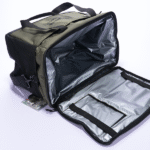
Use insulated totes or bags with gel packs for short trips. Minimalkan bukaan pintu, optimise routes to shorten delivery times, and monitor temperature with portable data loggers. Educate drivers on handling procedures and remind customers to refrigerate produce promptly upon receipt.
Ringkasan dan Rekomendasi
Vegetables cold chain containers are critical tools for preserving freshness, nutrient content and food safety in 2025. They combat post harvest losses—up to half of all vegetables harvested in some regions—by maintaining precise temperature and humidity ranges. Modern containers combine insulation, active or passive cooling, PCMs and smart sensors to keep produce between 0–4 °C and 90–95 % kelembaban. Innovations such as AI based route optimisation, Pemantauan IoT, blockchain traceability and digital twins provide real time visibility and predictive control. The market for cold chain logistics is expanding rapidly, and sustainability has become a core expectation: wadah yang dapat digunakan kembali, eco friendly materials and renewable energy systems reduce carbon footprints and waste.
Langkah selanjutnya yang dapat ditindaklanjuti
Audit rantai pasokan Anda: Identify where temperature excursions occur and prioritise investments in cold chain containers and sensors.
Mengadopsi teknologi pintar: Menerapkan sensor IoT, route optimisation software and, jika perlu, blockchain untuk ketertelusuran.
Invest in reusable, eco friendly containers: Evaluate the total cost of ownership and environmental benefits of reusable packaging.
Latih dan berdayakan tim Anda: Pastikan staf memahami persyaratan suhu, prosedur penanganan dan protokol darurat.
Engage your customers: Provide clear storage instructions and encourage proper refrigeration at home to reduce household waste.
By following these steps and leveraging the latest innovations, you can protect your vegetables, minimise waste and satisfy consumer demand for fresh, sustainably produced food.
Tentang tempk
Tempk adalah penyedia terkemuka solusi pengemasan rantai dingin, specialising in reusable and recyclable containers designed to protect food, obat-obatan dan barang sensitif suhu lainnya. Our products combine advanced insulation (EPS, Pur, VIP) with phase change materials and IoT enabled sensors untuk menjaga suhu yang tepat. We conduct ongoing research into eco friendly materials and renewable energy integration to help customers reduce carbon footprints and comply with regulations. With manufacturing facilities and an R&D centre dedicated to innovation, we deliver long lasting, reliable and sustainable containers that keep your vegetables and other products fresh throughout their journey.
Siap untuk meningkatkan rantai dingin Anda?
Contact Tempk today for a tailored consultation. Our team will help you choose the right vegetables cold chain containers, integrate smart monitoring and implement sustainable practices that protect your produce and your bottom line.