Jaminan Kualitas Rantai Dingin Sayuran: Praktik Terbaik untuk Kesegaran dan Keamanan
Memastikan sayuran tetap segar dan bergizi dari pertanian hingga ke meja makan sangatlah penting dalam rantai pasokan global saat ini. Kualitas rantai dingin sayuran jaminan memainkan peran penting dalam menjaga rasa, tekstur, dan nilai gizi. Dalam artikel ini, kita akan membahas praktik terbaik, teknologi inovatif, dan tren utama yang membentuk logistik rantai dingin sayuran 2025.
-
Apa yang dimaksud dengan jaminan kualitas rantai dingin sayuran dan mengapa hal ini penting?
-
Bagaimana sistem kontrol suhu dapat meningkatkan kualitas sayuran selama pengangkutan?
-
Apa saja praktik terbaik untuk mengelola rantai dingin sayuran secara efektif??
-
Bagaimana teknologi modern membantu menjaga kesegaran sayuran dalam rantai dingin?
-
Tren apa yang muncul dalam jaminan kualitas rantai dingin sayuran?
Apa itu Jaminan Mutu Rantai Dingin Sayuran, dan Mengapa Itu Penting?
Jaminan kualitas rantai dingin sayuran memastikan sayuran tetap segar sejak dipanen hingga ke konsumen dengan mengendalikan faktor lingkungan seperti suhu, kelembaban, dan aliran udara. Tanpa manajemen yang tepat, sayuran rentan terhadap pembusukan, kehilangan nutrisi, dan kontaminasi mikroba. Sistem rantai dingin yang kuat membantu menjaga penampilannya, rasa, dan nilai gizi, mencegah pemborosan dan memastikan keamanan pangan.
Mengapa pengendalian suhu sangat penting?
Mempertahankan konsistensi, suhu optimal di seluruh rantai pasokan membantu memperlambat proses penuaan alami sayuran, menjaganya tetap renyah dan kaya nutrisi. Penanganan suhu yang tidak tepat dapat menyebabkan kerusakan lebih cepat, hilangnya rasa, dan peningkatan tingkat pembusukan.
Bagaimana Sistem Pengendalian Suhu Menjaga Kualitas Sayuran
Sistem Kontrol Suhu: Tulang Punggung Rantai Dingin Sayuran
Sistem yang dikontrol suhu menggunakan kombinasi kemasan, unit pendingin, dan teknologi pemantauan real-time untuk memastikan sayuran tetap berada dalam kisaran suhu ideal selama transportasi dan penyimpanan. Begini cara kerja sistem ini:
-
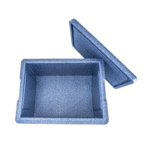
Kemasan terisolasi: Bahan seperti busa polistiren atau panel berinsulasi vakum (VIP) melindungi sayuran dari fluktuasi suhu eksternal.
-
Unit Pendingin: Truk berpendingin dan unit penyimpanan tetap rendah, suhu yang konsisten, memperlambat respirasi dan aktivitas mikroba.
-
Pemantauan waktu nyata: Sensor IoT melacak suhu dan kelembapan secara real-time, memperingatkan operator jika ada penyimpangan dari kondisi optimal.
Studi kasus: Pemasok sayuran global menerapkan pemantauan berbasis IoT dalam sistem rantai dingin mereka, mengurangi pembusukan oleh 18% pada tahun pertama dan memperpanjang umur simpan sayuran hingga 5 hari -hari.
Praktik Terbaik untuk Manajemen Rantai Dingin Sayuran
Untuk memastikan sayuran tetap terjaga kesegaran dan kualitasnya, manajemen rantai dingin yang tepat sangat penting. Berikut adalah beberapa praktik terbaik utama yang harus diikuti:
-
Pantau suhu secara teratur: Penggunaan sensor untuk memantau suhu selama penyimpanan dan pengangkutan memastikan sayuran tetap dalam kondisi optimal.
-
Gunakan Kemasan yang Tepat: Kemasan harus tahan lembab, bernapas, dan menyediakan ventilasi yang cukup untuk memungkinkan aliran udara.
-
Menjaga kebersihan: Pembersihan rutin fasilitas penyimpanan dan unit transportasi mencegah kontaminasi dan menjaga kualitas produk.
-
Staf Kereta Api: Pelatihan personel mengenai prosedur rantai dingin sangat penting untuk menjaga integritas sistem dan memastikan sayuran ditangani dengan benar.
| Praktik terbaik | Keterangan | Manfaat Sayuran |
|---|---|---|
| Pemantauan Suhu Reguler | Gunakan sensor untuk pelacakan waktu nyata | Memastikan kualitas yang konsisten |
| Kemasan yang tepat | Gunakan bernapas, kemasan tahan lembab | Mencegah pembusukan dan menjaga tekstur |
| Fasilitas Bersih | Pembersihan transportasi dan penyimpanan secara teratur | Mengurangi risiko kontaminasi |
| Pelatihan Staf | Mendidik staf tentang prosedur rantai dingin yang benar | Meningkatkan efisiensi, mengurangi kesalahan |
Teknologi Modern untuk Menjamin Kesegaran dalam Rantai Dingin Sayuran
Industri rantai dingin sayuran berkembang dengan teknologi canggih yang mengoptimalkan kesegaran dan efisiensi. Beberapa teknologi terkini antara lain:
-
Sensor IoT: Pelacakan suhu dan kelembapan secara real-time, memungkinkan tindakan segera jika kondisi berada di luar kisaran ideal.
-
Teknologi Blockchain: Memastikan ketertelusuran penuh sayuran, menawarkan transparansi dan mengurangi risiko penipuan.
-
Bahan perubahan fase (PCMS): Bahan-bahan ini membantu menjaga suhu yang dibutuhkan untuk waktu yang lama, mengurangi ketergantungan pada sumber pendingin eksternal.
Contoh: Pemasok utama sayuran hijau menerapkan sistem ketertelusuran berbasis blockchain, mengurangi pembusukan oleh 15% dan meningkatkan kepercayaan konsumen dengan memastikan integritas produk.
2025 Tren Jaminan Kualitas Rantai Dingin Sayuran
Industri rantai dingin sayuran sedang mengalami perubahan signifikan yang didorong oleh keberlanjutan dan kemajuan teknologi. Berikut adalah beberapa tren utama yang perlu diperhatikan 2025:
-
Fokus Keberlanjutan: Meningkatnya permintaan konsumen akan kemasan ramah lingkungan dan solusi penyimpanan dingin yang hemat energi mengubah industri ini. Dunia usaha berinvestasi pada bahan-bahan yang dapat dibuat kompos dan dapat didaur ulang untuk mengurangi dampak terhadap lingkungan.
-
Teknologi Rantai Dingin Cerdas: Kecerdasan buatan dan pembelajaran mesin digunakan untuk mengoptimalkan kondisi penyimpanan, memprediksi perubahan suhu, dan mengurangi limbah.
-
Teknik Pendinginan Tingkat Lanjut: Teknologi pendingin berenergi rendah menjadi lebih lazim, mengurangi konsumsi energi sambil menjaga kualitas sayuran yang dibutuhkan.
Pertanyaan Umum Tentang Jaminan Kualitas Rantai Dingin Sayuran
Q1: Berapa suhu ideal untuk penyimpanan dingin sayuran?
Sayuran umumnya harus disimpan antara 0°C dan 4°C untuk mencegah pembusukan, dengan tingkat kelembaban antara 90-95% untuk sebagian besar varietas.
Q2: Seberapa cepat sayuran harus didinginkan setelah dipanen?
Sayuran idealnya harus didinginkan terlebih dahulu di dalamnya 2-4 jam panen untuk mengurangi hilangnya kelembapan dan menjaga kesegaran.
Q3: Dapatkah saya menerapkan jaminan kualitas rantai dingin sayuran dalam skala kecil?
Ya, produsen skala kecil dapat menggunakan metode pendinginan pasif, kemasan yang efisien, dan pemantauan suhu untuk memastikan kualitas tanpa investasi yang signifikan.
Ringkasan dan Rekomendasi
Menjaga kesegaran sayuran melalui manajemen rantai dingin yang efektif sangat penting untuk memastikan pengiriman produk berkualitas tinggi secara aman. Dengan menggabungkan teknologi modern seperti sensor IoT, blockchain, dan teknik pendinginan tingkat lanjut, bisnis dapat secara signifikan meningkatkan operasi rantai dingin mereka dan mengurangi limbah.
Langkah selanjutnya:
-
Investasikan pada sistem pemantauan cerdas untuk melacak suhu dan kelembapan.
-
Mengadopsi solusi pengemasan ramah lingkungan untuk memenuhi tujuan keberlanjutan.
-
Melakukan pelatihan staf secara berkala untuk memastikan kepatuhan terhadap standar rantai dingin.
Tentang tempk
Dan Tempk, kami mengkhususkan diri dalam menyediakan solusi rantai dingin canggih yang disesuaikan dengan industri sayuran. Produk kami, termasuk sistem pemantauan suhu dan solusi pengemasan berkelanjutan, membantu bisnis menjaga kualitas dan kesegaran produk mereka di seluruh rantai pasokan.
Panggilan untuk bertindak: Hubungi kami hari ini untuk mempelajari lebih lanjut tentang bagaimana solusi rantai dingin Tempk dapat meningkatkan proses distribusi sayuran Anda.