Layanan Tempat Sampah Plastik Berventilasi Untuk Pengiriman Makanan: Panduan Membeli Praktis
A tempat sampah plastik berventilasi service for food delivery should help your team move goods through food delivery with less uncertainty, tidak hanya menambah kontainer lain ke gudang. Keputusan yang tepat dimulai dengan menentukan apa yang menjadi tanggung jawab unit plastik dan apa yang bukan tanggung jawabnya. Ini mungkin meningkatkan penanganan, pemisahan, menumpuk, logistik pengembalian, atau kebersihan. Ini mungkin mendukung alur kerja yang dikontrol suhu. Namun jika barang tersebut membutuhkan kisaran tertentu, kontainer harus dievaluasi sebagai bagian dari sistem penuh yang mencakup rutenya, muatan, isolasi atau pendingin jika digunakan, pemantauan, dan menerima ulasan.
Tentukan batasan penggunaan sebelum menanyakan harga
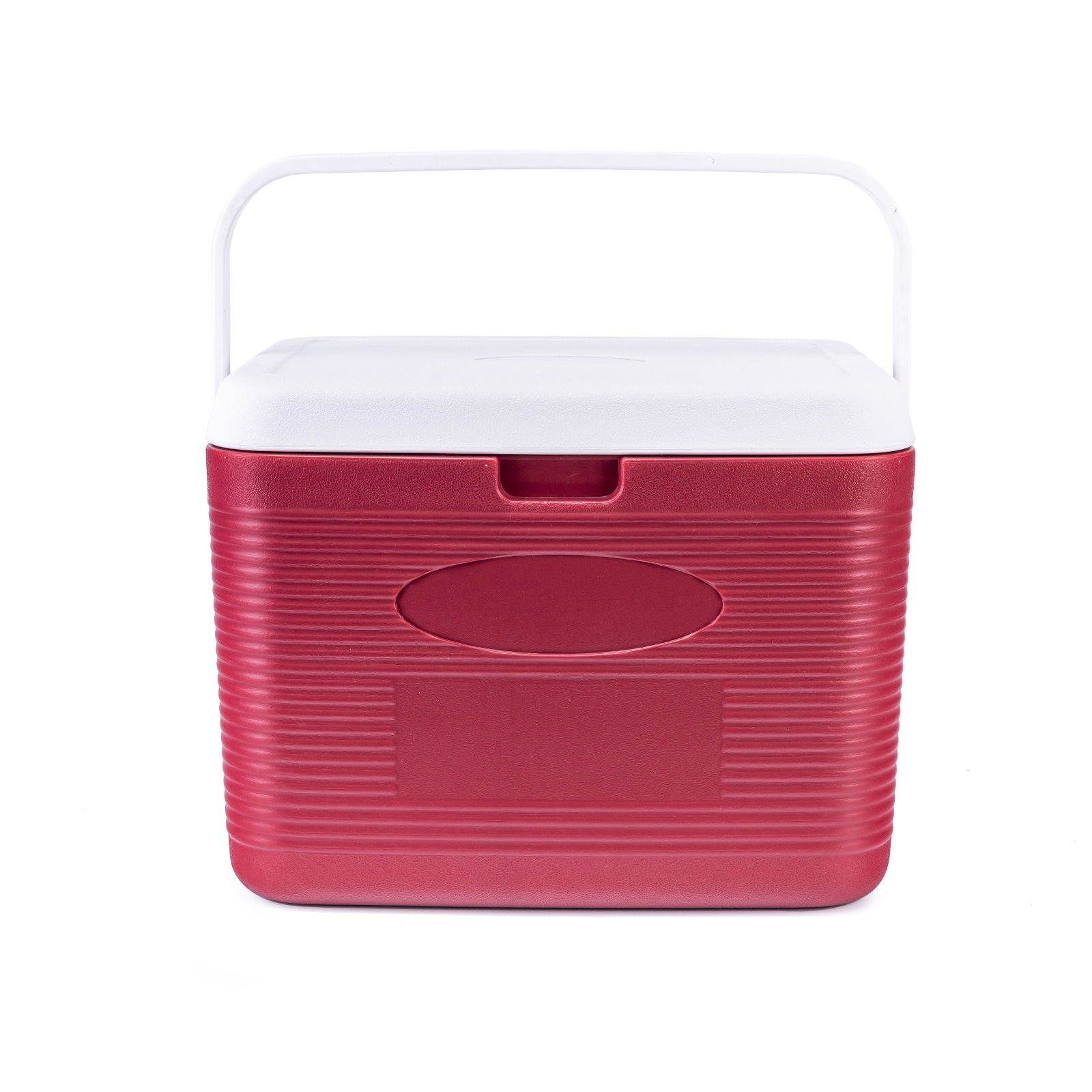
A plastic bin used for food delivery should be specified by function, bukan berdasarkan nama saja. Dalam satu proyek mungkin merupakan unit penanganan luar yang bersih. Di negara lain mungkin merupakan bagian dari paket termal pasif dengan isolasi, pendingin, dunnage, Label, dan alat pemantau. Perbedaannya penting karena cangkang plastik yang dibentuk dapat tersusun, melindungi, tumpukan, sarang, atau ventilasi barang, tetapi hal ini tidak membuktikan adanya pengendalian suhu dengan sendirinya. For food delivery operators, food importers, commissary teams, Dan kemasan rantai dingin pembeli, titik awal yang paling aman adalah dengan menuliskan kondisi produk, rute, urutan serah terima, dan bukti penerimaan sebelum membandingkan deskripsi katalog.
Batasan penggunaan yang jelas dapat ditulis dalam beberapa baris. Itu harus menjelaskan apa barangnya, apakah wadahnya langsung bersentuhan dengan produk atau hanya kemasan yang tersegel, dimana unit tersebut akan disimpan, bagaimana itu akan dimuat, dan apa yang terjadi setelah melahirkan. Untuk pengiriman makanan, batas ini juga harus menyebutkan pembersihan, pelabelan, kembali, dan persyaratan suhu atau dokumentasi apa pun. Tanpanya, pemasok mungkin mengutip peti kemas yang secara teknis bagus tetapi secara operasional salah.
Batasan tersebut juga membantu tim Anda sendiri. Pengadaan melihat biaya dan waktu tunggu. Operasi melihat penanganan kecepatan dan ruang. Kualitas melihat bukti dan risiko. Keuangan melihat umur aset dan biaya pengembalian. Ketika semua tim menggunakan batas yang sama, diskusi menjadi lebih faktual. Jika tidak, satu tim mungkin menyetujui fitur yang menimbulkan masalah bagi tim lain.
Pisahkan nilai penanganan dari bukti suhu
Food delivery and import programs should define whether the product is chilled, beku, ambient, or time-temperature controlled for safety. Regulatory expectations vary by market, but cleanable equipment and written temperature procedures are common approval concerns. Inilah sebabnya mengapa pembeli harus menghindari kata-kata yang dikontrol suhu, panas, terisolasi, ventilasi, atau dapat ditumpuk sebagai bukti kinerja. Bukti sebenarnya berasal dari sistem lengkap: geometri wadah, isolasi atau pendingin apa pun, metode pengkondisian, muatannya, paparan lingkungan, durasi rute, dan kriteria penerimaan. Untuk program pangan, kondisi sanitasi, prosedur tertulis, pra-pendinginan bila diperlukan, dan bukti pengendalian suhu dapat berpengaruh terhadap bentuk wadahnya. Pemilihan wadah harus mendukung rencana keamanan pangan dan bukan hanya sekedar mendukung rencana keamanan pangan.
Pemisahan ini merupakan inti dari keputusan pembelian yang baik. Wadah yang dapat ditumpuk dapat meningkatkan stabilitas palet. Tempat sampah berventilasi dapat mendukung aliran udara atau pengeringan. Unit yang dapat dilipat atau dilipat dapat mengurangi volume pengembalian kosong. Tas jinjing termal dapat memperlambat perpindahan panas jika dirancang dengan insulasi yang sesuai. Ini adalah manfaat nyata, tetapi hal ini tidak sama dengan membuktikan bahwa barang berada dalam kisaran yang disetujui.
Jika proyek tersebut melibatkan barang yang sensitif terhadap suhu, tuliskan komponen mana yang memikul tanggung jawab suhu. Apakah itu ruangan berpendingin, sebuah kendaraan, sebuah pengirim terisolasi, pendingin, ke PCM, es kering, penutup palet, atau paket yang divalidasi? Apakah data logger digunakan sebagai pembuktian, atau suhu diperiksa pada saat pengiriman dan penerimaan? Siapa yang meninjau penyimpangan? Pertanyaan-pertanyaan ini membuat spesifikasi kontainer lebih aman karena mencegah asumsi luas.
Detail desain yang penting dalam pekerjaan sehari-hari
Kegagalan yang paling umum biasanya bersifat operasional, bukan dramatis. Tempat sampah plastik mungkin cukup kuat tetapi sulit dibersihkan. Ini mungkin menumpuk di gudang tetapi menjadi tidak stabil saat basah, dimuat secara tidak merata, atau ditangani oleh tim dermaga yang bergegas. Ini mungkin memiliki label pada sampel kering namun kehilangan ketertelusuran setelah kondensasi. Dalam pengiriman makanan, the main risk profile includes warm dwell time, aliran udara yang buruk, kondensasi, sanitation gaps, broken folding mechanisms, and weak separation between raw and ready-to-eat items. Spesifikasi yang baik mengubah risiko tersebut menjadi pemeriksaan yang terlihat: kemana label pergi, bagaimana tutupnya menutup, bagaimana unit terkuras, bagaimana kekosongan kembali, dan apa yang harus diperiksa oleh tim penerima sebelum barang diterima.
Penanganan harian mengungkapkan lebih dari sekedar contoh foto. Wadah yang terlihat efisien dapat memperlambat proses produksi jika pegangannya tidak pas saat menggunakan sarung tangan. Penutup mungkin menutup dengan baik saat kosong, tetapi dapat bergeser saat unit penuh. Bukaan ventilasi dapat membantu aliran udara tetapi menimbulkan masalah pembersihan atau retensi barang. Pelek yang dapat ditumpuk dapat digunakan di gudang kering tetapi menjadi tidak stabil saat terjadi kondensasi, palet yang rusak, atau muncul beban campuran. Detail inilah yang menjadi alasan mengapa pengujian percontohan harus menggunakan alur kerja sebenarnya.
Untuk pengiriman makanan, perhatikan baik-baik permukaan dan kontrol status. Bisakah staf melihat apakah unitnya bersih, kotor, rusak, sarat, kosong, dilepaskan, atau dikarantina? Bisakah label bertahan terhadap lingkungan? Dapatkah tim penerima mengidentifikasi isinya tanpa perlu membuka unit? Pertanyaan-pertanyaan ini kecil, tetapi mereka mempengaruhi kualitas produk, kecepatan pekerja, dan keputusan penerimaan.
Daftar periksa pembeli untuk persetujuan sampel
| Sebelum persetujuan, mengonfirmasi | Bukti atau tindakan yang dapat diterima | Nilai keputusan |
|---|---|---|
| Peran kontainer | Gunakan pernyataan yang disetujui oleh pengadaan, Operasi, dan kualitas | Menghentikan tim memperlakukan kontainer penanganan sebagai sistem termal |
| Kesesuaian produk dan rute | Muatan, rute, paparan, kondisi penyimpanan, dan penerimaan cek dicatat | Menjaga agar rekomendasi pemasok tetap relevan |
| Kebersihan dan penggunaan kembali | Metode pembersihan, pengeringan, inspeksi, dan pelepasan unit yang rusak ditentukan | Mendukung kebersihan dan pengendalian aset |
| Tanggung jawab suhu | Isolasi, pendingin, pendinginan, pemantauan, atau kontrol ruangan ditetapkan dengan jelas | Mencegah janji suhu yang tidak didukung |
| Kontrol pemasok | Contoh ID, gambar, catatan materi, dan perubahan komunikasi dicatat | Melindungi pesanan massal dari variasi senyap |
Gunakan daftar periksa ini untuk menjaga file persetujuan tetap jujur. Hal ini tidak mengharuskan setiap pemasok untuk menghasilkan dokumen teknis yang besar, tetapi hal ini mengharuskan tim untuk mencatat apa yang telah dikonfirmasi, apa yang diasumsikan, dan apa yang masih perlu pengujian. Catatan tersebut menjadi penting ketika sampel pertama terlihat bagus tetapi penggunaan massal menimbulkan masalah.
Evaluasi pemasok di luar penawaran
Percakapan layanan yang serius harus melampaui masalah harga, warna, dan ukuran nominal. Tanyakan apakah revisi gambar sesuai dengan sampel yang Anda terima. Tanyakan apa yang dianggap pemasok sebagai volume internal kotor versus ruang muatan yang dapat digunakan. Tanyakan bagaimana perilaku wadah plastik setelah dibersihkan, bersarang, lipat, menumpuk, atau penanganan berulang. Jika bukti suhu adalah bagian dari proyek, tanyakan apakah kinerja yang dinyatakan didasarkan pada muatan yang sama, konfigurasi pendingin, profil lingkungan, dan batas penerimaan yang ingin Anda gunakan. Pemasok yang dapat menjelaskan batasan ini dengan jelas biasanya lebih aman dibandingkan pemasok yang memberikan janji luas tanpa jalur verifikasi.
Evaluasi pemasok harus mencakup kualitas respons. Pemasok yang berguna akan mengajukan pertanyaan klarifikasi dan menjelaskan batasannya. Pemasok yang berisiko mungkin menyetujui setiap permohonan dengan kata-kata yang sama. Untuk rantai dingin, makanan, medis, laboratorium, vaksin, dan penggunaan bioteknologi, keterbatasan bukanlah suatu kelemahan. Mereka menunjukkan bahwa pemasok memahami perbedaan antara a wadah plastik, suatu sistem terisolasi, prosedur pengangkutan, dan rekor kualitas.
Tanyakan bagaimana pemasok mendukung penyesuaian jika diperlukan. Warna khusus, logo, zona label, jangka pembagi garis, tutup, liner, pola ventilasi, atau sisipan kemasan dapat membantu alur kerja, namun setiap perubahan harus tetap berhubungan dengan penggunaan yang disetujui. Fitur khusus yang terlihat menarik dapat mempersulit pembersihan, mengurangi volume yang dapat digunakan, atau mengganggu penumpukan. Kustomisasi terbaik meningkatkan rute daripada mendekorasi produk.
Alat pengambilan keputusan yang berguna
Periksa detailnya sebelum Anda memilih kemasan
Alat cepat ini dapat membantu Anda membandingkan risiko rute, kebutuhan ukuran, pilihan pendingin, dan detail kemasan sebelum Anda meminta penawaran.
Pemeriksa Risiko Rute
Tinjau kondisi jalur sebelum memilih kemasan untuk mengetahui kebutuhan pengoperasian sebenarnya.
Periksa risiko rutePembuat Daftar Periksa Kepatuhan
Buatlah daftar periksa praktis untuk tinjauan kemasan, pengiriman, dan dokumentasi.
Buat daftar periksaPemilih Kemasan
Bandingkan opsi kemasan berinsulasi berdasarkan produk, rute, dan kebutuhan suhu.
Temukan kemasannyaUji coba satu siklus lengkap sebelum melakukan penskalaan
Misalnya, imagine a buyer testing a vented plastic bin before a wider rollout. Sampel pertama terlihat dapat diterima di meja konferensi, tapi pertanyaan sebenarnya muncul selama uji coba: bisakah tim memuatnya dengan kecepatan normal, baca label setelah kondensasi, bersihkan tanpa menjebak residu, susun dengan aman pada beban terberat yang diperkirakan, dan konfirmasikan bahwa revisi yang sama akan diberikan setelah persetujuan? Uji coba praktik ini tidak perlu menjadi program laboratorium yang rumit untuk setiap proyek, namun harus mereproduksi kondisi penanganan normal yang paling sulit. Hasilnya adalah keputusan berdasarkan kesesuaian operasional, bukan brosur kepercayaan diri.
Seorang pilot yang berguna tidak harus berukuran besar. Ini harus realistis. Sertakan orang yang memuat barang, orang yang menerimanya, orang yang membersihkan atau mengembalikan wadah tersebut, dan orang yang menyetujui dokumentasi. Jalankan unit melalui urutan yang diharapkan: penyimpanan, memuat, pelabelan, memanggungkan, transfer, menerima, endapan, pembersihan, inspeksi, dan kembali. Catat di mana prosesnya terasa lambat, berisiko, atau tidak jelas.
Jika suhu adalah bagian dari klaim, jangan bergantung pada hasil yang umum. Cocokkan pilot dengan muatan yang diinginkan, paparan rute, konfigurasi pendingin atau isolasi, dan kriteria penerimaan. Jika Anda belum bisa menguji jalur pastinya, perlakukan hasilnya sebagai hasil awal dan hindari menuliskannya sebagai jaminan akhir. Kata-kata yang hati-hati ini melindungi pembeli dan pemasok.
Pengendalian biaya tanpa melemahkan perlindungan
Container yang paling murah bisa menjadi mahal jika menyebabkan barang ditolak, pembersihan ekstra, tumpukan rusak, label yang hilang, atau pembelian pengganti. Unit termahal juga bisa salah jika memecahkan masalah yang tidak Anda hadapi. Tinjauan biaya praktis harus membandingkan total nilai alur kerja: kecepatan penanganan, efisiensi pengembalian, pengurangan kerusakan, upaya pembersihan, ruang penyimpanan, kesiapan dokumentasi, dan konsistensi pemasok.
Untuk pembelian dalam jumlah banyak, juga pertimbangkan bagaimana desain mempengaruhi pelatihan. Jika pekerja memerlukan instruksi khusus untuk melipat, sarang, membersihkan, atau kaitkan unit, SOP harus sederhana dan terlihat. Jika penampung digunakan di beberapa situs, desainnya harus cukup konsisten untuk menghindari penyelesaian lokasi demi lokasi. Pengendalian biaya bukan hanya harga satuan. Ini adalah kemampuan untuk mengulangi proses aman yang sama setiap hari.
Kapan harus mempertimbangkan kembali desain yang dipilih
Pertimbangkan kembali desain jika pilot menunjukkan kerusakan label yang berulang, sulit dibersihkan, penumpukan tidak stabil, kontrol pengembalian kosong yang buruk, kebingungan antara unit bersih dan kotor, atau ketidakpastian tentang peran suhu. Masalah-masalah ini jarang dapat diperbaiki dalam skala besar. Mereka biasanya menjadi lebih terlihat seiring bertambahnya jumlah orang, rute, dan banyak hal yang terlibat.
Pertimbangkan juga kembali desainnya jika pemasok tidak dapat menjelaskan konsistensi sampel hingga produksi. Jika pesanan pertama setelah persetujuan tiba dengan penutupan yang berbeda, permukaan, ukuran, atau perilaku material, tim Anda mungkin perlu mengulangi sebagian dari tinjauan tersebut. Perjanjian pembelian yang lebih baik menentukan bagaimana perubahan dikomunikasikan sebelum perubahan produksi mencapai gudang Anda.
FAQ
Apa langkah pertama dalam memilih wadah jenis ini?
Tentukan batas penggunaan. Katakan apa barangnya, bagaimana mereka dikemas, kemana kontainer tersebut bergerak, bagaimana cara membersihkannya, dan bukti apa yang diperlukan. Langkah ini mencegah kebingungan antara wadah penanganan, pengirim yang terisolasi, dan sistem kontrol suhu yang berkualitas.
Bisakah saya menggunakan wadah plastik yang sama untuk beberapa departemen?
Kadang-kadang, tetapi hanya setelah memeriksa perbedaan muatan, pembersihan, pelabelan, persyaratan suhu, dan proses pemeriksaan. Desain yang cocok untuk barang ambien yang disegel mungkin tidak cocok untuk barang dingin, medis, laboratorium, atau bahan makanan. Penggunaan bersama harus disetujui berdasarkan skenario, tidak diasumsikan dari penampilan produk.
Apa yang harus saya tanyakan kepada pemasok sebelum memesan dalam jumlah besar?
Mintalah batasan penggunaan yang dimaksudkan, ukuran, informasi materi, panduan pembersihan, revisi sampel, Opsi Kustomisasi, dan informasi tes apa pun yang relevan dengan rute. Jika wadah merupakan bagian dari alur kerja yang sensitif terhadap suhu, tanyakan bukti apa yang mendukung paket tersebut dan apa yang tersisa untuk diverifikasi oleh tim Anda.
Bagaimana cara menghindari fitur pembelian berlebih?
Mulailah dengan kegagalan yang perlu Anda cegah. Jika masalahnya adalah volume kosong-kembali, keruntuhan mungkin penting. Jika masalahnya adalah aliran udara, ventilasi mungkin penting. Jika masalahnya adalah paparan suhu, sistem termal penuh penting. Jangan membeli fitur karena terdengar canggih; membeli kontrol yang mengatasi risiko rute nyata.
Kapan tim berkualitas harus dilibatkan?
Libatkan kualitas sebelum persetujuan sampel ketika barang sensitif terhadap suhu, diatur, impor, diekspor, berhubungan dengan makanan, medis, laboratorium, vaksin, atau bioteknologi. Masukan berkualitas membantu mendefinisikan dokumentasi, pembersihan, penanganan penyimpangan, dan kriteria penerimaan sebelum keputusan pembelian menjadi sulit diubah.
Kesimpulan
A vented plastic bin service for food delivery is a sound choice when it fits the route, bukan hanya kutipannya saja. Tentukan batas penggunaan, pisahkan nilai penanganan dari bukti suhu, memverifikasi kebersihan dan kesesuaian alur kerja, dan mencatat bukti pemasok sebelum penskalaan. Hasilnya adalah keputusan kontainer yang bisa dibeli oleh pengadaan, operasi dapat digunakan, dan kualitas dapat disetujui tanpa bergantung pada klaim yang tidak didukung.
Tentang Tempk
Dan Tempk, we focus on practical cold-chain packaging decisions rather than isolated catalog labels. Rangkaian produk kami meliputi media pendingin, kotak terisolasi, kantong termal, liner, perlindungan tingkat palet, dan lainnya bahan pengemasan digunakan dalam makanan, Perawatan kesehatan, laboratorium, dan penanganan industri. When a project involves plastic bin selection for food delivery, kami membantu pembeli memikirkan kecocokan rute, kebutuhan pendingin atau isolasi, kebiasaan membersihkan, dan bukti yang diperlukan sebelum berpindah dari tinjauan sampel ke pesanan yang lebih besar.
Jika Anda membandingkan opsi sekarang, describe your food category, jendela pengiriman, proses pembersihan, and return loop to compare practical packaging options. Tempk dapat membantu Anda mempersempit diskusi sebelum persetujuan sampel atau pengadaan massal.