Panel terisolasi vakum (VIP) wadah berinsulasi lebih dari sekadar pendingin. Ini dirancang untuk pengiriman bernilai tinggi yang tidak mudah rusak — seperti produk daging Anda. Yang dapat diandalkan Wadah berinsulasi VIP mempertahankan suhu internal untuk menjaga daging tetap rendah 40 ° f, menggunakan lebih sedikit cairan pendingin, beratnya kurang dari kotak busa dan dapat melindungi kiriman 72 jam atau lebih. Panduan ini menjelaskan cara kerja teknologi, mengapa produk ini mengungguli kemasan busa tradisional dan apa yang perlu Anda ketahui untuk memilih wadah yang tepat untuk bisnis Anda 2025.
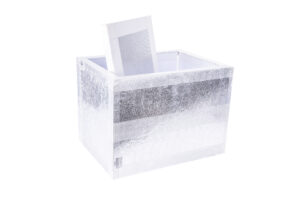
Pahami wadah VIP: pelajari mengapa kontainer berinsulasi VIP merupakan pilihan premium untuk pengiriman daging dan bagaimana kontainer tersebut mengurangi perpindahan panas.
Kuasai teknologinya: jelajahi ilmu di balik panel isolasi vakum, bagaimana mereka menghilangkan hampir seluruh udara untuk menciptakan penghalang termal yang efektif dan mengapa hal ini penting bagi kualitas daging.
Pilih dan gunakan wadah: dapatkan tip praktis tentang ukuran, pilihan pengepakan dan pendingin yang memaksimalkan kinerja sekaligus menjaga daging Anda tetap rendah 40 ° f.
Bandingkan bahan: lihat bagaimana kontainer VIP dibandingkan dengan busa dan isolator lainnya dalam hal ketahanan termal, berat, biaya dan keberlanjutan.
Ikuti tren: memahami inovasi yang muncul, mulai dari hybrid VIP dan reefer bertenaga surya hingga material berkelanjutan dan penggerak regulasi yang membentuk logistik rantai dingin 2025.
Apa yang membuat kontainer berinsulasi VIP ideal untuk pengiriman daging?
Kontainer VIP dirancang khusus untuk bernilai tinggi, pengiriman yang sensitif terhadap suhu. Berbeda dengan polistiren yang diperluas (EPS) pendingin atau kotak busa yang dapat digunakan kembali, Kontainer berinsulasi VIP menggabungkan lapisan luar yang kuat dengan panel vakum yang dipasang rapat, menghasilkan kinerja isolasi yang jauh melampaui bahan tradisional. Panel ini tidak memerlukan kulit terluar yang besar, jadi wadahnya bisa lebih kecil dan ringan, memungkinkan Anda mengirimkan lebih banyak daging per pengiriman sambil membayar lebih sedikit ongkos angkut. Kinerja termal yang unggul berarti daging Anda tetap berada di bawah 40 °F untuk jangka waktu lebih lama dengan lebih sedikit es atau paket gel, mengurangi biaya konsumsi dan dampak lingkungan. Desain multi-lapisan yang dipatenkan pada beberapa model, seperti sistem DCS ThermoSafe, memberikan empat lapisan perlindungan panas dan tahan terhadap penanganan yang kasar.
Mengapa VIP adalah standar emas untuk pengontrol suhu
Panel isolasi vakum menghilangkan hampir semua udara di antara bahan intinya, menciptakan penghalang yang sangat efektif terhadap konduksi, konveksi dan radiasi. Udara adalah konduktor yang buruk ketika terjebak, dan dengan mengevakuasinya, panel memberikan nilai R lebih dari dua kali lipat dari busa polistiren atau poliuretan. Menurut ThermoSafe, pengirim VIP mereka menggabungkan film struktural yang kuat dengan panel yang pas untuk mengungguli kotak busa EPS. Hasilnya lebih kecil, kemasan lebih ringan yang mengurangi biaya pengiriman dan membutuhkan lebih sedikit cairan pendingin sekaligus menawarkan waktu pengiriman yang lebih lama. Selain itu, Kontainer VIP tahan lama — tidak memerlukan cangkang pelindung ekstra dan tahan uji jatuh dalam kondisi es kering.
Saat Anda mengirimkan daging, setiap pon berarti. Berat kemasan yang lebih sedikit berarti berat dimensi yang lebih rendah (REDUP) biaya dan lebih banyak ruang untuk produk Anda. Wadah VIP yang dapat menahan suhunya selama dua hingga enam hari dengan sedikit es kering memungkinkan Anda memilih lebih lambat, metode pengiriman yang lebih murah tanpa mengorbankan keselamatan. Kombinasi kinerja dan efisiensi inilah yang menjadikan kontainer berinsulasi VIP dianggap sebagai standar emas untuk pengiriman makanan dan obat-obatan bernilai tinggi.
Menyelam lebih dalam: Performa VIP versus wadah busa
Wadah berinsulasi vakum sering dibandingkan dengan EPS dan polipropilen yang diperluas (EPP) pendingin busa. Tabel di bawah ini merangkum perbedaan-perbedaan utama:
| Fitur | Kontainer VIP | Pendingin Busa | Makna |
| Resistensi termal (nilai R) | Tinggi — lebih dari dua kali lipat polistiren | Sedang hingga baik tergantung pada ketebalan dinding | Nilai R yang lebih tinggi berarti waktu penahanan suhu yang lebih lama dan penggunaan zat pendingin yang lebih sedikit. |
| Ketebalan dan ukuran dinding | Panel tipis (~0,5–1,5 inci.) memungkinkan desain kompak | Dinding tebal (1–3 masuk.) diperlukan untuk kinerja serupa | Kontainer VIP memuat lebih banyak muatan per pengiriman, mengurangi biaya pengiriman dan berat volumetrik. |
| Berat | Ringan karena tidak diperlukan cangkang pelindung | Lebih berat karena busa besar dan kotak luar | Biaya pengiriman lebih rendah dan penanganan lebih mudah. |
| Persyaratan pendingin | Lebih sedikit es kering atau paket gel yang dibutuhkan berkat insulasi yang unggul | Dibutuhkan lebih banyak cairan pendingin untuk durasi yang sama | Memotong biaya konsumsi dan mengurangi risiko paket diklasifikasikan sebagai berbahaya. |
| Reusability & daya tahan | Film luar yang tahan lama dan desain yang telah diuji jatuh; beberapa dapat digunakan kembali | Beberapa pendingin busa dapat digunakan kembali tetapi rentan terhadap kerusakan | Penggunaan kembali menurunkan biaya siklus hidup dan dampak lingkungan. |
| Dampak Lingkungan | Kemasan yang lebih kecil menghasilkan lebih sedikit limbah dan penggunaan energi yang lebih rendah | Limbah busa seringkali tidak dapat didaur ulang; tebal, lebih banyak emisi angkutan barang | Kontainer VIP selaras dengan tujuan dan peraturan keberlanjutan. |
Tips praktis menggunakan container VIP
Dinginkan daging dan wadah Anda terlebih dahulu: Kontainer VIP menjaga suhu; mereka tidak menurunkannya. Pastikan daging Anda sudah berada pada suhu yang diinginkan (di bawah 40 °F untuk daging segar atau beku -20 °C pengiriman) sebelum berkemas. Dinginkan wadah di ruangan dingin untuk menghindari lonjakan suhu awal.
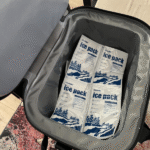
Sesuaikan ukuran zat pendingin Anda: Karena isolasi VIP efisien, Anda dapat menggunakan lebih sedikit es kering atau paket gel. Misalnya, pengirim VIP Duramark kecil mempertahankan -20 °C selama dua hari hanya dengan 3 pon es kering, dan a 10.4 Ukuran L tetap dipertahankan -20 °C selama enam hari dengan 13 lb. Hindari kelebihan muatan; es ekstra kering dapat mengklasifikasikan paket Anda sebagai berbahaya.
Isi ruang kosong: Sirkulasi udara mempercepat perpindahan panas. Isi celah dengan bantalan insulasi atau kacang kemasan untuk menstabilkan suhu.
Segel dan beri label dengan benar: Segel yang rapat mencegah infiltrasi udara. Labeli paket untuk orientasi (sisi ini ke atas) dan “Mudah rusak: Simpan di Lemari Es/Beku” untuk memastikan petugas memperlakukannya dengan benar.
Contoh dunia nyata: Sebuah perusahaan khusus daging sapi beralih dari pendingin EPS 1 inci ke kontainer VIP untuk pengiriman lintas negara. Dengan kotak EPS, dibutuhkan perusahaan 10 pon es kering dan pengiriman semalaman untuk menjaga daging tetap beku. Setelah mengadopsi pengirim VIP kecil, itu dipertahankan -20 ° C untuk 48 jam hanya dengan menggunakan 3 pon es kering. Kemasan yang lebih ringan mengurangi biaya pengiriman sebesar 25 %, dan perusahaan mulai menggunakan pengiriman darat dua hari tanpa keluhan pembusukan.
Bagaimana cara kerja teknologi panel berisolasi vakum dalam pengiriman daging?
Panel insulasi vakum menciptakan penghalang yang hampir sempurna terhadap perpindahan panas dengan menghilangkan udara dari inti berpori dan menyegelnya dalam film penghalang tinggi. Panas bergerak melalui konduksi, konveksi dan radiasi. Dengan menghilangkan udara — media utama konduksi dan konveksi — VIP mengurangi aliran panas hingga hampir nol. Inti sering kali terbuat dari silika atau serat kaca, bahan dengan konduktivitas termal yang rendah, sedangkan lapisan luar mencegah kebocoran udara dan masuknya uap air. Desain ini menghasilkan 10 kinerja isolasi kali lebih baik dibandingkan bahan konvensional.
Dari prinsip termos hingga wadah rantai dingin
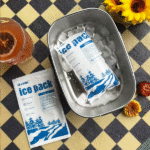
Insulasi vakum awalnya diterapkan pada termos dan kemudian diadopsi untuk pengirim barang medis. Dalam wadah berinsulasi VIP, beberapa panel melapisi dinding, lantai dan tutupnya. Kesesuaian panel yang rapat dan lapisan luar yang kaku menciptakan penghalang termal yang terus menerus. Tidak adanya udara berarti tidak ada media untuk konveksi; konduksi hanya terjadi melalui inti padat, yang memiliki konduktivitas termal yang sangat rendah. Radiasi diminimalkan dengan lapisan reflektif di dalam panel. Beberapa wadah juga mengintegrasikan bahan pengubah fasa (PCMS) atau paket gel untuk menstabilkan suhu.
Ilmu pengetahuan menjadi nyata di pengirim barang VIP ThermoSafe. Film struktural luarnya yang kuat dan perakitan panel yang presisi menghasilkan kinerja termal yang unggul dan menghilangkan kebutuhan akan cangkang EPS pelindung. Dalam praktiknya, ini berarti lebih banyak volume yang dapat digunakan dan lebih sedikit berat. Sistem DCS menambahkan empat lapisan perlindungan, membantu kontainer menahan penanganan yang kasar. Kontainer TemPak™ VIP Cryopak menggunakan teknologi serupa dan ideal untuk mengirimkan material bernilai tinggi yang memerlukan kontrol suhu yang ketat.
Peran bahan perubahan fasa (PCM) dan PCM
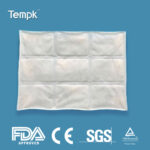
Bahan pengubah fasa menyimpan dan melepaskan sejumlah besar energi saat bertransisi antara fase padat dan cair. Bila dikombinasikan dengan isolasi VIP, PCM dapat mempertahankan suhu yang konsisten selama berhari-hari. Thermal Custom Packaging melaporkan bahwa panel pengiriman VIP yang dipasangkan dengan PCM menjaga muatan beku pada suhu yang diinginkan lebih dari 100%. 72 jam. PCM ditempatkan dalam cangkang HDPE yang dapat didaur ulang dan mengandung larutan tidak beracun, menjadikannya aman dan ramah lingkungan. Karena PCM bersifat spesifik terhadap suhu, Anda dapat memilih unit untuk didinginkan (2–8 ° C.) atau pengiriman beku (–20 °C) dan merancang paket untuk mempertahankan rentang ini tanpa listrik.
| Komponen | Keterangan | Fungsi | Keuntungan |
| Panel terisolasi vakum | Inti berpori (silika, serat kaca) disegel dalam kedap udara, film berlapis-lapis | Memblokir konduksi dan konveksi dengan menghilangkan udara; lapisan reflektif mengurangi radiasi | Memberikan konduktivitas termal yang sangat rendah dan waktu tahan suhu yang lama |
| Bahan perubahan fase (PCM) | Bahan yang direkayasa untuk meleleh/memadat pada suhu tertentu; terbungkus dalam plastik yang dapat didaur ulang | Menyerap atau melepaskan panas laten untuk mempertahankan suhu konstan selama perubahan fasa | Menjaga daging pada suhu target selama beberapa hari tanpa listrik; dapat didaur ulang dan tidak beracun |
| Film luar & struktur | Film berkekuatan tinggi dan kulit luar yang kaku; diuji jatuh dalam kondisi es kering | Melindungi panel dan isinya dari kerusakan fisik; menghilangkan kebutuhan akan cangkang EPS yang besar | Mengurangi berat dan biaya DIM; meningkatkan daya tahan |
| Fitur terintegrasi | Desain multi-lapis, menangani, sensor dan monitor IoT | Memberikan empat lapisan perlindungan panas dan ketertelusuran untuk kepatuhan terhadap peraturan | Aktifkan pemantauan waktu nyata dan kepatuhan terhadap peraturan FSMA dan PDB |
Tips memaksimalkan performa VIP dan PCM
Cocokkan PCM dengan produk Anda: Pilih PCM yang meleleh tepat di bawah suhu target. Untuk daging segar (2–8 ° C.), pilih PCM dengan perubahan fase 5 ° C.; untuk daging beku (–20 °C), menggunakan -20 °C PCM.
Layer dengan cerdas: Tempatkan PCM di atas dan di bawah produk Anda. Rasa dingin tenggelam ke bawah; pelapisan memastikan distribusi suhu yang merata dan mencegah titik panas.
Memahami kondisi sekitar: Waktu transit, suhu luar dan volume kotak menentukan berapa banyak PCM atau es kering yang Anda butuhkan. Gunakan pencatat data untuk memverifikasi kinerja dan menyesuaikan paket yang sesuai.
Uji pengiriman: Jalankan pengiriman percontohan dalam kondisi yang diharapkan dengan pemeriksaan suhu untuk memvalidasi kemasan Anda. Langkah ini memastikan kepatuhan terhadap peraturan dan kepuasan pelanggan.
Studi kasus: Seorang eksportir makanan laut menggabungkan panel VIP dengan PCM untuk pengiriman dari Alaska ke Jepang. Muatannya berisi salmon yang membutuhkan -10 ° C.. Dengan 5 kg PCM per kotak, eksportir tetap konsisten -10 °C selama tiga hari, bahkan ketika suhu di luar mencapai 30 ° C.. Pengiriman tiba sesuai spesifikasi, dan perusahaan mengurangi berat zat pendingin sebesar 40 % dibandingkan dengan pengaturan EPS/es kering sebelumnya.
Bagaimana memilih dan menggunakan kontainer berinsulasi VIP untuk pengiriman daging
Memilih wadah VIP yang tepat bergantung pada sensitivitas suhu produk Anda, durasi transit dan kendala biaya. Kontainer VIP hadir dalam berbagai ukuran dan konfigurasi: paket kecil untuk pengiriman langsung konsumen, kontainer medium untuk distribusi regional, dan unit palet besar untuk pengiriman internasional. Teknologi VIP kini tersedia dalam reefer 20 kaki dan 40 kaki dengan opsi zona suhu ganda. Teknologi ini biasanya mempertahankan suhu antara –30 °C dan +30 °C di seluruh transportasi multimoda.
Menilai kebutuhan pengiriman daging Anda
Mulailah dengan mengidentifikasi kisaran suhu aman produk Anda. Daging sapi segar, unggas dan babi harus tetap berada di bawah 40 °F untuk mencegah pertumbuhan bakteri yang cepat, sedangkan daging beku harus disimpan pada suhu –20 °C atau lebih rendah. Berikutnya, tentukan durasi transit tipikal Anda. Untuk pengiriman semalam atau dua hari, pengirim VIP kecil atau kapal berinsulasi mungkin cukup. Untuk pengiriman berlangsung 3–6 hari, pilih wadah dengan panel lebih tebal dan kapasitas PCM lebih besar. Untuk pengiriman internasional atau massal, pertimbangkan wadah pendingin VIP atau wadah super freezer yang mampu mempertahankan suhu –60 °C untuk makanan biologis dan makanan khusus.
Faktor lainnya termasuk:
Volume dan berat muatan: Volume internal wadah harus sesuai dengan kuantitas produk Anda. Kotak berukuran besar membuang-buang ruang dan membutuhkan lebih banyak zat pendingin, sementara wadah berukuran kecil membatasi aliran udara.
Kepatuhan Pengaturan: Pengiriman daging harus mematuhi Undang-Undang Modernisasi Keamanan Pangan (FSMA) persyaratan, yang memerlukan pemantauan dan penelusuran suhu terus menerus. Banyak kontainer VIP mengintegrasikan sensor IoT dan mendukung pencatatan data.
Kembalikan logistik: Putuskan apakah kontainer Anda akan digunakan sekali pakai atau bagian dari loop yang dapat dikembalikan. Kontainer VIP yang dapat digunakan kembali menawarkan masa pakai yang lama dan dapat menghemat biaya 20 % seiring berjalannya waktu karena berkurangnya kebutuhan cairan pendingin dan minimalnya limbah.
Tujuan keberlanjutan: Carilah wadah yang terbuat dari bahan yang dapat didaur ulang atau yang meminimalkan jejak karbon. Panel isolasi vakum berteknologi tinggi mengurangi konsumsi energi dan emisi karbon.
Kemas wadah VIP Anda dengan benar
Ikuti langkah-langkah berikut untuk memastikan pengiriman daging Anda tetap aman:
Prasyarat semua komponen — bekukan daging hingga mencapai suhu target, lalu dinginkan wadah dan PCM sesuai suhu tersebut.
Tempatkan PCM atau lapisan es kering di bagian bawah wadah, kemudian tambahkan lapisan bahan isolasi (MISALNYA., bantalan bergelombang).
Muat paket daging dalam satu, lapisan kompak. Hindari meninggalkan ruang kosong yang besar untuk meminimalkan pergerakan udara.
Tambahkan lapisan PCM tambahan di atas dan di sekitar produk. Untuk daging beku, pastikan es kering menempel pada daging; aturan praktisnya adalah selama masih ada es kering di dekat produk, itu tetap beku.
Isi ruang kosong dengan pengisi (bungkus gelembung, kertas) untuk mencegah pergeseran dan menjaga kantong udara dingin.
Tutup wadahnya dengan erat menggunakan mekanisme penutupan pabrikan. Labeli kemasan dengan petunjuk penanganan dan persyaratan suhu.
Pantau pengiriman menggunakan data logger atau sensor. Banyak kontainer VIP mengintegrasikan pemantauan IoT yang mengirimkan data suhu dan lokasi secara real-time untuk memastikan kepatuhan terhadap peraturan FSMA dan PDB.
Contoh: Sebuah perusahaan daging pesanan mengirimkan 10 pon paket steak. Dengan memilih a 3.2 L Pengirim VIP Duramark, perusahaan menyimpan produknya -20 °C selama dua hari menggunakan 3 pon es kering. Untuk rute yang lebih panjang (lima hari), itu memilih 10.4 Model L dengan tambahan PCM dan 13 pon es kering, mempertahankan suhu selama enam hari. Perusahaan juga menggunakan sensor IoT untuk mencatat data suhu setiap pengiriman, memastikan kepatuhan terhadap peraturan dan mengurangi klaim.
Kiat pengguna untuk berbagai skenario
Pengiriman lokal (1–2 hari): Gunakan pelapis berinsulasi VIP atau kotak kecil berisi kemasan gel. Dinginkan semuanya terlebih dahulu dan hindari mengisi berlebihan dengan zat pendingin.
Pengiriman regional (3–4 hari): Pilih kontainer VIP berukuran sedang dengan PCM terintegrasi. Campurkan paket gel dan sedikit es kering; test pack out untuk mengoptimalkan kuantitas.
Pengiriman internasional atau massal (>5 hari -hari): Pilih reefer VIP berukuran besar atau wadah super freezer dengan cadangan daya terintegrasi. Sertakan zona suhu ganda jika mengirimkan muatan campuran seperti steak dan sosis.
Kasus: Sebuah distributor daging yang melakukan pengiriman ke Asia mengadopsi a 40 ft reefer VIP kubus tinggi dengan zona ganda untuk mengirim daging babi dan unggas dalam satu wadah. Desain zona ganda memungkinkan mereka mempertahankan –20 °C untuk daging babi beku dan +4 °C untuk unggas dingin secara bersamaan. Dengan mengkonsolidasikan pengiriman, mereka mengurangi biaya pengiriman per kilogram 30 %, dan isolasi yang lebih baik mengurangi penggunaan energi 25 %.
Wadah berinsulasi VIP vs tradisional: manfaat dan trade off
Kontainer VIP menawarkan kinerja termal yang jauh lebih baik, efisiensi ukuran dan keberlanjutan dibandingkan dengan wadah busa tradisional. Namun, mereka datang dengan biaya awal yang lebih tinggi. Memahami trade off membantu Anda membenarkan investasi.
Membandingkan kinerja dan biaya isolasi
Resistensi termal: Panel VIP memberikan ketahanan termal lebih dari dua kali lipat dibandingkan busa polistiren atau poliuretan. Beberapa produk va Q tec mengklaim insulasi sepuluh kali lebih baik dibandingkan bahan konvensional. Dengan nilai R yang lebih tinggi, Anda membutuhkan lebih sedikit ketebalan insulasi, artinya lebih banyak ruang yang dapat digunakan dan lebih sedikit zat pendingin.
Ukuran dan berat wadah: Kotak busa tradisional membutuhkan dinding yang tebal (1–3 masuk.) untuk mencapai isolasi yang memadai, Yang meningkatkan ukuran dan biaya pengiriman. Kontainer VIP dapat memiliki ketebalan dinding serendah 0.5 di dalam., menjadikannya kompak dan ringan.
Penggunaan zat pendingin: Pendingin busa biasanya memerlukan paket gel atau es kering dalam jumlah besar untuk menjaga suhu. Kontainer VIP dapat dipelihara -20 °C selama dua hari hanya dengan menggunakan 3 pon es kering; durasi yang sama akan membutuhkan lebih banyak es kering dalam wadah busa. Lebih sedikit zat pendingin mengurangi klasifikasi biaya dan bahaya.
Daya tahan dan penggunaan kembali: Kontainer VIP memiliki lapisan luar yang kuat sehingga tahan terjatuh dan penanganan yang kasar, dan banyak yang dirancang untuk penggunaan berulang. Pendingin busa sering kali hanya sekali pakai atau rusak setelah beberapa siklus. Penggunaan kembali mengurangi biaya jangka panjang dan mendukung upaya keberlanjutan.
Dampak Lingkungan: Kontainer VIP mengurangi konsumsi energi dan emisi karbon dengan meminimalkan zat pendingin dan memungkinkan metode pengiriman yang lebih lambat. Cakrawala Penyimpanan Arktik Titan, Misalnya, menggabungkan panel VIP dengan atap siap pakai tenaga surya untuk mengurangi konsumsi energi 55 %. Kemasan busa, sebaliknya, besar, seringkali tidak dapat didaur ulang, dan menghasilkan lebih banyak sampah.
Menyeimbangkan biaya dengan nilai
Teknologi VIP lebih mahal di muka. Namun, penelitian menunjukkan bahwa menggabungkan panel VIP dengan isolasi poliuretan (VIP PU) dapat mengurangi total biaya transportasi rantai dingin sekitar 20 % karena wadahnya memerlukan lebih sedikit cairan pendingin dan dapat digunakan kembali. Jika Anda sering melakukan pengiriman atau mengirimkan daging bernilai tinggi, pengurangan berat pengiriman, waktu penyimpanan yang lebih lama dan limbah yang lebih sedikit sering kali melebihi harga awal yang lebih tinggi. Selain itu, kepatuhan terhadap peraturan dan kepuasan pelanggan memiliki nilai yang tidak berwujud. Pelanggan yang menerima produk yang terlindungi dengan baik lebih cenderung memesan ulang dan memberikan ulasan positif.
Skenario: Sebuah startup yang menjual daging domba premium awalnya dikirimkan dengan pendingin busa konvensional dan banyak kemasan gel. Kotak-kotak itu besar, biaya pengiriman tinggi, dan penundaan sesekali menyebabkan pembusukan. Dengan beralih ke kontainer VIP yang dapat digunakan kembali dan dipasangkan dengan PCM, perusahaan mengurangi biaya cairan pendingin sebesar 35 %, memotong berat pengiriman sebesar 20 %, dan menghilangkan peristiwa pembusukan. Padahal setiap kontainer harganya lebih mahal, periode pengembalian modal kurang dari enam bulan karena berkurangnya bahan habis pakai dan biaya pengiriman.
2025 inovasi dan tren pengiriman daging VIP
Tinjauan Tren
Logistik rantai dingin berkembang pesat, didorong oleh pertumbuhan e-commerce, peraturan keamanan pangan dan tujuan keberlanjutan yang lebih ketat. Menurut Tempk 2025 pembaruan industri, perdagangan global untuk makanan yang mudah rusak telah melampaui angka tersebut 740 juta metrik ton masuk 2023, dan tentang 90 % pengiriman vaksin memerlukan logistik rantai dingin. Pasar pengemasan rantai dingin global dihargai $27.7 miliar masuk 2025 dan diproyeksikan untuk mencapai $102.1 miliar oleh 2034, A 15.6 % tingkat pertumbuhan tahunan gabungan. Rantai dingin farmasi saja dihargai $65 miliar dan diperkirakan akan meningkat dua kali lipat pada dekade berikutnya. Angka-angka ini menggarisbawahi pentingnya efisiensi, pengendalian suhu yang berkelanjutan.
Teknologi VIP terus meningkat. Inovasinya mencakup isolasi hibrida yang menggabungkan VIP dengan poliuretan dan aerogel, sensor IoT terintegrasi untuk pemantauan waktu nyata, dan wadah dengan pendingin bertenaga surya. Misalnya, ArcticStore Horizon milik Titan menggunakan panel VIP dan atap bertenaga surya yang dapat dimiringkan untuk mengurangi konsumsi energi 55 %. Kemajuan di bidang manufaktur juga mengurangi biaya panel dan memungkinkan produksi massal untuk aplikasi tingkat konsumen, seperti pelapis perlengkapan makan.
Sekilas tentang inovasi terbaru
Reefer VIP zona ganda: Kontainer yang mempertahankan zona suhu terpisah memungkinkan pengirim untuk menggabungkan produk beku dan didinginkan dalam satu muatan. Fleksibilitas ini menghemat ruang dan mengurangi biaya pengiriman.
Kontainer VIP berbantuan tenaga surya: Mengintegrasikan panel surya dengan isolasi VIP mengurangi konsumsi energi hingga lebih dari setengahnya, menurunkan emisi dan biaya operasional.
Isolasi hibrida PU VIP: Menggabungkan busa poliuretan dengan panel VIP mengurangi biaya sekaligus memberikan kinerja termal dan daya tahan yang tinggi. Studi menunjukkan hingga 20 % penghematan biaya transportasi rantai dingin.
IoT dan analisis prediktif: Sensor yang tertanam dalam wadah VIP memantau suhu dan lokasi, memasukkan data ke dalam model prediktif yang menyesuaikan logistik secara real-time. Hal ini mendukung kepatuhan terhadap peraturan FSMA dan EPR Eropa.
Bahan berkelanjutan: Perusahaan seperti va Q tec menggunakan panel insulasi vakum yang dibuat dari bahan yang dapat didaur ulang dan memproduksi PCM sendiri. Produk-produk ini memberikan kinerja isolasi sepuluh kali lebih besar dibandingkan bahan konvensional dan mengurangi konsumsi energi dan jejak karbon.
Wawasan pasar
Konsumen semakin mengharapkan kemasan yang ramah lingkungan. Banyak negara bagian yang menerapkan tanggung jawab produsen yang diperluas (EPR) peraturan yang menghukum kemasan yang boros dan memberi penghargaan pada sistem yang dapat digunakan kembali. Kontainer VIP sejalan dengan tren ini karena dapat digunakan kembali, tahan lama dan membutuhkan lebih sedikit zat pendingin. Bisnis yang mengadopsi teknologi VIP sejak dini dapat membedakan dirinya, mengurangi biaya limbah dan memenuhi persyaratan peraturan. Seiring dengan peningkatan produksi panel dan penurunan biaya, Solusi VIP akan dapat diakses oleh pengirim yang lebih kecil.
Pertanyaan yang sering diajukan
Berapa lama wadah berinsulasi VIP dapat menjaga daging tetap dingin?
Wadah berinsulasi VIP yang dikemas dengan baik dapat mempertahankan suhu beku di bawah –20 °C selama dua hingga enam hari dengan es kering minimal. Dengan bahan pengubah fasa yang dirancang untuk suhu dingin, wadah dapat menyimpan daging di bawah 40 ° F hingga hingga 72 jam. Durasi sebenarnya tergantung pada suhu sekitar, berat muatan dan kuantitas zat pendingin.
Apa perbedaan antara wadah VIP dan pendingin busa?
Kontainer VIP menggunakan panel vakum yang menghilangkan udara, secara drastis mengurangi perpindahan panas dan memberikan lebih dari dua kali ketahanan termal busa. Pendingin busa mengandalkan kantong udara dan membutuhkan dinding yang lebih tebal, menjadikannya lebih besar dan kurang efisien. Kontainer VIP lebih ringan, menggunakan lebih sedikit zat pendingin dan dapat digunakan kembali.
Apakah wadah VIP aman untuk makanan?
Ya. Wadah VIP menggunakan bahan yang aman untuk makanan dan lapisan luar yang tahan lama. Model dari perusahaan seperti ThermoSafe dan Cryopak telah diuji jatuh dan mematuhi standar internasional untuk pengiriman makanan dan farmasi.
Apakah kontainer VIP memerlukan es kering atau PCM?
Insulasi VIP memperlambat perpindahan panas tetapi tidak menghasilkan dingin. Anda masih membutuhkan sumber dingin. Untuk daging beku, es kering adalah hal biasa; pengirim VIP kecil dapat mempertahankannya -20 °C selama dua hari hanya dengan 3 pon es kering. Untuk pengiriman berpendingin, PCM atau paket gel mungkin cukup. Pilihannya tergantung pada persyaratan suhu dan waktu transit.
Apakah kontainer VIP ramah lingkungan?
Kontainer VIP menghasilkan lebih sedikit limbah karena dapat digunakan kembali dan memerlukan lebih sedikit zat pendingin. Mereka juga mengurangi konsumsi energi dan emisi karbon karena peningkatan isolasi menurunkan beban pada sistem pendingin. Beberapa model menggunakan bahan yang dapat didaur ulang dan diproduksi melalui proses yang berkelanjutan.
Ringkasan dan Langkah Selanjutnya
Kontainer berinsulasi VIP mengubah pengiriman daging. Dengan mengevakuasi udara dan menggunakan film penghalang tinggi, wadah ini mencapai ketahanan termal yang unggul, menjaga daging dengan aman di bawah 40 °F atau -20 °C selama berhari-hari. Beratnya lebih ringan, menempati lebih sedikit ruang dan menggunakan lebih sedikit zat pendingin dibandingkan pendingin busa, memotong biaya pengangkutan dan mendukung tujuan keberlanjutan. Teknologi, dikombinasikan dengan materi perubahan fase dan pemantauan IoT, menawarkan kontrol suhu yang andal dan kepatuhan terhadap peraturan 2025 dan seterusnya. Meskipun kontainer VIP harganya lebih mahal di muka, daya tahan dan efisiensinya sering kali mengurangi biaya pengiriman secara keseluruhan 20 % atau lebih.
Siap untuk meningkatkan pengiriman daging Anda? Berikut rencana langkah demi langkah:
Nilai kiriman Anda: Identifikasi persyaratan suhu dan durasi transit umum. Catat kondisi sekitar untuk rute Anda.
Pilih ukuran wadah: Pilih pengirim atau reefer VIP yang sesuai dengan volume muatan Anda dan pertimbangkan kontainer zona ganda untuk muatan campuran.
Rencanakan pendingin Anda: Tentukan apakah es kering, PCM atau kombinasinya sesuai. Uji paket dengan pencatat suhu untuk memvalidasi kinerja.
Melaksanakan pemantauan: Gunakan kontainer VIP dengan sensor IoT terintegrasi atau tambahkan pencatat data untuk melacak suhu dan lokasi untuk kepatuhan dan kontrol kualitas.
Tinjau keberlanjutan dan pengembalian logistik: Evaluasi apakah kontainer yang dapat digunakan kembali sesuai dengan model bisnis Anda dan siapkan return loop untuk memaksimalkan ROI.
Dengan mengikuti panduan ini, Anda dapat dengan percaya diri mengirimkan daging ke seluruh kota atau ke seluruh dunia, mengetahui pelanggan Anda akan menerima dengan aman, produk berkualitas tinggi.
Tentang tempk
Tempk adalah perusahaan teknologi rantai dingin yang mengkhususkan diri pada kemasan berinsulasi vakum dan bahan pengubah fasa. Kontainer VIP kami memanfaatkan panel isolasi vakum kelas kedirgantaraan yang menghasilkan kinerja termal sepuluh kali lipat dibandingkan material konvensional. Kami merancang sisipan PCM kami sendiri untuk mempertahankan rentang suhu yang ketat, dan teknik internal kami memastikan bahwa setiap produk memenuhi persyaratan ketat, uji benturan dan getaran. Dengan solusi mulai dari pelapis peralatan makan kecil hingga reefer zona ganda yang besar, kami membantu perusahaan makanan dan farmasi mengurangi pembusukan, mengurangi penggunaan energi dan memenuhi peraturan yang terus berkembang.
Langkah selanjutnya: Bicaralah dengan pakar kami untuk mencocokkan wadah berinsulasi VIP dengan kebutuhan pengiriman daging spesifik Anda. Kami akan menganalisis rute Anda, muatan dan persyaratan peraturan serta merekomendasikan solusi khusus yang menyeimbangkan kinerja, biaya dan keberlanjutan.