Kotak pengiriman berpendingin VIP untuk wadah termal yang dapat digunakan kembali: Panduan Seleksi Praktis
Kotak pengiriman berpendingin VIP untuk wadah termal yang dapat digunakan kembali layak dipertimbangkan ketika insulasi biasa menyisakan terlalu sedikit margin untuk muatan, rute, atau menangani risiko. Ini bukan pengganti perencanaan rute, pemilihan cairan pendingin, pemantauan suhu, atau tinjauan kualitas. Cara yang tepat untuk membelinya adalah dengan memperlakukan kotak tersebut sebagai salah satu bagian dari sistem kontrol suhu pasif dan memverifikasi bagaimana sistem tersebut berperilaku dengan kiriman Anda yang sebenarnya..
Mulailah dengan pekerjaan pengiriman, bukan deskripsi kotaknya
Ungkapan kotak pengiriman berpendingin VIP untuk wadah termal yang dapat digunakan kembali menjelaskan kategori wadah, tapi itu tidak mendefinisikan pekerjaannya. Pekerjaan ditentukan oleh muatannya, kisaran suhu yang diperlukan, lamanya paparan, volume muatan, jumlah serah terima, dan kondisi di mana kiriman akan diterima pada saat diterima. Untuk paket farmasi, kit diagnostik, makanan premium, sampel percobaan, dan pengiriman rantai dingin bernilai tinggi yang berulang-ulang, variabel-variabel tersebut dapat sangat berbeda dari satu rute ke rute lainnya. Kontainer yang berfungsi untuk pengiriman terencana jangka pendek mungkin kurang cocok untuk jalur paket tertunda atau rute dengan suhu berbeda.
Proses seleksi praktis dimulai dengan lima informasi: apa muatannya, berapa banyak ruang internal yang dapat digunakan yang dibutuhkannya, kisaran suhu mana yang harus dilindungi, berapa lama kiriman mungkin berada di luar penyimpanan terkendali, dan siapa yang akan memeriksa paket di tempat tujuan. Istilah didinginkan juga harus ditafsirkan dengan hati-hati. Dalam banyak penelusuran pembelian, ini berarti kotak pasif yang ditujukan untuk muatan berpendingin, bukan unit bertenaga yang secara aktif mendinginkan isinya.
Perbedaan ini penting karena a kotak VIP memperlambat perpindahan panas; itu tidak menciptakan suhu yang tepat dengan sendirinya. Sumber dingin, metode pengkondisian awal, suhu muatan sebelum pengepakan, cara tutupnya ditutup, dan prosedur penerimaan semuanya mempengaruhi hasil akhir. Jika langkah-langkah tersebut tidak dikendalikan, insulasi yang lebih tinggi dapat menyembunyikan pengoperasian yang lemah hingga catatan suhu atau penolakan produk menunjukkan masalahnya.
Dimana isolasi VIP membantu dan dimana tidak
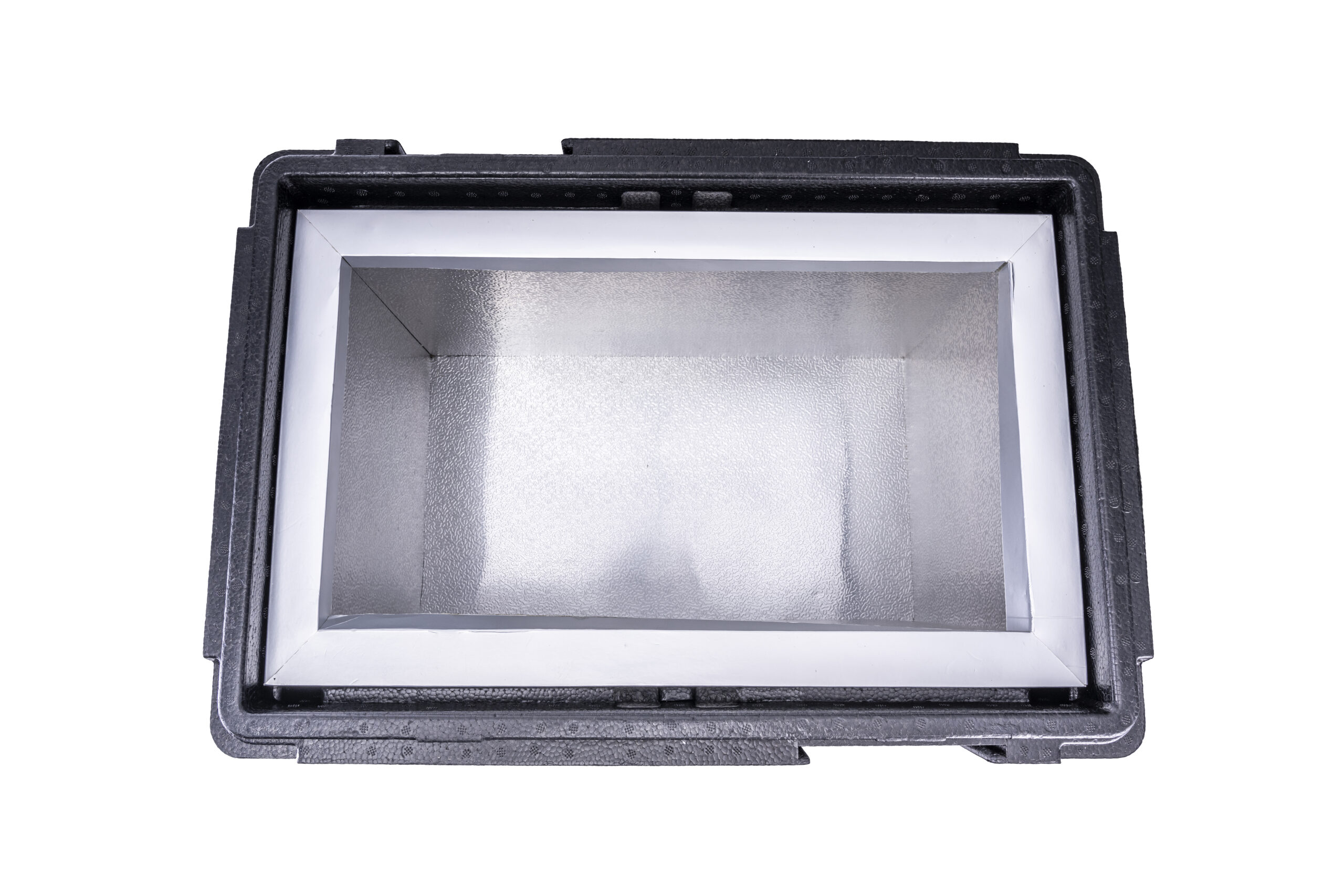
Panel berinsulasi vakum digunakan karena menghilangkan banyak udara dari inti panel dapat mengurangi perpindahan panas konvektif melalui lapisan insulasi.. Dalam praktiknya, panel hanyalah salah satu bagian dari kotak. Panas masih bisa masuk melalui tutupnya, jahitan, sudut, area kait, panel yang rusak, dan pertukaran udara saat kotak dibuka. Itulah sebabnya wadah yang sudah jadi dan kemasannya harus dievaluasi bersama.
Untuk paket farmasi, kit diagnostik, makanan premium, sampel percobaan, dan pengiriman rantai dingin bernilai tinggi yang berulang-ulang, keuntungannya biasanya berupa margin termal ekstra dalam paket yang lebih kecil atau lebih ringan, lebih banyak ruang muatan yang dapat digunakan daripada beberapa format isolasi besar, atau perlindungan yang lebih baik selama paparan lingkungan dalam waktu singkat. Risikonya adalah memperlakukan label VIP sebagai sebuah janji. Kinerja yang dinyatakan pemasok harus diperiksa berdasarkan kondisi pengujian, asumsi muatan, profil lingkungan, konfigurasi pendingin, dan kriteria penerimaan.
Sistem VIP juga memerlukan kesadaran penanganan. Panel yang tertusuk atau hancur dapat menurunkan kinerjanya. Tepian yang tidak terlindungi dengan baik dapat menjadi jembatan termal. Penutup yang tidak menutup dengan cara yang sama setiap saat dapat menimbulkan hasil yang tidak konsisten. Ini bukanlah alasan untuk menghindari teknologi VIP; itu adalah alasan untuk memasukkan inspeksi, pelatihan, dan konsistensi sampel hingga produksi dalam keputusan pembelian.
Pola pikir yang paling berguna adalah menanyakan apa yang sedang dipecahkan oleh isolasi. Dalam topik ini, risiko utama adalah membeli kotak yang tahan lama tanpa kendali pengembalian, kehilangan tutup atau panel, ketidakkonsistenan pembersihan, perubahan sampel-ke-produksi, dan perubahan muatan yang belum diverifikasi. Jika kotak tersebut tidak secara langsung mengurangi risiko tersebut, yang lebih sederhana wadah terisolasi, kendaraan berpendingin, wadah yang aktif, atau paket yang berbeda mungkin lebih tepat.
Bila wadah jenis ini adalah jawaban yang salah
Kotak pengiriman berpendingin VIP untuk wadah termal yang dapat digunakan kembali tidak secara otomatis merupakan pilihan yang paling aman atau ekonomis. Ini mungkin jawaban yang salah ketika rutenya loop terbuka, pelanggan tidak mengembalikan kemasan, alur kerja pembersihan tidak ditentukan, atau produk memerlukan kemasan steril sekali pakai. Mungkin juga kurang cocok jika tim memerlukan penghalang steril sekali pakai, jika pelanggan menolak mengembalikan kemasan, atau jika sumber dingin yang diperlukan untuk muatan tidak dapat ditangani dengan aman di jalur tersebut.
Pemeriksaan kecocokan negatif ini berharga karena mencegah pembelian berlebih. Beberapa pengiriman hanya memerlukan lapisan berinsulasi sederhana, kendaraan berpendingin, A Penutup palet termal, atau perubahan prosedur serah terima. Pengiriman lainnya memerlukan sistem pengiriman termal yang memenuhi syarat dengan pemantauan dan kriteria penerimaan yang terdokumentasi. Wadah harus dipilih setelah risiko ditentukan, bukan sebelumnya.
Pembeli harus meminta pemasok untuk menyatakan tujuan penggunaan dengan jelas serta keunggulan produk. Pemasok yang membantu dapat menjelaskan kegunaan kotak tersebut, asumsi apa yang mendukung kinerjanya, dan kondisi mana yang memerlukan pengujian tambahan. Penetapan batasan seperti itu sering kali lebih berguna dibandingkan daftar panjang fitur promosi.
Spesifikasi itulah yang justru mengubah keputusan pembelian
Kotak pengiriman berpendingin VIP untuk wadah termal yang dapat digunakan kembali dapat terlihat kuat secara teknis dan masih gagal dalam rute sebenarnya jika kemasannya tidak sesuai dengan muatannya. Ruang internal harus memungkinkan produk, pendingin, pemisah, dokumentasi, dan pencatat data apa pun agar pas tanpa memaksa tutupnya atau meletakkan produk di dinding yang hangat. Pembeli harus meminta volume yang dapat digunakan, tidak hanya dimensi luar.
Paparan rute harus dipecah menjadi bagian-bagian praktis: pra-pendinginan, sedang mengemas, penjemputan pertama, perpindahan kendaraan, pementasan gudang, penanganan udara atau paket, upaya pengiriman, dan menerima pemeriksaan. Banyak penyimpangan terjadi pada antarmuka ini karena tanggung jawab berpindah tangan. Oleh karena itu, pemilihan kotak harus dihubungkan dengan pemetaan rute, tidak hanya untuk durasi pengiriman nominal.
| Pos pemeriksaan pembeli | Apa yang harus dikonfirmasi | Mengapa hal ini memengaruhi kinerja |
|---|---|---|
| Sensitivitas kargo | Batas suhu dan penanganan khusus produk | Mencegah penggunaan satu paket untuk produk yang tidak kompatibel |
| Paparan rute | Perkiraan waktu di luar penyimpanan terkontrol dan kemungkinan titik tunggu | Menentukan margin termal yang diperlukan di luar waktu transit normal |
| Muatannya pas | Volume yang dapat digunakan setelah cairan pendingin, liner, dan pembagi | Menghindari menghancurkan kargo atau mengurangi aliran udara pendingin |
| Rencana pendingin | Paket gel, PCM, es kering, atau sumber dingin lainnya jika perlu | Kotak itu memperlambat perolehan panas; pendingin memasok energi panas |
| Bukti | Laporan pengujian, percobaan sampel, atau informasi kualifikasi jalur | Mengurangi ketergantungan pada klaim pemasaran |
Tabel ini sengaja dibingkai sebagai verifikasi dan bukan jaminan kinerja. Itu adalah cara paling aman untuk membandingkan pemasok. Jika pemasok dapat menjelaskan asumsi di balik klaim, pembeli dapat memutuskan apakah asumsi tersebut sesuai dengan rute mereka. Jika asumsinya hilang, klaim tersebut harus diperlakukan sebagai titik awal untuk mengajukan pertanyaan, bukan dasar pembelian.
Untuk distribusi loop tertutup, pengisian cabang, pengumpulan sampel, logistik kesehatan regional, dan program rantai dingin berlangganan, proses penerimaan juga penting. Kotak yang dibuat dengan baik dapat kehilangan nilainya jika penerima barang membiarkannya belum dibuka di tempat yang hangat, membuang catatan suhu, atau mengembalikan wadah tanpa pemeriksaan. Sertakan tim tujuan saat paket sedang dirancang.
Dokumentasi mengubah sebuah kotak menjadi proses yang dapat dikontrol
Untuk pengiriman yang sensitif terhadap suhu, Keputusan pengemasan jarang dinilai hanya dari penampilannya saja. Pembeli biasanya membutuhkan bukti bahwa kiriman telah dikemas dengan benar, dipindahkan dalam kondisi yang diharapkan, dan diterima dalam keadaan yang mendukung pelepasan atau penerimaan. Dokumentasi tidak harus rumit untuk setiap jalur, tapi itu harus sebanding dengan risikonya. Semakin tinggi nilai atau sensitivitas payloadnya, semakin penting mencatat paket tersebut, bukti suhu, serah terima, dan respons penyimpangan.
Kontainer VIP pasif dapat mendukung proses ini, namun hal tersebut tidak secara otomatis membuat pengiriman menjadi patuh, memenuhi syarat, atau dapat diterima untuk setiap pasar. Kepatuhan tergantung pada kategori produk, rute, pembawa, prosedur pengirim, peraturan lokal, dan kesepakatan kualitas antar pihak. Inilah sebabnya mengapa kata-kata yang hati-hati itu penting: kotak tersebut mungkin cocok untuk penggunaan tertentu setelah ditinjau, namun hal ini tidak boleh dianggap disetujui secara universal.
Dokumen yang berguna mungkin mencakup lembar spesifikasi produk, deskripsi bahan, panduan pembersihan, instruksi paket, instruksi pengkondisian awal, ringkasan tes, peta penempatan logger, menerima daftar periksa, dan proses untuk melaporkan penyimpangan atau kerusakan. Untuk sampel makanan berisiko rendah, ini mungkin sederhana. Untuk biologi atau vaksin, beban dokumentasi seringkali jauh lebih tinggi dan harus ditinjau oleh tim mutu.
Alat pengambilan keputusan yang berguna
Periksa detailnya sebelum Anda memilih kemasan
Alat cepat ini dapat membantu Anda membandingkan risiko rute, kebutuhan ukuran, pilihan pendingin, dan detail kemasan sebelum Anda meminta penawaran.
Kalkulator Paket Es
Perkirakan jumlah paket es gel untuk pengiriman dingin dan perencanaan rute yang praktis.
Perkirakan kantong esPelapis Kotak & Ukuran Penutup Palet
Centang kotak logika ukuran penutup palet dan liner untuk proyek pengemasan berinsulasi.
Perkiraan ukuranPembuat Daftar Periksa Kepatuhan
Buatlah daftar periksa praktis untuk tinjauan kemasan, pengiriman, dan dokumentasi.
Buat daftar periksaTujuan praktisnya bukanlah mengurus dokumen untuk kepentingannya sendiri. Hal ini untuk mencegah perselisihan saat membeli kotak tahan lama tanpa kendali pengembalian, kehilangan tutup atau panel, ketidakkonsistenan pembersihan, perubahan sampel-ke-produksi, dan perubahan muatan yang belum diverifikasi. Proses yang jelas memberitahu gudang, pembawa, penerima, dan tim pembelian apa yang harus terjadi sebelum kotak tersebut dianggap siap untuk digunakan berulang kali.
Apa yang harus dikonfirmasi sebelum melakukan penskalaan dari sampel ke produksi
Untuk pembeli menyiapkan persetujuan sampel, pemeriksaan konsistensi produksi, label pengembalian, SOP kebersihan, dan aturan pensiun kotak rusak, keputusan pembelian harus mencakup pertanyaan operasional yang mudah diabaikan selama perbandingan sampel. Sampel yang terlihat kuat di meja mungkin berperilaku berbeda setelah penanganan kurir berulang kali, pementasan ruangan dingin, kondensasi, atau transportasi kembali.
- Tanyakan apakah pemasok dapat menjelaskan kemasan paket farmasi, kit diagnostik, makanan premium, sampel percobaan, dan pengiriman rantai dingin bernilai tinggi yang berulang-ulang dibandingkan hanya mengutip dimensi luar.
- Konfirmasikan apakah kinerja yang dinyatakan didasarkan pada profil pengujian tertentu, muatan, kuantitas pendingin, dan kriteria penerimaan.
- Bandingkan ruang internal yang dapat digunakan dengan muatan aktual setelah cairan pendingin, jangka pembagi garis, dan perangkat pemantauan disertakan.
- Tinjau bagaimana tutupnya, engsel, segel, sudut, dan pegangannya dapat bertahan jika ditangani berulang kali jika wadahnya akan digunakan kembali.
- Tentukan siapa yang memeriksa kontainer yang dikembalikan dan kerusakan apa yang memerlukan perbaikan atau penghapusan dari layanan.
- Periksa apakah unit produksi cocok dengan sampel yang disetujui dalam struktur insulasi, desain penutupan, bahan, dan area pelabelan.
Pertanyaan-pertanyaan ini sengaja dibuat praktis. Pembeli tidak memerlukan setiap pemasok untuk membuat pilihan desain yang sama. Mereka membutuhkan kejelasan yang cukup untuk membandingkan risiko. Wadah yang sedikit lebih berat mungkin dapat diterima jika dapat meningkatkan daya tahan pengembalian. Kotak yang lebih ringkas mungkin lebih baik jika biaya pengiriman penting, tetapi hanya jika cairan pendingin dan muatan masih sesuai tanpa kompresi. Struktur VIP premium mungkin cocok untuk kargo bernilai tinggi, tetapi hanya jika pengoperasiannya dapat melindungi panel selama penggunaan kembali.
Persetujuan sampel juga harus mencakup ekspektasi pengendalian perubahan. Jika pemasok kemudian mengubah tata letak panel, bahan pelapis, gaya kait, sisipan busa, atau rekomendasi cairan pendingin, pembeli harus mengetahuinya sebelum lot produksi dikirimkan. Untuk pengiriman yang diatur atau bernilai tinggi, bahkan perubahan fisik kecil pun mungkin memerlukan peninjauan.
Contoh praktis: bagaimana pembeli dapat menggunakan daftar periksa
Bayangkan distributor layanan kesehatan berpindah dari pengirim busa satu arah ke kotak pengiriman berpendingin VIP yang dapat dipulihkan untuk pengiriman cabang terjadwal. Tim dapat memulai dengan meminta kotak pengiriman berpendingin VIP untuk wadah termal yang dapat digunakan kembali, tetapi nama kontainer hanyalah keputusan lapisan pertama. Mereka perlu memutuskan berapa banyak produk yang masuk ke setiap pengiriman, di mana cairan pendingin akan ditempatkan, bagaimana kotak tersebut akan dikondisikan sebelumnya, berapa lama waktu tunggu selama serah terima, dan catatan apa yang harus disimpan oleh penerima.
Selama peninjauan sampel pertama, tim harus mengemas wadah tersebut persis seperti yang akan dikemas saat dioperasikan. Itu berarti menggunakan muatan produk nyata atau setara termal yang wajar, konfigurasi pendingin sebenarnya, liner atau pembagi yang sama, dan posisi data logger yang direncanakan untuk produksi. Jika pengiriman akan ditangani oleh kurir atau tim gudang, mereka harus diikutsertakan dalam uji coba karena waktu membuka tutup dan penanganan yang kasar dapat mengubah hasil.
Keputusan tersebut mungkin mengungkapkan trade-off. Kotak VIP dapat melindungi suhu lebih baik daripada pengirim busa dasar, tetapi mungkin memerlukan label pengembalian, ruang pembersihan, dan cara mengganti komponen yang aus. Kontainer yang lebih kecil dapat mengurangi biaya pengiriman, tetapi jika tidak ada ruang untuk cairan pendingin atau menimbulkan tekanan pada muatan, penghematan yang tampak itu salah. Pilihan terkuat adalah pilihan yang sesuai dengan bukti termal dan perilaku pengoperasian sehari-hari.
Kesalahan yang menimbulkan risiko rantai dingin setelah pesanan pembelian
Banyak kegagalan yang terkait dengan kotak pengiriman berpendingin VIP untuk wadah termal yang dapat digunakan kembali bukan disebabkan oleh bahan isolasi diri. Itu datang dari keputusan yang dibuat di sekitar kotak: bergegas berkemas, pelabelan yang lemah, prakondisi yang hilang, tidak ada kepemilikan pengembalian, atau tidak ada rencana untuk pengiriman tertunda. Risiko-risiko ini dapat dikelola jika dapat diketahui sejak dini.
- Memperlakukan waktu tunggu yang dipublikasikan sebagai janji universal alih-alih menanyakan profil ambien yang mana, muatan, dan paket digunakan.
- Mengabaikan suhu muatan sebelum pengepakan. Produk hangat yang ditempatkan ke dalam kotak pasif dapat menghabiskan kapasitas termal dengan cepat.
- Dengan asumsi pencatat data atau pelacak GPS melindungi suhu. Pemantauan memberikan bukti dan peringatan; itu tidak menggantikan insulasi atau cairan pendingin.
- Menggunakan kotak yang dapat digunakan kembali tanpa aturan pemeriksaan pengembalian. Panel VIP yang rusak atau komponen penutup yang hilang dapat mengubah kinerja.
- Memilih dimensi luar sebelum memeriksa ruang yang dapat digunakan. Pendingin dan pembagi internal dapat mengurangi ruang muatan secara signifikan.
- Membiarkan tim penerima memutuskan penerimaan secara informal. Penerimaan cek harus ditentukan sebelum kiriman meninggalkan tempat asal.
Benang merahnya adalah asumsi. Pembeli berasumsi bahwa kotak tersebut akan menutupi ketidakpastian rute, gudang berasumsi cairan pendingin telah dikondisikan dengan benar, kurir berasumsi penerima barang sudah siap, dan penerima menganggap data logger adalah tanggung jawab orang lain. Untuk distribusi loop tertutup, pengisian cabang, pengumpulan sampel, logistik kesehatan regional, dan program rantai dingin berlangganan, setiap asumsi harus diubah menjadi langkah sederhana, pemilik, atau aturan penerimaan.
FAQ
Adalah kotak pengiriman berpendingin VIP untuk wadah termal yang dapat digunakan kembali sama dengan wadah berpendingin aktif?
TIDAK. Dalam sebagian besar konteks pembelian rantai dingin, kotak VIP atau Kontainer pengiriman berpendingin VIP adalah paket terisolasi pasif. Ini memperlambat perpindahan panas dan bekerja dengan muatan yang terkondisi, pendingin, PCM, Paket gel, es kering jika diperlukan, atau rute yang terkendali. Ia tidak mendingin secara aktif seperti lemari es bertenaga listrik kecuali sistem aktif terpisah ditentukan.
Informasi apa yang harus saya berikan kepada pemasok sebelum meminta penawaran?
Bagikan jenis muatan, kisaran suhu yang diperlukan, Durasi Pengiriman, paparan lingkungan yang diharapkan, dimensi muatan, serah terima rute, rencana penggunaan kembali, dan persyaratan penerimaan. Untuk paket farmasi, kit diagnostik, makanan premium, sampel percobaan, dan pengiriman rantai dingin bernilai tinggi yang berulang-ulang, pemasok juga perlu memahami apakah pengiriman tersebut berisiko rendah, berhubungan dengan makanan, terkait kesehatan, atau tunduk pada tinjauan kualitas.
Bisakah kontainer VIP menjamin kepatuhan rantai dingin??
Tidak ada komponen kemasan yang dapat menjamin kepatuhan dengan sendirinya. Kepatuhan tergantung pada persyaratan produk, prosedur pengirim, penanganan pembawa, pemantauan, dokumentasi, dan peraturan setempat. Kontainer VIP dapat menjadi bagian dari proses yang memenuhi syarat atau memenuhi syarat ketika dipilih, diuji, penuh sesak, dan digunakan dalam kondisi tertentu.
Bagaimana seharusnya kotak VIP yang dapat digunakan kembali diperiksa?
Kotak yang dikembalikan harus diperiksa apakah ada panel yang rusak, cangkang retak, kait rusak, liner kotor, label yang hilang, bau, daerah basah, dan perubahan yang dapat mempengaruhi penutupan. Aturan inspeksi harus cukup sederhana untuk diikuti oleh tim gudang, dan unit yang rusak harus diperbaiki, diuji jika diperlukan, atau dihapus dari layanan.
Apa cara paling aman untuk membandingkan dua pemasok?
Mintalah kedua pemasok untuk menjelaskan asumsi pengujian, kesesuaian muatan, struktur material, konsistensi sampel hingga produksi, panduan pembersihan atau penggunaan kembali, dan apa yang tidak akan mereka klaim tanpa data rute. Jawaban yang lebih jelas seringkali lebih berharga daripada pernyataan pemasaran yang paling kuat.
Kesimpulan
Kotak pengiriman berpendingin VIP untuk wadah termal yang dapat digunakan kembali harus dipilih sebagai sistem pengiriman, bukan sebagai objek yang berdiri sendiri. Mulailah dengan muatannya, kisaran suhu yang diperlukan, paparan rute, serah terima, rencana pendingin, dan proses penerimaan. Kemudian bandingkan pemasok dengan bukti, volume yang dapat digunakan, kejelasan paket, dan konsistensi dari sampel hingga produksi.
Keputusan terkuat biasanya bersifat konservatif: memverifikasi klaim yang mempengaruhi keamanan atau penerimaan produk, menghindari janji-janji universal, dan tentukan bagaimana wadah akan dikemas, dipantau, diterima, dibersihkan, dan digunakan kembali. Kotak yang lebih baik dapat menghasilkan margin termal yang lebih banyak, namun hanya proses terkontrol yang dapat mengubah margin tersebut menjadi kinerja rantai dingin yang andal.
Tentang Tempk
Dukungan Tempk kemasan rantai dingin diskusi untuk pembeli yang membutuhkan perlindungan termal pasif yang praktis daripada bahasa kemasan yang umum. Untuk topik ini, peran kami adalah membantu tim meninjau diskusi pendukung wadah termal yang dapat digunakan kembali seputar isolasi pasif, pendingin cocok, dan tinjauan pengemasan khusus rute. Kita bisa mendiskusikan ukuran muatan, paparan rute, pendingin atau PCM cocok, penanganan yang dapat digunakan kembali, dan apa yang harus diverifikasi sebelum sampel atau pesanan massal disetujui. Tujuannya bukan untuk mengklaim bahwa satu kotak cukup untuk setiap pengiriman, tetapi untuk membantu Anda mempersempit wadah dan kemasan yang sesuai dengan kondisi pengoperasian Anda yang sebenarnya.
Bagikan rute Anda, muatan, kisaran suhu target, dan menggunakan kembali ekspektasi dengan Tempk. Kami dapat membantu Anda membandingkan apakah kotak pengiriman berpendingin VIP untuk wadah termal yang dapat digunakan kembali merupakan pilihan yang masuk akal atau apakah pendekatan pengemasan pasif lainnya harus ditinjau terlebih dahulu.