Kotak Pengiriman VIP untuk Pengiriman Toko Kue: Terbukti Cocok
Kesimpulan praktisnya adalah kotak pengiriman VIP untuk pengiriman toko makanan adalah kandidat kuat ketika ruang parsel terbatas, paparan lingkungan yang sulit, atau makanan berharga yang mudah rusak memerlukan ketahanan termal yang lebih tinggi. Ini hanya berhasil sebagai sistem pasif yang lengkap: panel yang dilindungi, pendingin yang kompatibel, paket makanan utama yang disegel, tata letak yang berulang, kinerja waktu-suhu yang diuji, dan aturan penerimaan yang menentukan. Tidak ada suhu toko makanan atau umur simpan yang universal, dan lebih dingin tidak selalu lebih baik. VIP juga tidak secara otomatis merupakan pilihan yang lebih ramah lingkungan; bandingkan kehilangan makanan, penggunaan bahan, kargo, pemulihan, dan penggunaan kembali yang sebenarnya sebelum membuat klaim keberlanjutan.
Lewati empat gerbang sebelum memilih VIP
Cara tercepat untuk menghindari ketidaksesuaian yang mahal adalah dengan mengharuskan kiriman melewati empat gerbang keputusan.
Gerbang 1: kebutuhan pangan diketahui. Tentukan kondisi pengiriman dan penyimpanan pabrikan, batas keamanan, batas kualitas yang lebih ketat jika berlaku, sisa umur simpan pada saat pengiriman, suhu awal produk, dan kriteria penerimaan. Lakukan ini pada irisan daging siap santap, keju, pâté, terrine, salad, saus, dan pengiring secara terpisah. Toko kue adalah kategori barang dagangan, bukan klasifikasi suhu teknis.
Gerbang 2: jalur tersebut menciptakan kebutuhan isolasi yang nyata. Hitung waktu dari penyimpanan terkontrol di tempat asal hingga pengepakan, menjemput, penyortiran, pengiriman, dan menerima disposisi. Sertakan skenario penundaan yang wajar dan paparan musiman. Jika liner berinsulasi atau kotak EPP yang memenuhi syarat memenuhi persyaratan dengan margin yang sesuai, VIP dapat menambah sensitivitas biaya dan penanganan tanpa nilai operasional yang cukup.
Gerbang 3: paketnya bisa diulang. Ruang internal yang diusulkan harus sesuai dengan muatan yang diizinkan, pendingin, jangka pembagi garis, dan membatalkan kontrol tanpa operator memaksa penutup atau melakukan improvisasi. Pengondisian cairan pendingin dan urutan pemuatan memerlukan instruksi kerja yang dapat diikuti oleh tim pengepakan yang sibuk.
Gerbang 4: bukti mendukung perakitan yang telah selesai. Konduktivitas material saja tidak menentukan waktu tahan. Tinjau geometri kotak, muatan, pendingin, suhu awal, profil lingkungan, sensor, batas kelulusan, tekanan fisik, jumlah bangunan, dan penyimpangan. Persetujuan milik konfigurasi bernama, bukan kata-kata “kotak VIP”.
Jika ada gerbang yang tetap terbuka, memperlakukan desain sebagai prototipe. Itu adalah status yang berguna karena membuat pekerjaan yang hilang terlihat.
Terjemahkan bermacam-macam toko makanan ke dalam persyaratan termal
Mulailah dengan bahaya dan kualitas, kemudian membangun spesifikasi logistik. Banyak daging deli, keju lembut, dan pâtés adalah makanan siap saji yang didinginkan. Beberapa sosis kering, keju tua, atau produk yang disegel mungkin stabil dalam penyimpanan jika formulasi dan prosesnya yang tervalidasi mendukung status tersebut. Barang beku dan makanan siap saji panas membentuk kelas pengiriman yang berbeda. Jangan pernah menyimpulkan kelas dari penampilan, harga, menyembuhkan bahasa, atau di mana barang itu berada di toko.
Makanan siap saji memerlukan perhatian khusus karena konsumen mungkin tidak menerapkan langkah memasak yang mengurangi bahaya biologis. Pusat Pengendalian dan Pencegahan Penyakit menjelaskan bahwa pendinginan tidak membunuh Listeria, dan Badan Pengawas Obat dan Makanan mencatat bahwa organisme tersebut dapat bertahan hidup dan tumbuh di bawah lemari es. Isolasi memperlambat perolehan panas; itu tidak memperbaiki sanitasi yang buruk, menghilangkan kontaminasi, atau mengatur ulang umur simpan.
Buat daftar apa yang harus tetap terpisah. Kemasan yang sangat terkondisi dapat menyebabkan kegagalan kualitas kontak dingin pada keju atau emulsi kaya lemak. Paket daging yang bocor dapat mencemari item lainnya. Susu, telur, ikan, kacang pohon, gandum, wijen, atau alergen lain yang diatur mungkin ada dalam makanan dan makanan pendamping. Paket memerlukan pemisahan fisik, segel yang dapat diandalkan, dan pelabelan yang akurat serta kinerja termal.
Tentukan profil pesanan minimum dan maksimum. Ruang penuh yang padat memiliki inersia termal yang berbeda dari kotak hadiah ringan yang penuh dengan udara dekoratif. Stoples pâté kaca menghantarkan dan menyimpan panas secara berbeda dari nampan busa berisi irisan daging. Jika pergantian pemain diperbolehkan, mendokumentasikannya berdasarkan kesetaraan termal dan fisik atau mengirimkannya melalui peninjauan. Pemasaran dapat mengubah pilihan dalam semalam; kemasan yang memenuhi syarat tidak bisa.
Bagaimana sistem mengontrol panas
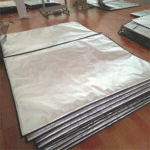
Panel insulasi vakum membungkus inti berpori dalam selubung penghalang tinggi dan menghilangkan sebagian besar gas internal. Itu menekan konduksi dan konveksi gas, yang dapat memberikan panel konduktivitas termal bagian tengah panel yang jauh lebih rendah dibandingkan busa konvensional dengan ketebalan yang sama. Dinding tipis dapat menjaga ruang muatan di dalam karton dengan batas pengangkut.
Namun pengirim bersisi enam bukanlah panel yang tak terbatas. Panas menjalar ke seluruh wajah, tepi panel terlipat atau tersegel, sudut, tutupnya, jahitan, dan jembatan struktural apa pun. Penelitian mengenai selubung penghalang VIP menunjukkan ketegangan desain yang asli: penghalang gas yang kuat membantu mempertahankan ruang hampa, sementara lapisan logam dan tepi panel dapat meningkatkan penghubungan termal. Masuknya gas dan uap air secara bertahap mengubah kinerja, dan suhu tinggi dapat mempercepat permeabilitas penghalang. Sebuah tusukan, lipatan tajam, atau segel yang rusak dapat menyebabkan kehilangan lebih cepat.
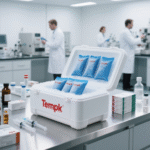
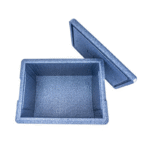
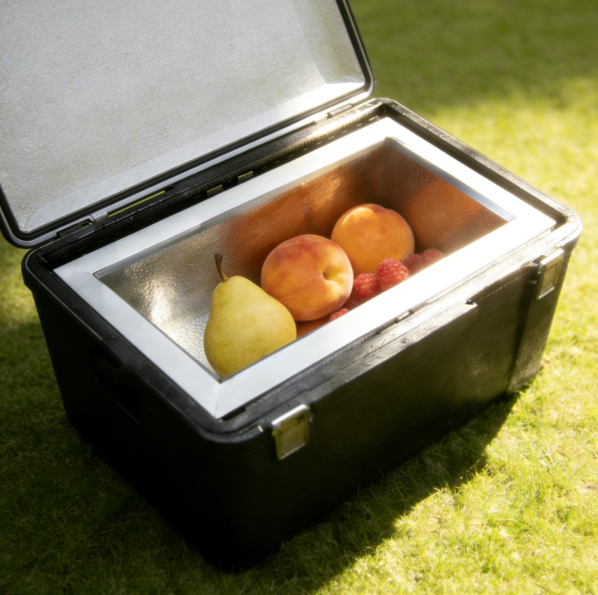
Itu sebabnya seorang VIP membutuhkan perlindungan. Kisaran resmi Tempk, Misalnya, termasuk pengaturan yang didukung panel dengan cangkang plastik, Kotak Epp, atau liner. Cangkang pelindung berkontribusi terhadap ketahanan benturan dan struktur penanganan; itu tidak membuat setiap panel kebal terhadap kerusakan. Tetapkan cek masuk, pemeriksaan sebelum digunakan, karantina, dan kriteria pensiun dengan pemasok.
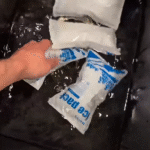
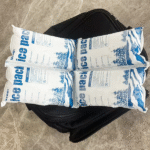
Pendingin membawa cadangan termal. Massanya, perilaku fase, kondisi awal, luas permukaan, dan penempatannya menentukan bagaimana ia menyerap panas yang masuk. Paket gel menyesuaikan diri di sekitar produk yang tidak teratur; kaku batu bata es dapat membantu membakukan tata letak; bahan pengubah fasa dapat dipilih sesuai kebutuhan produk. Tidak ada yang mempertahankan rentang stabil secara otomatis. Pendingin yang dipilih termasuk dalam daftar bahan yang telah diuji sama seperti kotaknya.
Produk itu sendiri menyumbangkan massa termal. Makanan hangat akan segera menghabiskan cadangan cairan pendingin. Tentukan waktu maksimum penyimpanan terkontrol selama pengambilan dan pengepakan, dan mengontrol persiapan cairan pendingin dengan kriteria yang terukur dibandingkan “membekukan semalaman”.
Bandingkan sistem dalam kondisi yang sama
Perbandingan pengadaan sering kali gagal karena pemasok mengutip ukuran luar yang berbeda, muatan, profil pengujian, dan definisi waktu tunggu. Normalisasikan use case terlebih dahulu.
| Faktor keputusan | Hibrida VIP | pendingin EPP | Lapisan karton terisolasi |
|---|---|---|---|
| Ruang muatan pada ukuran luar tetap | Seringkali menguntungkan karena dindingnya bisa lebih tipis | Volume dinding yang lebih besar mungkin diperlukan | Bervariasi menurut jenis liner dan lipatan |
| Menangani toleransi | Membutuhkan perlindungan panel yang disengaja | Umumnya cocok untuk penanganan berulang | Sangat bergantung pada karton dan penutupan |
| Cocok untuk putaran balik | Mungkin dengan inspeksi dan kontrol komponen | Seringkali praktis pada rute tertutup | Umumnya cocok untuk pengiriman satu arah |
| Bukti itu penting | Data termal dan pascabenturan yang lengkap | Panas, penutup, pembersihan, dan data ketahanan | Sesuai karton, panas, kelembaban, dan data penutupan |
| Pertanyaan terbaik | Apakah kinerja dinding tipis memecahkan kendala rute yang terdokumentasi?? | Akankah ruang yang dapat digunakan dan operasi pengembalian berfungsi? | Apakah rutenya cukup dapat diprediksi untuk paket sederhana ini? |
Gunakan batas eksternal yang sama, muatan yang dapat digunakan, simulasi makanan atau produk sebenarnya, kondisi pendingin, profil lingkungan, rencana sensor, dan kriteria penerimaan. Sistem EPP yang memenuhi syarat dapat mengungguli pengirim VIP yang dirakit dengan buruk. Sebuah liner mungkin merupakan pilihan yang bertanggung jawab pada jalur pendek yang dapat diprediksi. VIP dibenarkan oleh keunggulan sistem yang terverifikasi, bukan karena prestise materi.
Memenuhi syarat dari prototipe hingga produksi
Tulis spesifikasi kebutuhan pengguna sebelum meminta klaim kinerja. Itu harus menyatakan profil makanan, kondisi suhu yang dapat diterima, jangkauan muatan, pergantian pemain yang diizinkan, jalur dan waktu darurat, paparan lingkungan, asumsi orientasi paket, batas ukuran eksternal, dan menerima keputusan. Identifikasi kondisi mana yang melindungi keselamatan dan mana yang melindungi kualitas.
Alat pengambilan keputusan yang berguna
Periksa detailnya sebelum Anda memilih kemasan
Alat cepat ini dapat membantu Anda membandingkan risiko rute, kebutuhan ukuran, pilihan pendingin, dan detail kemasan sebelum Anda meminta penawaran.
Kalkulator Ice Pack
Perkirakan jumlah paket es gel untuk pengiriman dingin dan perencanaan rute yang praktis.
Perkirakan kantong esReferensi Bahan Isolasi
Bandingkan pilihan bahan insulasi untuk kebutuhan pengemasan rantai dingin yang berbeda.
Bandingkan bahanPendingin & Referensi PCM
Bandingkan opsi cairan pendingin dan PCM ketika suatu rute memerlukan dukungan suhu tambahan.
Bandingkan pilihanPilih metode pengujian yang relevan. ASTM D3103-20(2025) membahas kinerja isolasi termal paket distribusi pada suhu lingkungan yang bervariasi dan menekankan nilai pengujian paket sebenarnya. Iso 22982-1 mencakup persyaratan umum untuk paket pengangkutan parsel dengan suhu yang dikontrol, sementara ISO 22982-2 alamat fisik, daya konduksi, dan uji kinerja insulasi. ISO secara eksplisit menjaga keselamatan dan sanitasi di luar cakupan Bagian 1.
ISTA 7E menawarkan profil panas dan dingin standar yang dikembangkan dari data transportasi paket. Ini membantu membandingkan dan mengkualifikasi sistem secara umum, namun ISTA membedakannya dari data jalur yang disesuaikan dan kualifikasi kasus terburuk yang disesuaikan. Gunakan profil standar jika diperlukan, lalu tambahkan kondisi turunan jalur saat geografi, musim, melayani, atau risiko penundaan berada di luar dasar desain.
Instrumen kemungkinan besar berada di lokasi yang hangat dan dingin. Sensor udara tengah dapat melewatkan sudut tutup yang hangat dan titik kontak cairan pendingin produk yang dingin. Gunakan perangkat yang dikalibrasi dengan ketidakpastian dan pengambilan sampel yang sesuai, menyinkronkan jam, dan nyatakan bagaimana hasilnya akan diinterpretasikan. Jika pengukuran produk tidak praktis, membenarkan geometri simulan, massa, suhu awal, dan sifat termal.
Jalankan kasus batas dengan beberapa build dan operator. Sertakan muatan minimum dan maksimum, pola kosong yang diperbolehkan, pengkondisian pendingin musiman, dan penundaan yang relevan. Gabungkan bukti termal dan fisik: dampak parsel, getaran, atau kompresi dapat mengubah penutupan atau merusak panel sebelum bagian rute terpanas. Tentukan terlebih dahulu kriteria penerimaan dan kegagalan dokumen daripada menyesuaikan laporan dengan hasil yang menguntungkan.
Pengalihan produksi merupakan risiko tersendiri. Bekukan bill of material, gambar, pengaturan panel, spesifikasi pendingin, karton, pemisah, dan instruksi kerja. Bandingkan unit produksi dengan sampel yang disetujui. Minta pemasok untuk memberi tahu Anda sebelum melakukan perubahan pada inti atau penghalang panel, kerang, perekat, ukuran, film pendingin atau isi, atau fitur lain yang mungkin mempengaruhi kinerja. Pengendalian perubahan memutuskan apakah penilaian atau pengujian ulang diperlukan.
Jaga kepatuhan pangan pada lapisan yang tepat
Kode Makanan FDA adalah model keamanan ritel dan layanan makanan yang ditawarkan kepada negara, lokal, kesukuan, teritorial, dan yurisdiksi federal untuk diadopsi. Ini bukan peraturan transportasi universal. Ketentuan-ketentuannya dapat memberikan informasi kepada pengendalian suatu perusahaan, namun dunia usaha harus memverifikasi persyaratan lokal yang diadopsi dan peraturan untuk produk dan pasar mereka.
Aturan transportasi sanitasi FDA berlaku untuk wilayah AS tertentu. pengirim, loader, kendaraan bermotor atau kereta api, dan penerima, tergantung pada ruang lingkupnya, pengecualian, dan keringanan. Ini membahas peralatan yang sesuai dan dapat dibersihkan, kontrol suhu diperlukan untuk keselamatan, perlindungan makanan siap saji, kontak silang alergen, pelatihan dalam pengaturan tertentu, dan catatan. Undang-undang tidak menerapkan aturan tersebut pada pengangkutan melalui udara atau kapal, meskipun kewajiban dan kontrak lain dapat mengatur cara-cara tersebut.
Kepatuhan terhadap kontak makanan mengikuti kontak yang dimaksudkan. VIP yang tersembunyi di dalam dinding luar tidak boleh diiklankan sebagai panel food grade tanpa dukungan khusus produk. Baki yang tersegel, kantong, membungkus, wadah stoples, pembagi, atau penyerap yang menyentuh makanan harus sesuai dengan kondisi yang diinginkan. FDA mengatur zat yang bersentuhan dengan makanan di Amerika Serikat; Uni Eropa menerapkan kerangka kerjanya pada bahan yang dapat bersentuhan dengan makanan. Jaga agar deklarasi pendukung tetap sesuai dengan materi sebenarnya, menggunakan, suhu, dan pasar.
Sanitasi dan alergen tidak hilang di dalam kotak pendingin. Lindungi makanan siap saji yang disegel dari bahan mentah dan cairan pendingin yang bocor. Pertahankan label lot dan bahan. Di Amerika Serikat, wijen telah bergabung dengan delapan alergen utama yang telah ditentukan sebelumnya untuk kebutuhan makanan kemasan yang berlaku. Pasar tujuan menggunakan daftar dan aturan alergen mereka sendiri, jadi hambatan global memerlukan tinjauan pasar daripada label yang disalin.
Lepaskan setiap paket melalui alur kerja yang terkendali
Di bangku pengepakan, hanya menampilkan komponen saat ini dan menampilkan diagram ringkas. Verifikasi jumlah dan kondisi makanan, persiapan pendingin, jumlah komponen, jangka pembagi garis, kendali kosong, aktivasi logger di mana digunakan, tempat duduk tutup, bukti perusakan, versi label, dan waktu penyelesaian. Hubungkan catatan operator ke revisi paket. Seorang logger dapat memberikan bukti paparan, tapi ia tidak bisa mendinginkan makanan atau membuktikan produksi yang sehat.
Saat diterima, periksa kartonnya, segel tamper, kelembaban, penumpasan, segel produk, kebocoran cairan pendingin, dan waktu yang telah berlalu. Ukur di lokasi yang disetujui dan pengecualian karantina untuk tinjauan terlatih; bau, penampilan, dan cairan pendingin yang tersisa tidak diuji pelepasannya. Untuk sistem yang dapat digunakan kembali, menyimpan bukti kerusakan, lalu bersihkan, membersihkan jika diperlukan, kering, memeriksa, dan mencatat kembalinya layanan berdasarkan prosedur yang sesuai dengan material. ISO/TS 22984 menawarkan panduan yang relevan, sementara bisnis makanan tetap bertanggung jawab atas operasionalnya sendiri.
Membuat klaim keberlanjutan dapat diukur
VIP yang tipis dapat mengurangi volume paket atau permintaan cairan pendingin dalam desain yang berkualitas, tetapi gabungan penghalang dan intinya mungkin sulit dipulihkan melalui pengumpulan biasa. Penggunaan kembali mendistribusikan dampak produksi hanya ke seluruh wilayah yang sudah selesai, dibersihkan, siklus pengembalian yang dapat diservis. Bandingkan sistem per pengiriman yang berhasil dengan melacak massa komponen, rasio muatan, kargo, penolakan makanan, penggantian, kembali, pencucian, kerusakan, memperbaiki, dan akhir kehidupan yang sebenarnya.
Peraturan Pengemasan dan Limbah Pengemasan Uni Eropa mulai berlaku pada bulan Februari 2025 dan umumnya berlaku mulai bulan Agustus 2026. Arah siklus hidupnya mencakup minimalisasi kemasan dan tujuan daur ulang, sedangkan tugas pastinya bergantung pada sistem dan operator yang telah selesai. Jelaskan kemampuan daur ulang berdasarkan komponen dan pasar tujuan. Pendekatan material berkelanjutan EPA juga mendukung pencegahan kehilangan pangan, karena makanan yang ditolak membawa sumber daya yang digunakan untuk memproduksinya, proses, Dingin, dan mendistribusikannya.
Pertanyaan yang sering diajukan
Berapa lama kotak deli VIP akan tetap dingin?
Tidak ada jawaban universal yang bertanggung jawab. Durasi tergantung pada kotak yang sudah jadi, kondisi panel, pendingin dan pengkondisian, suhu awal produk, massa muatan dan geometri, profil lingkungan, penanganan, dan rentang penerimaan. Meminta penelusuran suhu waktu untuk paket yang tepat atau representatif dan menguji skenario normal dan penundaan rute sebelum menetapkan durasi kerja.
Apakah kotak VIP lebih aman daripada kotak berinsulasi biasa?
VIP dapat memberikan insulasi yang lebih kuat pada dinding yang lebih tipis, namun keamanan pangan bergantung pada sistem yang terkontrol sepenuhnya. Panel yang rusak, pendingin yang salah, produk bermuatan hangat, sanitasi yang buruk, paket utama bocor, atau aturan penerimaan yang lemah dapat mengalahkan keunggulan tersebut. Bandingkan sistem yang memenuhi syarat dalam kondisi yang sama dan pertahankan kontrol keamanan pangan yang beroperasi sebelum dan sesudah pengangkutan.
Bisakah satu paket mengirimkan daging, keju, dan pâté bersama-sama?
Mungkin, jika kondisi yang disetujui kompatibel dan tata letak yang diuji mencakup muatan gabungan. Periksa sensitivitas kontak dingin, integritas paket utama, alergen, kontaminasi silang, geometri, massa minimum dan maksimum, dan status umur simpan. Jika persyaratan bertentangan, memisahkan produk atau mengembangkan konfigurasi lain daripada membuat rata-rata batasnya.
Kapan kotak VIP yang dapat digunakan kembali harus dihentikan?
Gunakan yang didukung pemasok, kriteria khusus desain. Tanda-tanda peringatan mungkin termasuk tusukan, lipatan yang parah, pembengkakan, segel tepi rusak, kegagalan cangkang, keausan penutupan, tanah atau bau yang persisten, kebocoran cairan pendingin, atau penyimpangan termal yang tidak dapat dijelaskan. Karantina komponen yang meragukan alih-alih menambalnya. Catat inspeksi dan penghentian sehingga kegagalan berulang dapat menyebabkan koreksi desain atau penanganan.
Setujui sistem, lalu kendalikan rutinitasnya
VIP layak dibeli ketika rute dan muatan memerlukan kinerja termal berdinding tipis dan perakitan lengkap membuktikan keunggulan tersebut. Tentukan kondisi masing-masing makanan, menguji muatan dan penundaan batas, melindungi panel, mengontrol cairan pendingin, dan menghubungkan bill of material yang disetujui untuk mengemas dan menerima instruksi. Tinjau kontak makanan, kebersihan, alergen, ruang lingkup transportasi, dan keberlanjutan sebagai aliran bukti mereka sendiri. Hal ini menghasilkan keputusan pengiriman makanan yang dapat dipertahankan oleh operasi dan tim kualitas Anda.
Tentang tempk
Daftar sementara Kotak berinsulasi VIP dengan panel yang dapat dilepas atau terintegrasi dan desain hybrid yang dapat menggabungkan VIP dengan cangkang plastik, Kotak Epp, atau liner. Kami juga menawarkan paket gel yang relevan, batu bata es, dan opsi PCM untuk paket pasif. Peran praktis kami adalah mengubah profil makanan Anda, muatan yang dapat digunakan, paparan rute, rencana pendingin, perlindungan panel, dan menggunakan kembali kebutuhan ke dalam daftar produk dan contoh diskusi. Kinerja akhir dan kesesuaian harus diverifikasi dengan konfigurasi dan bukti yang diinginkan sebelum rilis produksi.
Hubungi Tempk untuk membandingkan produk relevan yang terverifikasi, termasuk format kotak VIP, alternatif EPP, liner terisolasi, dan opsi paket gel. Bagikan kebutuhan makanan Anda, jangkauan muatan, jalur, dan menguji ekspektasi sehingga langkah selanjutnya adalah rencana sampel yang dapat ditinjau, bukan klaim umum.