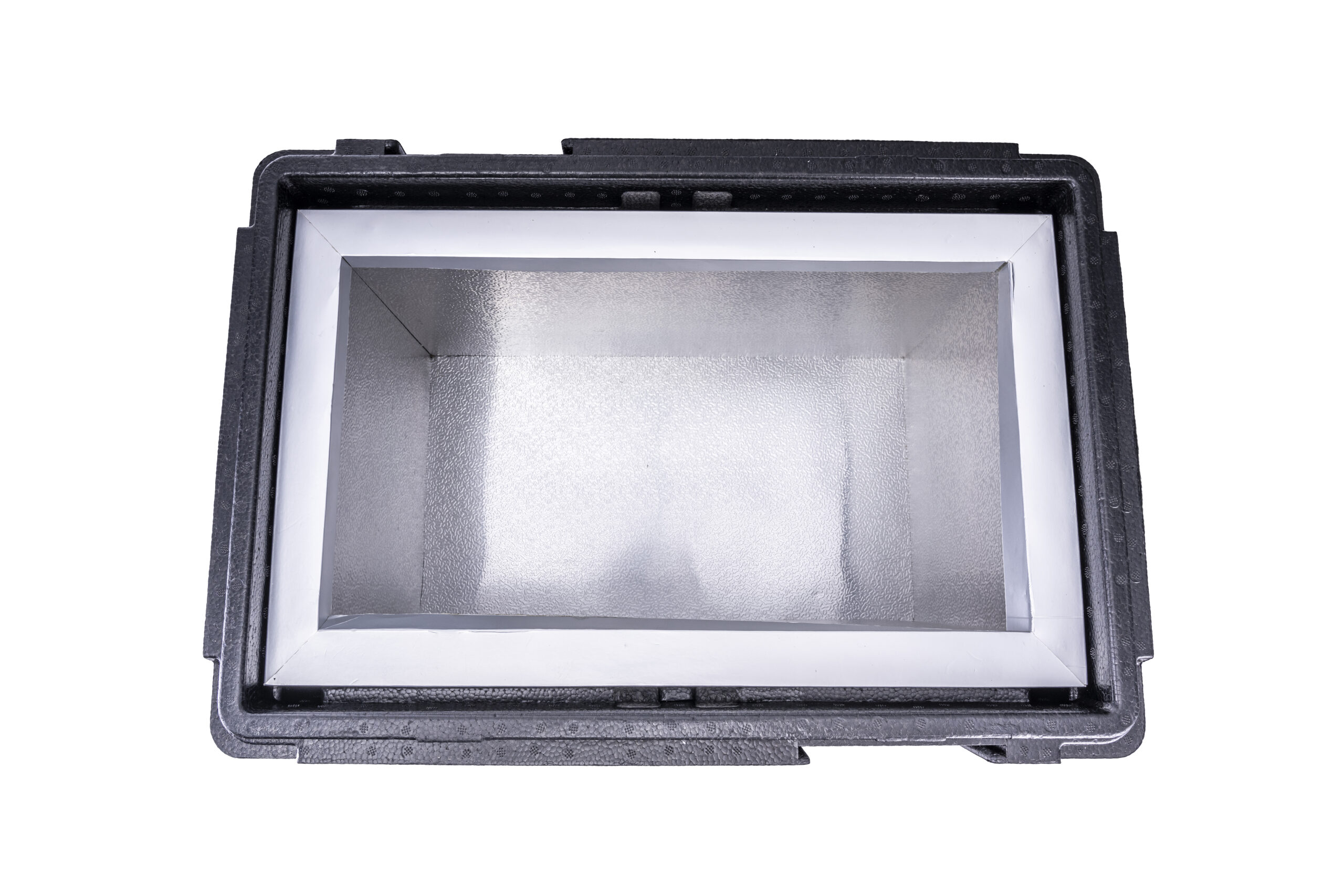
Memilih VIP Kontainer Pengiriman untuk Rantai Dingin Kosmetik
Kontainer pengiriman VIP untuk rantai dingin kosmetik harus dipilih hanya jika bukti produk menunjukkan risiko termal yang berarti dan analisis rute menunjukkan bahwa insulasi pasif berkinerja tinggi dapat dibenarkan.. Kosmetik tidak memiliki aturan pengiriman universal 2°C hingga 8°C, dan banyak yang tidak memerlukan pendinginan. VIP yang utuh memperlambat aliran panas tetapi tidak mendinginkan muatan; PCM atau media termal lain yang disetujui, pengkondisian, geometri, dan pengepakan membuat profil suhu. Pembeli harus mengevaluasi sistem, kendalikan dalam penggunaan rutin, dan menilai keberlanjutan di seluruh material, kehilangan produk, kargo, pemulihan, dan menggunakan kembali. Itulah kesimpulan-kesimpulan yang membedakan solusi yang dapat dipertahankan dengan solusi yang mahal.
Bukti produk muncul sebelum desain rantai dingin
Masukan yang paling penting adalah kondisi kosmetik yang disetujui dalam kemasan utama yang dipasarkan. Lembar data bahan mentah dapat mengidentifikasi bahan sensitif, tetapi hal ini tidak secara otomatis menentukan stabilitas formula lengkap. Sistem emulsi, paket antioksidan, sistem pengawet, ruang kepala, penghalang kontainer, penutup, dan proses manufaktur dapat mengubah cara produk merespons panas, dingin, lampu, oksigen, dan waktu.
FDA menjelaskan bahwa perubahan suhu dan paparan sinar matahari dan udara dapat mengubah warna kosmetik, tekstur, dan bau. Kelembapan dan panas juga dapat mempengaruhi kinerja bahan pengawet dan kondisi pertumbuhan mikroba. ISO/TR 18811:2018 menyediakan kerangka pengujian stabilitas sambil secara eksplisit meninggalkan metode, kondisi, spesifikasi, dan kriteria penerimaan bagi produsen karena produk dan kegunaan kosmetik sangat bervariasi.
Bukti tersebut mungkin mengarah pada beberapa pengendalian transportasi yang berbeda. Balsem mungkin memerlukan batas atas untuk mencegah pelunakan. Emulsi yang kaya air mungkin memerlukan perlindungan dari panas dan pembekuan. Produk yang mudah menguap dapat lebih bergantung pada integritas segel dan perlindungan cahaya. Pembersih yang kuat mungkin hanya memerlukan tindakan pencegahan distribusi normal. Kata “kosmetik” tidak bisa memilih salah satunya.
Perlakukan VIP, pendingin, dan muatan sebagai satu rakitan termal
Panel isolasi vakum menempatkan inti pendukung berpori di dalam selubung penghalang tinggi dan menghilangkan sebagian besar gas internal. Konduksi gas yang lebih rendah memberikan panel utuh ketahanan termal yang tinggi untuk ketebalannya. Potensi dinding tipis berguna ketika pengirim harus menjaga ruang muatan dalam batas ukuran parsel atau menambahkan ketahanan termal tanpa dinding busa yang besar..
Panel adalah salah satu elemen aliran panas. Tepian, bahan amplop lipat, sendi, sudut, tutup, penutupan, dan penyangga struktural dapat menjembatani panas di sekitar pusatnya. Oleh karena itu, kinerja kotak yang efektif dapat berbeda secara signifikan dari nilai konduktivitas tengah panel yang baru. Gas atau uap air yang masuk ke dalam selubung seiring waktu dapat menurunkan insulasi, sementara kebocoran atau kegagalan segel dapat menyebabkan kerugian lebih cepat. Desainnya harus melindungi panel dari alat pengepakan, sudut produk, penanganan berulang, dan membersihkan.
Kontainer VIP pasif tidak memiliki pendingin bertenaga atau pengontrol umpan balik. Perilaku temperaturnya berasal dari kondisi awal dan keseimbangan antara aliran panas lingkungan dan kapasitas termal di dalamnya. PCM menambahkan penyimpanan panas laten di dekat transisi fasenya, ketika Paket gel, batu bata es, atau media lain yang disetujui dapat memberikan perilaku pendinginan yang berbeda. Tidak ada satupun yang cocok secara universal.
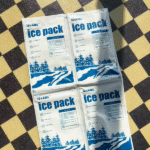
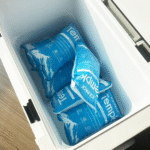
Pilih cairan pendingin terhadap batas produk atas dan bawah. PCM yang lebih dingin tidak secara otomatis lebih aman. Permukaan beku yang diletakkan di samping botol yang sensitif terhadap beku dapat menciptakan zona dingin lokal meskipun sensor udara sentral terlihat dapat diterima. Kemasannya mungkin memerlukan unit yang dikondisikan daripada unit yang dibekukan secara mendalam, kantong tetap, jangka pembagi garis, atau lapisan penyangga. Elemen-elemen tersebut harus ditunjukkan pada gambar terkontrol.
Payload juga merupakan bagian dari perakitan. Massa produk menyumbang inersia termal, karton primer mempengaruhi aliran udara, dan ruang kosong memungkinkan pergerakan. Pesanan satu botol dan satu wadah penuh dapat menciptakan lokasi panas dan dingin yang berbeda. Oleh karena itu, volume internal bruto merupakan ukuran pembelian yang buruk. Mintalah dimensi ruang yang dapat digunakan setelah VIP, pendingin, pemisah, sisipan, dan perangkat pemantauan sudah tersedia.
Terjemahkan jalur pengiriman ke dalam kondisi yang dapat diuji
Profil rute harus mencakup seluruh waktu di luar kondisi penyimpanan yang disetujui. Sertakan pementasan pra-operator, menjemput, penyortiran, tangkapan garis, bea cukai, kendaraan jarak jauh, pengiriman gagal, Weekend Dwell, dan menerima. Waktu layanan pengangkut saja tidak termasuk beberapa tempat di mana paket menghadapi udara yang tidak terkendali atau pemanasan matahari langsung.
Pisahkan bahaya musim panas dan musim dingin. Desain yang dimaksudkan untuk menahan panas musim panas mungkin memerlukan pengkondisian PCM yang berbeda dari desain yang dimaksudkan untuk melindungi dari rendaman dingin di musim dingin. Jika konfigurasi satu tahun sepanjang diusulkan, menguji apakah ia mengontrol kedua arah tanpa membuat pelanggaran batas baru. Paket musiman bisa lebih mudah untuk dioptimalkan, namun memerlukan tanggal pergantian yang jelas, identitas komponen, pelatihan, dan pengendalian persediaan.
Gunakan muatan komersial aktual atau pengganti termal yang dibenarkan. Dokumentasikan jumlah unit, tingkat pengisian, suhu awal, orientasi, dan kemasan primer. Tentukan profil sekitar, lamanya, lokasi sensor, kemampuan pencatat, kriteria lulus, dan mengizinkan pengkondisian awal. Referensi seperti ISTA 7E dapat membantu menyusun pengujian termal paket, namun batasan spesifik produk dan relevansi jalur masih harus ditetapkan.
Pantau kemungkinan titik panas dan dingin daripada mengandalkan satu sensor tengah. Suhu udara, suhu permukaan botol, dan massa simulasi produk memiliki waktu respons yang berbeda, jadi protokol harus menyatakan apa yang diwakili oleh setiap pengukuran. Ketidakpastian pengukuran dan kalibrasi sensor penting ketika hasil mendekati batas.
Ulasan ringkas untuk pergi atau tidak pergi
| Tinjau pertanyaan | Pergi sinyal | Hentikan atau selidiki sinyal |
|---|---|---|
| Apakah ada persyaratan termal yang ditentukan? | Stabilitas produk jadi dan persetujuan kualitas menetapkan batasan | Rentang disalin dari produk atau industri lain |
| Apakah VIP menyelesaikan masalah rute? | Paparan, ruang angkasa, atau durasi membuat isolasi yang lebih kuat berguna | Rute yang dikontrol tidak memiliki risiko termal yang material |
| Apakah cairan pendinginnya kompatibel? | Pengkondisian dan penempatan mengontrol panas tanpa melanggar batas bawah | Paket yang sangat beku dipilih karena “bertahan lebih lama” |
| Apakah kinerja relevan?? | Pengujian yang dimuat cocok dengan muatan yang dibenarkan, profil, dan lulus kriteria | Hanya data panel atau tes yang tidak terkait yang ditawarkan |
| Bisakah operator mengulanginya? | Komponen, tahapan, posisi, penutup, dan langkah-langkah logger eksplisit | Keberhasilan bergantung pada penilaian informal di bangku cadangan |
| Bisakah desainnya tetap terkontrol? | Spesifikasi, pemeriksaan masuk, dan pemberitahuan perubahan disetujui | Material atau dimensi penting dapat berubah secara diam-diam |
| Apakah kasus lingkungan hidup telah didefinisikan? | Alternatif lengkap berbagi unit fungsional dan batas rute | “Dapat digunakan kembali” atau “dapat didaur ulang” dianggap sebagai bukti tersendiri |
Tinjauan ini membantu pengadaan menghentikan proyek-proyek yang lemah sejak dini. Hasil “berhenti” tidak selalu menolak teknologi VIP; itu mengidentifikasi bukti produk yang hilang, data sistem, atau kendali operasi. Selesaikan kesenjangan tersebut sebelum membandingkan harga atau menyetujui jumlah produksi.
Dari sampel pemasok hingga pengiriman rutin
Mulailah dengan ringkasan desain, bukan kode katalog. Itu harus menyatakan batasan produk, gambar muatan, paparan rute, tujuan pemantauan suhu, peralatan pengkondisian, kendala stasiun paket, proses penerimaan, dan apakah model pengoperasiannya satu arah atau dapat digunakan kembali. Pemasok kemudian dapat mengusulkan isolasi, pendingin, dan geometri sebagai konfigurasi terkoordinasi.
Selanjutnya melakukan pemetaan pembangunan untuk menemukan zona panas dan dingin. Gunakan hasilnya untuk mengatur sambungan panel, desain tutup, Kuantitas dan lokasi PCM, lapisan penyangga, atau sisipan muatan. Percobaan yang gagal akan bernilai jika menyingkapkan suatu mekanisme dan mengarah pada perubahan yang terkendali. Mengulangi pengujian yang sama tanpa mendokumentasikan perubahannya hanya menghasilkan sedikit bukti.
Uji konfirmasi harus menggunakan konfigurasi produksi yang diusulkan dan protokol yang disetujui. Laporan ini memerlukan konteks yang cukup untuk mereproduksi hasilnya: identitas sampel, versi komponen, pengkondisian, pementasan yang telah berlalu, muatan, profil lingkungan, peta sensor, catatan mentah, penyimpangan, dan penerimaan. Waktu tunggu yang diiklankan tanpa ketentuan ini tidak boleh dialihkan ke program kosmetik.
Pilot rute yang dipantau dapat menantang asumsi laboratorium. Ini mungkin menunjukkan tempat pemuatan di dok, variabilitas bea cukai, orientasi, paparan pintu, atau masalah pengambilan data. Staf mutu harus memutuskan apakah hasil rute mendukung pelepasan rutin, memerlukan penyesuaian musiman, atau menunjukkan bahwa diperlukan tingkat layanan yang berbeda.
Alat pengambilan keputusan yang berguna
Periksa detailnya sebelum Anda memilih kemasan
Alat cepat ini dapat membantu Anda membandingkan risiko rute, kebutuhan ukuran, pilihan pendingin, dan detail kemasan sebelum Anda meminta penawaran.
Kalkulator Ice Pack
Perkirakan jumlah paket es gel untuk pengiriman dingin dan perencanaan rute yang praktis.
Perkirakan kantong esKetahanan Jatuh Bahan Isolasi
Tinjau ketahanan jatuh dan faktor penanganan sebelum memilih bahan insulasi.
Periksa resistensiKalkulator Es Kering
Perkirakan kebutuhan es kering untuk pengiriman beku atau sangat dingin sebelum pengepakan.
Perkirakan es keringSebelum peningkatan skala, mengunci bill of material dan instruksi kerja. Tentukan cek masuk untuk dimensi kotak, kondisi panel, identitas PCM, isi atau massa jika kritis, integritas segel, sisipan, Label, dan karton sesuai. Setujui perubahan pemasok mana yang memerlukan pemberitahuan dan apakah perlu ditinjau, pekerjaan menjembatani, atau pengujian ulang diperlukan. Sampel hanya berguna jika unit produksi tetap setara dalam atribut-atribut yang penting.
Kontrol paket di tempat yang sebenarnya gagal
Pengkondisian sering menjadi sumber variasi. Instruksi seperti “bekukan semalaman” tidak menentukan titik setel peralatan, pola pemuatan, waktu minimum, tunjangan pementasan, atau kesiapan. Perilaku PCM bergantung pada keadaan termal. Tentukan bagaimana paket diatur dalam peralatan pengkondisian, bagaimana unit siap diidentifikasi, dan berapa lama mereka bisa menunggu di bangku cadangan.
Diagram paket harus visual dan posisional. Nomor panel PCM atau batu bata, menunjukkan orientasi pemisah, menentukan jumlah muatan, mengidentifikasi lokasi sensor, dan nyatakan langkah-langkah penutupan dan penyegelan. Jika terdapat konfigurasi musiman yang berbeda, membuat warna atau kode komponen menjadi jelas tanpa hanya mengandalkan warna.
Menerima mengubah pemantauan menjadi tindakan. Tetapkan tanggung jawab untuk pengambilan logger, tinjauan, eskalasi tamasya, dan disposisi pengiriman. Seorang logger mendeteksi apa yang terjadi di lokasinya; hal ini tidak menghalangi perjalanan atau membuktikan bahwa setiap unit mengalami kondisi yang sama. Gabungkan data dengan peta sensor yang berkualitas, kondisi parsel, acara rute, dan aturan keputusan khusus produk.
Jaga kepatuhan dan keamanan mikrobiologis di jalur mereka
Di Amerika Serikat, kebanyakan kosmetik biasa dan bahan-bahannya tidak memerlukan persetujuan FDA sebelum dipasarkan, terlepas dari persyaratan yang berlaku untuk bahan tambahan warna. Produsen dan distributor tetap bertanggung jawab atas keselamatan dan kebenaran pelabelan. Wadah VIP tidak boleh digambarkan sebagai pemberian persetujuan umum FDA atau kepatuhan terhadap kosmetik.
Klaim produk dapat mengubah klasifikasi. Tabir surya, perawatan jerawat, dan produk lain yang dimaksudkan untuk mengobati atau mencegah penyakit atau mempengaruhi struktur atau fungsi tubuh dapat berupa obat-obatan atau keduanya dan kosmetik. Produk-produk tersebut menghadapi persyaratan tambahan, termasuk stabilitas obat dan tanggal kadaluarsa. Konfirmasikan klasifikasi unit penyimpanan stok berdasarkan unit penyimpanan stok dan pasar demi pasar.
Kemasan rantai dingin tidak menggantikan pelestarian. FDA mengidentifikasi pelestarian yang tidak efektif, kemasan yang tidak memadai, pengiriman atau penyimpanan yang buruk, bahan yang terkontaminasi, kondisi manufaktur, dan penggunaan konsumen sebagai risiko mikrobiologis yang berbeda. Rute yang dingin dapat memperlambat pertumbuhan dalam kondisi tertentu, namun hal ini tidak memvalidasi perlindungan antimikroba atau membuat produk yang terkontaminasi dapat diterima. Kemanjuran pelestarian, pembuatan yang higienis, perlindungan paket utama, dan pengendalian transportasi masing-masing harus melakukan tugasnya sendiri.
Jadikan keberlanjutan sebagai batasan desain yang terukur
Insulasi berkinerja tinggi dapat meningkatkan efisiensi muatan pada beberapa desain karena dinding yang lebih tipis menyisakan lebih banyak ruang internal. Hal ini juga dapat mengurangi cairan pendingin yang dibutuhkan untuk memenuhi profil. Hasil apa pun tidak boleh diasumsikan; bandingkan paket yang memenuhi syarat berdasarkan dimensi eksternal, massa total, muatan yang dapat digunakan, pendingin, kehilangan produk, dan kinerja pengiriman.
Konstruksi VIP menggabungkan inti, amplop penghalang, dan lapisan atau cangkang pelindung. Jalur akhir masa pakainya bergantung pada bahan baku dan infrastruktur setempat. Mintalah pernyataan materi dan instruksi pemisahan. Jika akses daur ulang terbatas, jangan mengubah teori daur ulang menjadi klaim lingkungan yang luas.
Pengirim yang dapat digunakan kembali menambahkan transportasi pengembalian, pembersihan, inspeksi, kehilangan, memperbaiki, dan pensiun. Dampaknya bergantung pada pencapaian penggunaan, bukan judul siklus desain. Rute tertutup dengan pengembalian terkonsolidasi mungkin mendukung penggunaan kembali lebih baik daripada pengiriman konsumen yang tersebar, namun perbandingannya harus menggunakan asumsi operasional yang sebenarnya.
Untuk perusahaan yang menempatkan kemasan di pasar UE, Peraturan Pengemasan dan Limbah Pengemasan mulai berlaku pada bulan Februari 2025 dan umumnya berlaku mulai bulan Agustus 2026, dengan tindakan yang berbeda-beda sesuai dengan jadwalnya masing-masing. Hal ini memperkuat perlunya meninjau minimalisasi, Daur ulang, pelabelan, konten daur ulang, dan menggunakan kembali kewajiban sebagaimana berlaku. Pakar hukum harus menentukan tanggung jawab yang tepat; kebutuhan termal harus didokumentasikan sementara volume dan material yang tidak perlu dirancang.
Pertanyaan yang sering diajukan
Kapan VIP sepadan dengan biaya tambahannya?
VIP paling dapat dipertahankan ketika paparan rute, batas produk yang sempit, konsekuensi kerugian yang tinggi, atau batasan ukuran eksternal membuat resistansi per ketebalannya yang tinggi berguna. Bandingkan dengan opsi berinsulasi konvensional dengan muatan dan profil ambien yang sama. Jika keduanya memenuhi persyaratan secara andal, sistem total yang lebih sederhana mungkin lebih disukai.
Bisakah wadah VIP melindungi kosmetik tanpa cairan pendingin?
Terkadang tujuannya hanya untuk memperlambat panas atau dingin eksternal, dan isolasi tanpa pendingin dapat dievaluasi. Dimana ruangan tersebut harus diadakan di dekat wilayah target, PCM terkondisi atau media termal lainnya biasanya merupakan bagian dari sistem pasif. Konfigurasi yang benar bergantung pada batas produk dan kondisi rute.
Apa yang harus disertakan dalam penawaran pemasok?
Minta dimensi internal eksternal dan dapat digunakan, bahan komponen, gambar muatan, perlindungan panel, spesifikasi pendingin, pengkondisian dan instruksi pengepakan, bukti uji, peta sensor, kriteria pemeriksaan, toleransi produksi, dan istilah kontrol perubahan. Pisahkan fakta yang sudah ada dari item yang memerlukan uji coba sampel atau kualifikasi pembeli.
Apakah melewati profil termal ISTA memvalidasi setiap rute?
TIDAK. Profil standar dapat mendukung perbandingan dan pengujian, tapi mungkin tidak mewakili setiap iklim, titik tinggal, muatan, melayani, atau skenario kegagalan. Pemilik produk harus menyetujui kriteria penerimaan dan membenarkan relevansi profil. Pemantauan jalur dan penilaian risiko musiman mungkin masih diperlukan.
Dapatkah pendinginan mengkompensasi sistem pengawetan yang lemah?
TIDAK. Pengendalian dan pelestarian suhu mengatasi berbagai risiko. Transit dingin tidak dapat memvalidasi perlindungan antimikroba formula tersebut, menghilangkan kontaminasi, atau mengganti kemasan primer yang diproduksi dengan baik dan bersifat protektif. Program pelestarian dan program transportasi harus dievaluasi secara terpisah, kemudian direview bersama untuk produk jadinya.
Menyetujui suatu sistem, bukan panel
Keputusan yang tepat dimulai dengan selubung khusus kosmetik dan diakhiri dengan proses rutin yang dapat mereproduksi konfigurasi yang diuji. VIP menyuplai isolasi pasif yang kuat di bagian yang tipis, sementara pendingin, geometri, pengkondisian, dan muatan menentukan bagaimana keunggulan tersebut memengaruhi suhu produk. Pengujian harus mewakili jalur dan muatan komersial, dan pemantauan harus terhubung dengan keputusan penerimaan yang disetujui.
Beli hanya setelah bukti, beban operasi, kontrol pemasok, dan kasus siklus hidup terlihat. Pendekatan itu mungkin memilih paket VIP-PCM, karton terisolasi yang lebih sederhana, atau tidak pengirim termal sama sekali. Masing-masing bisa benar jika dikaitkan dengan risiko produk yang sebenarnya.
Tentang tempk
Tempk menyediakan Kotak berinsulasi VIP dan paket pasif yang dapat dikonfigurasi yang memasangkan tata letak panel yang dilindungi dengan paket PCM, Paket gel, atau batu es. Kita dapat meninjau dimensi ruang muatan, bentuk pendingin, pengkondisian, pemisahan, urutan pengepakan, dan kontrol pemesanan berulang terhadap persyaratan yang dinyatakan pembeli. Pengirim paket farmasi VIP-PCM yang diterbitkan Tempk menunjukkan arsitektur terintegrasi ini, tapi ini bukan validasi kosmetik. Kami membantu menyiapkan sampel kandidat dan masukan teknis sehingga merek kosmetik dapat mengevaluasi sistem secara keseluruhan berdasarkan stabilitasnya sendiri, rute, kualitas, dan kriteria keberlanjutan.
Bagikan amplop produk Anda, gambar muatan, paparan rute, dan kendala stasiun paket dengan Tempk. Minta konfigurasi kandidat dan rencana pengujian sebelum melakukan paket kosmetik rantai dingin rutin.