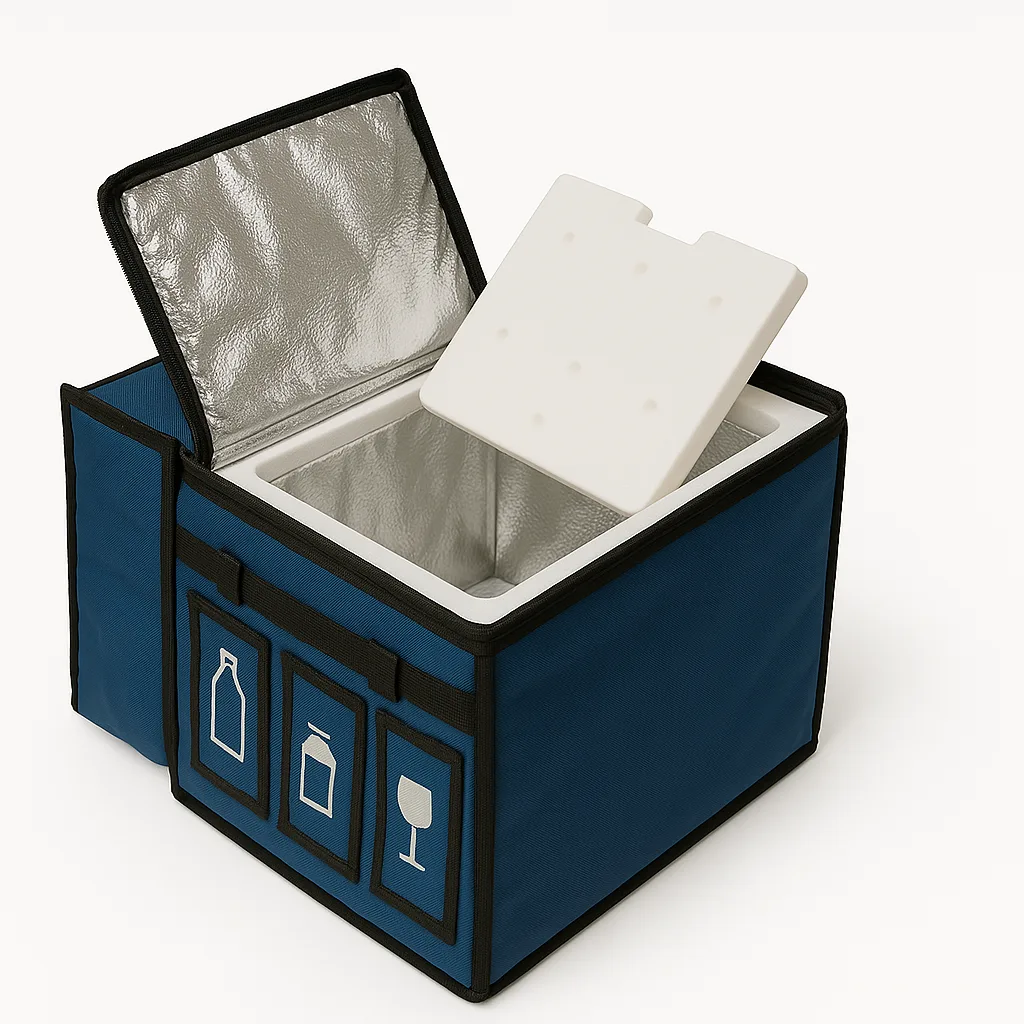
Kontainer termal VIP untuk rantai dingin berkemampuan IoT: Cara Memilih Pengaturan Pengiriman yang Dapat Dipertahankan
Risiko pembeli biasanya terletak pada celah di antara lembar spesifikasi: waktu pemuatan, penundaan serah terima, kesesuaian muatan, pengkondisian cairan pendingin, dan cara kiriman diperiksa pada saat kedatangan. A Wadah termal VIP for IoT enabled rantai dingin can be a strong option for IoT enabled rantai dingin when the packaging plan starts with the product requirement and ends with a repeatable receiving process. Lapisan IoT tidak menentukan kisaran suhu; itu mendokumentasikan dan memberi peringatan di sekitar rentang yang ditentukan oleh produk, rute, dan tim berkualitas. Versi yang telah diedit ini berfokus pada jalur keputusan praktis: persyaratan, rute, muatan, paket, pemantauan, dan bukti pemasok. Tujuannya bukan untuk berasumsi bahwa isolasi VIP menyelesaikan setiap masalah, tetapi untuk membantu Anda mengajukan pertanyaan yang lebih baik sebelum pengiriman pertama meninggalkan dermaga.
Jawaban keputusan: choose the VIP thermal container for IoT enabled rantai dingin only when it fits the product requirement, risiko rute, geometri muatan, rencana pendingin, tujuan pemantauan, dan prosedur penerimaan. Desain VIP bukanlah jaminan tersendiri; itu adalah komponen dalam proses pengiriman terkendali.
Mulailah dengan risiko yang ingin Anda kendalikan
The risk behind IoT enabled rantai dingin is rarely one-dimensional. data dapat mengungkapkan sebuah perjalanan, tapi itu tidak bisa memperbaiki isolasi yang buruk, paket lemah, keterlambatan serah terima, atau konfigurasi cairan pendingin tanpa syarat. A VIP thermal container for IoT enabled rantai dingin is useful only when that risk has been translated into a requirement: kondisi produk, paparan rute, ukuran muatan, kebutuhan pemantauan, dan menerima tindakan. Tanpa masukan tersebut, pembeli memilih wadah berdasarkan penampilan dan harapan.
Tuliskan risikonya dengan bahasa yang sederhana. Misalnya: 'lindungi muatan dari pemanasan selama rute semalaman dengan dua kali serah terima,' atau 'hindari pembekuan langsung sambil menjaga kondisi pendingin melalui pengiriman paket.' Kata-kata ini memudahkan pemilihan cairan pendingin, penempatan sensor, dan kontrol paket. Hal ini juga memberikan pemasok dasar yang lebih baik untuk memberikan rekomendasi.
Keputusan tersebut juga harus mendefinisikan apa yang dianggap sebagai bukti yang dapat diterima. Pemeriksaan visual mungkin cukup untuk beberapa barang berisiko rendah. Rekor suhu, catatan pengepakan, dan tinjauan kualitas mungkin diperlukan untuk diatur, bernilai tinggi, atau pengiriman terkait pasien.
Evaluasi wadah tanpa bergantung pada klaim brosur
| Titik keputusan | Bukti bagus untuk diminta | Cara menggunakan jawabannya |
|---|---|---|
| Persyaratan suhu | Instruksi produk, protokol, atau jangkauan pengiriman yang disetujui kualitasnya. | Gunakan untuk memilih kriteria pendingin dan penerimaan. |
| Paparan rute | Peta jalur, risiko musiman, titik serah terima, dan waktu tunggu yang diharapkan. | Gunakan untuk menilai apakah profil pengujian relevan. |
| Muatannya pas | Tata letak internal yang dapat digunakan dengan pendingin dan pemantauan disertakan. | Hindari mengisi ruang udara secara berlebihan atau berlebihan. |
| Bukti paket | Konfigurasi tertulis, lokasi sensor, dan menguji asumsi. | Ubah sampel menjadi operasi berulang. |
| Kontrol perubahan pemasok | Bagaimana perubahan komponen atau desain dikomunikasikan. | Lindungi pengiriman rutin dari penyimpangan spesifikasi secara diam-diam. |
Tujuan dari tabel ini adalah untuk mengubah percakapan produk menjadi percakapan bukti. A VIP thermal container for IoT enabled rantai dingin can sound impressive, tapi pembeli tetap perlu tahu apa yang diuji, apa yang diasumsikan, dan apa yang masih harus dikonfirmasi. Jika jawaban pemasok tidak jelas, perlakukan klaim tersebut sebagai klaim yang belum diverifikasi sampai jalur tersebut ditinjau.
For IoT enabled rantai dingin, bukti paling berguna menghubungkan muatan tersebut, pendingin, profil lingkungan, dan kriteria penerimaan. Bukti dari muatan atau rute yang berbeda mungkin masih bersifat informatif, tapi itu tidak boleh disalin ke file berkualitas Anda tanpa tinjauan.
Packout adalah sistem operasinya
Wadah pasif tidak memiliki kompresor atau loop kontrol aktif. Paket bertindak sebagai sistem operasi. Ini menentukan di mana pendingin berada, bagaimana muatan dipisahkan, bagaimana tutupnya ditutup, di mana logger ditempatkan, dan seberapa cepat pengiriman berpindah dari pengepakan ke pengambilan. Perubahan kecil bisa berarti. Pemisah yang hilang, muatan awal yang lebih hangat, atau periode pementasan yang diperpanjang dapat mengubah kisah suhu.
A good packout for IoT enabled rantai dingin should be clear enough for a new worker to follow. Foto, tanda orientasi, jumlah cairan pendingin, instruksi pengkondisian, dan menerima langkah-langkah dapat mengurangi variasi. Pembeli harus bertanya apakah pemasok dapat membantu menerjemahkan desain ke dalam instruksi pengepakan rutin daripada membiarkan operator berimprovisasi.
Saat pencatat data atau sensor IoT digunakan, perannya harus dituliskan ke dalam rencana. Logger mendokumentasikan kondisi; itu tidak melindungi muatan. Peringatan real-time dapat mendukung intervensi, tetapi hanya jika seseorang bertanggung jawab untuk menerima peringatan dan mengambil tindakan.
Kapan VIP sangat cocok dan kapan tidak
Solusi VIP adalah kandidat yang kuat ketika ruang muatan sangat berharga, paparan rute bermakna, dan pembeli membutuhkan desain berinsulasi kompak dengan penanganan yang disiplin. Ini juga dapat disesuaikan dengan jalur bernilai tinggi di mana tapak kotak yang lebih kecil atau ketahanan termal yang lebih kuat mendukung tujuan operasional. Untuk barang yang sensitif terhadap suhu yang dipindahkan dengan data logger, sensor, gateway, atau alur kerja pemantauan sadar lokasi, kesesuaiannya meningkat ketika suhu berkisar, paket, dan kriteria penerimaan didefinisikan dengan baik.
Ini mungkin bukan pilihan pertama yang tepat ketika kiriman bernilai rendah, rutenya sangat pendek dan terkendali, loop balik tidak dapat melindungi panel, atau tim tidak dapat mengulangi paket tersebut. Mungkin juga tidak cocok jika muatan memiliki kebutuhan suhu yang tidak sesuai atau jika es kering, PCM, atau paket gel dipilih tanpa pengujian. Isolasi VIP sangat kuat, tapi ini bukan pengganti pengendalian proses.
Pandangan yang seimbang ini membantu pengadaan menghindari terjadinya under-buying dan over-buying. Tujuannya bukanlah wadah tercanggih di atas kertas. Tujuannya adalah sistem yang paling dapat dipertahankan terhadap risiko pengiriman.
Detail penerimaan dan kontrol perubahan yang sering diabaikan pembeli
Penerimaan adalah bagian dari rantai dingin, bukan sekedar renungan administratif. Tim tujuan harus mengetahui kapan harus membuka kotak tersebut, cara membaca logger, kondisi apa yang harus diperiksa, cara mendokumentasikan pengecualian, dan siapa yang memutuskan apakah kiriman tersebut dapat diterima. Kontainer yang dirancang dengan baik tidak dapat mengimbangi proses penerimaan yang membiarkan muatan menunggu di area yang tidak terkendali.
For IoT enabled rantai dingin, kontrol perubahan juga harus eksplisit. Jika muatannya berubah, jika rutenya berubah, jika pembawa diganti, jika sumber cairan pendingin berubah, atau jika desain kotaknya dimodifikasi, asumsi awal mungkin tidak berlaku lagi. Pembeli harus bertanya kepada pemasok bagaimana mereka mengkomunikasikan perubahan produk atau komponen dan tinjauan apa yang direkomendasikan sebelum melanjutkan penggunaan.
Hal ini sangat penting untuk pengiriman berulang. Pengiriman pertama mungkin diawasi dengan ketat; pengiriman keseratus tergantung pada disiplin rutin. Dokumentasi, inspeksi, dan putaran umpan balik menjaga sistem agar tidak menyimpang.
Jalur persetujuan singkat untuk pembeli B2B
Tinjauan internal yang berguna memisahkan hak pengambilan keputusan. Pengadaan dapat membandingkan biaya, tersedianya, dan ketanggapan pemasok. Pengoperasian dapat menilai apakah paket tersebut praktis selama beban kerja puncak. Kualitas dapat menentukan apakah buktinya, pemantauan, dan proses pengecualian sudah cukup. Ketika peran-peran ini digabungkan, a VIP thermal container for IoT enabled rantai dingin may be approved for the wrong reason.
A VIP thermal container for IoT enabled rantai dingin should also be reviewed for compatibility with secondary packaging. Botol, karton, kantong, nampan, sistem penyerap, dan balutan pelindung dapat mengubah geometri internal. Jika kemasan sekunder berubah, asumsi termal dan penanganan juga dapat berubah.
Alat pengambilan keputusan yang berguna
Periksa detailnya sebelum Anda memilih kemasan
Alat cepat ini dapat membantu Anda membandingkan risiko rute, kebutuhan ukuran, pilihan pendingin, dan detail kemasan sebelum Anda meminta penawaran.
Kalkulator Paket Es
Perkirakan jumlah paket es gel untuk pengiriman dingin dan perencanaan rute yang praktis.
Perkirakan kantong esPendingin & Referensi PCM
Bandingkan opsi cairan pendingin dan PCM ketika suatu rute memerlukan dukungan suhu tambahan.
Bandingkan pilihanKalkulator Es Kering
Perkirakan kebutuhan es kering untuk pengiriman beku atau sangat dingin sebelum pengepakan.
Perkirakan es keringBiaya harus dievaluasi sebagai biaya yang disesuaikan dengan risiko. Kontainer yang berbiaya lebih rendah mungkin cocok untuk dikendalikan, pengiriman berisiko rendah. Desain VIP berbiaya lebih tinggi mungkin masuk akal ketika nilai muatannya, risiko penolakan, ruang pengangkutan, atau tuntutan dokumentasi membenarkannya. Maksudnya adalah membandingkan total risiko operasi, tidak hanya harga beli.
Tinjauan pra-pengiriman dan kontrol perubahan
Tinjauan pra-pengiriman juga harus menentukan informasi apa yang harus dibawa bersama muatan. For IoT enabled rantai dingin, yang mungkin termasuk catatan pengepakan, ID penebang, banyak produk, kondisi yang diperlukan, catatan serah terima, atau menerima daftar periksa. Tujuannya untuk menghilangkan ketidakpastian kapan kiriman tiba, karena container yang baik kurang bermanfaat jika tim tujuan tidak mengetahui cara mengartikannya.
Pembeli harus meninjau rute setelah beberapa pengiriman pertama daripada berasumsi bahwa persetujuan pertama mengakhiri pekerjaan. If the VIP thermal container for IoT enabled rantai dingin repeatedly returns with condensation, sulit membongkar, sudut yang rusak, pola logger yang tidak terduga, atau pertanyaan penerima, temuan tersebut harus digunakan untuk menyempurnakan paket atau percakapan pemasok. Kontrol rantai dingin yang praktis ditingkatkan melalui umpan balik, tidak hanya melalui pesanan pembelian awal.
Konsistensi komponen adalah masalah praktis lainnya. Perubahan pada liner, sumber panel, penutup, paket pendingin, pembagi, atau karton luar dapat mengubah penggunaan sehari-hari. Pembeli tidak perlu menolak setiap perubahan, namun harus mengetahui kapan suatu perubahan perlu ditinjau. Hal ini sangat penting terutama untuk jalur B2B yang berulang di mana tim berkualitas mengharapkan ketertelusuran dan keputusan yang terkendali.
Tim pengemasan juga harus menetapkan aturan pemeriksaan kerusakan. For IoT enabled rantai dingin, sebuah kotak mungkin ditolak untuk digunakan kembali karena sudutnya retak, area panel yang hancur, engsel rusak, penutupan yang longgar, bau, residu, atau tanda-tanda bahwa sampul panel telah dirusak. Aturan-aturan ini melindungi kiriman dan mencegah operator menebak-nebak di bawah tekanan.
Akhirnya, tim pembeli harus menjaga bahasa dalam dokumen pemasok tetap tepat. Istilahnya seperti didinginkan, divalidasi, memenuhi syarat, dapat digunakan kembali, dan kepatuhan dapat memiliki arti yang berbeda kecuali bukti dan batasannya disebutkan. Pembeli yang berhati-hati menanyakan apa yang telah diuji, dalam kondisi apa, dengan muatan apa, dan apa yang masih memerlukan persetujuan internal.
FAQ
Is a VIP thermal container for IoT enabled rantai dingin automatically qualified for my shipment?
TIDAK. A VIP thermal container for IoT enabled rantai dingin may be a strong component, namun kesesuaiannya tergantung pada kondisi produk yang dibutuhkan, rute, muatan, konfigurasi pendingin, rencana pemantauan, dan proses penerimaan. Mintalah bukti yang sesuai dengan jalur Anda atau rencanakan tinjauan internal sebelum penggunaan rutin.
Apakah isolasi VIP menggantikan paket gel, Paket PCM, atau es kering?
TIDAK. Isolasi VIP memperlambat perpindahan panas melalui dinding wadah. Itu tidak menciptakan kondisi suhu yang dibutuhkan dengan sendirinya. Pemilihan cairan pendingin atau refrigerant tetap bergantung pada kebutuhan produk, massa muatan, paparan rute, dan apakah produk harus menghindari kontak langsung atau pembekuan.
Apa yang harus saya tanyakan kepada pemasok sebelum memesan sampel?
Bagikan kondisi produk, ukuran muatan, durasi rute, risiko lingkungan, pola serah terima, dan kebutuhan dokumentasi. Lalu tanyakan bukti tesnya apa, instruksi paket, panduan penempatan sensor, dan batasan berlaku. Percakapan ini lebih bermanfaat daripada hanya menanyakan ukuran kotak dan harganya.
Bisakah saya menggunakan paket yang sama untuk produk yang berbeda?
Kadang-kadang, tapi itu tidak boleh diasumsikan. Produk yang berbeda mungkin memiliki suhu awal yang berbeda, massa muatan, bentuk, rentang yang dapat diterima, dan kepekaan terhadap pembekuan atau pemanasan. Paket yang berfungsi untuk satu produk mungkin perlu ditinjau sebelum digunakan untuk produk lain.
Di mana pencatat suhu harus ditempatkan?
Penempatan logger harus sesuai dengan tujuan pemantauan. Logger di dekat payload dapat mewakili paparan produk dengan lebih baik, sementara penebang kayu di dekat penutup atau dinding mungkin menunjukkan efek penanganan eksternal. Tim mutu atau operasi harus menentukan penempatan sebelum pengiriman ditinjau.
Apakah pemantauan IoT membuat suhu pengiriman terkontrol?
TIDAK. Pemantauan IoT dapat merekam, peringatan, dan mendukung intervensi yang lebih cepat, tapi itu tidak memberikan isolasi atau pendinginan. Pengemasan dan pengemasan masih perlu melindungi muatannya, dan tim harus menentukan siapa yang merespons peringatan.
Detail operasional yang melindungi pengulangan
Pengulangan adalah perbedaan antara sampel yang menjanjikan dan jalur kerja. A VIP thermal container for IoT enabled rantai dingin should be evaluated with the people who will actually pack, bergerak, menerima, dan meninjau pengirimannya. Jika mereka tidak dapat mengulangi pengkondisian cairan pendingin, orientasi muatan, penempatan logger, dan langkah penutup, desain perlu disederhanakan sebelum diperluas.
For IoT enabled rantai dingin, instruksi yang bersih dapat mencegah penyimpangan yang dapat dihindari. Itu harus menunjukkan urutan paket, mengidentifikasi komponen berdasarkan nama, jelaskan apa yang harus dilakukan jika ada komponen yang hilang atau rusak, dan nyatakan kapan kiriman tersebut tidak boleh dilepaskan. Instruksi juga harus menjelaskan apakah wadah tersebut sekali pakai, dapat digunakan kembali, dapat dikembalikan, atau harus diperiksa sebelum digunakan kembali.
Lapisan operasional ini bukanlah dokumen untuk kepentingannya sendiri. Melindungi pembeli dari variasi senyap. Ketika setiap pengiriman dikemas dan ditinjau dengan cara yang sama, data suhu menjadi lebih mudah untuk ditafsirkan dan percakapan pemasok menjadi lebih tepat.
Kesimpulan
Jika kiriman Anda membawa barang sensitif atau bernilai tinggi, do not judge the VIP thermal container for IoT enabled rantai dingin by appearance alone. Konfirmasikan persyaratan suhu, konteks pengujian, konfigurasi pendingin, penempatan sensor, dan proses pengendalian perubahan. Detail tersebut mengubah wadah termal menjadi pengaturan pengiriman yang dapat dipertahankan.
Tentang Tempk
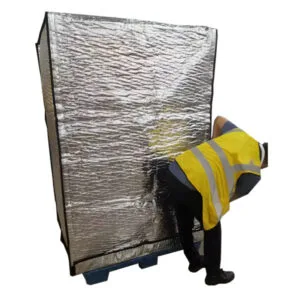
Tempk bekerja dengan kemasan rantai dingin untuk makanan, farmasi, medis, dan aplikasi logistik, termasuk Gel Ice Packs, terkait PCM paket pendingin, Kotak berinsulasi EPP, kotak pengiriman dingin, liner terisolasi, dan solusi perlindungan palet. For IoT enabled rantai dingin, titik awal yang berguna adalah membagikan jenis muatan Anda, kondisi yang diperlukan, rute, waktu penanganan yang diharapkan, dan kebutuhan dokumentasi agar rekomendasi pengemasan dapat disesuaikan dengan pengiriman sesungguhnya.
Hubungi Tempk dengan kondisi produk Anda, paparan rute, dan dokumentasi perlu membandingkan VIP yang sesuai, EPP, PCM, paket gel, atau pilihan kemasan hibrida.