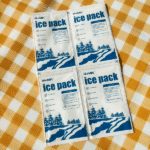
Kontainer transportasi VIP untuk pengiriman kit diagnostik, pastikan kit diagnostik yang sensitif terhadap suhu mencapai laboratorium dan pasien dalam kondisi sempurna. Alat uji diagnostik sering kali berisi reagen biologis yang harus berada pada suhu antara 2–8°C atau dibekukan pada suhu –20°C atau –70°C, namun pendingin tradisional sering kali kehilangan integritas termalnya hanya dalam satu hari. Hingga separuh vaksin terbuang di seluruh dunia karena putusnya rantai dingin, dan risiko yang sama juga berlaku pada peralatan diagnostik yang mahal. Untuk melindungi kit ini selama transit, Anda memerlukan kemasan berkinerja tinggi yang menggabungkan panel berinsulasi vakum (VIP) dan bahan perubahan fasa (PCMS). Kontainer pengangkut VIP memiliki dinding yang tebalnya hanya 10–15 mm tetapi memberikan isolasi termal lima hingga sepuluh kali lebih besar daripada busa. Dikemas dengan benar, alat ini dapat mempertahankan suhu lingkungan 2–8°C selama 3–7 hari—cukup lama untuk menjangkau klinik-klinik terpencil, Bahkan di iklim panas. Artikel ini, diperbarui bulan Desember 2025, menjelaskan mengapa kontainer VIP merevolusi pengiriman kit diagnostik dan bagaimana Anda dapat memanfaatkan teknologi ini semaksimal mungkin.
Artikel ini akan membantu Anda:
Pahami mengapa kit diagnostik memerlukan kontrol suhu yang ketat dan cara kerja kontainer pengangkut VIP untuk mempertahankan suhu 2–8°C dalam waktu lama.
Pelajari cara mengemas dan menggunakan wadah VIP dengan benar untuk memenuhi peraturan WHO dan DSCSA.
Bandingkan kontainer VIP dengan kotak busa tradisional dan pengirim aktif, termasuk waktu tunggu, berat, reusability, dan biaya.
Temukan yang terbaru 2025 tren dalam logistik rantai dingin, seperti pemantauan IoT, Keberlanjutan, dan perubahan peraturan.
Dapatkan tips praktis dan FAQ yang disesuaikan dengan laboratorium, titik penyedia layanan, dan perusahaan pengujian rumah.
Apa yang Membuat Kontainer Transportasi VIP Ideal untuk Peralatan Diagnostik?
Kontainer VIP dirancang untuk menciptakan lingkungan berpendingin mini tanpa listrik. Mereka menggunakan bahan berkinerja tinggi untuk mencapai konduktivitas termal yang sangat rendah, memastikan bahwa kit diagnostik tetap stabil selama transit:
Panel terisolasi vakum (VIP): Panel-panel ini terdiri dari inti mikropori yang disegel di dalam selubung kedap udara. Menghilangkan udara dari inti secara signifikan mengurangi perpindahan panas; konduktivitas termal turun menjadi sekitar 0.004 W/m·K—sepuluh kali lebih rendah dibandingkan busa polistiren yang diperluas. Kontainer pengangkut VIP pada umumnya menggunakan dinding VIP setebal 10–15 mm, mencapai waktu tunggu tujuh hingga sepuluh hari.
Bahan perubahan fasa (PCMS): PCM adalah paket gel yang dirancang untuk mengubah fase pada suhu tertentu, misalnya 5°C. Saat mereka meleleh atau membeku, mereka menyerap atau melepaskan sejumlah besar panas, menjaga bagian dalam mendekati suhu yang diinginkan. Kontainer VIP berkualitas tinggi memasangkan PCM dengan panel VIP; Misalnya, beralih dari busa ke VIP mengurangi berat paket gel 4 kg ke 1.5 kg sambil memperpanjang waktu penahanan dari dua hari menjadi hampir sepuluh hari.
Desain yang dioptimalkan: Kontainer VIP memiliki kulit luar tahan lama yang terbuat dari polietilen densitas tinggi (HDPE) atau plastik bergelombang yang melindungi isinya dari kerusakan fisik. Di dalam, baki atau rak menyimpan peralatan diagnostik dengan aman di tempatnya, sementara kantong penghalang kelembaban mencegah kondensasi. Dinding tipis kontainer VIP memberikan lebih banyak ruang interior untuk kit atau PCM tambahan, memungkinkan pengiriman dalam jumlah yang lebih besar tanpa meningkatkan dimensi eksternal.
Kinerja Termal dan Bukti Dunia Nyata
Dalam tes terkontrol, kontainer pengangkut VIP dipertahankan pada suhu 2–8°C hingga 120 jam (lima hari) pada suhu sekitar 35°C, sedangkan pendingin busa hanya bertahan di bawah 8°C selama 24–48 jam. Selama a 2024 kampanye imunisasi di Afrika, Kotak VIP menyimpan vaksin pada suhu sekitar 5°C 72 jam meskipun suhu di luar mencapai 35°C. Kombinasi panel VIP dan PCM sangat efektif sehingga pengirim VIP komersial ThermoSafe tidak lagi menggunakan insulasi busa, mengurangi biaya pendingin dan pengangkutan.
Meja 1 – Perbandingan Bahan Isolasi
| Jenis isolasi | Konduktivitas termal yang khas (W/m · k) | Waktu tahan untuk muatan 2–8 °C | Arti praktis |
| Polystyrene yang diperluas (EPS) busa | ~0,03 W/m·K | 24–48 jam | Pilihan termurah tetapi cepat dingin; dinding besar mengurangi volume yang dapat digunakan dan menghasilkan limbah |
| Busa poliuretan (Pur) | ~0,02 W/m·K | 48–72 jam | Insulasi lebih baik dari EPS tetapi tetap berat; masih belum cukup untuk pengiriman jarak jauh |
| Panel terisolasi vakum (VIP) | 0.004 W/m · k | 72–240 jam | Mempertahankan suhu 2–8 °C selama berhari-hari; dinding tipis menciptakan lebih banyak ruang; biaya awal yang tinggi tetapi dapat digunakan kembali |
Kontainer VIP jelas mengungguli pendingin busa dalam hal kinerja termal dan efisiensi ruang. Untuk peralatan diagnostik dan vaksin bernilai tinggi, keuntungan ini lebih dari sekadar mengimbangi biaya awal yang lebih tinggi.
Saran Praktis Memilih Kontainer Angkutan VIP
Cocokkan titik leleh PCM dengan muatan: Pilih PCM yang meleleh pada suhu pengiriman yang diinginkan (2–8°C untuk sebagian besar peralatan diagnostik). Untuk pengiriman yang membutuhkan –20°C atau –70°C, PCM khusus atau es kering diperlukan.
Gunakan pencatat data: Selalu sertakan pencatat suhu yang telah dikalibrasi di dalam setiap wadah untuk mendokumentasikan paparan suhu waktu dan memenuhi audit peraturan.
Sertifikasi kotak centang: Pastikan wadah memenuhi PQS WHO, ISTA 7D, dan Praktik Distribusi yang Baik (PDB) standar. Kotak VIP bersertifikat memberikan jaminan bahwa kotak tersebut telah lulus uji jatuh dan uji tekanan yang diperlukan untuk pengiriman zat menular.
Studi kasus: Distributor farmasi mengganti pendingin busa dengan wadah VIP yang dapat digunakan kembali untuk pengiriman peralatan diagnostik. Berat refrigeran gel turun 4 kg ke 1.5 kg, waktu penahanan diperpanjang dari dua hari menjadi hampir sepuluh hari, dan pengiriman ulang darurat menurun sebesar 80%, menghemat ribuan biaya logistik.
Cara Menggunakan Kontainer Transportasi VIP untuk Pengiriman Kit Diagnostik
Pengepakan yang tepat sangat penting untuk mencapai waktu tunggu yang dijanjikan. Bahkan kontainer VIP paling canggih pun akan gagal jika PCM tidak dikondisikan dengan benar atau jika kit terkena udara sekitar selama pengemasan. Ikuti langkah-langkah berikut untuk memastikan pengiriman yang aman:
Pra kondisikan PCM: Bekukan atau dinginkan kemasan gel PCM hingga mencapai suhu target. Untuk peralatan berpendingin, kondisikan setidaknya pada suhu 2–8°C 24 jam. Untuk pengiriman beku, gunakan PCM –20 °C atau es kering dan kondisikan terlebih dahulu sesuai kebutuhan.
Stabilkan muatannya: Bawa kit diagnostik ke suhu pengiriman yang sesuai sebelum dikemas. Menurut Biosistem PCR, peralatan yang dikirimkan dengan kantong es gel tetap bersuhu 2–8°C selama 48–120 jam, tetapi hanya jika perangkat dinyalakan pada suhu yang benar.
Susun PCM dan payload: Tempatkan PCM yang telah dikondisikan sebelumnya di sepanjang dinding bagian dalam wadah. Pasang rak atau masukkan botol kit diagnostik untuk menghindari kontak langsung dengan kemasan gel, mencegah titik panas atau dingin. Untuk pengiriman yang memerlukan triple packing (Bahan menular kategori B), pastikan wadah utama anti bocor dan ditempatkan di dalam kantong sekunder yang tertutup rapat.
Sertakan bahan penyerap dan dokumentasi: Instruksi Pengepakan WHO P650 mensyaratkan bahan penyerap antara wadah primer dan kemasan sekunder harus mengandung kebocoran. Kemasan sekunder harus lolos a 95 uji tekanan kPa, dan seluruh paket harus tahan terhadap a 1.2 m jatuh tanpa kebocoran.
Tambahkan kulit terluar: Tempatkan kemasan sekunder yang disegel di dalam wadah VIP dengan PCM. Isi setiap ruang kosong dengan bantalan untuk mencegah pergerakan. Tutup penutupnya, pasang selotip bukti kerusakan, dan menerapkan label UN3373 jika mengirimkan spesimen Kategori B.
Memantau dan mendokumentasikan: Masukkan pencatat data suhu atau sensor IoT yang terhubung di lapisan atas. Tutup rapat wadah dan catat nomor serinya, waktu pengepakan, dan identitas pengemas untuk dokumentasi kepatuhan.
Tip: Gunakan daftar periksa digital atau alat interaktif untuk memverifikasi setiap langkah. Aplikasi seluler sederhana dapat mengingatkan pengguna untuk melakukan prakondisi PCM, periksa integritas kemasan, dan mencatat data sebelum pengiriman. Hal ini mengurangi kesalahan manusia dan memperkuat kepatuhan.
Pertimbangan Tambahan untuk Kategori Peralatan Diagnostik
Spesimen tidak menular atau dikecualikan: Banyak alat tes rumahan yang tidak mengandung patogen, jadi mereka termasuk dalam kategori “dikecualikan”.. Produk tersebut dapat dikirim tanpa tanda PBB namun masih memerlukan kontrol suhu untuk menjaga integritas reagen.
Bahan menular kategori B: Swab dan sampel darah yang ditujukan untuk pengujian diagnostik dianggap Kategori B (UN3373). Mereka harus mengikuti kemasan P650, yang mengamanatkan tiga kali pengemasan dan batasan kuantitas (1 L per wadah utama dan 4 L per paket untuk angkutan udara).
Bahan menular kategori A: Spesimen yang sangat menular (MISALNYA., Ebola) termasuk dalam Kategori A dan memerlukan pengemasan dan dokumen yang jauh lebih kuat (UN2814/UN2900). Kontainer VIP masih dapat digunakan tetapi harus diintegrasikan ke dalam paket triple bersertifikat.
Manfaat Kontainer VIP vs Opsi Tradisional
Mengapa Tidak Tetap Menggunakan Pendingin Busa atau Kotak Polystyrene?
Sedangkan pendingin busa harganya murah dan banyak tersedia, alat ini mempunyai kelemahan yang signifikan dibandingkan alat diagnostik yang bernilai tinggi:
Waktu tunggu yang singkat: Kotak busa biasanya mampu bertahan pada suhu 2–8°C hanya selama 24–48 jam. Jumlah ini tidak cukup untuk pengiriman lintas benua, menyebabkan perubahan suhu yang merusak reagen uji dan memerlukan pengiriman ulang yang mahal.
Besar dan berat: Dinding busa tebal (terkadang 2–5 cm), mengurangi volume internal. Untuk mencapai waktu tunggu yang lebih lama, pengirim menambahkan lebih banyak paket gel, peningkatan berat dan biaya pengiriman.
Sampah sekali pakai: Pendingin busa jarang digunakan kembali karena kontaminasi dan kerusakan, menghasilkan sejumlah besar sampah yang tidak dapat didaur ulang.
Kontainer VIP mengatasi keterbatasan ini:
Waktu tunggu yang diperpanjang: Dengan PCM dan VIP, suhu bagian dalam tetap antara 2–8°C selama 3–10 hari, menghilangkan sebagian besar perubahan suhu. Beberapa pengirim VIP bahkan menahan –20°C atau –70°C untuk jangka waktu yang sama menggunakan PCM khusus.
Dinding yang lebih ramping dan volume yang dapat digunakan lebih besar: Dinding VIP yang tipis (10–15 mm) meninggalkan lebih banyak ruang untuk diagnostik, memungkinkan Anda mengirimkan lebih banyak perlengkapan dalam jumlah yang sama.
Reusability: Kontainer VIP berkualitas tinggi dirancang untuk puluhan perjalanan. Mereka menampilkan eksterior yang kokoh, lapisan dalam yang halus agar mudah dibersihkan, dan paket PCM yang dapat diganti. Penggunaan kembali kontainer mengurangi biaya jangka panjang dan dampak lingkungan.
Membandingkan VIP, Kotak PCM dan Kontainer Aktif
Kontainer berpendingin aktif adalah alternatif lain; mereka menggunakan kompresor listrik dan kipas angin untuk menjaga suhu. Meskipun mereka menawarkan kontrol yang presisi dan volume yang besar, harganya mahal dan memerlukan sumber daya dan manajemen baterai. PCM saja (tanpa VIP) lebih murah dibandingkan kontainer VIP namun hanya tahan suhu selama 24–96 jam. Meja 2 merangkum perbedaan utama:
| Tipe wadah | Waktu Tahan pada 2–8 °C | Berat & Ukuran | Kebutuhan Tenaga | Penggunaan kembali & Keberlanjutan |
| Pendingin busa | 24–48 h | Tebal; berat dengan paket gel | Tidak ada | Sekali pakai; limbah yang tinggi |
| kotak PCM (tidak ada VIP) | 24–96 h | Lebih kecil dari busa; berat sedang | Tidak ada | Beberapa model dapat digunakan kembali |
| Wadah VIP | 72–240 jam | Dinding tipis; lebih ringan secara keseluruhan | Tidak ada | Sangat dapat digunakan kembali |
| Wadah aktif | 72–170 jam | Besar dan berat karena baterai/kompresor | Memerlukan daya atau baterai eksternal | Dapat digunakan kembali tetapi mahal; pemeliharaan yang rumit |
Kontainer VIP memberikan keseimbangan antara waktu tunggu yang lama, Desain ringan, dan reusability. Meskipun biaya awal lebih tinggi dibandingkan busa, total biaya kepemilikan berkurang ketika memperhitungkan lebih sedikit pengiriman ulang, mengurangi biaya pendingin dan pengangkutan, dan manfaat lingkungan.
Dampak Lingkungan dan Operasional
Keberlanjutan: Kontainer VIP yang dapat digunakan kembali sejalan dengan upaya global untuk mengurangi sampah plastik dan mematuhi Peraturan Ecodesign untuk Produk Berkelanjutan UE dan inisiatif ekonomi sirkular. Pasar kemasan rantai dingin yang dapat digunakan kembali diproyeksikan meningkat dua kali lipat dari US$4,97 miliar pada tahun lalu 2025 menjadi US$9,13 miliar pada 2034.
Mengurangi biaya pengiriman: Dinding tipis dan lebih sedikit zat pendingin mengurangi berat paket, sehingga menurunkan biaya transportasi dan emisi karbon. ThermoSafe melaporkan bahwa pengirim VIP menghilangkan kebutuhan akan cangkang busa dan mengurangi kebutuhan zat pendingin.
Perlindungan merek: Perubahan suhu membahayakan akurasi dan kredibilitas diagnostik. Kontainer VIP mengurangi risiko hasil pengujian terganggu, melindungi merek Anda dan mengurangi tanggung jawab.
Tip dan Rekomendasi Praktis
Hitung total biaya: Bandingkan biaya per pengiriman dalam beberapa perjalanan, bukan harga pembelian satuan. Pertimbangkan pengurangan pengiriman ulang, lebih sedikit zat pendingin, dan menurunkan biaya pengiriman saat menggunakan kontainer VIP.
Staf kereta: Pengkondisian dan pengepakan yang tepat sangat penting. Berikan instruksi yang jelas, daftar periksa, dan video pelatihan untuk menghindari kesalahan.
Rencanakan penggunaan kembali logistik: Menerapkan program pengembalian untuk mengumpulkan kontainer VIP dari pengguna akhir. Tawarkan insentif atau label pengembalian prabayar untuk meningkatkan tingkat pengembalian.
Praktik Terbaik untuk Mengirim Kit Diagnostik dengan Aman
Mematuhi peraturan global dan menjaga integritas produk memerlukan lebih dari sekadar memilih wadah yang tepat. Perhatikan pedoman berikut ini:
Kepatuhan terhadap Peraturan dan Dokumentasi
Petunjuk Pengepakan WHO dan IATA: Saat mengirimkan zat menular Kategori B, patuhi Instruksi Pengepakan P650. Ini termasuk kemasan rangkap tiga, bahan penyerap, Dan 95 ketahanan tekanan kPa. Untuk Kategori A (UN2814/UN2900), gunakan kemasan yang lebih ketat dan ikuti aturan khusus maskapai penerbangan.
Batas waktu DSCSA: Di Amerika Serikat, Undang-Undang Keamanan Rantai Pasokan Narkoba (DSCSA) memberlakukan persyaratan ketertelusuran dan serialisasi. Pada bulan Mei 27 2025 produsen harus mematuhinya, diikuti oleh pedagang grosir pada bulan Agustus 27 dan dispenser pada bulan November 27. Pastikan dokumentasi pengiriman dan kode batang Anda sesuai dengan tenggat waktu ini.
PDB & standar ISO: Pedoman PDB Eropa mengharuskan obat-obatan dan peralatan diagnostik diangkut dalam kondisi terkendali dengan pencatatan data dan audit yang tepat. Iso 13485 dan sertifikasi GMP untuk pengemasan (seperti solusi yang ditawarkan oleh PackBeyond) memberikan jaminan tambahan atas kualitas dan kepatuhan terhadap peraturan.
Kontrol dan Pemantauan Suhu
Gunakan pencatat data yang dikalibrasi: 24/7 pemantauan suhu wajib dilakukan untuk kepatuhan rantai dingin. Penebang kayu memberikan catatan digital yang membuktikan pengiriman tetap berada dalam rentang tertentu.
Rencanakan penundaan: Jika pengiriman mungkin tertunda, pilih wadah dengan waktu penahanan lebih lama (VIP atau aktif) dan menyertakan PCM tambahan. Untuk spesimen yang tidak dapat dianalisis di dalamnya 72 jam, simpan pada suhu –70°C atau lebih rendah.
Integrasikan sensor IoT: Kontainer VIP modern dapat menyematkan perangkat IoT yang menyediakan data lokasi dan suhu waktu nyata. Transparansi ini memungkinkan intervensi cepat jika terjadi kunjungan dan sejalan dengan persyaratan visibilitas rantai pasokan yang muncul.
Integritas dan Penanganan Pengemasan
Penahanan sekunder: Gunakan kantong penghalang kelembapan dan bantalan penyerap di dalam wadah VIP untuk menampung tumpahan dan mengurangi kondensasi. Amankan tabung sampel di baki khusus untuk mencegah kerusakan.
Pelabelan dan penandaan: Lampirkan berlian UN3373 jika ada. Sertakan teks “Zat Biologis Kategori B” dan pastikan label terlihat.
Rantai pengawasan: Dokumentasikan setiap titik serah terima, dari pengepakan hingga pengiriman. Hal ini melindungi terhadap kerugian dan menunjukkan kepatuhan terhadap DSCSA dan PDB.
Meja 3 – Daftar Periksa Pengepakan untuk Pengiriman Kit Diagnostik
| Melangkah | Apa yang harus dilakukan | Mengapa itu penting |
| PCM pra-kondisi | Bekukan atau dinginkan PCM hingga suhu 2–8 °C, –20 °C atau –70 °C | Memastikan kontrol suhu segera setelah pengepakan |
| Stabilkan muatan | Bawa kit ke suhu pengiriman sebelum dikemas | Mencegah perpindahan panas mendadak yang dapat melelehkan PCM atau membekukan peralatan |
| Rakit kemasan rangkap tiga | Wadah anti bocor primer, bahan penyerap, kantong tertutup sekunder | Sesuai dengan P650 dan mencegah kebocoran |
| Tempatkan muatan dalam wadah VIP | Masukkan PCM di sepanjang dinding, amankan kit di rak tengah | Memaksimalkan isolasi dan mencegah kerusakan |
| Tambahkan pencatat data & dokumentasi | Catat suhu, waktu dan identitas | Memenuhi PDB, DSCSA dan audit kualitas |
| Label & segel | Terapkan label UN3373, segel tamper dan dokumen pengiriman | Memastikan penanganan dan kepatuhan yang tepat |
2025 Tren dan Inovasi dalam Cold Chain & Kemasan Kit Diagnostik
Pertumbuhan dan Penggerak Pasar
Pasar logistik rantai dingin terus berkembang pesat. Segmen rantai dingin farmasi saja tumbuh hingga US$10,04 miliar pada tahun 2018 2025, sedangkan sektor pengemasan rantai dingin bernilai US$28,9 miliar dan diproyeksikan mencapai US$75 miliar pada 2032. Peralatan diagnostik berkontribusi secara signifikan terhadap pertumbuhan ini karena meningkatnya pengujian berbasis rumah dan tempat perawatan. Biologis baru serta terapi sel dan gen mewakili sekitar 30 % dari jalur pembangunan, membutuhkan kondisi yang sangat dingin.
Teknologi yang Sedang Muncul
Sensor pintar dan IoT: Pencatat data telah berevolusi menjadi perangkat terhubung yang mengirimkan suhu waktu nyata, data kelembaban dan lokasi. Sensor ini terintegrasi dengan platform manajemen rantai pasokan untuk menawarkan peringatan prediktif dan dokumentasi kepatuhan.
AI dan robotika: Gudang otomatis menggunakan AI untuk mengoptimalkan penyimpanan, pengambilan dan pemuatan pengiriman rantai dingin. Robot meminimalkan kesalahan manusia dan menjaga suhu tetap konsisten, sementara AI menganalisis data untuk memprediksi masalah.
Bahan ramah lingkungan: Produsen sedang menjajaki bahan insulasi yang dapat terbiodegradasi dan PCM yang dapat didaur ulang untuk mengurangi dampak terhadap lingkungan. Peraturan seperti Peraturan Ecodesign untuk Produk Berkelanjutan UE mendorong desain melingkar.
Sistem pengemasan modular: Perusahaan seperti PackBeyond menawarkan baki modular, kantong penghalang kelembaban dan kemasan melepuh steril yang dirancang khusus untuk peralatan diagnostik. Desain ini mengurangi limbah, menyederhanakan perakitan dan meningkatkan keamanan pengguna.
Lanskap Regulasi
Ketertelusuran yang lebih ketat: Tenggat waktu DSCSA memerlukan ketertelusuran digital di seluruh rantai pasokan, termasuk kit diagnostik. Harapkan lebih banyak negara untuk mengadopsi peraturan serupa, mendorong produsen kemasan untuk memasukkan kode batang yang dapat dipindai dan merusak segel yang terlihat jelas.
Perluasan Praktik Distribusi yang Baik (PDB): Pedoman PDB kini berlaku untuk banyak perangkat diagnostik, memerlukan kontrol suhu dan dokumentasi yang divalidasi.
Pengawasan yang lebih besar terhadap pengujian di rumah: Saat pengujian di rumah menjadi arus utama, regulator berfokus pada instruksi pengemasan dan keselamatan pengguna. Pengemasan harus intuitif dan melindungi komponen dari kontaminasi atau kesalahan penempatan.
Kemajuan terbaru sekilas
Integrasi AI dengan sensor IoT: Menggabungkan AI dengan data waktu nyata memungkinkan pemeliharaan prediktif pada pengemasan rantai dingin dan peringatan proaktif untuk mencegah perubahan suhu.
Panel VIP yang berkelanjutan: Penelitian sedang dilakukan untuk memproduksi panel VIP menggunakan silika daur ulang dan film berbasis bio, bertujuan untuk mengurangi jejak karbon sambil mempertahankan kinerja termal.
Pengalaman pelanggan yang ditingkatkan: Perusahaan menambahkan kode QR pada kemasan yang tertaut ke instruksi digital, tutorial video dan dukungan langsung, meningkatkan kepatuhan dan kepuasan pengguna.
Pertanyaan yang sering diajukan
Pertanyaan 1: Mengapa kontainer pengangkut VIP diperlukan untuk peralatan diagnostik?
Kontainer VIP mempertahankan kondisi stabil pada suhu 2–8 °C selama beberapa hari, mencegah perubahan suhu yang menurunkan reagen. Pendingin busa hanya mempertahankan suhu selama 24–48 jam, sementara kontainer VIP memperpanjangnya menjadi 3–10 hari.
Pertanyaan 2: Dapatkah saya menggunakan wadah VIP yang sama untuk peralatan beku dan didinginkan?
Ya, tetapi Anda harus mengubah tipe PCM dan mengkondisikannya dengan benar. Untuk pengiriman berpendingin gunakan PCM bersuhu 2–8 °C; untuk pengiriman –20 °C atau –70 °C menggunakan PCM atau es kering yang sesuai dengan suhu yang diinginkan.
Pertanyaan 3: Apakah saya masih memerlukan kemasan rangkap tiga jika alat diagnostik saya tidak menular?
TIDAK. Spesimen yang dikecualikan tidak memerlukan tanda PBB atau kemasan rangkap tiga. Namun, kemasan rangkap tiga wajib untuk zat menular Kategori B (UN3373). Bila ragu, ikuti instruksi P650 untuk menghindari penalti.
Pertanyaan 4: Seberapa sering saya dapat menggunakan kembali wadah VIP?
Kontainer VIP berkualitas tinggi dirancang untuk puluhan perjalanan. Periksa wadah setelah digunakan apakah ada kerusakan, bersihkan secara menyeluruh dan ganti PCM yang rusak. Mengikuti protokol penanganan dan pembersihan yang tepat akan memperpanjang masa pakainya.
Pertanyaan 5: Apa risiko terbesar terhadap peralatan diagnostik selama pengiriman?
Kunjungan suhu, kerusakan fisik, paparan kelembaban dan ketidakpatuhan terhadap peraturan merupakan risiko utama. Memilih kontainer VIP bersertifikat, mengikuti instruksi pengepakan, dan pemantauan suhu mengurangi risiko ini.
Ringkasan dan Rekomendasi
Kontainer transportasi VIP memungkinkan Anda mengirimkan peralatan diagnostik dengan percaya diri, mempertahankan persyaratan suhu yang ketat, dan mematuhi peraturan yang rumit. Mereka menggunakan panel berisolasi vakum untuk mencapai konduktivitas termal di sekitarnya 0.004 W/m·K—sepuluh kali lebih rendah dibandingkan busa—dan bila digabungkan dengan bahan pengubah fasa, bahan ini dapat bertahan pada suhu 2–8 °C selama 3–10 hari. Karena mereka dapat digunakan kembali, mereka mengurangi biaya jangka panjang dan dampak lingkungan. Saat beralih dari pendingin busa ke wadah VIP, organisasi telah melihat sebuah 80 % pengurangan pengiriman ulang darurat. Untuk memulai, mengikuti praktik terbaik: PCM kondisi awal, merakit tiga kemasan dengan benar, memonitor suhu dengan data logger, dan memelihara dokumentasi terperinci. Tetap up to date dengan 2025 peraturan dan tren—seperti tenggat waktu DSCSA, sensor cerdas dan material ramah lingkungan—akan membantu Anda tetap patuh dan kompetitif.
Langkah selanjutnya yang dapat ditindaklanjuti
Audit proses pengiriman Anda saat ini untuk mengidentifikasi perubahan suhu dan limbah. Perkirakan biaya pengiriman ulang dan pertimbangkan untuk meningkatkan ke kontainer VIP jika Anda mengirimkan kit diagnostik yang bernilai tinggi atau sensitif.
Pilih wadah VIP yang tepat berdasarkan kisaran suhu yang diperlukan, tahan waktu dan volume. Pastikan memenuhi WHO, Standar PDB dan ISO.
Latih staf Anda pada pengkondisian PCM, kemasan rangkap tiga, pelabelan dan pencatatan data. Menyediakan daftar periksa dan alat digital untuk mendukung kepatuhan.
Menerapkan pemantauan IoT untuk melacak pengiriman secara real time dan mengintegrasikan data ke dalam sistem manajemen mutu Anda.
Rencanakan pengembalian dan penggunaan kembali kontainer, menawarkan insentif bagi pelanggan untuk mengirim kembali kontainer. Hal ini memaksimalkan keberlanjutan dan penghematan biaya.
Tentang tempk
Tempk adalah penyedia terkemuka solusi pengemasan rantai dingin yang inovatif. Kami adalah spesialis dalam panel terisolasi vakum (VIP) wadah yang mempertahankan rentang suhu yang ketat untuk waktu yang lama, menjadikannya ideal untuk vaksin, biologi dan peralatan diagnostik. Produk kami dirancang untuk memenuhi WHO, PDB, Iso 13485 dan standar GMP, dengan fitur seperti eksterior HDPE yang kokoh, kompartemen yang dapat disesuaikan, dan pencatatan data terintegrasi. Dengan fokus yang kuat pada keberlanjutan, kami mendukung program penggunaan kembali dan terus berinvestasi dalam penelitian untuk mengembangkan lebih tipis, bahan lebih ringan dan ramah lingkungan. Di dalam 2025, pasar pengemasan rantai dingin global diproyeksikan tumbuh secara signifikan, dan Tempk tetap berkomitmen untuk memimpin transformasi ini.
Siap melindungi perangkat diagnostik Anda? Hubungi kami hari ini untuk konsultasi pribadi dan mulai pengiriman dengan percaya diri!