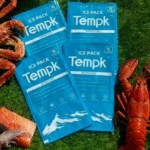
White Fish Fillets rantai dingin Packaging Guide for Seafood Delivery
Kemasan rantai dingin panduan fillet ikan putih, meliputi penanganan dingin, pengendalian tetesan dan bau, pra-pendinginan, perlindungan tekanan, penempatan cairan pendingin, durasi rute, kerugian umum, dan pemilihan paket Tempk.
Mengapa fillet ikan putih membutuhkan kemasan makanan laut yang spesifik
Fillet ikan putih empuk dan ramping. Mereka butuh flu, membersihkan, kemasan bertekanan rendah yang mengontrol tetesan dan bau tanpa mengeringkan atau menandai permukaan fillet. Kemasan makanan laut harus melindungi suhu dan kualitas penerimaan secara bersamaan. Paket bisa sampai dalam keadaan dingin tetapi tetap gagal jika bocor, berbau hangat, menghancurkan produk halus, atau membasahi karton luar.
Pengemasannya harus dimulai dari produk dingin, gunakan lapisan dalam yang aman untuk makanan laut, pisahkan cairan pendingin dari kemasan makanan laut, dan termasuk menerima pemeriksaan suhu, bau, menetes, tekstur, dan kondisi karton.
Alat pengambilan keputusan yang berguna
Periksa detailnya sebelum Anda memilih kemasan
Alat cepat ini dapat membantu Anda membandingkan risiko rute, kebutuhan ukuran, pilihan pendingin, dan detail kemasan sebelum Anda meminta penawaran.
Kalkulator Paket Es
Perkirakan jumlah paket es gel untuk pengiriman dingin dan perencanaan rute yang praktis.
Perkirakan kantong esPemeriksa Risiko Rute
Tinjau kondisi jalur sebelum memilih kemasan untuk mengetahui kebutuhan pengoperasian sebenarnya.
Periksa risiko ruteReferensi Bahan Isolasi
Bandingkan pilihan bahan insulasi untuk kebutuhan pengemasan rantai dingin yang berbeda.
Bandingkan bahanTabel persyaratan paket
| Faktor rantai dingin | Persyaratan Fillet Ikan Putih |
|---|---|
| Suhu sasaran | 0-2 C dingin untuk fillet ikan putih segar |
| Kelembaban dan kondensasi | Sedang hingga tinggi; kontrol tetesan, perpindahan bau, karton basah, dan memberi label kerusakan |
| Pra-pendinginan | Muat fillet dari tempat penyimpanan dingin dan simpan kemasan eceran dalam keadaan tertutup hingga pemuatan akhir |
| Tekanan kemasan | Sedang hingga tinggi. Fillet tanpa lemak bisa pecah, mengelupas, atau menunjukkan tanda dari tekanan yang tidak merata |
| Posisi pendingin | Gunakan kemasan gel atas atau samping dengan sekat dan lapisan penyerap; hindari tekanan es langsung pada fillet |
| Durasi transit | Di hari yang sama sampai 48 jam rute dingin setelah validasi rute |
| Kerugian umum | Bau hangat, menganga, kebocoran tetesan, pengeringan permukaan, paket basah, dan penampilan fillet yang buruk |
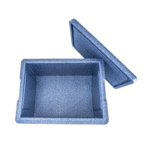
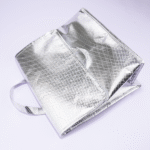
| Respon pengemasan Tempk | Pengirim makanan laut berinsulasi Tempk dengan lapisan tertutup, bantalan penyerap, dukungan baki datar, paket gel terpisah, dan pencatat produk |
Catatan desain rute
Petakan setiap titik hangat di rute: waktu pengepakan bangku, serah terima pembawa, tinggal di pusat penyortiran, tempat tinggal kendaraan pengantar, dan penundaan penerima. Makanan laut dengan kelembapan tinggi atau ukuran kemasan kecil dapat lebih cepat hangat dan bocor dibandingkan fillet padat, jadi tata letak bagian dalam harus disetujui dengan paket ritel sebenarnya.
Gunakan liner yang tersegel, lapisan penyerap, dukungan baki, dan dipisahkan Paket gel dimana diperlukan. Untuk makanan laut hidup, hindari kontak beku dan genangan air. Untuk olahan seafood dingin, fokus pada suhu produk, kontrol tetesan, pengendalian bau, dan kekeringan kemasan.
Rekomendasi sementara
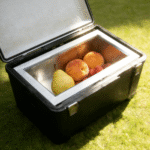
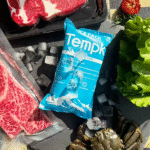
Paket seafood khas Tempk menggunakan pengirim terisolasi, paket gel terkondisi atau makanan laut Paket es, liner anti bocor, bantalan penyerap, pembagi produk, pemisah pendingin, dan logger tingkat produk. Setujui paket setelah memeriksa suhu, bau, menetes, tekstur, kerusakan cangkang atau baki, dan kekeringan karton setelah rute sebenarnya.