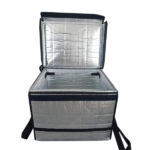
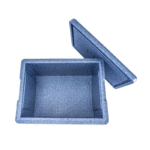
Eco friendly EPP box sedang is more than a buzzword—it’s a practical solution that keeps your temperature sensitive goods fresh while reducing environmental impact. You might wonder whether reusable foam containers can really match traditional single use packaging. Jawabannya adalah ya: high density expanded polypropylene (EPP) foam traps millions of tiny air pockets, offering insulation that keeps products cold for up to 72–96 hours while lasting through hundreds of cycles. Panduan ini, diperbarui pada Desember 10 2025, walks you through how eco friendly EPP box medium works, how it compares to other materials, and what innovations are shaping the cold chain industry.
This guide covers:
The science behind eco friendly EPP box medium and why its closed cell structure delivers long lasting insulation.
A comparison of EPP with EPS, EPE and PUR foams, highlighting thermal performance, daya tahan dan kemampuan daur ulang.
Practical user scenarios in food, industri farmasi dan e-commerce, showing how you can integrate EPP containers into your logistics.
Care and maintenance tips to maximise lifespan and hygiene.
2025 market trends—including growth forecasts, regulatory changes and cutting edge technologies like AI route optimisation and IoT monitoring.
Answers to common questions about cost, lifecycle and environmental impact.
What makes an eco friendly EPP box medium special?
Closed cell insulation provides long term temperature control. Selama manufaktur, polypropylene beads are fused into a rigid foam structure where tiny air pockets slow heat transfer. When used with eutectic plates, this structure maintains cold temperatures for 72–96 jam—far longer than typical polystyrene coolers. Thermal conductivity values around 0.25–0,26 W/m·K translate to an nilai R di dekat 3.9 pada 21 ° C., meaning less heat enters your box over time.
Lightweight strength resists rough handling. Despite weighing less than comparable rigid plastic containers, EPP foam boasts a high strength to weight ratio. It tolerates drops from 1.5 M and withstands compressive loads of 11–15 psi pada 10 % kompresi. This resilience protects your cargo from impacts and reduces product loss.
Wide temperature range and chemical resistance. EPP tetap stabil dari –40 °C hingga +110 ° C.. Whether you’re shipping frozen vaccines or hot meals, the same container works. Its closed cells absorb less than 5 % of their volume in water and resist oils and chemicals, preventing mould and ensuring hygienic reuse.
How reusable and recyclable is EPP?
A major selling point of the eco friendly EPP box medium is its reusability. A single container can be reused lebih 500 kali if properly cared for. Sebaliknya, polystyrene yang diperluas (EPS) coolers are typically single use, dan polietilen yang diperluas (EPE) boxes rarely survive more than 10 perjalanan. Di akhir masa pakainya, EPP adalah 100 % dapat didaur ulang, mendukung ekonomi sirkular. Peraturan seperti Peraturan Pengemasan dan Limbah Pengemasan UE (Pp) require packaging to be recyclable by 2030, menjadikan EPP sebagai pilihan bukti masa depan.
| Bahan | Konduktivitas Termal (W/m · k) | Reusability | Kisaran suhu | Apa artinya bagimu |
| EPP | 0.25–0.26 | 500+ siklus | –40 °C hingga +110 ° C. | Long lasting insulation for hot and cold items without frequent replacement |
| EPS | ≈0.036 | Sekali pakai | –30 °C hingga +70 ° C. | Cheap but brittle; often ends up in landfills and may not meet future regulations |
| EPE/PUR | 0.034–0,04 | <10 penggunaan | –60 °C hingga +80 ° C. | Softer cushioning but lower structural rigidity and fewer reuse cycles |
Practical Tips to Maximise Performance
Pre cool the box and coolant. Chill eutectic plates or gel packs overnight and pre cool the EPP box before loading to extend hold time.
Kemas secara efisien. Fill empty space with dividers or cushioning to minimise air gaps and temperature fluctuations.
Ensure a tight seal. Choose containers with recessed grooves and clips; segel yang tepat dapat meningkatkan insulasi 30 %.
Pantau kondisi. Gunakan sensor IoT untuk melacak suhu internal, humidity and location so you can intervene if conditions drift.
Bersihkan secara teratur. Wash the container with a mild detergent after each trip. EPP’s chemical resistance means it can be cleaned repeatedly without degrading.
Contoh dunia nyata: A pharmaceutical distributor integrated compact EPP containers with IoT sensors and eutectic plates. The company achieved 72Stabilitas suhu –96 jam and cut vaccine spoilage from US$1,2 juta menjadi nol while reducing packaging costs by 60 %.
How does an eco friendly EPP box medium compare to other materials?
When choosing thermal packaging, you might consider EPS, EPE, PUR or even vacuum insulated panels. EPP outperforms these options in durability, dapat digunakan kembali dan berkelanjutan.
Durability and impact resistance
EPP’s energy absorption allows it to rebound after compression, reducing breakage during transport. EPS is brittle and cracks under stress, while EPE offers cushioning but less structural rigidity. Poliuretan (Pur) provides high insulation but is heavy and hard to recycle. For frequent shipments and rough handling, EPP’s toughness translates into fewer damaged goods and lower replacement costs.
Thermal retention and logistics
Combining EPP boxes with eutectic plates maintains cold temperatures for 72–96 jam. EPS coolers may keep items cold for just 24–48 jam and often require thicker walls. PUR and EPE perform better than EPS but usually weigh more or degrade faster, limiting their appeal for medium volume deliveries. EPP’s balance of insulation and weight makes it ideal for multi day shipments.
Environmental impact and regulations
Tekanan peraturan membuat perusahaan menjauhi busa sekali pakai. The EU’s PPWR and extended producer responsibility (EPR) fees encourage recyclable, kemasan yang dapat digunakan kembali. Because EPP is a single thermoplastic free of chemical blowing agents and fully recyclable, it meets these requirements. EPS seringkali berakhir di tempat pembuangan sampah karena kontaminasi, and PUR can release toxic fumes when improperly disposed. Choosing an eco friendly EPP box medium supports your corporate sustainability goals and compliance.
Biaya dan total biaya kepemilikan
While EPP containers cost more initially, their long service life—lebih 500 penggunaan—means you replace them far less often. Studies show that rental models with IoT tracking can reduce payback periods to kurang dari delapan siklus pengiriman. Over the product’s lifespan, you save on purchase costs, disposal fees and fines for non compliant packaging, making EPP a cost effective option.
Fleksibilitas dan penyesuaian
EPP foam can be moulded into various shapes with integrated handles, Tag RFID, sensors and branding. Kepadatan khusus (15–100kg/m³) let you tailor weight and insulation performance. EPS menawarkan penyesuaian terbatas; EPE is often used as flexible wraps rather than rigid containers. PUR is harder to shape into complex forms.
Practical applications and user scenarios
Pengiriman makanan dan makanan
If you run a meal kit service or deliver fresh groceries, eco friendly EPP box medium helps maintain safe temperatures from the warehouse to your customer’s door. With a temperature range from –40 °C hingga +110 ° C., you can carry frozen fish and ready to eat meals in the same shipment. Reusable EPP containers also enhance your brand image by aligning with consumer demands for sustainability. Survei menunjukkan hal itu 75 % konsumen mengutamakan kebersihan dan keamanan pangan, 67 % menekankan umur simpan Dan 51 % care about environmental impact, making durable, reusable packaging a competitive advantage.
Pharmaceutical and healthcare shipments
Vaksin, biologics and precision medicines require strict temperature control. EPP low water absorption (<5 %) resists moisture and mould, mencegah kontaminasi. Its high density protects vials and syringes from shocks during transit. Compliance with FDA and EU guidelines is easier because EPP can integrate sensors to log temperature and humidity.
E commerce and last mile logistics
The rise of direct to consumer (D2C) models has increased demand for reliable, eco friendly thermal packaging. For moderate volumes, sebuah eco friendly EPP box medium offers a lightweight alternative to bulky coolers and reduces shipping costs. Paired with return logistics programmes, these boxes can be collected, disanitasi dan digunakan kembali, closing the loop and reducing waste.
Industrial and laboratory uses
Beyond food and pharma, EPP containers serve industrial equipment and laboratory samples. High density grades (40–60kg/m³) deliver enhanced strength and dampen vibrations, protecting sensitive instruments and glassware. Produsen elektronik telah mengurangi kerusakan layar 35 % using EPP foam transport modules, demonstrating its versatility.
Peduli, maintenance and best practices
Assess your shipping profile. Analyse your typical payload weight, required temperature range and transit time. Untuk pengiriman yang berlangsung lebih dari 24 jam, EPP’s thermal performance offers clear benefits.
Kondisikan sebelumnya dengan benar. Always freeze or pre condition eutectic plates and gel packs for at least 12 jam. Place them strategically around the cargo to maximise thermal efficiency.
Load strategically. Heavy items should be placed at the bottom, with light items on top and fillers eliminating air pockets. Avoid leaving voids, as they accelerate heat ingress.
Lacak dan pantau. Use IoT devices inside your EPP containers to log temperature, kelembaban dan geolokasi. Real time alerts allow you to take corrective action if conditions drift.
Develop a return and reuse programme. Collaborate with logistics partners to collect empty EPP boxes, sanitise them and reinject them into the supply chain. Companies implementing reusable pallet exchange programmes have seen significant cost savings and waste reduction.
Clean and sanitise routinely. Use mild detergent and disinfectants that are safe for polypropylene. Avoid abrasive scrubbers to prevent surface damage. Allow the boxes to dry completely before reuse.
Periksa secara teratur. Carilah retakan, dents or warping. Although EPP is resilient, damaged boxes should be repaired or recycled to maintain insulation performance.
2025 innovations and trends shaping eco friendly EPP box medium
Prospek pasar kotak isolasi EPP
Market research indicates that the EPP insulation box sector will be worth US$2 miliar di dalam 2025 dan tumbuh di 7 % tingkat pertumbuhan tahunan gabungan (CAGR) melalui 2033. Penggerak pertumbuhan mencakup pengiriman bahan makanan e-commerce, pengiriman bioteknologi dan inisiatif keberlanjutan. North America and Europe supply roughly 100 juta unit setiap tahunnya, sementara Asia-Pasifik berkontribusi sekitar 40 juta and is the fastest growing region.
Global cold chain packaging market trends
The global cold chain packaging market stood at masuknya US$32,29 miliar 2025 dan diproyeksikan untuk mencapai US$48,93 miliar pada 2030, sebuah 8.67 % CAGR. Temperature monitoring devices are the fastest growing segment, berkembang di 12.95 % CAGR. EU packaging and waste regulations require full recyclability by 2030, accelerating the transition from EPS to bio based and reusable solutions.
Teknologi yang muncul
Pengoptimalan rute yang digerakkan oleh AI: Algoritma menganalisis lalu lintas, cuaca dan jendela pengiriman untuk menyesuaikan rute, mengurangi penggunaan bahan bakar dan meningkatkan keandalan.
Blockchain untuk ketertelusuran: Buku besar yang tidak dapat diubah mencatat setiap langkah perjalanan suatu produk, meningkatkan kepatuhan dan kepercayaan konsumen.
Pendinginan bertenaga surya: Solar cold chain solutions are expanding access in regions with limited electricity, mengurangi emisi.
Sensor IoT dan pengemasan aktif: Smart containers integrate sensors to monitor temperature, kelembaban dan lokasi secara real time.
Bahan ramah lingkungan: Manufacturers are incorporating compostable foams and bio based additives into EPP formulations.
Sustainability trends and consumer expectations
A 2025 consumer survey menemukan itu 75 % konsumen mengutamakan kebersihan dan keamanan pangan, 67 % menekankan umur simpan, 57 % menghargai kemudahan penggunaan, 55 % peduli dengan daya tahan, Dan 51 % mempertimbangkan dampak lingkungan saat memilih kemasan. Extended producer responsibility fees and PPWR mandates encourage companies to design recyclable and reusable packaging. Key trends include enhanced reusability, integration of smart technologies and circular economy models. Businesses that embrace these trends early gain a competitive edge, as EPP box demand grows at 7 % CAGR.
Market insights and new processes
The expanded polypropylene (EPP) foam market itself was valued at masuknya US$2,2 miliar 2025 dan diproyeksikan untuk mencapai US$5,1 miliar pada 2035. Produsen otomotif menggunakan busa EPP dalam sistem tempat duduk untuk meningkatkan ketahanan terhadap benturan dan kemampuan daur ulang. Electronics companies have cut screen breakage by 35 % by using EPP transport modules. Kemajuan dalam efisiensi produksi—seperti lini proses yang diluncurkan pada bulan April 2025 yang mengurangi waktu ekspansi manik EPP sebesar 18 %—are lowering costs and increasing availability. Metode daur ulang bahan kimia yang sedang dikembangkan dapat mengurangi biaya bahan baku dan meningkatkan keberlanjutan.
Pertanyaan yang sering diajukan (FAQ)
What temperature range can the eco friendly EPP box medium handle? The closed cell foam remains stable from –40 °C hingga +110 ° C., so it’s suitable for frozen vaccines, chilled produce and hot meal deliveries.
How long can an EPP box keep goods cold? When paired with properly conditioned eutectic plates or gel packs, Kotak EPP mempertahankan suhu dingin 72–96 jam. Panel berisolasi vakum atau elemen pendingin aktif dapat memperpanjang durasi ini.
Berapa kali saya dapat menggunakan kembali kotak EPP? Dengan penanganan dan pembersihan yang tepat, you can reuse an eco friendly EPP box medium more than 500 kali tanpa kehilangan kinerja yang signifikan.
Is an EPP box more environmentally friendly than EPS? Ya. EPP is fully recyclable and free of harmful blowing agents, sedangkan EPS sering kali berakhir di tempat pembuangan sampah dan memiliki tingkat daur ulang yang rendah.
What’s the cost payback period when switching to EPP? Companies using rental or pooling models with IoT tracking often recoup the higher initial cost in kurang dari delapan siklus pengiriman due to reduced replacement costs and lower spoilage.
Ringkasan dan Rekomendasi
Kunci takeaways: Sebuah eco friendly EPP box medium combines superior insulation, durability and reusability. Its closed cell structure delivers long lasting thermal protection while the high strength to weight ratio resists damage. The material is stable across extreme temperatures, absorbs minimal moisture and can be reused over 500 kali. Dibandingkan dengan EPS atau EPE, EPP’s recyclability and compliance with 2030 regulatory mandates make it a sustainable choice.
Langkah selanjutnya: Evaluate your shipping needs and consider adopting eco friendly EPP containers for medium volume deliveries. Start by trialling a few EPP boxes with your most temperature sensitive products. Use IoT sensors to monitor performance and refine pre conditioning and packing protocols. Work with suppliers to set up a return and reuse programme. Akhirnya, tetap mendapat informasi tentang 2025 market trends—particularly AI driven routing and compostable materials—so you can adapt your cold chain strategy as technology evolves.
Tentang tempk
Kami Tempk, a cold chain innovator dedicated to sustainable packaging solutions. Kita eco friendly EPP box medium range combines lightweight strength with outstanding insulation. Kami mendesain, test and manufacture reusable containers and eutectic plates that keep your goods at the right temperature for days. We’ve helped businesses reduce spoilage by 60 % and cut packaging costs through durable, recyclable products. At Tempk we’re continually developing smarter, greener packaging—including boxes that integrate IoT sensors and bio based materials—to support your sustainability goals.
Siap mengubah rantai dingin Anda? Hubungi Tempk untuk konsultasi gratis, and explore how our eco friendly EPP box medium can enhance your logistics while protecting the planet.