Um plano de seis portas para a compra de embalagens frias de doces
UM fabricante de bolsa de gelo seco para logística de doces deve passar por uma sequência de portões de evidências antes que um comprador aprove o fornecimento em massa. O processo começa identificando o que o produto realmente contém, então define o doce e a pista, projeta o pacote completo, verifica o fabricante e a operação da embalagem, e libera apenas a configuração testada. Isso evita um erro comum de aquisição: comparando preços unitários enquanto a identidade material, exposição de verão, separação de alimentos, trabalho de condicionamento, peso dimensional, e os critérios de aceitação permanecem indefinidos.
Comece com uma regra de parar ou liberar
A equipe de compras deve concordar que uma amostra promissora não é um sistema de remessa liberado. Cada portão precisa de um dono, evidência necessária, decisão, e processo de exceção documentado.
| Portão | Decisão | Evidência mínima | Condição de parada |
|---|---|---|---|
| 1. Identidade | Nós entendemos o componente de resfriamento? | Médio, construção, massa, dimensões, condicionamento, situação de segurança e transporte | “Bolsa de gelo seco” continua sendo a única descrição do material |
| 2. Envelope do produto | Sabemos o que o doce pode tolerar? | Limites da família de produtos, modos de falha, condição inicial, requisitos do pacote primário | Uma temperatura universal para doces foi copiada de um folheto |
| 3. Lane e economia | A rota comercial está definida? | Perfil sazonal, duração, atraso, serviço, manuseio, dimensões finais e modelo de custo | A solicitação especifica apenas “dois dias” e peso do doce |
| 4. Design de embalagem | Existe um sistema completo reproduzível? | Desenho, lista de materiais, colocação de refrigerante, barreira de umidade, encerramento, plano de sensores | A contagem do líquido refrigerante é indicada sem posição ou condição |
| 5. Qualificação e escala | A evidência representa produção e distribuição? | Testes térmicos e físicos, pilotos, teste de operações em lote completo, separação de alimentos | Apenas uma demonstração de caixa vazia ou de bancada está disponível |
| 6. Liberação e controle | Ambas as partes podem manter o estado aprovado? | Especificação, plano de aceitação, rastreabilidade, aviso de alteração, capacidade e processo de não conformidade | Mudanças de fornecedores podem ocorrer sem revisão |
O registro do portão deve distinguir uma passagem condicional de uma passagem completa. Por exemplo, um protótipo pode passar por uma tela térmica de verão, mas permanecer condicional até que a vibração e o aquecimento do destino sejam avaliados. A aquisição não deve converter esse resultado condicional em uma especificação de compra irrestrita.
Atribuir proprietários multifuncionais. A qualidade do produto define os limites dos doces e investiga a floração. A engenharia de embalagens é dona do design do sistema. Operações comprovam condicionamento e execução da linha de embalagem. O pessoal regulador ou de segurança alimentar analisa as responsabilidades sanitárias, status do contato, e exigências do mercado. A logística define as rotas reais e as restrições da transportadora. Aquisição avalia capacidade, termos comerciais, e controle de mudança. O fabricante fornece componentes controlados e suposições declaradas.
Portões 1 e 2: identificar limites de refrigerante e doces
Portão 1: estabelecer a identidade exata e a função pretendida
A palavra-chave “bolsa de gelo seco” pode apontar para duas categorias fundamentalmente diferentes.
O verdadeiro gelo seco é dióxido de carbono sólido. Ele muda diretamente de sólido para gasoso a cerca de -78°C sob condições atmosféricas. A expansão do gás significa que a embalagem deve ventilar; um gabinete hermeticamente fechado não é seguro. Os trabalhadores precisam de controles para contato com o frio e acúmulo de dióxido de carbono. Materiais e doces próximos ao gelo seco podem sofrer temperaturas locais extremamente baixas. As regras atuais de transporte e transportadora devem ser verificadas, especialmente para serviço aéreo, onde o programa pode precisar de identificação UN1845, Nome de envio adequado, massa líquida de gelo seco, marcas de pacote, e aceitação específica do operador.
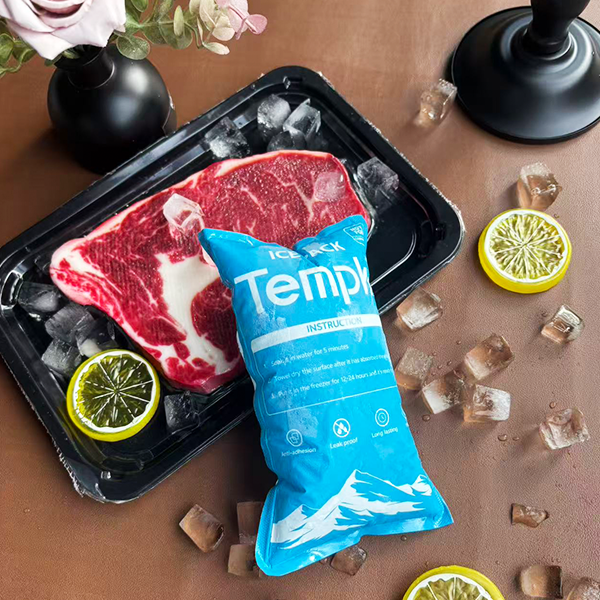
UM hidratar gelo seco é uma folha fria ativada por água. É fornecido seco, absorve água nas células internas, e é congelado antes de usar. Não contém dióxido de carbono sólido simplesmente porque “gelo seco” aparece em seu nome comercial. Não herda os requisitos da UN1845 apenas com esse nome. Seus riscos operacionais são diferentes: ativação variável, drenagem insuficiente, carga do congelador, contato local com temperatura do gelo, vazamento, e umedecimento de embalagens de papelão ondulado ou de presente.
Outros candidatos deverão permanecer na decisão:
pré-preenchido pacotes de gel, que removem o trabalho de hidratação, mas usam mais espaço de entrada e de freezer;
rígido tijolos de gelo, que fornecem geometria fixa, mas podem adicionar pressão e necessidades de logística reversa;
pacotes de mudança de fase formulados, que pode proteger uma faixa específica de doces;
pacotes somente de isolamento para pistas curtas controladas;
mudanças logísticas, como serviço mais rápido, restrições de dias de envio, ou captação controlada.
Exigir que o fabricante preencha uma folha de identidade. Deve indicar o nome e o código do produto, categoria média real, construção de filme ou concha, categoria absorvente ou de preenchimento, dimensões e tolerâncias, massa seca e pronta para embalar, padrão de selo ou célula, armazenar, método de ativação e condicionamento, status de contato pretendido, marcação de lote, contagem de casos, e critérios de rejeição.
Para dióxido de carbono sólido, a folha se torna um dossiê de rota e segurança, em vez de uma especificação comum de componente reutilizável. Definir localização do fornecedor, formulário recebido, perda de manuseio esperada, método de armazenamento, ventilação, pesagem, equipamento de proteção, tempo de embalagem, projeto de ventilação, Marcas, documentação, aprovação da transportadora, e procedimento de emergência.
No final do Portão 1, todos deveriam ser capazes de responder, em linguagem simples, “O que absorve o calor, que mudança de fase ocorre, quão fria a interface pode ficar, e o que o embalador deve fazer antes do envio?”Se a resposta depender de um nome comercial, parar.
Portão 2: aprove o envelope de doces e umidade
Crie famílias de produtos somente quando seus riscos forem genuinamente semelhantes. Um agrupamento baseado no departamento de varejo ou no tamanho da caixa não é suficiente.
Para cada família, categoria de formulação de registro, tipo de chocolate, revestimento, centro, inclusões, envoltório primário, caixa de varejo, geometria, massa, Headspace, e orientação da embalagem. Definir a condição inicial aprovada e os limites para temperatura do produto, exposição à umidade, pressão, vibração, e recuperação. Listar critérios de lançamento observáveis.
Um registro prático de defeitos pode incluir:
| Defeito | Perguntas para o proprietário do produto | Controle logístico para avaliar |
|---|---|---|
| Derretimento ou deformação | Qual componente amolece primeiro: concha, centro, inclusão, ou adesivo? | Exposição ao calor, condição inicial do produto, isolamento, serviço, buffer de refrigerante |
| Flor gorda | O temperamento estava estável? As gorduras podem migrar de nozes ou recheios? O que o ciclismo importa? | Reduza o ciclo de temperatura qualificado; inspecionar após a recuperação; preservar registros de produção |
| Flor de açúcar | O pacote primário pode admitir umidade? Como é aberto o produto frio no destino? | Barreira de umidade, drenagem de refrigerante, aquecimento com reconhecimento de ponto de orvalho, instrução do receptor |
| Gomas pegajosas ou fixas | O produto é sensível ao calor, umidade, frio, ou pressão? | Buffer específico do produto, projeto do separador, regras de sortimento misto |
| Rachaduras e arranhões | As conchas são quebradiças quando frias? Os pacotes ou divisórias podem ser movidos? | Bolsa de refrigeração fixa, amortecimento, teste de distribuição, headspace controlado |
| Caixa de presente molhada ou distorcida | A condensação ou vazamento pode atingir o papelão? | Forro selado, separação física, padrão de drenagem, procedimento de recuperação |
| Odor ou mancha | Quais filmes, preenchimentos, cargas, ou produtos químicos de limpeza são relevantes? | Revisão de materiais, pacote primário selado, saneamento de veículos e áreas de embalagem |
Flor de chocolate merece duas linhas porque a ação corretiva é diferente. O florescimento do açúcar pode ocorrer quando a água condensa no chocolate, dissolve o açúcar da superfície, e depois evapora. O florescimento gordo envolve o comportamento do cristal gordo e pode estar relacionado ao temperamento, histórico de temperatura, ou migração de gorduras de um recheio ou inclusão. Uma superfície branca não é um diagnóstico completo.
Use o ponto de orvalho como um conceito operacional. Quando o produto ou embalagem frio está abaixo do ponto de orvalho do ar circundante, a água pode condensar. O sistema pode precisar de um envoltório primário intacto, forro interno selado, separação fixa do refrigerante, aquecimento controlado enquanto o revestimento permanece fechado, e instruções sobre quando abrir. Mais refrigerante não é automaticamente mais seguro; pode aumentar a diferença de temperatura que impulsiona a condensação.
A segurança alimentar e a qualidade comercial devem ser rotuladas corretamente. Nos Estados Unidos, os requisitos de transporte sanitário se aplicam às atividades cobertas e abordam equipamentos adequados, operações sanitárias, registros, e certas responsabilidades de treinamento. O controle adequado da temperatura é necessário onde a segurança depende disso. Muitas especificações de resfriamento de doces têm como objetivo proteger a qualidade, em vez de atender a uma temperatura universal de segurança alimentar.. Produtos envasados ou manuseados especialmente podem ter avaliações diferentes. As equipes responsáveis de regulamentação e qualidade devem determinar a cobertura e os controles.
Portão 2 passa somente quando o comprador possui um envelope e método de inspeção específicos do produto. O fabricante da embalagem fria pode ajudar a projetar dentro desses limites, mas não deveria inventá-los.
Portão 3: definir a pista e a economia total entregue
Transforme a rota em um briefing de engenharia e compras:
origem, grupo de destino, e nível de serviço;
limite de pedido, tempo de embalagem, escolher, e promessa de entrega;
distribuição real de trânsito, não apenas o serviço nominal;
fins de semana, feriados, conexões perdidas, e regras de reenvio;
condições sazonais de origem e destino;
centro quente, veículo, doca de carga, armário, ou exposição na varanda;
exposição externa ao frio no inverno;
orientação, gotas, vibração, compressão, e empilhamento;
disponibilidade do receptor e prática de aquecimento;
restrições de modo e portador para dióxido de carbono sólido.
Um perfil térmico de parcela reconhecido e aplicável pode criar um desafio laboratorial consistente. ISTA 7E, por exemplo, fornece perfis de exposição ao calor e ao frio para pacotes embalagem térmica. A equipe ainda deverá justificar o perfil escolhido frente às suas pistas e realizar embarques reais. Um perfil padrão é uma referência, não é uma promessa universal.
Crie pelo menos um perfil básico de verão, um perfil de atraso justificado, e uma avaliação de inverno ou de transição fria, quando relevante. Se a empresa envia para uma ampla geografia, segmentar pistas em um pequeno número de bandas validadas. Definir quem atribui a banda e o que acontece quando as condições ficam fora dela.
A aquisição deve comparar o custo total entregue neste portão, antes mesmo do projeto final:
Materiais: refrigerante, isolamento, caixa externa, forro de umidade, separadores, preenchimento vazio, fita, rótulos, impressão, ferramentas, e sensores.
Preparação: água de hidratação, absorver e drenar o trabalho, energia do congelador, prateleiras, encenação, têmpera, perda de gelo seco, equipamento de proteção, inspeção, e unidades rejeitadas.
Cumprimento: Escolha, conjunto, espaço de linha, treinamento, tempo de ciclo, erros de pacote, e horas extras sazonais.
Frete: peso real, peso dimensional, nível de serviço, manuseio especial, condições de tamanho excessivo, aceitação de gelo seco, e sobretaxas de destino sob as tarifas atuais.
Falha: perda de produto, substituições, reembolso, segundo movimento de carga, atendimento ao Cliente, disposição, e danos à marca.
Recuperação: remessa de devolução, limpeza, secagem, inspeção, ativos perdidos, renovando, e aposentadoria onde se pretende a reutilização.
O peso dimensional deverá utilizar a embalagem externa final e a regra vigente da transportadora para o serviço selecionado. Não congele um divisor histórico em um caso de negócios plurianual. Um revestimento espesso pode reduzir a demanda de refrigerante, mas aumentar o volume faturado. Um serviço mais rápido pode suportar uma caixa menor. Uma bolsa fria de baixo custo pode exigir mais mão de obra no freezer. Portão 3 devem preservar essas interações em vez de classificar os componentes apenas pelo preço unitário.
A sustentabilidade usa o mesmo limite do sistema. Compare uma entrega bem-sucedida de doces aceitáveis. Incluir embalagem, ativação, energia fria, volume de saída, dano, substituição, logística reversa, e opções reais de fim de vida. Uma folha de hidratação seca pode economizar espaço de entrada; um pacote de gel pode reduzir erros de ativação; um tijolo pode funcionar em um circuito fechado de retorno. Ninguém ganha uma reivindicação ambiental universal sem evidências e um limite declarado.
Portão 4: projetar um pacote reproduzível
Uma especificação de pacote completa nomeia cada camada e posição. Deve conter:
código e fechamento da caixa externa;
material de isolamento, grossura, articulações, e ajuste da tampa;
forro de umidade interna e método de vedação;
código do refrigerante, quantidade, doença, orientação, e bolso;
separadores físicos e folga mínima de doces;
família de doces, padrão de caso de varejo, e condição inicial;
Ferramentas úteis de decisão
Verifique os detalhes antes de escolher a embalagem
Essas ferramentas rápidas podem ajudá-lo a comparar o risco da rota, necessidades de dimensionamento, escolhas de refrigerante, e detalhes da embalagem antes de solicitar um orçamento.
Verificador de risco de rota
Revise as condições da pista antes de selecionar a embalagem para requisitos operacionais reais.
Verifique o risco da rotaForro de caixa & Dimensionamento da cobertura de paletes
Verifique a lógica de dimensionamento do forro da caixa e da tampa do palete para projetos de embalagens isoladas.
Dimensionamento estimadoSeletor de embalagens
Compare opções de embalagens isoladas por produto, rota, e necessidade de temperatura.
Encontre embalagenspreenchimento vazio, divisores, e controle de movimento;
rótulos, Marcas, posições dos sensores, e dimensões brutas.
Protótipo de mais de uma arquitetura. Comparar somente o topo, lado, ou colocação de pacotes distribuídos quando relevante. Inclui versões com contato em buffer e sem contato direto. Um refrigerante que funciona bem acima de uma carga densa de chocolate pode criar uma zona fria quando enrolado em um sortimento leve de presente. Projete em torno da entrada de calor e do risco do produto, não simetria.
Barreiras contra umidade precisam de sua própria verificação. Verifique os selos do envoltório primário, fechamento de forro secundário, flexibilidade a frio, punção, odor, transferência de tinta, e proteção contra vapor de água. Mantenha as embalagens à base de água fora da embalagem primária do alimento e em um compartimento fixo. Teste o vazamento previsível e o movimento da embalagem. O preenchimento “não tóxico” não é permissão para contato direto descontrolado com alimentos.
As declarações sobre contato com alimentos devem identificar o material exato e o uso pretendido. As substâncias de embalagem podem incluir filmes, revestimentos, adesivos, corantes, e outros componentes. Se um refrigerante ou separador puder entrar em contato direto ou incidentalmente com doces, o comprador precisa de documentação relevante para esse tipo de contato, comida, temperatura, duração, e mercado. O arranjo comum mais seguro é a embalagem primária de alimentos intacta e a separação mantida.
O condicionamento faz parte da arquitetura. Para folhas hidratadas, definir a qualidade da água conforme apropriado, método de ativação, massa pronta aceitável ou preenchimento, tempo de drenagem, padrão de rack, carregamento do freezer, verificação do estado de fase, têmpera permitida, tempo de preparação, e rejeição. Para embalagens de gel e de mudança de fase, definir disposição do freezer, ponto final, condição da superfície, ciclismo ou limites de idade quando suportados, e encenação. Para dióxido de carbono sólido, definir formulário recebido, massa líquida embalada, provisão para perdas, colocação, ventilação de gás, e controles de linha de embalagem.
A instrução visual deve mostrar a sequência final e erros comuns. Barreiras não podem ser opcionais, e os embaladores não devem improvisar quando a caixa do produto é mais curta ou quando o sortimento muda. O sistema de gerenciamento de pedidos ou armazém deve mapear cada doce qualificado e grupo de rotas para um código de embalagem exato.
Portão 5: qualificar o sistema e comprovar escala
A qualificação deve responder a três perguntas diferentes: O componente atende às suas especificações? A embalagem protege o doce? As operações normais podem reproduzi-lo?
Comece com verificações de identidade dos componentes recebidos, dimensões, massa, selo, vazamento, odor, ativação, resposta congelada, imprimir, código de lote, e contagem de caixas. Em seguida, instrumente o pacote completo. Coloque sensores calibrados em locais provavelmente quentes, o centro de carga útil, e interfaces frias perto do refrigerante. Precisão do documento, intervalo, anexo, e qualquer simulador de produto.
Use doces reais ou equivalentes justificados para triagem, seguido por produto vendável representativo para lançamento. Uma caixa vazia não reproduz a capacidade térmica da carga útil, fluxo de ar, geometria, pressão do pacote, ou comportamento de umidade.
A exposição térmica deve incluir o perfil da pista e o atraso. Os testes físicos devem abordar os riscos de distribuição porque as quedas, vibração, compressão, e a inversão pode mover o refrigerante, perfurar um pacote, abrir uma junta de isolamento, ou doce. Inspecionar:
temperaturas do produto em relação ao envelope aprovado;
derretido, deformado, rachado, arranhado, pegajoso, ou peças definidas;
condição de casca e centro para doces recheados;
indicadores de açúcar e gordura após a recuperação;
selo primário e integridade da embalagem de varejo;
molhar, condensação, vazamento, e odor;
posição do separador, juntas de isolamento, e fechamento externo.
Em seguida, conduza pilotos de pista instrumentados através do serviço pretendido. Inclua destinos desafiadores e receptores realistas. Um pacote que passa quando coletado imediatamente pode falhar após uma parada na varanda. Uma chegada fria pode parecer aceitável antes que a condensação se desenvolva. Use um aquecimento definido e uma inspeção atrasada.
O teste de incrustação é obrigatório para componentes hidratados e congelados. Carregue o freezer, pois ele será carregado durante o pico de produção. Verifique os racks centrais e de borda. Tempo de imersão, drenando, congelando, encenação, Escolha, e embalagem. Meça a água no chão, ondulado molhado, alcance do operador, erros, e rendimento. Confirme se o pessoal temporário pode seguir as instruções de trabalho.
A capacidade do fabricante faz parte do Gate 5. Revise o processo de previsão, prazos de amostra e produção, capacidade normal e de pico, controles de matéria-prima, rastreabilidade de lote, inspeção, resposta de não conformidade, continuidade dos negócios, armazenar, contagem de embalagens, e configuração de paletes. Trate o pedido mínimo e a personalização como fatos comerciais específicos do fornecedor para confirmar, não reivindicações genéricas.
Lançamento hipotético de chocolate recheado
Uma empresa de doces deseja enviar cascas de chocolate amargo com recheio macio de nozes em dois- para uma rota de pacotes de verão de três dias. O grande transportador atual usa pacotes de gel contra duas faces da caixa de varejo. As reclamações incluem rachaduras nas bordas, superfícies pálidas, e alto custo de frete.
Portão 1 confirma que uma proposta “Chave de gelo seco”é um pacote de hidrato ativado por água, não dióxido de carbono. A empresa mantém um pacote de mudança de fase e o gel atual como candidatos de comparação.
Portão 2 separa rachaduras de casca, flor de açúcar, e flor gorda. A qualidade confirma que o recheio pode contribuir para a migração de gordura e define limites específicos do produto. A embalagem descobre que pacotes frios às vezes pressione contra a caixa de presente. Os testes de recebimento mostram condensação quando o revestimento interno é aberto imediatamente em ar úmido.
Portão 3 mapeia uma faixa severa de verão e um atraso de um dia. As finanças descobrem que a caixa atual geralmente é faturada por peso dimensional. Um serviço mais rápido em zonas selecionadas torna-se um candidato porque pode permitir um pacote menor.
Portão 4 cria três sistemas com canais de refrigeração fixos, separadores secos, um forro interno selado, e nenhum contato direto da embalagem com a caixa de varejo. O desenho da embalagem define a orientação do produto e as posições do sensor.
Portão 5 testa exposição ao calor, atraso, vibração, derrubar, e aquecimento. Um design é termicamente aceitável, mas torna a carcaça quebradiça na posição lateral. Outro usa uma caixa menor e um pacote de mudança de fase com buffer; passa nas condições definidas e reduz o volume faturado nas rotas modeladas. Uma versão hidratada também é aprovada, mas precisa de mais capacidade de drenagem e congelamento do que a instalação pode fornecer durante a promoção.
A equipe seleciona a configuração de mudança de fase menor para o lançamento e mantém o projeto hidratado como uma possível opção de pista futura após o investimento em operações. A decisão é baseada na condição do doce, escala, e custo entregue – não uma afirmação de que um refrigerante é sempre superior.
Portão 6: liberar, monitor, e controlar a mudança
O pacote de lançamento deve conter:
fabricante aprovado e código do componente;
especificação controlada e amostra de referência quando útil;
desenho de embalagem e lista de materiais;
matriz de aplicabilidade de doces e pistas;
instruções de condicionamento e embalagem;
relatórios de qualificação e piloto;
critérios de aceitação de produtos e pacotes;
plano de inspeção de entrada e em processo;
rastreabilidade de lote e regras de retenção de registros;
não conformidade, reclamação, e processo de ação corretiva;
acordo de notificação de alteração do fabricante;
árvore de decisão de requalificação;
capacidade e plano de substituição aprovado.
Definir alterações críticas de forma ampla o suficiente para proteger as evidências do sistema: preencher ou absorvente, resina de filme ou medidor, concha, tinta, adesivo, padrão de selo, dimensões, massa, equipamento, parâmetro de processo, fonte de matéria-prima, local de fabricação, isolamento, barreira, Carton, formulação de doces, pacote primário, serviço, ou rota. Nem toda mudança requer um teste completo, mas toda mudança crítica requer avaliação documentada.
Monitore os principais indicadores operacionais, como massa pronta para embalar, ponto final do congelador, tempo de preparação, erros de colocação de pacotes, caixas molhadas, e vazamento de componentes. Acompanhe indicadores de resultados por produto, faixa, e código do pacote: derreter ou deformar, rachadura, arranhar, pegajosidade, classificação de floração, condensação, prazo de entrega, substituição, peso real e dimensional, e custo.
Use fotos de reclamação com cautela. Uma superfície de chocolate clara não consegue, por si só, distinguir a flor de açúcar da flor de gordura. Recuperar lote, temperamento, formulação, registrador, rota, umidade, e recebendo provas. Corrija o mecanismo em vez de simplesmente adicionar outro pacote congelado.
Defina uma revisão sazonal antes dos períodos de envio mais quentes e mais frios. Confirme as regras da operadora, lógica de taxa, materiais de embalagem, capacidade do fabricante, rendimento de freezer ou hidratação, work instructions, sensores, alternativas aprovadas, e orientação ao cliente. Os requisitos de dióxido de carbono sólido devem ser verificados novamente em relação ao modo atual e à aceitação do transportador.
A declaração de lançamento final deve ser restrita: a embalagem nomeada protege a família de doces nomeada sob as condições testadas e critérios de aceitação. Não deveria prometer uma duração universal, quantidade, ou temperatura para todas as remessas de doces.
Perguntas frequentes
Qual é o primeiro documento a ser solicitado a um fabricante?
Solicite uma especificação de produto controlada que identifique o meio e a construção reais, dimensões, massa pronta, condicionamento, status de contato pretendido, marcação de lote, armazenar, e critérios de aceitação. Em seguida, solicite evidências do sistema relevantes para sua aplicação, não apenas uma reivindicação de componente.
Uma folha fria hidratada pode substituir o gelo seco sólido, um por um?
Não. O gelo de água e o dióxido de carbono sólido têm comportamentos de fase diferentes, temperaturas de interface, produção de gás, mudança em massa, controles de segurança, e situação do transporte. Redesenhar e qualificar todo o pacote.
O que deve impedir uma compra em massa?
Pare se a identidade material for vaga, faltam limites de doces, o desempenho é baseado em uma caixa vazia, refrigerante toca a embalagem de varejo sem controle, o condicionamento da produção não foi demonstrado, mudanças críticas não requerem aviso prévio, ou o custo ignora as dimensões finais do frete.
Como os compradores podem evitar o florescimento do açúcar após a entrega?
Use barreiras eficazes contra umidade primária e secundária, isolar componentes molhados ou congelados, evite superfícies de produtos desnecessariamente frias, e validar um procedimento de aquecimento de revestimento fechado para a umidade de destino. Investigue a floração real em vez de tratar todas as superfícies claras da mesma forma.
Uma declaração de contato com alimentos elimina a necessidade de separação?
Não. A documentação deve corresponder ao material e à condição de contato pretendida. A separação física também protege contra líquidos, pressão, odor, e danos no pacote. Um pacote primário intacto e um bolsão de refrigeração fixo permanecem como controles prudentes.
Quando é necessária a requalificação?
Use uma avaliação de risco documentada. Mudanças no meio térmico, massa, dimensões, filme, selo, condicionamento, isolamento, caixa, barreira, doce, pacote primário, faixa, serviço, ou instalação pode afetar o desempenho. Mudanças significativas geralmente exigem testes proporcionais ao seu impacto.
Sobre Tempk
Tempk fornece lençóis frios hidratados ativados por água, pacotes de gel, tijolos de gelo, caixas isoladas, e componentes de embalagem de controle de temperatura relacionados. O pacote de hidrato do Tempk absorve água e é congelado antes do uso; não é dióxido de carbono sólido. Os compradores podem trazer limites de produto, Dados da pista, dimensões do pacote, capacidade de operações, e previsões de volume para discutir formatos de amostra apropriados e insumos de qualificação.
O objetivo da aquisição é um sistema controlado que proteja o doce, permanece seco e higiênico, pode ser construído no volume máximo, e tem uma economia defensável. O registro de seis portas torna esse objetivo auditável desde a amostra até o controle de mudanças.
CTA: Envie para Tempk sua matriz de família de doces, embalagem primária, perfil de pista e atraso, desenho de caixa, limites de qualidade, capacidade da linha de embalagem, previsão, e dados de sinistros atuais para iniciar uma avaliação fechada de embalagem fria.