Pacote de gelo seco do fabricante para embalagens biológicas: Portões de aprovação
UM fabricante de bolsa de gelo seco para embalagens biológicas está pronto para compra somente após seis portas de aprovação serem fechadas. Os portões começam com a rotulagem e estabilidade do produto, não é uma amostra de refrigerante. Eles distinguem o dióxido de carbono sólido de uma camada de hidratação ativada por água, conecte o componente a um sistema de transporte isolado completo, verificar mercadorias perigosas e deveres de contenção, qualificar cargas úteis mínimas e máximas em perfis quentes e frios, e controlar mudanças de produção. A porta final prova que os operadores podem embalar, monitor, receber, e investigue excursões de forma consistente. Esta abordagem evita que a escala comercial ultrapasse as evidências científicas e de qualidade.
Portão 1: Estabeleça a verdade do produto
Crie um perfil de produto controlado antes de entrar em contato com os fabricantes.
FDA define produtos biológicos de forma ampla, incluindo vacinas, produtos sanguíneos, proteínas recombinantes, células, tecidos, e terapias genéticas. Essa lista explica por que um modelo de cadeia de frio não pode representar toda a classe. O rótulo aprovado ou autorização, programa de estabilidade, protocolo clínico quando relevante, e os procedimentos de qualidade identificam os requisitos reais de armazenamento e transporte.
O perfil deve indicar a condição exigida, exposição de transporte suportada, base de excursão, sensibilidade de congelamento, limite de congelamento-descongelamento, proteção contra umidade ou luz, orientação, restrições de agitação, contêiner primário, montagem secundária, e autoridade de disposição. Use a linguagem exata do produto. Se uma condição de envio proposta não for suportada, encaminhe a lacuna para especialistas em estabilidade do produto e regulatórios, em vez de pedir a um fornecedor de embalagens que decida isso.
Defina a carga útil como um colchete, não é um número nominal. Incluir unidades mínimas e máximas, massa, dimensões, apresentação, esteiras, e estratégia de vazio permitida. Condição de envio do estado e condição de recebimento. Uma carga mínima pode ser o pior caso do lado frio; uma carga máxima pode criar regiões quentes ou reduzir o espaço de refrigeração.
Finalize o perfil com fatos da rota: origem, destino, transferências, modos, duração planejada, subsídio de atraso, temporadas, alfândega, reabastecimento, e horas de recebimento. Registre se o conteúdo é um produto biológico acabado, um intermediário, um material não infeccioso, ou um espécime que exija classificação de mercadorias perigosas.
Portão 1 fecha quando os proprietários do produto e da rota aprovam um requisito de usuário testável.
Portão 2: Defina a arquitetura do sistema
Identifique cada função e atribua-a a um componente.
O sistema primário de fechamento de contêiner contém e protege o produto biológico. Um pacote secundário adiciona contenção, orientação, ou proteção física. Refrigerante ou refrigerante fornece capacidade térmica. O isolamento controla o fluxo de calor. Uma parte externa estrutural protege a montagem e traz marcas. Suportes e separadores evitam movimento e contato direto com o frio. Um monitor de temperatura registra condições. O sistema de remessa qualificado é a configuração controlada completa e o processo operacional.
O termo “bolsa de gelo seco” deve ser resolvido neste portão.
Gelo seco sólido é dióxido de carbono, sólido. Sublima, cria um ambiente extremamente frio, pode ferir os manipuladores, e requer um caminho de liberação de gás. Pode suportar um produto biológico congelado quando a estabilidade, materiais, qualificação, e transporte permitem.
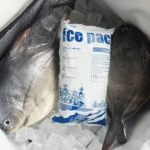
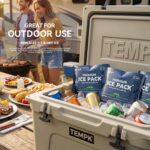
UM hidratar gelo seco é um termo de produto de fornecedor para uma folha ativada por água. A instrução oficial da Tempk identifica sua folha como não sendo gelo seco, direciona a hidratação, e pede congelamento antes de usar. É, portanto, avaliado como um refrigerante aquoso congelado. Não produz gás dióxido de carbono nem herda a ONU 1845 status.
Pacotes de gel e pacotes PCM formulados especificamente têm seu próprio condicionamento e comportamento de fase. Um PCM pode ajudar a moldar um perfil de temperatura, mas nenhum pacote cria uma faixa controlada sem o isolamento, carga útil, colocação, e evidências.
Evidência de aprovação por componente
| Elemento do sistema | Evidência de aprovação | Condição de parada |
|---|---|---|
| Pacote biológico e primário | Requisitos de rótulo e estabilidade, fechamento de contêiner e compatibilidade de materiais | Armazenamento não resolvido, congelando, excursão, ou exigência de fechamento |
| Refrigerante ou refrigerante | Identidade, formulação ou referência de material, condicionamento, dimensões, controle de lote, informações de segurança | Identidade ambígua de “bolsa de gelo seco” ou afirmação de desempenho universal não suportada |
| Isolamento e exterior | Desenho controlado, materiais, dimensões, encerramento, desempenho físico, projeto de ventilação quando necessário | Construção desconhecida, caminho de gás bloqueado, ou evidência estrutural inadequada |
| Suporte de carga útil | Configurações mínimas e máximas, estado inicial, separadores, controle de vazio | Somente carga nominal testada ou contato de produto não controlado |
| Evidência térmica | Perfis quentes e frios justificados, sensores mapeados, dados brutos, critérios, instrumento estatal | A reivindicação de duração não tem carga útil, perfil, ou passe o contexto |
| Monitor | Decisão pretendida, posição mapeada, faixa, evidência de precisão, intervalo, status de calibração, fluxo de trabalho de dados | Dispositivo selecionado sem processo de posicionamento ou disposição |
| Operações | Pacote SOP, capacidade de condicionamento, treinamento, encenação, recebendo, resposta do pacote danificado | A configuração do laboratório não pode ser reproduzida |
| Controle do fabricante | Especificação aprovada, amostras de produção, rastreabilidade de lote, inspeção, notificação de alteração | A amostra de vendas não pode ser vinculada à produção de rotina |
Uma lacuna de evidências pode permanecer aberta durante o desenvolvimento, mas não pode ser escondido atrás de um título de certificado ou adjetivo de marketing. Atribua a cada lacuna um proprietário e um critério de aceitação.
Portão 3: Resolver Segurança, Classificação, e Transporte
Classifique o conteúdo e o refrigerante separadamente.
Gelo seco sólido é ONU 1845, Aula 9 para transporte aéreo relevante. Os requisitos dos Estados Unidos para movimentos de aeronaves e embarcações exigem embalagens que liberem gás dióxido de carbono e evitem ruptura de pressão. As disposições para remessa aérea incluem acordos com o operador, marcação de massa líquida, e informações especificadas. O 2026 A lista de verificação de gelo seco da IATA adiciona uma verificação de aceitação operacional na edição atual, e as companhias aéreas podem impor variações.
Armazéns e estações de embalagem também precisam de controles. O dióxido de carbono pode acumular-se em espaços confinados ou mal ventilados, e o contato frio pode causar ferimentos. Use uma avaliação de ventilação e segurança ocupacional específica do local, equipamentos e ferramentas de proteção adequados, armazenamento seguro, e procedimentos treinados. Nunca sele gelo seco sólido em um volume hermético.
Em seguida, classifique o conteúdo biológico. Um produto biológico terapêutico acabado não é automaticamente uma substância infecciosa. Se uma amostra atende à definição de Substância Biológica, Categoria b, então ONU 3373 requisitos se aplicam.
As regras da Categoria B dos Estados Unidos exigem embalagem tripla com recipiente primário, embalagem secundária, e embalagem externa rígida, mais à prova de vazamentos, à prova de pó, absorvente, amortecimento, e marcando as disposições conforme aplicáveis ao conteúdo. Sob 2026 Instrução de embalagem da IATA 650, o gelo seco usado para amostras refrigeradas ou congeladas está fora da embalagem secundária ou na embalagem externa ou sobrembalada; os suportes mantêm os pacotes secundários na posição após a dissipação do gelo seco; as aberturas do pacote de gelo seco; e a integridade primária e secundária devem ser mantidas na temperatura do refrigerante.
Estas disposições-modelo devem ser aplicadas quando a classificação as exigir, não copiado em todos os produtos biológicos. Operadora, origem, trânsito, destino, modo, quantidade, pacote, documentos, e o treinamento de funcionários precisam de revisão atual.
Portão 3 fecha com uma classificação documentada e avaliação de aceitação da pista.
Portão 4: Qualifique-se Quente, Frio, e Desempenho Físico
Escreva e aprove o protocolo antes do teste formal. O protocolo identifica a configuração exata, componentes equivalentes à produção, colchetes de carga útil, condições iniciais, perfis, sensores, instrumentos, duração, desafios físicos, e passar critérios.
Selecione desafios ambientais justificados
Usar dados de rota, padrões reconhecidos, ou análise de risco documentada. ISTA 7E fornece perfis térmicos para sistemas de entrega de encomendas, e Padrão 20 fornece um processo de design e qualificação para contêineres isolados. A orientação da OMS inclui qualificação do contêiner de transporte e perfil de rota por tempo- e produtos farmacêuticos sensíveis à temperatura. Capítulo Geral da USP 1079 contribui com uma estrutura de armazenamento e transporte de produtos acabados baseada em riscos. Selecione o método que se adapta ao sistema de distribuição; um perfil padrão não é automaticamente um perfil de pista.
Desafie condições quentes e frias quando relevante. Perfis quentes avaliam a entrada de calor e a exaustão do líquido refrigerante. Perfis frios examinam congelamento indesejado ou resfriamento excessivo. Os controles sazonais podem ser diferentes.
Mapeie sensores para risco
Coloque sensores calibrados em posições quentes e frias confiáveis identificadas através do desenvolvimento. Inclua locais adjacentes ao produto onde o contato do líquido refrigerante possa ser importante, interfaces de parede ou tampa, e áreas internas que podem aquecer. Indique se cada sensor representa ar, um simulador de produto, uma superfície de embalagem primária, ou outra medida.
Ferramentas úteis de decisão
Verifique os detalhes antes de escolher a embalagem
Essas ferramentas rápidas podem ajudá-lo a comparar o risco da rota, necessidades de dimensionamento, escolhas de refrigerante, e detalhes da embalagem antes de solicitar um orçamento.
Calculadora de bolsa de gelo
Estime a quantidade de bolsas de gelo em gel para remessas refrigeradas e planejamento prático de rotas.
Estimar bolsas de geloResistência à queda de material de isolamento
Revise a resistência à queda e os fatores de manuseio antes de escolher materiais de isolamento.
Verifique a resistênciaSeletor de embalagens
Compare opções de embalagens isoladas por produto, rota, e necessidade de temperatura.
Encontre embalagensO monitor usado no envio de rotina não precisa duplicar todos os sensores de qualificação, mas a sua localização deverá ser justificada pelo mapa. Gama de instrumentos, precisão, intervalo, resposta, e as evidências de calibração devem se adequar à decisão.
Desafie cargas úteis mínimas e máximas
Teste colchetes justificados. A carga útil mínima pode ter menos massa térmica e uma alta relação refrigerante/produto. A carga útil máxima pode alterar a geometria, reduzir a sala de refrigeração, ou crie zonas quentes. Se uma estratégia familiar for usada, explicar por que os produtos e cargas escolhidos representam os extremos.
Inspecione os materiais após a tensão de distribuição
Combine ou sequencie testes térmicos e físicos conforme a avaliação de risco justificar. Examine a proteção primária do contêiner, contenção secundária, vedações de refrigerante, fragilidade em baixa temperatura, adesão de etiqueta, condensação, isolamento, compressão externa, ventilação, e movimento de componentes. A aprovação de um gráfico de temperatura não desculpa uma embalagem rachada ou um rótulo comprometido.
Confirme a margem operacional
Avalie deliberadamente a variação confiável no condicionamento, hora da embalagem, encenação, técnica do operador, e tolerância de componentes. Não introduza abusos arbitrários; desafiar os limites reais do processo. Estabelecer quais desvios necessitam de retrabalho ou rejeição.
Portão 4 fecha com relatórios aprovados, desvios resolvidos, dados brutos, e um envelope operacional definido.
Portão 5: Aprovar o fabricante e a linha de base de produção
A aprovação do fabricante deve conectar a amostra qualificada ao fornecimento de rotina.
Crie uma especificação de componente que controle atributos capazes de afetar a segurança, ajustar, comportamento térmico, ou conformidade. Para uma folha de hidratação, isso pode incluir geometria celular, dimensões secas e condicionadas, construção absorvente, filme ou tecido, padrão de selo, instruções de hidratação, defeitos visuais, e identificação do lote. Para embalagens de gel ou PCM, referência de formulação de controle, preencher, recipiente, selo, dimensões, condicionamento, e identificação. Para isolamento, materiais de controle, densidade ou construção quando relevante, geometria interna, interface da tampa, e exterior.
Revise amostras equivalentes à produção ou de pré-produção. A inspeção de entrada pode incluir identidade, dimensões, massa quando significativo, selos, vazamento, imprimir, ajuste condicionado, e documentação. Os critérios de amostragem e aceitação devem seguir procedimentos de risco e qualidade.
A rastreabilidade deve vincular o lote do fornecedor ao recebimento, condicionamento, pacote, remessa, e investigação de excursões. Se um lote for posteriormente considerado defeituoso, a organização deve identificar os sistemas afetados sem depender de memória.
O controle de mudanças abrange matéria-prima, formulação, filme, equipamentos ou configurações de vedação, dimensões, impressão, local de fabricação, subcontratado, e embalagem fornecida quando essas alterações puderem afetar a linha de base. O fabricante fornece aviso prévio; o comprador avalia a documentação, inspeção, teste de comparação, ou requalificação.
Os termos comerciais pertencem após a definição técnica. Confirmar pedido mínimo, tempo de espera, armazenar, embalagem de unidade fornecida, paletização, identificação personalizada, e continuidade como questões. Não os invente nem presuma que uma impressão personalizada significa uma solução térmica personalizada.
Portão 5 fecha quando a aprovação do fornecedor, especificação, termos de qualidade, controles de entrada, e o processo de mudança estão ativos.
Portão 6: Comprove implantação e controle de excursões
Execute um piloto com funções e sistemas reais. Operadores condicionam componentes, montar pacotes mínimo e máximo, ativar monitores, aplicar marcas, pacotes de concurso, receba-os, recuperar dados, e siga os procedimentos de disposição. Observe se as instruções permanecem claras sob pressão de tempo rotineira.
Verifique a capacidade de condicionamento. Um protocolo baseado em embalagens totalmente condicionadas falha quando um freezer sobrecarregado não consegue reproduzir esse estado. As operações de hidratação precisam de captação e manuseio controlados de água. Gelo seco sólido precisa de recebimento seguro, palco ventilado, pesagem protegida, e quantidade líquida precisa na licitação.
Verifique a integridade dos dados. Vincular ID e dados do monitor aos lotes de remessa e componentes. Controle relógios e fusos horários, arquivos originais, acesso, análise, e retenção. Defina quem responde a um alerta em tempo real e qual intervenção está realmente disponível.
Desvio hipotético do portão de aprovação
Imagine um intermediário biológico congelado cuja condição de envio suportada permite um sistema qualificado de gelo seco sólido. Portão 4 passes de teste, mas o piloto operacional mostra que as bandejas secundárias se deslocam para baixo à medida que o gelo seco se dissipa. O movimento ainda não quebra contêineres, mas altera a localização do sensor e pode aumentar o risco mecânico.
O projeto não dispensa a observação porque as temperaturas passaram. Os engenheiros adicionam um suporte compatível com baixas temperaturas que mantém a posição da bandeja após a perda de refrigerante. Eles confirmam que o suporte não bloqueia a ventilação nem cria uma nova ponte térmica, repetir desafios físicos e térmicos relevantes, atualizar o desenho, e treinar novamente os operadores.
Durante um piloto posterior, ocorre um alarme do registrador. A remessa está em quarentena. Avaliações de qualidade mapearam a localização do sensor, exposição, estabilidade, registro de pacote, lote de componentes, e status do dispositivo. A disposição segue as evidências do produto aprovado. O desvio da embalagem e a decisão do produto são documentados separadamente, mas conectados.
Este exemplo hipotético mostra o propósito do Gate 6: descubra falhas do sistema e do fluxo de trabalho antes do lançamento amplo.
Portão 6 fecha quando as operações, monitoramento, recebendo, e os procedimentos da excursão são demonstrados e aprovados.
Perguntas frequentes
Os portões de aprovação podem ser encurtados para uma caixa pronta para uso?
A profundidade pode ser baseada no risco, mas um produto pronto para uso não elimina responsabilidades específicas do produto. Você ainda precisa de condições aprovadas, ajuste de carga útil, relevância térmica, compatibilidade de materiais, classificação de transporte, instruções de operação, monitoramento, e controle de fornecedores. Os dados de qualificação existentes podem apoiar a revisão quando a sua configuração e critérios são comparáveis.
Qual grupo possui a aprovação final da embalagem?
A propriedade varia de acordo com a organização, mas a aprovação normalmente envolve a estabilidade do produto ou especialistas técnicos, engenharia de embalagens, qualidade, logística, segurança, especialistas em regulamentação ou mercadorias perigosas, Compras, e operações. Definir uma autoridade de liberação final responsável para uso rotineiro. Uma recomendação do fornecedor não deve substituir a decisão de qualidade do proprietário do produto.
Uma folha ativada por água é mais segura do que gelo seco sólido??
Evita a sublimação de dióxido de carbono e o risco associado de liberação de gás porque não é gelo seco sólido. Ainda pode vazar, criar pontos frios, danificar um produto sensível ao congelamento, ou falhar se estiver subcondicionado. Segurança e adequação dependem da documentação do material, manuseio controlado, pacote, qualificação, e evidências.
Quando o sistema deve ser requalificado?
Use avaliação de risco documentada após alterações no produto, carga útil, componente, fabricante, processo, rota, serviço, perfil, instalação, equipamento de condicionamento, ou critérios de aceitação. Desvios significativos ou tendências adversas também podem desencadear uma revisão. Nem toda mudança requer os mesmos testes, mas toda mudança relevante requer uma avaliação formal documentada.
Quem decide se uma excursão afeta o biológico?
A função autorizada de qualidade do produto decide usando informações e procedimentos de estabilidade aprovados, com contribuições de especialistas relevantes. Configuração de fornecimento do pessoal de embalagem e evidência térmica; logística fornece registros de rota; o monitor fornece dados. A transportadora, fabricante de refrigerante, ou o logger sozinho não pode liberar ou rejeitar o produto.
Feche todos os portões antes da escala comercial
O caminho de aprovação mantém o requisito do produto à frente do pedido de compra. Confirme o rótulo e as condições de estabilidade, definir o sistema completo, classificar o conteúdo e gelo seco, qualificar perfis quentes e frios com colchetes de carga útil, controlar o fabricante, e comprovar a reprodutibilidade operacional. O gelo seco sólido pode suportar um produto biológico congelado compatível, mas pode danificar produtos sensíveis ao congelamento e deve ser ventilado. Uma folha de hidratação é um refrigerante à base de água congelada, não dióxido de carbono. Monitoramento, isolamento, refrigerante, contenção, e a qualificação permanecem funções separadas que funcionam apenas como um sistema controlado.
Sobre Tempk
Tempk descreve folhas de hidrato ativadas por água, pacotes de gel, e embalagem isolada. Avalie o componente exato através das especificações atuais, instruções, amostras equivalentes à produção, e documentos relevantes. O proprietário do produto biológico ainda define as condições do produto e qualifica a embalagem finalizada; sem alcance, carga útil, duração, certificação, ou a conformidade segue o nome do refrigerante. Envie o requisito do usuário controlado e a matriz de evidências para solicitar as informações necessárias para aprovação do fabricante.