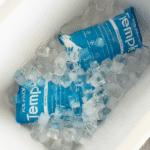
Segurança da carne na cadeia fria: Como acertar 2025
Segurança da carne na cadeia de frio é como você mantém a carne segura, fresco, e vendável da fábrica ao cliente. A maneira mais rápida de falhar é deixar a carne ficar na “Zona de Perigo” (40° F - 140 ° F.), onde as bactérias podem se multiplicar rapidamente. Outra falha comum é o desvio de tempo nas transferências, porque “só 10 minutos” se torna uma hora. Em 2025, a segurança da carne na cadeia de frio tem menos a ver com promessas e mais com provas: reboques limpos, temperaturas estáveis, e limpar registros.
Este artigo irá ajudá-lo a responder:
-
Como você define limites de temperatura para segurança da cadeia de frio em rotas resfriadas e congeladas?
-
Onde fazer transferências quebrar a segurança da carne na cadeia de frio com mais frequência (doca, cross-dock, última milha)?
-
O que é um simples lista de verificação de higiene do trailer parece com carne?
-
Qual nível de monitoramento se adapta ao seu risco e orçamento (rótulos, madeireiros, sensores em tempo real)?
-
O que você deve fazer durante um excursão de temperatura (sem adivinhar)?
-
Como registros de rastreabilidade reduzir recalls, disputas, e desperdício?
Quais regras de temperatura definem a segurança da carne na cadeia de frio?
Resposta principal: a segurança da carne na cadeia de frio depende de manter a carne fora da “zona de perigo” e limitar o tempo de aquecimento em cada transferência. A Zona de Perigo é comumente descrita como 40° F - 140 ° F., e alimentos perecíveis não devem ficar de fora mais do que 2 horas (ou 1 hora se estiver acima de 90°F).
A segurança da carne na cadeia de frio funciona melhor quando você usa alvos simples de aprovação/reprovação, não são médias vagas. Suas equipes precisam de regras que possam repetir sob pressão. Pense na temperatura como uma conta bancária: cada minuto quente é uma retirada, e você não pode “depositar” segurança mais tarde.
Refrigerado vs congelado: quais alvos você deve usar?
Use metas escritas vinculadas à sua categoria de produto e especificações do cliente. Em seguida, verifique com verificações reais.
| Categoria de carne | Meta prática que você pode aplicar | O que assistir | O que isso significa para você |
|---|---|---|---|
| Carne gelada | Mantenha-se sempre frio (frequentemente ≤4°C / ≤40°F) | Tempo de permanência na doca + amostras de temperatura do produto | Vida útil mais longa, menos reclamações de odor |
| Carne congelada | Mantenha congelado e evite descongelamento parcial | Sinais de descongelamento/recongelamento + pontos de paletes mais quentes | Menos disputas de “danos à textura” |
| Cargas mistas | Zonas separadas ou caixas separadas | Pontos quentes + decisões de tratamento erradas | Menos eventos de “falha em um palete” |
Dicas práticas que você pode aplicar hoje
-
Tornar uma regra visível: “Se esquentar, o relógio começa.
-
Medir produto, não apenas ar: o ar do trailer pode estar frio enquanto o produto aquece.
-
Acompanhe o tempo de porta aberta: minutos são mais fáceis de administrar do que “sentimentos”.
Cenário do mundo real: Seu frigorífico está configurado corretamente, mas o dock está com backup. A carga aquece silenciosamente durante a preparação. É aí que a segurança da carne da cadeia de frio geralmente quebra.
Onde a segurança da carne na cadeia de frio falha com mais frequência em operações reais?
Resposta principal: a segurança da carne na cadeia de frio falha em transferências-quando ninguém é “dono” dos minutos. Carregando, cross-docking, recebendo, e as novas tentativas de entrega criam os maiores picos.
Você pode rodar o trailer perfeito e ainda assim perder a carga se a preparação não for controlada. O risco oculto são pequenos aumentos de temperatura repetidos continuamente. Essas oscilações encurtam o prazo de validade e aumentam as taxas de reclamação.
Mapa de risco de transferência para segurança de carne na cadeia de frio
| Ponto de transferência | O que dá errado | Sinal de alerta precoce | O que fazer a seguir |
|---|---|---|---|
| Doca de embarque | Paletes esperam no ar ambiente | Portas abertas >10 minutos | Pré-estágio a frio; carregar rápido |
| Cross-dock | Longa permanência + remanuseio | Variabilidade faixa a faixa | Encurtar o tempo de espera; priorizar rotas de carne |
| Recebendo | Sem verificações de temperatura | Aceitação “parece bem” | Exemplo de temperatura do produto; registrar resultados |
| Última milha | Hora da varanda + novas tentativas | Códigos de “tentativa de entrega” | Janelas de tempo apertadas; melhor isolamento |
Dicas práticas para controle de handoff
-
Atribuir propriedade de transferência: uma pessoa assina o tempo de preparação por turno.
-
Papelada após colocação de paletes: mova o produto primeiro, segunda papelada.
-
Separar fisicamente resfriado e congelado: manuseio misto causa más decisões.
Exemplo de estilo de caso: Um distribuidor reduziu as excursões recorrentes depois de estabelecer um limite rígido de preparação e colocar temporizadores em cada baia.
Como o recebimento e o armazenamento protegem a segurança da carne da cadeia de frio em um armazém?
Resposta principal: receber é a sua “porta,”não é um corredor. A segurança da carne na cadeia de frio melhora quando você rejeita ou retém produtos de risco antecipadamente, antes que se torne sua responsabilidade.
Se você aceitar um produto quente porque “parece bom,” você compra risco oculto. Um sistema de recebimento rápido não precisa de etapas complicadas. Precisa amostragem, velocidade, e disciplina.
Uma lista de verificação de recebimento rápido que você pode executar sem diminuir a velocidade do dock
-
Condição do trailer (limpar, seco, sem odor)
-
Temperatura do ar do trailer (contexto, não é prova)
-
Amostras temporárias do produto (superfície + núcleo em um plano simples)
-
Condição da caixa (caixas molhadas podem sinalizar degelo/condensação)
-
Tempo de arrumação (minutos da doca até a câmara fria)
Como é “bom”
| Recebendo controle | Ideia simples de aprovação/reprovação | O que isso impede | O que isso significa para você |
|---|---|---|---|
| Tempo de arrumação | Defina um limite máximo de minutos | Aquecimento “Dock Drift” | Menos retenções e baixas |
| Amostragem de temperatura do produto | Dentro da sua especificação | Cargas quentes escondidas | Melhor defesa de reivindicações |
| Empilhamento seguro para fluxo de ar | Não bloqueie as aberturas de ventilação | Bolsos quentes no armazenamento | Qualidade mais consistente |
Dicas práticas para equipes de armazém
-
Crie um árvore de decisão de produto quente antes do incidente.
-
Mantenha a carne crua separada dos itens prontos para consumo, quando aplicável.
-
Trate as caixas molhadas como um sinal para pare e investigue.
Como o transporte sanitário apoia a segurança da carne na cadeia de frio?
Resposta principal: a segurança da carne na cadeia de frio não é apenas a temperatura - é também evitando contaminação. A regra de transporte sanitário da FDA concentra-se na prevenção de práticas arriscadas, como não refrigerar adequadamente, limpeza inadequada entre cargas, e fraca proteção durante o transporte. NÓS. Food and Drug Administration
Mesmo as temperaturas perfeitas não podem salvá-lo se o reboque estiver sujo ou se as cargas estiverem mal protegidas. A higiene precisa ser repetível, não heróico.
"Limpar, higienizar, verificar” em linguagem simples
-
Limpar: remova sujeira e resíduos visíveis
-
Higienizar: reduzir micróbios usando métodos aprovados
-
Verificar: provar que isso aconteceu (uma lista de verificação + inspeção rápida)
Lista de verificação de higiene do trailer para cargas de carne
-
Nenhum resíduo visível, água parada, ou odores fortes
-
Paredes e chão estão secos (a umidade aumenta o risco de contaminação)
-
Paletes intactas; nenhum dano exposto na embalagem do produto
-
Plano de separação para operações mistas (cru vs outros alimentos)
Realidade regulatória: carregadores podem precisar verificar se o compartimento refrigerado está devidamente preparado (incluindo pré-resfriamento quando necessário) e sanitário antes do transporte. regulamentos federais eletrônicos
Dicas práticas que você pode aplicar imediatamente
-
Faça um 90-segunda verificação de pré-carga toda vez.
-
Evite reboques com “última carga desconhecida” sempre que possível.
-
Mantenha um registro de limpeza simples: data, método, operador, etapa de verificação.
Como as escolhas de embalagens fortalecem a segurança da carne na cadeia de frio?
Resposta principal: a embalagem é uma defesa de linha de frente na segurança da carne na cadeia de frio. Retarda a mudança de temperatura, evita vazamentos, e protege a carne durante atrasos.
A embalagem deve ser projetada para a vida real: tráfego, doca espera, hora da varanda, e equipamentos de ciclismo. Pense na embalagem como um cinto de segurança. Não dirige para você, mas protege você quando as condições são imperfeitas.
Comparação de “sistemas” de embalagem (comparação de quase produtos)
| Sistema de embalagem | Melhor para | Maior risco que reduz | O que isso significa para você |
|---|---|---|---|
| Isolamento básico + pacotes de gel | Pistas curtas e refrigeradas | Pequenos picos quentes | Menor custo, proteção básica |
| PCM sintonizado + isolamento mais forte | Pistas geladas com última milha longa | Variações de temperatura + hora da varanda | Resultados de entrega mais estáveis |
| Isolamento de qualidade para exportação + refrigerante congelado | Janelas de trânsito mais longas | Eventos de degelo parcial | Menos rejeições e reembolsos |
| Forro resistente a vazamentos + absorvente | Cortes com alto gotejamento | Contaminação cruzada + caixas encharcadas | Entregas mais limpas, menos reclamações |
Regras práticas de embalagem que as equipes podem seguir
-
Combine o pacote com tempo de pista, não “melhor caso”.
-
Padronize o posicionamento do líquido refrigerante. O posicionamento aleatório cria resultados aleatórios.
-
Proteja etiquetas e códigos de lote. Se você não consegue ler, você não pode rastreá-lo.
Cenário: Se os clientes receberem carne na porta, isolamento ganha tempo. Instruções claras de “desempacotar agora” reduzem os minutos quentes.
Qual nível de monitoramento você precisa para a segurança da carne na cadeia de frio?
Resposta principal: monitoramento transforma a segurança da carne na cadeia de frio em um processo mensurável. Isso lhe dá evidências, correções mais rápidas da causa raiz, e menos disputas.
Comece simples, então dimensione. Você não precisa de tecnologia máxima em todos os lugares. Você precisa da ferramenta certa nas pistas que custam mais.
Opções de monitoramento comparadas
| Tipo de monitoramento | Custo | Profundidade de dados | Melhor caso de uso |
|---|---|---|---|
| Indicadores de tempo-temperatura | Baixo | Básico | Curto, entregas locais |
| Registradores de dados reutilizáveis | Médio | Detalhado | Pistas regionais, reivindicações recorrentes |
| Sensores em tempo real | Mais alto | Contínuo | Exportar, alto valor, pistas de alto risco |
Ferramenta de decisão interativa: escolha seu nível de monitoramento em 60 segundos
-
Você envia carne além 24 horas de trânsito?
-
Sim → vá para o segundo trimestre
-
Não → vá para o terceiro trimestre
-
-
Você tem >1% reivindicações/retenções relacionadas à temperatura?
-
Sim → monitore cada remessa no topo 3 pistas + validar pacote
-
Não → monitoramento de verificação pontual + validação sazonal na pior pista
-
-
As entregas ficam do lado de fora (varanda/armário) regularmente?
-
Sim → adicionar monitoramento de exceção + apertar as janelas de entrega
-
Não → monitoramento básico pode ser suficiente
-
-
Você envia misto resfriado e congelado em uma caixa?
-
Sim → monitoramento superior + POPs mais fortes
-
Não → monitoramento padrão + validação periódica
-
O que você deve fazer quando a segurança da carne na cadeia de frio estiver comprometida?
Resposta principal: responda rápido, documente tudo, e siga um conjunto de regras escritas. Quando alimentos perecíveis permanecem por muito tempo em temperaturas perigosas, risco de segurança aumenta, então a evidência de tempo e temperatura é importante. Centros de Controle e Prevenção de Doenças
O pior movimento é adivinhar. A melhor jogada é segurar o produto e usar evidências de tempo/temperatura para decidir.
Manual de excursão de temperatura (simples e repetível)
-
Pare e isole: coloque o lote em espera.
-
Reúna fatos: temperatura máxima, tempo fora de controle, tipo de produto, faixa, temporada.
-
Decidir usando regras: seu POP + especificação do cliente + expectativas regulatórias.
-
Documentar ações: o que aconteceu, o que você fez, como você evita repetições.
| Situação | Pergunta-chave | Ação mais segura | O que isso significa para você |
|---|---|---|---|
| Tempo quente desconhecido | “Quanto tempo esteve quente?” | Segurar + investigar | Evite decisões de liberação inseguras |
| Evento curto e quente | “Abaixo do seu limite?” | Documento + liberar se for permitido | Menos descarte desnecessário |
| Evento longo e quente | “Além dos limites?” | Descarte/recupere por política | Proteja clientes e marca |
| Repetir falhas na pista | “Por que recorrente?” | Revalidar + processo de mudança | Menor custo a longo prazo |
Dicas práticas para decisões mais rápidas
-
Não confie apenas na temperatura do ar. O produto aquece de forma diferente do ar.
-
Nomeie um responsável pela decisão. Muitas vozes retardam a ação.
-
Corrija a causa raiz rapidamente. A mesma pista irá falhar novamente.
Como a rastreabilidade melhora a segurança da carne na cadeia de frio em 2025?
Resposta principal: a rastreabilidade torna cada palete responsável e cada decisão explicável. Reduz o tamanho do recall, acelera investigações, e fortalece a confiança do cliente.
Nos EUA, As informações da FDA indicam uma proposta de extensão da data de conformidade da Regra de Rastreabilidade de Alimentos para Julho 20, 2028, e observa a orientação do Congresso para não aplicar antes dessa data. NÓS. Food and Drug Administration Mesmo que os cronogramas evoluam, os compradores ainda esperam melhores registros agora.
O que registrar para segurança prática da carne na cadeia de frio
Mantenha-o simples e consistente:
-
ID do lote/lote
-
Data e hora de envio
-
Operadora + ID do trailer
-
Evidência de temperatura (resumo do registrador ou dados do gravador)
-
Registro de verificação de higiene do trailer
-
Registro de exceções + decisão de disposição
| Registro | Por que isso importa | O que isso significa para você |
|---|---|---|
| ID do lote | Limita o escopo do recall | Menos desperdício, menos disputas |
| Carimbos de hora | Prova controle de permanência | Investigações mais rápidas |
| Evidência temporária | Mostra controle | Maior confiança do cliente |
| Prova de limpeza | Evita alegações de contaminação | Melhores resultados de auditoria |
Autoauditoria interativa: classifique o risco de segurança da carne na cadeia de frio em 3 minutos
Pontue cada item: 0 (não), 1 (às vezes), 2 (sim)
-
Verificamos a limpeza do trailer antes de cada carregamento de carne.
-
Mantemos a carne dentro dos limites de temperatura documentados de ponta a ponta.
-
Rastreamos o tempo de porta aberta nas docas de carga e recebimento.
-
Usamos um plano de ação corretiva por escrito para excursões.
-
Podemos isolar os lotes afetados em poucos minutos usando registros de remessa.
Sua pontuação (0–10):
-
0–4: Alto risco – corrija os fundamentos primeiro
-
5–7: Risco médio – melhore a consistência e a documentação
-
8–10: Forte – foco no monitoramento, verificação, e otimização
2025 Tendências de segurança da carne na cadeia de frio nas quais você deve agir
A segurança da carne na cadeia de frio é importante porque os alimentos inseguros continuam a ser um enorme fardo global. Estimativas da OMS 600 milhão doenças transmitidas por alimentos e 420,000 mortes a cada ano. Em 2025, a pressão é maior em três direções: expectativas de saúde pública, comentários de clientes na porta, e visibilidade dos custos de resíduos.
Instantâneo dos últimos desenvolvimentos
-
Mais provas, menos suposições: evidências de temperatura reduzem disputas e aceleram investigações.
-
Mais disciplina de higiene nos transportes: as expectativas de limpeza e proteção permanecem centrais.
-
Mais planejamento de rastreabilidade: muitas equipes estão preparando o nível do lote antes dos prazos. NÓS. Food and Drug Administration
-
Mais “receitas” específicas para cada pista: pacotes e POPs adaptados por temporada e tempo de trânsito.
Informações de mercado que você pode usar
Os clientes não separam “qualidade” de “segurança”. Se a caixa chegar quente, a confiança cai rapidamente. É por isso que os investimentos na segurança da carne na cadeia de frio muitas vezes compensam com menos reembolsos, menos tickets de serviço, e taxas de compra repetidas mais altas.
Perguntas frequentes
Q1: Qual é a temperatura segura do refrigerador para carne?
Uma meta de segurança comum é manter a refrigeração em 40°F (4°C) ou abaixo, verificado com um termômetro.
Q2: Qual é a temperatura da zona de perigo da carne?
A Zona de Perigo é comumente descrita como 40° F - 140 ° F., onde as bactérias podem se multiplicar rapidamente.
Q3: Por quanto tempo a carne pode ficar parada durante o recebimento ou embalagem?
Uma regra de saúde pública amplamente utilizada é não mais do que 2 horas, ou 1 hora se estiver acima de 90°F. Trate a encenação como um evento cronometrado. Centros de Controle e Prevenção de Doenças
Q4: A temperatura do ar do trailer é suficiente para comprovar a segurança da carne na cadeia de frio??
Não. O ar pode estar frio enquanto o produto aquece. Use verificações de produtos e evidências de remessa.
Q5: Você precisa de sensores em tempo real em cada remessa??
Nem sempre. Comece com suas pistas de maior reivindicação, validar pacotes, em seguida, expanda o monitoramento com base nos resultados.
Q6: Qual é a “vitória rápida” mais rápida para a segurança da carne na cadeia de frio?
Defina uma regra visível: meta de temperatura + limite de tempo de preparação + verificações diárias do termômetro. Centros de Controle e Prevenção de Doenças
Resumo e recomendações
A segurança da carne na cadeia de frio não é um grande projeto. É um conjunto de pequenos controles que impedem que os minutos quentes se acumulem. Mantenha a carne fora da zona de perigo e limite o tempo de transferência. Proteja cargas com higiene repetível e disciplina de transporte. NÓS. Food and Drug Administration Use o monitoramento para encontrar padrões, não culpar as pessoas. Em seguida, crie registros de rastreabilidade para que os problemas sejam isolados rapidamente.
Seus próximos passos (CTA)
-
Escrever uma especificação de temperatura por tipo de produto (resfriado vs congelado).
-
Definir um limite de tempo de teste difícil em docas e estações de embalagem.
-
Implementar um verificação de higiene do reboque pré-carga cada remessa.
-
Valide sua pior pista (estação mais quente + atraso realista).
-
Monitore faixas de alto risco para 30 dias, em seguida, padronize a “receita da pista”.
Sobre Tempk
E tempk, nós ajudamos você a tornar a segurança da carne na cadeia de frio mais fácil de executar todos os dias. Apoiamos embalagens térmicas adequadas à faixa, refrigerantes estabilizadores de temperatura, e fluxos de trabalho fáceis de monitorar que se adaptam a docas reais e janelas de entrega reais. Nosso foco é prático: menos excursões de temperatura, transferências mais limpas, e receitas prontas que sua equipe pode repetir sem suposições.
Próximo passo: Compartilhe seu melhor 3 pistas de carne (tempo de trânsito, clima de destino, resfriado vs congelado). Ajudaremos você a delinear um plano de controle específico para a pista que você pode validar rapidamente.