Caixa compacta EPP para acampamento ao ar livre: Guia Prático de Compra
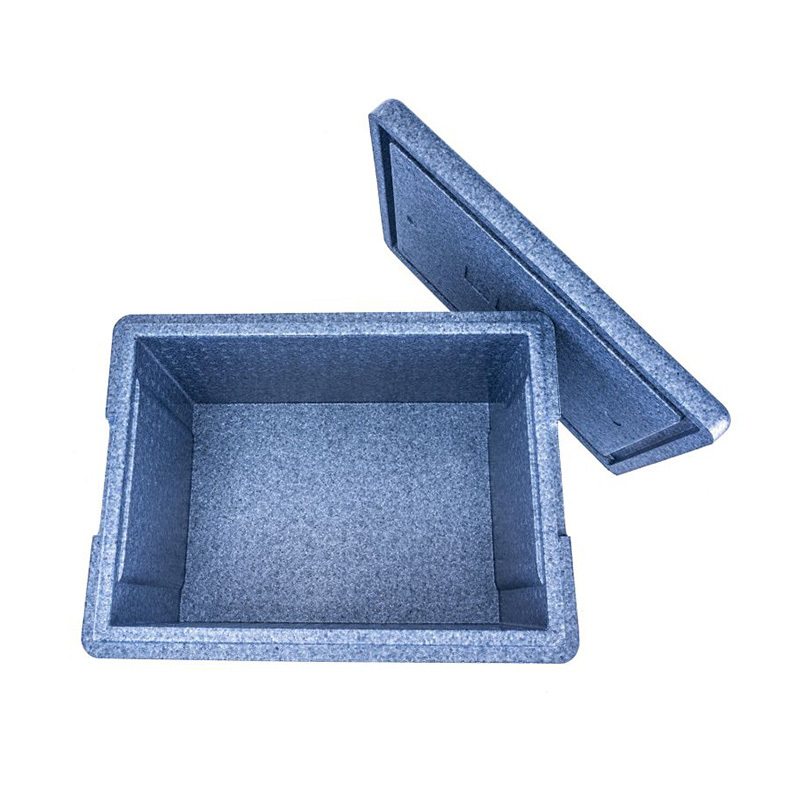
A melhor maneira de avaliar o acampamento ao ar livre com caixa EPP compacta é começar com o trabalho que a caixa deve realizar. A decisão certa da caixa EPP começa com a carga útil, não a imagem do catálogo. Tamanho, isolamento, durabilidade, preço, e o suporte do fornecedor só fazem sentido depois de definir como a caixa será embalada, movido, aberto, voltou, e inspecionado. Para compradores de produtos externos, equipes de marca própria, e distribuidores desenvolvendo produtos compactos para refrigeradores de camping, isso significa verificar o limite do contêiner, a carga útil, o requisito térmico ou de proteção, e as evidências do fornecedor antes de focar no preço, aparência, ou reivindicações de catálogo.
Resposta prática: Vale a pena considerar uma caixa EPP quando seu design moldado, volume utilizável, tampa, método de limpeza, e as evidências operacionais correspondem ao trabalho. Não compre apenas porque o material parece durável ou sustentável. Compre porque a amostra prova que ele se adapta à sua carga útil, sua rota, sua equipe, e suas necessidades de documentação.
Comece com a carga útil e a rota
Uma revisão prática do acampamento ao ar livre com caixa EPP compacta começa com a carga útil. Qual é o tamanho do produto, peso, fragilidade, sensibilidade à temperatura, formato de embalagem, e movimento aceitável dentro da caixa? Um recipiente tecnicamente forte ainda pode estar errado se o produto chacoalhar, se a tampa pressionar contra superfícies delicadas, ou se o espaço utilizável desaparecer após a adição de pastilhas e refrigeração.
Próximo, definir a rota ou usar o ambiente. Uso externo, entrega de comida, transferência de laboratório, remessa de eletrônicos, transporte de produtos frescos, e remessas farmacêuticas fazem perguntas diferentes. O mesmo muro EPP pode ser útil em todos eles, mas as evidências mudam. Um produto de acampamento de consumo pode precisar de testes de conforto e limpeza. Uma embalagem farmacêutica pode precisar de evidências de qualificação, monitoramento, e aprovação de qualidade. Uma rota de produção pode precisar de controle de umidade e ventilação.
A lição básica de compra é simples: o design compacto deve economizar espaço sem transformar a caixa em um acessório frágil. Quando a rota não está clara, o primeiro passo mais seguro é uma análise de amostra com materiais de embalagem reais e uma lista escrita de suposições.
Combine a caixa com o sistema, Não é o slogan
Caixas EPP são frequentemente promovidos com palavras como isolado, durável, reciclável, térmico, ou resistente a produtos químicos. Estas palavras podem ser úteis, mas cada um tem um limite. Isolada significa que a caixa retarda a transferência de calor. Isso não significa que mantém todas as faixas de temperatura. Durável significa que pode resistir melhor ao impacto do que um material mais fraco. Isso não significa que todo design sobrevive a cada queda ou pilha. Reciclável significa que o material pode ter uma rota de fim de vida onde existe coleta e reciclagem local. Isso não significa que o programa de compras seja automaticamente sustentável.
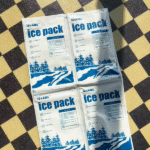
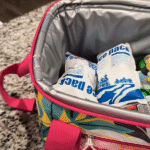
Se o controle de temperatura é importante, definir o pacote. Isso inclui o tipo de refrigerante, processo de pré-condicionamento, temperatura inicial da carga útil, localização de pacotes de gel or PCM packs, preenchimento vazio, vedação da tampa, posição do registrador de dados, perfil ambiente, e critérios de aceitação. Se a proteção contra impactos for importante, definir o sistema de retenção. Isso inclui cavidades moldadas, inserções, pressão da tampa, separadores, e expectativas de queda ou vibração. Se a higiene importa, definir limpeza e inspeção.
Perguntas do fornecedor que evitam retrabalho dispendioso
Pergunte ao fornecedor qual problema a caixa padrão foi originalmente projetada para resolver. Alguns modelos são construídos para entrega de comida, alguns para transporte ao ar livre, alguns para logística médica, e alguns para embalagens protetoras. Um modelo padrão pode ser adaptado, mas a adaptação deve ser discutida abertamente. Caso contrário, o comprador poderá descobrir tarde demais que uma caixa de estoque não possui uma área de etiqueta, uma tampa segura, as dimensões internas corretas, ou compatibilidade com a fonte de frio pretendida.
As melhores perguntas são concretas. Quais são as dimensões internas e externas? Qual é o volume prático utilizável após os acessórios? O fornecedor pode fornecer desenhos? O que muda entre amostra e produção em massa? Quais agentes de limpeza são adequados? Há evidências de testes para alegações térmicas ou de impacto? Qual a embalagem esperada para embarque de exportação? Como serão as cores personalizadas, logotipos, inserções, ou manipulações afetam o custo e o prazo de entrega? Se o fornecedor não puder responder imediatamente, a resposta deve ser um plano para confirmar, não é uma promessa vaga.
Estrutura de Decisão para Aprovação de Amostra
| Pergunta do comprador | Por que isso importa | Como verificar isso |
|---|---|---|
| Qual é a carga útil real e o volume utilizável? | O volume interno bruto pode não ser igual ao espaço prático de carregamento após as inserções, pacotes de gel, amostras, ou bandejas de produtos são adicionadas. | Embale uma amostra com a carga real ou uma carga fictícia realista e revise o encerramento, movimento, e velocidade de carregamento. |
| A caixa é protetora, isolado, ou parte de um sistema térmico qualificado? | Estas são reivindicações diferentes. Um contêiner isolado durável não é automaticamente um expedidor validado para mercadorias regulamentadas. | Pergunte sobre o uso pretendido, método de teste, suposições de pacote, e documentação de qualidade que apoia a reivindicação. |
| Como a tampa se comportará durante o manuseio? | Uma tampa solta pode criar vazamento de calor, movimentação de produtos, ou risco de contaminação mesmo quando as paredes são fortes. | Verifique o ajuste da tampa após o carregamento, empilhamento, movimento do veículo, e abertura repetida. |
| O fornecedor pode apoiar a consistência da amostra até a produção?? | Uma boa amostra não é suficiente se o pedido em massa mudar de dimensão, estrutura da parede, acabamento superficial, ou acessórios. | Confirmar desenhos, tolerâncias, descrição do material, propriedade do molde, e comunicação de controle de mudanças. |
| Que limpeza, retornar, ou rota de descarte é realista? | Declarações reutilizáveis e recicláveis só importam se o comprador tiver um caminho operacional para usá-las. | Defina o agente de limpeza, ponto de inspeção, devolver proprietário, e processo de fim de vida antes da expansão. |
A tabela não substitui a comunicação com o fornecedor. É uma forma de manter a discussão concreta, especialmente quando vários fornecedores usam nomes de produtos semelhantes, mas suposições diferentes.
Uma revisão disciplinada também protege o comprador contra pedidos excessivos de acessórios ou subestimação do custo de personalização.. Assim que a carga útil real e o padrão de manuseio estiverem visíveis, a especificação se torna mais fácil de defender internamente.
Limites de evidências que os compradores devem ter em mente
As referências da indústria descrevem o polipropileno expandido como uma espuma de célula fechada usada onde o peso é baixo., absorção de energia, isolamento térmico, resistência à água, e manuseio repetido são úteis. Isto apoia o EPP como candidato material, mas não prova que um determinado design de caixa atenda a uma rota específica, carga útil, ou exigência de qualidade.
Especificações que merecem uma resposta escrita
- Tamanho de transporte externo: pergunte como esse fator está incorporado no design da caixa ou no processo de pedido, e quais evidências ou análise de amostra podem confirmá-lo.
- Espaço interno utilizável: pergunte como esse fator está incorporado no design da caixa ou no processo de pedido, e quais evidências ou análise de amostra podem confirmá-lo.
- Sensação de fechamento da tampa: pergunte como esse fator está incorporado no design da caixa ou no processo de pedido, e quais evidências ou análise de amostra podem confirmá-lo.
- Resistência ao impacto durante o transporte do veículo: pergunte como esse fator está incorporado no design da caixa ou no processo de pedido, e quais evidências ou análise de amostra podem confirmá-lo.
- Compatibilidade com bolsas de gel ou substitutos de gelo: pergunte como esse fator está incorporado no design da caixa ou no processo de pedido, e quais evidências ou análise de amostra podem confirmá-lo.
Estas respostas escritas protegem ambos os lados. O comprador evita assumir um desempenho que nunca foi prometido, enquanto o fornecedor pode recomendar um modelo mais adequado, inserir, combinação de refrigerante, ou caminho de personalização. Para guardar comida, bebidas, e pequenos suprimentos protegidos durante viagens curtas ao ar livre, controlando o volume, esta etapa é especialmente útil porque o mesmo nome de produto pode ocultar requisitos práticos muito diferentes.
Ferramentas úteis de decisão
Verifique os detalhes antes de escolher a embalagem
Essas ferramentas rápidas podem ajudá-lo a comparar o risco da rota, necessidades de dimensionamento, escolhas de refrigerante, e detalhes da embalagem antes de solicitar um orçamento.
Verificador de risco de rota
Revise as condições da pista antes de selecionar a embalagem para requisitos operacionais reais.
Verifique o risco da rotaSeletor de embalagens
Compare opções de embalagens isoladas por produto, rota, e necessidade de temperatura.
Encontre embalagensRefrigerante & Referência PCM
Compare as opções de refrigerante e PCM quando uma rota precisar de suporte adicional de temperatura.
Comparar opçõesExemplo prático: Teste o fluxo de trabalho, Não apenas a caixa
Imagine um comprador de varejo avaliando um refrigerador compacto para camping. A amostra parece atraente, mas o comprador testa com garrafas de bebida reais, recipientes de almoço, substitutos de gelo, e os acessórios que um campista carregaria. A revisão pergunta se uma mão pode abrir a tampa, se a caixa cabe na área dos pés do carro ou no canto do porta-malas, e se a superfície limpa facilmente após comida derramada. Este tipo de teste de carga prático é mais útil do que comparar apenas a capacidade do catálogo.
O valor deste exemplo não é o tipo exato de produto. Mostra o método de revisão. Coloque o fluxo de trabalho real no estágio de amostra: carregando, fechando, carregando, armazenando, abertura, limpeza, retornando, inspecionando, e documentando. Quando o teste de amostra inclui estas etapas, o comprador encontra problemas com antecedência suficiente para ajustar as dimensões, acessórios, ou instruções antes de um pedido maior.
Erros que fazem com que um bom material tenha um mau desempenho
A maioria das falhas em acampamentos ao ar livre com caixas EPP compactas vêm de suposições incompatíveis, e não de uma simples falha de material. O comprador vê a palavra EPP e espera isolamento, resistência ao impacto, reutilização, e sustentabilidade apareçam automaticamente. Na prática, cada benefício precisa de um detalhe de design e um processo operacional.
- Escolhendo uma caixa muito pequena para cargas reais: transforme isso em um teste ou pergunta do fornecedor antes de fazer um pedido em massa.
- Ignorando a segurança da tampa durante a viagem: transforme isso em um teste ou pergunta do fornecedor antes de fazer um pedido em massa.
- Confundir aparência de estilo de vida com desempenho térmico: transforme isso em um teste ou pergunta do fornecedor antes de fazer um pedido em massa.
- Falta de limpeza e controle de odores: transforme isso em um teste ou pergunta do fornecedor antes de fazer um pedido em massa.
Outro erro comum é ignorar as pessoas. Uma caixa que parece tecnicamente forte pode ser muito estranha para os motoristas, pessoal do armazém, usuários de campo, ou clientes. Se a equipe deixar a tampa aberta, sobrecarregar a caixa, pular pré-condicionamento, ou esqueça de devolvê-lo, o desempenho observado em uma revisão controlada não aparecerá no uso rotineiro. Boa embalagem não é apenas engenharia de materiais; também é design de fluxo de trabalho.
Notas Operacionais para Diferentes Equipes de Compras
As equipes de compras devem traduzir o acampamento ao ar livre compacto da caixa EPP em uma especificação que financie, operações, e qualidade podem todos entender. Finanças perguntará sobre preço unitário e custo de reposição. As operações perguntarão se a caixa retarda o carregamento ou melhora o manuseio. A qualidade perguntará se a reclamação está documentada, especialmente quando sensíveis à temperatura, comida, laboratório, ou produtos farmacêuticos estão envolvidos. Essas equipes podem usar idiomas diferentes, mas eles estão revisando o mesmo risco: se o contêiner se comportará de maneira previsível após a compra.
Os engenheiros de embalagens devem prestar muita atenção à diferença entre as dimensões do desenho e as dimensões práticas de carga. O espaço de carregamento real pode diminuir após as inserções, divisores, refrigerantes, materiais absorventes, pacotes primários, ou caixas de varejo são adicionadas. Os engenheiros também devem verificar se as paredes moldadas criam pontos de pressão, se a tampa esfrega contra a carga útil, e se rótulos ou indicadores de violação podem ser aplicados sem bloquear o fechamento.
As equipes de armazém e entrega devem revisar o fluxo de trabalho humano. Uma caixa tecnicamente correta, mas difícil de abrir, fechar, pilha, limpar, ou identificar criará uso inconsistente. Se a equipe deve seguir uma instrução de embalagem, a instrução deve ser curta o suficiente para ser usada durante o trabalho de rotina e clara o suficiente para que um novo operador possa segui-la sem adivinhar.
Perguntas frequentes
A caixa EPP compacta para acampamento ao ar livre é adequada para todas as remessas da cadeia de frio?
Não. Uma caixa EPP pode ser um recipiente útil isolado ou protetor, mas a adequação depende da exigência de temperatura do produto, duração da rota, carga útil, configuração de refrigerante, processo de manuseio, e necessidades de documentação. Para produtos farmacêuticos, laboratório, ou remessas de alto valor, os compradores devem verificar as evidências da embalagem e os requisitos de qualidade antes de tratar a caixa como uma solução de envio.
O que devo perguntar a um fornecedor antes de solicitar amostras?
Solicite dimensões internas e externas, descrição do material, uso pretendido, acessórios compatíveis, design de tampa, orientação de limpeza, controle da amostra até a produção, e qualquer evidência de teste que apoie alegações térmicas ou de impacto. Se a remessa for sensível à temperatura, pergunte também qual refrigerante, carga útil, perfil ambiente, e suposições de monitoramento foram usadas nos testes.
O EPP torna automaticamente uma embalagem amiga do ambiente??
Não automaticamente. O EPP pode ser reutilizável e reciclável onde existir uma rota adequada, mas a sustentabilidade depende das taxas de retorno, limpeza, controle de danos, frequência de substituição, e tratamento em fim de vida. Um material reciclável sem coleta ou caixa reutilizável sem disciplina de retorno pode não produzir o benefício ambiental esperado.
Uma caixa EPP pode ser usada para alimentos, farmacêutico, amostras de laboratório, e produtos ao ar livre?
A mesma família de materiais pode aparecer em muitas aplicações, mas a especificação deve mudar de acordo com o caso de uso. A entrega de alimentos pode precisar de saneamento e controle de condensação. A indústria farmacêutica pode precisar de documentação de embalagem. Amostras de laboratório podem precisar de contenção e rotulagem secundárias. Produtos para uso externo podem precisar de conforto de transporte e limpeza do consumidor. Use o aplicativo para definir a caixa.
Como posso saber se uma amostra está pronta para pedido em massa?
Uma amostra está pronta somente depois que a carga útil real foi embalada, manipulado, fechado, rotulado, limpo, e revisado em condições próximas ao fluxo de trabalho pretendido. Se o comprador ainda não tiver informações sobre dimensões, acessórios, testando, ou consistência de produção, o estágio da amostra deve continuar antes de um pedido em grandes quantidades.
Conclusão
A escolha de acampamento ao ar livre com caixa EPP compacta não deve ser reduzida a uma simples comparação de catálogo. A melhor decisão conecta o material, projeto moldado, volume utilizável, comportamento da tampa, condições da rota, acessórios, documentação, e custo operacional total.
Use amostras para testar o fluxo de trabalho, não apenas aparência. Faça perguntas específicas, evite suposições não suportadas, e envolvem qualidade, logística, ou equipes de operações antecipadamente quando a remessa for sensível à temperatura ou regulamentada.