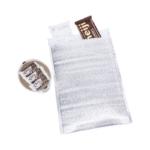
Entrega de chocolate resfriado: Como manter os chocolates perfeitos em trânsito
Atualizado para 2025: Entrega de chocolate resfriado Guia. A demanda por chocolate premium aumentou junto com o comércio eletrônico, ainda assim, enviar chocolate com segurança continua sendo um desafio. Em 2025 o mercado global de chocolate ultrapassou US$ 1,11 trilhão. Para satisfazer os clientes e proteger os lucros, entrega de chocolate resfriado deve equilibrar a temperatura, umidade e tempo. Este guia mostra como você pode entregar trufas, barras e bombons sem derreter ou florescer, aproveitando as melhores embalagens da atualidade, práticas de tecnologia e sustentabilidade.
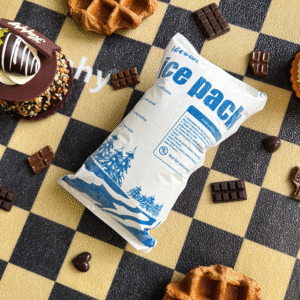
Entenda as faixas ideais de temperatura e umidade para chocolates, garantindo que as remessas cheguem brilhantes e suaves.
Compare soluções de embalagem e refrigeração-de caixas isoladas para materiais de mudança de fase (PCMs)—e veja qual se adapta ao seu negócio.
Navegue pela logística da cadeia de frio, incluindo pré-resfriamento, transporte refrigerado e entrega lastmile.
Aproveite tecnologia como IoT, IA e blockchain para monitoramento em tempo real e roteamento preditivo.
Adote as melhores práticas regulatórias e de sustentabilidade, reduzindo emissões e atendendo 2025 conformidade.
Fique à frente das tendências com previsões de mercado e insights de inovação para 2025 e além.
Quais são as condições ideais para entrega de chocolate resfriado?
O controle preciso de temperatura e umidade é fundamental para a entrega de chocolate resfriado. O chocolate é uma delicada emulsão de manteiga de cacau, açúcar e sólidos de leite; quando exposto a oscilações de calor ou umidade, gorduras migram para a superfície (flor gorda) ou açúcares cristalizam (flor de açúcar). Pesquisas mostram que chocolates devem ser armazenados entre 54 °F e 68 °F (12–20 °C) com umidade relativa abaixo 50 %. O chocolate amargo tolera o limite inferior desta faixa, enquanto o leite e o chocolate branco exigem um controle mais rígido.
Por que a temperatura e a umidade são importantes
Manter um microclima estável evita a condensação e a floração. O excesso de calor amolece a manteiga de cacau 86 °F a 90 °F (30–32ºC), então mesmo um breve aumento pode arruinar uma remessa. A umidade relativa deve permanecer abaixo 50 % para evitar a cristalização do açúcar e superfícies opacas. O pré-resfriamento do produto e da embalagem ajuda a estabilizar a umidade durante o transporte.
Compreendendo os pontos de fusão do chocolate
Diferentes chocolates têm comportamentos de derretimento únicos:
| Tipo Chocolate | Faixa de temperatura | Nível de umidade | Significado prático |
| Chocolate escuro | 12–20 °C (54–68 °F) | ≤50 % | Maior teor de manteiga de cacau torna estável em temperaturas mais baixas; tolera leve resfriamento. |
| Chocolate ao leite | Mesma faixa do escuro | ≤50 % | Mais sensível devido ao leite; precisa de um controle mais rígido. |
| Chocolate Branco | 12–20 °C | ≤50 % | Mais frágil; baixo teor de sólidos de cacau significa que as gorduras se separam rapidamente. |
| Chocolates recheados/cremosos | 12–20 °C | ≤50 % | Propenso a rachar ou dissolver o enchimento quando as temperaturas flutuam. |
Dicas práticas para manter condições ideais
Estabilizar a temperatura: Mantenha as remessas entre 12–20 °C. Usar recipientes isolados e PCMs (materiais de mudança de fase) compatível com esse intervalo.
Controle a umidade: Mantenha a umidade relativa abaixo 50 % com dessecantes ou revestimentos absorventes de umidade.
Garanta o fluxo de ar: Deixe espaço entre as caixas; evite armazenar chocolate perto de produtos cheirosos.
Proteja da luz: Use embalagens opacas para evitar a degradação induzida pela luz.
Adapte ao tipo: Chocolate amargo suporta temperaturas mais frias; leite e branco precisam de condições mais estáveis.
Exemplo do mundo real: Uma empresa de logística que envia trufas gourmet através dos continentes experimentou um florescimento de açúcar no verão. Depois de adicionar monitoramento contínuo de temperatura e umidade e mudar para embalagens passivas isoladas, as taxas de rejeição caíram de 15 % para 2 %. Esta simples combinação de sensores e isolamento preservou a qualidade e protegeu a marca.
Quais soluções de embalagem e resfriamento funcionam melhor para entrega de chocolate resfriado?
A embalagem é a defesa final contra o calor e a umidade. Escolher o isolamento e os refrigerantes corretos pode manter os chocolates dentro de sua faixa segura por dias. A embalagem deve equilibrar o desempenho térmico, sustentabilidade e custo.
Isolamento e refrigerantes
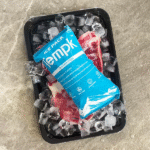
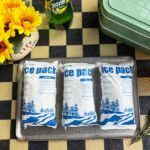
As caixas isoladas modernas usam materiais como poliestireno expandido (EPS) espuma, forros de fibra de algodão, espumas à base de amido, plástico bolha e forros de papel reciclado. Opções premium como ClimaCell® combinar alto desempenho térmico com sustentabilidade. Refrigerantes como pacotes de gel, dry ice and materiais de mudança de fase (PCMs) absorver ou liberar energia para manter as temperaturas alvo. Para remessas de chocolate, o packer deve equilibrar a espessura do isolamento com o peso e o custo para manter o conteúdo entre 60 °F e 70 °F.
Embalagem Primária e Controle de Umidade
A embalagem primária precisa ser resistente o suficiente para distribuição no comércio eletrônico e protegida contra condensação. Usar caixas ou latas fortes e embalagens resistentes à umidade ajuda a resistir ao manuseio brusco. Adicionando dessecantes ou revestimentos absorventes de umidade dentro da caixa reduz o risco de flor de açúcar. Ao enviar chocolates premium, caixas geralmente combinam múltiplas camadas: um envoltório interno para contato direto e uma camada externa como barreira de luz.
Pré-condicionamento e pré-resfriamento
O controle de temperatura começa antes de sair do armazém. Os chocolates devem ser resfriados 18–20 °C e materiais de embalagem pré-resfriados para estabilizar as temperaturas internas. Colocar produtos frios em embalagens quentes convida à condensação; o pré-condicionamento reduz os gradientes de temperatura e mantém a umidade abaixo 50 %.
Planejamento estratégico de rotas e prazos de entrega
Mesmo a melhor embalagem não consegue compensar um mau planeamento. Conhecer os pontos de fusão e os padrões climáticos permite que os programadores enviem chocolates durante os horários mais frios e evitem rotas propensas ao calor. A análise preditiva e o monitoramento meteorológico podem ajustar as rotas em tempo real para evitar ondas de calor ou tráfego. A parceria com transportadoras especializadas em entrega com temperatura controlada encurta os tempos de trânsito e reduz a exposição.
Comparando soluções de embalagem e resfriamento
| Solução | Características | Aprox.. Duração | Benefícios |
| Caixas isoladas | Materiais multicamadas (poliestireno, papel, algodão) transferência lenta de calor | 24–72 horas | Leve, barato e personalizável. |
| Materiais de mudança de fase (PCMs) | Pacotes de gel ou PCMs avançados que absorvem/liberam calor durante a mudança de fase | 24–96 horas | Mantenha temperaturas estáveis em uma faixa mais ampla; reutilizável. |
| Contêineres ativos | Unidades de refrigeração motorizadas com controle preciso | 72+ horas | Adequado para remessas de alto valor ou de longo curso; mais caro. |
| Soluções híbridas | Combinação de isolamento, PCMs e resfriamento ativo mínimo | 48–96 horas | Equilibre custo e desempenho para distâncias médias. |
Recomendações de embalagem
Combine o isolamento com a rota: Altas temperaturas ambientes exigem revestimentos mais espessos ou de maior desempenho.
Escolha PCMs para o intervalo desejado: Pacotes de gel padrão ficam por perto 0 °C; PCMs especializados mantêm 15–20 °C, ideal para chocolate.
Embalagem primária segura: Caixas robustas evitam esmagamento e entrada de umidade.
Ajuste para sazonalidade: Aumente o líquido refrigerante ou o isolamento no verão e isole contra o frio no inverno.
Integre registradores de dados: O monitoramento contínuo detecta desvios precocemente para que você possa intervir antes que ocorra o florescimento.
Estudo de caso: Um chocolateiro on-line adotou revestimentos ClimaCell® em papel e embalagens PCM para remessas de verão. Juntamente com registradores de dados em tempo real, entregas mantidas 60–70°F (15–21ºC) apesar de uma onda de calor. Reclamações retiradas, e o ligeiro aumento no custo da embalagem foi compensado pelo aumento das vendas.
How Does the cadeia de frio Work for Chocolate Shipping?
A entrega de chocolate resfriado envolve várias etapas, desde a fabricação até o cliente. Após a produção, os chocolates são resfriados até a temperatura de armazenamento desejada (tipicamente 18–20 °C) e colocados em embalagens com umidade controlada. São armazenados em armazéns com temperatura controlada e painéis isolados, sistemas automatizados de armazenamento/recuperação e estantes para paletes de alta densidade. Transporte usa caminhões refrigerados (frigoríficos), contêineres isolados ou unidades de frete aéreo com resfriamento criogênico. Em todo o trânsito, Sensores IoT e registradores de dados transmitem temperatura em tempo real, dados de umidade e localização, garantir que os desvios desencadeiem ações corretivas.
Estratégias de última milha para entrega de chocolate resfriado
A última milha costuma ser a parte mais desafiadora entrega da cadeia de frio. Flutuações de temperatura durante a entrega final podem causar degradação rápida. Para proteger a qualidade:
| Estratégia | O que envolve | Benefícios |
| Programação de entrega eficiente | Entregue durante os períodos mais frios e evite o calor do meio-dia | Reduz a exposição à temperatura e melhora a integridade do produto. |
| Minimize o tempo de manuseio | Limite o tempo fora da embalagem isolada | Evita aquecimento ou resfriamento rápido. |
| Centros de microfulfilment | Posicione pequenos armazéns perto dos clientes | Encurta distâncias de viagem e melhora a velocidade. |
| Otimização de rota | Use IA e análise preditiva para planejar rotas mais rápidas | Reduz o consumo de combustível e garante entrega pontual. |
| Embalagem passiva com PCMs | Manter a temperatura durante o trânsito de última milha | Fornece proteção térmica sem refrigeração mecânica. |
Orientação Prática
Planeje tempos mais frios: Programe entregas de manhã cedo ou tarde da noite, quando as temperaturas ambientes são mais baixas.
Reduza o tempo de permanência: Certifique-se de que os motoristas tenham instruções claras e pontos de entrega pré-estabelecidos para minimizar o tempo fora do veículo.
Use centros de microcumprimento: Distâncias mais curtas limitam a exposição ao calor e à umidade.
Monitore em tempo real: Equipar vans de entrega com sensores que alertam os motoristas se as temperaturas excederem os limites definidos.
Forneça instruções ao cliente: Incentive os destinatários a coletar os pacotes imediatamente e armazená-los em local fresco na chegada.
Caso real: Na América Latina, condições imprevisíveis das estradas e atrasos alfandegários podem atrasar os embarques de chocolate. Chuvas torrenciais no Brasil ou falta de armazenamento climatizado na Argentina muitas vezes correm o risco de derretimento. Os fornecedores de logística integrada abordam estas questões oferecendo ferramentas alfandegárias digitais, hubs climatizados e soluções de transporte multimodal.
Como a tecnologia pode melhorar a logística de chocolate resfriado?
Digital technologies are transforming the cadeia de frio into a smart, rede orientada por dados. Hoje, Sensores de IoT, análise preditiva, IA e blockchain trabalham juntos para fornecer visibilidade em tempo real, evitar falhas de equipamentos e proteger a cadeia de abastecimento.
Implementando monitoramento baseado em IoT
Os dispositivos IoT variam de simples registradores de temperatura a sofisticados pacotes multisensores. Eles transmitem dados para uma plataforma em nuvem onde modelos preditivos analisam tendências e acionam alertas. Seus benefícios incluem:
| Tecnologia | O que isso faz | Benefícios práticos |
| Sensores de IoT | Monitore continuamente a temperatura, umidade e localização | Fornece visibilidade em tempo real; alertar os operadores antes que ocorra o florescimento. |
| Análise preditiva | Use dados de sensores para prever falhas de equipamentos e interrupções de rotas | Reduza o tempo de inatividade não planejado em até 50 % e reduzir custos de reparo 10–20 %. |
| Análise de energia | Rastreie o uso de energia em unidades de refrigeração | Otimize o consumo de energia e reduza custos 10–30 %. |
| Otimização de rotas de IA | Planeje rotas de entrega eficientes com base no tráfego, clima e demanda | Economize combustível, reduzir emissões e encurtar os prazos de entrega. |
| Blockchain | Registre cada transferência em um livro-razão imutável | Garanta a autenticidade, simplificar recalls e impedir adulterações. |
Dicas de adoção digital
Adote uma plataforma conectada: Escolha dispositivos e software IoT que se integrem perfeitamente para que você tenha um único painel.
Comece com os principais ativos: Equipe primeiro as unidades de refrigeração e veículos de entrega mais críticos; escala após demonstrar ROI.
Use blockchain estrategicamente: Reserve blockchain para chocolates de alto risco ou alto valor; um rastreamento mais simples pode ser suficiente para outras remessas.
Ferramentas úteis de decisão
Verifique os detalhes antes de escolher a embalagem
Essas ferramentas rápidas podem ajudá-lo a comparar o risco da rota, necessidades de dimensionamento, escolhas de refrigerante, e detalhes da embalagem antes de solicitar um orçamento.
Calculadora de gelo seco
Estime as necessidades de gelo seco para remessas congeladas ou ultrafrias antes de embalar.
Estimar gelo secoGerador de lista de conformidade
Crie uma lista de verificação prática para revisão de embalagens, envio, e documentação.
Lista de verificação de construçãoForro de caixa & Dimensionamento da cobertura de paletes
Verifique a lógica de dimensionamento do forro da caixa e da tampa do palete para projetos de embalagens isoladas.
Dimensionamento estimadoTreine sua equipe: Garanta que a equipe possa interpretar os dados e responder aos alertas rapidamente.
Exemplo: Um confeiteiro europeu integrou sensores IoT e análises preditivas em sua frota. Antes da adoção, sobre 15 % das remessas sofreram desvios de temperatura. Dentro de um ano, os desvios caíram para 3 %, economizando milhares de quilos de chocolates e reduzindo o consumo de combustível ao 12 % através de rotas otimizadas por IA.
Qual o papel da sustentabilidade na entrega de chocolate resfriado?
A sustentabilidade não é mais opcional; it is integral to cadeia de frio strategy. As emissões dos transportes e os resíduos de embalagens são grandes preocupações ambientais. Por 2025, as empresas enfrentam pressão regulatória e dos consumidores para descarbonizar a logística e adotar materiais mais ecológicos.
Transporte e embalagem ecológicos
As estratégias ambientais incluem veículos elétricos ou híbridos, combustíveis renováveis, armazéns energeticamente eficientes e embalagens biodegradáveis. Por exemplo:
| Medir | Como reduz as emissões | Benefícios para você |
| Veículos elétricos/híbridos | Reduzir o consumo de combustível e as emissões de gases com efeito de estufa; custos operacionais mais baixos | Reduza os custos de envio, cumprir as regulamentações verdes e melhorar a imagem da marca. |
| Combustíveis renováveis (biodiesel, gasóleo renovável) | Reduzir as emissões em até 80 % | Fornecer uma opção de transição para frotas existentes; não são necessárias grandes atualizações de veículos. |
| Otimização de rotas de IA | Economiza combustível e reduz carbono ao 10–15 % | Melhore as entregas dentro do prazo e reduza os custos. |
| Armazéns energeticamente eficientes | A iluminação LED e o HVAC inteligente reduzem o consumo de energia 20–30 % | Reduza as despesas operacionais e mantenha condições de armazenamento consistentes. |
| Embalagem biodegradável ou reutilizável | Reduz o desperdício de plástico e apoia cadeias de abastecimento circulares | Atenda à demanda dos consumidores por produtos ecologicamente corretos e melhore as credenciais de sustentabilidade. |
Recomendações de Logística Sustentável
Pilotar veículos elétricos em rotas urbanas de alta densidade para avaliar economias e resposta do cliente.
Adote combustíveis renováveis para as frotas diesel existentes reduzirem imediatamente as emissões.
Use IA para planejamento de rotas para minimizar a distância e o tempo de viagem.
Atualizar armazéns com iluminação LED e sistemas HVAC inteligentes.
Escolha embalagens verdes, como revestimentos recicláveis e isolamento à base de papel.
Implementar reciclagem e compostagem programas para embalagens e resíduos orgânicos.
Estudo de caso verde: Um centro de distribuição mudou para iluminação LED e instalou um painel solar no telhado, compensação 40 % do seu uso de energia. Mudando para contêineres isolados reutilizáveis, reduziu as embalagens descartáveis em 80 % e economizado em custos de descarte. Os clientes apreciaram a abordagem ecológica, aumentando a fidelidade à marca.
2025 Últimos desenvolvimentos e tendências em logística de chocolate resfriado
Visão geral das tendências
A indústria da cadeia de frio está evoluindo rapidamente. The global cadeia de frio market is expected to reach between $393 bilhão e $453 bilhão em 2025 e acelerar para $1.63 trilhão por 2035, refletindo um 15 % taxa composta de crescimento anual. Os motivadores incluem a explosão da entrega de alimentos para comércio eletrônico, crescente demanda por produtos biológicos, e as expectativas dos consumidores em termos de visibilidade e rastreabilidade. Ásia-Pacífico é a região que mais cresce, apoiado por subsídios governamentais e comércio eletrônico em expansão.
O segmento de hardware liderou o mercado de rastreamento e monitoramento da cadeia de frio em 2022, contenção sobre 76 % de participação de mercado. Simultaneamente, o mercado de embalagens está crescendo: embalagem da cadeia de frio foi avaliado em $20.08 bilhão em 2020 e está projetado para atingir $36.65 bilhão por 2026. Espera-se que a receita de entrega de comida online atinja $45.33 milhão por 2025, destacando a importância das embalagens com temperatura controlada.
Resumo das últimas inovações e tendências
Automação e robótica: A necessidade de eficiência e a escassez de mão de obra impulsionam a adoção de sistemas automatizados de armazenamento e recuperação (AS/RS) e manuseio robótico. Sobre 80 % dos armazéns permanecem não automatizados, indicando potencial de crescimento significativo.
Sustentabilidade como valor fundamental: Sistemas de refrigeração energeticamente eficientes, fontes de energia renováveis e embalagem sustentável agora são essenciais. The global food cadeia de frio emits roughly 2 % das emissões de CO₂, empurrando as empresas para soluções mais verdes.
Visibilidade de ponta a ponta com rastreamento em tempo real: Dispositivos IoT avançados fornecem visibilidade ininterrupta e ajudam a otimizar rotas e reduzir desperdícios.
Modernizando a infraestrutura: Envelhecimento instalações de armazenamento a frio estão sendo atualizados com modernos sistemas de refrigeração, equipamentos de manuseio automatizado e energia renovável no local.
IA e análise preditiva: IA otimiza rotas, prevê a demanda e prevê a manutenção do equipamento, melhorando a tomada de decisões e a confiabilidade do serviço.
Crescente cadeia de frio farmacêutica: O segmento de logística da cadeia de frio farmacêutica está avaliado em $6.7 bilhão em 2025 e projetado para alcançar $9.3 bilhão por 2034.
Investimento em logística de alimentos frescos: À medida que os consumidores exigem produtos frescos, produtos de alta qualidade, cadeia de frio logistics is crucial in lastmile delivery. Espera-se que o mercado da cadeia de frio alimentar da América do Norte atinja $86.67 bilhão em 2025.
Parcerias estratégicas e integração: Colaboração entre fabricantes, fornecedores de embalagens e fornecedores de tecnologia aumentam a resiliência e o alcance do mercado.
Insights de mercado
The cadeia de frio packaging market’s growth is driven largely by the segmentos de mercearia on-line e entrega de alimentos. Os produtos alimentares constituem cerca de 75 % of cadeia de frio packaging market share, com o restante atendendo produtos farmacêuticos e outras indústrias. Adoção de materiais de mudança de fase (PCMs) e o isolamento avançado está aumentando para apoiar a estabilidade da temperatura por períodos mais longos. Enquanto isso, requisitos regulatórios, como os EUA. Regra FSMA 204 exigem rastreabilidade dentro 24 horas, acelerando a adoção de tecnologia. Adicionalmente, as expectativas dos consumidores em relação à transparência são altas: 99 % dos compradores desejam visibilidade da cadeia de suprimentos e 75 % mudarão de marca se não receberem.
Perguntas frequentes
Q1: Em que temperatura os chocolates devem ser armazenados durante a entrega?
Mantenha os chocolates entre 64 °F e 68 °F (18–20 °C) para manter a textura e o sabor. Temperaturas acima 86 °F (30 °C) corre o risco de derreter e florescer gordura.
Q2: Como evito que o chocolate derreta durante o parto?
Use embalagens isoladas com pacotes de gel ou PCMs, produtos e embalagens pré-resfriados, planeje rotas durante os horários mais frios e conte com transportadoras experientes com temperatura controlada.
Q3: Por que a umidade é importante na logística do chocolate?
Alta umidade causa florescimento de açúcar, onde a umidade se condensa na superfície e cristaliza o açúcar. Manter a umidade abaixo 50 % e o uso de forros absorventes de umidade reduz esse risco.
Q4: Quais tecnologias melhoram a entrega de chocolate resfriado?
Sensores IoT fornecem monitoramento em tempo real, A IA e a análise preditiva otimizam rotas e prevêem falhas de equipamentos, e blockchain garante rastreabilidade.
Q5: Como posso reduzir o impacto ambiental do transporte de chocolate resfriado?
Adote veículos elétricos, combustíveis renováveis, Otimização de rotas de IA, armazéns energeticamente eficientes e embalagens biodegradáveis.
Q6: O que a FSMA rege 204 significa para transportadores de chocolate?
Em vigor em janeiro 2025, os EUA. Regra da Lei de Modernização da Segurança Alimentar 204 exige que certos alimentos de alto risco sejam rastreáveis dentro 24 horas. A implementação de monitoramento em tempo real e manutenção de registros eletrônicos ajuda a garantir a conformidade.
Q7: Os materiais de mudança de fase são necessários para entregas curtas??
Para entregas curtas (por exemplo, mesmo dia dentro de uma cidade), pacotes de gel ou tijolos de gelo pode ser suficiente. No entanto, Os PCMs oferecem temperaturas mais estáveis em uma faixa mais ampla e são ideais para trânsito de vários dias ou climas mais quentes.
Resumo & Recomendações
Takeaways -chave:
Mantenha a temperatura rigorosa (18–20 °C) e umidade (<50 %) diretrizes para evitar o florescimento de gordura e açúcar.
Selecione a solução certa de embalagem e refrigeração—combinar materiais isolados com PCMs proporciona proteção mais longa.
Implemente monitoramento em tempo real e análise preditiva para detectar desvios antecipadamente e otimizar rotas.
Adote práticas sustentáveis usando veículos elétricos, combustíveis renováveis e embalagens ecológicas.
Mantenha-se informado sobre tendências e regulamentações do mercado—the cadeia de frio industry is growing rapidly and becoming more transparent.
Plano de ação:
Audite sua cadeia de frio atual: Meça a estabilidade de temperatura e umidade em cada estágio. Identifique onde ocorrem os desvios.
Atualizar embalagem: Considere isolamento de alto desempenho (por exemplo, ClimaCell®) e PCMs adaptados à faixa segura do chocolate. Ajuste as quantidades de refrigerante sazonalmente.
Implementar sensores IoT: Comece com ativos críticos (veículos de transporte e zonas de armazém) para monitorar as condições. Use painéis baseados em nuvem para alertas em tempo real.
Otimize a logística: Use ferramentas de IA para planejamento de rotas e manutenção preditiva. Programe entregas em horários mais frescos e utilize centros de microfulfilment para reduzir distâncias.
Abrace a sustentabilidade: Transição para veículos elétricos ou híbridos, adotar embalagens biodegradáveis e atualizar os sistemas de energia dos armazéns.
Treine sua equipe e parceiros: Certifique-se de que todos entendam os limites de temperatura, protocolos de empacotamento e sistemas de monitoramento. Desenvolver planos de contingência para desvios.
Sobre Tempk
Nós somos Tempk, a leading innovator in cadeia de frio packaging and logistics solutions. Nossa equipe combina décadas de experiência em ciência de materiais térmicos com tecnologias IoT de última geração. Somos especializados em sacos isolados, caixas e refrigerantes PCM avançados que protegem produtos sensíveis à temperatura - chocolates, produtos farmacêuticos e muito mais - ao longo de sua jornada. Nossas instalações com certificação ISO e compromisso com a sustentabilidade significam que cada produto atende a rigorosos padrões de qualidade, minimizando o impacto ambiental. Escolha Tempk para garantir cada entrega de chocolate resfriado chega perfeita, toda vez.
Próximo passo: Entre em contato com nossos especialistas para discutir seus desafios de entrega de chocolate resfriado e encontrar uma solução personalizada. Quer você esteja enviando localmente ou globalmente, A Tempk possui tecnologia e experiência para manter seus chocolates doces e seguros.