Distribuidor de gelo seco para logística biológica: Portões de aprovação
Um distribuidor gelo seco embalagem para logística biológica deve entrar em uso rotineiro somente após o produto, material, faixa, qualificação, inventário, monitoramento, e os portões de qualidade estão fechados. Isto protege o distribuidor do tratamento de dióxido de carbono sólido, lençóis de hidratação ativados por água, pacotes de gel, e pacotes PCM como fontes de frio intercambiáveis. Ele também mantém as condições biológicas aprovadas antes da conveniência do armazém. O programa final deve identificar quais cargas úteis e rotas cada código de pacote cobre, como os componentes são condicionados e rastreados, o que significam os dados de monitoramento, quem decide excursões, e como o fornecedor muda, CAPA, logística reversa, e a sustentabilidade permanecem controladas após o lançamento.
Portão 1: Aprovar a Identidade do Produto e Material
Comece com um perfil de distribuição biológica controlada. Registrar condições de armazenamento e transporte aprovadas ou suportadas, sensibilidade de congelamento, base de excursão, contêiner primário, montagem secundária, orientação, preocupações com luz ou agitação, carga útil mínima e máxima, e o processo de disposição autorizado.
Os produtos biológicos são diversos; A categoria da FDA inclui vacinas, produtos sanguíneos, proteínas, células, tecidos, e terapias genéticas. Nenhum ponto de ajuste universal deve ser aplicado a todos eles. Os critérios de embalagem e distribuição vêm do rótulo exato do produto e do programa de estabilidade.
Em seguida, resolva o termo do refrigerante.
Gelo seco sólido é dióxido de carbono, sólido. Sublima, cria frio extremo, perde massa antes e durante o transporte, pode danificar produtos sensíveis ao congelamento ou materiais quebradiços, e requer liberação de gás dióxido de carbono.
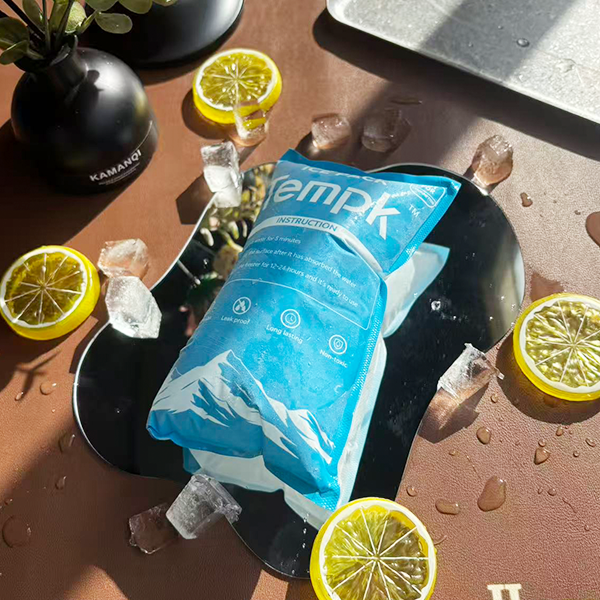
UM hidratar gelo seco pode ser uma folha ativada por água em vez de dióxido de carbono. A instrução oficial da Tempk identifica sua folha de hidratação como não sendo gelo seco e orienta os usuários a adicionar água e congelá-la. É, portanto, tratado como um refrigerante aquoso congelado com hidratação, expansão, condicionamento, selo, e controles de vazamento.
Os pacotes de gel e PCM recebem identidades separadas com base na sua formulação real, recipiente, comportamento de fase, e instruções. Um código de material de distribuidor deve ser mapeado apenas para códigos de embalagem aprovados; a semelhança física não pode autorizar a substituição.
Portão 1 fecha quando a qualidade aprova o requisito do produto e o mestre de materiais.
Portão 2: Crie o Catálogo de Pacotes do Distribuidor
Um catálogo controlado vincula cada grupo biológico e de faixa a uma revisão específica do sistema de transporte.
A entrada do catálogo identifica:
pacote primário e secundário;
refrigerante ou item de refrigerante, quantidade, doença, e posição;
Recipiente isolado e exterior estrutural;
separadores, suporta, absorvente, e estiva;
carga útil mínima e máxima;
monitorar e posicionar mapeado;
encerramento, ventilação, Marcas, e etiquetas;
embalar e receber SOP;
perfis quentes e frios qualificados;
faixas permitidas, serviços, temporadas, e contingência.
Funções separadas permanecem visíveis. O refrigerante absorve calor; o isolamento retarda a entrada de calor; contenção protege o conteúdo; o exterior sobrevive à distribuição; o monitor registra condições; qualificação apoia o sistema. Nenhum componente por si só torna a temperatura da remessa controlada ou compatível.
O agrupamento de faixas precisa de uma justificativa por escrito. Um serviço regional direto, rota aérea internacional, rota de fim de semana, e localização remota podem exigir diferentes envelopes operacionais. Use regras de gerenciamento de pedidos ou verificações de código de barras para que os operadores não possam selecionar uma embalagem apenas pelo tamanho da caixa.
O agrupamento de carga útil também precisa de limites. Uma carga mínima pode ser um desafio para o lado frio ou quente. Uma carga máxima pode sobrecarregar o líquido refrigerante ou criar uma área interna quente. Se for usada carga falsa ou material de apoio, catalogá-lo como um item aprovado e especificar a localização.
Portão 2 fecha com desenhos controlados, listas de materiais, regras de elegibilidade, e revisões.
Portão 3: Revise as evidências antes da qualificação
| Portão de evidências | Pergunta de aprovação | Evidência necessária |
|---|---|---|
| Produto | Quais condições e excursões são suportadas? | Rótulo, base de estabilidade, informações do contêiner, procedimento de qualidade |
| Refrigerante | Qual é o material real e o estado condicionado? | Especificação técnica, informações de segurança, instruções, amostra de produção |
| Fabricante | Os lotes de rotina podem corresponder à amostra de desenvolvimento? | Controles de lote, inspeção, rastreabilidade, acordo de qualidade, notificação de alteração |
| Carga útil | Quais pedidos mínimos e máximos são cobertos? | Carregar desenhos, geometria, esteiras, justificativa entre colchetes |
| Faixa | Que exposição e atraso são credíveis? | Mapa de rota, serviço, transferências, dados sazonais, contingência |
| Teste térmico | Os riscos de calor e frio foram mapeados? | Protocolo, perfis, mapa de sensores, instrumentos, dados brutos, critérios de aprovação |
| Teste físico | Faça materiais, selos, rótulos, e apoia sobreviver? | Testes de distribuição condicionada e inspeção pós-teste |
| Operações | Os armazéns podem reproduzir o pacote? | Estudo de condicionamento, Sop, treinamento, piloto, controles de erro |
| Monitoramento | O dispositivo suporta uma decisão definida? | Justificativa de posicionamento, configuração, evidência de calibração ou precisão, fluxo de trabalho de dados |
| Sustentabilidade | A comparação usa entregas bem-sucedidas? | Limite definido, embalagem, energia, retorna, dano, excursões, perda de produto |
Não feche lacunas de evidências com certificados genéricos ou garantias de fornecedores. Marque-os para teste, documentação, ou decisão de qualidade. O relatório de um fabricante pode apoiar a aprovação quando a sua configuração for comparável, mas o distribuidor deve avaliar a aplicabilidade.
Portão 3 fecha quando o protocolo de qualificação pode ser escrito sem adivinhar entradas críticas.
Portão 4: Qualifique o sistema e o envelope da pista
O protocolo aprovado especifica os componentes exatos equivalentes à produção, colchetes de carga útil, condições iniciais, condicionamento, perfis, duração, posições dos sensores, instrumentos, desafios físicos, e critérios de aceitação.
Use perfis quentes e frios justificados. ISTA 7E fornece perfis térmicos de parcelas, e Padrão 20 fornece um processo de design e qualificação de contêiner isolado. A orientação da OMS aborda a qualificação de contêineres de transporte e o perfil de rota para tempo e-Produtos sensíveis à temperatura. Capítulo Geral da USP 1079 apoia um quadro de armazenamento e transporte baseado no risco. O teste escolhido deve corresponder à questão de distribuição.
Ferramentas úteis de decisão
Verifique os detalhes antes de escolher a embalagem
Essas ferramentas rápidas podem ajudá-lo a comparar o risco da rota, necessidades de dimensionamento, escolhas de refrigerante, e detalhes da embalagem antes de solicitar um orçamento.
Seletor de embalagens
Compare opções de embalagens isoladas por produto, rota, e necessidade de temperatura.
Encontre embalagensResistência à queda de material de isolamento
Revise a resistência à queda e os fatores de manuseio antes de escolher materiais de isolamento.
Verifique a resistênciaGerador de lista de conformidade
Crie uma lista de verificação prática para revisão de embalagens, envio, e documentação.
Lista de verificação de construçãoMapeie sensores em locais quentes e frios confiáveis. Indique o que cada medida representa. Um sensor ao lado do gelo seco não é uma medição completa da carga útil. Gama de instrumentos, intervalo, evidência de precisão, resposta, status de calibração, e a capacidade de dados deve se adequar ao teste.
Testar ou justificar cargas úteis mínimas e máximas e famílias de produtos. Desafie os componentes e as tolerâncias operacionais que podem ocorrer razoavelmente. Não adicione abuso arbitrário, mas não teste apenas a montagem ideal.
Avalie o desempenho físico e térmico juntos. Em baixas temperaturas, plásticos, filmes, rótulos, adesivos, e os selos podem mudar. Vibrações e quedas podem mover um líquido refrigerante ou danificar a contenção. A condensação pode enfraquecer uma identificação externa ou obscura. Confirme se a ventilação permanece funcional após o fechamento e estresse físico quando gelo seco sólido estiver presente.
Execute um piloto operacional. Condição do pessoal do armazém, escolha, digitalizar, montar, monitor, marca, macio, e receber pacotes usando os sistemas e horários pretendidos.
Portão 4 fecha com relatórios aprovados, desvios resolvidos, e uma faixa definida e envelope de carga útil.
Portão 5: Liberar inventário, Monitoramento, e Rastreabilidade
Controles recebidos verificam item, revisão, muito, quantidade, doença, e documentos necessários. Alterações ou danos inexplicáveis na quarentena.
Gelo seco sólido requer armazenamento ventilado, manuseio protegido, ferramentas seguras, equipe treinada, e um método para determinar a quantidade líquida no leilão. A perda de estoque por sublimação deve ser planejada e medida.
As folhas de hidratação precisam de controle de status desde o estado seco até o estado hidratado e condicionado. Os registros de condicionamento devem identificar o método, equipamento, tempo ou aceitação, lote, liberar, e armazenamento. Os pacotes de gel e PCM precisam de controles de condicionamento equivalentes. Uma mochila que parece fria não fica automaticamente no estado aprovado.
Rastreabilidade vincula lote do fornecedor, recibo, liberar, condicionamento, revisão do pacote, produto, carga útil, operador, monitor, remessa, faixa, e disposição conforme exigido pelo risco. Isso apoia retenções direcionadas e investigações de fornecedores.
Os dados de monitoramento precisam de integridade e propriedade. Vincular ID do dispositivo, configuração, posição mapeada, relógio, começar e parar, arquivo original, revisor, e decisão. Defina cobertura e intervenções de alerta em tempo real. No recebimento, proteger o produto, inspecionar o sistema, recuperar dados, e escalar desvios.
A continuidade dos estoques deve ser planejada sem autorizar a substituição silenciosa. Definir fornecedores ou componentes alternativos aprovados somente após avaliação de comparabilidade e testes necessários. Durante uma escassez, o armazém deve colocar o código do pacote afetado em retenção controlada em vez de substituir um refrigerante por um item de aparência semelhante. Compras, embalagem, qualidade, e as operações decidem se outra configuração aprovada pode atender ao pedido. A previsão deve incluir o lead time de condicionamento, rendimento do congelador, disponibilidade de gelo seco, prazo de validade do componente quando suportado, volume sazonal, e estoque de quarentena. Isso evita que uma interrupção no fornecimento se torne uma alteração não documentada em um sistema de remessa qualificado.
Portão 5 fecha quando uma remessa de rotina pode ser reconstruída a partir de registros controlados.
Portão 6: Operar Desvio, CAPA, Fornecedor, e loops de retorno
Um desvio começa quando um requisito ou processo aprovado não é atendido: alarme de temperatura, refrigerante subcondicionado, código de pacote errado, ventilação bloqueada, exterior danificado, vazamento de componente, dados faltantes, atraso da operadora, ou substituição não aprovada.
Proteja o produto e preserve as evidências. A disposição da qualidade do produto utiliza informações e procedimentos de estabilidade aprovados. A investigação reconstrói dispositivo, localização, rastrear, carga útil, lotes de componentes, condicionamento, conjunto, rota, e recibo.
A causa raiz pode ser o produto, pacote, processo, equipamento, pessoa, fornecedor, operadora, dados, ou uma combinação. A correção aborda o evento imediato. CAPA aborda risco sistêmico com ações, proprietários, datas de vencimento, verificações de eficácia, e revisão de tendências.
Acordos de qualidade com fornecedores apoiam reclamações e investigações. Mudanças no material, formulação, preencher, selo, dimensões, processo, site, subcontratado, isolamento, ou os rótulos são avaliados antes do uso. O risco determina se a documentação, inspeção, teste de comparação, ou é necessária requalificação.
A logística reversa é outro circuito controlado. Os sistemas devolvidos permanecem em quarentena até a limpeza, inspeção, recondicionamento, e liberar. Perda de rastreamento, dano, história, reparar se permitido, e aposentadoria. Use dados medidos de retorno e desempenho para reivindicações de sustentabilidade.
Investigação hipotética do Gate-6
Um distribuidor recebe alertas repetidos de calor em uma rota internacional usando um pacote qualificado de gelo seco sólido. O produto é mantido sob procedimento e revisado em relação aos dados de estabilidade.
A análise de tendências mostra que os alertas ocorrem após um hub de operadora específico. No entanto, os registros de embalagens também mostram menor quantidade líquida de gelo seco na licitação em remessas no final da tarde porque o refrigerante foi pesado cedo e armazenado por muito tempo.
A investigação identifica dois contribuidores: encenar a perda dentro do processo do distribuidor e o atraso do hub fora dele. CAPA aproxima a pesagem final do concurso, adiciona um tempo máximo de preparação controlado, revisa a captura de dados, e trabalha com a transportadora em serviços e contingências. O pacote é reavaliado sob a exposição revisada do pior caso. O monitoramento da eficácia rastreia a quantidade de gelo seco, taxa de alerta, e duração da pista.
Este exemplo hipotético evita culpar um refrigerante ou transportador antes que as evidências sejam conectadas.
Portão 6 permanece ativo durante todo o ciclo de vida do programa.
Perguntas frequentes
Um distribuidor pode aprovar um novo refrigerante apenas por ajuste dimensional??
Não. O ajuste é apenas um atributo. Identidade do refrigerante, comportamento de fase, condicionamento, capacidade térmica, efeito colateral frio, integridade do selo, documentação material, interação de carga útil, desempenho físico, e o controle do fornecedor pode alterar o sistema qualificado. Realize uma avaliação de mudança documentada e testes apropriados. Atualizar a linha de base após aprovação. Não substitua silenciosamente.
Quem possui a qualificação da pista quando um terceiro embala o produto?
As responsabilidades podem ser alocadas por acordo, mas a responsabilização deve ser explícita. Os proprietários do produto definem os requisitos de estabilidade; distribuidores ou embaladores controlam a execução; transportadoras controlam segmentos de transporte; qualidade aprova evidências e disposição. Um contrato deve definir a qualificação, registros, desvios, mudanças, auditorias, e comunicação. Documente todas as interfaces operacionais.
O gelo seco sólido é necessário para logística biológica congelada??
Não universalmente. Use-o somente quando a estabilidade do produto, materiais de embalagem, desempenho qualificado, segurança, e as regras de transporte apoiam-no. Outras soluções passivas ou ativas podem ser consideradas. A escolha correta depende do produto e da via, não a palavra “congelado” sozinha. Analise alternativas com qualidade. Documente a justificativa da seleção.
Quais dados devem ser incluídos em uma revisão de tendências do distribuidor?
Revise as temperaturas, alertas, cargas úteis, pistas, durações, eventos de operadora, dano, condição do líquido refrigerante, desvios de condicionamento, lotes de componentes, revisões de pacotes, reclamações, disposição do produto, retorna, e reenvios. Normalize os resultados sempre que for útil para que o crescimento no volume de remessas não esconda as taxas. Revise as taxas e contagens. Investigue padrões adversos recorrentes.
As metas de embalagens sustentáveis podem substituir a lista de materiais qualificada??
Não. Mudanças de sustentabilidade devem seguir um redesenho controlado, revisão de risco, e qualificação. Reduzir o excesso onde as evidências o apoiam, mas proteja as condições e contenção aprovadas do produto biológico. Compare os candidatos com base em critérios equivalentes de entrega bem-sucedida e inclua a perda de produto, energia, retorna, e fim da vida. Aprovar alterações antes de usar.
Aprovar um Programa de Distribuição de Vida
A aprovação do distribuidor não é um teste único. Começa com a identidade do produto e do material, cria pacotes controlados e códigos de pista, qualifica quente, frio, e riscos físicos, e libera inventário e sistemas de dados. Monitoramento, desvios, CAPA, mudanças de fornecedor, logística reversa, e sustentabilidade mantêm a linha de base eficaz. Gelo seco sólido e camadas de hidratação permanecem distintas, e sem refrigerante, isolamento, registrador, ou certificado substitui o sistema qualificado e a decisão de qualidade do produto.
Sobre Tempk
O catálogo oficial da Tempk inclui folhas de refrigerante de hidratação descritas como hidratar bolsas de gelo seco, pacotes de gel, e embalagem isolada categorias. Suas instruções de hidratação diferenciam o produto do gelo seco sólido e direcionam a ativação da água seguida de congelamento. Um distribuidor pode avaliar o Tempk por meio de especificações exatas do item, instruções, amostras equivalentes à produção, informações sobre lote, e documentação relevante. Os componentes Tempk devem então entrar na qualificação do distribuidor, inventário, rastreabilidade, e sistema de controle de mudanças. Gamas biológicas específicas do produto, cargas úteis, durações, certificações, e a conformidade não deve ser presumida sem evidências aplicáveis.
Fornecer à Tempk os requisitos de componentes controlados e a tabela de evidências do distribuidor. Solicite a amostra e a documentação necessária para qualificar um código de embalagem aprovado, em vez de uma promessa geral de resfriamento.