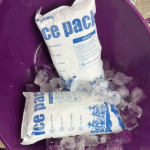
Guia de compra de acumulador de resfriamento em gel: Desempenho, Ajuste do Fornecedor, e Realidade Operacional
O melhor acumulador de resfriamento de gel no atacado no Reino Unido é aquele que combina com o trabalho sem criar riscos extras em outro lugar. Na prática, os compradores precisam comparar o design, comportamento de fase, ajuste de rota, disciplina do fornecedor, e consistência do pedido em massa juntos. Essa é a única maneira confiável de escolher um pacote que funcione além do primeiro lote de amostra.
Abaixo está um guia prático de compras que se concentra nas questões que as equipes de compras e operações geralmente precisam responder primeiro: o que o produto realmente faz, onde cabe, o que pode dar errado, e como diferenciar um fornecedor confiável de uma opção somente de catálogo.
Começando com a definição correta do produto
Um acumulador de resfriamento de gel é um reservatório de frio controlado usado em embalagens passivas. Alguns compradores usam o termo para pacotes de gel flexíveis, enquanto outros o utilizam para tijolos rígidos ou placas preenchidas com um líquido ou gel eutético. A ideia chave não é a forma, mas a função: o acumulador armazena energia de resfriamento e a libera de maneira mais gerenciada do que o gelo solto.
Isso torna os acumuladores úteis quando o remetente externo tem uma geometria fixa e o pack-out precisa ser repetível. Um acumulador de tamanho adequado oferece um carregamento mais previsível, melhor empilhamento, e treinamento mais fácil para equipes de armazém. A desvantagem é que o melhor formato depende muito do design da sua caixa, temperatura alvo, e se a embalagem será reutilizada.
If the accumulator is used in healthcare or other controlled cadeia de frios, o sistema geral de embalagem pode exigir qualificação ou testes de rota, mesmo quando a fonte fria em si é simples.
Como as escolhas de design alteram o desempenho
Acumuladores de resfriamento podem usar géis à base de água, soluções salinas, ou outros materiais de mudança de fase selecionados em torno de uma faixa de temperatura alvo. As referências públicas no mercado apresentam formatos suaves e rígidos, incluindo tijolos de um litro e painéis planos dimensionados para paredes de sacolas ou tampas de caixas de papelão. A escolha do material altera o ponto de congelamento, rigidez estrutural, e quão próxima a unidade está da carga útil.
Acumuladores rígidos geralmente fornecem uma geometria mais organizada e são mais fáceis de limpar em programas de reutilização. Versões flexíveis podem se adaptar melhor a cargas mistas e reduzir entreferros. Nenhum dos dois é universalmente melhor. A escolha depende se o seu principal desafio é o ajuste preciso, physical durability, velocidade de empacotamento, ou fechar contato com o produto.
Para acumuladores, geometria faz parte do desempenho. O meio de mudança de fase é importante, mas o mesmo acontece com as dimensões externas, contato com a parede, temperatura de reutilização, e a massa térmica da caixa circundante e do produto.
Os compradores geralmente aprendem mais com uma pequena lista de dados concretos: dimensões acabadas, peso líquido de preenchimento, espessura congelada, faixa de mudança de fase ou faixa de temperatura pretendida, instruções de condicionamento, e configuração de embalagem por caixa ou palete. Esses detalhes permitem que as equipes de operações e qualidade imaginem como o pacote se comportará antes mesmo de o teste começar.
Escolha por aplicação e rota
Os acumuladores são amplamente utilizados na distribuição de alimentos refrigerados, sistemas de sacolas reutilizáveis, remessas de diagnóstico, parcelas de farmácia, e programas de serviço onde as embalagens retornam através de uma sala de freezer. Eles são especialmente úteis quando o mesmo tamanho de caixa é usado repetidamente e a operação se beneficia de uma fonte de frio padronizada, em vez de uma coleção solta de pequenos pacotes.
Na prática, os compradores geralmente escolhem um acumulador quando desejam um fluxo de trabalho mais limpo. Um tijolo ou painel de tamanho fixo pode ser contado mais rapidamente, carregado consistentemente, e armazenados de forma mais eficiente. Dito isto, o desempenho da rota ainda depende da temperatura de condicionamento, pré-resfriamento da carga útil, e o valor de isolamento do remetente geral.
No Reino Unido, os compradores geralmente valorizam a disponibilidade de estoque e a reposição previsível tanto quanto um preço unitário baixo. Muitos programas dependem de novos pedidos frequentes, armazenamento controlado, e ajuste consistente com caixas de encomendas existentes, sistemas de sacola, ou expedidores de laboratório. Um bom parceiro atacadista ou fornecedor geralmente é aquele que consegue manter as especificações estáveis e ao mesmo tempo responder rapidamente.
As equipes de compras do Reino Unido também tendem a solicitar documentação prática em vez de linguagem de marketing. Dimensões, massa de gel, instruções de condicionamento, orientação de armazenamento, e os detalhes de rastreabilidade são importantes porque são esses pontos que determinam se o armazém, QA, e as equipes de atendimento ao cliente podem executar o produto sem problemas.
Para acumuladores, geometria faz parte do desempenho. O meio de mudança de fase é importante, mas o mesmo acontece com as dimensões externas, contato com a parede, temperatura de reutilização, e a massa térmica da caixa circundante e do produto. Em outras palavras, a seleção começa com o problema operacional, não a foto do catálogo. Compradores que definem a faixa de temperatura, tempo de trânsito, Sensibilidade da carga útil, e o método de carregamento tendem claramente a tomar decisões mais rápidas e seguras.
Uma comparação amigável ao comprador geralmente se resume a seis cheques:
Escolha acumuladores rígidos quando precisar de empacotamento repetível, lavagem mais limpa, e contagem mais fácil em programas retornáveis.
Escolha acumuladores flexíveis quando a carga mudar de formato ou o transportador tiver cantos apertados e cavidades irregulares.
Combine o ponto de mudança de fase com a temperatura alvo real, em vez de usar como padrão um meio simples à base de água congelada.
Verifique se a unidade pode ser empilhada, aninhado, ou armazenado de forma eficiente em seu freezer.
Confirme o modelo de retorno se o acumulador fizer parte de um ciclo de reutilização.
Teste o acumulador dentro da sacola real ou caixa isolada porque a geometria é um de seus principais direcionadores de valor.
Os compradores atacadistas geralmente desejam um ajuste repetível dentro de um remetente específico, não é uma promessa genérica de resfriamento mais longo. No Reino Unido, disponibilidade de estoque, pedidos rápidos, e um ajuste claro com pacotes ou pistas de laboratório muitas vezes importam tanto quanto o preço unitário.
O que perguntar aos fornecedores antes de fazer pedidos em grandes quantidades
Para avaliar opções de atacado, solicite as dimensões externas acabadas do acumulador, meio de preenchimento interno, capacidade nominal de frio, método de condicionamento, e faixa de temperatura operacional esperada. Esses são os pontos que determinam se a unidade realmente caberá na sua caixa e se comportará da maneira que o seu SOP assume.
Pergunte também sobre limpeza, ciclos de reutilização, e empilhabilidade. Se a unidade estiver indo para uma sacola retornável ou para um conjunto de caixas isoladas, detalhes operacionais, como tolerância à lavagem, eficiência de aninhamento, e a resistência a fissuras nos cantos pode ser tão importante quanto o próprio meio térmico. Os compradores atacadistas devem comparar o custo operacional no destino, não apenas o preço de compra.
Dimensões externas, peso, e espessura da parede
Ferramentas úteis de decisão
Verifique os detalhes antes de escolher a embalagem
Essas ferramentas rápidas podem ajudá-lo a comparar o risco da rota, necessidades de dimensionamento, escolhas de refrigerante, e detalhes da embalagem antes de solicitar um orçamento.
Seletor de embalagens
Compare opções de embalagens isoladas por produto, rota, e necessidade de temperatura.
Encontre embalagensCalculadora de gelo seco
Estime as necessidades de gelo seco para remessas congeladas ou ultrafrias antes de embalar.
Estimar gelo secoRefrigerante & Referência PCM
Compare as opções de refrigerante e PCM quando uma rota precisar de suporte adicional de temperatura.
Comparar opçõesTipo de meio de resfriamento e temperatura de condicionamento recomendada
Manuseio de reutilização, tolerância à lavagem, e empilhabilidade ou aninhamento
Ajuste com a bolsa pretendida, Carton, ou cavidade de caixa isolada
Consistência do ciclo e resistência a fissuras ou deformações
Pacote de casos, eficiência de paletes, tempo de espera, e opções personalizadas
Antes da expansão, execute um teste simples, mas disciplinado. Use a carga útil real ou um substituto térmico próximo, o pacote externo real, o método de condicionamento pretendido, e a duração da rota que você espera no campo. Inclua pelo menos uma exposição ambiental mais difícil do que o seu caso ideal.
Se o produto for para um ambiente mais controlado, pergunte se o fornecedor pode manter esses pontos de dados estáveis ao longo do tempo e como qualquer mudança seria comunicada. A confiabilidade técnica depende tanto da disciplina do processo quanto da primeira amostra.
Problemas que os compradores podem evitar antecipadamente
Um erro comum é substituir um bloco de gelo genérico por um acumulador sintonizado sem verificar novamente a rota.. O ajuste pode melhorar enquanto o desempenho da temperatura piora, ou vice-versa. Outro erro é ignorar o tempo de resposta. Sistemas reutilizáveis precisam de estoque congelado suficiente, capacidade do congelador, e disciplina de preparação para apoiar o ritmo real de envio.
Algumas equipes também ignoram como o acumulador afeta o trabalho de empacotamento. Um formato que fica bem em um catálogo pode atrasar o carregamento se exigir orientação inadequada ou espaçamento cuidadoso. O produto certo é aquele que atende às necessidades térmicas e à realidade operacional.
Os acumuladores geralmente suportam bem a reutilização porque formatos rígidos ou repetíveis são mais fáceis de coletar, inspecionar, e voltar ao serviço. Isso pode reduzir embalagens descartáveis em redes de entrega densas ou programas de circuito fechado. O benefício ambiental, no entanto, depende das taxas reais de retorno e da eficiência de limpeza.
Acumuladores ganham atenção em programas que querem reutilização mais limpa, armazenamento mais denso no freezer, e menos variação na bancada de embalagem. A geometria padronizada pode ser tão importante quanto a capacidade de frio bruto.
Perguntas práticas antes do lançamento
Onde rotas, produtos, ou as demandas de documentação são mais sensíveis, os compradores devem bloquear o método de condicionamento pretendido, posição da embalagem, e receber cheques antes do primeiro pedido maior. Essa disciplina simples evita muitas confusões evitáveis mais tarde.
Durante esse julgamento, registre não apenas a temperatura. Observe a umidade da superfície, integridade do pacote, velocidade de carregamento, ajuste congelado, e a condição do produto ou kit entregue. Estas observações muitas vezes revelam mais sobre a adequação real do que uma afirmação de tempo de espera de manchete.
Depois do julgamento, bloquear a especificação. Documente as dimensões aprovadas, massa de gel, estrutura do filme, método de condicionamento, e colocação de pacotes. Essa disciplina simples reduz o desvio entre a aprovação da amostra e a produção de rotina.
Respostas rápidas antes de selecionar fornecedores
Qual é a diferença entre um acumulador de gel e uma bolsa de gelo normal?
Um acumulador geralmente é escolhido para um ajuste mais controlado e comportamento térmico repetível dentro de um projeto específico do expedidor..
Os acumuladores rígidos são sempre melhores?
Não. Eles geralmente são melhores para reutilização e embalagem organizada, mas formatos flexíveis podem funcionar melhor com cargas irregulares.
O que os compradores atacadistas devem verificar primeiro?
Comece com dimensões, faixa de mudança de fase, método de condicionamento, e como a unidade se ajusta à caixa ou sacola real.
Detalhes operacionais que merecem atenção
O fornecimento em massa muda a decisão de uma maneira importante: você não está aprovando um único pacote, você está aprovando um método de fabricação e operação repetível. Isso significa que a citação, a amostra, o POP do armazém, e a especificação do novo pedido devem apontar para o mesmo produto. Se uma dessas peças for vaga, os custos geralmente surgem mais tarde através de vazamentos, novos julgamentos, reclamações de clientes, ou linhas de embalagem lentas em vez de no primeiro pedido de compra.
Outro ponto prático é o armazenamento e manuseio antes do envio ou uso. O desempenho começa na sala do freezer, área de preparação, ou almoxarifado, não no destino final. Os compradores devem verificar como o produto será armazenado, quanto tempo leva o condicionamento, se as caixas podem ser giradas primeiro a entrar, primeiro a sair, e como o pacote se comporta se as equipes o manusearem durante períodos ocupados ou parcialmente descongelados. Pequenos detalhes operacionais podem alterar o resultado entregue mais do que a linguagem do catálogo sugere.
Ao comparar fornecedores, pergunte a si mesmo se o fornecedor está ajudando você a tomar uma decisão real ou apenas ajudando você a receber uma cotação. Fornecedores úteis respondem diretamente sobre as dimensões, condicionamento, controle de mudanças, documentação, e limites de aplicação. Os menos úteis ficam no nível da linguagem do setor amplo e deixam a interpretação técnica para você.
Uma análise por amostra deve, portanto, incluir mais do que uma inspeção visual. Congele o produto da maneira que sua equipe realmente o congelaria. Carregue-o na embalagem externa real ou no formato do usuário. Confira como é fácil colocar, quão claramente está rotulado, como se comporta após o descongelamento parcial, e se o lado receptor entenderia como lidar com isso.
Também vale a pena comparar o custo operacional total em vez do preço do item apenas. Um pacote um pouco mais caro ainda pode ser a opção de menor custo se reduzir o congestionamento do freezer, reduz as taxas de vazamento, melhora a velocidade de embalagem, ou evita reenvios. O mesmo se aplica ao lado do cliente: descarte mais fácil, melhor apresentação, ou instruções mais claras geralmente economizam mais do que os compradores esperam.
A consistência desde a amostra até a produção merece atenção explícita. Pergunte se o fornecedor controla o peso de enchimento, medidor de filme, qualidade do selo, dimensões externas, e configuração da caixa dentro de uma faixa de tolerância conhecida. Em seguida, pergunte como uma mudança seria comunicada. Essa questão muitas vezes separa um verdadeiro parceiro de produção de um comerciante com visibilidade limitada do processo.
O caminho de aprovação mais forte geralmente é simples, mas disciplinado. Defina o caso de uso, solicite um conjunto de amostras controladas, executar uma rota realista ou teste de embalagem, documentar a especificação aprovada, e mantenha esse documento anexado a cada novo pedido. Essa sequência é especialmente importante quando o produto fica dentro de uma cadeia de frio ou fluxo de trabalho de saúde mais controlado.
Resumindo
A compra de um acumulador de resfriamento de gel forte raramente significa comprar o mais frio, mais barato, ou pacote mais comercializado. Trata-se de combinar o formato do pacote, método de condicionamento, e disciplina do fornecedor para o trabalho que você realmente executa.
Se você definir o caso de uso claramente, faça perguntas mais precisas sobre materiais e controle de processos, e teste o pacote na rota real ou no fluxo de trabalho de manuseio, é muito mais provável que você escolha um fornecedor que tenha um bom desempenho após a implementação, em vez de apenas na fase de cotação.
Sobre Tempk
E Tempk, nos concentramos em embalagem com temperatura controlada para comida, farmacêutico, e outras remessas sensíveis. A nossa gama pública inclui bolsas de gelo em gel, Pacotes de gelo seco, tijolos de gelo congelador, sacos isolados, forros de caixa isolados, Caixas isoladas em EPP, caixas de transporte frio, caixas térmicas médicas, e capas térmicas para paletes. Porque trabalhamos com refrigerantes e formatos isolados, além de embalagem personalizada de controle de temperatura apoiada por um laboratório certificado pelo CNAS, podemos ajudar os compradores a comparar uma opção de pacote único dentro do sistema de envio mais amplo.
Próximo passo
Se você estiver comparando fornecedores, peça amostras, orientação de condicionamento, e uma recomendação de embalagem vinculada à sua faixa real de temperatura e tempo de trânsito. Um teste controlado com sua carga útil real e embalagem externa revelará muito mais do que uma tabela de preços unitários.