Escolhendo um Produtor de Caixas Isoladas para Produtos Farmacêuticos por Evidência
A cotação pode listar uma caixa isolada, pacotes de refrigerante, e um registrador de temperatura. O setor de compras ainda precisa saber se esses itens formam um sistema controlado para o medicamento pretendido. Esse é o teste central na escolha de um produtor de caixas isoladas para produtos farmacêuticos. Uma decisão credível conecta cinco portas: um requisito de produto e rota, um design térmico coerente, evidência de qualificação, um pacote executável, e produção estável ao longo do tempo. Se algum portão estiver faltando, um preço baixo ou uma especificação de material impressionante podem criar trabalho oculto para qualidade e operações. A estrutura abaixo ajuda uma equipe multifuncional a chegar a uma decisão de fornecimento defensável sem presumir que a embalagem por si só estabelece conformidade.
Portão Um: Converta a necessidade de remessa em critérios de aceitação
Comece com o remédio. As informações aprovadas de armazenamento e transporte, apoiado pelo conhecimento de estabilidade do proprietário do produto, determina a condição necessária. Não copie uma linha refrigerada familiar em uma solicitação simplesmente porque a remessa é farmacêutica. Os produtos podem exigir refrigeração, temperatura ambiente controlada, congelado, ou outras condições específicas, e sua tolerância ao calor, frio, luz, choque, ou a vibração pode diferir.
Em seguida, defina a carga útil em termos físicos. Liste os pacotes primários e secundários, orientação, quantidade, dimensões, massa, condição inicial, e estiva permitida. Inclua o monitor de temperatura e quaisquer documentos ou recursos de segurança que devam viajar dentro. Indique as cargas mínimas e máximas se a quantidade de remessa variar. O produtor precisa desta informação porque a massa térmica e a geometria alteram as condições internas.
Defina a rota como tempo de risco decorrido, não é o tempo de trânsito da transportadora. Preparação da contagem, preparação pós-pacote, janelas de coleção, transporte de linha, centros, alfândega, compromisso de última milha, risco de falha na entrega, e transferência para armazenamento controlado. Descrever a exposição ambiental plausível no verão e no inverno, especialmente nas docas, rampas, paradas de veículos, e instalações intermediárias. Observe se a remessa é transportada como um pacote, em um palete, em um veículo refrigerado, ou em vários modos.
Finalmente, declarar o que constitui aceitação. Identifique a condição de temperatura relevante, como será medido, onde na carga útil ele se aplica, a duração do teste, e como a incerteza ou breves desvios serão tratados. A equipe de embalagem não deve inventar limites de disposição do produto. A qualidade e o proprietário do produto precisam aprová-los.
Essas entradas formam uma especificação de requisitos do usuário. Pode ser conciso, mas deveria distinguir critérios obrigatórios de preferências. O tamanho da caixa externa pode ser limitado por uma transportadora. A baixa complexidade do pacote pode ser uma forte preferência operacional. A reutilização pode ser desejável apenas em pistas com retornos confiáveis. Quando as prioridades entram em conflito, o produtor pode fazer compensações visíveis em vez de otimizar silenciosamente o custo ou a duração do título.
Portão Dois: Crie um projeto térmico e de manuseio coerente
Uma caixa isolada resiste ao fluxo de calor; refrigerantes fornecem capacidade térmica. Separadores gerenciam contato. A carga útil contribui com massa. A caixa externa ou invólucro protege o isolamento. Um fecho mantém a geometria pretendida. Junto, essas peças criam um pacote passivo com temperatura controlada. Um registrador observa esse sistema, mas não o controla.
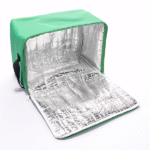
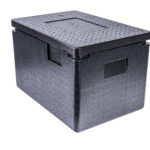
A seleção de materiais deve seguir a restrição. EPS pode fornecer uma luz, estrutura rígida para muitos remetentes unidirecionais. O EPP pode ser adequado para reutilização gerenciada onde a limpeza, inspeção, e a logística de retorno são viáveis. A construção VIP pode ajudar quando o cubo externo está apertado, mas bordas do painel, proteção contra perfurações, e controle de integridade requerem atenção. Os revestimentos flexíveis podem simplificar o armazenamento e a montagem para aplicações adequadas de pacotes. Nenhum desses rótulos comprova desempenho.
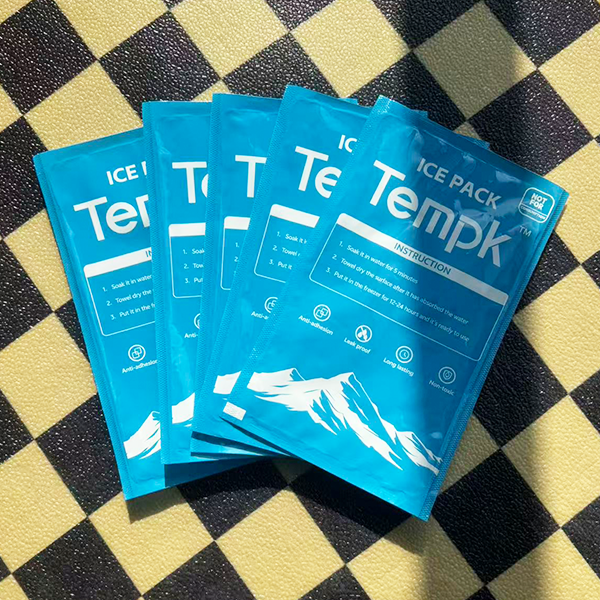
Os refrigerantes devem ser selecionados e condicionados para o projeto alvo. Água congelada ou pacotes de gel pode produzir condições de contorno frio, portanto, produtos sensíveis ao congelamento não devem entrar em contato com eles, a menos que um projeto especificamente suportado permita isso. A orientação do PIB europeu exige que as embalagens térmicas em caixas isoladas sejam posicionadas para evitar o contato direto com o medicamento e enfatiza a montagem treinada, configurações sazonais, e procedimentos de reutilização de embalagens. PCM pode amortecer o calor em torno de uma transição de fase projetada, ainda assim, a temperatura da carga final depende do arranjo completo.
Use a matriz a seguir para manter a discussão do projeto vinculada às restrições.
| Restrição de envio | Resposta do design que vale a pena avaliar | Suposição que não deve escapar |
|---|---|---|
| Pequeno, carga útil variável | Inserções, espaços de carga modulares, ou variantes de carga qualificadas | Um resultado com carga máxima cobre uma caixa quase vazia |
| Dimensões externas apertadas | Arquitetura de parede fina ou otimização de geometria | Somente os dados do material preveem o desempenho final |
| Medicamento sensível ao congelamento | Condicionamento controlado de refrigerante e separação física | "Mais pacotes congelados" sempre cria mais proteção |
| Manuseio repetido e áspero | Concha reutilizável, peças substituíveis, regras de inspeção e aposentadoria | O material reutilizável permanece adequado indefinidamente |
| Entrega dispersa unidirecional | Sistema de uso único do tamanho certo e informações claras sobre descarte | A reciclabilidade nominal significa que a recuperação local ocorre |
| Transferências longas ou incertas | Duração apoiada por evidências, além de controles de atraso e recebimento | A duração do laboratório se aplica a qualquer condição alfandegária ou central |
A mesa é uma conversa de design, não é um seletor de produtos. Mais isolamento pode reduzir a entrada de calor, mas aumentar o cubo externo. Mais líquido refrigerante pode aumentar a capacidade, mas ocupar espaço de carga útil, adicionar peso de frete, complicar o condicionamento, e aumentar o risco de resfriado. O conceito mais forte equilibra a margem térmica com a operação real de embalagem e distribuição.
O desempenho da distribuição física também pertence ao design. Um expedidor termicamente capaz ainda pode falhar se a sua embalagem exterior se esmagar., uma tampa se abre, um pacote de refrigerante vaza, ou um VIP é perfurado. Determine qual compressão, vibração, impacto, orientação, umidade, e lidar com desafios são relevantes. Os testes térmicos e físicos podem ser planeados separadamente ou numa sequência justificada, mas suas conclusões deveriam referir-se à mesma construção representativa da produção.
Portão Três: Teste a configuração e leia os limites
A qualificação transforma uma configuração proposta em evidência documentada sob condições específicas. Não certifica todos os produtos ou rotas possíveis.
O protocolo deve identificar a lista completa de materiais, método de montagem, carga útil ou simulador justificado, casos de carga mínimo e máximo, condições de partida do componente, perfil ambiente, equipamento de teste, mapa de sensores, intervalo de registro, requisitos de calibração, número de corridas, Critérios de aceitação, e processo de desvio. Fotografias e diagramas devem tornar a configuração reproduzível. Se o produtor se referir a um teste aprovado, mas não conseguir identificar esses detalhes, a alegação não está pronta para uma revisão de qualidade farmacêutica.
Estruturas reconhecidas podem fornecer estrutura. O modelo de orientação da OMS aborda o armazenamento e o transporte do tempo- e produtos farmacêuticos sensíveis à temperatura, e seu suplemento técnico discute qualificação de contêineres marítimos. Padrão ISTA 20 descreve um processo de design e qualificação para contêineres isolados. ISTA 7E fornece perfis de calor e frio derivados para testes térmicos de entrega de encomendas. USP <1079> discute riscos e mitigação no armazenamento e transporte de medicamentos acabados. O PIB da UE espera um planeamento de rotas baseado no risco e, quando relevante, sistemas de controle de temperatura validados.
Use essas fontes de acordo com seu escopo. Um perfil de pacote ISTA não é automaticamente um modelo para um palete sob cobertura térmica. A orientação da OMS não aprova a caixa de um determinado produtor. O PIB da UE não fornece o critério de aceitação do produto pelo comprador. Os padrões e orientações ajudam a definir um processo sólido; o protocolo ainda deve representar o uso pretendido.
A colocação do sensor merece um exame especial. O calor não entra uniformemente, e refrigerantes frios podem criar extremos locais. Mapeando posições perto de paredes, cantos, refrigerantes, e o núcleo da carga útil pode identificar gradientes. A posição do registrador de rotina pode então ser escolhida a partir do conhecimento de risco e mapeamento. Um único dispositivo colocado para fácil recuperação não deve ser apresentado como prova de que todos os pontos da carga se comportaram de forma idêntica.
Leia falhas e anomalias. Um resultado dentro de um limite abaixo de uma montagem ideal pode não fornecer margem operacional útil. A variabilidade entre execuções replicadas pode revelar sensibilidade a uma pequena lacuna, posição do refrigerante, ou condição de carga útil. Dados ausentes, picos inesperados, e sensores excluídos exigem investigação documentada. A qualificação é valiosa em parte porque expõe suposições de design fracas antes que o produto esteja em risco.
Após o teste, escreva uma declaração de espaço de design: qual condição do produto, carga útil, componentes, pacote, desafios ambientais, e duração que as evidências apoiam; quais variantes sazonais existem; e quais condições permanecem fora do escopo. Uma reivindicação limitada é mais útil do que "caixa farmacêutica qualificada."
Portão Quatro: Faça o sistema funcionar em 6 sou. no piso de embalagem
O arranjo validado deve sobreviver ao trabalho de rotina. Isso requer controle de componentes, instruções simples, capacidade de condicionamento, treinamento, monitoramento, e uma resposta quando algo dá errado.
Ferramentas úteis de decisão
Verifique os detalhes antes de escolher a embalagem
Essas ferramentas rápidas podem ajudá-lo a comparar o risco da rota, necessidades de dimensionamento, escolhas de refrigerante, e detalhes da embalagem antes de solicitar um orçamento.
Resistência à queda de material de isolamento
Revise a resistência à queda e os fatores de manuseio antes de escolher materiais de isolamento.
Verifique a resistênciaCalculadora de gelo seco
Estime as necessidades de gelo seco para remessas congeladas ou ultrafrias antes de embalar.
Estimar gelo secoForro de caixa & Dimensionamento da cobertura de paletes
Verifique a lógica de dimensionamento do forro da caixa e da tampa do palete para projetos de embalagens isoladas.
Dimensionamento estimadoCrie uma instrução de pacote em torno de ações observáveis. Use identidades e contagens exatas de componentes. Mostrar orientação do refrigerante, separação de produtos, localização do registrador, preenchimento de espaço vazio, assento da tampa, encerramento, e etiquetas. Indique o tempo permitido entre a remoção dos componentes condicionados e o fechamento do expedidor. Distinguir visualmente as configurações sazonais. Incluir regras de rejeição para vazamento de refrigerante, isolamento rachado, painéis danificados, caixas molhadas, ou faltando peças.
Verifique a capacidade antes do lançamento. Os freezers de refrigerante ou equipamentos de condicionamento devem acomodar a demanda diária sem aglomeração que impeça os componentes de atingirem o estado pretendido. As áreas de embalagem precisam de espaço suficiente para separar peças preparadas e não preparadas. Os operadores precisam de ferramentas para confirmar a identidade dos componentes. Os locais de recebimento precisam de acesso ao registrador ou indicador e de uma instrução clara para não liberar produtos questionáveis automaticamente.
Cenário prático de lançamento
Considere um distribuidor farmacêutico introduzindo serviços no mesmo dia e no dia seguinte a partir de um único hub. A quantidade de carga varia, e os pedidos mais recentes são embalados pouco antes do encerramento da transportadora. O desenvolvimento produziu uma configuração de verão e uma configuração de inverno.
Durante um piloto, a equipe descobre que os operadores não conseguem distinguir visualmente dois conjuntos PCM condicionados e que a inserção de carga mínima é frequentemente omitida. Em vez de tratá-los como falhas de treinamento, o produtor e o comprador revisam os rótulos e as cores dos componentes, locais de inventário separados, simplificar a instrução, e repita a verificação relevante. A organização também altera os limites de pedidos para que o processo de condicionamento e embalagem tenha tempo suficiente. Este exemplo hipotético ilustra um ponto central: fatores humanos são entradas de design, não é uma reflexão tardia.
O monitoramento da temperatura completa o ciclo operacional. Selecione um dispositivo com uma faixa de medição adequada, suporte de calibração, intervalo de amostragem, formato de dados, método inicial, e acesso a software. Decida quem começa, onde fica, quem pára ou lê, e como os registros são retidos. Crie um procedimento de excursão que direcione o receptor para colocar o medicamento afetado em quarentena, preservar evidências, e entre em contato com a função de qualidade autorizada. O produtor de embalagens pode ajudar a interpretar o comportamento da embalagem, mas a disposição do produto pertence à organização com autoridade e dados específicos do produto.
Acompanhe a execução após o lançamento. Indicadores úteis podem incluir desvios de embalagem, componentes danificados, coleções atrasadas, alarmes de temperatura, relatórios ausentes, retorno, e erros do destinatário. O objetivo não é gerar um scorecard perfeito. É para detectar quando o processo real se move fora das suposições qualificadas.
Portão Cinco: Controle o relacionamento com o produtor de caixas isoladas farmacêuticas
O fornecimento não termina com a aprovação de uma amostra. As caixas posteriores devem permanecer equivalentes à construção qualificada dentro das tolerâncias definidas.
Combine os desenhos, especificações, lista de materiais, amostras de referência, e atributos críticos para a qualidade. Dependendo do projeto, os controles podem cobrir as dimensões do gabinete, engate da tampa, condição de isolamento, Presença e proteção VIP, identidade do refrigerante e integridade da vedação, geometria espaçadora, e ajuste externo da caixa. Revise as unidades representativas da produção, não apenas protótipos construídos à mão.
O controle de alterações deve nomear os gatilhos. Um novo fornecedor de resina ou espuma, molde revisado, filme de barreira diferente, adesivo alternativo, formulação de refrigerante modificada, mudança de layout do painel, ou processo de produção realocado pode exigir avaliação. Nem toda mudança exige um programa térmico completo, mas toda mudança potencialmente significativa precisa de uma avaliação documentada e de uma decisão aprovada. O produtor não deve substituir peças críticas apenas porque parecem comercialmente equivalentes.
A rastreabilidade deve apoiar a investigação. A organização pode precisar vincular uma remessa à configuração da embalagem, revisão de instruções, lotes de componentes críticos, identificador do registrador, e registro do operador. A inspeção recebida deve identificar danos, peças incorretas, contaminação, ou problemas dimensionais antes que o estoque chegue à linha de embalagem. O material não conforme precisa de segregação e disposição.
Compare o custo em todo o sistema operacional: caixa e refrigerantes, condicionando energia e espaço, trabalho, armazenar, cubo de frete e massa, registrador e tratamento de dados, qualificação, dano, processamento de resíduos, transporte de retorno, limpeza, inspeção, perdas, e substituição. Um sistema reutilizável baseado em EPP ou VIP pode ser atraente no circuito certo, embora um design EPS simples possa ser mais prático em uma rota de mão única. A comparação ambiental deve usar o mesmo limite do sistema e evitar "verde" reivindicações.
Para ativos reutilizáveis, estabelecer compatibilidade de limpeza, secagem, inspeção, reparar, rastreabilidade, e aposentadoria. Uma promessa fixa de ciclo de vida não é credível a menos que condições e evidências sejam definidas. Para embalagens descartáveis, fornecer identificação precisa do material e considerar o dimensionamento correto e a separação no local de recebimento. A infraestrutura de recuperação local determina o que é realmente reciclado.
Perguntas frequentes
O que deve ser enviado a um produtor de caixas isoladas antes de solicitar um orçamento?
Envie a condição do produto, dimensões e massa da unidade embalada, cargas mínimas e máximas, etapas da rota, exposições sazonais e de atraso, modo de transporte, necessidades de monitoramento, e provas exigidas. Identifique também restrições de tamanho externo ou de manuseio. Isto permite que o produtor proponha um sistema testável em vez de adivinhar a partir de um volume de cavidade solicitado.
Um pacote qualificado é o mesmo que uma remessa compatível?
Não. A qualificação suporta uma configuração definida sob condições estabelecidas. A conformidade e a liberação da remessa também dependem do produto, mercado, procedimentos, treinamento, monitoramento, documentação, operadora, e supervisão de qualidade. Nenhum sistema de embalagem deve ser descrito como universalmente compatível para todos os usos farmacêuticos. O sistema de qualidade do comprador ainda deve aprovar o uso pretendido.
Quanta duração extra um comprador deve solicitar?
Não há margem universal. Baseie a duração no tempo total de percurso decorrido, atrasos credíveis, incerteza ambiental, risco do produto, e o processo de risco de qualidade da organização. Excesso de refrigerante ou isolamento pode adicionar peso, complexidade, e exposição ao frio. Definir contingências em vez de selecionar a reivindicação mais longa por padrão.
Um registrador de temperatura substitui a qualificação térmica?
Não. Um registrador registra uma remessa específica em seu local de medição. A qualificação avalia se um pacote definido pode atender aos requisitos sob desafios específicos e mapeia o comportamento antes do uso rotineiro. O monitoramento pode confirmar e tendências de remessas, mas não cria proteção nem prova condições em todos os pontos.
Quando uma mudança de embalagem deve desencadear a requalificação?
A decisão deve seguir uma avaliação de risco documentada. Mudanças no isolamento, geometria, refrigerante, carga útil, pacote, fonte de fabricação, ou perfil de rota pode afetar o desempenho. Algumas mudanças podem ser abordadas por justificativas de engenharia ou testes comparativos focados; outros precisam de uma requalificação mais ampla. As regras de notificação e decisão devem ser acordadas antes do início do fornecimento.
Conclusão: Passe todos os cinco portões
Uma escolha defensável do produtor começa com requisitos precisos de remessa e termina com o controle do ciclo de vida. Verifique se a arquitetura térmica se ajusta à carga útil, que os dados de qualificação revelem o seu alcance e limites, que a equipe do armazém possa repetir o pacote, e que as mudanças na produção não podem ocorrer de forma invisível. Em seguida, compare o custo e o impacto ambiental em toda a rota real. Um produtor de caixas isoladas para produtos farmacêuticos deve contribuir com componentes, clareza de engenharia, e evidências; o sistema de qualidade da organização farmacêutica decide se a solução completa é adequada para uso.
Sobre Tempk
Tempk é a marca da Shanghai Tempk Industrial Co., Ltda. Oferecemos gel e água bolsas de gelo, materiais de mudança de fase, forros e sacos isolados, EPS, PPE, e Caixas VIP, capas térmicas para paletes, refrigeradores médicos, e registradores de dados de temperatura como embalagem da cadeia de frio soluções. Tempk também pode discutir validação e suporte a pacotes. Para projetos farmacêuticos, nossa função é ajudar a conectar as escolhas de componentes à carga útil do comprador, rota, processo de condicionamento, e necessidades de documentação sem apresentar qualquer caixa ou material como universalmente qualificado.
Envie ao Tempk seus requisitos de usuário e suposições de rota atuais para iniciar uma revisão baseada em evidências antes das amostras, testando, ou aumento de produção.