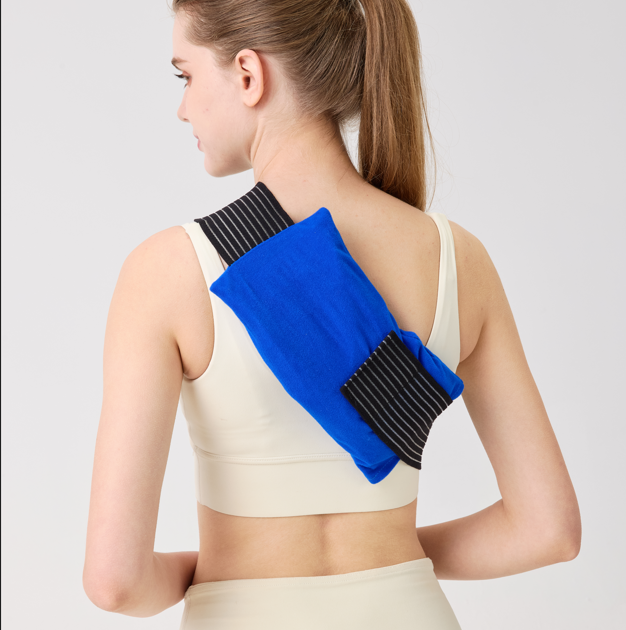
Almofada de resfriamento de gel: Um guia prático para comparar fornecedores e design de embalagens
The best gel cooling pad grocery wholesale is the one that matches the job without creating extra risk somewhere else. Na prática, os compradores precisam comparar o design, comportamento de fase, ajuste de rota, disciplina do fornecedor, e consistência do pedido em massa juntos. Essa é a única maneira confiável de escolher um pacote que funcione além do primeiro lote de amostra.
Abaixo está um guia prático de compras que se concentra nas questões que as equipes de compras e operações geralmente precisam responder primeiro: o que o produto realmente faz, onde cabe, o que pode dar errado, e como diferenciar um fornecedor confiável de uma opção somente de catálogo.
Começando com a definição correta do produto
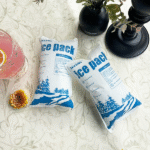
A gel cooling pad for grocery wholesale is a flat or low-profile cold source used to keep fresh items chilled during last-mile delivery, click-and-collect staging, or direct-to-consumer grocery shipment. Compared with thicker parcel packs, a cooling pad is often chosen for its easier stacking, apresentação mais limpa, and better fit against produce trays, dairy boxes, or insulated tote walls.
That flat profile can be helpful, but grocery buyers should still remember the same core rule: the pad is part of a system. The actual cold result depends on the tote or carton insulation, o mix de produtos, pré-resfriamento, tempo de rota, and whether the order sits in a staging area before handoff. Wholesale sourcing works best when the pad is tested in that real workflow.
For grocery operations, buyer responsibility is practical rather than formal: prove the delivered order stays in condition under the real route and staging model.
Como as escolhas de design alteram o desempenho
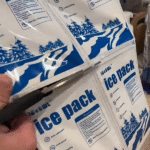
Cooling pads generally use a water-based gel or similar refrigerant inside a durable flat pouch. Some designs stay highly flexible after freezing, while others are firmer and behave more like a slim brick. The right format depends on whether the operation needs the pad to drape around products, line the base of a tote, or create a neat stackable layer between order components.
Surface moisture also matters in grocery use. Pads that sweat heavily can affect outer labels, paper separators, or the unboxing experience. That is why many buyers compare not only hold time but also the condition of the order when the customer opens it.
Grocery performance depends on tote or carton design, load variability, janela de entrega, tempo de preparação, and how the pad affects the order’s delivered condition.
Os compradores geralmente aprendem mais com uma pequena lista de dados concretos: dimensões acabadas, peso líquido de preenchimento, espessura congelada, faixa de mudança de fase ou faixa de temperatura pretendida, instruções de condicionamento, e configuração de embalagem por caixa ou palete. Esses detalhes permitem que as equipes de operações e qualidade imaginem como o pacote se comportará antes mesmo de o teste começar.
Escolha por aplicação e rota
Common applications include online grocery parcels, insulated tote delivery, curbside handoff preparation, and mixed fresh-order distribution with dairy, produzir, itens de delicatessen, and chilled ready meals. In some programs the pad is a one-way consumable. In others it returns with the tote and is refrozen for repeated use.
Because grocery baskets vary daily, the pad often needs to work across different load shapes. A format that is too rigid may not sit well in a half-full tote, while an overly soft pad may slow handling in a dense pick-and-pack operation. These are operational decisions as much as thermal ones.
Grocery performance depends on tote or carton design, load variability, janela de entrega, tempo de preparação, and how the pad affects the order’s delivered condition. Em outras palavras, a seleção começa com o problema operacional, não a foto do catálogo. Compradores que definem a faixa de temperatura, tempo de trânsito, Sensibilidade da carga útil, e o método de carregamento tendem claramente a tomar decisões mais rápidas e seguras.
Uma comparação amigável ao comprador geralmente se resume a seis cheques:
Choose flatter pads for tote lining and neat stacking, and thicker formats only when route severity truly requires them.
Check frozen thickness because even a slim pad can become bulky after conditioning.
Review condensation and delivered presentation, not only temperature retention.
Match the pad to the route type, such as short urban delivery, staged curbside pickup, or longer home delivery windows.
Ask whether the product is intended for reuse or one-way distribution.
Optimize by basket type where possible instead of using the heaviest pad for every grocery order.
Wholesale buyers usually care about route fit, densidade do congelador, and delivered presentation as much as raw cold life.
O que perguntar aos fornecedores antes de fazer pedidos em grandes quantidades
When shortlisting wholesale suppliers, ask about the pad’s dimensions, massa de gel, espessura congelada, tempo de condicionamento, and intended placement in the tote or carton. Then look at the commercial details that matter at scale: pacote de casos, densidade de paletes, freezer handling, opções de marca, and whether the product is optimized for one-way distribution or reuse.
You should also ask for route-fit advice. A strong wholesale supplier can discuss short urban routes, staged curbside orders, and longer home-delivery windows differently rather than presenting one generic grocery solution for all of them.
Pad footprint, espessura congelada, e massa de gel
Conditioning time and how the pad is intended to sit in the tote or carton
Surface moisture behavior and delivered presentation
Pacote de casos, densidade de paletes, and freezer-storage efficiency
Suitability for one-way use or reuse loops
Ferramentas úteis de decisão
Verifique os detalhes antes de escolher a embalagem
Essas ferramentas rápidas podem ajudá-lo a comparar o risco da rota, necessidades de dimensionamento, escolhas de refrigerante, e detalhes da embalagem antes de solicitar um orçamento.
Forro de caixa & Dimensionamento da cobertura de paletes
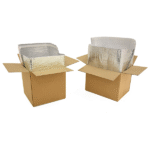
Verifique a lógica de dimensionamento do forro da caixa e da tampa do palete para projetos de embalagens isoladas.
Dimensionamento estimadoResistência à queda de material de isolamento
Revise a resistência à queda e os fatores de manuseio antes de escolher materiais de isolamento.
Verifique a resistênciaGerador de lista de verificação de conformidade
Crie uma lista de verificação prática para revisão de embalagens, envio, e documentação.
Lista de verificação de construçãoQuantidade mínima, velocidade de reabastecimento, and custom branding or size options
Antes da expansão, execute um teste simples, mas disciplinado. Use a carga útil real ou um substituto térmico próximo, o pacote externo real, o método de condicionamento pretendido, e a duração da rota que você espera no campo. Inclua pelo menos uma exposição ambiental mais difícil do que o seu caso ideal.
Se o produto for para um ambiente mais controlado, pergunte se o fornecedor pode manter esses pontos de dados estáveis ao longo do tempo e como qualquer mudança seria comunicada. A confiabilidade técnica depende tanto da disciplina do processo quanto da primeira amostra.
Erros que criam custos ou riscos evitáveis
A common mistake is to buy a flat pad because it stores neatly, then discover that it cannot handle the hottest or longest routes. Another is to overbuild the pad for every order, adding unnecessary mass, carga do congelador, and freight cost even on short urban lanes.
Buyers should also watch for condensation-related issues. Grocery programs succeed or fail on the delivered condition of the order, not only on the internal temperature record. If pads arrive wet, rasgado, or misplaced, the customer experience suffers immediately.
Cooling pads can support sustainability when they reduce packaging bulk, armazenar com eficiência, and match the route without excess weight. Reusable pads can be especially valuable in tote-return programs, provided the cleaning and reverse-logistics model really exists.
Grocery buyers are increasingly segmenting cold sources by route length, order type, and tote return model instead of trying to run one universal pad across every order.
Perguntas práticas antes do lançamento
Onde rotas, produtos, ou as demandas de documentação são mais sensíveis, os compradores devem bloquear o método de condicionamento pretendido, posição da embalagem, e receber cheques antes do primeiro pedido maior. Essa disciplina simples evita muitas confusões evitáveis mais tarde.
Durante esse julgamento, registre não apenas a temperatura. Observe a umidade da superfície, integridade do pacote, velocidade de carregamento, ajuste congelado, e a condição do produto ou kit entregue. Estas observações muitas vezes revelam mais sobre a adequação real do que uma afirmação de tempo de espera de manchete.
Depois do julgamento, bloquear a especificação. Documente as dimensões aprovadas, massa de gel, estrutura do filme, método de condicionamento, e colocação de pacotes. Essa disciplina simples reduz o desvio entre a aprovação da amostra e a produção de rotina.
Perguntas que os compradores ainda fazem
How is a cooling pad different from a standard gel pack?
A cooling pad is usually flatter and chosen for easier stacking or lining of totes, bandejas, and grocery cartons.
Should wholesale buyers prioritize thickness or footprint?
Geralmente ambos. Footprint affects coverage, while frozen thickness affects fit and cold capacity.
What should a grocery trial measure?
Medir a temperatura do produto, delivered condition, condensação, velocidade de manuseio, e apresentação voltada para o cliente.
Pontos práticos que influenciam a implementação
O fornecimento em massa muda a decisão de uma maneira importante: você não está aprovando um único pacote, você está aprovando um método de fabricação e operação repetível. Isso significa que a citação, a amostra, o POP do armazém, e a especificação do novo pedido devem apontar para o mesmo produto. Se uma dessas peças for vaga, os custos geralmente surgem mais tarde através de vazamentos, novos julgamentos, reclamações de clientes, ou linhas de embalagem lentas em vez de no primeiro pedido de compra.
Outro ponto prático é o armazenamento e manuseio antes do envio ou uso. O desempenho começa na sala do freezer, área de preparação, ou almoxarifado, não no destino final. Os compradores devem verificar como o produto será armazenado, quanto tempo leva o condicionamento, se as caixas podem ser giradas primeiro a entrar, primeiro a sair, e como o pacote se comporta se as equipes o manusearem durante períodos ocupados ou parcialmente descongelados. Pequenos detalhes operacionais podem alterar o resultado entregue mais do que a linguagem do catálogo sugere.
Ao comparar fornecedores, pergunte a si mesmo se o fornecedor está ajudando você a tomar uma decisão real ou apenas ajudando você a receber uma cotação. Fornecedores úteis respondem diretamente sobre as dimensões, condicionamento, controle de mudanças, documentação, e limites de aplicação. Os menos úteis ficam no nível da linguagem do setor amplo e deixam a interpretação técnica para você.
Uma análise por amostra deve, portanto, incluir mais do que uma inspeção visual. Congele o produto da maneira que sua equipe realmente o congelaria. Carregue-o na embalagem externa real ou no formato do usuário. Confira como é fácil colocar, quão claramente está rotulado, como se comporta após o descongelamento parcial, e se o lado receptor entenderia como lidar com isso.
Também vale a pena comparar o custo operacional total em vez do preço do item apenas. Uma embalagem um pouco mais cara ainda pode ser a opção de custo mais baixo se reduzir a deterioração, melhora o desembalagem, simplifica o descarte, ou reduz o atrito no atendimento ao cliente.
A consistência desde a amostra até a produção merece atenção explícita. Pergunte se o fornecedor controla o peso de enchimento, medidor de filme, qualidade do selo, dimensões externas, e configuração da caixa dentro de uma faixa de tolerância conhecida. Em seguida, pergunte como uma mudança seria comunicada. Essa questão muitas vezes separa um verdadeiro parceiro de produção de um comerciante com visibilidade limitada do processo.
O caminho de aprovação mais forte geralmente é simples, mas disciplinado. Defina o caso de uso, solicite um conjunto de amostras controladas, executar uma rota realista ou teste de embalagem, documentar a especificação aprovada, e mantenha esse documento anexado a cada novo pedido. Essa sequência é especialmente importante quando o produto fica dentro de uma cadeia de frio ou fluxo de trabalho de saúde mais controlado.
Finalmente, lembre-se de que a escolha certa raramente é a mais pesada. O melhor pacote é aquele que combina com a cesta, rota, e lidar com a realidade do cliente sem adicionar peso evitável, carga do congelador, ou desperdício.
A previsão também é importante. Se sua equipe espera mudanças sazonais ou picos promocionais, confirmar como o fornecedor suportará mudanças de volume sem substituir silenciosamente materiais ou ajustar contagens de caixas. Um produto tecnicamente aceitável ainda pode se tornar operacionalmente perturbador quando a comunicação das previsões é fraca.
As verificações do lado receptor são outra fonte negligenciada de aprendizagem. Pergunte o que o destinatário verá quando o pacote chegar: umidade superficial, rigidez, rotulagem, e sinais óbvios de uso indevido. Se a condição entregue for difícil de interpretar, as equipes de atendimento ao cliente e qualidade podem gastar tempo desnecessário decidindo se a remessa é aceitável.
Os compradores também devem pensar em treinamento. Uma embalagem bem especificada ainda pode ter um desempenho ruim se o armazém ou os usuários finais não souberem por quanto tempo acondicioná-la, onde colocá-lo, ou quando rejeitar uma unidade danificada. Instruções claras do fornecedor geralmente reduzem esses problemas de implementação de forma mais eficaz do que adicionar mais massa de resfriamento.
In the end, strong sourcing combines three things: an honest product definition, a disciplined trial, and a supplier that can keep the approved specification stable. When those three pieces align, purchasing decisions become easier to defend and far easier to repeat at scale.
O que isso significa para os compradores
A strong gel cooling pad purchase is rarely about buying the coldest, mais barato, ou pacote mais comercializado. Trata-se de combinar o formato do pacote, método de condicionamento, e disciplina do fornecedor para o trabalho que você realmente executa.
Se você definir o caso de uso claramente, faça perguntas mais precisas sobre materiais e controle de processos, e teste o pacote na rota real ou no fluxo de trabalho de manuseio, é muito mais provável que você escolha um fornecedor que tenha um bom desempenho após a implementação, em vez de apenas na fase de cotação.
Sobre Tempk
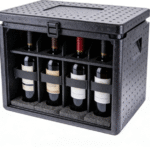
E Tempk, nos concentramos em embalagem com temperatura controlada para comida, farmacêutico, e outras remessas sensíveis. A nossa gama pública inclui bolsas de gelo em gel, Pacotes de gelo seco, tijolos de gelo congelador, sacos isolados, forros de caixa isolados, Caixas isoladas em EPP, caixas de transporte frio, caixas térmicas médicas, e capas térmicas para paletes. Porque trabalhamos com refrigerantes e formatos isolados, além de embalagem personalizada de controle de temperatura apoiada por um laboratório certificado pelo CNAS, podemos ajudar os compradores a comparar uma opção de pacote único dentro do sistema de envio mais amplo.
Próximo passo
Se você está restringindo fornecedores, solicitar amostras, revise as instruções de condicionamento, e teste a embalagem em sua rota real e configuração da caixa antes de se comprometer com o volume. Esse simples passo geralmente evita as surpresas mais caras.